
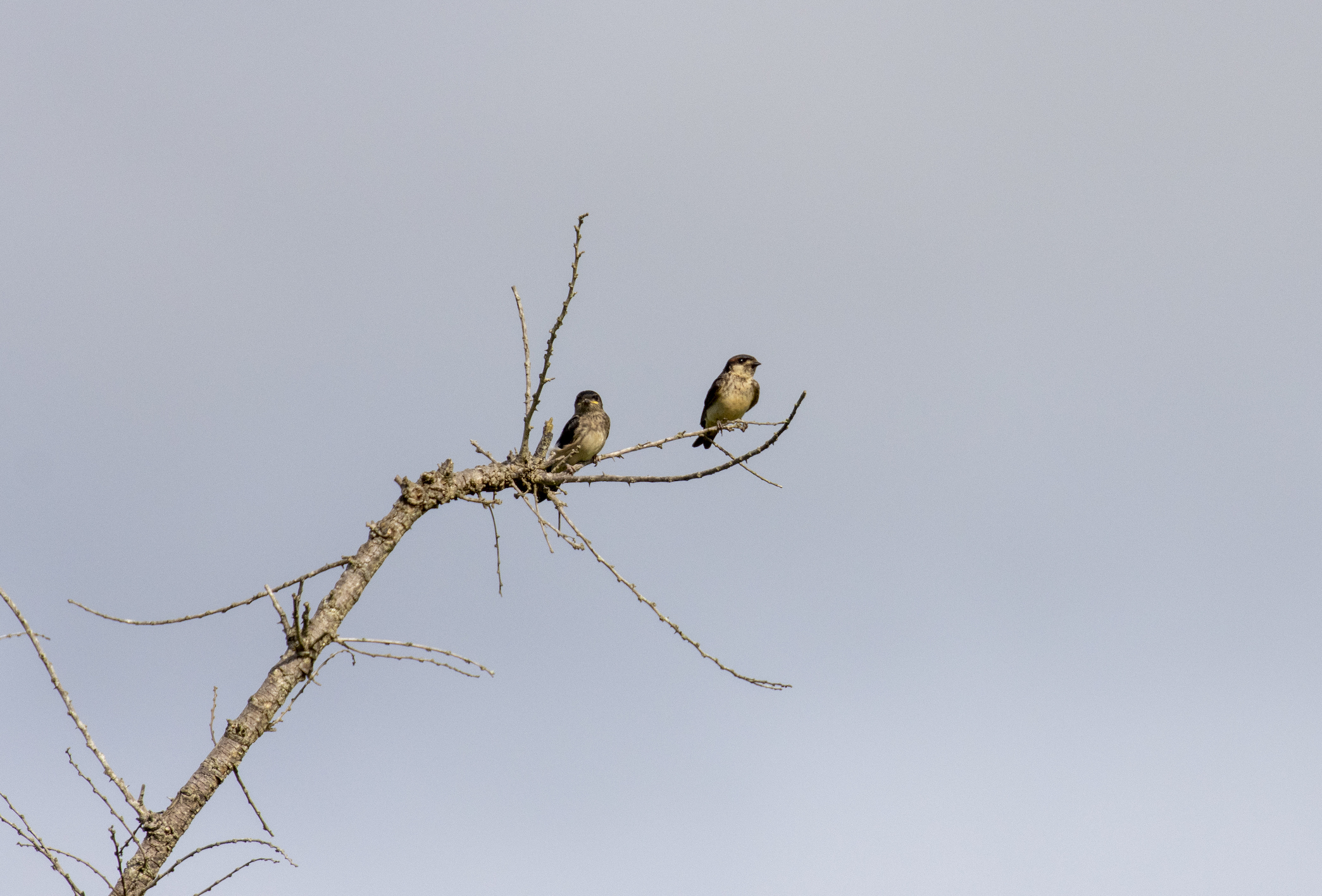
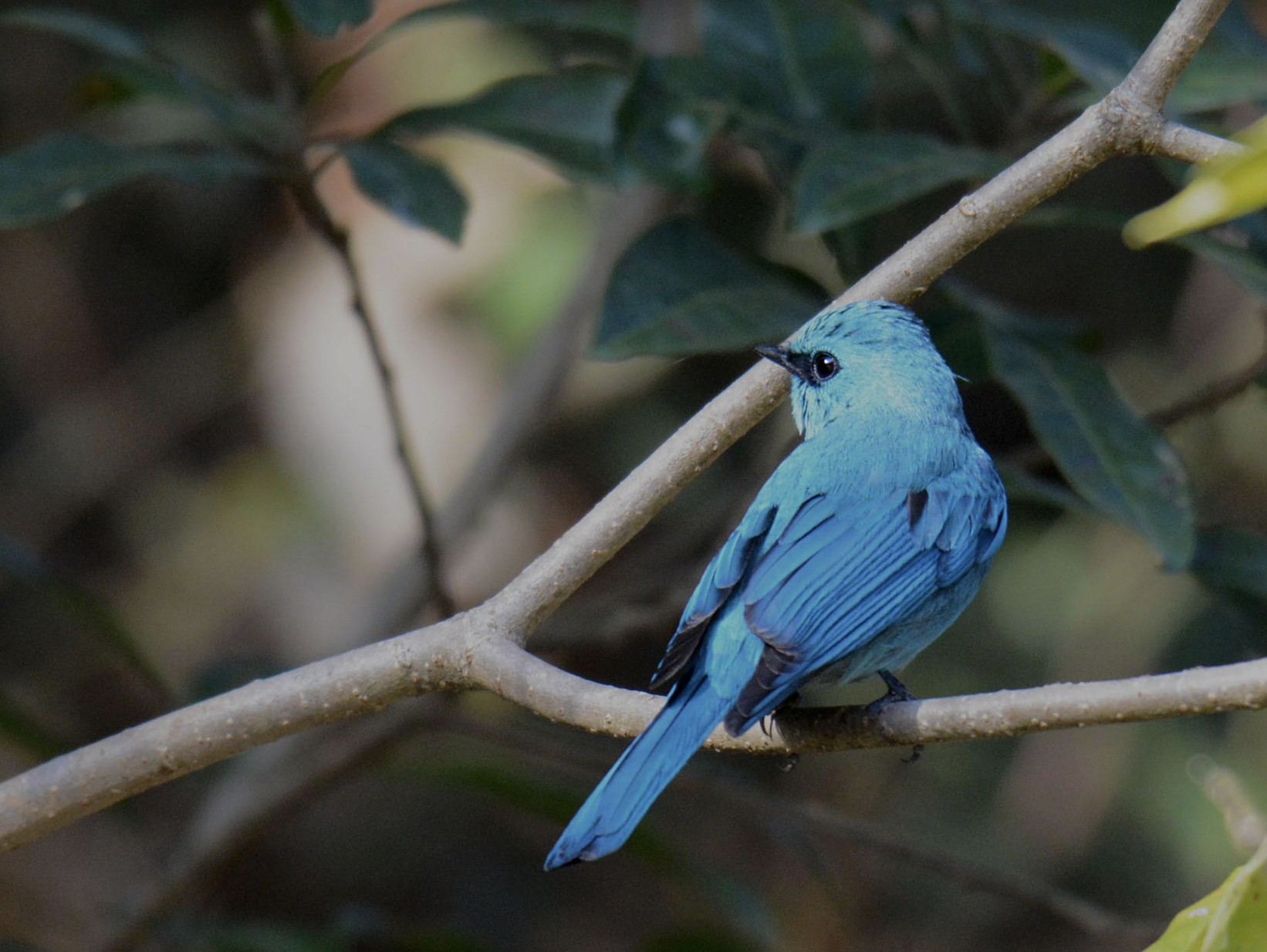
Adult male – White morph coloration
Panna Tiger Reserve, Madhya Pradesh
Adult male – White morph coloration
Panna Tiger Reserve, Madhya Pradesh
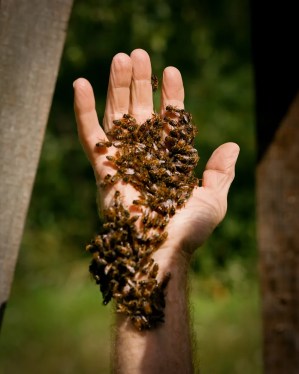
Bees have long been held to be prophetic—messengers to another realm. Photographs by Alice Zoo for The New Yorker
When reading a couple of days ago that there could be such thing as too many beekeepers, the surprise was sufficient to make me go back through all earlier posts to see if I was merely forgetting having read this before. There were no previous mentions of too many, and if anything it was reasonable to assume from all my readings on colony collapse disorder that more beekeepers might be part of the solution. And now this article is full of more surprises, including the most fundamental question: Is Beekeeping Wrong?
Gareth John, a natural beekeeper, tending a hive.
Parasites and pesticides have brought chaos to bee colonies throughout the world. Natural beekeepers want to transform our relationship to the hive.
On a hot, pollen-dazed morning this summer, I stopped by the house of Gareth John, a retired agricultural ecologist, who lives on a quiet lane above a river in Oxfordshire, to take a look at his bees. In British beekeeping circles, John, who has a white beard and a sprightly, didactic manner, is well known as a “natural beekeeper,” although he acknowledged right off the bat that this was a problematic term. “It’s an oxymoron, right?” he said. John cares for perhaps half a million bees, but he does not think of himself as keeping anything. “I wouldn’t call myself a dog-keeper,” he said. “But I have a dog.” Continue reading
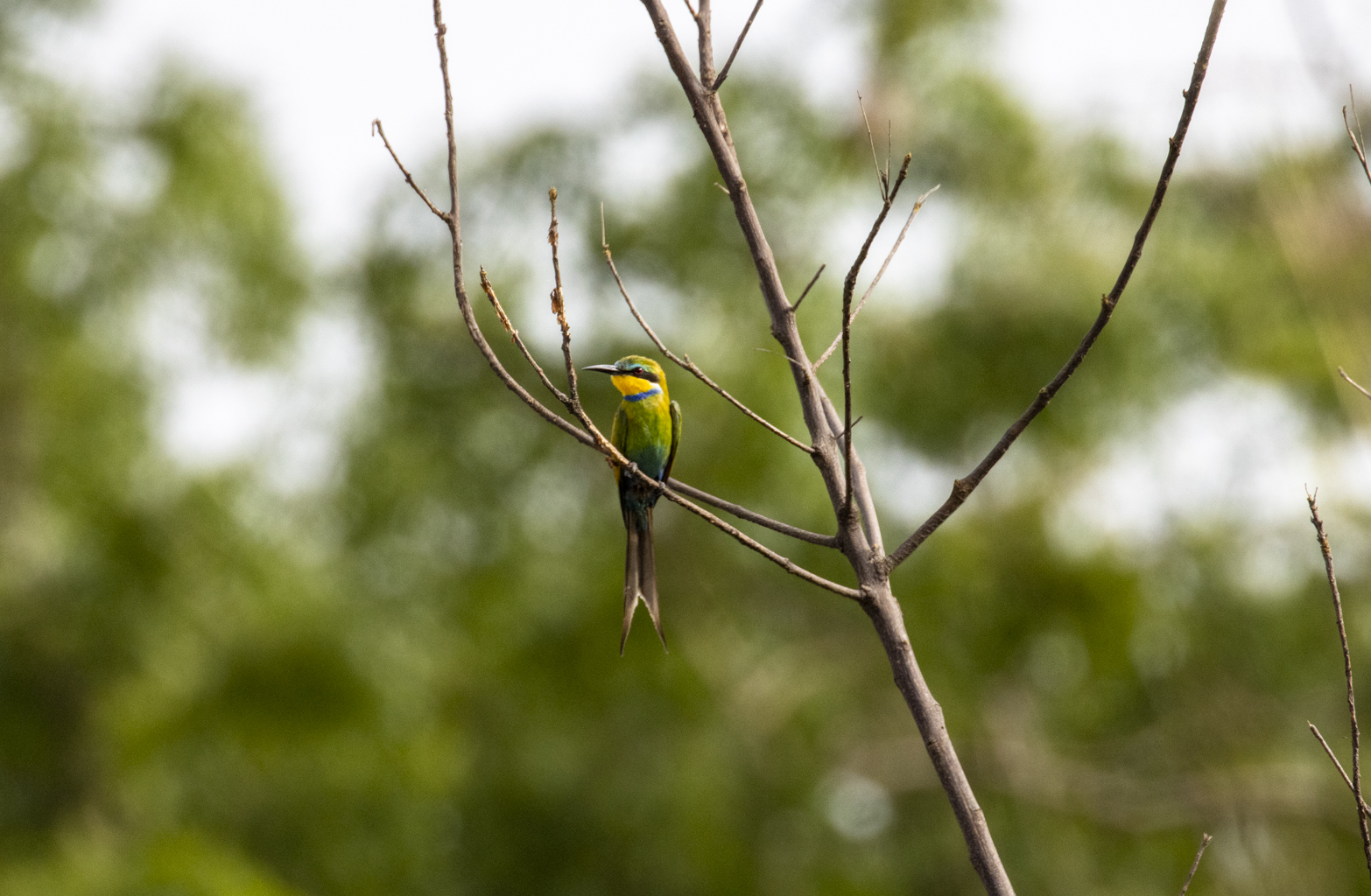
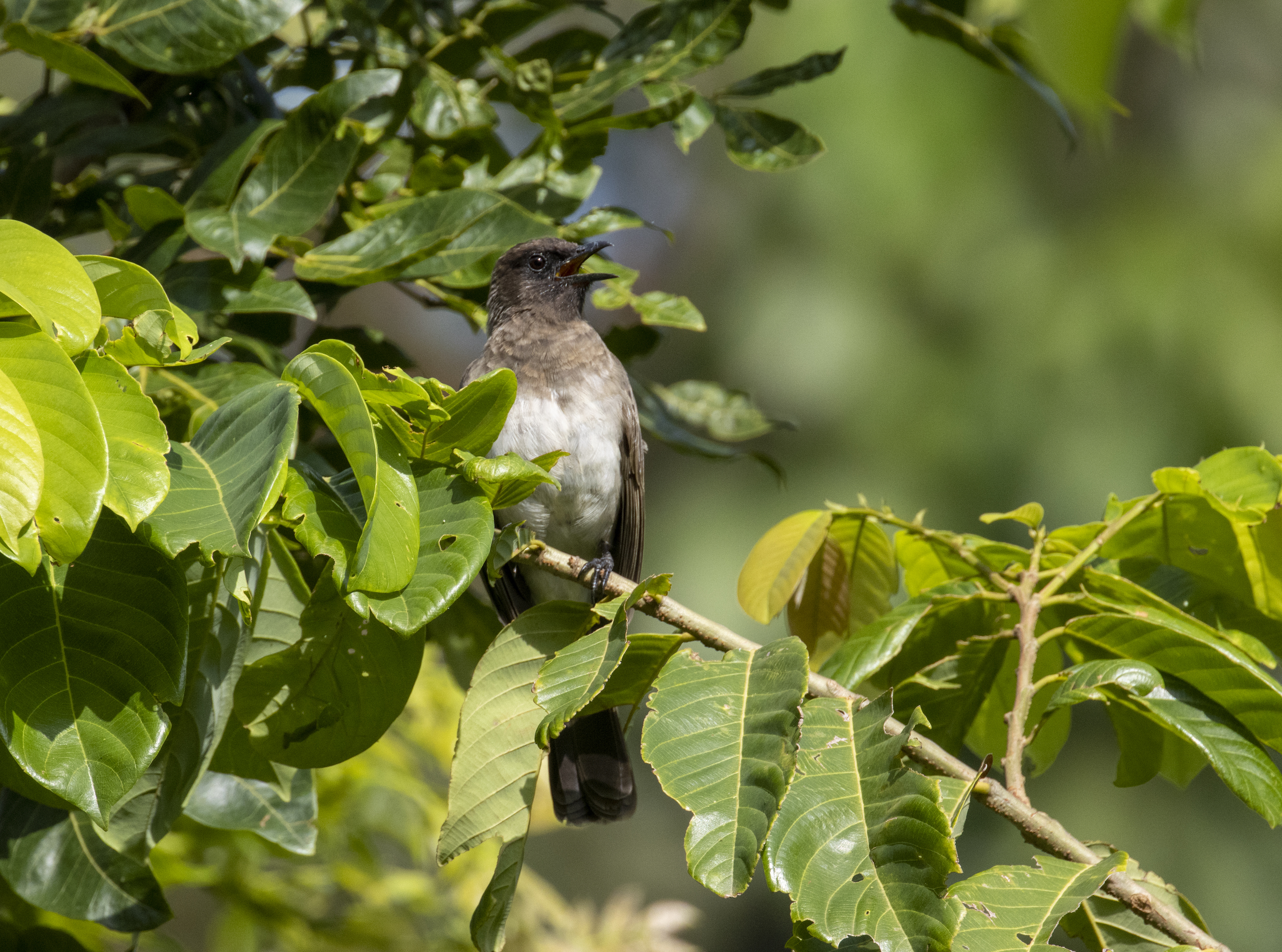
Shai Hills Resource Reserve, Ghana
 Nearing the end of the northern summer, one for too many of the wrong kind of record books, some notion of hope is more than welcome. This edition of his newsletter offers some:
With Your Help. (An annual update!)
In the guise of my annual report on our nifty online community I’m going to show you my vacation pictures! Lucky you!
It’s possible I’m just feeling guilty because I took a couple of days off in this Summer To End All Summers. But Sunday and Monday, while Hillary was introducing southern Californians below the age of 85 to the concept of ‘tropical storm,’ I went on a wander with an old friend through the middle of the Wilcox Lake Wild Forest in New York’s Adirondack Mountains, a splendidly remote chunk of land that I’ve lived on the edge of, off and on, for much of my life, and which I never tire of exploring. Continue reading
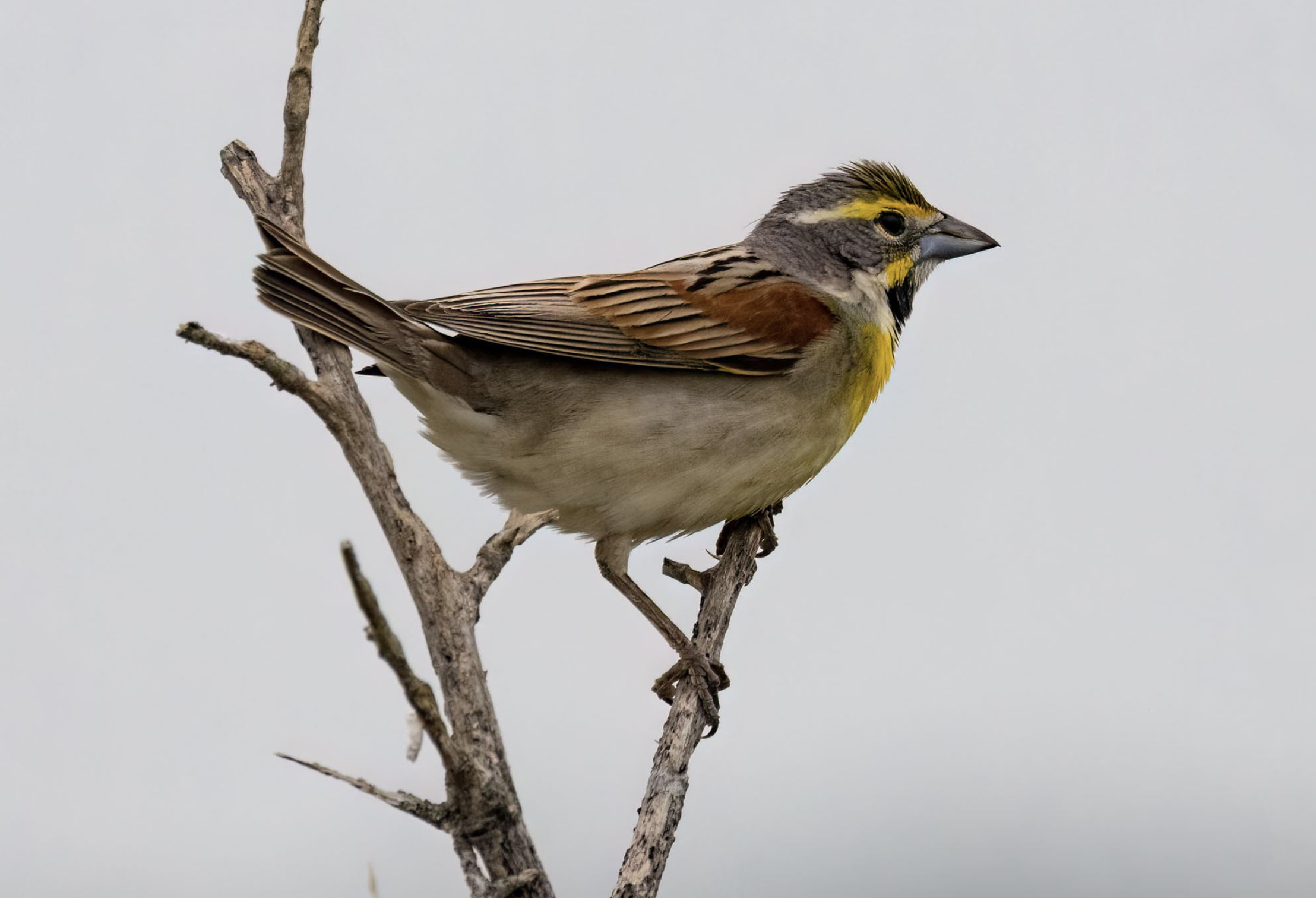
Granger Lake, TX

Gorazd Trusnovec inspects a beehive at the B&B Hotel Ljubljana Park in Ljubljana, Slovenia.
Thanks to this article by David Segal, with photographs and video by Ciril Jazbec, we realize now that even after our dozens of links to articles about bees, one key point was never on our radar. Our beekeeping/honey-making friends in Costa Rica inform us that the opposite is an issue here–in the entire country there are only 800 beekeepers and most of them are small scale hobbyists, and that a national authority (SENASA) controls the density of hives per area:
Mr. Trusnovec at home. “I would say that the best thing you could do for honey bees right now is not take up beekeeping,” he says.
The Beekeepers Who Don’t Want You to Buy More Bees
In Slovenia and around the world, conservationists try — and mostly fail — to combat the widespread belief that honey bees are in danger.
When the B&B Hotel in Ljubljana, Slovenia, decided to reinvent itself as an eco-friendly destination in 2015, it had to meet more than 150 criteria to earn a coveted Travelife certificate of sustainability. But then it went step further: It hired a beekeeper to install four honey bee hives on the roof. Continue reading
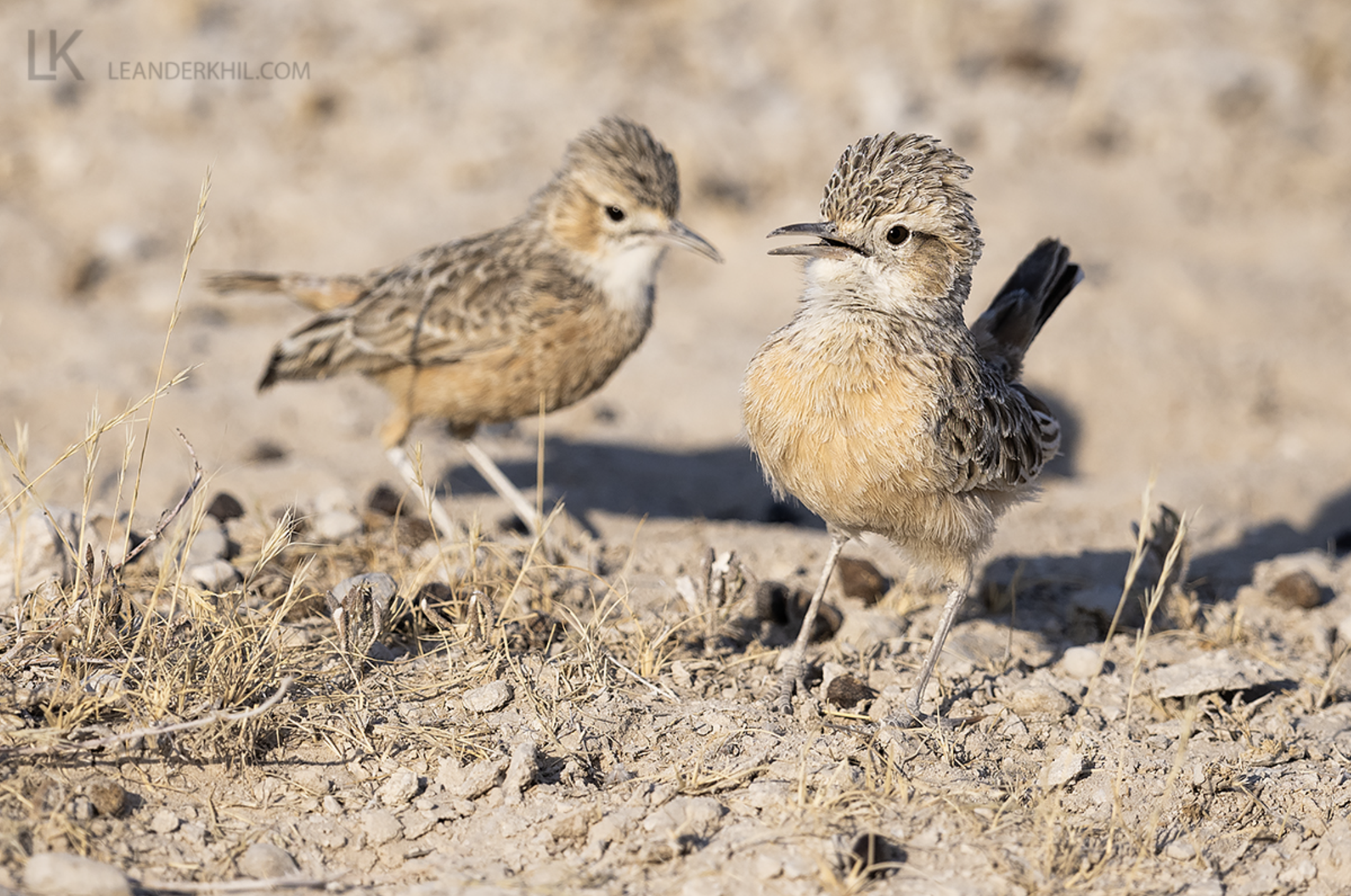
Namibia
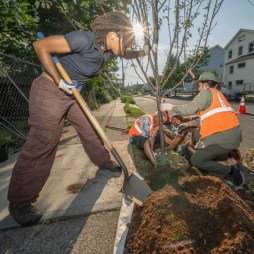
From left, Jess Jones, Ed Rodriguez, Zach Herring and Joshua De-Anda, planting a crab apple tree at 10 Wolcott Street in the Fair Haven neighborhood of New Haven, Conn. Tony Cenicola/The New York Times
Ed Rodriguez has a few years on me, but we have comparable tree counts. The caption of the second photo below captures my my own preference of activity on any given day. Having grown up in Connecticut and moved to Costa Rica decades ago, I note our reverse patterns of migration.
Colbi Edmonds, a member of the 2023-24 New York Times Fellowship class, reports from Seth’s previous hometown New Haven on an initiative I love reading about as much as I enjoy my own versions of the same kind of activity:
“I love to dig and mess around in the soil,” said Ed Rodriguez, who grew up in Puerto Rico but moved to Connecticut in the 1960s. Christopher Capozziello for The New York Times
One Neighborhood, 90 Trees and an 82-Year-Old Crusader
Ed Rodriguez is on a mission to convince his neighbors that they need trees to help combat summer heat — and to make the world a better place. It’s not always so easy.
Maria Gonzalez, who lives in New Haven, Conn., was envious of the other side of her street. It was lined with trees, offering some beauty as well as a shield from this summer’s unusual heat. But the sidewalk directly in front of her residence was bare, with trash littering patches of grass. Continue reading
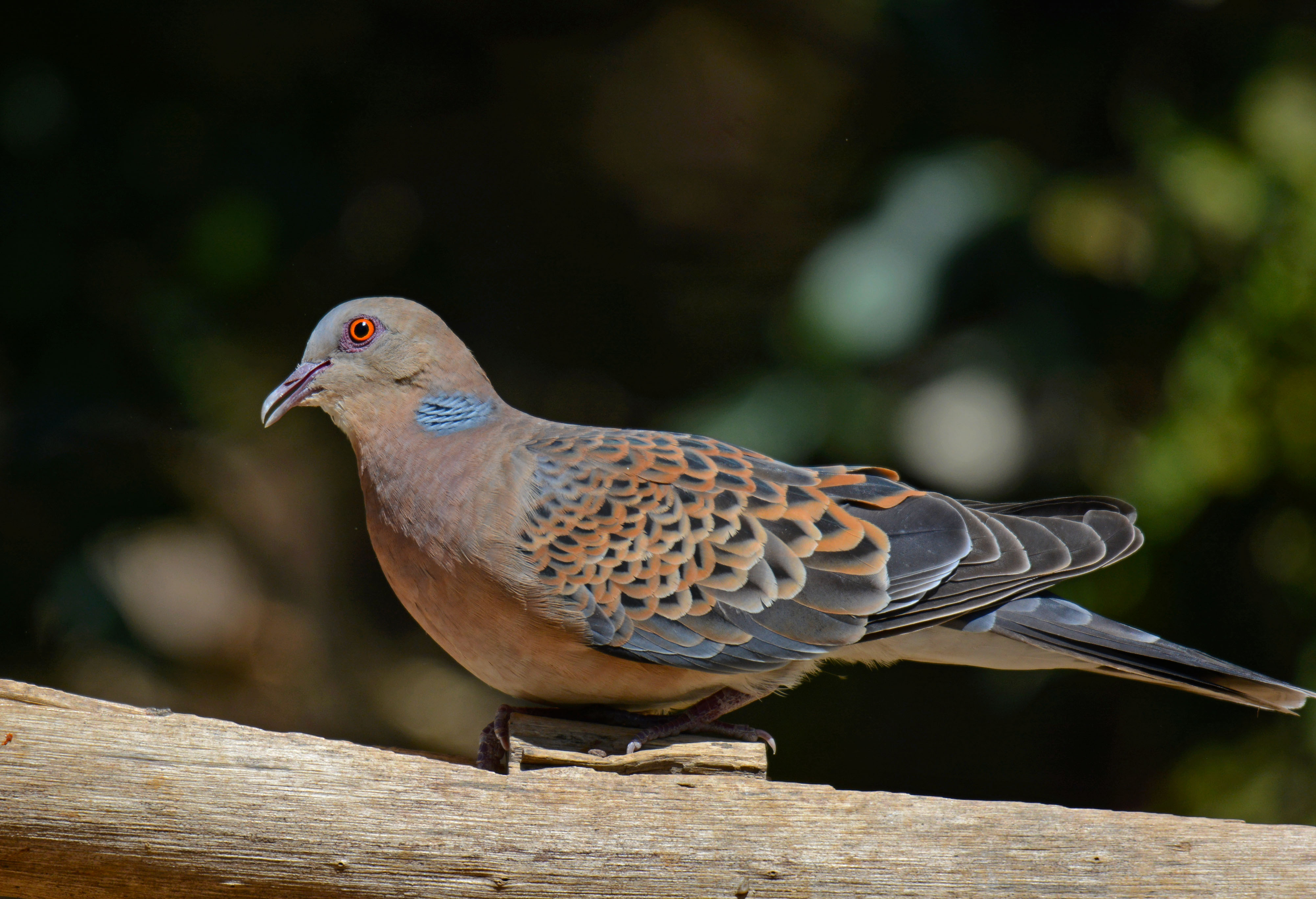
Kumaon Hills, Uttarakhand
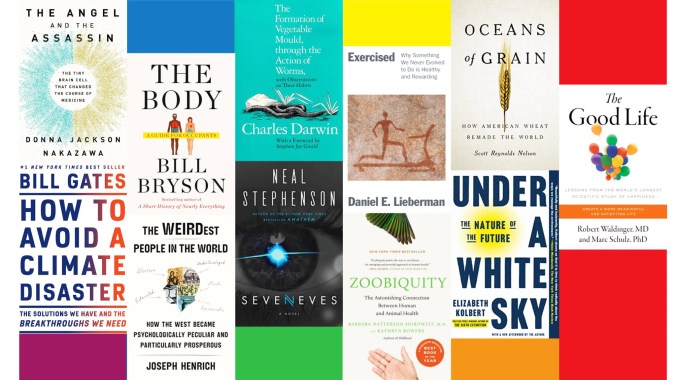
Clea Simon, correspondent for the Harvard Gazette, has these book recommendations from professors around campus:
Climate change, global hunger: What to do?
Black holes, warming seas, new treatments for disease: No matter how you approach it, the news is full of science-based stories. For those of us who aren’t scientists, however, understanding the context — not to mention the technical jargon — can be a challenge. With that in mind, we asked Harvard science faculty in various fields to recommend their favorite science book for nonscientists. Ideally these accessible reads will give the rest of us a leg up on understanding our changing world. Continue reading
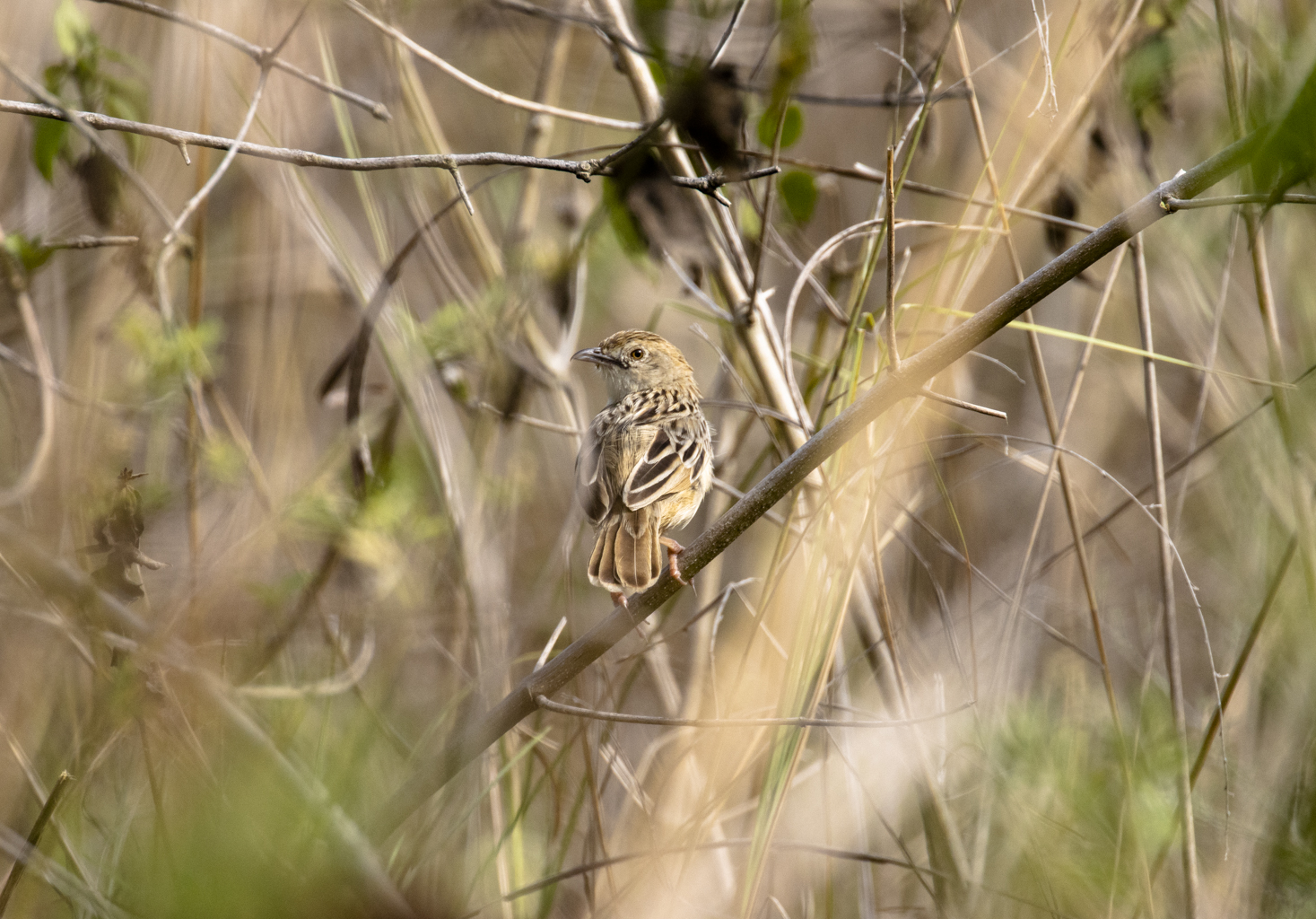
Shai Hills Resource Reserve, Ghana
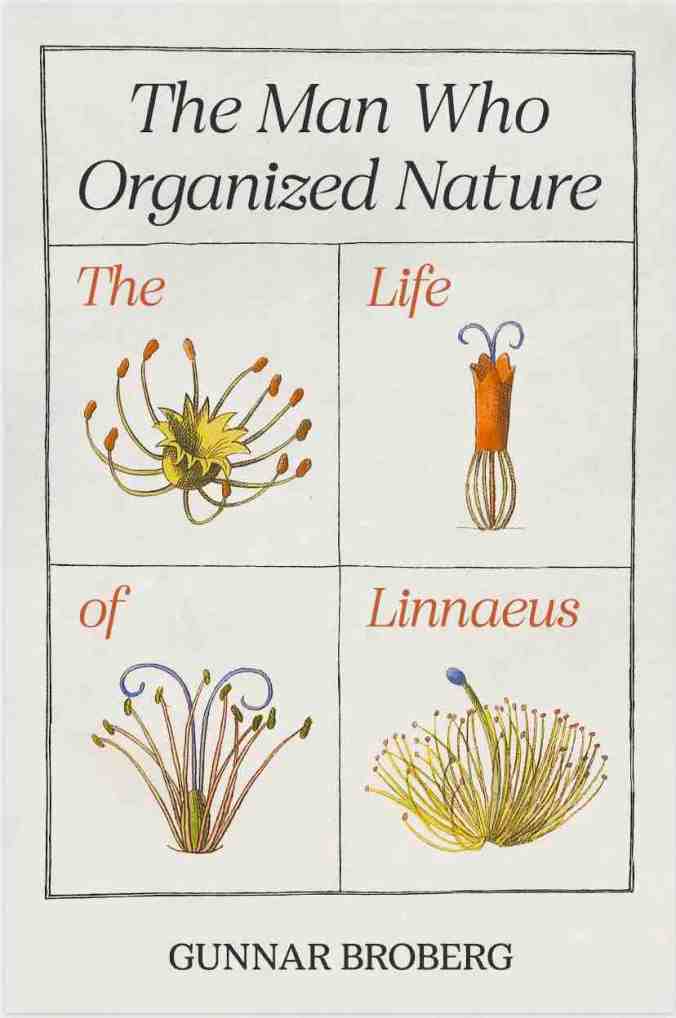
Thanks to Kathryn Schulz for this review:
The sexual system Linnaeus favored for classifying plants brought a whiff of scandal, which helped spread his name. Illustration by Karlotta Freier
How Carl Linnaeus Set Out to Label All of Life
He sorted and systematized and coined names for more than twelve thousand species. What do you call someone like that?
For the Tyrannosaurus rex, as for Elvis and Jesus, being extremely dead has proved no obstacle to ongoing fame. Last seen some sixty-six million years ago, before an asteroid wiped out three-quarters of the life-forms on earth, it is nonetheless flourishing these days, thanks in large part to Michael Crichton, Steven Spielberg, and elementary-school children all over the world. Continue reading
Frauenkirchen, Austria
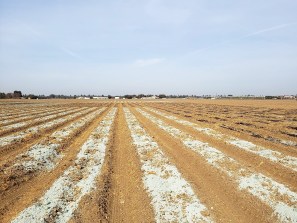
Rock dust applied to farmland in California. IRIS HOLZER
It is a concept we have heard about a couple of times previously and the science is catching up. Our thanks to Yale e360 for sharing news of it:
Spreading Rock Dust on Farmland Has Potential to Draw Down Huge Sums of Carbon Dioxide
Adding volcanic rock dust to cropland could help the world reach a key carbon removal goal, a new study finds. Continue reading
Sanaga River, Cameroon
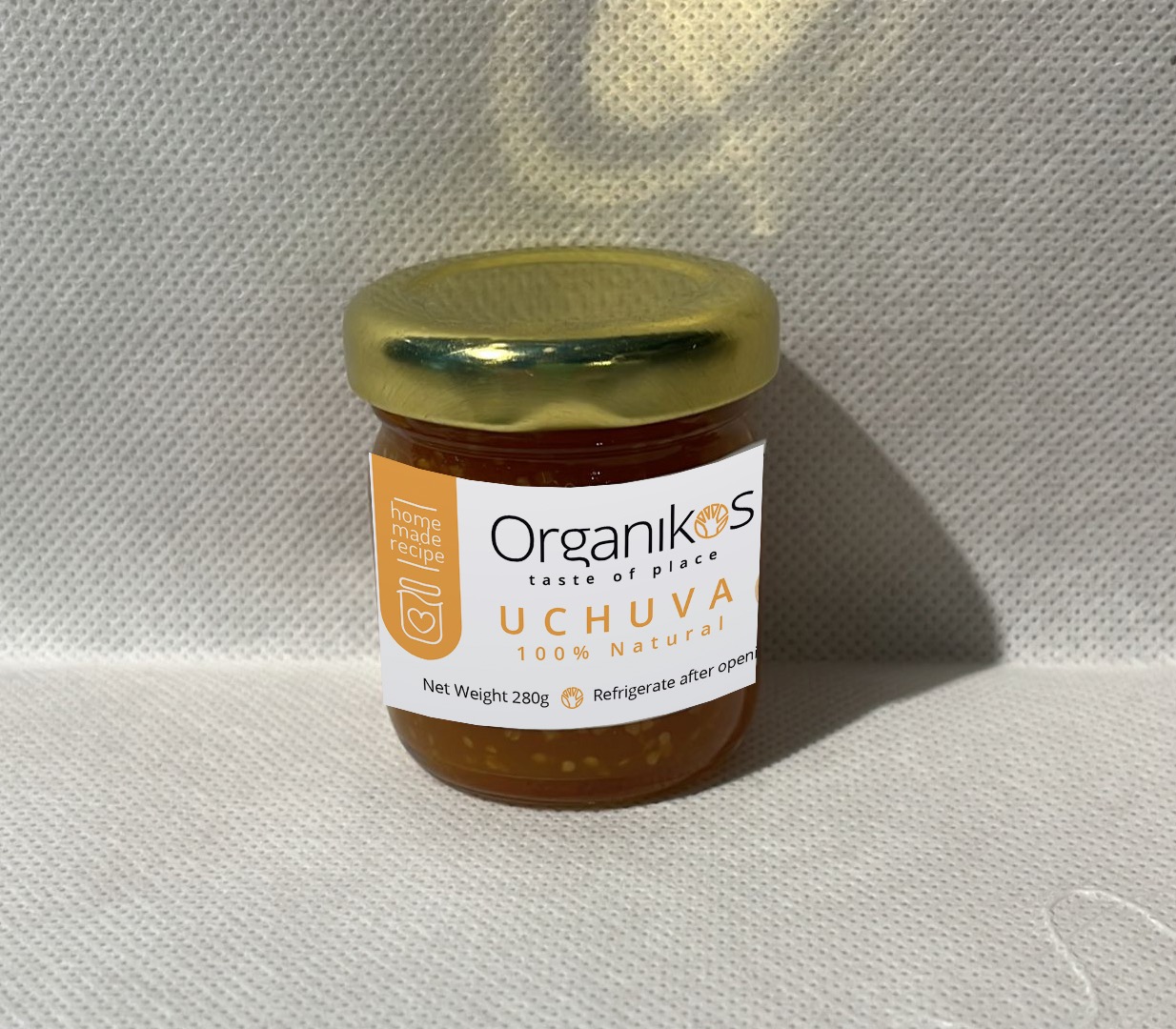
Mini-jar goldenberry jam
Organikos has focused on coffee varietals, an iconic taste of place product, until now. In addition to supporting farmers all over the country, the sale of these coffees allow travelers to continue tasting Costa Rica once they are back home. We are close to introducing a new line of jams and marmalades using fruits from local farms and typical of what you will find in Costa Rica’s farmer’s markets. Same goal.

A Waymo self-driving car in San Francisco. Shutterstock/Iv-olga
Apparently there is a market for this service in San Francisco, according to Jeremy Hsu at New Scientist, in spite of the objections:
California approves driverless taxi expansion in San Francisco
Waymo and Cruise can now charge for ride-hailing services throughout San Francisco despite objections that driverless cars interfere with traffic and first responders
Driverless cars have the green light to operate as paid ride-hailing services in San Francisco after the companies Waymo and Cruise won approval from California state regulators. Continue reading
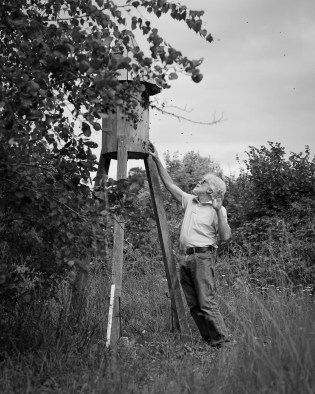
Yaoundé, Cameroon
Last year’s highlights in the video above, and a review of this year’s festival in the link below to an online magazine:
Lannock Manor Farm, Hertfordshire, SG4 7EE, UK
The Groundswell Festival provides a forum for farmers, growers, or anyone interested in food production and the environment to learn about the theory and practical applications of regenerative farming systems.
The next Groundswell Festival takes place on the 26th & 27th of June 2024. View the Event Guide from 2023 here.


 Organikos