An ongoing exhibition at the Smithsonian’s National Museum of African Art asks visitors to consider the connections between art and science — and how they each attempt to explore the why, when and how of our existence. “African Cosmos: Stellar Arts” illustrates how the stars and planets we see in the sky have been influencing African art and ritual for generations. Continue reading
Common Indian Crow Butterfly (Euploea core)

Photo credit: Ramesh Kidangoor
Common Indian Crow is one of most common butterflies in and around the Periyar Tiger Reserve. The wings of the butterfly are brown in color with two lines of white spots on the lower sides. Continue reading
From Behind the Wheel: Trivandrum Toy Stall

Trivandrum
Rainforest Guardians

I’m on patrol with the forest rangers of Gola rainforest national park. I’m spending two days with them, gathering data and hopefully preventing poaching as well as illegal mining and subsistence farming within the park. My aim is to get to know the rangers and experience a day in their life. I want to know what challenges they face as well as what gives them the most satisfaction at the end of each day.
Bird of the Day: Oriental Pipit

Uda Walawe, Sri Lanka
Technology & Happiness

Yarek Waszul
From the New York Times (click the image to the left to go to the source), a recent story covered a topic that one of our contributors would likely post on, if he was not on the road, toting his mobile device around in that cute sleeping bag. As an aside, Neema was quoted in a story related indirectly to this one:
Speed, instant gratification, accessibility — these are a few of the appealing hallmarks of digital technology. It’s no coincidence that we love our smart wireless devices: Humans are a notoriously impatient species, born with a preference for immediate rewards.
Foxtail Orchid (Rhynchostylis retusa)
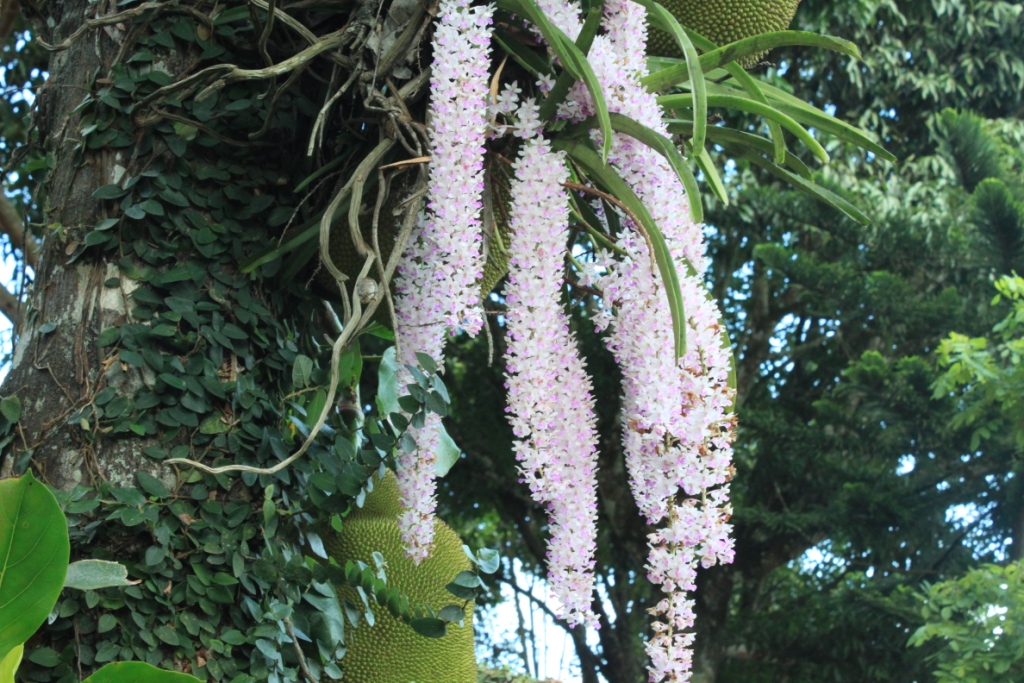
Periyar Tiger Reserve is one of the richest biodiversity hot spot in the Western Ghats. In fact, of the nearly 252 species of orchids found in Kerala, 145 are seen in this region. Foxtail Orchid belongs to the Vanda family, a species widely growing above 800 meters of semi-evergeen and moist deciduous forests. Foxtail Orchid is the state flower of both Arunachal Pradesh and Assam.
Bird of the Day: Grey-breasted Prinia
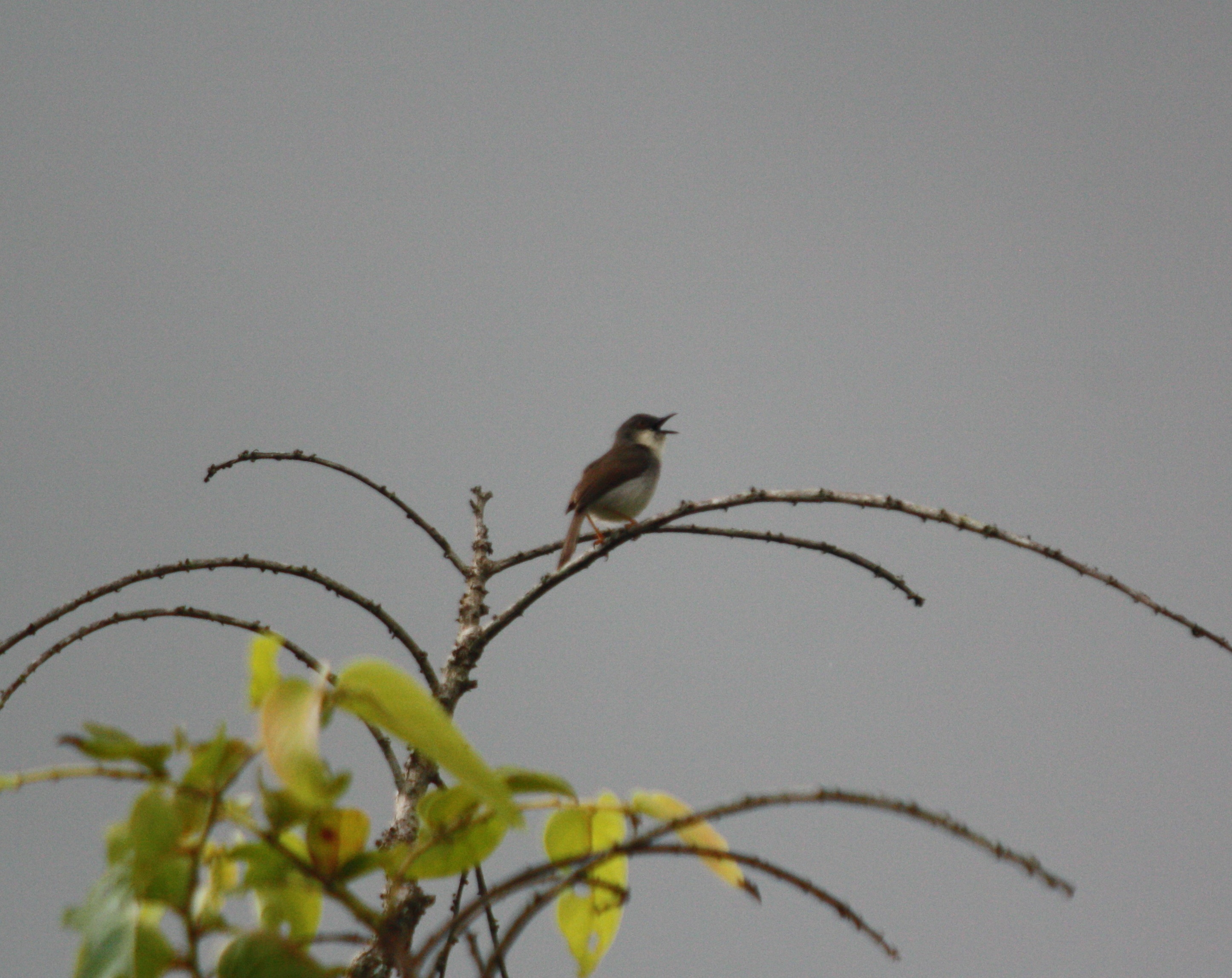
Periyar Tiger Reserve, Kerala
Quiet, Quite Quickly, Quaintly Heralded
Common Garden Lizard (Calotes versicolor)

The common garden lizard is a medium- sized, arboreal lizard with an oval head and laterally compressed body. In the male, the cheeks are muscular and swollen. Females are considerably smaller. Continue reading
From West to East: A Road Trip Journal (Part 2)
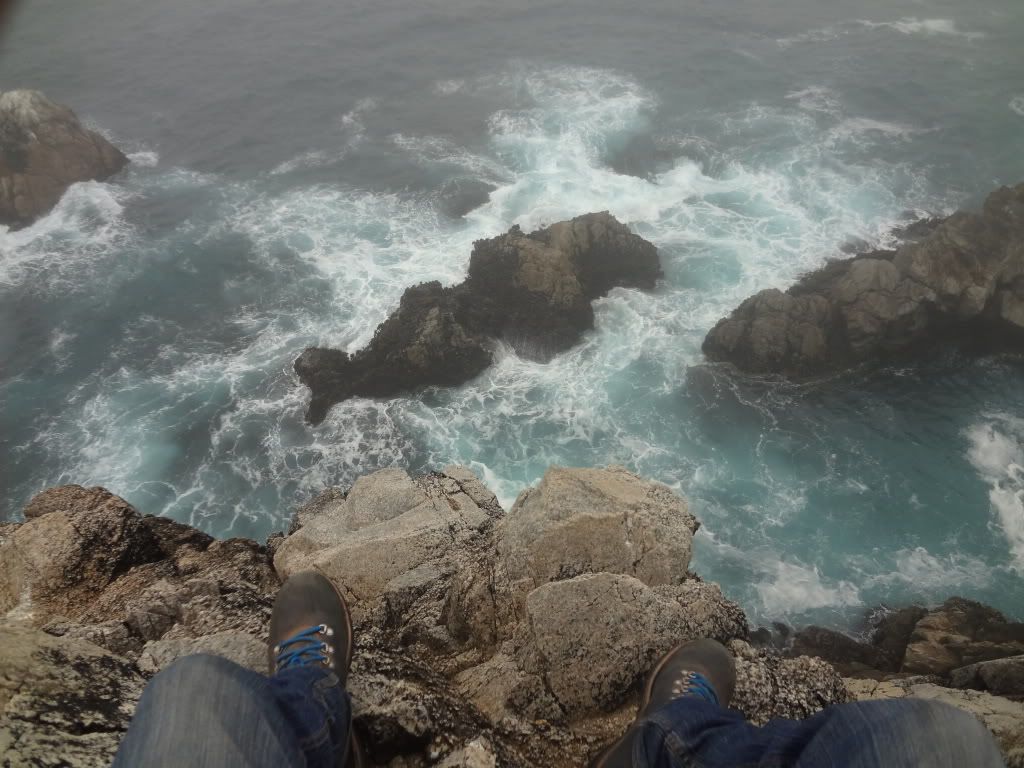
Carl on McClures Beach
This is the second in a series of posts on a summer trip; see the first here.
In the afternoon we were off, driving up the west coast without any real plans; we knew we wanted to be in Seattle in four or five days, but that intervening time period was ours to spend as we wished. From a quick glance at the map, we thought that Point Reyes, a national coastline a few hours north of the bay area, Continue reading
Every Day Moments, Poetically Described
If you did not know his poetry already, here is as good an introduction as any. If you knew his work but had not seen or heard him, this is worth the few minutes he commands of your attention. And if you thought poetry was in decline as an art form due to decreased interest in a multi-media-saturated modern world, you may have been right; or wrong.
Qatar Ups The Ante
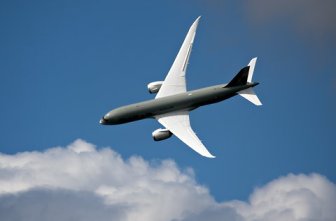
Agence France-Presse — Getty Images. A Qatar Airways Boeing 787 Dreamliner.
Thanks to Green Blog for the story:
At the end of next year, Qatar Airways is scheduled to open a new airport that will include a 25-meter swimming pool and squash courts, among other amenities. But it will also be extraordinary from an energy standpoint because it will pump airline fuel made from natural gas.
Qatar has relatively little oil and vast supplies of natural gas. Continue reading
From Behind the Wheel: Mattress Mover

Citizen Science, Old School

Coast Guard Museum NW. Citizen scientists have been invited to help transcribe logbooks from legendary American vessels like the Bear, which plied Arctic waters for four decades for the United States Revenue, the precursor of the Coast Guard.
An interesting historical take on a newfangled trend (click the image above to go to the source):
For many years now, volunteers working from home —people like you— have been able to help scientists with important problems.
In the first wave of these “citizen science” projects, people simply lent their computers to help solve problems that could be farmed out in pieces to thousands of machines. Continue reading
Chennakeshava Temble – Somnathpur

Built in 1268 A.D., Chennakeshava Temple is located in the Mysore District of Karnataka. This temple is famous for its elaborate artisanship. The temple stands on a raised, star-shaped plinth in the middle of a spacious enclosure containing sixty-four cells.
Bird of the Day: White-bellied Treepie

Periyar Tiger Reserve, Kerala
Shrinking Antarctic Ozone Hole?
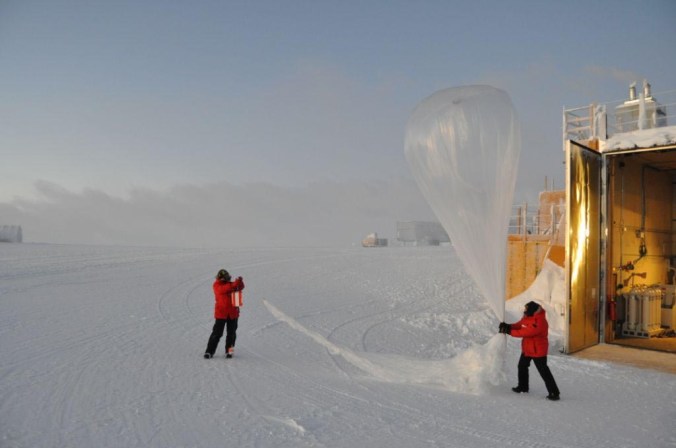
Staff at the South Pole get ready to release a balloon that will carry an ozone instrument up to 20 miles in the atmosphere, measuring ozone levels all along the way. NOAA image from 2011.
Click the image above to go to the story:
Warmer air temperatures high above the Antarctic led to the second smallest seasonal ozone hole in 20 years, according to NOAA and NASA satellite measurements. This year, the average size of the ozone hole was 6.9 million square miles (17.9 million square kilometers). The ozone layer helps shield life on Earth from potentially harmful ultraviolet (UV) radiation that can cause skin cancer and damage plants. Continue reading
Travancore Tortoise

Periyar’s diverse ecosystems of evergreen, semi-evergreen, moist deciduous and dry forest makes it a reptile friendly habitat. Forty-five species of reptile make the reserve their home, including the charismatic Travancore Tortoise.
Really, Exxon?
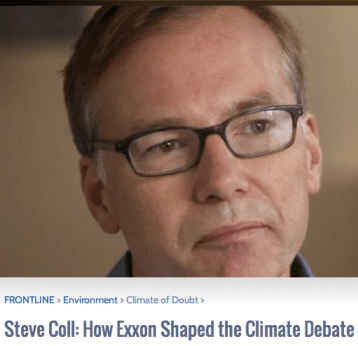
Okay, we admit that Exxon fails the Really? test. Little about them shocks us at this point. We have highlighted examples of passing that test with flying colors, looking no further than our living room and even in our favored reading materials. But thanks to one of the best investigative journalists out there, a writer at The New Yorker and author of Private Empire: ExxonMobil and American Power, we find we still have a bit of shockability. Steve Coll, interviewed for a Front Line series on Climate Change (caveat emptor: that documentary film series is exhaustively full of Really? revelations; for a smaller dose, click the image above for the transcript of the Coll interview, or here for a podcast of an interview he gave about the book on Fresh Air):
In some ways, it’s kind of a no-brainer that Exxon would go after climate science on a very superficial level. It’s sort of in their self-interest to keep government away from fossil fuels, right? Is that how it began? Continue reading
 Organikos