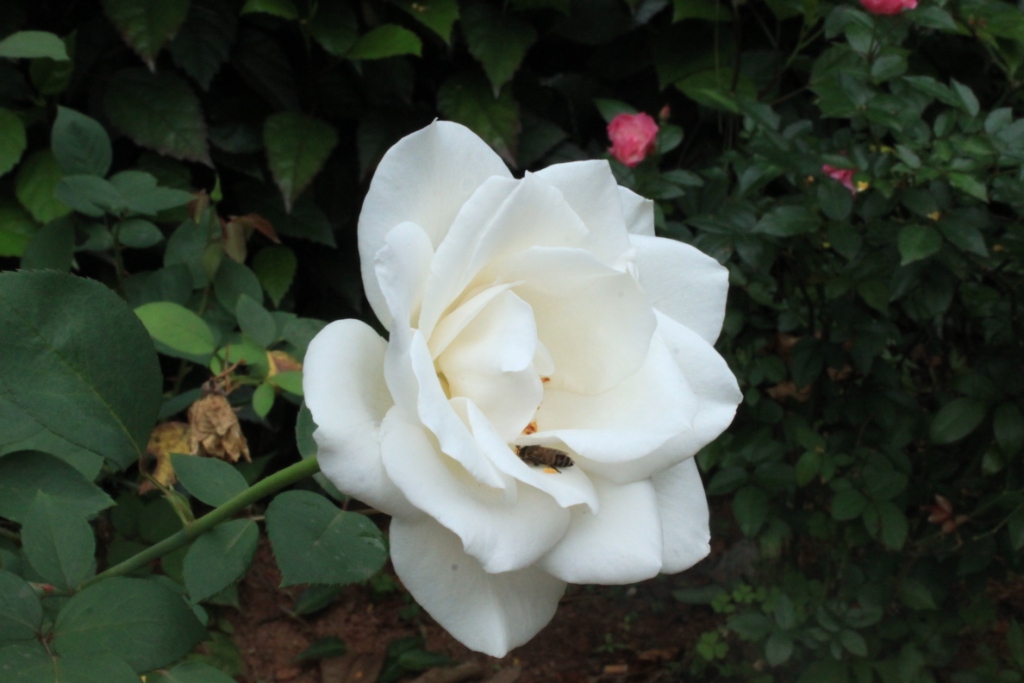
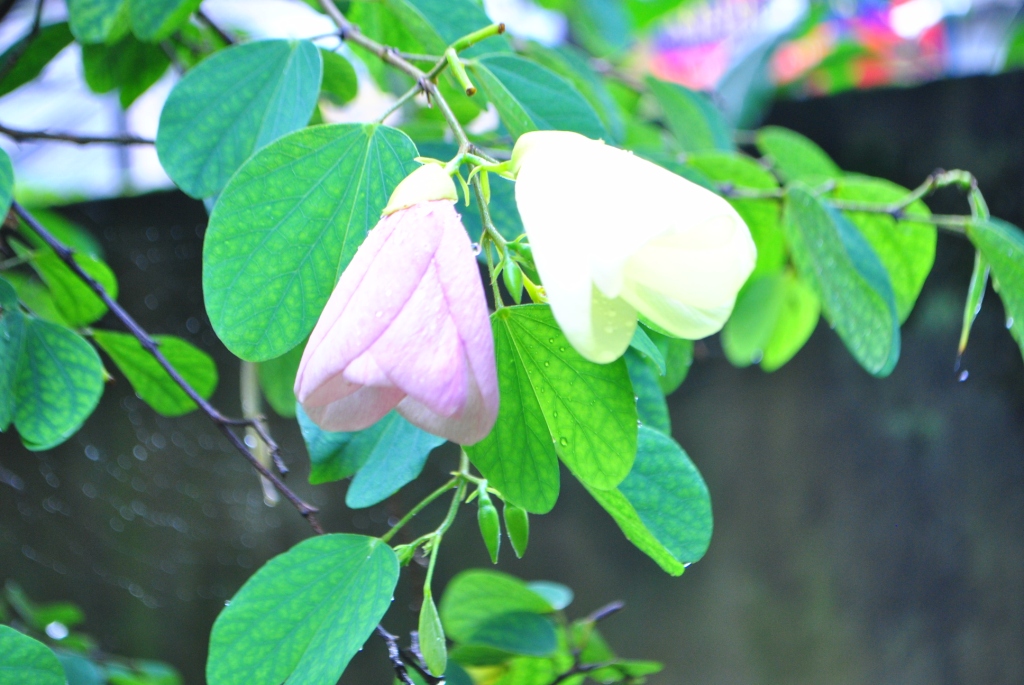
Dwarf White Bauhinia is a garden growing plant that can grow up to 2 meters in height. Its flowers are rich in pollen and nectar that attract various insects such as butterflies, moths and bees. It is also one of the host plants for many butterflies species and the larvas of certain moth species feed on the flowers.
Daniel Decker, Come To Kerala!
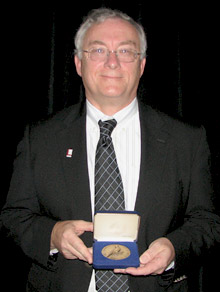
From time to time we extend invitations that reflect our appreciation for individuals making heroic contributions to the arts and sciences. Professor Decker is more than worthy, as you can see in the story about the prize he just received (click the image to the left to go to the full story):
Decker’s research and outreach work has promoted a long-term vision of wildlife management by addressing how human dimensions have impact in such areas as suburban wildlife, adaptive harvest management, community-based management, hunter retention and wildlife habituation in national parks.
We Do Not Accept Advertising
Bird of the Day: Purple Sunbird
Architect As Educator

Architect Richard Meier ’56, B.Arch. ’57, visits an architecture studio class Oct. 17 in Milstein Hall, where as an assignment students had prepared drawings interpreting Meier’s designs. Photo credit: Robert Barker/University Photography
We miss our 2012 interns! But we stay attuned to their educational activities. If we squint hard enough looking at the photo to the right, showing one of the most prominent architects in the world speaking to a group of architecture students at Cornell University, we almost think we can see Chi-Chi…
Maybe not. But it is worth a quick read to understand the value of the exercise Mr. Meier has engaged his students in:
Meier, whose iconic building designs include the Getty Center in Los Angeles, is the only Cornellian awarded the Pritzker Prize for Architecture, considered the field’s highest honor. Since receiving the prize in 1984, Meier has been recognized with the American Institute of Architects Gold Medal and awards from the Japanese and French governments and the Royal Institute of British Architects. Continue reading
Wayanad Wildlife Sanctuary
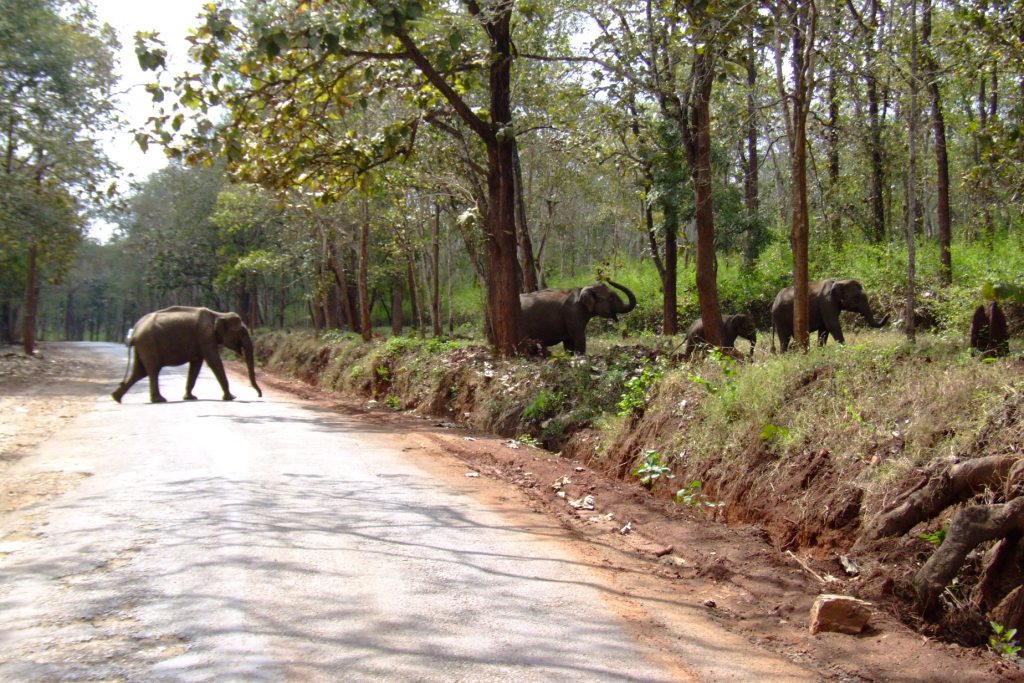
Part of the Nilgiri biosphere, Wayanad Wildlife Sanctuary is an area of 344.44 square kilometres formed by two discontinuous pockets, Muthunga in the south and Tholpetty in the North. Nearly one third of the area is covered by plantations of Teak, Rosewood, Silver oak and eucalyptus.The rest is covered with Bamboo groves, moist deciduous and semi- evergreen forests. The sanctuary boasts a rich fauna, with elephants and deer the most commonly sighted.
Learning, Thinking, Doing
Cornell University President David Skorton, and his renaissance man colleague Glenn Altschuler co-write a blog called College Pros(e) and today they make an argument about college majors, and what matters in choosing them–a perspective we happen to share in its entirety. Click their image to go to the post, which is worth more than the three minutes it takes to read it:
…Liberal arts majors actually do just fine, with incomes far in excess of the median in the United States. And many of them, like the Cornell graduates surveyed in 2009 (download here), are as satisfied or more satisfied with their lives as their classmates in other disciplines. For them, to quote an English proverb, enough is as good as a feast.
The liberal arts, moreover, also serves as a preferred pathway to rewarding and remunerative careers…
Read the whole post here.
From Behind the Wheel: Automotive Aesthetics

Ernakulam
Bird of the Day (Halloween Shout Out)
Science, Bees, Art
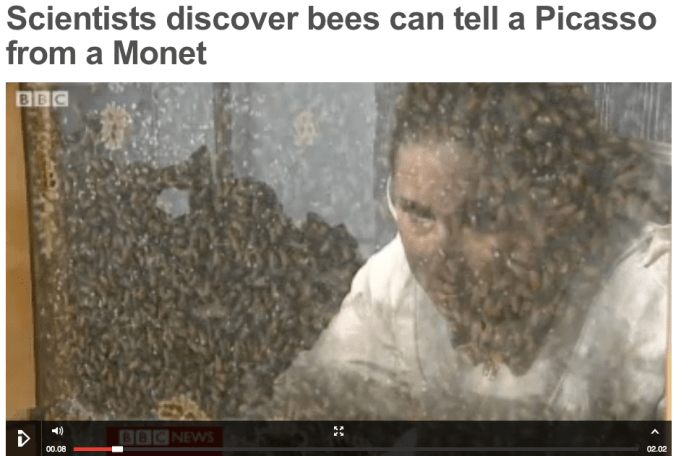
Click the image above to go to the video:
Scientists in Australia have discovered bees have a remarkable ability to distinguish different types of paintings.
The experiments, carried out at the University of Queensland, showed the bees could pick a Monet over a Picasso.
The aim of the research is to discover more about how bees search for food and help us understand how humans learn.
Margaret Merril (Rose)
Ladybugs Launching
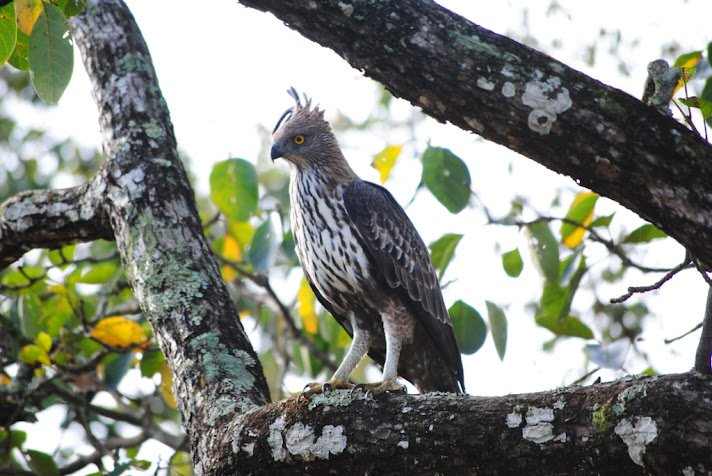
Bird of the Day: Crested Hawk Eagle (Bandipur National Park, India)
From Behind the Wheel: Make Way For Ducklings!

Banarji Road, Ernakulam; Photo Credit: Ben Barkley
Birds, Birders & Megastorms
Watch also for our 2PM eBird story with final predictions and strategy recommendations for birding Sandy.
If there is a silver lining to every cloud–even the most unwanted clouds–birders will always find them. We appreciate the “safety first” approach as much as the sense of dedication to the craft. Click the image above to go to the story:
If You Happen To Be In Portland (Maine)
Our never-ending commitment to demonstrate the value of public libraries–not just the institution as a great idea but all its phenomenal specific examples– led us to the Portland, Maine Public Library. We wish it were as simple as walking down the street to visit this exhibit…
Click the image to the right to go to its website, highlighting the roles of Maine College of Art and Portland Public Library. And major thanks to The Bank of Maine, mainly for funding generously provided to support your public library, but also for doing it with a master of illustrated story-telling.
If you happen, like many of us on this site, to be a devoted fan of Mr. Gorey, you might find this profile of him in Harvard Magazine to be of interest. And for that matter, if you happen to be in Portland, Maine then you are relatively not so far from the Gorey home, which is open to visitors.
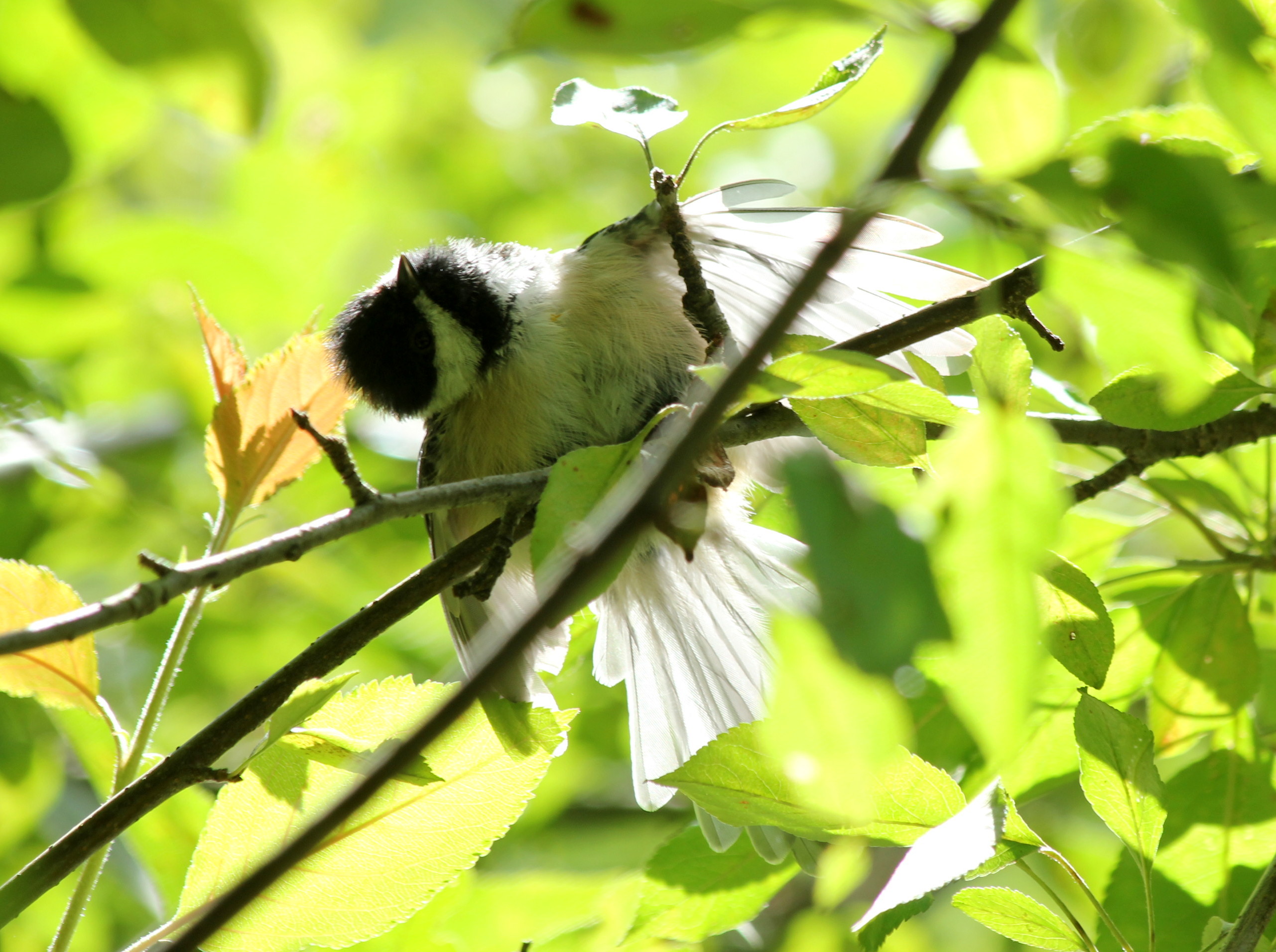
Bird of the Day: Marshall’s Iora
Marigold
Marigold is a long lasting bloomer bearing numerous single, yellow to orange flowers on each stem. It is commonly found in the high ranges of Kerala, but grows throughout India. These flowers are mainly used for garlands, Temple offerings and medicinal purposes.
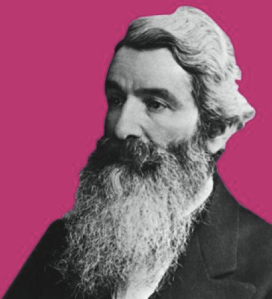
1897, Muir’s View Of American Forests, With A Comparison To India’s
In India systematic forest management was begun about forty years ago, under difficulties—presented by the character of the country, the prevalence of running fires, opposition from lumbermen, settlers, etc.—not unlike those which confront us now. Of the total area of government forests, perhaps 70,000,000 acres, 55,000,000 acres have been brought under the control of the forestry department,—a larger area than that of all our national parks and reservations. Continue reading


In India systematic forest management was begun about forty years ago, under difficulties—presented by the character of the country, the prevalence of running fires, opposition from lumbermen, settlers, etc.—not unlike those which confront us now. Of the total area of government forests, perhaps 70,000,000 acres, 55,000,000 acres have been brought under the control of the forestry department,—a larger area than that of all our national parks and reservations.