Mysore City Market

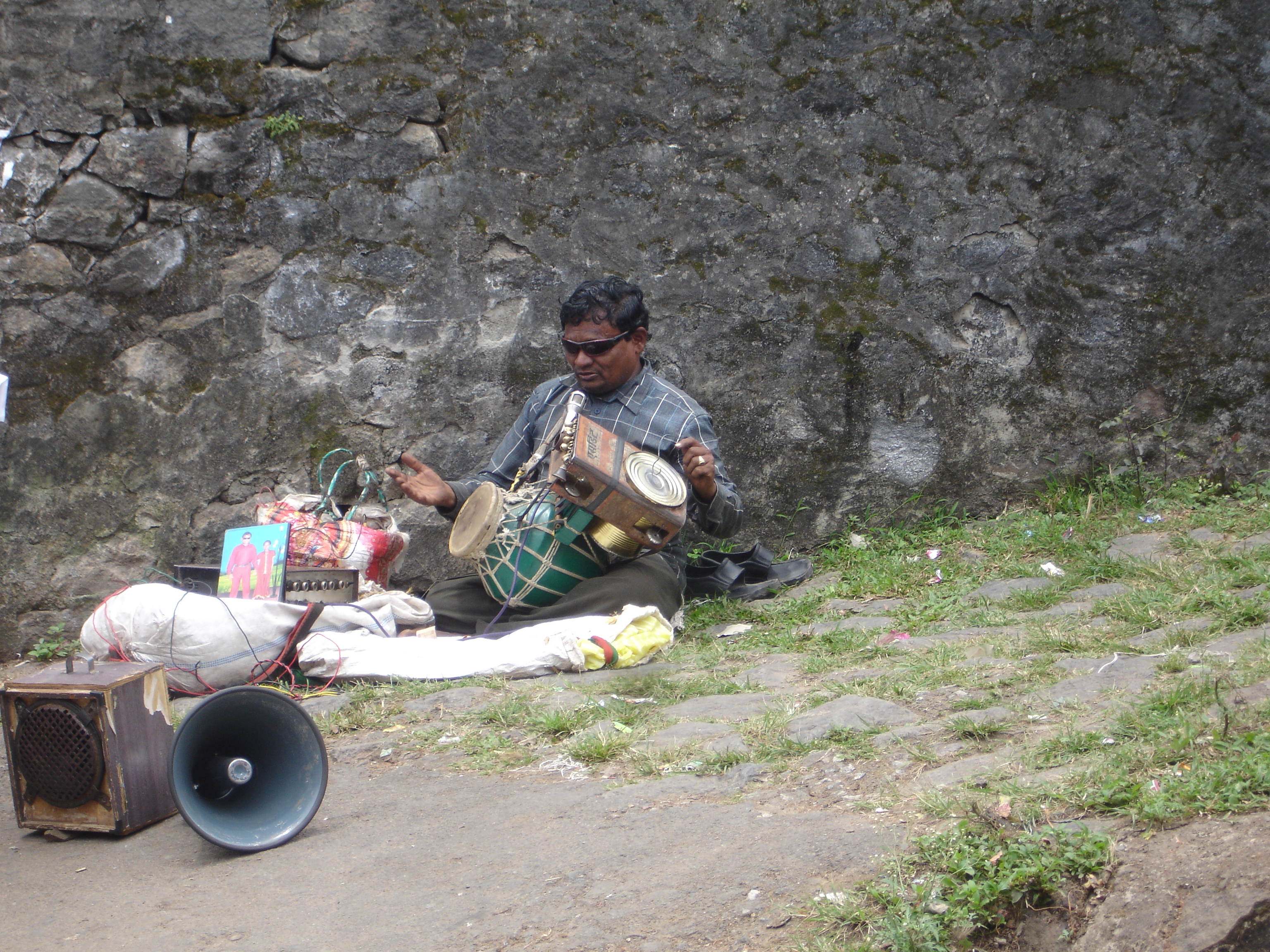
Photo credit: Ramesh Kidangoor

With more than 100 years of history, Mysore city market is well knitted in the heritage of Mysore, which is the imperial city of Royal Palaces. This market is a good sample of a traditional Indian market; colourful, noisy and vibrant. Continue reading

Carbon Mapping

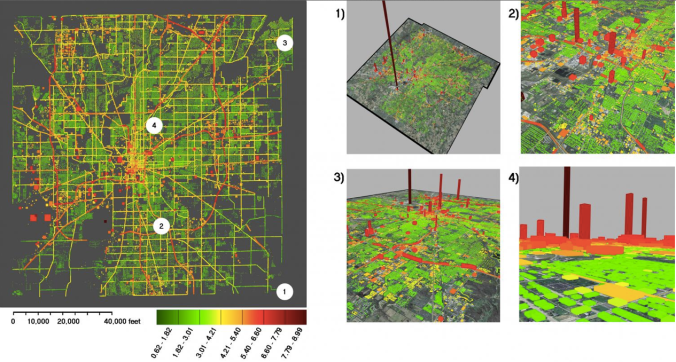
With Hestia, researchers from Arizona State University have a detailed understanding of where CO2 is being emitted from the urban landscape. This map shows where CO2 is emitted across the city of Indianapolis, Indiana, and combines data from sources including factories, automobiles on roadways, homes, and power plants. Credit: Bedrich Benes and Michel Abdul-Massih

Click the image above to read more about this at Phys.org:

Dubbed “Hestia” after the Greek goddess of the hearth and home, researchers presented the new system in an article published October 9 in Environmental Science and Technology. Hestia combines extensive public database “data-mining” with traffic simulation and building-by-building energy-consumption modeling. Its high-resolution maps clearly identify CO2 emission sources in a way that policy-makers can utilize and the public can understand. Continue reading

Crimson Rose Butterfly (Pachliopta hector)

photo by Ramesh Kidangoor

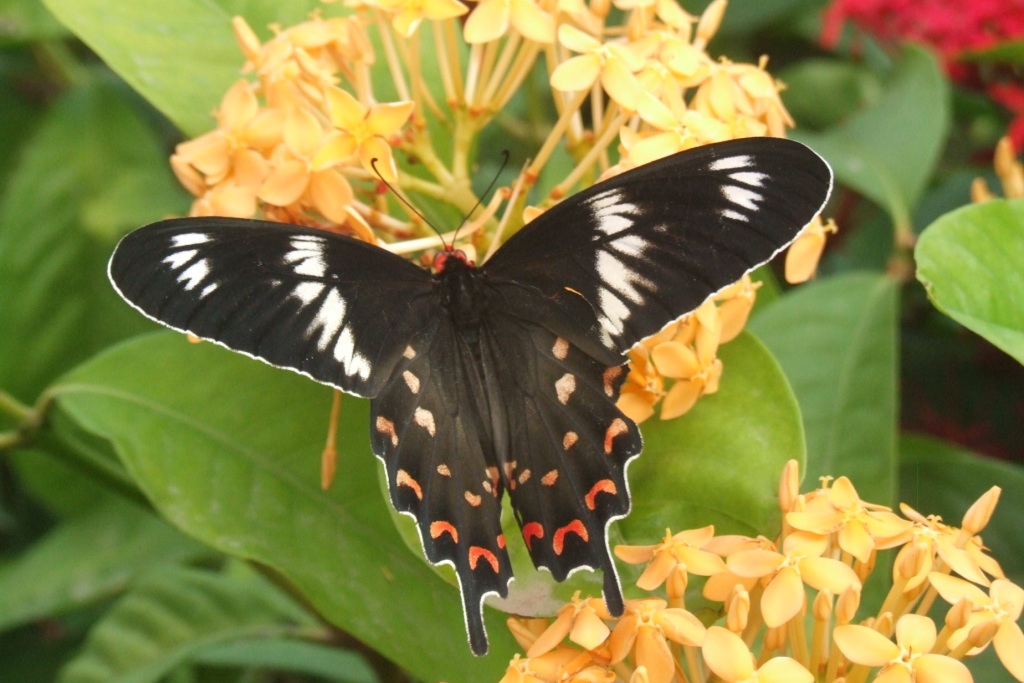
With a wingspan of 80-120 mm, the Crimson Rose Butterfly is one of the most spectacular species of swallowtail. It is commonly found along the Western Ghats, especially in small mountain tops and open plain lands. Ixora, lantana and pagoda flowers are favorite for this butterflies. The upper side of the wings are shining black with red and white markings that include a fine white line outlining the distinctive swallowtail wing shape. Its body is red in colour.

Continue reading

Cases Illustrating The Value Of Ecosystem Services

This website is on nominally and practically about bird life, but is also more broadly about the health of the planet where birds live.  This is a great resource on how to value the services that ecosystems provide.  Click the banner above to go to the source:

Ecosystem services are the benefits we receive from nature, such as provision of crops or medicinal plants, the control of pests (Birds control insect pests in farmlands and forests), the regulation of climate, the reduction of flood risk (BirdLife Partners are restoring forests that will help buffer communities against climate change), and opportunities for cultural, spiritual and recreational experiences. Continue reading

If You Are Not Sure About The Need For That Meeting In Hyderabad

You must be a subscriber to Science or have access through a library in order to read beyond the Abstract (or you can purchase it here) of what is clearly a good explanation and rationale for the meeting currently under way in Hyderabad:

World governments have committed to halting human-induced extinctions and safeguarding important sites for biodiversity by 2020, but the financial costs of meeting these targets are largely unknown. Continue reading

The Great Pied Hornbill (Buceros bicornis)

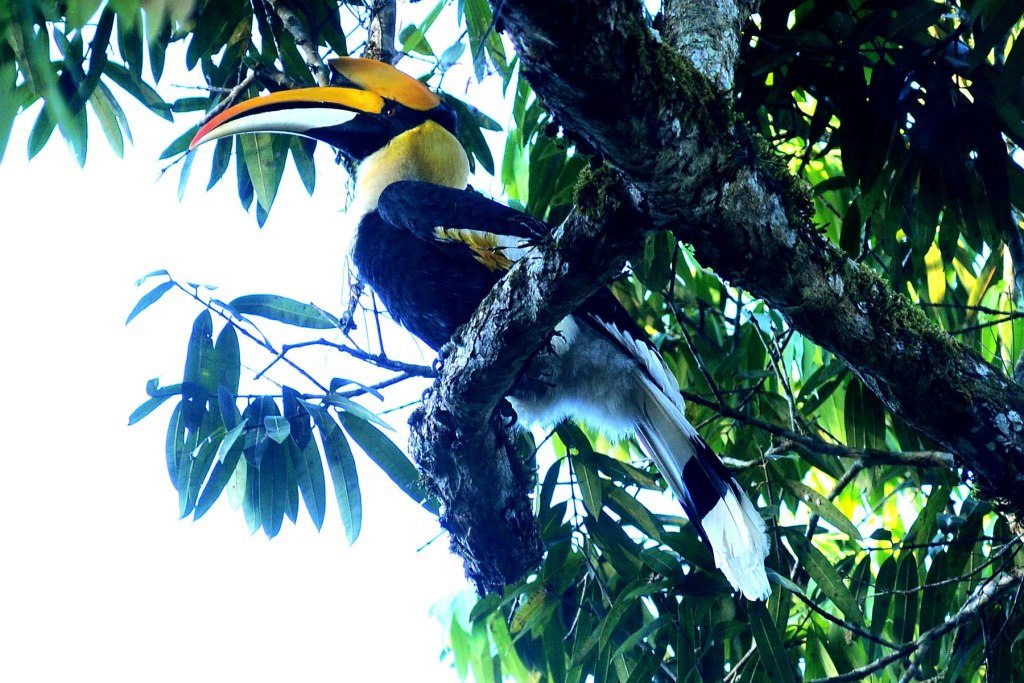
The heaviest of the 54 species in the family, the Great Pied Hornbill (Buceros bicornis) is one of the main attractions in Periyar, among  the most fascinating birding destinations in the entire Western Ghats. Towering old-growth forests are a must for their breeding. Ficus fruits are the main diet for the growing chicks. Continue reading

Really, Cyprus?

100726_r19825_p646.jpgA couple of years ago a powerful essay by Jonathan Franzen in the New Yorker made us aware of and horrified about this practice.

It is so full of disgusting detail related to this practice that, should you survive the nausea you will want to click the banner below and sign the petition.

Better late than never. Exactly six weeks after this petition was started, we have stumbled onto it.  Now, nothing to do but act:

If You Happen To Be In Hyderabad

Inviting film to the table seems like a powerful, creative idea:

The Ministry of Environment and Forests, Government of India, and the National Biodiversity Authority are hosting an International Biodiversity Film Festival and Forum in Hyderabad as part of COP-11 in association with CMS Environment. Continue reading

The “What’s Different?” Series: Mark Spencer Hotel, Portland

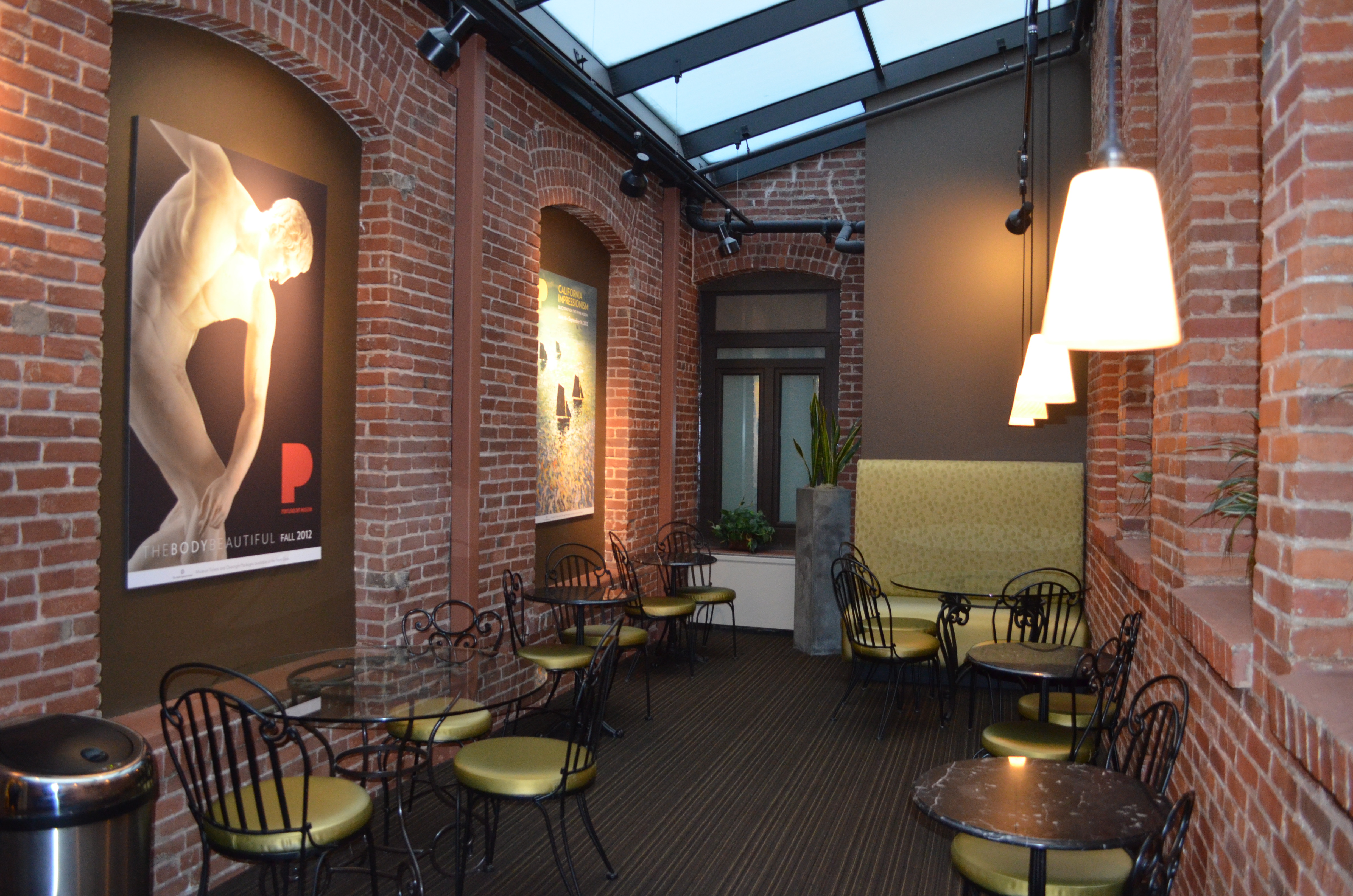
Meeting with the Sales Director at the Mark Spencer Hotel in Portland, Oregon was an eye opener, yet again, to Portland’s general commendability as a city. During our discussion he obliged my interest in the green aspects of the hotel, which are excellent, but he also conveyed a sense that “this is just how things are done here.” Portland’s strong culture of sustainable thinking and environmental awareness are reflected in the mores of the community and business climate. This was an interesting take-away from my visit with the Mark Spencer Hotel: since the hotel’s commitments to operating sustainably are practically the norm in such a progressive city as Portland, they didn’t seem so different. Furthermore, the city, with its wealth of expertise, familiarity and expectations with regards to ‘green living,’ lends itself to a highly integrated approach to sustainable business, proving to be quite comprehensive and genuine in the example of the Mark Spencer Hotel.

Continue reading

What Makes the Baya Weaver’s Nest a Baya Weaver’s Nest?

“Pick a nest.”

It was the first day of my architectural design studio class and we were told to pick a nest, any nest. I knew this was going to be a great semester: the first assignment was seemingly random, kooky, and just a little ‘out there.’ I was excited! As an architecture student, I love when things are approached in such a non-traditional way.

I know what you must be thinking: aren’t architects supposed to be designing buildings for people? Why are you looking at bird nests?!

I, too, was confused, but I didn’t question it because I had a really cool nest in mind. Because I spent the summer in India with bird-lover and birder extraordinaire, Ben Barkley, the Baya Weaver Bird, who builds its iconic hanging nests around the backwaters of Kerala, was an obvious choice.

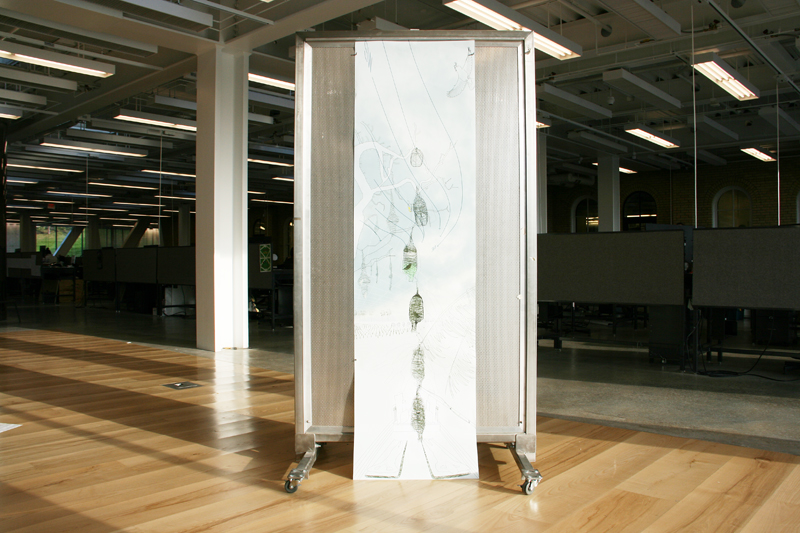
Here are my “comprehensive drawings” of the Baya Weaver Bird that attempt to explain the complex relationships the bird maintains with its surroundings.
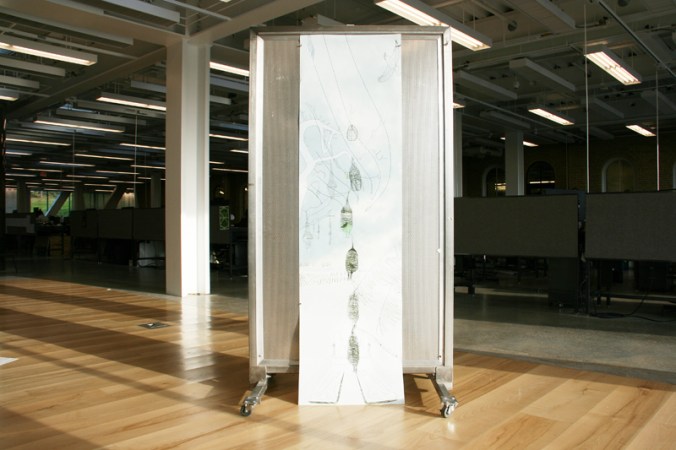
2nd Draft of Baya Weaver Nest Comprehensive Drawing (By Karen Chi-Chi Lin)

My 2nd draft of Baya Weaver nest comprehensive drawing (Photograph and drawing by Karen Chi-Chi Lin)

Continue reading

Fishing Boats

Kerala is an important fisheries centre with a 590 kilometre long coastline on India’s southwest corner.  Additionally, multiple rivers and backwaters, and several lakes offer vast potential to the industry. Plywood boats with outboard motors, sailboats and canoes are dot the water, adding colour to the already scenic landscape.

Continue reading

If You Happen to Be At Cornell: The Colors of Collaboration

This slideshow requires JavaScript.

Eight years of collaboration between Cornell Lab of Ornithology scientist Edwin Scholes and National Geographic photographer Tim Laman have lead them on 18 expeditions to document and photograph all 39 species of the birds-of-paradise for the first time ever. Their work gives people a glimpse into the behavior and habitat of the world’s most “extravagant, beautiful, and bizarre species of birds”.

Continue reading

Plumeria – Temple Tree

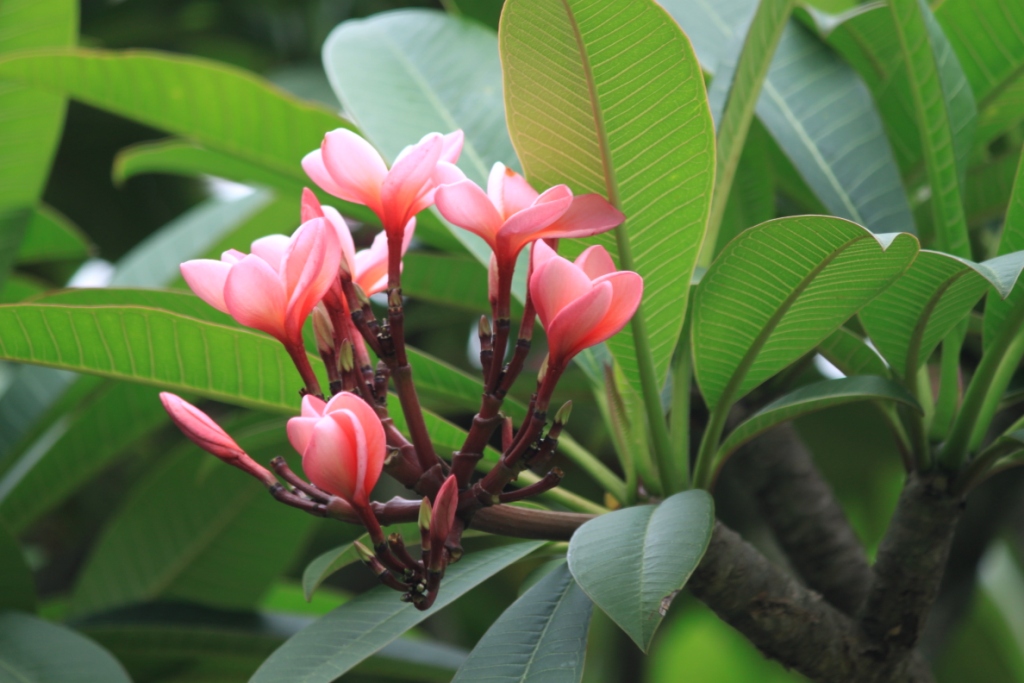
Plumeria, native to Mexico and Central America, is a large shrub or a medium-sized tree widely growing in tropical and sub-tropical climates around the world. In Kerala these plants are commonly found near temples, cemeteries, gardens and parks. Also called Frangipani, the sweet fragrance of plumeria flowers are reminded of a blend of jasmine, rose and honey suckle. Although without nectar, the flowers are used for making scents and perfumes.

Continue reading

Nature, Balance & Harmony

Standing for millenia: Reenadinna, an ancient yew woodland in Ireland’s Killarney National Park. Photo by Universal images/Getty

Click the image above to go to the story in Aeon (read the second half for perspective on nature in the Western Ghats):

It is Reenadinna, one of the planet’s few remaining yew woods, a virtual monoculture of coniferous yew trees (Taxus baccata). They grow here on thin mossy soil, though in some places they drape directly over bare limestone bedrock. The light is green-soaked and dim beneath the crowded canopy: it looked no different this summer than it did 30 years before. Of course, three decades is a short time in the life of a yew wood, where an individual tree can live thousands of years. But it looked no different this summer than it would have done in September 1776, when Arthur Young, the great English writer on rural affairs, visited the region and exuberated on the wooded Muckross peninsula. And by the calculation of Fraser Mitchell, a botanist in Dublin’s Trinity College, it has looked that way for millennia. Continue reading