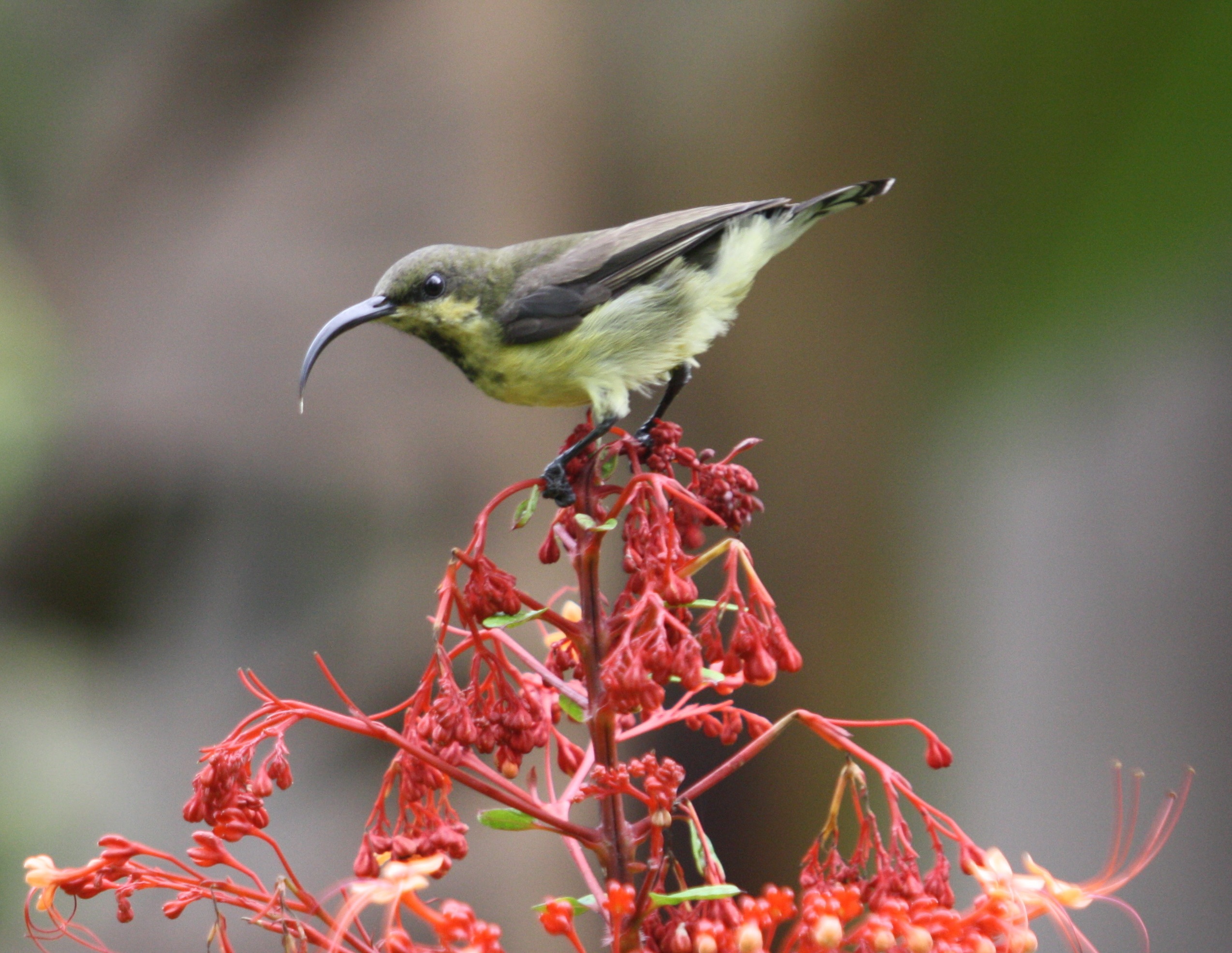
Periyar Tiger Reserve, Kerala
Periyar Tiger Reserve, Kerala
Guest Author: Siobhan Powers
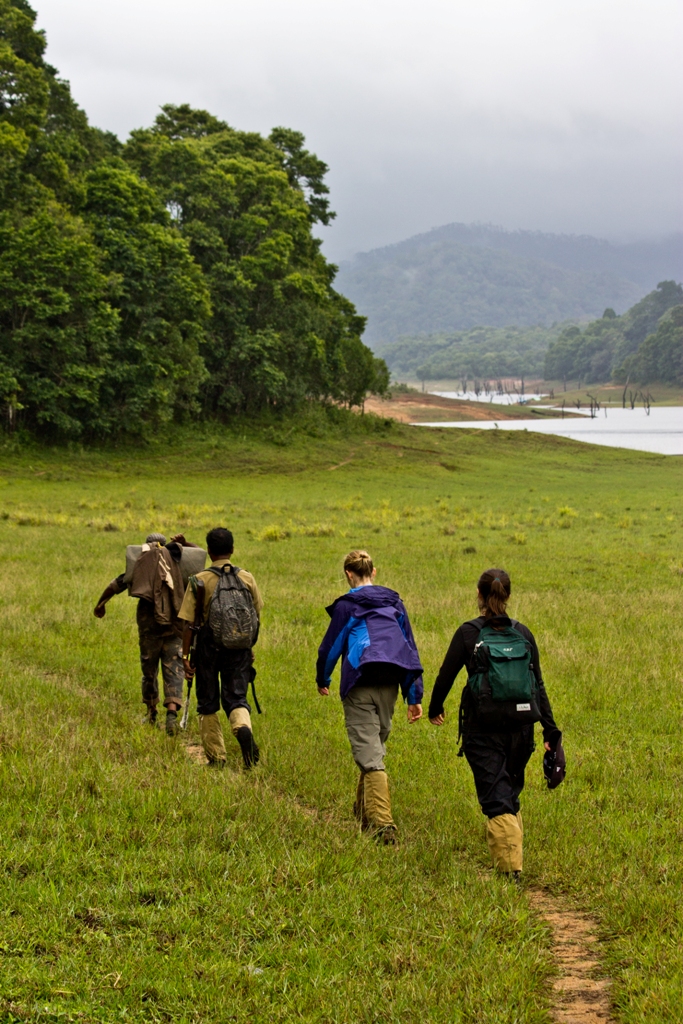
Photo Courtesy of Milo Inman
Before my journey to India, I’d never camped. Sure, I had slept in a tent in my friend’s backyard and gone to Girl Scout camp with my Scooby Doo sleeping bag, but I was feet from indoor plumbing and a roof every time. Where’s the fun in that? When I was belatedly asked to join a few interns on the Tiger Trail overnight trip into the Periyar Tiger Reserve, I was skeptical. My summer nights are usually spent running seafood to a hungry customer or chasing a high-maintenance boy across the beaches of the Jersey shore-therefore my presence in the jungles of Asia is quite ectopic, but I am an adventurous person (sometimes to my detriment). I took the opportunity for what it was- a once-in-a-lifetime chance to snuggle up to some tigers. Continue reading
We have all had defining moments. An event–small, medium or large–that seems to change the course of everything. For me, it was the rather random choice of topic (more on which after the jump) for a research project with a friend in graduate school, leading to my doctoral dissertation and then onward to nearly two decades in entrepreneurial conservation. Not my expected career path in my teens, my twenties or even my early thirties. When I saw this opening line in a “culture” piece on The New Yorker‘s website, I was hooked:
In 1833, Ralph Waldo Emerson, a New England pastor who’d recently given up the ministry, delivered his first public lecture in America. The talk was held in Boston, and its nebulous-sounding subject (“The Uses of Natural History,” a title that conceals its greatness well) helped lay the groundwork for the nineteenth-century philosophy of transcendentalism. It also changed Emerson’s life.
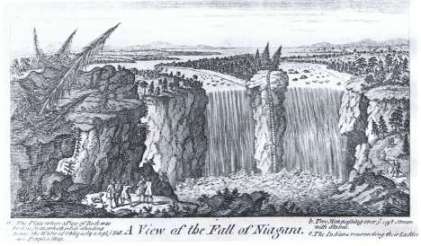
With no illusions or delusions about the significance of Emerson’s random epiphany, versus my own, I can still relate. Emerson’s ideas and their impact had consequence during his lifetime for the place that became my research focus a century later. As it happens, Emerson visited that place just before his 60th birthday, and was deeply amused (it inspired his writing for another two decades) and amazed. That place, which I was interested in for historical reasons related to collective action (thus the occasional posts on this site with that topic as centerpiece), had consequence for late twentieth-century notions of how to develop tourism under a new model.
As unabashed preferrers of the underdog, this is a topic on which we have opinions, feelings, and even some experiential knowledge; but not many facts or figures, per se. When a writer like Gladwell claims to have documented the art and science of the underdog, we will take note (even after Steven Pinker’s convincing surgical strike on Gladwell and the arguments on both sides after that strike) Click the image above for video of Gladwell previewing his new book:
What should the strategy of the weak be when facing the strong? Does being an underdog—whether as a team a country or an individual—help foster creativity? Why should people at the top of their fields quit their jobs and try to reinvent themselves?

The Nadaswaram is a unique instrument in many traditional South Indian and Hindi ceremonies. Today, it is constructed primarily from bamboo, but materials such as sandalwood, copper, brass and ivory are historically included. This instrument is made of three parts: kuzhal, thimiru and anasu. All of these parts combine to make to the double-reed, bell shaped instrument that creates music with a range up to two and a half octaves. Because of its intense volume and strength, the Nadaswaram is most often enjoyed outdoors, but one thing is certain: the sound it produces is sure to be music to many ears.

Maths in Deauville, Normandy (Rene Maltete)
Click the image above for a Krulwich confection. While nominally about the challenge of understanding genetics, it is actually a reminder that when we celebrate the oddball, often underdog approaches to challenging ideas or situations, we sometimes oversimplify in the interest of clever/cute and sometimes in the spirit of brevity (which Shakespeare called the soul of wit, and Dorothy Parker called the soul of lingerie).
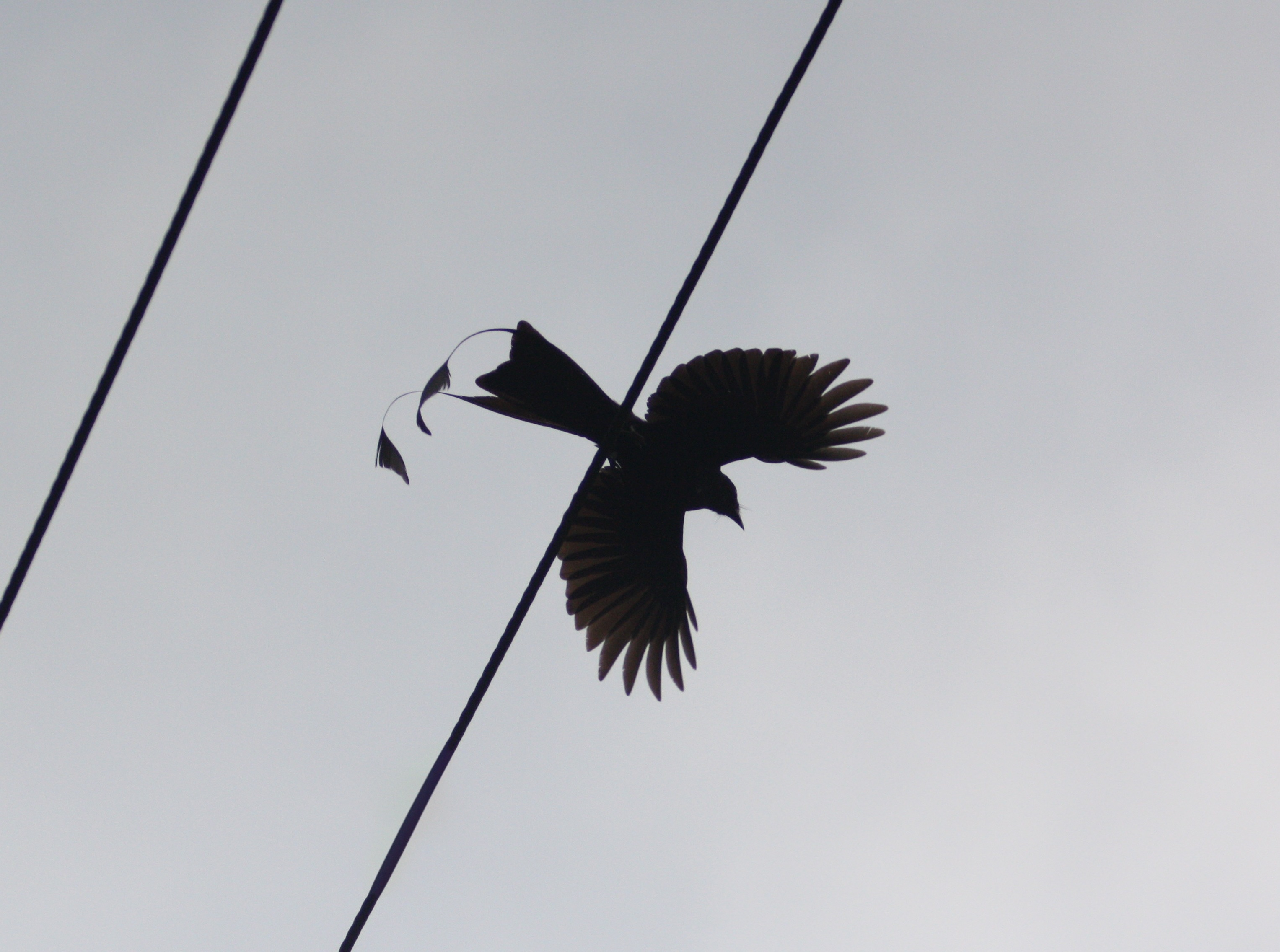
Periyar Tiger Reserve, Kerala

The whole world is moving towards new technologies and scientific inventions, but still one can find the oldest and traditional mode of transportation in Kerala across some villages: the Bullock cart. Some merchants and travelers prefer the bullock cart over other transportation vehicles. Continue reading
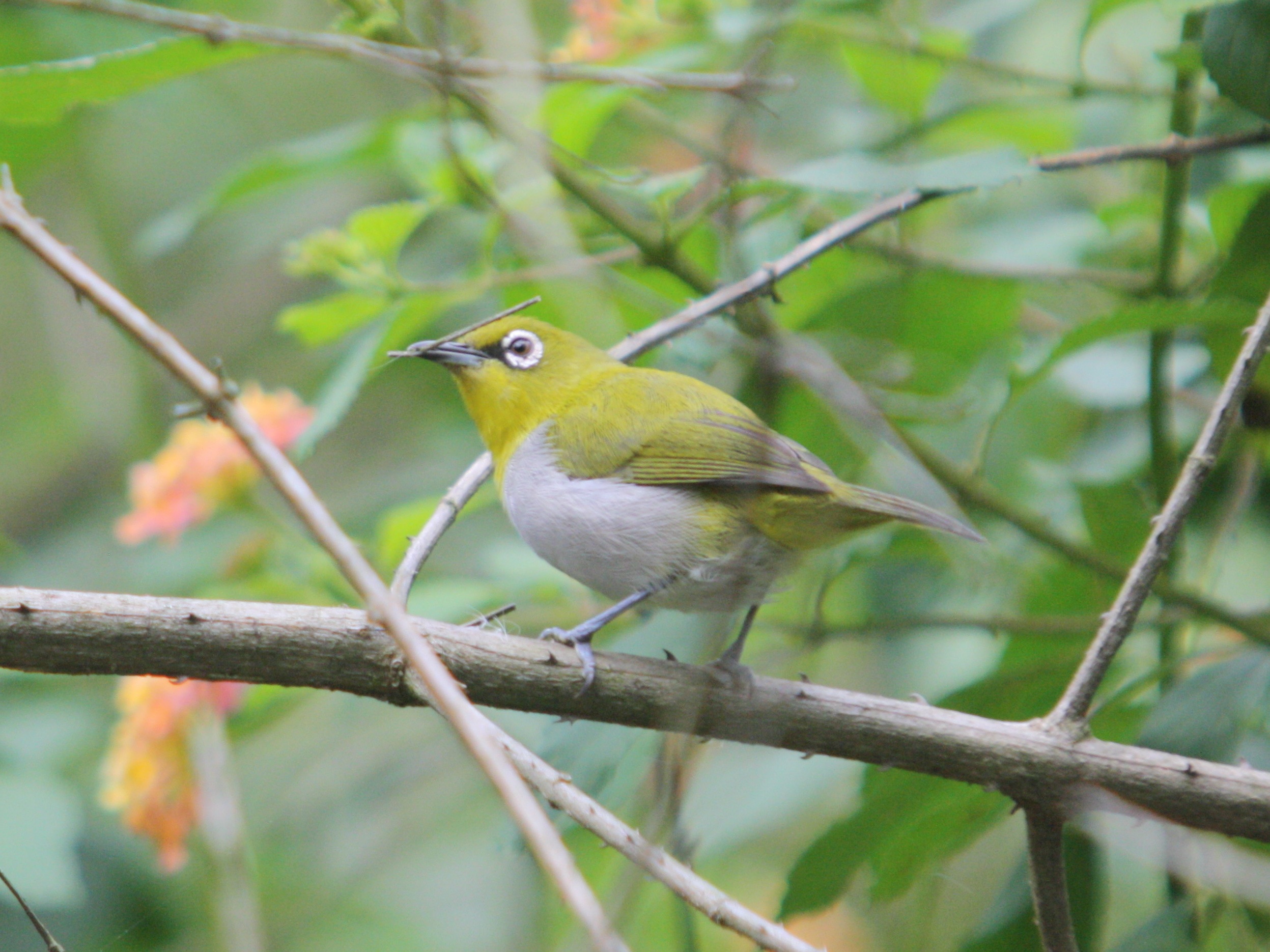
Periyar Tiger Reserve, Thekkady
Five hours away from Thekkady is a colorful land of ornate architectures and a hometown of many fishermen that represent the historical harbor city, Fort Cochin, Kerala. The narrow and winding streets are filled with houses and churches that clearly showe their Dutch, Portuguese, or British influence from the colonial time. As I carelessly stroll down the streets only with my camera and some rupees (Indian currency) in my purse, I didn’t mind the stares from the local village people, nor the heat and humidity that made me drench in my own sweat; but, my mind got carried away seeking the remains of what time had left us.

Blue door and window with a wagon

Madurai, a city in the Indian state of TamilNadu, is commonly known as temple city as the Meenakshi Amman temple is situated there. The main deity of the temple is Meenakshi, the avatar of Goddess Parvati, spouse of Lord Shiva. The story behind the temple and Meenakshi is as follows. According to the legends, this avatar of Goddess Parvati was an answer to the devotion of King Malayadwaja Pandya and his wife Kanchanamalai, for their request for parenthood. They were granted a girl but she was three breasted. The worried king approached Parvati in prayer and a call from heaven answered that the third breast will disappear once she found her consort. Continue reading
 My penultimate post covered the participatory monitoring workshop I attended the last week of June. Here I will describe our results in the last two days of the meetings.
When dividing the attendees into different groups with assigned topics of discussion, the workshop organizers assigned me as discussion leader of the Resident (Urban and Rural) group, where six or seven of us talked about varied approaches and types of programs.
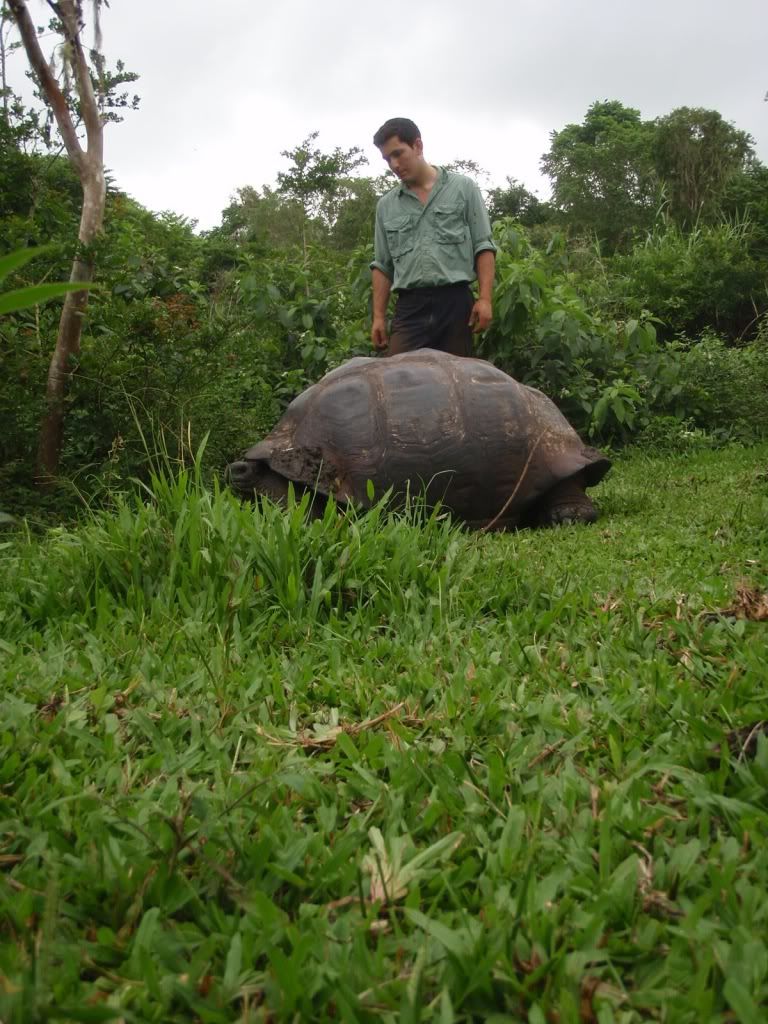
We started with the rural residents, focusing on farmers since the majority of landowners in the agricultural region of Santa Cruz fit that category, either with coffee, sugarcane, cattle, or other crops. There are countless farms in the area, and only about a dozen of them practice any tourism, but we considered this smaller group the perfect audience for a pilot project, since they should be more interested in completing periodic checklists of focal species that serve as tourist attractions. Guides from cruises or local operators often take groups of tourists up into the highlands to see wild giant tortoises and less common landbird species like the Vermilion Flycatcher, and these few farms offer not only passage in their land (as safe havens for the attractive species) but also their coffee or homebrewed sugarcane rum to the tourists. Some properties even have lava tunnels, one of which I’ve been told by a Hawaiian visitor is even more impressive than the famous Thurston lava tunnel on the other well-known volcanic archipelago of the Pacific Ocean.
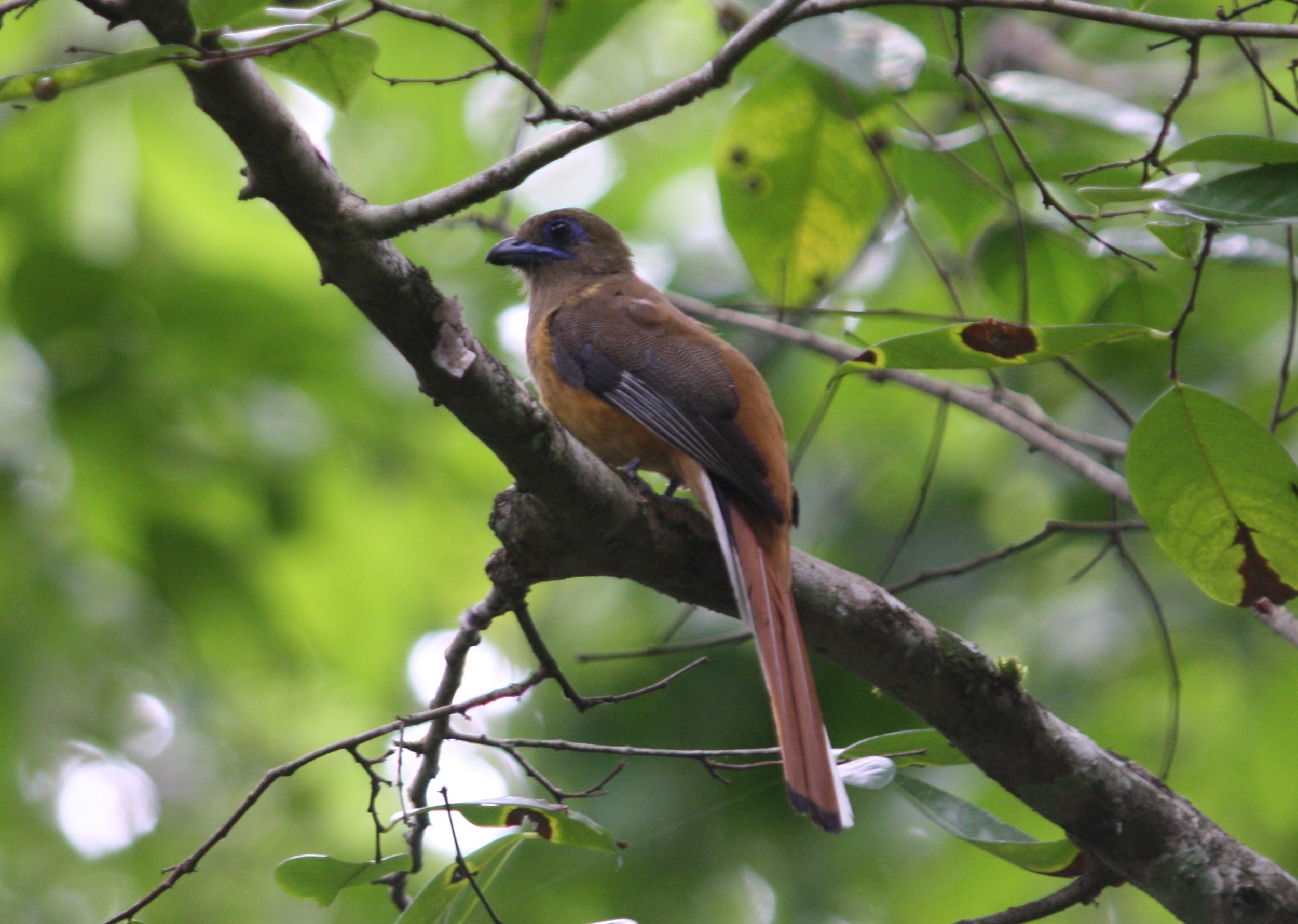
Periyar Tiger Reserve, Kerala
I frantically grabbed the phone and dialed the front desk. I hastily told the night auditor of my situation and begged him to send help. Within minutes, not one but two maintenance men were at the entry path leading to my room to redirect the furry night creature that (in my imagination, at least) seemed intent on spending the night too close for my comfort. A few minutes later “it” had exited back to the forest, and I had met three new members of Cardamom County, one of whom managed to gain my trust through a single phone call: Faruk.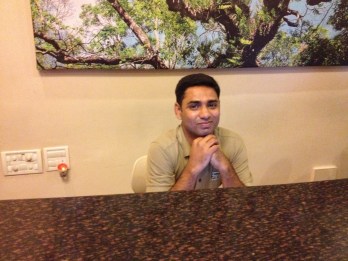
He works the night shift at Cardamom County and is quite a remarkable person. This gentleman is oft my unfortunate sounding board when I can’t sleep or arise before the rooster crows (a reality next to the beautifully quaint farm here). He was manning the reception desk after my enlightening night visit to the kitchen. When I wrote about meeting Jimmy he said if I ever were to write about him I should use him as an example of night shift mishaps, laziness, or incompetency. I didn’t think much of his suggestion at the time, but in hindsight, I scoff at the thought of doing such a thing; Faruk is likely the furthest thing from the aforementioned negativity. Continue reading
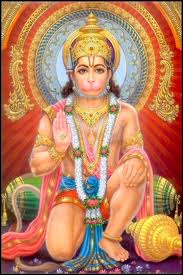 According to the Hindu epic ‘Ramayanam’, Hanuman was born to the queen Anjana Devi (a supernatural woman cursed into a monkey’s form) and her spouse King Kesari. Anjana, who was childless, prayed to Lord Shiva to give her a child. After her long devotion to Shiva, Vayu Bhagvan Mayut (the God of wind) granted her a son. Hence the boy was also known as Pavan putra, meaning Pavan-wind, putra-son. Continue reading

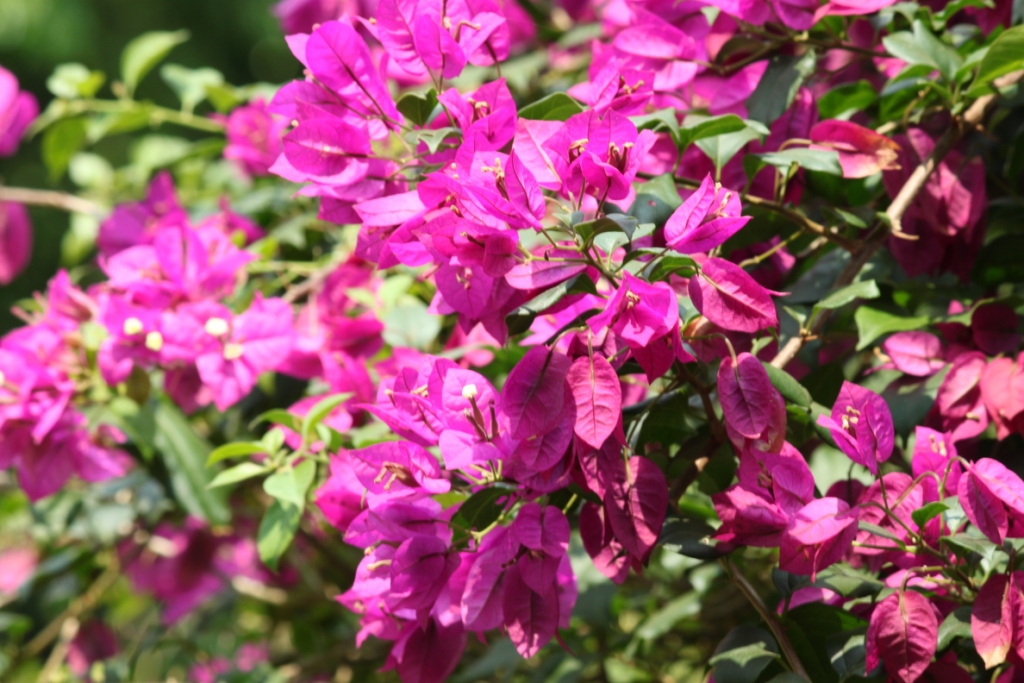
Bougainvillea flowers are very common and popular in the Western Ghats of India. This beautiful plant thrives in both dry and humid climates, making them a popular ornamental in numerous parts of the world. The flowers attract butterflies and other nectar eating insects and birds, as well as being the food plants for moth as well. In Kerala local people grow bougainvillea at home as it is a pest-free plant with a color palette for any garden.
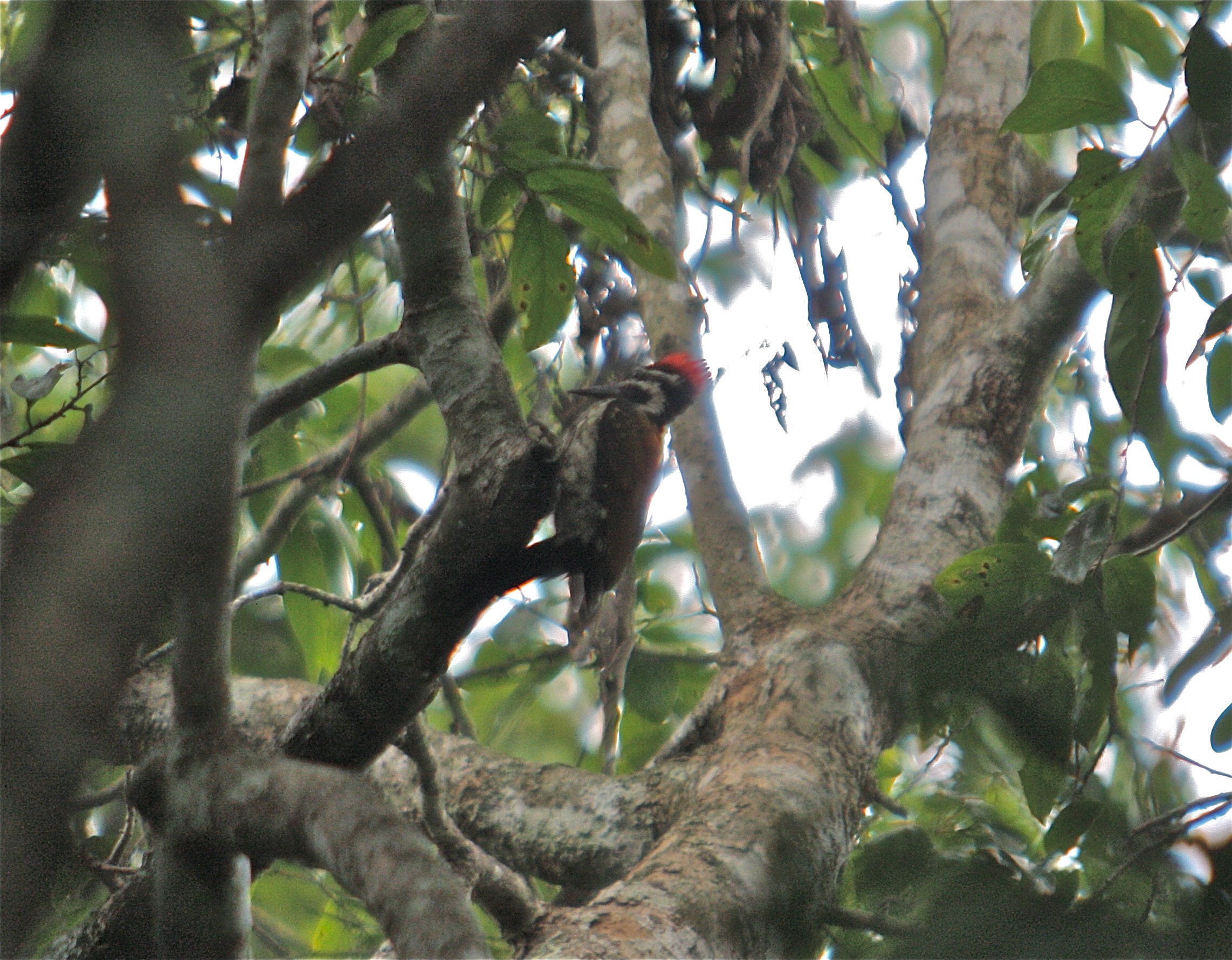
Periyar Tiger Reserve, Kerala
Always willing to join a conversation about (or over) food, I’ve been reminded by recent posts by Timothy and Crist of an interesting dietary strategy I discovered while living in Singapore: Meatless Mondays. I watched it as a news story over a year ago, around the same time I watched a TED talk by Graham Hill entitled Why I’m a Weekday Vegetarian. Both of these programs helped me to find a compromise that reconciles the cognitive dissonance I have as a meat-eater aware of the environmental implications of the livestock industry. 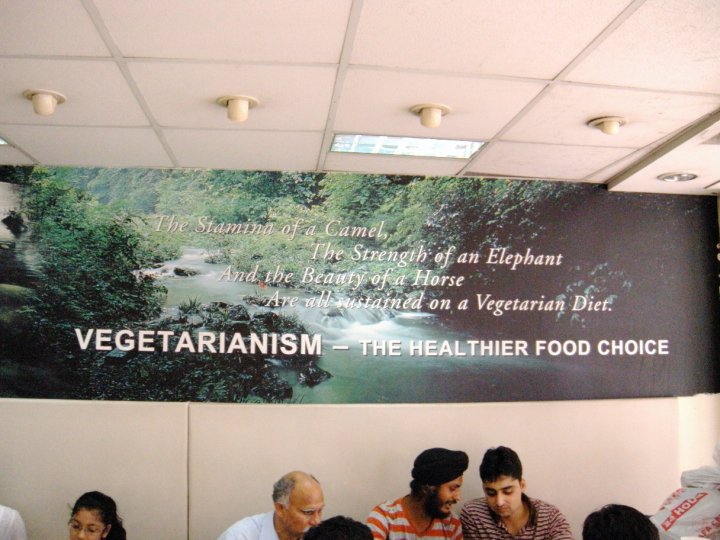
It’s simple: Eat less meat. Continue reading
Periyar Tiger Reserve, Kerala
 Organikos