Athirappally Waterfalls

Athirappally Waterfalls is one of the Kerala’s famous picnic spots. Fed by the Chalakkudy River, this 80-85 feet high wonder is situated in the forest area of the Sholayar ranges.  During the monsoon season the falls are a thundering wall of water.  Many people visit this refreshing site to unwind with its sound and spray.

Continue reading →

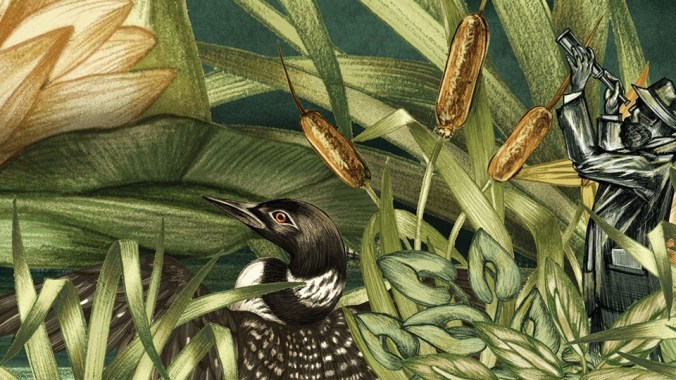
Happy Birthday Henry David Thoreau

lead_960_540 (1)

Lisel Ashlock

After coming across the Emerson item, and linking it to my own experience as a lapsed researcher, now entrepreneur, I went back and looked at some of the posts Seth wrote while taking coursework last autumn. The courses were remarkable for their relevance to what we do at La Paz Group: Environmental History; Environmental Archaeology; Ecology and the Environment; and Environmental Governance.  The history course, in particular, had a syllabus that I appreciated for acquainting or re-acquainting me with some of the roots of thought underlying my chosen occupation (whatever that is).

Now a few days later I have discovered that on today’s date in 1817 Henry David Thoreau was born.  A little more digging, and I see he serialized some of his writings in a magazine that still publishes today. He apparantly wanted his ideas spread as far and wide as technology would enable.  Surprisingly modern for a man who embodies “back to nature” more than most.  Would he have blogged in today’s world?

No need to speculate on silly questions: his writing speaks for itself. On June 1, 1858 he published his first of three tracts in The Atlantic Monthly.  It is a lovely meditation on the true nature of pine trees, poetic insight, and moose meat, among other things nineteenth-century.  Four years later to the day the same magazine posthumously (he had just died weeks earlier) published his second tract, called Walking, which has about as fine a statement as I can find anywhere: Continue reading →

Bamboo Bats

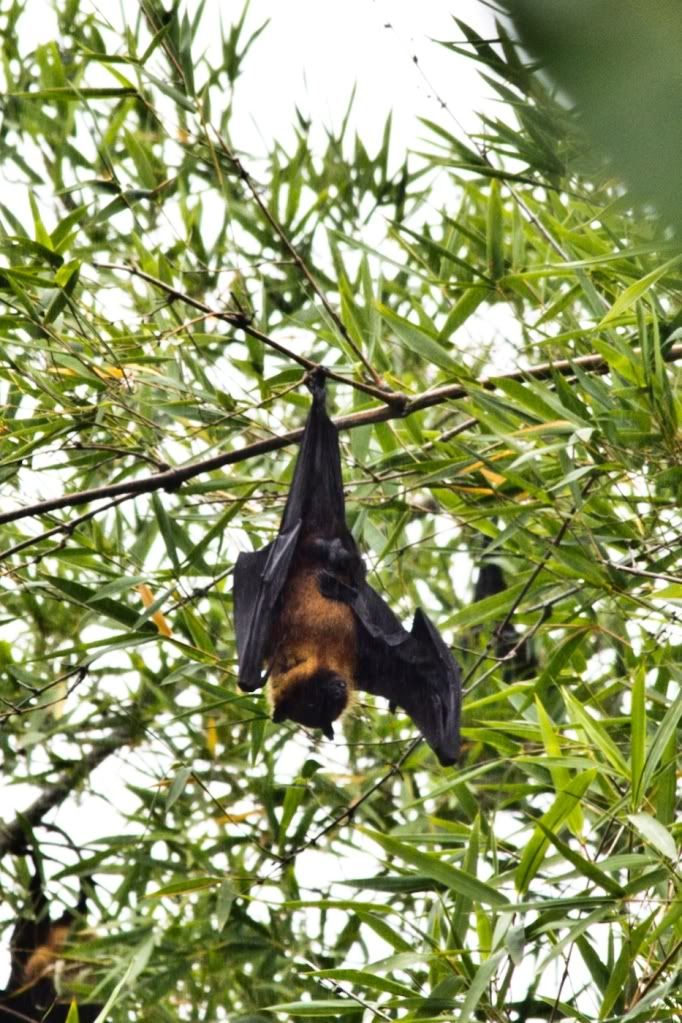
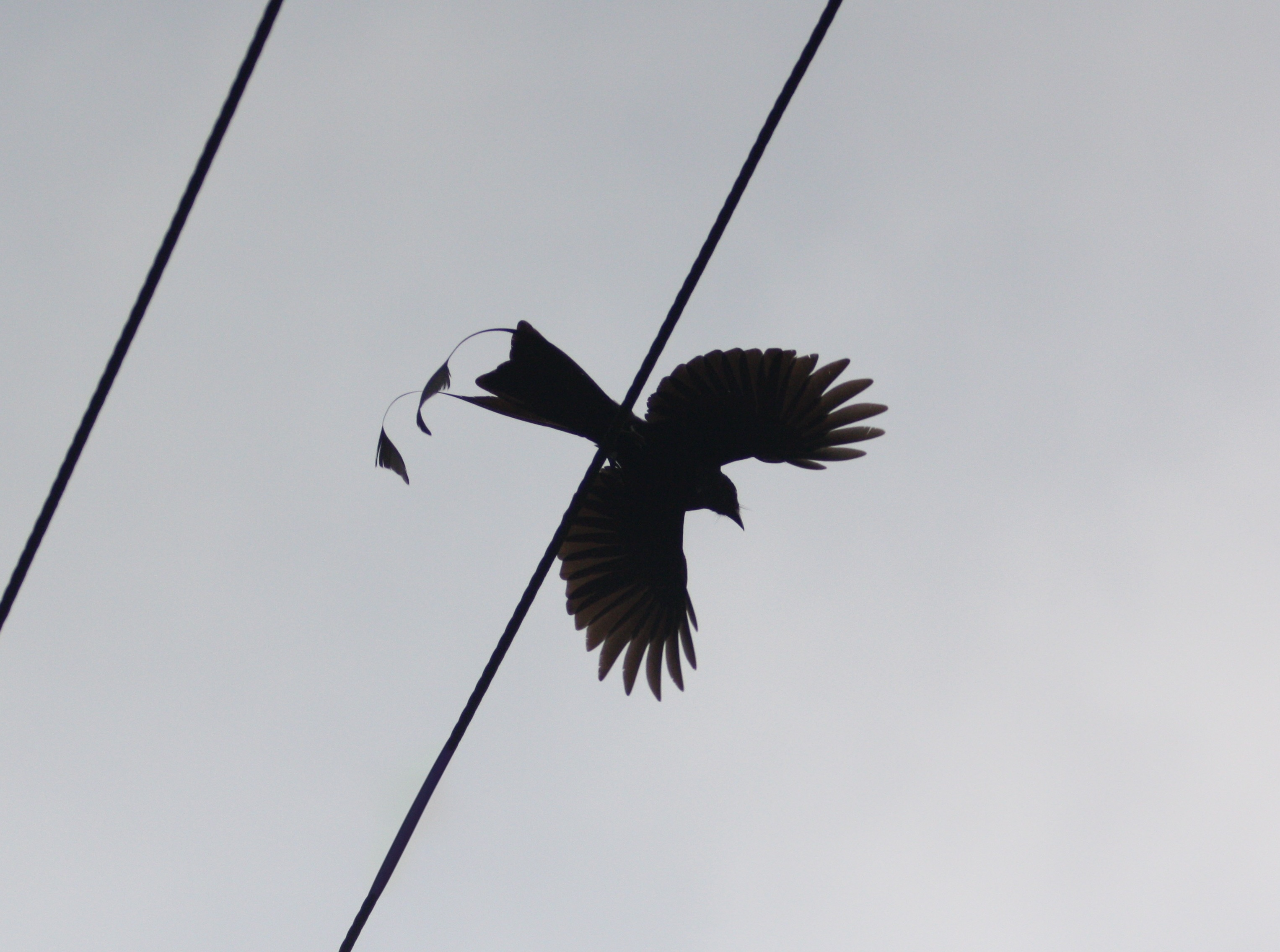
Last year, Sung wrote about the bats in the bamboo stands next to Cardamom County. I’ve always been aware of their presence, but I always lacked the equipment to get a closer look, and even more prominently lacked the equipment to photograph them. This year, my arsenal remains limited, but I have one more telephoto lens than I did previously. From the restaurant’s roof on a sunny day, I’m less than 20 meters away from well-lit subjects. On a windy sunny day, the subjects are generally stirring, as mentioned by Sung – the ideal time to photograph them.  Continue reading →

A Boat Ride in Paradise

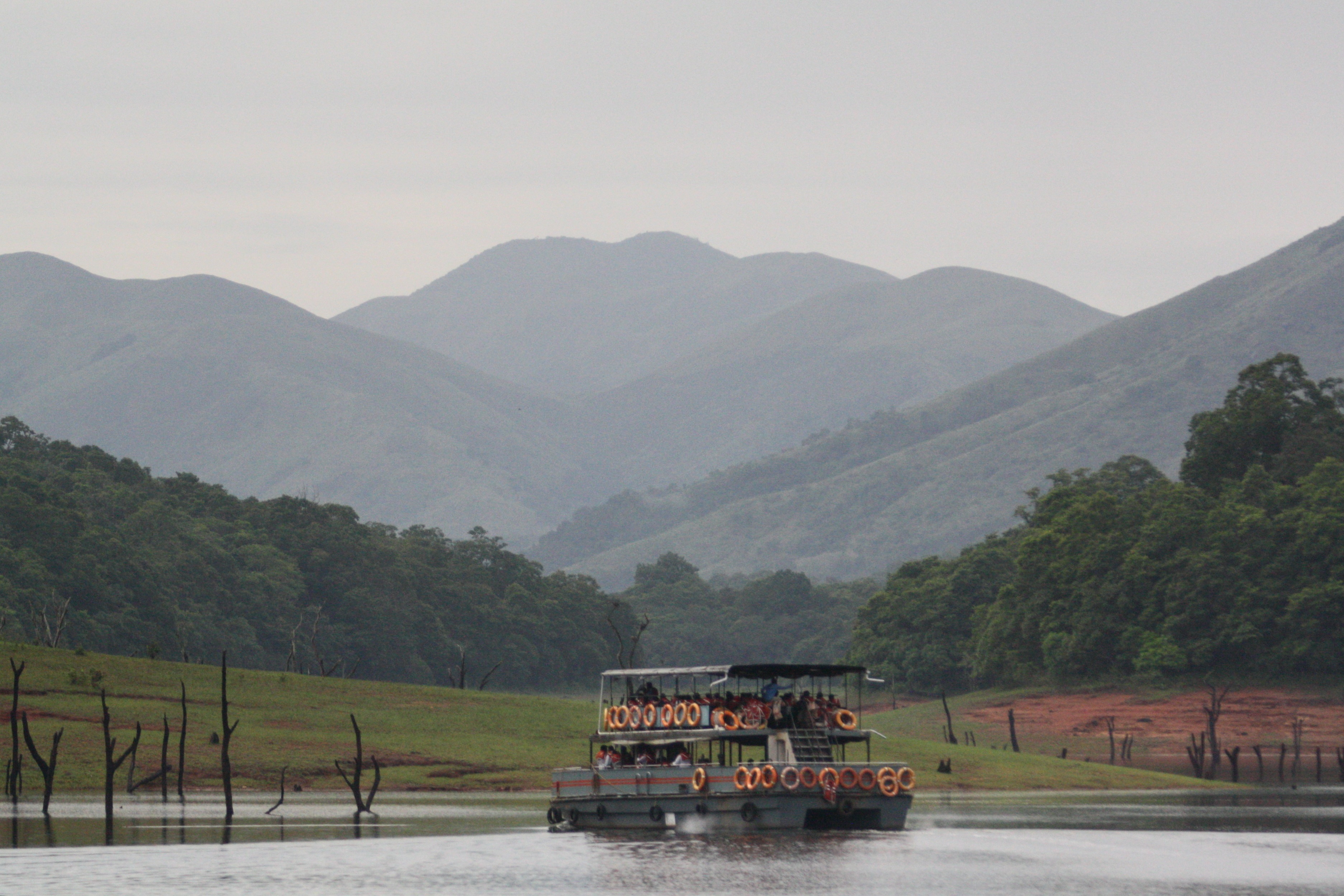
The Periyar Tiger Reserve’s most popular activity, the Boating Trip around Periyar Lake, gives guests a relaxing yet incredibly rewarding view of one of the most beautiful locations on earth.  The wildlife is unbelievable, the scenery is spectacular, and the opportunities for photographing these wonders are plentiful.

Continue reading →

Defining Moments

This slideshow requires JavaScript.

“At the end of the world,” the photographer Brigitte Grignet writes, “lies one of the most remote and undisturbed areas of Patagonia.” This sparsely populated region in southern Chile, called Aysén, is also one of the most endangered, threatened by plans to dam two of the region’s rivers in order to send hydro power north along thousands of miles of power lines.

Reading about and seeing the images of Aysen above brings back fresh memories of the two years prior to our move to India.  In October 2009 I was invited by the local community of Aysen to represent their commercial interest in wilderness conservation at a forum sponsored by Hydro Aysen.  I had been working in Patagonia since early 2008 and established relationships that led to their entrusting this task to me.  I did not let them down. Continue reading →

Bird Club

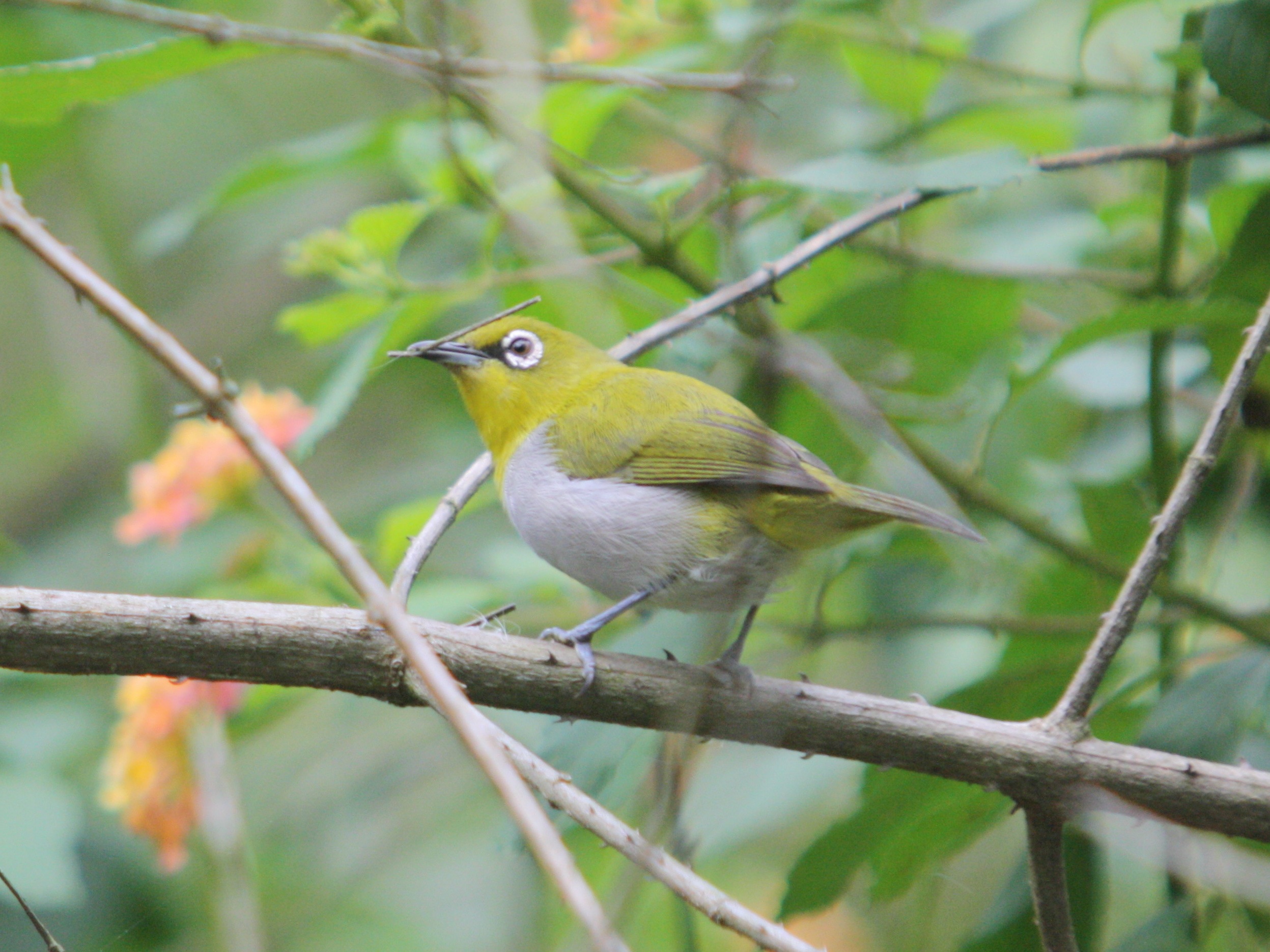
For the past two weeks I’ve been planning my bird-related extracurricular activity at Tomás de Berlanga, the school where I’m on my fourth full week of volunteering English substitute teaching for grades 1, 2, and 7-12 (1st and 2nd graders are taught English as a class, and the older students are classified based on skill level—I taught Intermediate for a week and Advanced for two weeks).

I decided on a weekly 2-hour (4-6PM) meeting of what we’d call the “Club de Aves,” the Bird Club, and I sent a small paper invitation and permission sheet home with students of 2nd grade and up. About 50 students brought back responses allowing them to participate, and a dozen or so slips denying permission because the student was otherwise engaged after school (Santa Cruz has a great cycling team that is quite competitive on a national level). Given this unexpectedly high number, I had to supplement my planned Thursday and Friday groups with a Wednesday one: about twenty 2nd, 3rd and 4th graders for Wednesday; thirteen 5th and 6th graders for Thursday; and eighteen 7th-12th graders for Friday.


Continue reading →

A Jersey Girl’s Introduction to Camping

Guest Author: Siobhan Powers

Photo Courtesy of Milo Inman

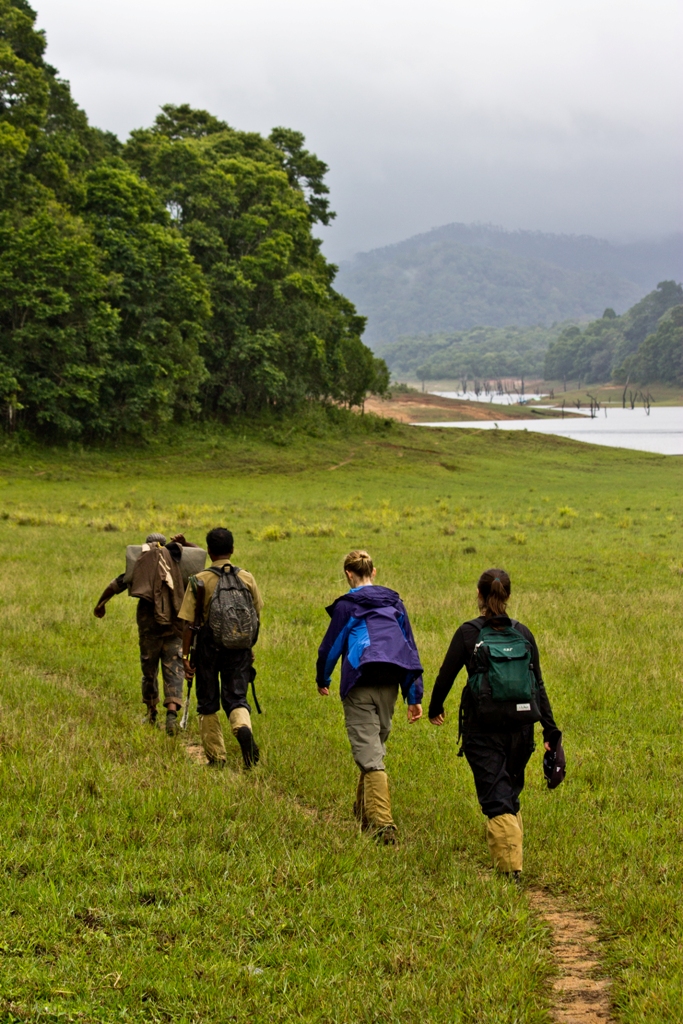
Before my journey to India, I’d never camped. Sure, I had slept in a tent in my friend’s backyard and gone to Girl Scout camp with my Scooby Doo sleeping bag, but I was feet from indoor plumbing and a roof every time. Where’s the fun in that? When I was belatedly asked to join a few interns on the Tiger Trail overnight trip into the Periyar Tiger Reserve, I was skeptical. My summer nights are usually spent running seafood to a hungry customer or chasing a high-maintenance boy across the beaches of the Jersey shore-therefore my presence in the jungles of Asia is quite ectopic, but I am an adventurous person (sometimes to my detriment). I took the opportunity for what it was- a once-in-a-lifetime chance to snuggle up to some tigers. Continue reading →

Consequential Incidents

We have all had defining moments.  An event–small, medium or large–that seems to change the course of everything.  For me, it was the rather random choice of topic (more on which after the jump) for a research project with a friend in graduate school, leading to my doctoral dissertation and then onward to nearly two decades in entrepreneurial conservation.  Not my expected career path in my teens, my twenties or even my early thirties. When I saw this opening line in a “culture” piece on The New Yorker‘s website, I was hooked:

In 1833, Ralph Waldo Emerson, a New England pastor who’d recently given up the ministry, delivered his first public lecture in America. The talk was held in Boston, and its nebulous-sounding subject (“The Uses of Natural History,” a title that conceals its greatness well) helped lay the groundwork for the nineteenth-century philosophy of transcendentalism. It also changed Emerson’s life.
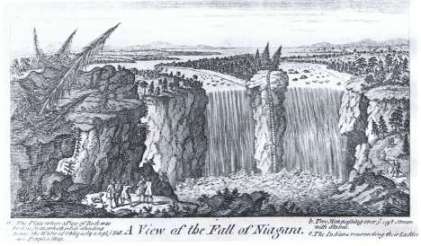
With no illusions or delusions about the significance of Emerson’s random epiphany, versus my own, I can still relate. Emerson’s ideas and their impact had consequence during his lifetime for the place that became my research focus a century later.  As it happens, Emerson visited that place just before his 60th birthday, and was deeply amused (it inspired his writing for another two decades) and amazed.  That place, which I was interested in for historical reasons related to collective action (thus the occasional posts on this site with that topic as centerpiece), had consequence for late twentieth-century notions of how to develop tourism under a new model.

Continue reading →

Underdog Dynamics

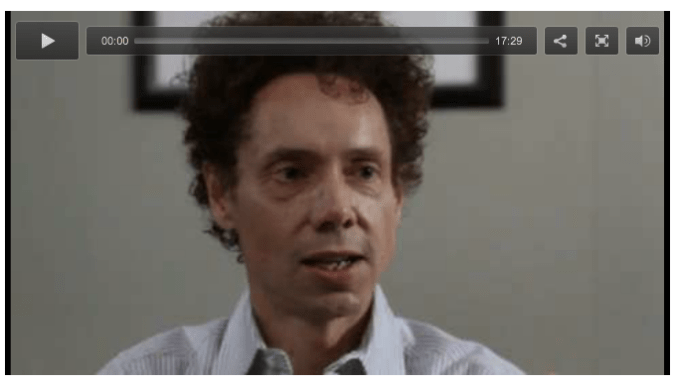
As unabashed preferrers of the underdog, this is a topic on which we have opinions, feelings, and even some experiential knowledge;  but not many facts or figures, per se.  When a writer like Gladwell claims to have documented the art and science of the underdog, we will take note (even after Steven Pinker’s convincing surgical strike on Gladwell and the arguments on both sides after that strike)  Click the image above for video of Gladwell previewing his new book:

What should the strategy of the weak be when facing the strong? Does being an underdog—whether as a team a country or an individual—help foster creativity? Why should people at the top of their fields quit their jobs and try to reinvent themselves?

Nadaswaram – Indian Musical Instrument

The Nadaswaram is a unique instrument in many traditional South Indian and Hindi ceremonies.  Today, it is constructed primarily from bamboo, but materials such as sandalwood, copper, brass and ivory are historically included.  This instrument is made of three parts: kuzhal, thimiru and anasu.  All of these parts combine to make to the double-reed, bell shaped instrument that creates music with a range up to two and a half octaves.  Because of its intense volume and strength, the Nadaswaram is most often enjoyed outdoors, but one thing is certain: the sound it produces is sure to be music to many ears.

Complex Ideas Made Simple

Maths in Deauville, Normandy (Rene Maltete)

Click the image above for a Krulwich confection.  While nominally about the challenge of understanding genetics, it is actually a reminder that when we celebrate the oddball, often underdog approaches to challenging ideas or situations, we sometimes oversimplify in the interest of clever/cute and sometimes in the spirit of brevity (which Shakespeare called the soul of wit, and Dorothy Parker called the soul of lingerie).

Bullock Cart – A Traditional Transportation

The whole world is moving towards new technologies and scientific inventions, but still one can find the oldest and traditional mode of transportation in Kerala across some villages: the Bullock cart. Some merchants and travelers prefer the bullock cart over other transportation vehicles. Continue reading →

Colorful Wonderland: Fort Cochin, Kerala

Five hours away from Thekkady is a colorful land of ornate architectures and a hometown of many fishermen that represent the historical harbor city, Fort Cochin, Kerala. The narrow and winding streets are filled with houses and churches that clearly showe their Dutch, Portuguese, or British influence from the colonial time. As I carelessly stroll down the streets only with my camera and some rupees (Indian currency) in my purse, I didn’t mind the stares from the local village people, nor the heat and humidity that made me drench in my own sweat; but, my mind got carried away seeking the remains of what time had left us.

Blue door and window with a wagon

Continue reading →

Madurai Meenakshi Temple

Madurai, a city in the Indian state of TamilNadu, is commonly known as temple city as the Meenakshi Amman temple is situated there. The main deity of the temple is Meenakshi, the avatar of Goddess Parvati, spouse of Lord Shiva. The story behind the temple and Meenakshi is as follows. According to the legends, this avatar of Goddess Parvati was an answer to the devotion of King Malayadwaja Pandya and his wife Kanchanamalai, for their request for parenthood. They were granted a girl but she was three breasted. The worried king approached Parvati in prayer and a call from heaven answered that the third breast will disappear once she found her consort. Continue reading →

Participatory Monitoring Workshop: Part 2/3

My penultimate post covered the participatory monitoring workshop I attended the last week of June. Here I will describe our results in the last two days of the meetings.

When dividing the attendees into different groups with assigned topics of discussion, the workshop organizers assigned me as discussion leader of the Resident (Urban and Rural) group, where six or seven of us talked about varied approaches and types of programs.

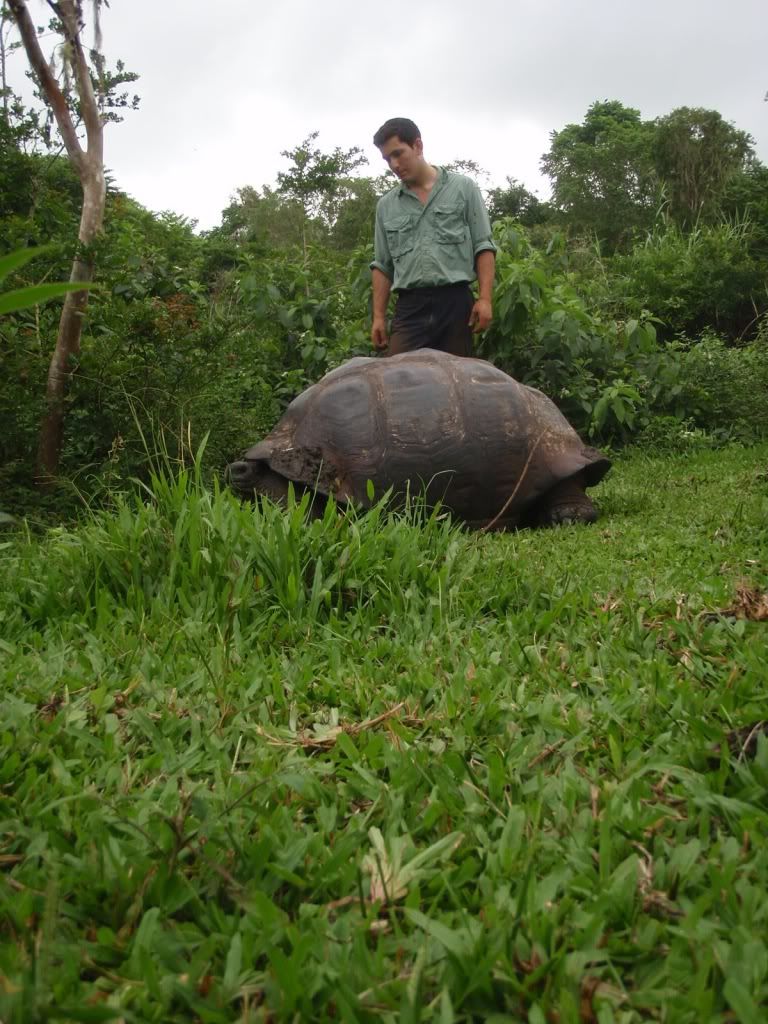
We started with the rural residents, focusing on farmers since the majority of landowners in the agricultural region of Santa Cruz fit that category, either with coffee, sugarcane, cattle, or other crops. There are countless farms in the area, and only about a dozen of them practice any tourism, but we considered this smaller group the perfect audience for a pilot project, since they should be more interested in completing periodic checklists of focal species that serve as tourist attractions. Guides from cruises or local operators often take groups of tourists up into the highlands to see wild giant tortoises and less common landbird species like the Vermilion Flycatcher, and these few farms offer not only passage in their land (as safe havens for the attractive species) but also their coffee or homebrewed sugarcane rum to the tourists. Some properties even have lava tunnels, one of which I’ve been told by a Hawaiian visitor is even more impressive than the famous Thurston lava tunnel on the other well-known volcanic archipelago of the Pacific Ocean.

Continue reading →