Back To The Commons

Cattle graze on public lands under federal permits, and the fee is heavily subsidized — $1.35 per head of cattle, in contrast with the $22 per head that ranchers pay for their cattle to graze on private land.
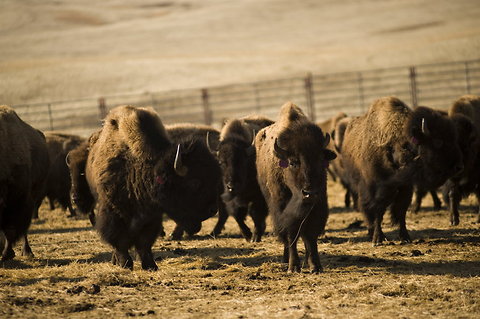
Most days we find stories that bring us back to one of the common themes affecting, and affected by, the one or more of the three “c” words in our site’s banner.  Just this last week, in two very different contexts–the Mediterranean fisheries and the great plains of the western USA–we see the potential for the tragedy so commonly affecting unrestricted and accessible open spaces.

Click the image above to go to the second of these stories.  While we do not believe markets solve all problems, and certainly do not solve the most complex problems easily, this one seems to be the definition of a no-brainer.  Or at least, the questions seem obvious: why do citizens in the USA, who contribute to ranchers abundantly at the supermarket each week, also contribute so generously on April 15 each year?  If they reduced the latter would they reduce the former? And would that not be a good thing, in terms of health and environmental considerations?


Red Trumpet Lily

The Red Trumpet Lily is an ornamental plant commonly naturalized in the high ranges of India’s Western Ghats. The flower gets its name from its trumpet shaped blossom that begins to bloom in April and ends by June. Continue reading

Southern City of Light

Guest Author: Denzel Johnson

During the 1800’s Buenos Aires hosted a wealthy group of people in what is today’s most popular district- San Telmo. The district today is as popular as it could be and hosts a series of events that accommodate locals as well as tourists as they flock between the clubs and cafes. Continue reading

Mango Culture

More subscription-worthy coverage from the New York Times:

Mangoes are objects of envy, love and rivalry as well as a new status symbol for India’s new rich. Mangoes have even been tools of diplomacy. The allure is foremost about the taste but also about anticipation and uncertainty: Mango season in the region lasts only about 100 days, traditionally from late March through June; is vulnerable to weather; and usually brings some sort of mango crisis, real or imagined.

The Patel Phenomenon

In our organization, which includes more than one American working in lodging establishments in India, a sociological investigation like this catches the eye.  Click the image to the left for a podcasted author interview.  A few fun facts:

– At least 1 out of 2 motels are owned by Indian-Americans.

– Out of those Indian-owned motels, 70 percent are owned by Gujaratis, people with roots in the western Indian state of Gujarat.

– Of those Gujaratis, three-fourths share the last name Patel. There’s even a name for these overnight establishments: “Patel Motels.”

Nishagandhi – Queen of the night

This slideshow requires JavaScript.


Night Blooming Cereus is one of the most popular garden flowers commonly found in the hill ranges of India’s Western Ghats. A member of the cactus family, its flowers are white and strong scented, with the distinction that they bloom only at night and close by dawn.

Kahneman Fest

Portrait of Daniel Kahneman, author of Thinking, Fast and Slow, and winner of the 2002 Nobel prize in economic science. New York, NY, April 17 2012.

Click the image above to go to the interview, in Der Spiegel, in which our intellectual superhero finally explains why familiarity feels so good:

Of course, there are other mechanisms of advertising that also act on the subconscious. But the main effect is simply that a name we see in a shop looks familiar — because, when it looks familiar, it looks good. There is a very good evolutionary explanation for that: If I encounter something many times, and it hasn’t eaten me yet, then I’m safe. Familiarity is a safety signal. That’s why we like what we know.

Continue reading

Gotta Love a Good Reserve

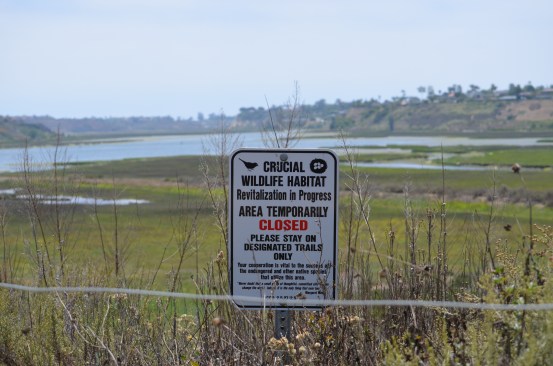
The Periyar Tiger Reserve is one of those places that gets your adrenaline flowing just a little more than usual, because you’re always on the verge or the high of an interesting sighting or sensation. A good reserve does that. It fosters enough of a preserved environment that exploring it brings you back to a pre-industrial state of awareness.

Today I visited the Newport Bay Conservancy in Newport Beach, California. It’s not quite as wildly invigorating as Wild Periyar, but it was a beautiful day and the birds were hungry.

Continue reading

Fish-Eater’s Dilemma

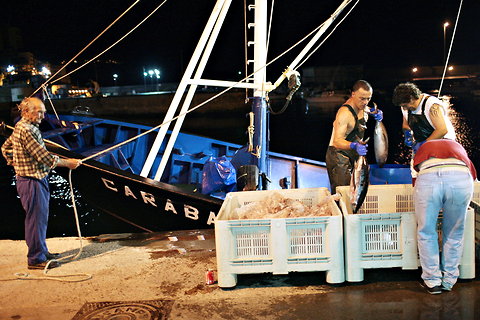
Click the image above to go to the story in Dot Earth:

Talk about timing. As American and European fisheries officials met this week in Brussels to talk about, among other things, the problem of illegal and unregulated fishing, Chinese boats were illegally in the Mediterranean, making a mockery of efforts to manage the bluefin tuna fishing season.

Thrissur Pooram – Festival of Festivals

The Thrissur Pooram is the largest of all the festivals held in Kerala. It is a grand bonanza of colors and sound, native drums and horns plus magnifiicent elephant pageantry which cannot be missed. It normally falls between 15th April and 15th May. The festival takes place over two days and surrounding communities set out with their temple icons in all regalia on caparisoned elephants to the Pooram ground in front of Vadakkumnatha temple located in the city centre.

The festival is famous for the fireworks display that begins in the well past midnight into the second day and can last several hours. The Pakal Pooram (Daylight’s Pooram) staged the next morning is a recap of the main Pooram’s highlights. Continue reading

Stories In The Service Of Science Education

Andrew Revkin’s contributions to the New York Times, via Dot Earth, make a subscription to their website worthwhile; add in video with Daniel Kahneman addressing the National Academy of Sciences, and the value skyrockets.  68 minutes and 51 seconds later, you will know more about what you do not know; and likely appreciate the way that knowledge reached you.

We have pointed to evidence of this scholar’s general awesomeness, also to his 2011 book and to an event quite some time ago all without any video demonstration of his combined intellectual and communication capacities.  Click the image below to go to Revkin’s coverage, which includes the video of a surprisingly accessible lecture.

Railway Glory (Ipomoea cairica)

Railway Glory is a tropical, perennial climbing vine with tuberous roots, spreading extensively in the hills of India’s Western Ghats up to 1000m. The plant blooms throughout the year, growing aggressively over fences, shrubs and trees. The attractive flowers are purple, pink or rarely pinkish white. In Kerala it is commonly planted in gardens and around houses for insulation against the summer heat. It is also known by the names Cairo Morning Glory and Coastal Morning Glory. Continue reading

Cardamom County Day One

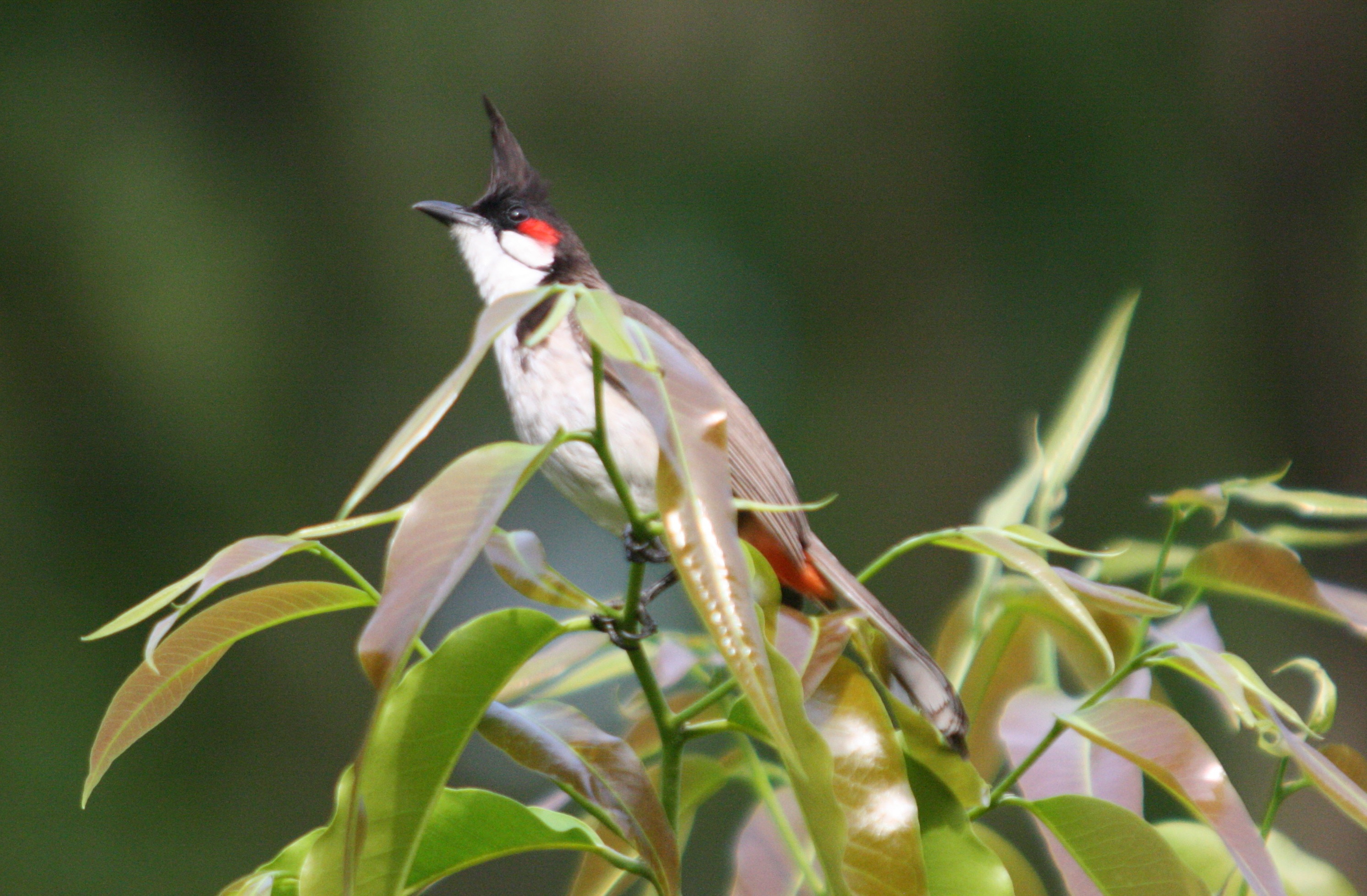
Red-whiskered Bulbul

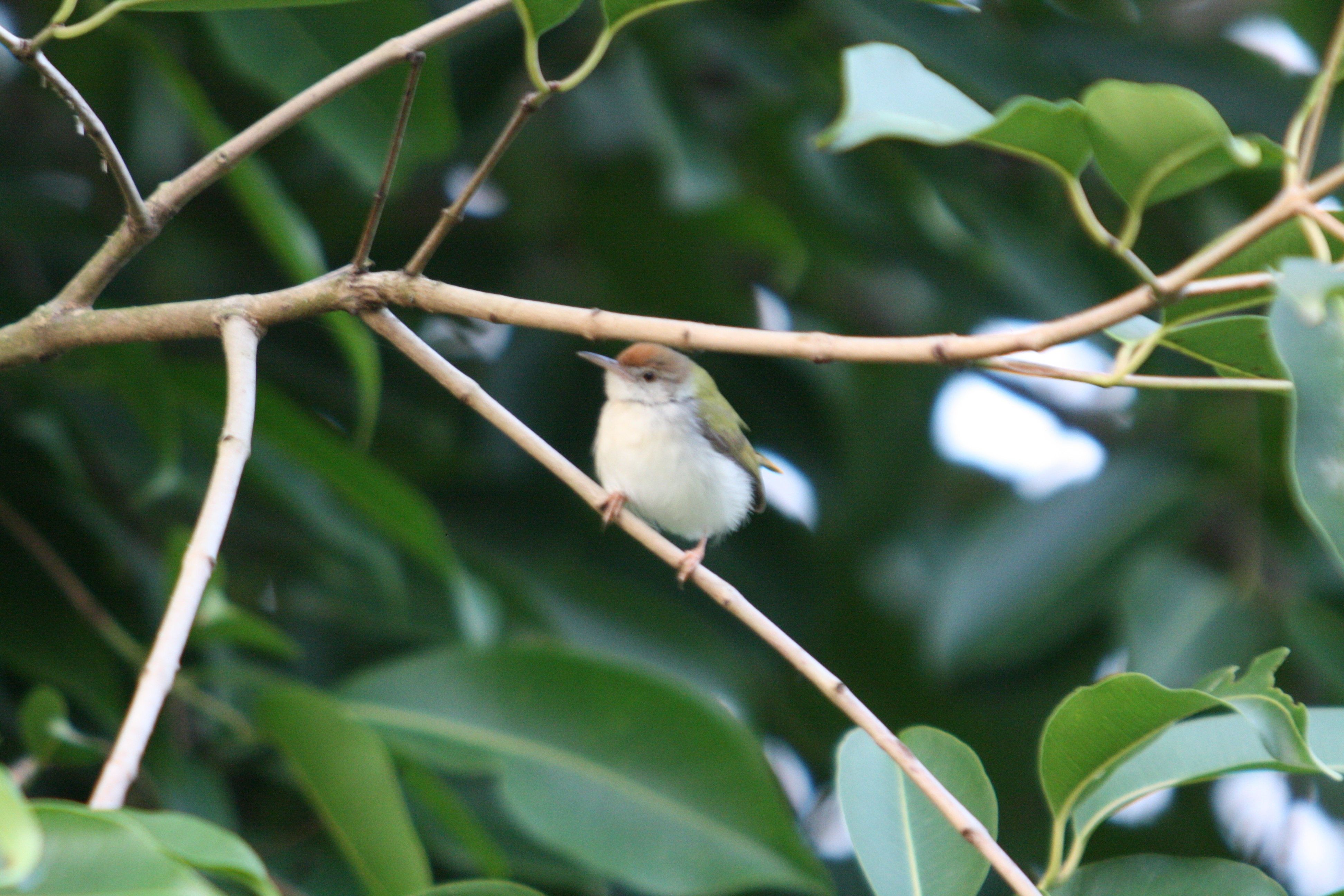
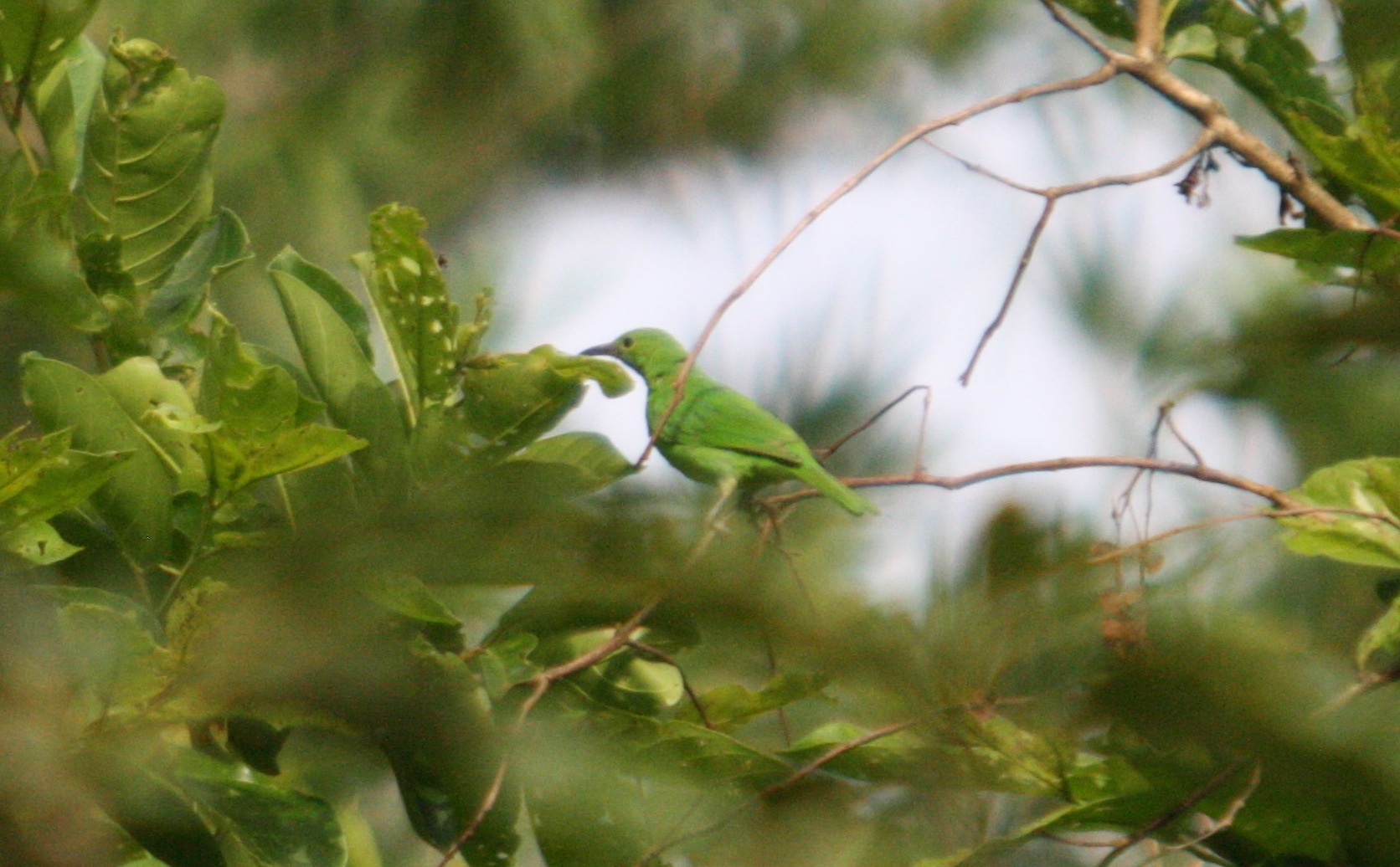
I awoke this morning to one of the loudest dawn choruses I have ever heard.  I quickly rushed outside, camera and binoculars ready, for what would be a fantastic day of birding.  Staying within the confines of the resort proved to be an insignificant handicap, as in the parking lot I was immediately surrounded by Red-whiskered Bulbul, White-cheeked Barbet, White-throated Kingfisher, Nilgiri Flowerpecker, Crested Treeswift, Common Tailorbird, Loten’s Sunbird, Greater Racket-tailed Drongo, Rufous Magpie, and Lesser Hill Myna.  The beautiful colors of an Orange Minivet radiated from the top of a nearby tree, and in the adjacent tree a Golden-fronted Leafbird was busy foraging.  Kites and eagles soared effortlessly overhead, and I soon understood why Kerala (and the Western Ghats in particular) is such an attractive birding location.

Continue reading

Environmental Photography Award

Thanks to The Guardian‘s coverage of and link to the Chartered Institution of Water and Environmental Management (CIWEM) which

has a history of working in environmental management dating back to 1895. In the succeeding decades, engineers, scientists and other professionals came together to combine their expertise across a broad range of environmental disciplines. The present day Institution was formed in 1987 when the Institution of Public Health Engineers merged with the Institution of Water Engineers and Scientists and the Institute of Water Pollution Control to form the Institution of Water and Environmental Management.The Institution was granted a Royal Charter in 1995 and was proud to celebrate its centenary in the same year.

We will investigate further.  For now our attention is brought by The Guardian to CIWEM’s annual awards for great environmental photography.  There is an Under 21 category which we hope some of our more youthful collective members (e.g. 1, 2, 3, 4  come to mind) might considering an entry to…

This slideshow requires JavaScript.

Creating a Species List for CUBs-Galápagos

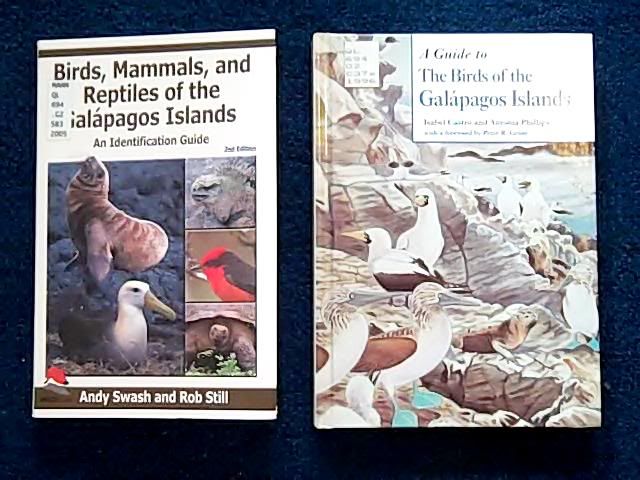
Screen Shot 2020-08-14 at 10.57.16 AMI think Puerto Ayora will be a perfect place to celebrate “(sub)urban” birds, as it is the largest urban center in an archipelago that boasts almost thirty endemic bird species—including two flightless ones (the Galápagos Penguin and the Flightless Cormorant, both seen mostly on the island of Isabella). Santa Cruz in particular hosts quite a few of the Galápagos’ fifty eight resident bird species.

Looking through several bird guidebooks from Cornell University’s Mann Library, I have created my list of around twenty birds that should be seen on Santa Cruz and its shores. The list is biased towards land birds for now, because until I reach the island I won’t be able to determine what shorebirds are common enough migrants at this time of year.

Screen Shot 2020-08-14 at 10.58.43 AM

When creating a finalized list of birds to parallel the North American CUBs list, I’ll be trying to include species that will be frequently feasible for Santa Cruz’s youth to identify. Putting only the most common or most exciting birds in the list might lead to frustration or boredom, depending on how widely distributed certain species and the children that I have contact with are.

Once the list is finalized and I have spent more time in the Galápagos, I will also be able to write about each species in a focused, individual post, sharing where participants and I have seen the birds so far on Santa Cruz, and what unique behavior they may have exhibited around us. Continue reading

Velichappadu – Mediator between dieties and devotees

The Velichappadu or Komaram (oracle, or revealer of light) is an integral part of the rural life of Kerala. The Malayalam word Velichappadu literally means “the one who throws light on any problems”. Believed to be a representation of the deity in a temple, oracles often belong to a particular family. Dressed in red and adorned with heavy ritual ornaments and garlands, they often carry heavy hooked swords. The deity is believed to speak as the Velichappadu dances, delivering the frenzied forecasts. There are both male and female Velichappadus.

Continue reading