Being Full of It: A Meaningful Word

Since arriving in Kerala, I have been greeted many ways.  I have exchanged many smiles and hellos, and I have been veiled with jasmine garland and pressed with traditional dika.  However, the greeting I find most profound lies in a single word: Namaskaram.
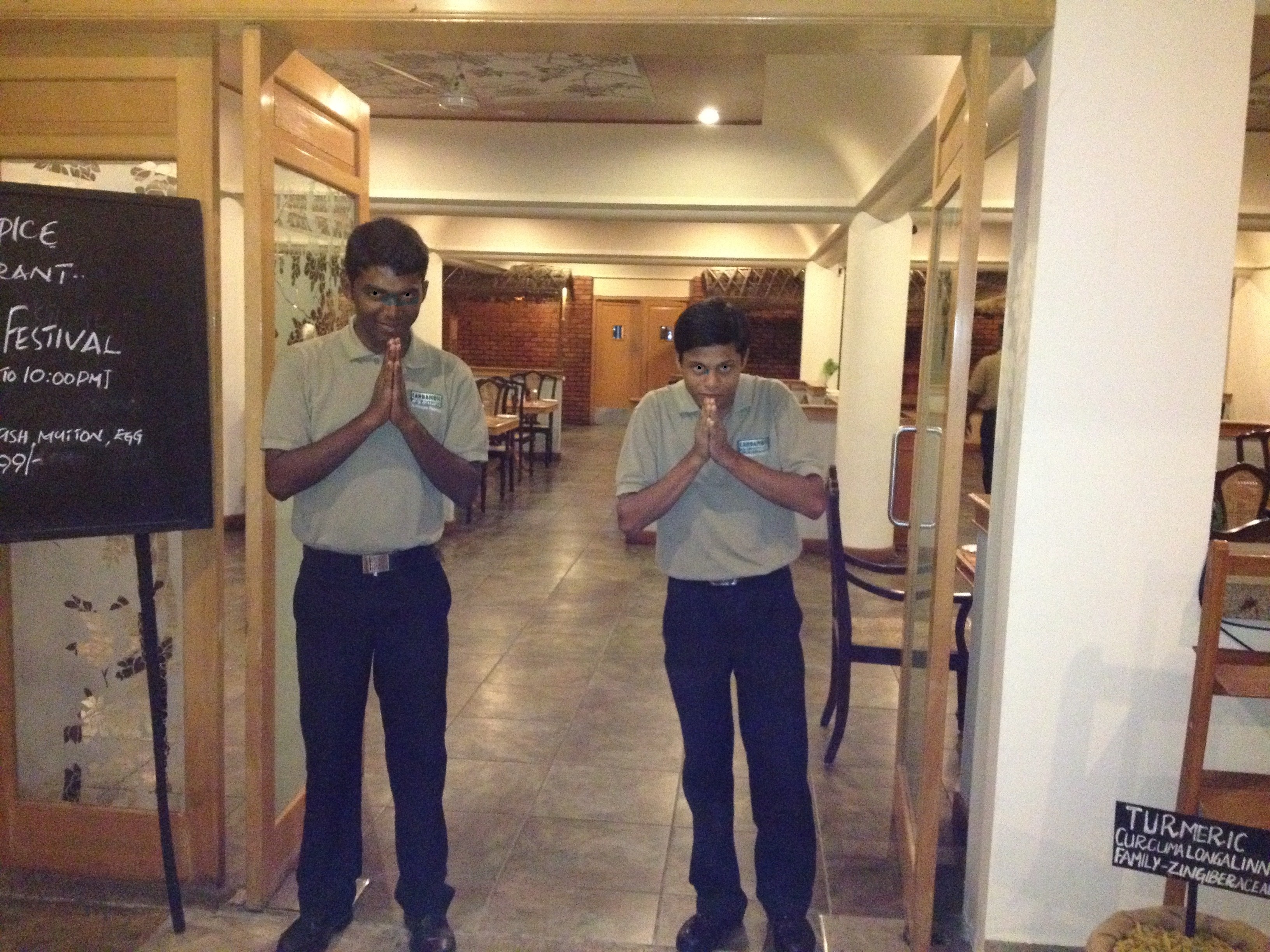
Two people, worlds apart, meet with this word.  Each of their hands draws together in a prayerful pose in the nest of their individual chests.  With a bow of their heads, they utter, “Namaskaram.”  At first, it seemed like a simple interaction, yet when I asked the native people for the meaning, I learned that it has a much deeper connotation.

A signal of respect.  A promise of hospitality.  A notion of putting aside one’s ego.  All of these meanings are understood with Namaskaram.  I witness and experience them with nearly every interaction among the people here at Cardamom County, but the latter meaning, putting aside one’s ego, has struck a powerful chord in me. Continue reading

Angel’s Trumpet (Datura Suaveolens)

Angel trumpet plant is a shrub very commonly found in the Western Ghats of India. It grows to a height of 3-5 meters with funnel shaped white flowers. The shape and color inspires the flower’s name. Continue reading

990…991…The Road to 1,000 World Birds

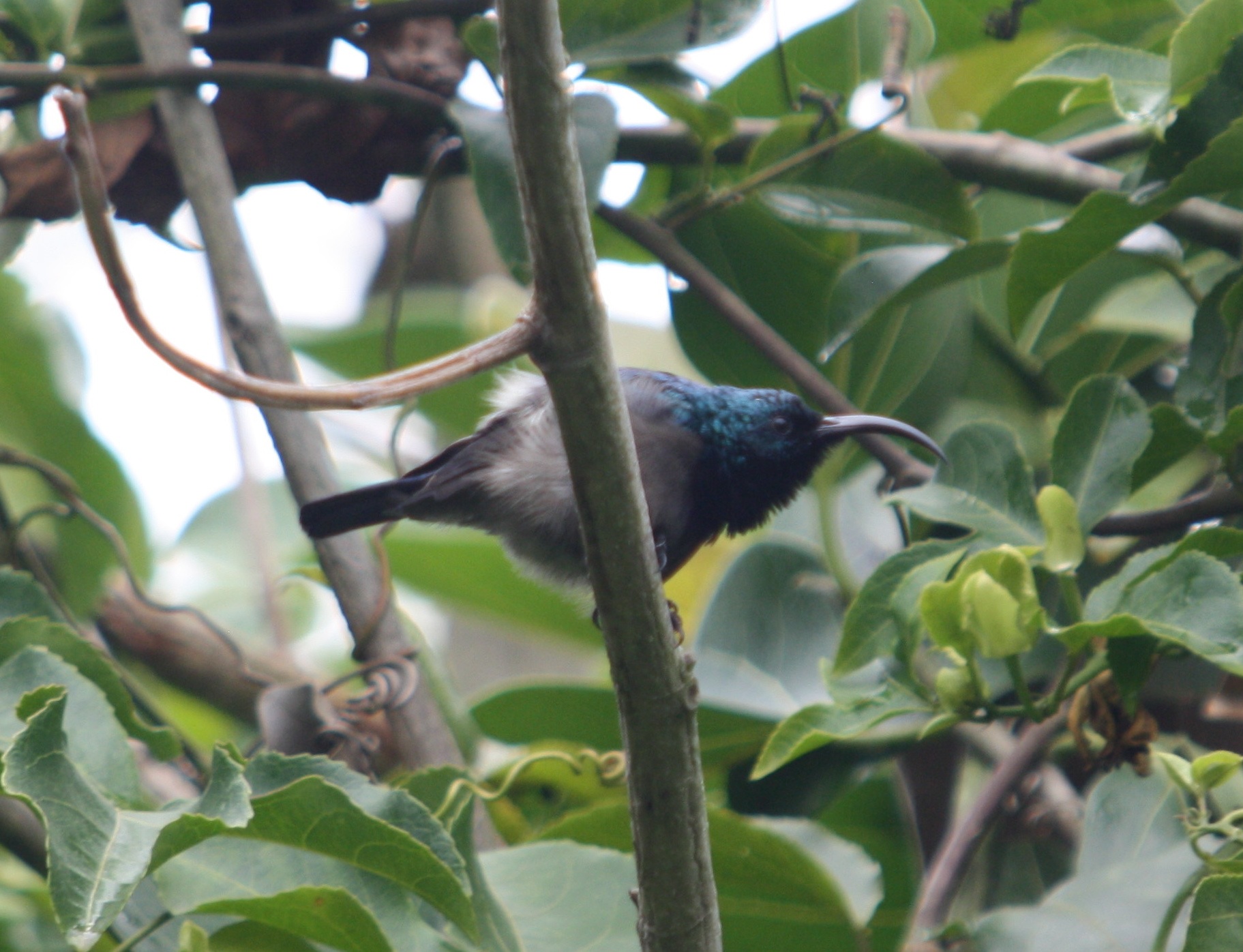
Long-billed Sunbird

I now have a better understanding of what baseball players mean when they talk about reaching an important milestone and how happy they will be when it’s over.  The nerves and anticipation that go along with these symbolic but meaningful round numbers have always captivated people, myself included.  I remember being in the stands when Alex Rodriguez of the New York Yankees hit his 500th home run; the relief and joy on his face were exciting to see.  Now, my circumstance is nowhere near as significant, and the media is certainly not following me, but I myself am on the brink of a major milestone here at Cardamom County.

Continue reading

First Few Days at Tomás de Berlanga: Part 1

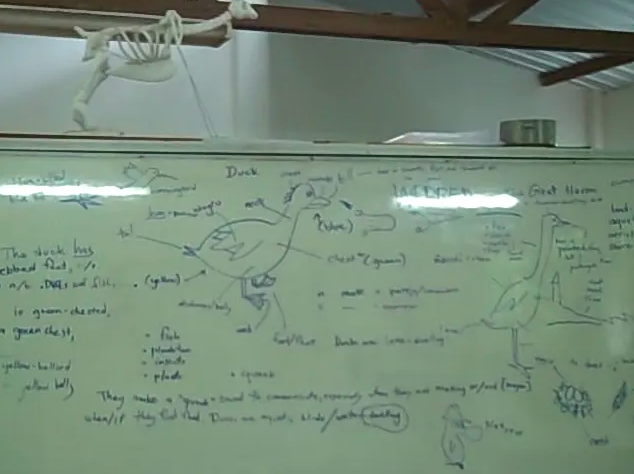
Snapshot of whiteboard on Friday afternoon

Although I have not yet posted as promised about the birds I saw in Mindo, I have to describe my week so far on Santa Cruz before I forget the details and delay the sequence of more current and relevant events too much.

I arrived at school early Monday morning to start working at the Tomás de Berlanga school (named for the man who first discovered the archipelago). I was to temporarily take the place of an English teacher who was still waiting for her visa renewal on the mainland, or “el Continente,” as Galapageños call it, and teach English to two classes.

For the upper levels of the school, classes are on a block schedule of eighty minutes periods, and my two classes were of intermediate English level 7th-9th graders and 10th-12th graders. Each group was of ten to twelve students that had all been born on one of the islands or el Continente, and some of whose parents speak English.

My goal for this first day was to spend the classes gauging the students’ English proficiency, their interest in birds, and especially their knowledge of Santa Cruz’s avifauna. One of the ways I did the former was via an exercise that one of the other English teachers, Eduardo, recommended: put a sentence on a piece of paper and cut it so each word is separated, mix them up, and give them to groups of students to put back together. I thought this was a great idea, so I took some time to think of sentences that might have several ways to be composed (both to ease the process for students but also to see if there were any trends towards certain structures).

Continue reading

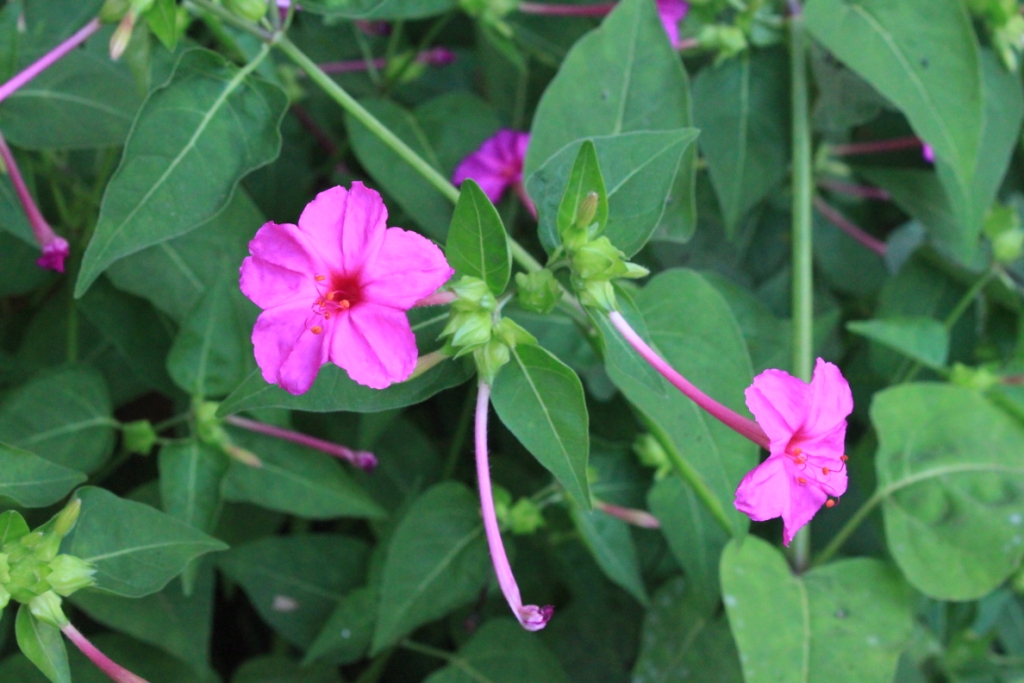
The Four O’Clock Flower (Mirabilis)

The four o’ clock flower is an ornamental, perennial, scented flower found commonly in the high ranges of the Western Ghats of India up to 800-1200m. These flowers will start to open its delicate bud in the afternoon and reach full bloom by 4 o’ clock. Continue reading

Hide and Seek with Matterhorn @ Alps

Looking back on my family trip to Switzerland, I realized that the most prominent aspect of the humungous mountain tops covered in snow was not their size but the fact that they are shy during the day and bold in the morning and night. Whenever my family and I hiked up or took the cable cars up the mountain to see the famous peaks, the clouds kept blocking our views while we were trying to take a picture. However, we didn’t give up and kept waiting and waiting just to get a quick glimpse of the peak that was revealed for literally five seconds until the next cloud came. So, here we go!

Matterhorn, Zermatt was the toughest of them all. Its great height (4477m), steep front face, and isolated position from other peaks create the well-known “banner clouds” which make Matterhorn look like it’s blowing out smoke from the lee side.

Image

Panoramic View of Matterhorn at 3pm, Zermatt, Switzerland 

Continue reading

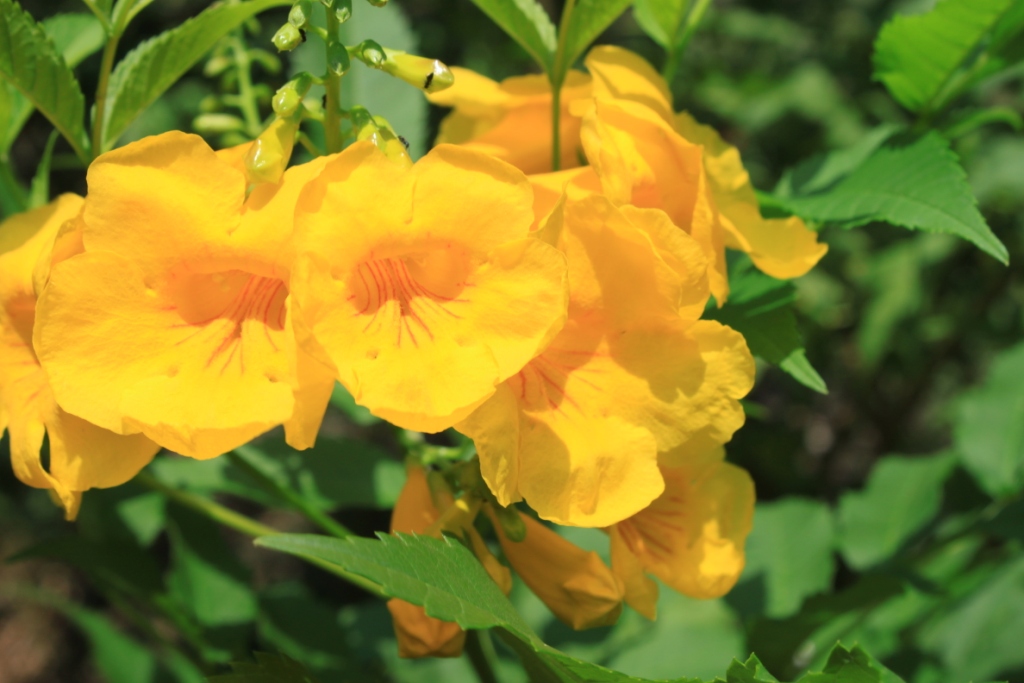
Yellow Bell Flower (Tecoma Stans)

Yellow bell is an ornamental, perennial plant naturalized in the Western Ghats of India that grows to a height of 10-20 ft . The flowers are yellow and bell shaped when inverted, hence bearing the name Yellow bell flower.  Bees, butterflies and humming birds are attracted by the flowers and helping them in pollination. In Kerala, it is widely cultivated as an ornamental as it attracts everyone by its natural beauty. Continue reading

Brazilian Beef & Cornellians In Kerala

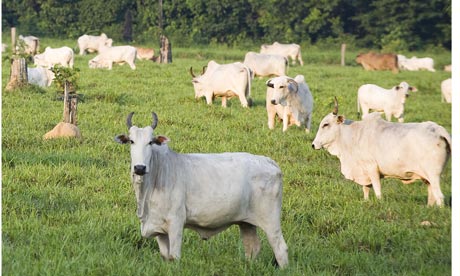
Click the image below to go to the story.  Brazil, host to the 1992 summit that put the concept of sustainable development into global consciousness, host to its follow up this year, and an erstwhile hotbed of environmentalism, is in recent years also the home of cattle-ranchers and soy farmers who slash and burn the Amazon rainforest in vast swathes to feed a growing global population.  What shall we do?

We have already noted our support of beefs with major corporations over irresponsible forestry practices; and we have a beef with US tax code that warps market forces, reduces the incentive for ecologically sound grazing practices and leads to poorer human health outcomes… but here our beef should be with beef itself, since Brazilian political leaders seem ill-equipped to contain the destruction of Amazon rainforest by enforcing that country’s already strong environmental law. May we suggest a simple change in diet?

Raxa Collective sees travelers increasingly mentioning their love of vegetarian options on the menu (e.g. here and here) so we are doubling our bet on vegetarian cuisine.  A group of seven amazing Cornellians will be working on this with us, among other green initiatives, for the next few months so the next post(s) will introduce them. Meanwhile, send your favorite veg recipes…

Cattle at an illegal settlement in northern Brazil: such ranches are the leading source of rainforest destruction in the Amazon. Photograph: Antonio Scorza/AFP/Getty Images

Greenpeace’s latest investigations follow a groundbreaking study in 2009 that for the first time established a clear chain of responsibility stretching from Amazonian ranches on land cleared illegally to western companies including luxury brands, supermarkets and a variety of “household name” firms using everything from leather, beef and other cattle byproducts to paper packaging. Continue reading

Musa Laterita Plant

Musa Laterita is a plant that resembles the banana plant naturalized in Kerala for its fibre cultivation. The leaf stem of the plant is cut and left to wilt, then soaked in water and crushed to separate the very strong fibres. These fibres are woven into rope or cord and can be even made into paper.  The fibre is prized due to its strength, flexibility and water resistance even to salt water and hence it used for marine ropes, well-drilling cables, etc. Continue reading

Yay, OK!

Sardis Lake, a reservoir near Tuskahoma in southeastern Oklahoma, is one of the water supply centers that could be protected by the state’s new long-term voluntary water conservation goals.  Photo: Jim Wilson/The New York Times

…You see, California is the state crusading against human-caused global warming while Oklahoma’s senior senator, James Inhofe, has just written a new book excoriating that kind of focus. Continue reading

If You Happen To Be On Earth June 6th

According to NASA, transits of Venus across the disk of the Sun are among the rarest of planetary alignments.  The last time it occurred, in 2004, I happened upon some wonderful pinhole viewing boxes set up in a Paris park.  (The 2004 transit allowed full visibility throughout Europe, where I happened to be living at the time.) Continue reading

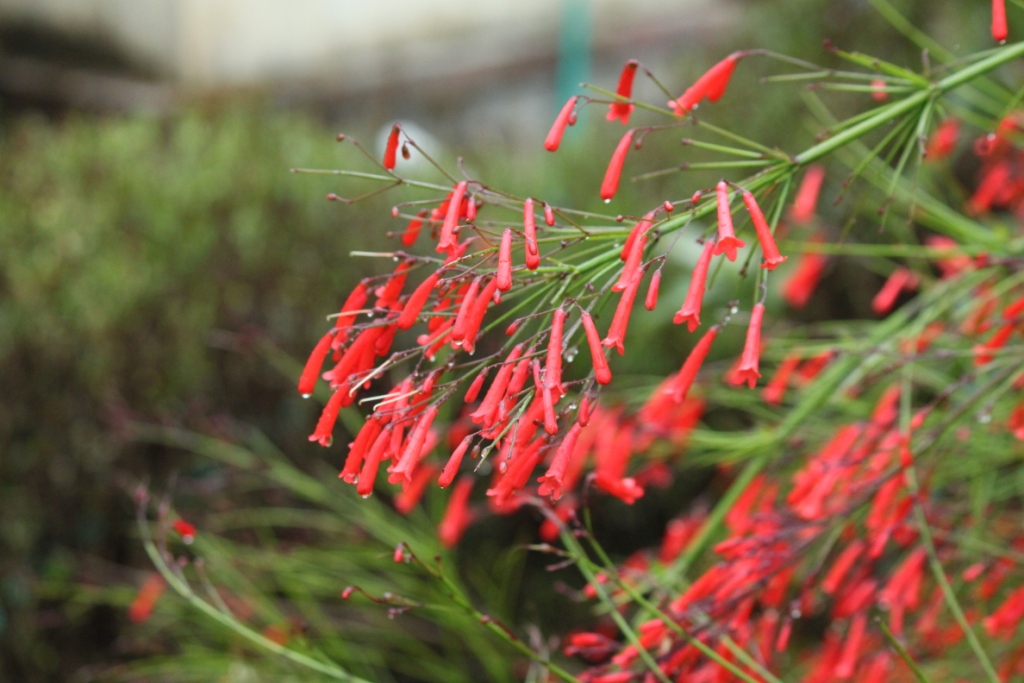
Pagoda Flower

The Pagoda flower is a tropical garden plant with large, heart shaped evergreen leaves found in the Western Ghats of India. The small, orange-red flowers are funnel shaped with long tubes. It is the main food plant of the Southern Bird Wing– the largest butterfly of Southern India. Continue reading

Bamboo Rafting in the Periyar Tiger Reserve

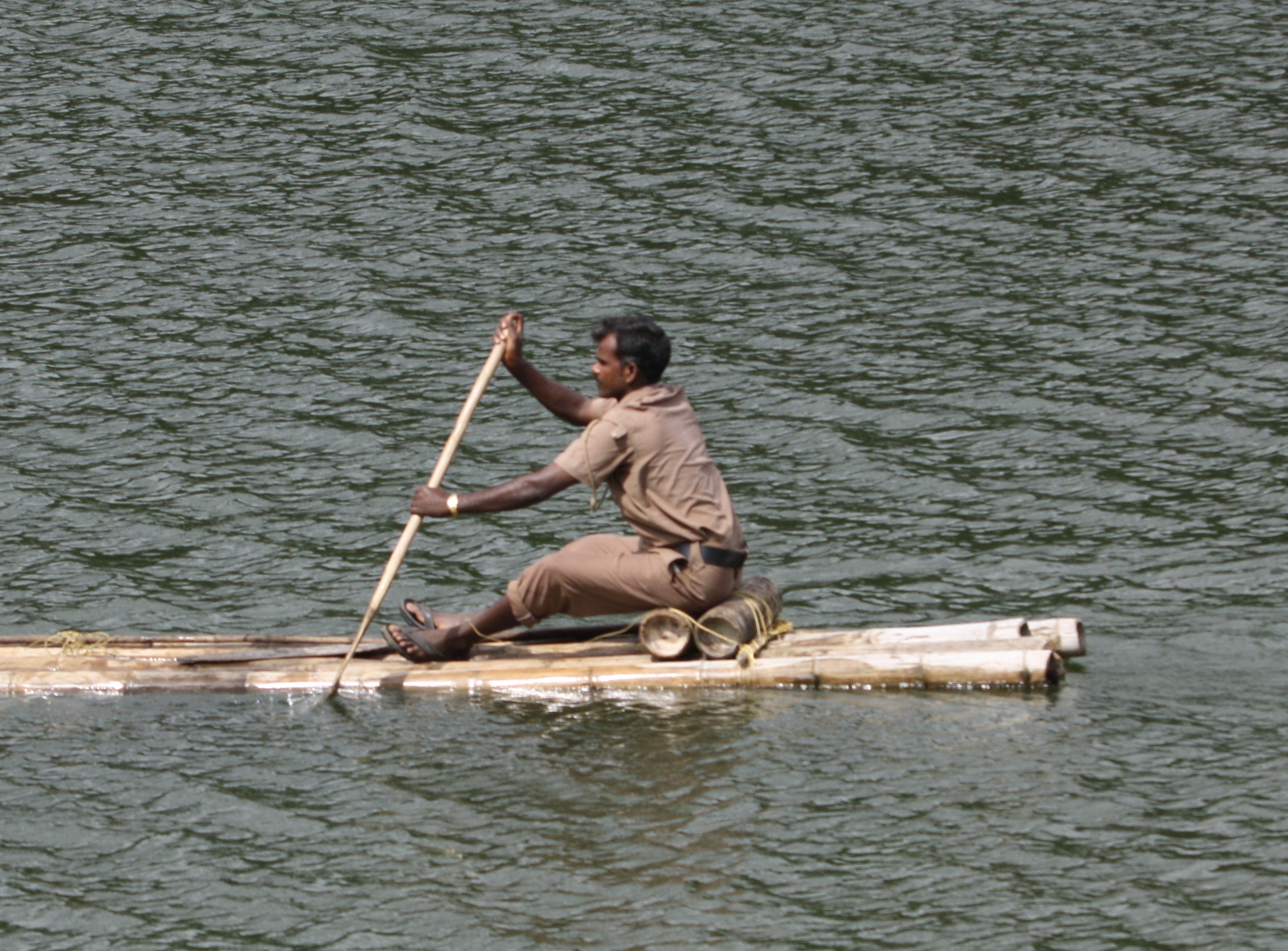
Cardamom County Resort offers a fantastic opportunity to go bamboo rafting through the Periyar Tiger Reserve.  The hike to the rafts and the ride along the lake allow you to experience first-hand the beauty of the Tiger Reserve while getting a behind-the-scenes view of the jungle and the animals that inhabit it.  I was able to participate in this wonderful activity and would highly recommend it to all resort visitors.

Continue reading

Birding in Ecuador: Mindo Manakins

As I had a spare couple days on mainland Ecuador before flying to the Galápagos, I took a very brief trip to Mindo for a day and a half, where Mari Gray, a pre-kindergarten teacher at the Tomás de Berlanga school in Santa Cruz, told me I should be able to see lots of cool birds. Perhaps not too coincidentally, my host in Quito had asked me if I’d heard of Mindo just a few hours after Mari emailed me about the town, similarly informing me that the biodiversity was incredible, particularly for birding.

club

male Club-winged Manakin photographed by the author through binoculars

Even after taking a pretty intense ornithology class at Cornell University and working for the Lab of Ornithology, I don’t really consider myself a birder. When I went on a number of field trips for the class it was the first time I’d really used binoculars with the intent of just spotting birds, and I don’t even know the difference in calls of an American Robin from an Eastern Bluebird, though I can tell you their species, genus, family, and order, as well as those of 149 other common North American birds. Still, when I read that over three hundred bird species reside in the Mindo area, I knew it was an opportunity that nobody should pass up, and this was confirmed by one of my ornithology classmates who knew beforehand over half the bird families we learned. Then I read that the Club-winged Manakin, a bird I’d learned about in class, was fairly easily seen performing its lek courtship display, I knew it was an opportunity I could not pass up.

A lek, although the basic monetary unit of Albania, in this case is the Swedish-based term for a small area where males of a species communally display for females in the hopes of attracting one or more as a mate (the Manakin family, Pipridae, is polygynous, i.e. males have several female mates). Continue reading