The Big Idea

You may or may not have attended university. Maybe you studied science.  Or wish you had.  Or will.  Still, nothing prepares you for the big idea, presented with charisma that is as impressive as the idea.  Click to the right (Krulwich wonders) to see this idea laid out courtesy of one of our favorite science communicators:

Here it is, in a nutshell: The logic of science boiled down to one, essential idea. It comes from Richard Feynman, one of the great scientists of the 20th century, who wrote it on the blackboard during a class at Cornell in 1964.

Periyar Sightings: May 20, 2012

A group from Flamingo Tours staying at Cardamom County has shared their experience of Periyar Tiger Reserve with us. Ms. Nirali Shah along with her group of 20 people visited Periyar and shared her photos and comments. Continue reading

Where Waters Meet


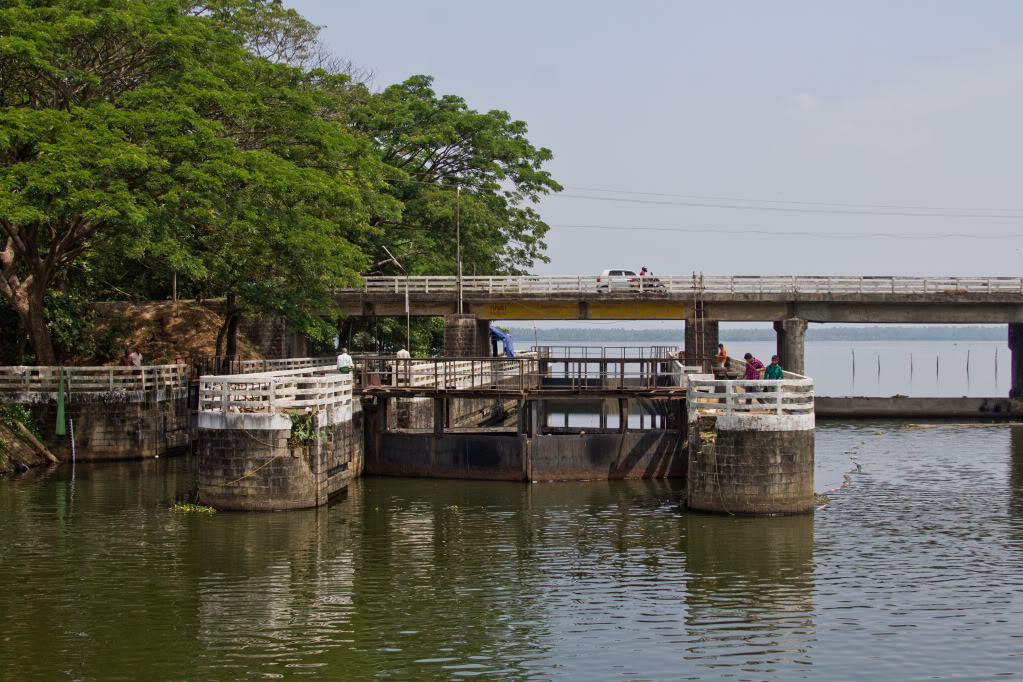
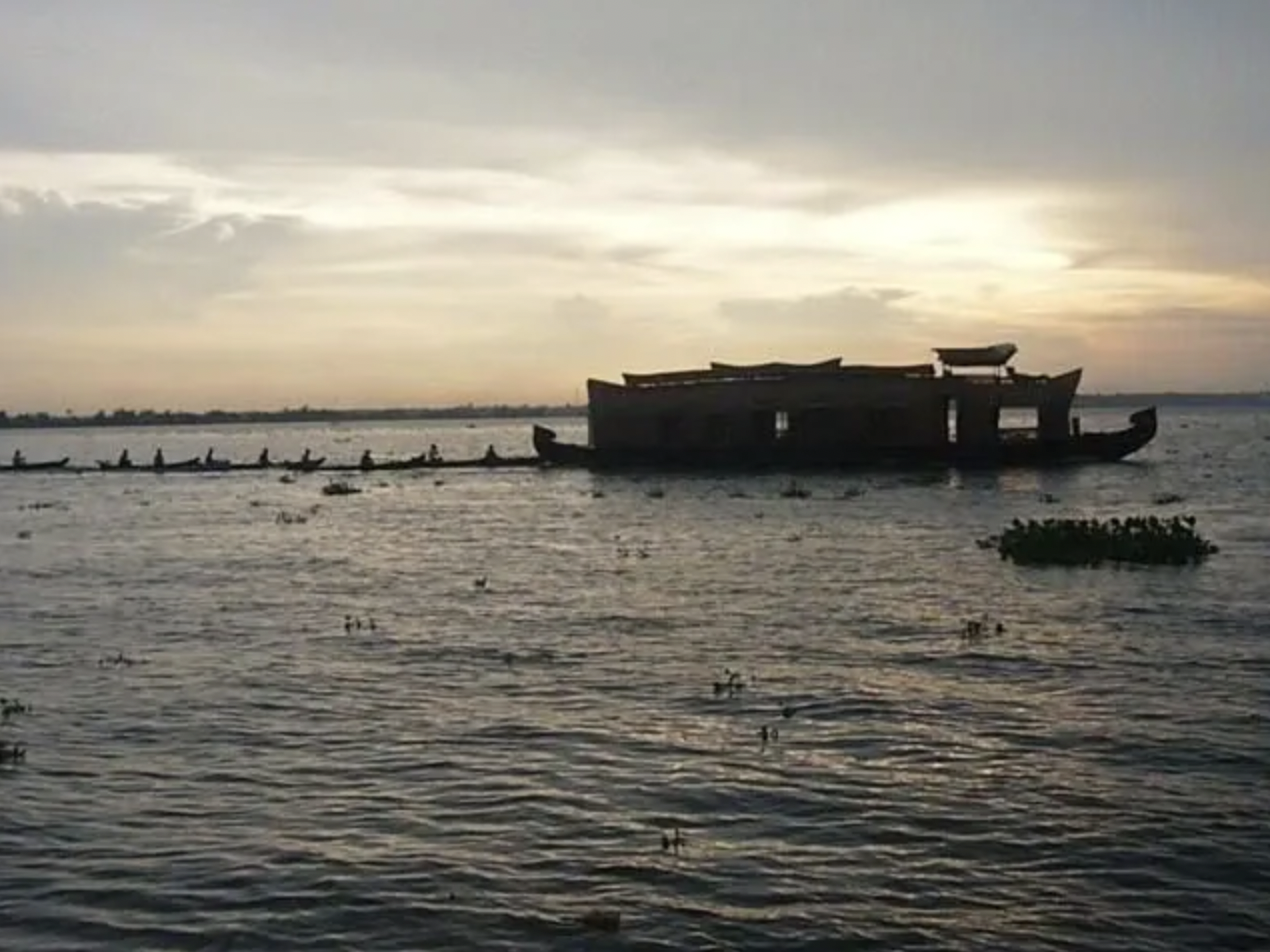
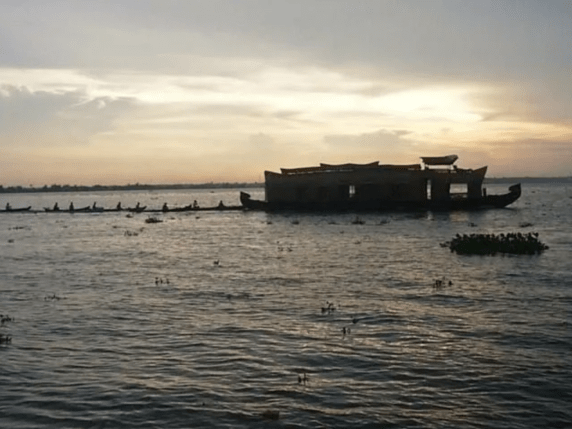
We were recently traveling by houseboat from Kumarakom across Lake Vembanad, the largest backwater in Kerala, toward Cochin and therefore the Arabian Sea.  This route requires passing through the Thannermukkom Bund, the largest mud regulator in India.

This barrier essentially divides Vembanad in half  – separating the brackish waters that flow from the Arabian Sea from the sweet river water that feeds into the lake.  For six months a year the dike is left open, particularly during the monsoon season, but historically the gates are closed on December 15th to assist agriculture in the Kuttanad District, where farming is done below sea level.

Like many areas of the world with significant geographical elements that effect both country and culture, the watery landscape is defined as either north of the bund or south of it. These discriptors are as elemental as global coordinates for people in the region.

We’d made this journey from North to South last year when the gates were still open, but this second, opposite journey required negotiating with the gatekeepers in order to continue our passage.

Even without understanding a word of Malayalam the process was fascinating. Continue reading

Papaya Fruit

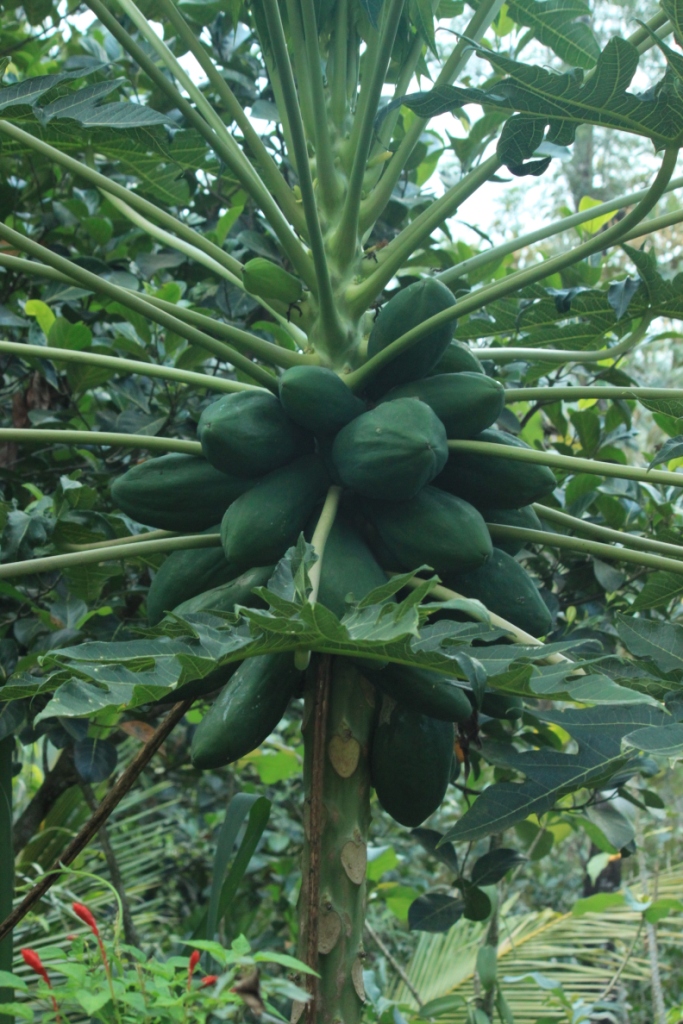
Papaya is a tropical, tree-like plant found commonly in the Western Ghats of India that grows to a height of 15-30 ft with a single stem. The large (20-30in) leaves as well as the fruit grow up the central stalk in a spiral fashion. Continue reading

Weather Puzzles

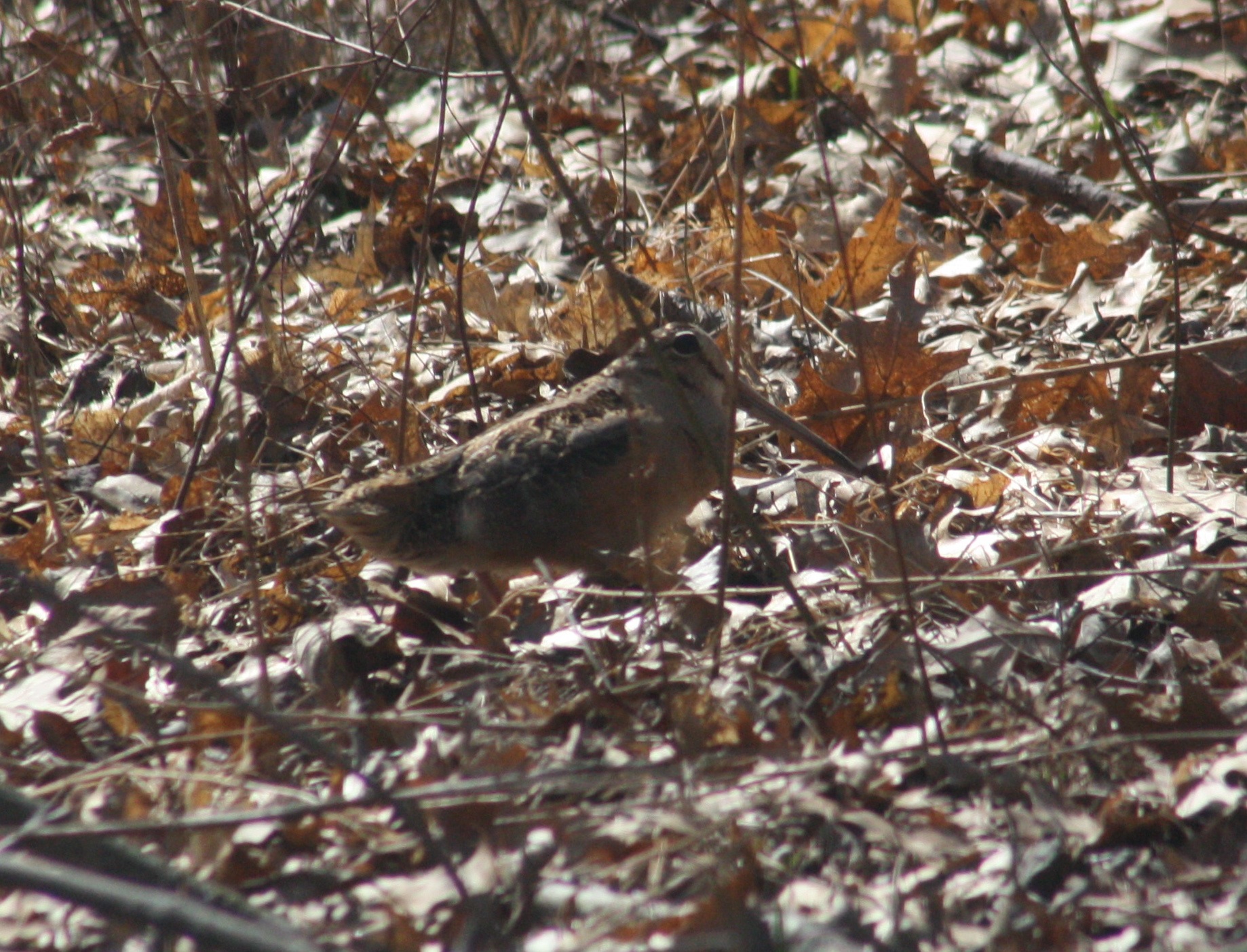
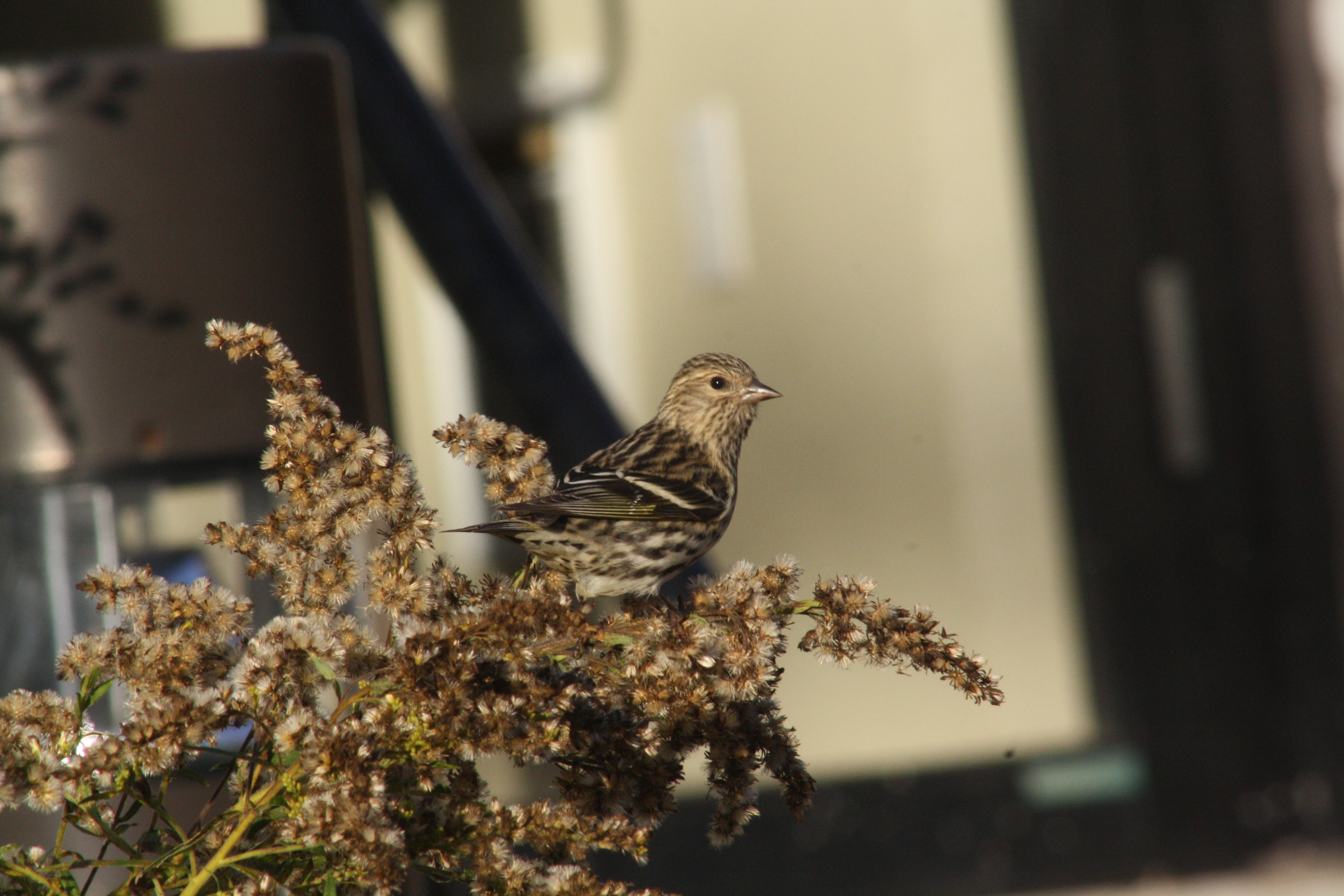
The Guardian‘s Environment section covers the odd spring weather’s effect on one of the rich varied beauties of the animal kingdom (click the image to the left to go to the story).  Whether this is just an oddball season or another sampling of climate change impacts, it is disheartening to think of the depletion of color that might result: Continue reading

Team Redhead represents Cornell Lab of Ornithology at World Series of Birding

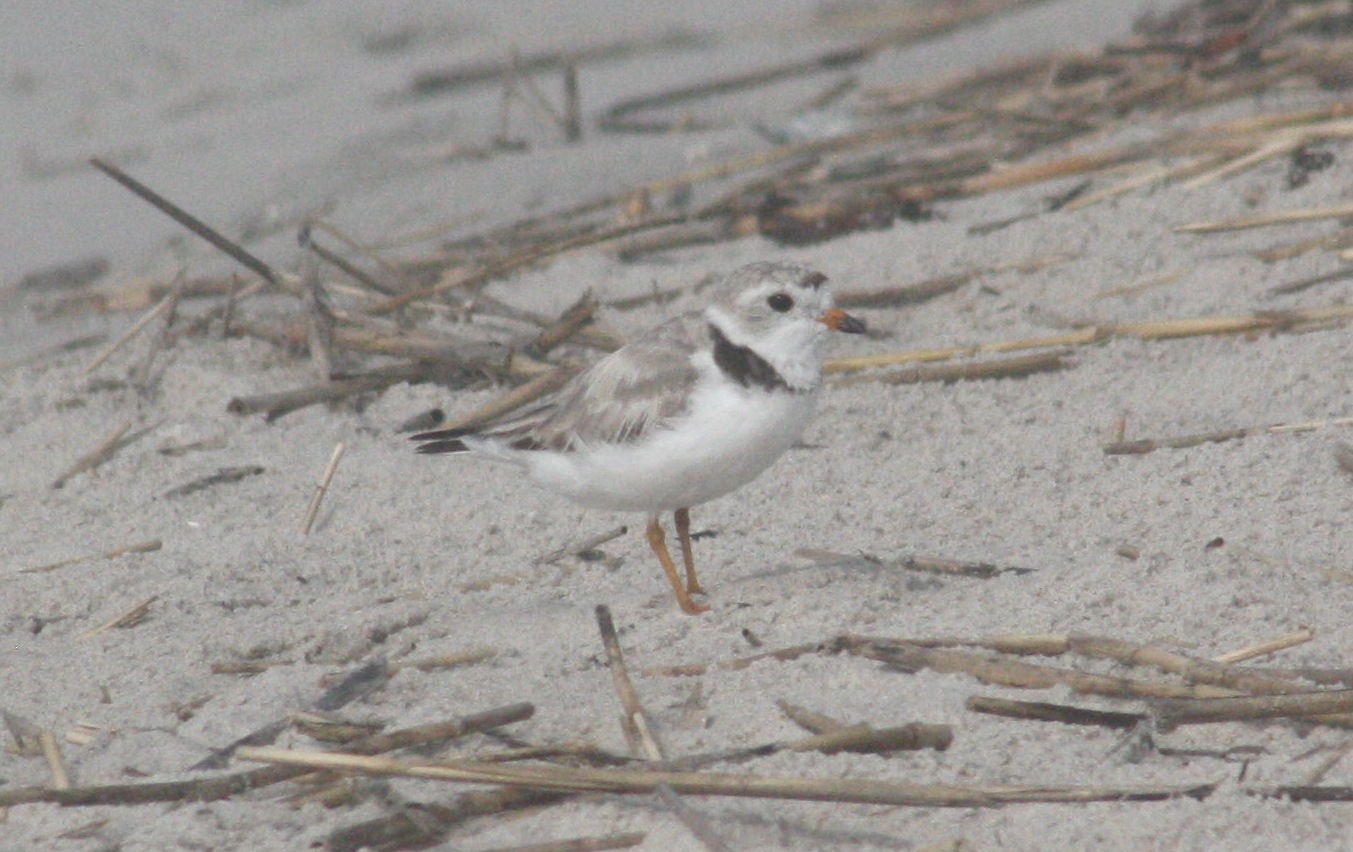
Piping Plovers are regular around Cape May, but they can be difficult to spot hiding on the beach

The clock read 11:59 pm and my team and I were counting down the final seconds until the start of the World Series of Birding.  Our captain, Hope Batcheller, stood to my left along with fellow teammates Brendan Fogarty, Eric Gulson, and Jack Hruska as Team Redhead was ready to compete again in the Cape May County division of the 29th World Series.  Hope quietly called out,  “Midnight!” and our big day finally started.  Little did we know what an amazing day it was going to be!  At 12:05 a Yellow-billed Cuckoo called from the distant woods and as the night progressed we were able to tally some great species, giving us an excellent start.  At Tuckahoe WMA in the northern part of the county we heard Least Bittern and Eastern-screech Owl, and then we were excited to hear a Long-eared Owl hooting from the tree line (a possible first for Cape May during the World Series).  We spent the rest of the night in and around Cape May Point where we located American Woodcock, Yellow-breasted Chat, and several other important species.  Then morning hit.

Continue reading

Rickman Time

If you have had the experience of seeing this man on stage, the eight minute clip below will come as no surprise.  Live on stage, he owns the interminable fuse and phenomenal explosion, both for comedic and dramatic (and sometimes both) effect.  He does something in a theater that film has not captured well. Until, trivially, now.  So bravo to the camera, and the person behind it, for finding Alan Rickman’s inner tea party gunpowder and lighting it:

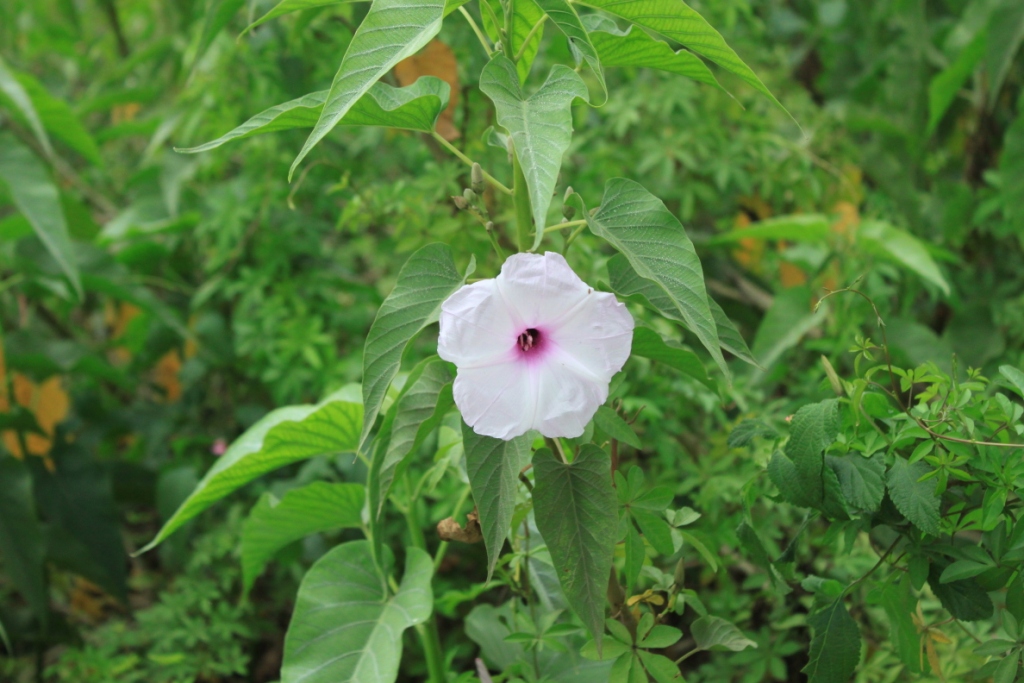
Marsh Glory (Ipomoea Acquatica)

Marsh Glory is a semi aquatic plant found commonly in marshy, water logged places of the India’s Western Ghats and hence the name ‘Marsh Glory’.  The plant grows in water as well as in moist soil with hollow stems and branching, bulbous roots. Continue reading

Rollin’ On The River

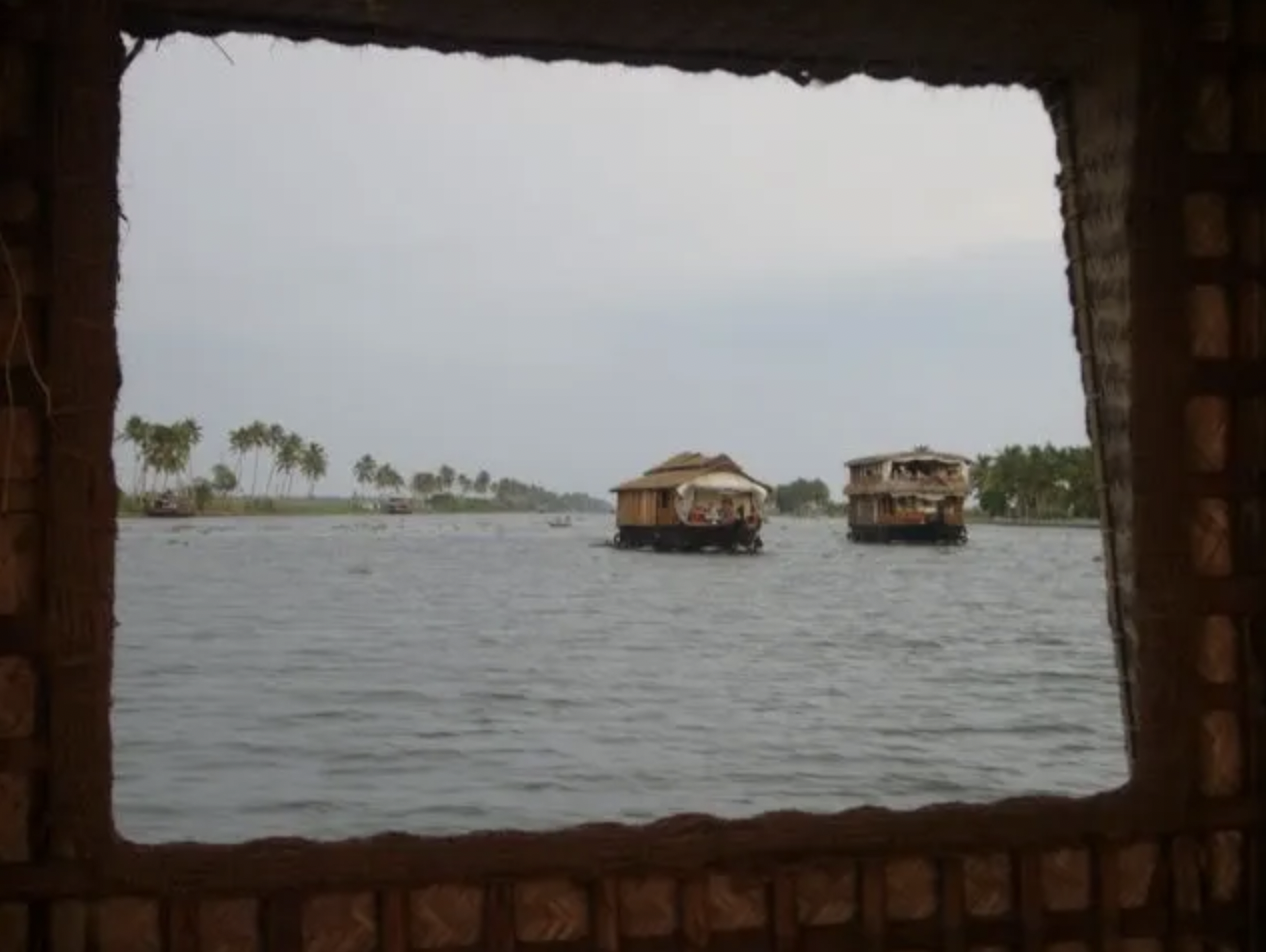
Our second excursion in India was heading from Fort Cochin to the backwater region of Kerala called Alleppey. (The actual Malayalam name is Alappuzha, the ‘zha’ letters forming the same sound as the Hungarian actress who I’m sure to date myself by mentioning.) Just the sound of these Indian names invoked a sense of the exotic and we weren’t disappointed. After a little adventure finding the River Escapes dock (a determined taxi driver made sure we arrived at the right location), we were welcomed with a refreshing drink of tender coconut and sipped away along with four other guests – a young Indian couple (honeymoon perhaps?) and an older English couple. As Dave and I began to settle in, we felt ourselves slipping into a lazy relaxation underlined with an excited sense of anticipation.  After a brief orientation, each group was escorted to the dock, where a row of beautifully maintained wooden houseboats waited for boarding.
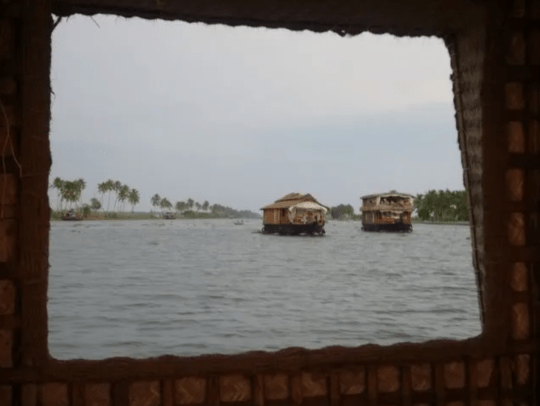
The houseboat held a casual elegance with spotless wooden floors, wide wicker chairs and large open-air windows. The dining table had a bowl of fresh fruit and before we even got our shoes off, the staff of three – the captain, first mate and chef introduced themselves, integrating a slight nod of the head, a typical Indian gesture indicating friendship or often agreement (depending upon the exchange at the moment).  With the captain comfortably seated at the helm, the steward pushed the houseboat away from the dock and the chef headed to the galley.

Having been a chef on the high seas myself, a highlight for me was following the chef to the galley as he prepared our lunch. (At the end of this blog, I’ve included some of the culinary tips I learned and have repeated, with great success, at home.)  The chef, a tall, slender man in a clean white chef’s coat and tall toque (making him all the more imposing in height) was shy but friendly, explaining his preparations as he skillfully cooked with a deliberateness that conveyed training and personal pride. Our fish, a favorite on the Kerala backwaters called Pearl Spot or Karimeen, was trippy looking, resembling more of a skeleton than an edible item, but it was delicious – crunchy and spicy. As the chef cooked, the captain remained attentive at the helm, navigating through the waterways that would eventually (for someone else) lead to the Arabian Sea. And we were not alone. There were dozens of other houseboats meandering their way down the river  – some had two levels with expansive balconies while others stood out with ornate window frames and decorative wood designs. And we all just moseyed along, with passengers waving to one another as we passed modest homes on the shore with clotheslines holding colorful saris. As the waterway became narrower, we found ourselves being led off the houseboat and into a long motorized canoe.  We had arrived at the backwaters. Continue reading

Bollywood Century

As several of us prepare to celebrate a couple years of residence in India, and this site approaches its first birthday, a certain theme song (and equally essential accompanying dance) comes to mind.  Therefore, a big thanks to The New Yorker‘s James Pomerantz for posting this reminder:

While it may seem like just yesterday that the silent film “Shree Pundalik” was released in Mumbai, May 18th marks the hundredth anniversary of what many consider to be the first Indian film made. The past century has seen India grow to become the world’s largest producer of films…

This slideshow requires JavaScript.

Continue reading

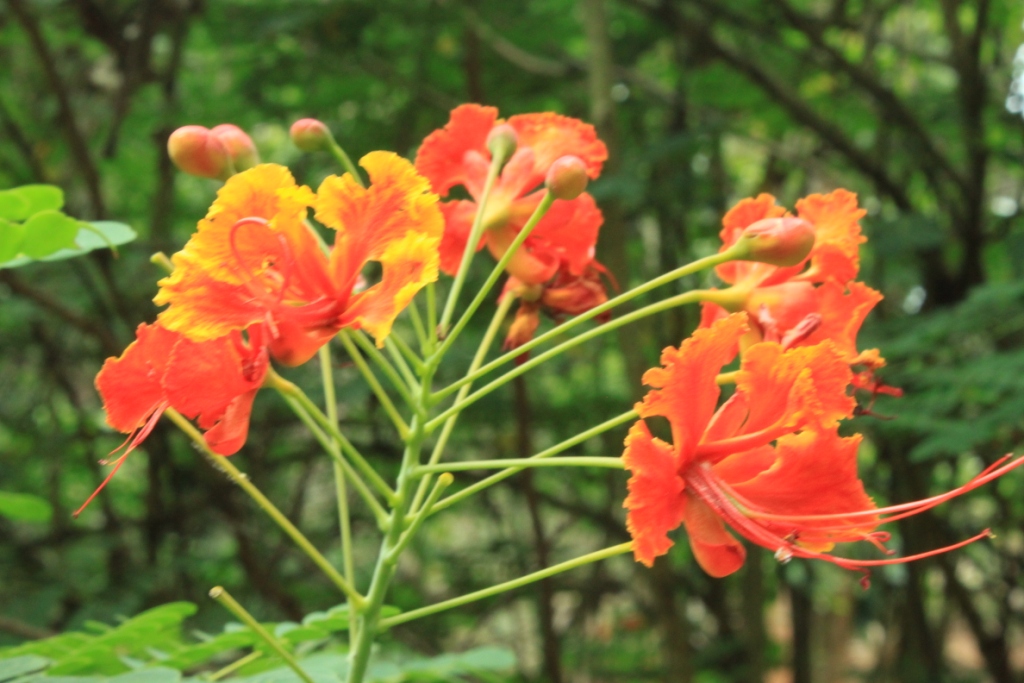
Peacock Flower (Caesalpinia Pulcherrima)

The Peacock flower is a tropical to sub-tropical plant found commonly in the Western Ghats of India. It has a lot of similarities with the Gulmohar tree and hence one can often mistakenly identify one for the other.  Continue reading

Telling Story

Click the image to the left for a five minute view into the art of story-telling in the words of one our own age’s Homeric wonders (thanks to Atlantic Monthly).  The team tasked with capturing and explaining his craft is thoughtfully artful:
His signature style is so well known that Apple’s iMovie has a function — a slow zoom on a still image — called “the Ken Burns effect.” For a documentary filmmaker, it’s hard to imagine a more intimidating project than making a documentary film about Ken Burns.

Football Lily (Haemanthus Multiflorus)

Football Lily (also known as Blood Lily) is a beautiful flowering bulb naturalized in the Western Ghats of India. This exceptional flower starts to bloom in the spring and summer, coming out of the ground with no leaves. The plant is a popular ornamental due to its exuberant blossom. Local people also call this May flower as it blooms in plenty during the month of May. Continue reading