
Palos Verdes, CA
Palos Verdes, CA
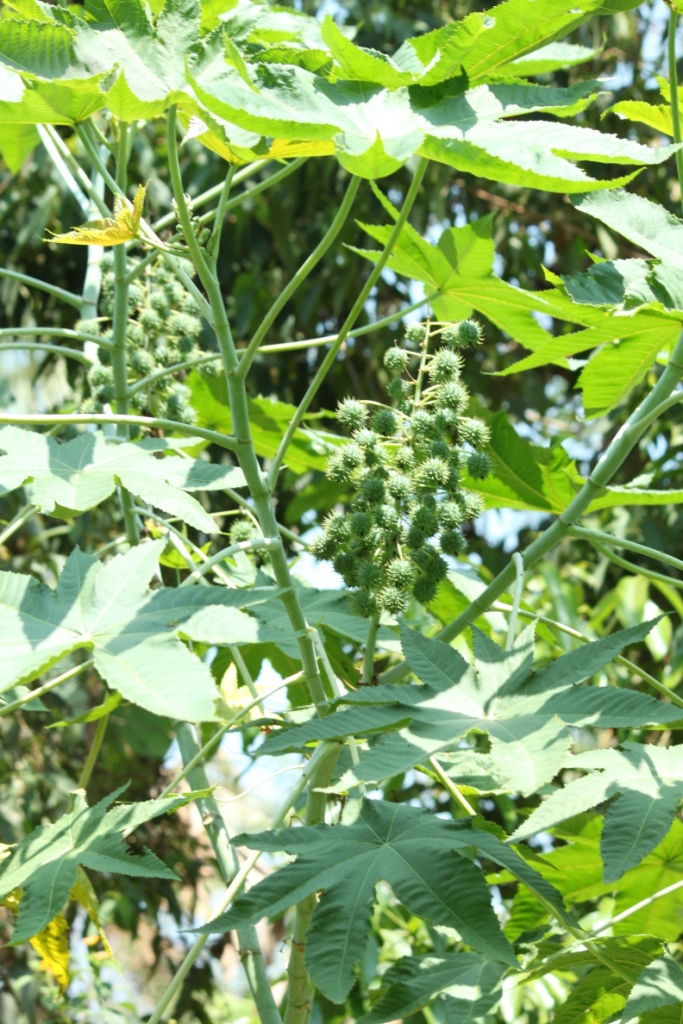
The Castor plant is a very strong, sturdy plant growing throughout tropical regions, common along stream banks, riverbeds, bottomlands and any hot area where the soil is well drained. This fast growing plant grows to a height of 6-15 feet in one season and can reach the height of 39 feet. It can live for many years in mild climates, and can become quite woody, like trees.
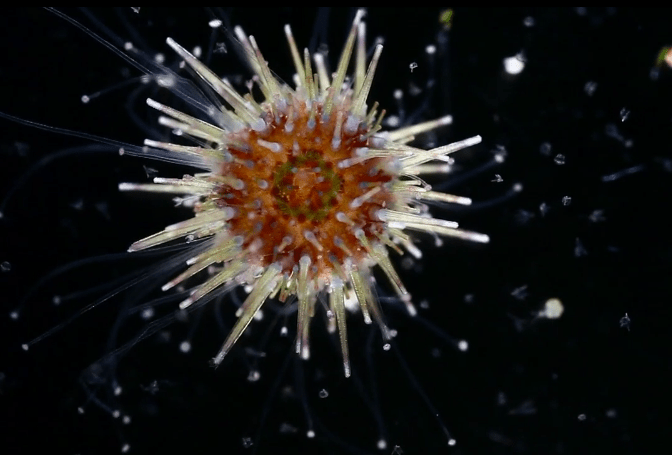
Despite its “Science Fiction Trilogy” sounding name, The Plankton Chronicles is a series of short, compelling educational videos made in conjunction with Tara Oceans Expeditions (a scientific expedition to “sail the seven seas” collecting plankton samples to understand and hopefully mitigate the effects of climate change) and the Observatoire Oceanologique de Villefranche-sur-Mer.
Viewed as a set, they invite the viewer into the kaleidoscopic world that exists in a teaspoon of seawater as well as the open oceans. Click on the image for a macro lens glimpse. Continue reading

Ding Darling NWR, FL

Male Common Emigrant
This butterfly is the most common among the six species of Grass yellows that are found in Kerala. Though often found flying languidly over grassy patches, this small, fragile insect has nothing to do with grass. Its food plants are Cassia legume and other legumes. It is on the wing throughout the year, except during winter extremes. It is often seen on garden flowers and on damp patches where the mud is puddled.
Bayonne, NJ

The Areca Nut palm tree is an unbranched, erect, medium sized monoecious (unisexual) tree growing in humid tropical regions. Its has fragrant, white flowers that mature into olive shaped, reddish-orange fruit, about 4-5 cm long in which lie the areca nut. The areca nut is a major commercial crop in India. These are often chewed along with betel leaves and hence are also called Betel Nuts.

India’s Western Ghats are one of our planet’s most biodiverse zones – as well as an intensely beautiful geological spine that separates the southwestern coast of the subcontinent from the southeastern. Kerala’s border with Tamil Nadu coincides with the range, which poses no mysteries. Transportation over the hills and mountains is tedious, and each side has it’s own cultural and meteorological identity; the border makes sense to an outsider. Continue reading
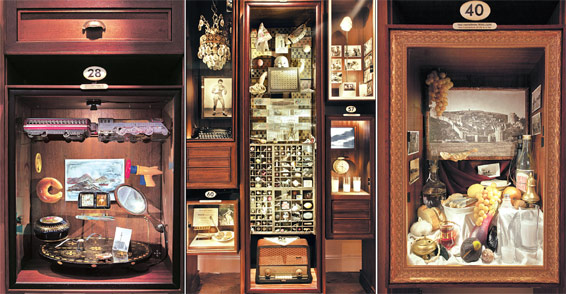
Click the image above to go to the article in Financial Times about a museum inspired by a book, and an author’s life experience:
In a dark-red Ottoman town house in Istanbul’s antiques district, a fast-gentrifying quarter where brassware spills on to steep, cobbled lanes, an idiosyncratic museum has been taking shape. Continue reading
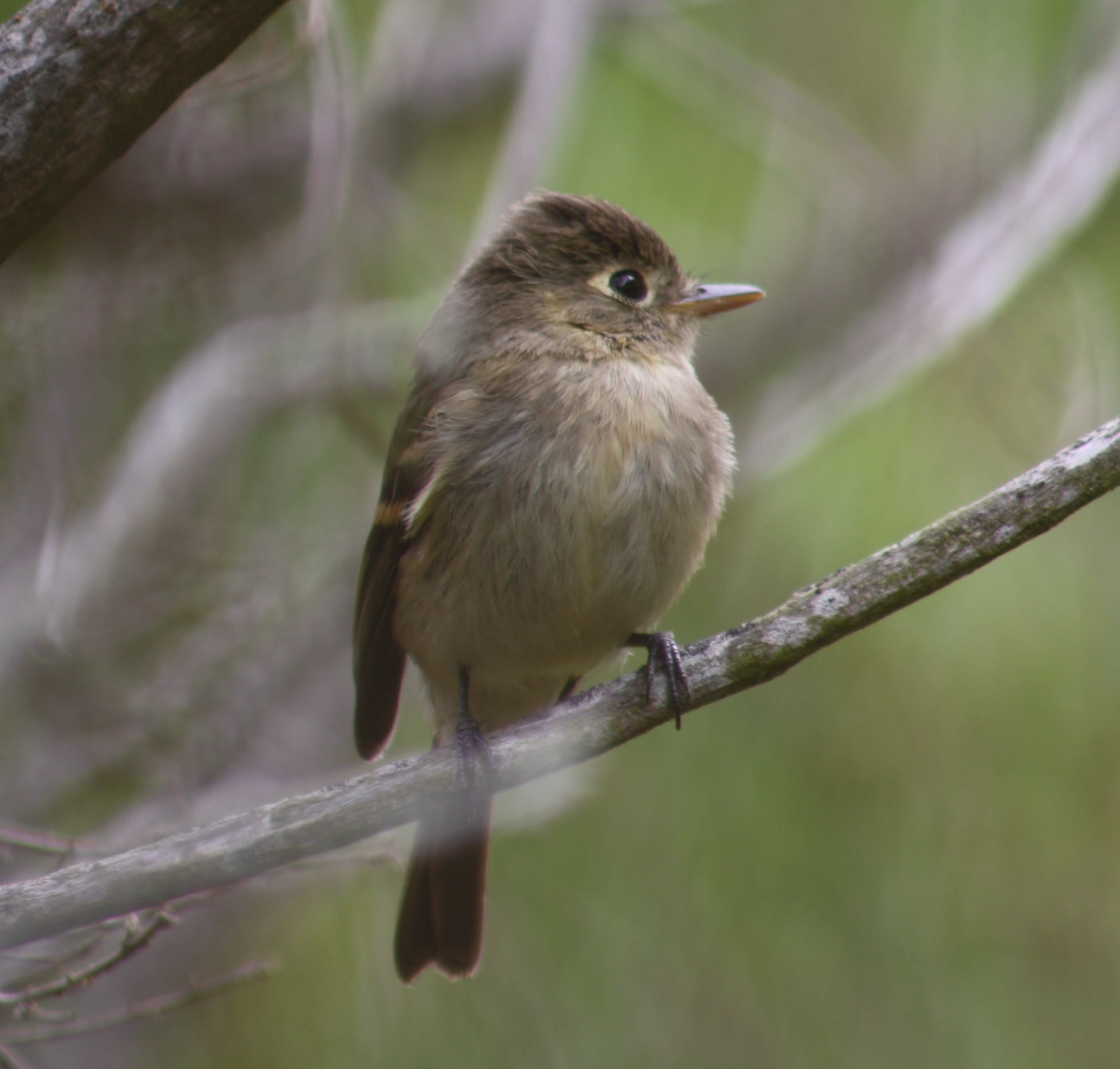
Palos Verdes, CA

Indian Borage (Plectranthus amboinicus) is a perennial herb which grows up to the height of 30 to 60 cm. It is in the coleus family in which the entire plant is succulent and does not become woody. The plant is also known as Mexican mint and Spanish thyme due to its strong flavor and aroma.

Click the image to the right to go to the Guardian’s article in today’s paper about a campaign to reduce light pollution. We tend to like these stories, and that publication, and have been known to support pollution-reducing schemes in our own communities; but quoting our favorite cosmos guru ensures attention: Continue reading

In a world that already has its fair share of freaky explanations for life’s quirks, and where celebrity is built in a day by some of the cleverer writers in that genre, do we really need this? Hard to say with just a couple of reviews seen so far (click the image to the left to see the Kirkus review or click here to see the New York Times review of the book), but it sounds as though you are more likely to enjoy this if you are of the libertarian persuasion (as the author is touted to be) or a liberal (not the political variety but the curious, open-minded variety).
This snippet from the Kirkus review sums up why and for whom it may be worth the read:

Fort De Soto, FL

The latex rubber tree is a tropical plant native to South America and South East Asia, which is the primary global source of natural rubber. Kerala has over 110,000 acres of land under rubber cultivation – annual production is about 690,000 tons – over 92% of India’s natural rubber.
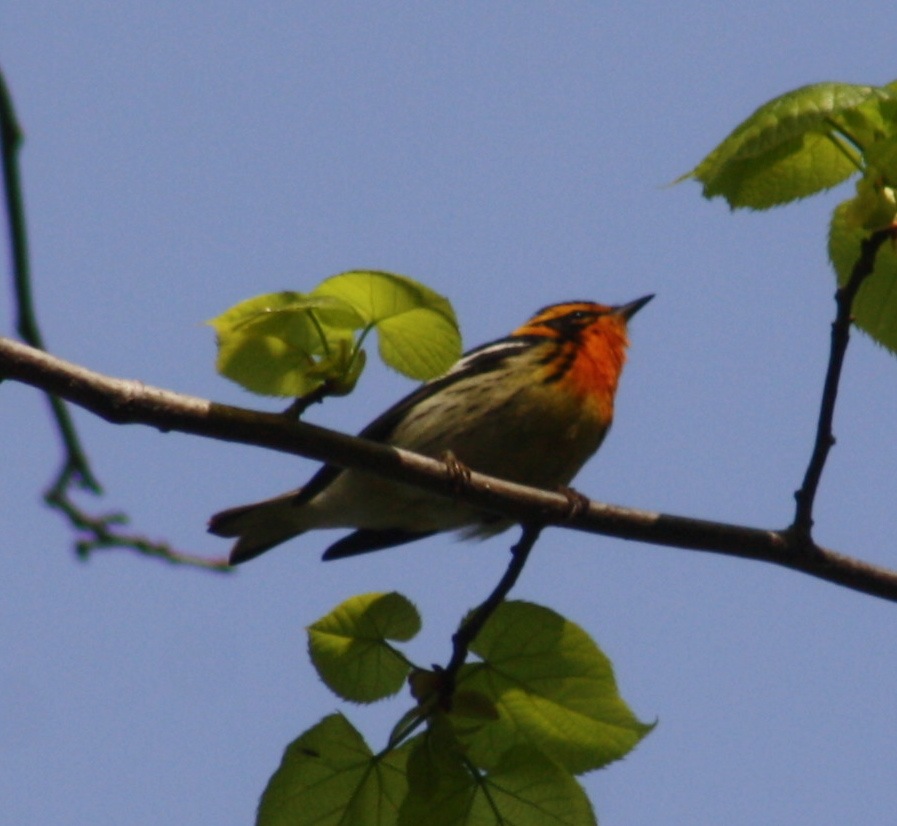
Blackburnian Warbler
When I was just starting out as a birder, I bought a small book to help me learn about the warblers that were migrating through my home state of New Jersey. The booklet was called “The Warblers of Point Pelee.” Filled with great pictures and useful identification tips, it became my constant companion that spring. However, I had no idea where Point Pelee was or what made it so special. Only later did I discover that Point Pelee is probably one of the best and possibly the most famous spring migration birding location in North America.

For art lovers nothing quite tops the experience of standing before a favorite painting, sculpture or tapestry, far from the madding crowds, soaking in the aura of history. But few of us have the luxury of being able to visit the “Hermitage” in the morning and the Musée d’Orsay in the afternoon, not to mention the connections that would enable a personalize tour with the curator.
Over the past year Google has put its technological powerhouse behind a project that brings over 30,000 pieces of art from 151 museums in 40 countries into the home of anyone with a computer and an internet connection. Continue reading
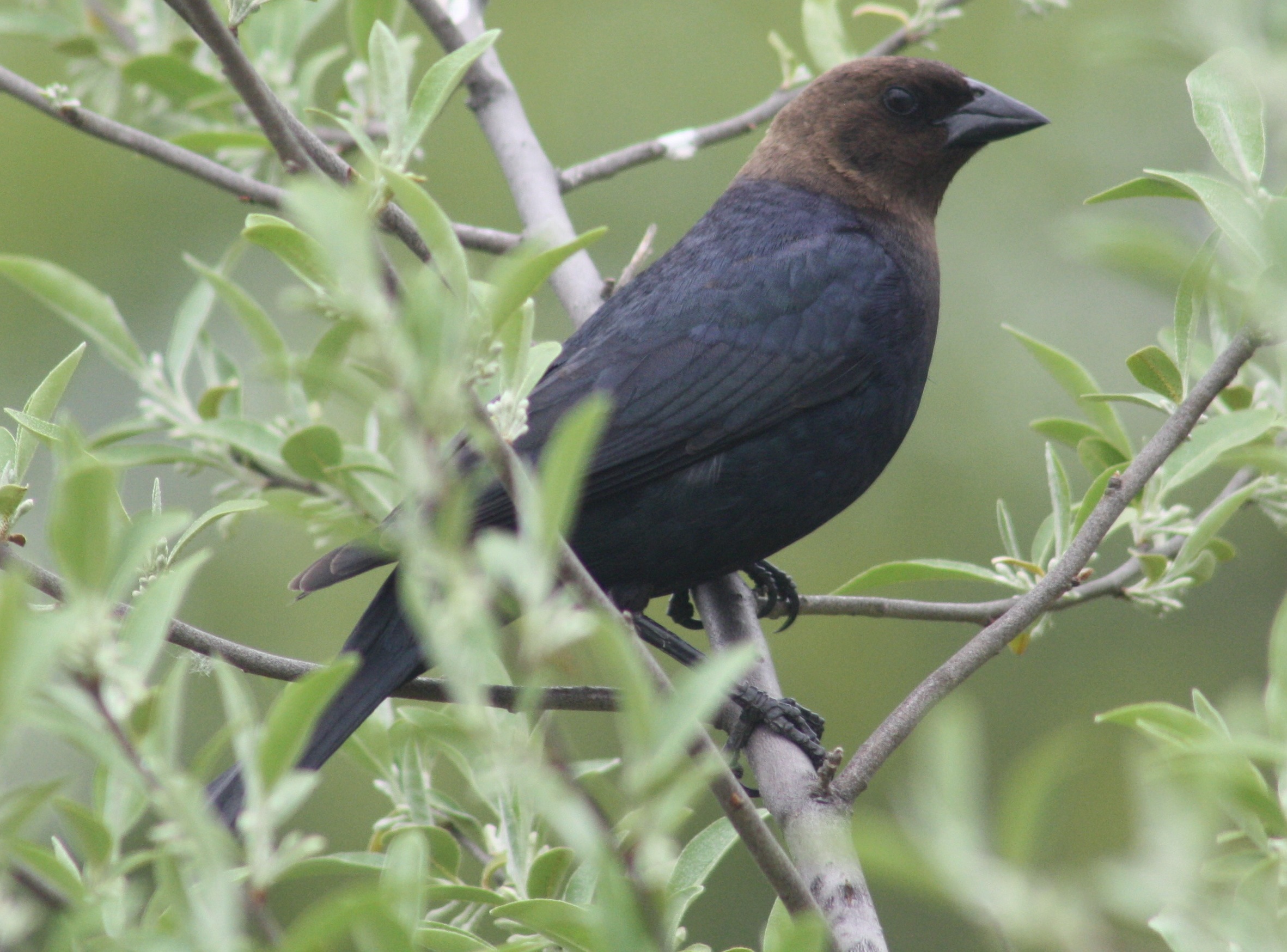
Basking Ridge, NJ
Mr. David and Anbella from Luxemburg shared their experience of Periyar with us:
We stayed at Cardamom County and took a visit to the Periyar Tiger Reserve. We were happy to spot many birds and wild boars. Our main goal was to spot elephants, which was unfortunate for us because the forest guide told us they hadn’t been sighted for the past two days. Anyhow we enjoyed the wildlife we did see, even though we didn’t find the elephants. – Mr. David
 Organikos