Sweet Sounds

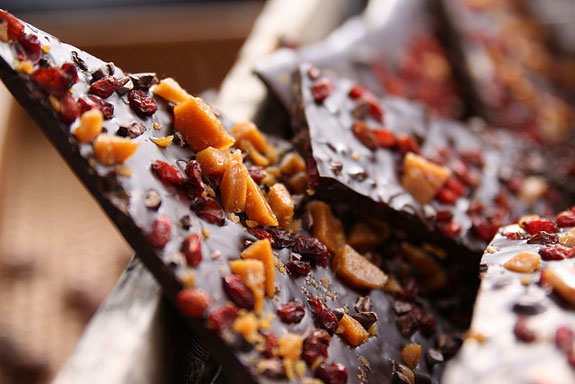
Click the image above for the fourth installment, and best yet, in a series of short posts on Smithsonian’s website, discussing the relationship between food and sound:

The sound of food matters. So does the sound of the packaging and the atmospheric sounds we hear when we’re eating. We’re all synesthesiates when we sit down to dinner.

Continue reading

Heart Throb

There’s something about drums. Like dance, they have an almost primordial capacity to rouse even the most complacent person to action.  The sound connects with the heartbeat and makes it impossible to stand still. Personally I can’t decide whether I prefer West African Djembes, Indian Tablas or Japanese Taiko. Percussion seems to be by nature a communal activity, and the bottom line is that I love the way the sound makes me long to participate.  Continue reading

It Happened In Africa

Click the photo above to go to the original article announcing the creation of the largest wildlife park in the world, which is now a reality:

Five nations that form the central heart of the continent, Namibia, Zambia, Zimbabwe, Angola and Botswana recently signed the final documents to create an enormous conservation zone that encompasses 170,000 sq. miles (44,000 sq. kilometers) or 109 million acres. Altogether, the Kavango Zambezi Transfrontier Conservation Area (KAZA) or KAZA Peace Park, will include 36 game reserves, numerous national parks, forest reserves, conservancies, game and wildlife management areas and communal lands. Continue reading

Common Sunflower (Helianthus annuus)

Native to North and South America from the genus of Helianthus, the Sunflower is an annual herbaceous plant which grows 1- 4.5 meters high. The immensely popular flat, platelike flower can grow up to 6 inches wide and is actually made up of a tight series of compound flowers that will mature into edible seeds. The Sunflower is named for both its obvious sun shape and for the way the buds and leaves exhibit heliotropism,  following the sun from east to west throughout the day. (The mature flowers remain facing east.)

Continue reading

Carbon Emissions Series: Scope 1 for Hospitality

In my previous post, I identified carbon emissions as the significant metric to track for hospitality, and I explained why hospitality is one of the best industries to target for sustainability efforts. Now I’d like to delve deeper into the different types of greenhouse gas (GHG) emissions and how they relate to hospitality. My goal of this three-part explanation is to provide our readers with a broad understanding of the scopes of GHG emissions and with a general idea of the extent to which hospitality contributes to climate change. Let’s jump right in!

The Greenhouse Gas Protocol defines three scopes of emissions. Our discussion today will focus only on the first scope, as it relates to hotel properties: direct, on-site emissions.

Continue reading

Rice

I recently read the fascinating story of Inakadate, a small village in northern Japan struggling against a global economic downturn.  The rural community with a population of fewer than 10,000 people had none of the charismatic landscapes that typically drive tourism. Twenty years ago a clerk in the Town Hall was asked to figure out how to bring that very thing to the bucolic village surrounded by rice paddies and apple orchards.

The story goes that Mr. Koichi Hanada saw school children planting purple and bright green rice as a class project when it occurred to him that the varied hues could be used like a natural artist’s palette. Continue reading

Mohiniyattam – Classical Dance of Kerala

Mohiniyattam is a classical dance form which is believed to have originated in Kerala. Mohiniyattam is a fusion of Bharthanatyam with the dynamism and vigour of Kathakali. This dance performed solely by women was once only seen in Temples and Royal Courts.

Continue reading

What Ice Reveals

Good news is meant to be shared., and we are excited to share the achievements of another branch of our company: La Paz Group, Heritage Conservation Project – Mammuthus. (Click on the photo to go to the BBC Nature News link.)

A year and half ago we began discussions with Discovery Channel and BBC, and the first step of our four-year media plan for Mammuthus was set in motion with the airing of “Woolly Mammoth: Secrets from the Ice” in the UK this week. Continue reading

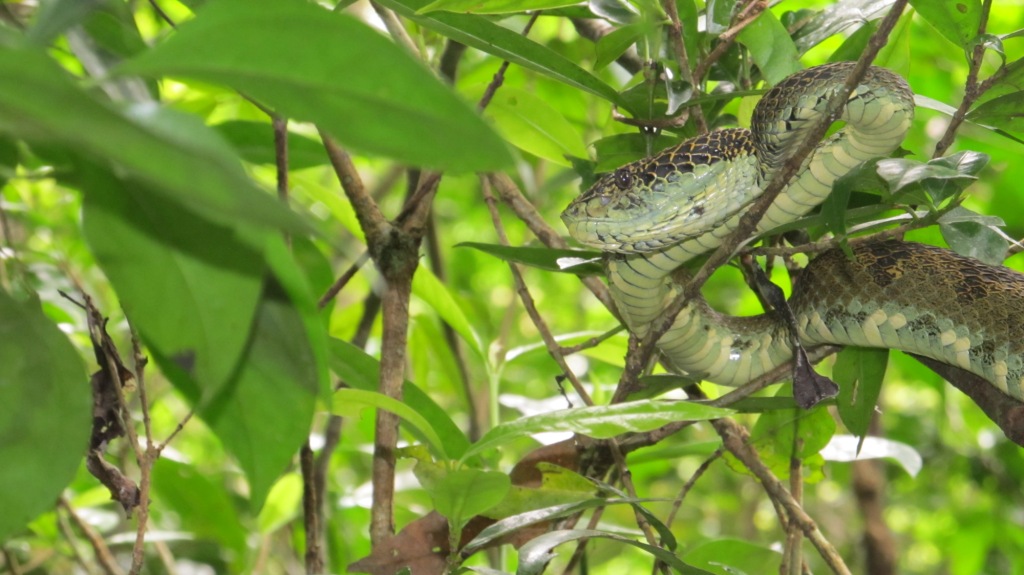
Bamboo Pit Viper (Trimeresurus gramineus)

Photo: Mr.Kannan

This photo was taken by Mr. Kannan, a senior forest watcher in Periyar Tiger Reserve. The Bamboo pit viper is one of the venomous snakes of Indian which is mostly found in the Western Ghats. They are typically green in color along with black, yellow and orange markings in the skin.

Continue reading

Dance Now

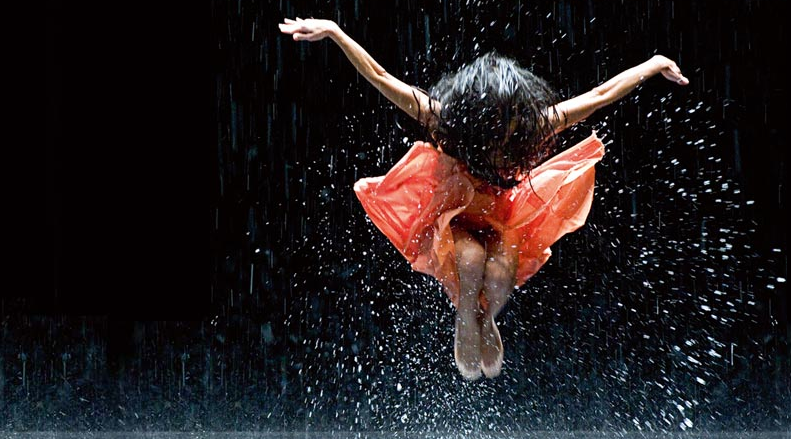
Throughout human history Dance has been a form of culture that is much greater than the sum of its parts.  Wordlessly it has the capacity to tell stories, communicate with deities, perform rites of passage, lead a people to war or join them together.

Whether linked to seasonal activity in villages or the entertainment history of the 20th century, dance is part and parcel of the human condition.

In the cinematic world director Wim Wenders has made a career making films that do similar things.   Continue reading

Garlic Vine (Mansoa alliacea)

The Garlic Vine is an ornamental plant with a woody stem growing as either a shrub or vine to a height of 2-3 meters. It has bright green leaves, strong twining tendrils and trumpet shaped flowers. The flowers bloom purple and change to a lighter shade of lavender with age, eventually fading to almost white. This climber is native to the Amazon forest but is currently abundant in southern India.

Continue reading

Why Is Mimicry Funny?

In Latin it’s called Thaumoctopus mimicus, but I’d call it The Master. It’s Meryl Streep in octopus form. There are ocean animals that can change shape, imitate plants, rocks, flora, and I’ve blogged about some of them. But this octopus is special. It seems to study other creatures and then imitate them, copying their moves and their bodies. It can do sea snakes, lion fish, flatfish, giant crabs, seashells, stingrays, jellyfish and weird beings that have no name, and maybe no earthly existence. Is it imagining? I don’t know, but no scientist has ever seen a shaggy sprinting bipedal crab — until our octopus decided to be one.

Click the banner above to go to the remainder of Robert Krulwich’s blog post on this wonder.  A bit more on the same after the jump (click the image to go to the original)… Continue reading

“Audrey” Redux

Robert Barker/University Photography

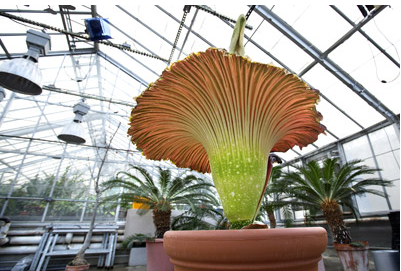
Last month I excitedly wrote about the soon-to-bloom Titan arum at Cornell University in a series of posts: here, here and here. I think I even made the promise not to subject our readers to more on the theme. But bear with me. One last post. Really… Continue reading

Carbon Emissions Series: Why Hospitality?

In the past two months, I’ve hammered through interview after interview for internships this summer, and sustainable hospitality is a subject that seems to always surface. Along with the standard boiler-plate questions, I noticed that one topic in particular would often be asked about my interest in hospitality: why target sustainability in this industry? Why not sustainability elsewhere? And is the Cornell Hotel School the best place to explore it? I must admit that I didn’t answer the question too well the first few times, but I’ve taken a step back to truly think about my answer.

The hospitality industry's reach is near endless. It is indirectly involved with the GHG emissions of six of the eight major contributors above: transportation, agriculture, commercial services, land use, waste, and power.

Continue reading