Carbon Emissions Series: Why Hospitality?

In the past two months, I’ve hammered through interview after interview for internships this summer, and sustainable hospitality is a subject that seems to always surface. Along with the standard boiler-plate questions, I noticed that one topic in particular would often be asked about my interest in hospitality: why target sustainability in this industry? Why not sustainability elsewhere? And is the Cornell Hotel School the best place to explore it? I must admit that I didn’t answer the question too well the first few times, but I’ve taken a step back to truly think about my answer.

The hospitality industry's reach is near endless. It is indirectly involved with the GHG emissions of six of the eight major contributors above: transportation, agriculture, commercial services, land use, waste, and power.
Continue reading

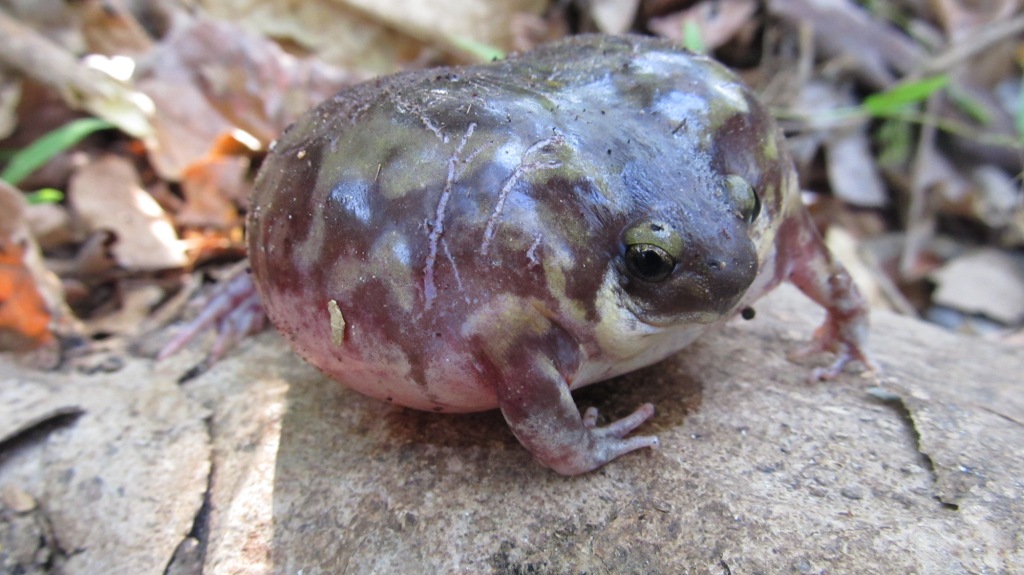
Indian Balloon Frog – Uperodon globulosus


Photo: Mr.Kannan

The Uperodon, commonly known as the Balloon Frog, is well known for its ability to puff up, expanding its lungs past its backbone. It has a small head, especially compared with its exaggerated body, with a narrow mouth and a rounded snout.

Continue reading

Conducting, Captured

Since we began here last year, we have had some interns, volunteers and employees who graduated from some great programs at some great universities.  But NYU’s Mocap program is unlike any of those programs at any of those universities.  And we do not have anyone on our team who can do this.

Continue reading

The Unseen Scenes

March 2012

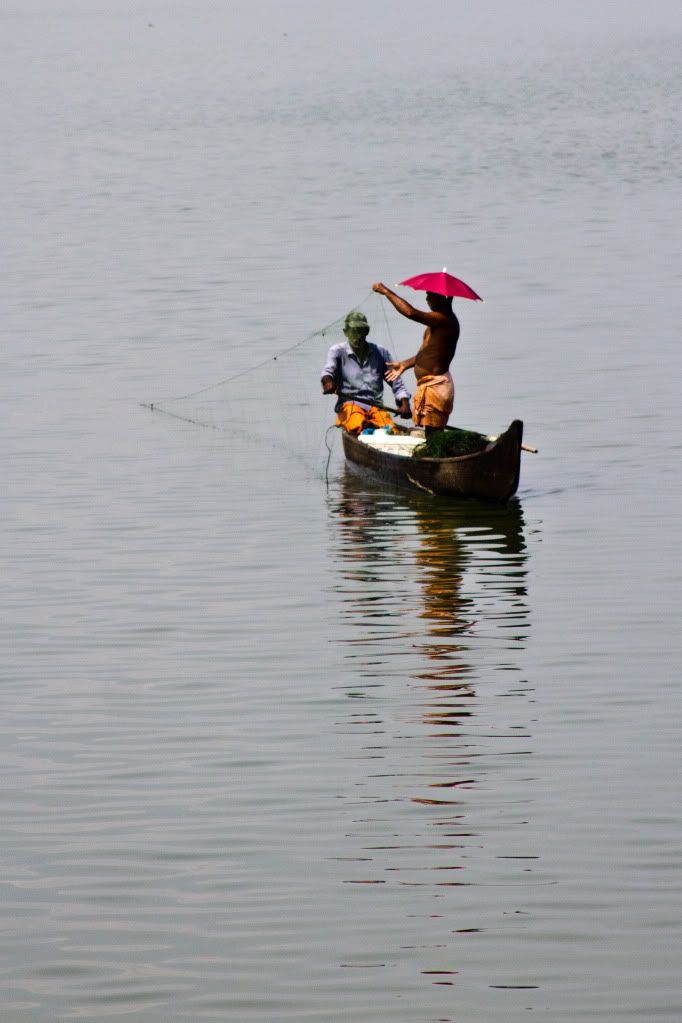
A morning on Kerala’s Backwaters. Although in the general sense you know what to expect in terms of how the day will play out, you are guaranteed to see some strange and possibly surreal things between breakfast and lunch. More if you rise before the sun comes up. This is purely out of self-preservation – during the heat of the day, any significant physical activity ends up being exhausting, and the locals know best. That said, it’s worth being up early to catch a number of interesting photographs that you would have been unable to were you sleeping. To the left are two fishermen – one rowing slowly while the other (suitably attired for protection from the sun) checks nettings for a catch. This was my first time seeing fishermen wearing umbrella hats, but I see workers in the paddy fields with them often. Despite this fact, I haven’t photographed them due to poor lighting conditions and a significant distance between us every time. Continue reading

Hypothetical Biology: In Conclusion

This post concludes the hypothetical discussion of my previous three posts, the first of which you can find here.
By the end of this long thought-exercise it would seem that the most feasible explanation for the barring and display is that the male turacos developed the barring to signal their quality—both to females and other males—not because the barring is expensive to produce, but because the standardized bars allow for close comparison of individuals. By relating directly with growth, bars should allow females to assess the males’ age and relative fitness; they also probably accentuate indicators such as body symmetry, foraging ability, and health. If snake and raptor predators do in fact rely on the ultraviolet pigments to hunt the male turacos, then the barring is probably not only an indicator of (or proxy for) fitness but also an honest handicap that allows males to demonstrate their higher quality (e.g. their low feather wear despite increased need for predator avoidance).

Continue reading

Enchanting Backwaters – Kuttanad

This slideshow requires JavaScript.

Kerala is a land of extensive networks of rivers, canals, streams and lagoons that form the Enchanting Backwaters which exemplify an amazing relationship between the ingenuity of man and the artistry of Nature. Its crisscrossing canals which were once busy waterways, have evoked comparisons with Venice since travelers began visiting them. The backwater region of Kuttanad is famous for paddy fields, duck farming and fishing. Most of Kuttanad consists of paddy fields that spill out into vast structures inland from the backwaters. With its abuntant paddy Kuttanad has been named the “Rice Bowl of Kerala”.

Continue reading

Dance Then

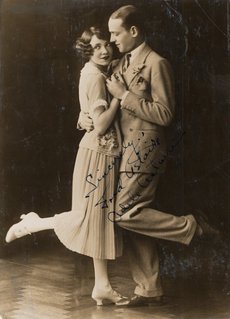
Click the image to the right for a wonderful reminder, in the form of book review, of what makes dance uniquely suited to certain important cultural tasks:

Now that The Artist has whetted our interest in the silent film and the revolutionary impact of sound, it may be time to reconsider the career of the man who made the conversion to sound the basis of a whole new kind of movie, Fred Astaire. The Artist suggests quite accurately that the definitive event of the new sound era was the arrival of the film musical. Sound meant music; music meant jazz. But the technological transition was slow. After the first feature-length sound movie, The Jazz Singer (1927), which starred Al Jolson, it was six years before the advent of the Jazz Dancer proved that talking and even singing mouths were not nearly as expressive in the new medium as dancing feet, especially and almost exclusively the feet of Fred Astaire. Astaire and the difference he made to the film musical add up to more than the story of one career. No other film genre provided as perfect a synchronization of sight and sound or an experience as exhilarating, and that was very largely Astaire’s doing. Continue reading

Aranmula Kannadi – An Ancient Indian Metal Mirror

Aranmula, an ancient village in the district of Pathanamthitta on the banks of the famous Pamba River, has a special history of Kerala’s traditional arts. For centuries Indians have been experts in Metallurgy; Delhi’s ancient Mayuran Iron Pillar, and forged Damascus steel are part of an artisanal culture in South India that stretches back more than 2000 years. The Aranmula Kannadi (metal mirror) technology is part of this history.

Continue reading

Bilimbi (Averrhoa bilimbi)

Tree sorrel or cucumber tree is a tropical fruit tree which reaches 35 ft in height. It is cultivated in southern India, where it is commonly called Bilimbi (Averrhoa bilimbi).  In Kerala, it is widely used for making pickles. In other regions of the country, it is often eaten raw along with salt and chilli powder.

Continue reading

New Nazca Lines

This slideshow requires JavaScript.

Last year I wrote about the maize mazes carved from growing corn fields that reminded me of the mysterious Nazca Lines in the Peruvian desert. I just discovered Polish artist Jarolslaw Koziara, whose work falls more into the category of land art installation, with carefully crafted plantings to create geoglyphic imagery. Continue reading

Places to Bird: Part 5*, Magee Marsh

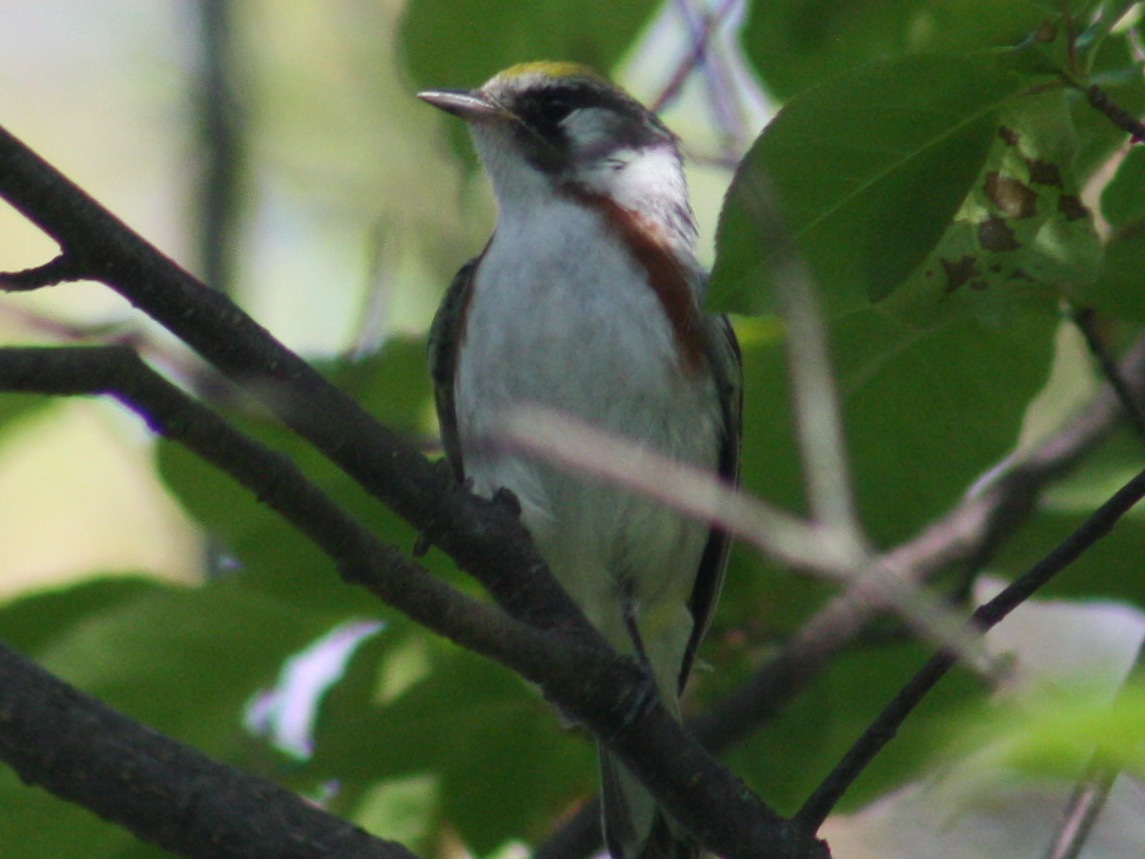
Chestnut-sided Warbler

On our spring trip to Point Pelee in Ontario we visited some amazing birding locations, and the birds we saw were absolutely incredible.  We had 12+ species of sparrow and 10 species of Flycatcher, but the real kickers were the warblers.  On our way back from Pelee, we decided to stop at a place I had only heard of in passing…Magee Marsh.  After only one day there, I understand why this site is becoming so famous.

Continue reading

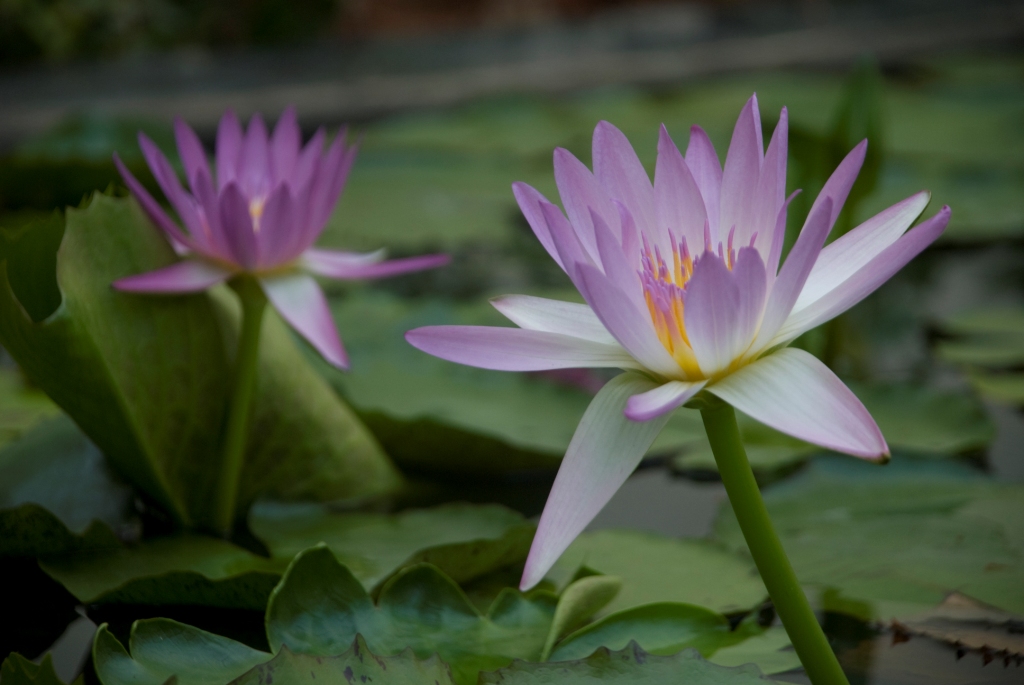
Blue Water Lily (Nymphaea nouchali)

The Blue water lily is an iconic fresh water plant which is also known as Blue Lotus of India. It is widely seen in Kerala mostly growing in the fresh water ponds and brackish backwaters. The leaves of the water lily are oval shaped with a notch in the leaf stem. The solitary flower blooms in the dawn and withers in the dusk.

Continue reading

Do You Remember These Dates?

On July 20-22, 2007 all these people attended a workshop of sorts.  On those exact dates I was with my family on a small island in the Adriatic sea, watching off in the distance as fire fighters in airplanes performed their heroics in the forests surrounding Dubrovnik.  Little did I know that Daniel Kahneman was leading a master class for Edge (and those attendees) titled “A SHORT COURSE IN THINKING ABOUT THINKING.” Continue reading

If You Happen To Be In New York April 10

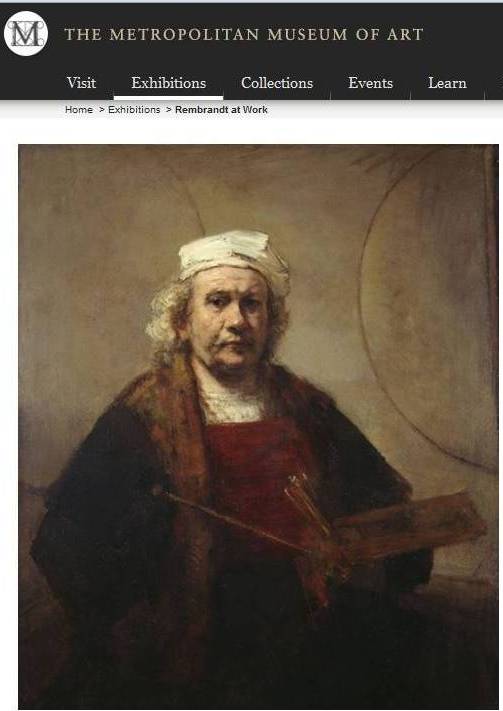
Seth’s third installment is well timed to coincide with an upcoming event covering similar issues (albeit one is an undergraduate’s ornithology student perspective and the other a Harvard superstar entomology professor’s perspective).  Click the image to the left to go to the New York Public Library’s invitation to visit with one of our favorite scientists.  Click here to read more about his upcoming book (and view the three short videos at the bottom of the front page when you click through).  The promo for the event at NYPL says: Continue reading