Clove is one of the best known spices in the world. The clove tree is an evergreen tree which grows up to 10-12 meters and the spice itself is the flowering bud of the tree. The green, unopened buds grow in a bunch and are harvested when bright red. When dried the buds become dark brown and are used as a spice in numerous cuisines of the world.
Thank You NASA
In case you wondered what happens out there in the great blue yonder of our earth’s liquid surface, here is a visualization. Continue reading
Hypothetical Biology: Part Three
This post continues the hypothetical situation described in my previous posts, the first of which you can find here.

What if the turaco barring and display were a different sort of quality indicator? They could be amplifiers that emphasize a trait perceived by other turacos as directly related to high fitness. For example, some birds’ feathers, such as those of the European jay, are colored in stripes that develop similarly to, or perhaps accentuate, growth bars. As the turaco’s barring correlates directly to its age, the bars must have typical widths at certain ages. These widths, along with the display, probably serve as a standard by which females can compare males, and males assess competitors. The bars are likely indicators similar to the stripes on jays and other birds—that is, they may portray the bird’s growth regularity, or accentuate flight behavior, body size, feather wear, symmetry, and other potential quality indicators. Should the turaco barring amplify any of these possible traits, then displaying the bars is not a deceptive signal, because it genuinely reflects quality. For instance, if a three-year-old male turaco has successfully avoided predators and found the best food throughout his life, his barring should reflect such facts, and portray his success through low feather wear, larger body size, or more regular bars; a one-year-old male with similar traits but different barring would presumably be less preferable to females. Continue reading
I Belize I Can Fly
Guest Author: Robert Frisch

The tiny islands or “cayes” off the coast of Belize sit in the middle of beautifully serene coral atolls and are surrounded by the world’s second largest barrier reef. Like shallow lakes in the middle of the ocean, the atolls host several UNESCO world heritage sites and some of the best snorkeling and scuba diving in the world. My team, consisting of three Johnson students and an MPA student from the Cornell Institute of Public Affairs, found itself tasked with providing consulting services and business advice for the owners of one of these cayes in what turned out to be the most unique spring break of my life. Continue reading
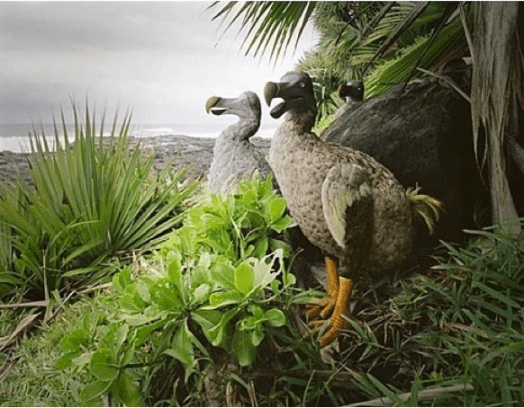
Bird of the Day: Dodo (Mauritius, c.1681)
Whole Foods April 1, 2012
Periyar Sightings: March 31, 2012
We interacted with Mr. Orillard Pascal and Nathalia from France, who visited Gavi on March 29, 2012. They shared some of their photos.
We visited Gavi on Thursday. As it was quite hot, we thought we wouldn’t spot animals. But we were very lucky to see elephants grazing on the mountains. We also saw some birds and a Malabar giant squirrel. We enjoyed the spice tour and tea plantation visit too. We really enjoyed our stay at Cardamom County and activities around Thekkady.
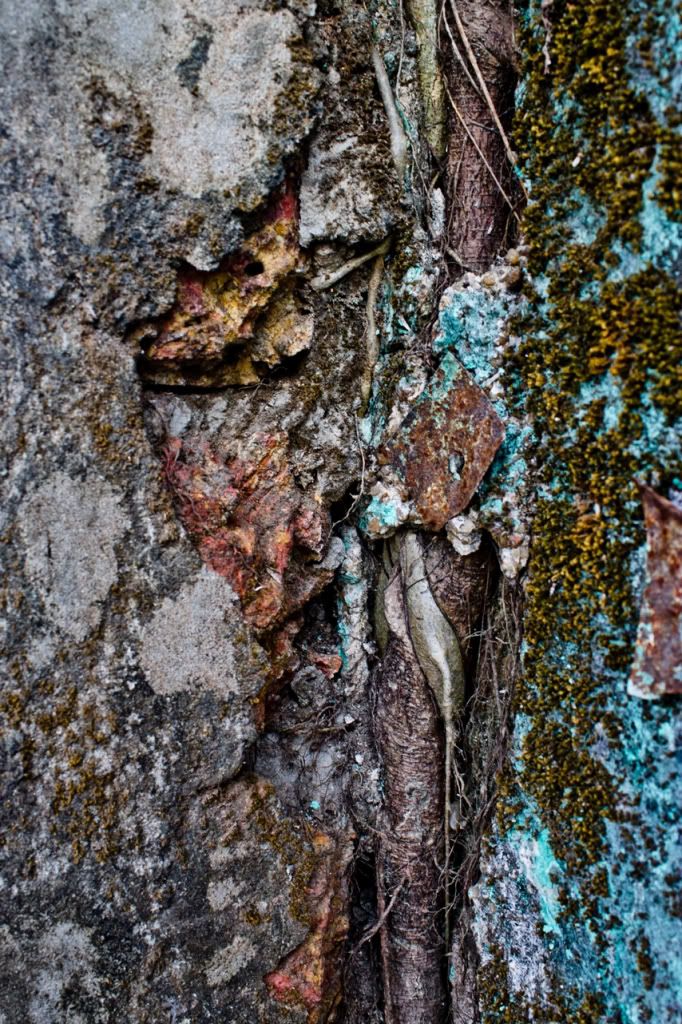
More on Urban Decay
I’ve portrayed urban decay in an artistic light once or twice before – and since then, Kochi has had nothing but time to become more pitted and scarred (in a pleasant and non-violent way). The same walls I’ve walked past a dozen times seem to have sprouted roots – literally. Continue reading
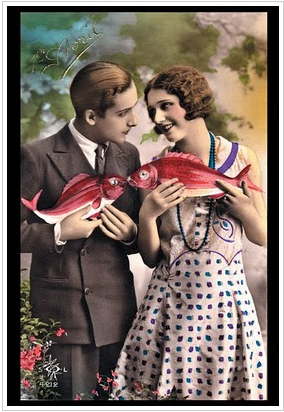
Poisson d’Avril
It was unlike me to have missed acknowledging the Vernal Equinox last week but please note that it wasn’t forgotten. In much of the northern hemisphere spring began sprouting all over the place, sometimes unseasonably early, and the first day of spring was observed in all its glory in Crist’s Holi series.
So I’m being careful not to miss April 1st and in the spirit of that celebration am sharing some of artist Ken Brown‘s collection of turn of the century (the 19th to the 20th that is!) French fantasy postcards that celebrate “Poisson d’Avril”, the French equivalent of April 1st or April Fools’ Day. Continue reading
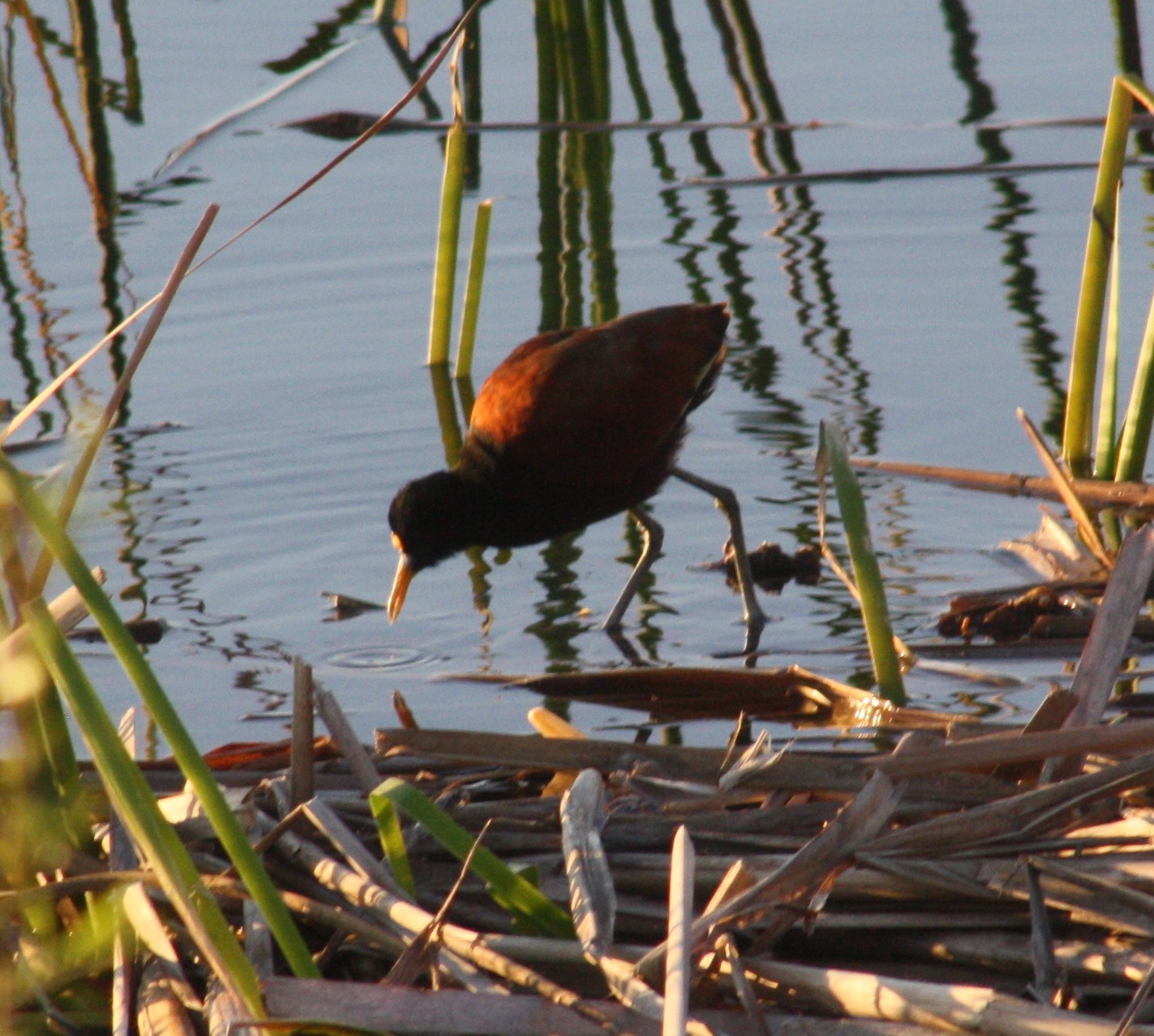
Bird of the Day: Northern Jacana
Sustainable Water System in Your Own Garden!
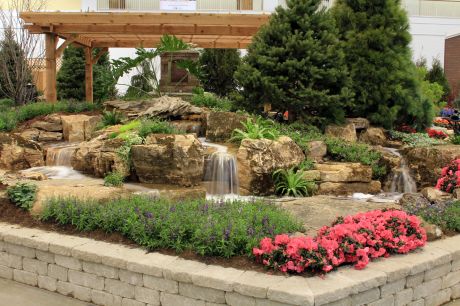
In my opinion, the major benefit for attending Cornell is an opportunity to meet diverse industry leaders face-to-face. This week I was fortunate enough to meet the Sales Director of Aquascape, a water-gardening company dedicated to creating/installing a sustainable and, at the same time, beautiful and decorative water features in your garden. The main way they recycle the water is through rainwater harvesting – by capturing, filtering, and reusing the rainwater. Instead of letting it flow back into the body of water, we could be converting the impervious surfaces (which cause stormwater runoff) to permeable surface that allows us to capture and reuse the rainwater. With this captured grey water, you could be washing your car, irrigating your garden, reusing in water features, etc.
Elephant Ear Fig Tree – Ficus Auriculata
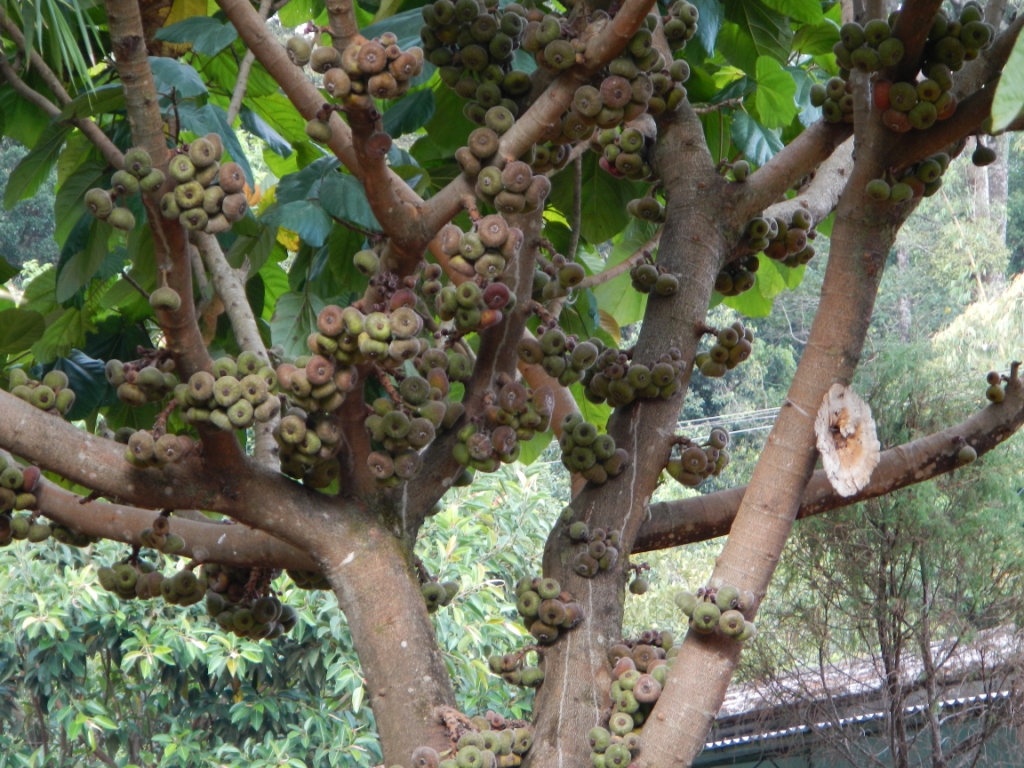
The Elephant Ear Fig tree is a semi-deciduous tree with large leaves and reddish fruits on its branches. The tree grows up to 1500 meters. It is commonly planted in villages. The leaves of this tree are an important fodder source due to its good nutritional qualities. Farmers consider this as better than other fodders.
“I Will!”
What began as a WWF Australia project to focus public attention on climate change has turned into an international movement that has become the largest voluntary action ever witnessed, reaching 1.3 billion people across the globe.
Bird of the Day: Woolly-Necked Stork
Bharatanatyam
Bharatanatyam originated around 2000 years ago, making it one of the most ancient of all Indian Classical Dances. It is performed along with south Indian vocal songs and with instruments like violin, flute, Mridangam (drums) etc. In the ancient times it was only performed in the temples and courts of South India.
In the Shadow of Books
For centuries books have held a place of honor in our collective hearts and minds, whether housed in the great libraries of classical civilizations, the libraries of the “Great Houses” of Europe, or the wooden niche in a country home.
Whether related to their historical relevance or their long beloved history, books resonate with the stories they tell, the places they carry us to and the way they make us feel. Continue reading
If You Happen To Be In New York City
In New York, of all places, you can see and learn about one of our favorite phenomena. If we have not written about it yet, we will post on this topic from the perspective of some of our own contributors who have seen this in southern Chile, and as recently as last summer Seth took photos while at Morgan’s Rock in Nicaragua. Here is what the New York Times has to say about the exhibition at the Museum of Natural History in New York:
A thoroughly engrossing exhibition at the American Museum of Natural History that opens on Saturday — “Creatures of Light: Nature’s Bioluminescence” — teaches us quite a bit about the phenomenon. Yet it still manages to preserve that otherworldly mystery, even cherishing it — treating it as if it were one of those ecologically vulnerable bioluminescent bays of glowing plankton in the Caribbean by whose shimmer visitors could once read in the middle of the night. Continue reading
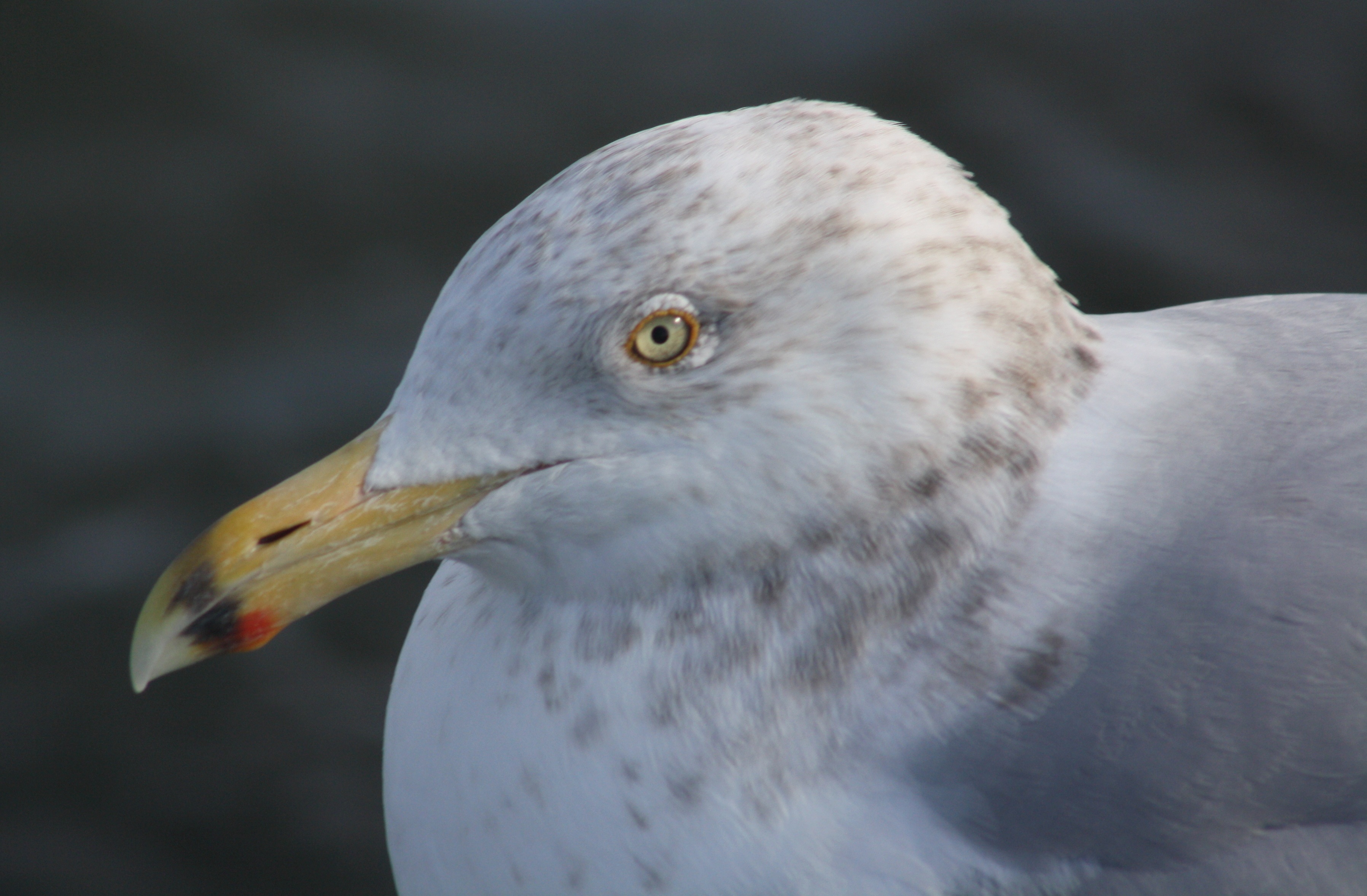
Bird of the Day: Herring Gull
Heliconia pendula
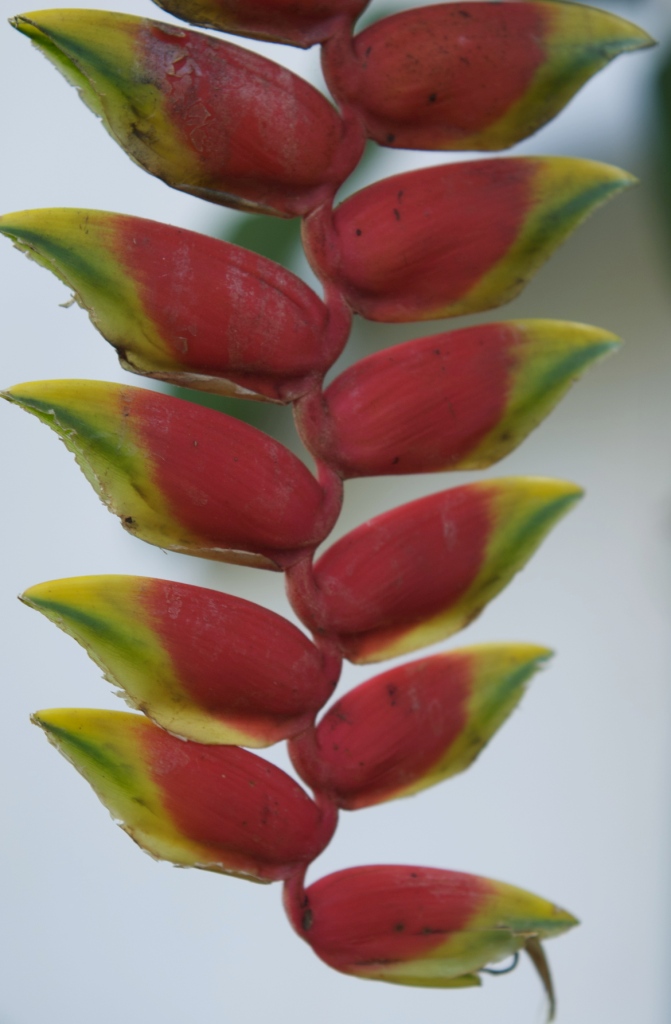
Heliconia pendula are the herbaceous plants that grows up to the height of 0.5 to 4.5 meters. Heliconia are native to Central America and the Caribbean islands. An “exotic” in India, these are mostly found growing in the Western Ghats above 900m. The long leaves of this flower are nearly 15-300cm and grow opposite to one another on a non-woody stalk. Continue reading
Cherry Blossoms in Spring
One-hundred years ago, the First Lady of the United States of America, Helen Taft,
and the Japanese ambassador’s wife, Viscountess Chinda, planted two Japanese cherry trees in Washington, D.C. The annual commemoration of this act of good will would come to be known as the “National Cherry Blossom Festival.” In this festival, droves of Americans flock to see the riotously beautiful pink and white blossoms of the Yoshino and Kwanzan cherry trees. Officially, the National Cherry Blossom Festival in Washington, D.C. serves to reaffirm the commitment to enduring friendship between United States and Japan: Continue reading