Khas Khas (Vetiveria zizanioides)

Khas Khas is an aromatic, perennial grass growing in wild planes and lower hills which grows to a height of 2 meter. It is native to the Western Ghats of India and is a common source of the well known oil of Vetiver which is used in medicine and perfumery.

Continue reading

Flower Show – Thekkady

This slideshow requires JavaScript.

Thousands of people in and around Thekkady including locals, foreign tourists, students and nature lovers enjoyed the decorated show which included nearly 150 varieties of flowering plants such as Marigold, Dalia, Rose, Hibiscus, and Portulaca. The Agri-horticultural Society of Thekkady has been organizing the Flower Show for the past 5 years. This is the sixth edition of the 10 day event, which ended yesterday.

Continue reading

Passion Fruit (Passiflora edulis)

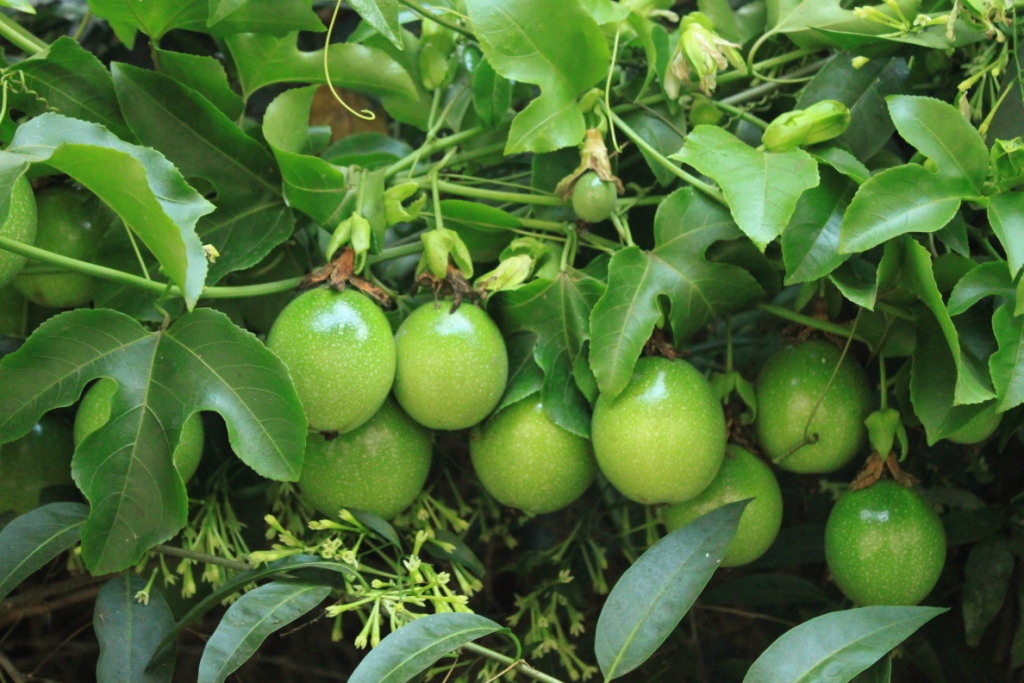
The Passion fruit is a sub-tropical, shallow rooted perennial climber that grows up to 15 to 20 ft tall. It flowers with a flamboyant fragrant blossom, 2 – 3 inches wide which is greenish white on the top and a rich purple color at the base.

Continue reading

Feelings on Ficus

Ficus. The word brings to mind many things – the juicy sweetness of a ripe, freshly picked fig; the summer heat of any tropical or Mediterranean setting; fertility. But recently, Ficus means one thing to me: strangler figs. This may sound morbid, and in a branchy way, it is. Many species of ficus begin their lives epiphytically –  generally after a seed is dropped by a bird or arboreal mammal onto the upper branches of what will become a host tree. Over time, the seeds will germinate and sprout aerial roots, which make their way to the ground by either hanging freely or by crawling down the host tree’s trunk. It is not at all uncommon in Indian forests to see roots hanging from the canopy.

Continue reading

Team Sapsucker

Green Jay

Last year, the Cornell Lab of Ornithology’s Team Sapsucker traveled to Texas hoping to break the national record for birds seen in a day.  For several years the Sapsuckers competed in the World Series of Birding, an all day birding competition that takes place in New Jersey every May.  Recently, however, they have turned their attention to Texas and the national record.  Led by captain Chris Wood, the Sapsuckers saw a record 264 birds last year in eastern Texas.

Continue reading

Night Blooming Jasmine (Cestrum nocturnum)

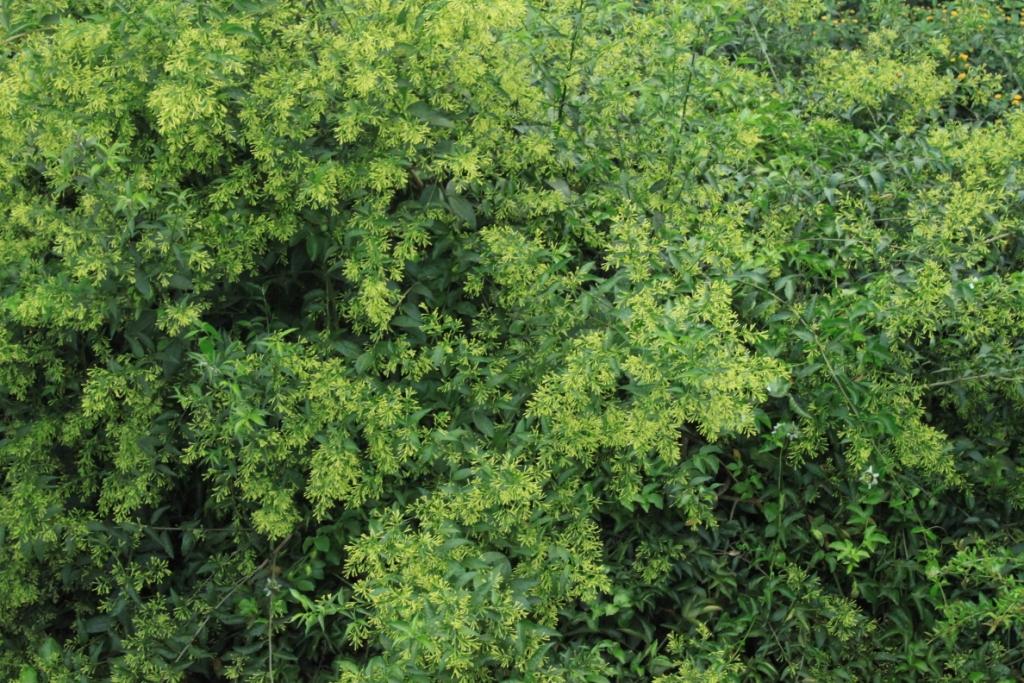
Night blooming Jasmine is an ornamental, evergreen shrub with a woody base that grows up to 13 ft tall. Frequently found in the Western Ghats of India, this nocturnal plant is also known as Lady of the Night or Queen of the Night due its heavily perfumed flowers that can be smelled from the distance of 10 to 15 yards.

Continue reading

Forests Need People

The premise underlying entrepreneurial conservation is that there are good economic reasons to preserve natural and cultural heritage.  And when such good reasons present themselves, opportunity dances with need. With natural heritage in particular, in the interest of introducing the dance partners with neither too much fanfare nor scowling, we have taken a light approach to the concept of biophilia, making reference from time to time.

Click the photograph above, by Raul Touzon, to go to National Geographic‘s online coverage of forests under threat, which we link to with entrepreneurial intent.  A bit of fanfare (just look at that creature!) and a hint of scowl are inevitable when you read the sampling in this series: Continue reading

Common Rue (Ruta graveolens)

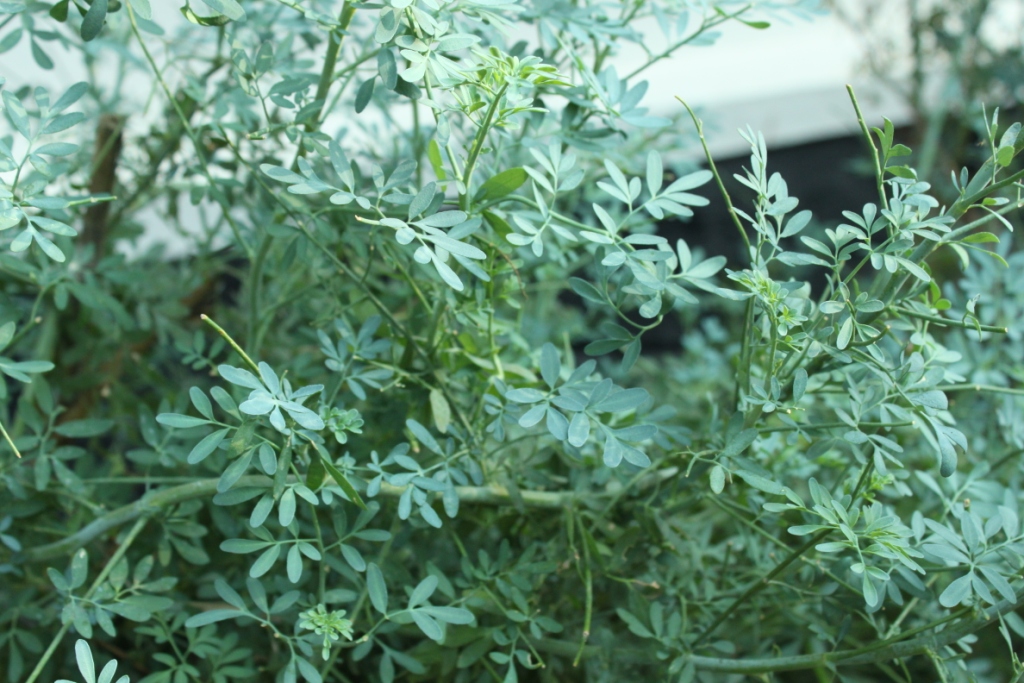
Common Rue is a perennial herb which grows up to 2-3 ft in height. This native of Southern Europe has established well in India’s Western Ghats.  Its aromatic, evergreen bluish-green leaves have medicinal qualities, and the yellow flowers and fruits blossom from June to September.

Continue reading

Carbon Emissions Series: Scope 2 for Hospitality

In our continuing discussion about the types of greenhouse gas (GHG) emissions, we have now come to scope 2 and how it relates to the hospitality industry. Much of the research at the Cornell Hotel School focuses on lowering electricity usage, which directly correlates with scope 2 emissions. Let’s start off with a definition.

Scope 2: Indirect GHG emissions from consumption of purchased electricity, heat or steam.

One of the biggest sources of scope 2 emissions is the coal-fired power plant, which emits CO2, NOx, SOx, and a number of heavy metals. Although it is extremely inefficient, coal remains a major source of electricity in the United States.

Continue reading

Gavi’s Gangly Forest

In early summer the forests of the Western Ghats are roaring with the sounds of insects. Crisp dried leaves crackle underfoot, and monkeys howl in the distance. I didn’t really expect to see animals – any intelligent enough to survive would be sleeping in a cool hollow somewhere. Despite the heat, the woods are beautiful, and the scenes unfolding before my eyes as we trek deeper into the reserve grow more and more unusual, with trees’ limbs and roots seeming to grasp and grope. Continue reading

Hill Turmeric (Curcuma pseudomontana)

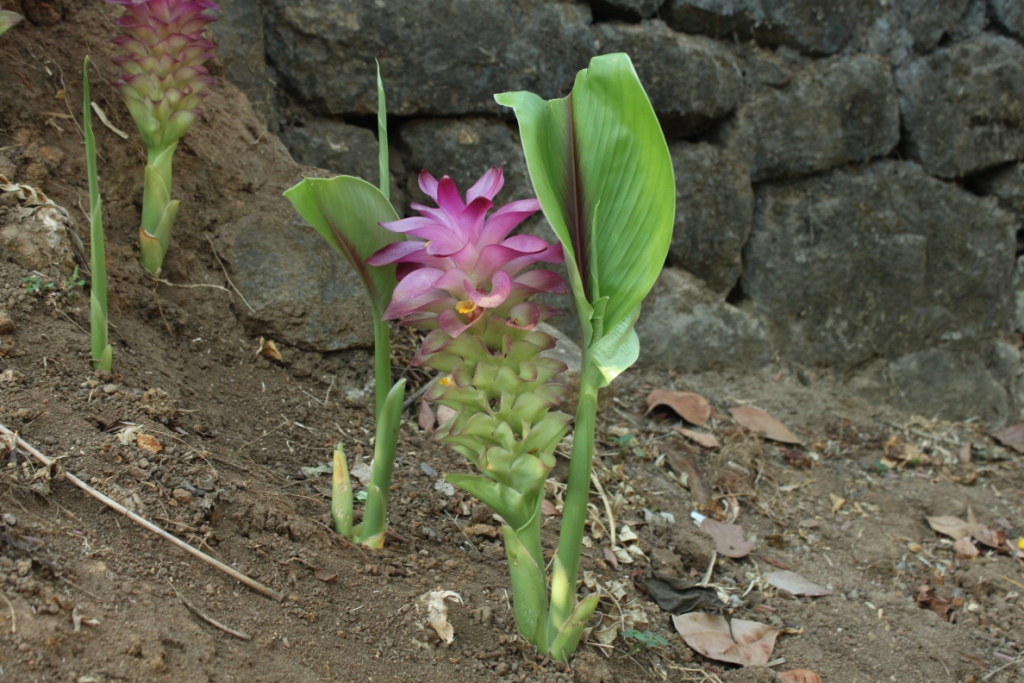
Hill Turmeric (Curcuma pseudomontana) is a tall 60 to 70cm perennial native to the Western Ghats which is commonly found in forested slopes. The attractive bright yellow flowers are borne among mauve-purple bracts.

Continue reading

Pakal Pooram – Glimpse of Thrissur Pooram

Photo: Joshy Manjumel

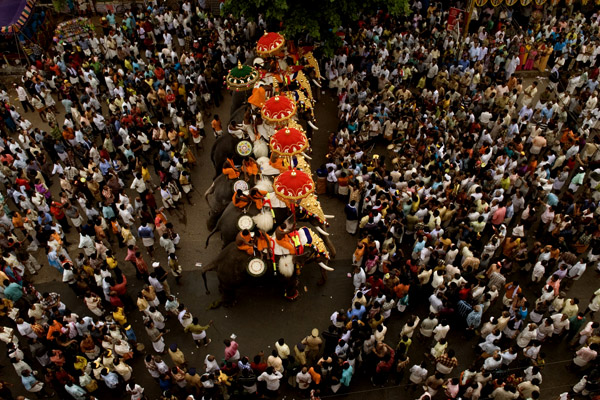
Pakal Pooram is a small-scale version of the grand Thrisssur Pooram.  The Pakal Pooram (Day Pooram) pictured above took place last December in Thekkady as a tourist attraction.

Elephants have been the part of the cultural ethos of Kerala for centuries. The people of Kerala consider this animal a harbinger of good fortune, a remover of obstacles and as a representative of the god Ganesh, an inseparable and integral part of religious and economic life.

Continue reading

The Swerve, Prized Again

File photo by Stephanie Mitchell/Harvard Staff Photographer

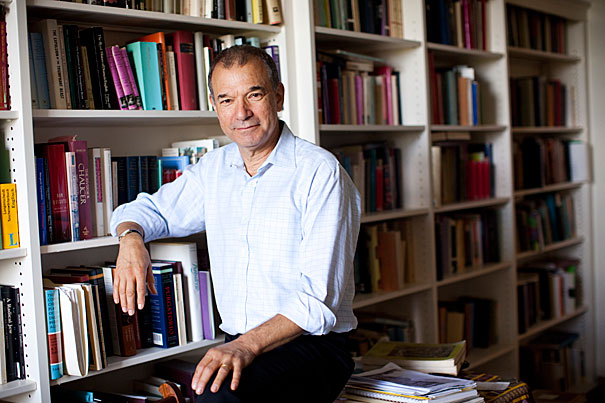
I have already said how surprising I found it that writing about the influence of classical literature on modern thought can be so effectively illuminated; in fact I could not help but say it a couple of times.  On this site we like to celebrate the success of our favored visionaries, writers, producers, educators, artists, thinkers, doers.  One of the publications at the university where he teaches had special reason today to put his name in visible circulation (click the image above to go to the story) with the announcement mentioned here:

Greenblatt’s book, which describes how an ancient Roman philosophical epic helped pave the way for modern thought, was awarded the 2012 Pulitzer Prize for general nonfiction.

In its citation, the Pulitzer board described “The Swerve” as “a provocative book arguing that an obscure work of philosophy, discovered nearly 600 years ago, changed the course of history by anticipating the science and sensibilities of today.”

Continue reading

Of Sylphs and Shadows

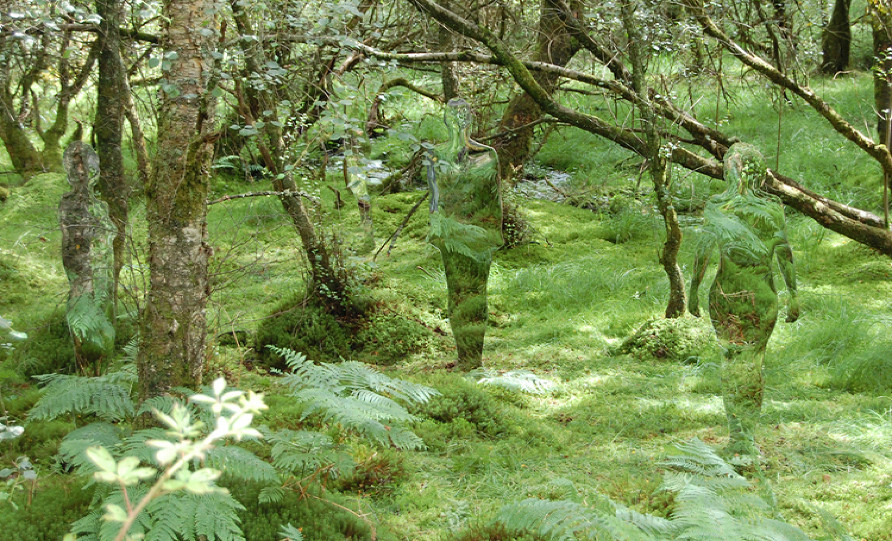
Vestiges, David Marshall Lodge, 2012

Scottish artist Rob Mulholland‘s work touches on Man’s relationship with Nature in many ways, but for me the most essential is the most literal.  At our very best we reflect the beauty of our environment, in the same way that we are said to reflect the divine.

A few minutes ago every tree was excited, bowing to the roaring storm, waving, swirling, tossing their branches in glorious enthusiasm like worship. But though to the outer ear these trees are now silent, their songs never cease. Every hidden cell is throbbing with music and life, every fiber thrilling like harp strings, while incense is ever flowing from the balsam bells and leaves. No wonder the hills and groves were God’s first temples…

-John Muir Continue reading