Bi-Colored Damselfly

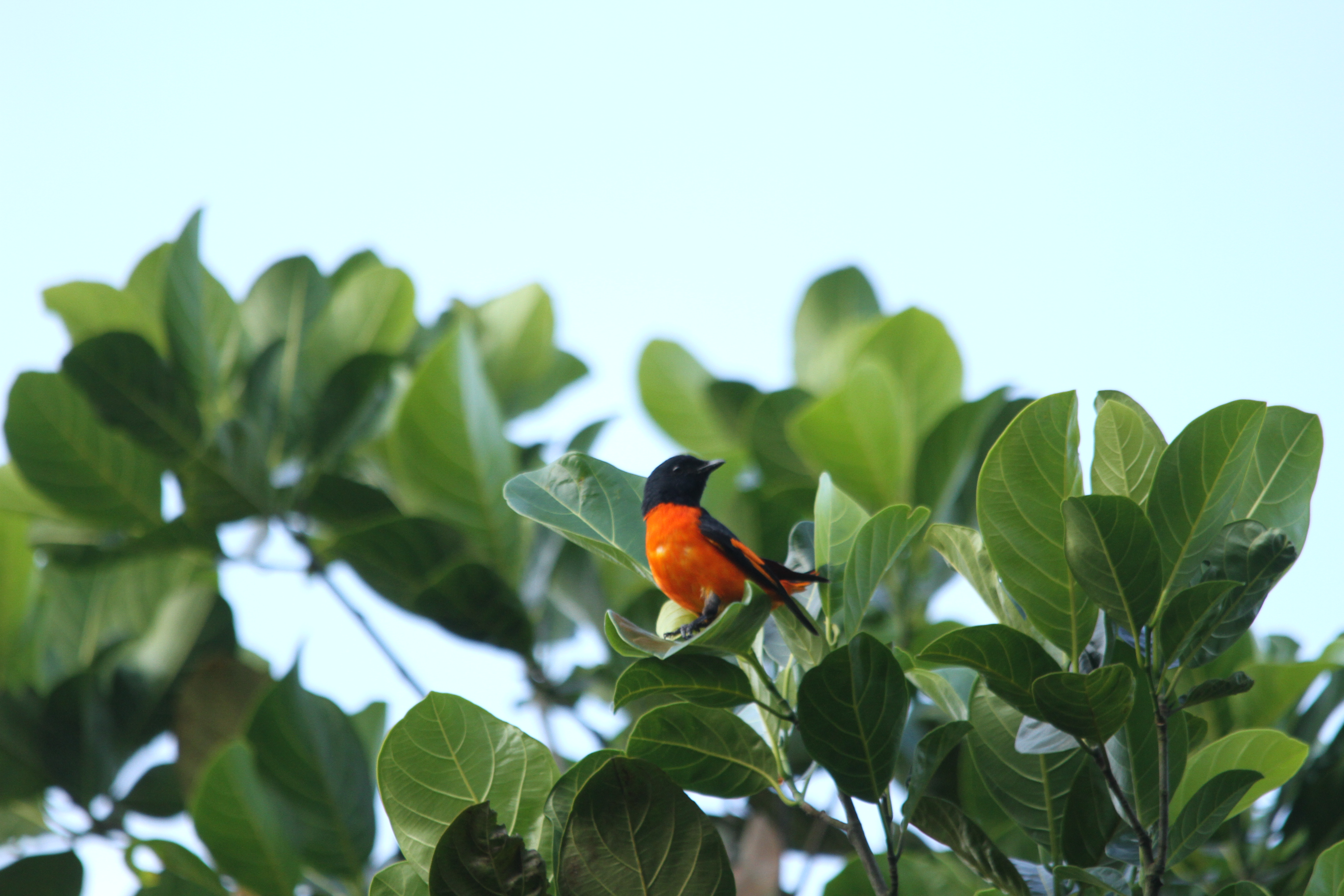
As mentioned in an earlier post, I’ve been developing my techniques for improved macro photography without a macro lens. Tough work, but highly rewarding. Besides areas I will soon explore thanks to a new array of equipment (extension tubes, magnification filters, etc.), I have currently enjoyed a great deal of success with the relatively unknown backward-lens trick. Although you lose the ability to focus and meter light, the technique is excellent for artistic photographs of small things. And if it hasn’t been made clear from my dozens of posts on the subject – I love small things. Continue reading

The Buzz

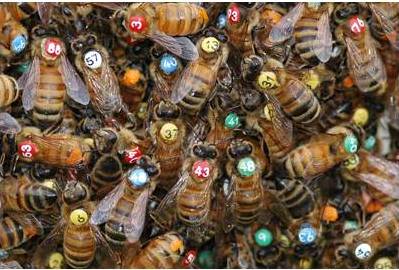
Bee swarm labeled for individual identification. Photo:Thomas Seeley

Cornell professor and chair of neurobiology and behavior Thomas Seeley has been fascinated with bees for much of his life. His new book Honeybee Democracy (Princeton University Press) steps way beyond entomology and apiculture by suggesting the swarming habits of Apis melllifera in decision making as “analogous to how the nervous system works in complex brains.”  Continue reading

Deep Ecology, American Roots: Part 2

My Part 1 post a couple days ago focused on George Perkins Marsh’s writings, and how they related to Arne Naess’ deep ecology. I closed with Marsh’s concluding comments in Man and Nature, which I’m including here:

In his final essay, “Nothing Small in Nature,” Marsh cautions that humans are never justified in assuming that their actions have no significant consequences just because they see no effects.  His advice—implicit in that the book ends after this point, with no structured summary or conclusion—is that people must look for, and then react properly (responsibly) to, the deleterious influence they can have on their environment.

But is this deep ecology?  Naess emphasizes the “equal right to live and blossom” of all organisms, allowing that in practice this principle of ecological egalitarianism cannot be fully carried out.  Marsh, when asked by his publisher whether or not man was a “part of nature,” replied that his beliefs could not be further from the idea that “man is a ‘part of nature’ or that his action is controlled by the laws of nature; in fact a leading spirit of the book is to enforce the opposite opinion, and to illustrate the fact that man… is a free moral agent working independently of nature.”   Continue reading

Our Gang, Thevara (#10)

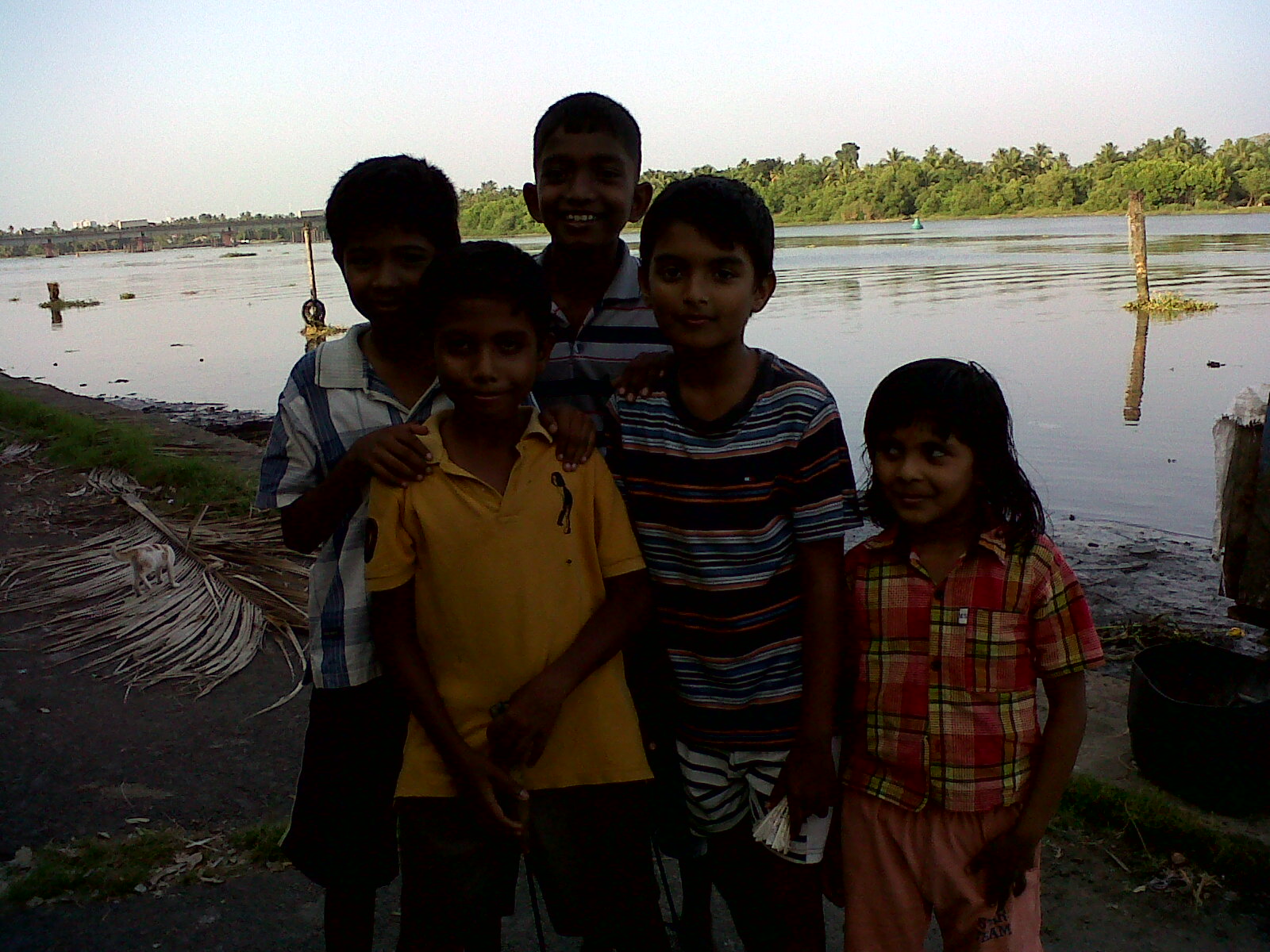
Two brothers and their neighbor buddy.  Thevara is one of our communities, part of Cochin (aka Kochi) and situated on the backwaters between the modern part of town and the older harbor sections of town called Fort Cochin and Mattancherry. Continue reading

The Periyar Tiger Reserve is famous for its elephant population. According to the 2010 Forest Department census, there are about 1279 wild elephants in the reserve. The world population of Asian elephants (Elephas maximus) is estimated to be around 60,000, about a tenth of the number of African elephants.

Continue reading

Elephants – Lord of the Jungle

Our Gang, Thevara (#9)

These youngsters are often to be found on a warm afternoon sitting in this exact spot, discussing something important in Malayalam; but ever polite, when a passerby of foreign appearance says hello, they break into English. Continue reading

Steer Clear

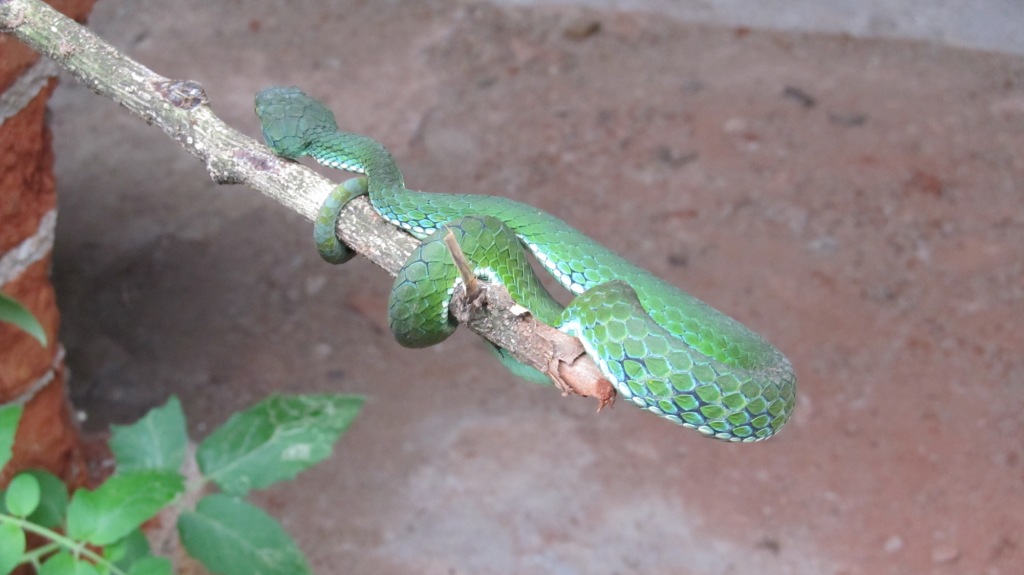
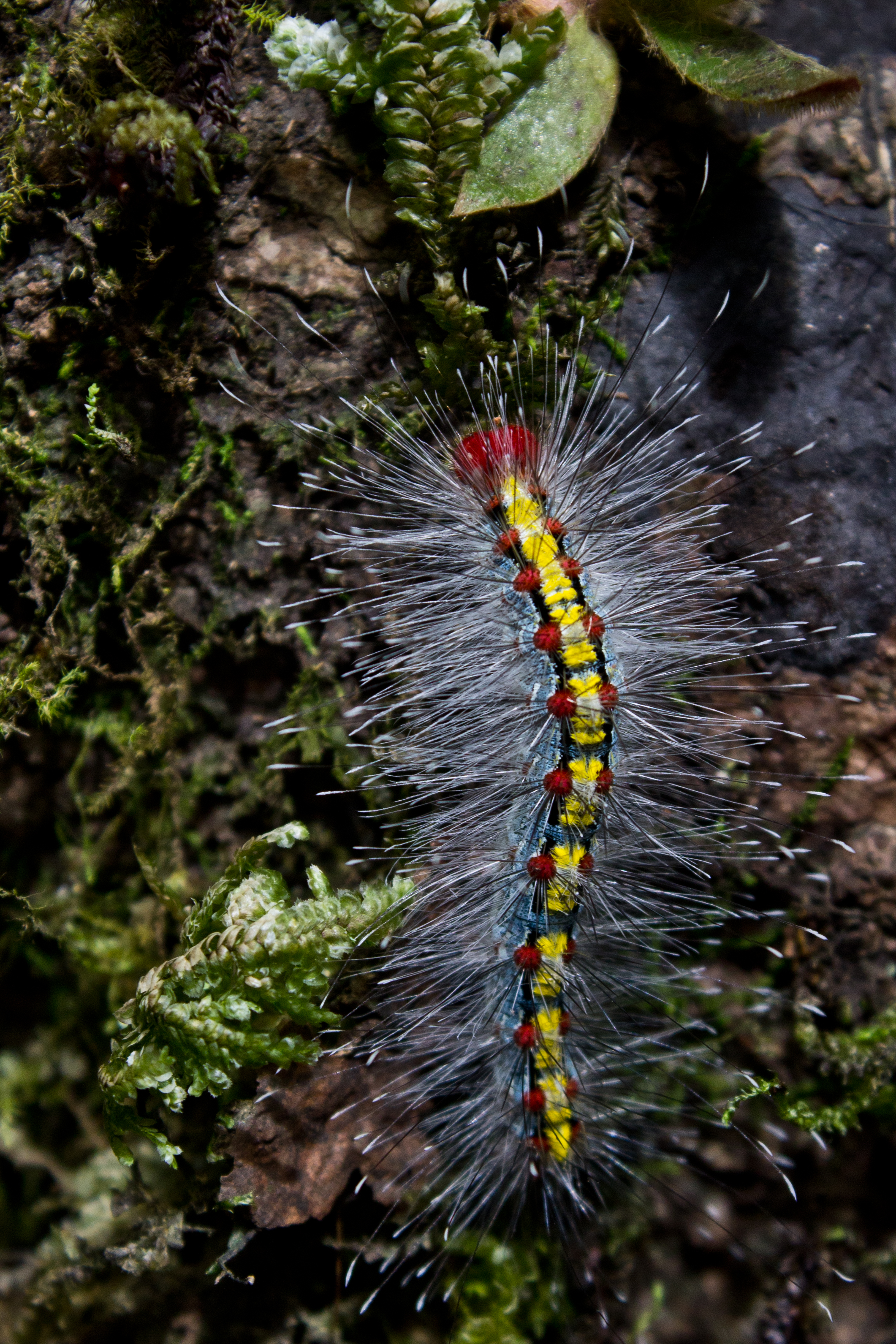
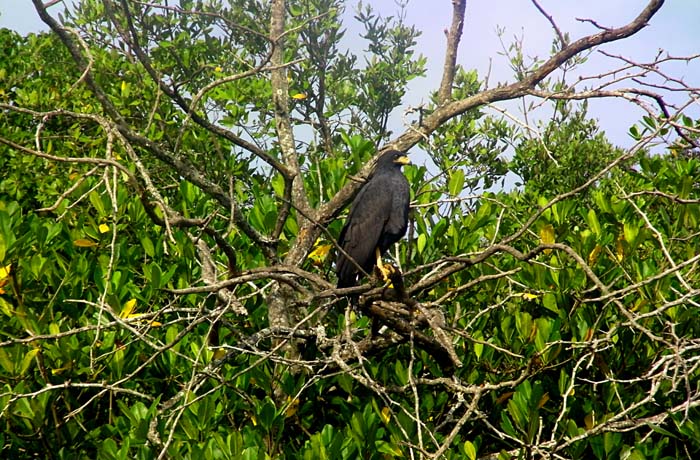
One of my uncles was visiting Kerala for a few days, and we did what we always do with VIP visitors: trekking together in the Periyar Reserve.  48 hours ago we were in the Gavi sector, and as always my attention was drawn as much to the charismatic micro-fauna as to their mega- counterparts.  In all the places where my family has lived and worked–North, Central and South America, Western and Eastern Europe, and now India–we have always been most impressed by interpretive naturalist guides that can make insects as interesting as primates, pachyderms or felines.

It is not easy, but it is possible.  So I am focusing alot of attention lately on small creatures like the one in the photograph above, hoping to unlock visually what these great guides do with words crafted into stories. Continue reading

Deep Ecology, American Roots: Part 1

Part 1: George Perkins Marsh
In 1973, the Norwegian scholar and philosopher Arne Naess published the article “The Shallow and the Deep, Long-Range Ecology Movement. A Summary” in Inquiry, an interdisciplinary journal he established to promote discourse in the social sciences and humanities.  This brief article contained the base for what Naess termed the ‘deep ecology’ philosophy, which has since grown into a powerful—albeit fringe—branch of environmentalism with influence around the world.  The radical ideology that Naess sparked has an especially large following in the United States, where several environmental groups have been inspired by the proposed ‘ecosophy,’ or philosophy of ecological equilibrium surpassing shallow goals.

The relative popularity of deep ecology may have a foundation in United States environmental literature, where the writings of George Perkins Marsh and Aldo Leopold, among others, have distinct similarities to Naess’ claims and proposals.

What, exactly, was ‘deep ecology’ when Naess first wrote of it?  In his original seven-point survey, he described it as a belief in ecologically responsible practices that include such varied principles as complexity, diversity, and egalitarianism; a normative priority system—a life-style—that supports an ethical and humble view toward the environment.   Continue reading

Water, Dams, Kerala & Tamil Nadu

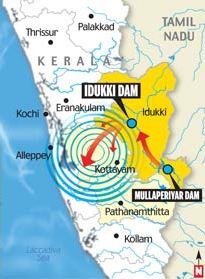
In the lovely monsoon season, one of our Contributors wrote about crossing the border from Kerala into Tamil Nadu.  The writing took the man from mars perspective: a South Korean observing two distinctly different cultures and landscapes within southern India, writing with a sense of wonder and backed up by great photographs.

Lately things are different.  Sung would not be able to make that same journey.  The politics of water–actually the politics of politics superimposed on the politics of water, or vice versa–seem to be the problem.  Another of our Contributors, writing seven weeks prior to Sung about the same cross-border excursion, hinted at the problem seen today, with martian prescience. Continue reading

Wordsmithing: Altruistic

We have made references to this word and its relatives on several occasions but as yet failed to formalize it.  According to the OED it is defined as:

1. Unselfishly concerned for or devoted to the welfare of others.

And, a bit of a surprise:

2.Animal Behavior. Of or pertaining to behavior by an animal that may be to its disadvantage but that benefits others of its kind, often its close relatives.

Continue reading