
Thekkady, Kerala
Thekkady, Kerala

As I begin putting myself in situations in which photographing people in their natural state is more possible, I’m finding that I not only become more comfortable doing so, but the quality of my photographs improves. The subject doesn’t always have to be smiling, or even friendly – my best portraits are the ones that express the authenticity of a subject’s disposition and emotion in a single frame. Asking a scowling subject to smile will usually result in a sheepish grin, or a reluctant curve upward of the lips that ends up radiating a general feel of puzzlement. Continue reading
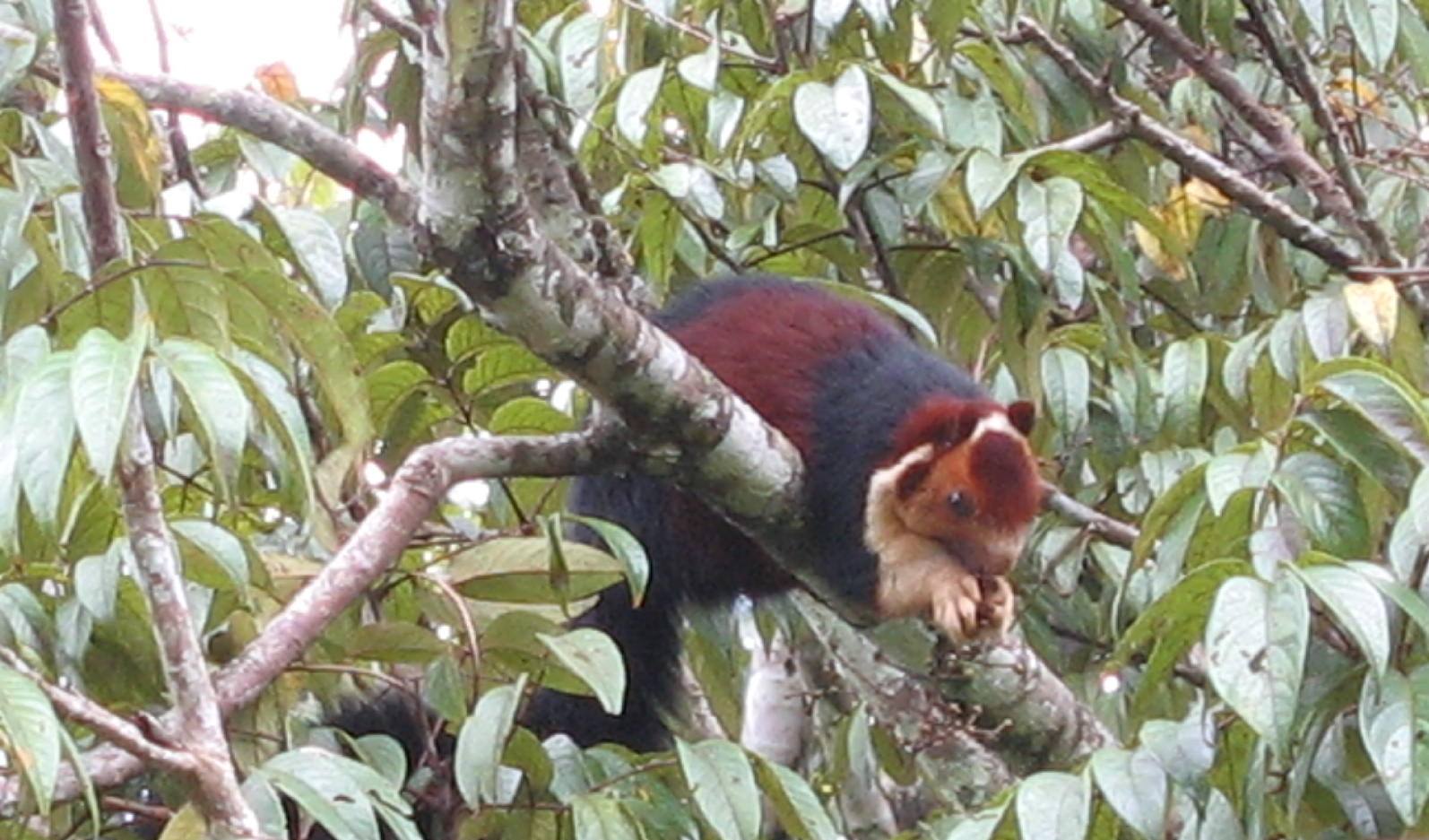
My friends and I usually head into the forest every now & then to bask in the sounds of the forest- the chirping birds, crickets, sounds, monkeys and always in the hope of sighting wild animals. And most of the time we hear the rattling calls of the Malabar Giant Squirrel but we rarely get to capture a photograph of the beautiful creature. Continue reading

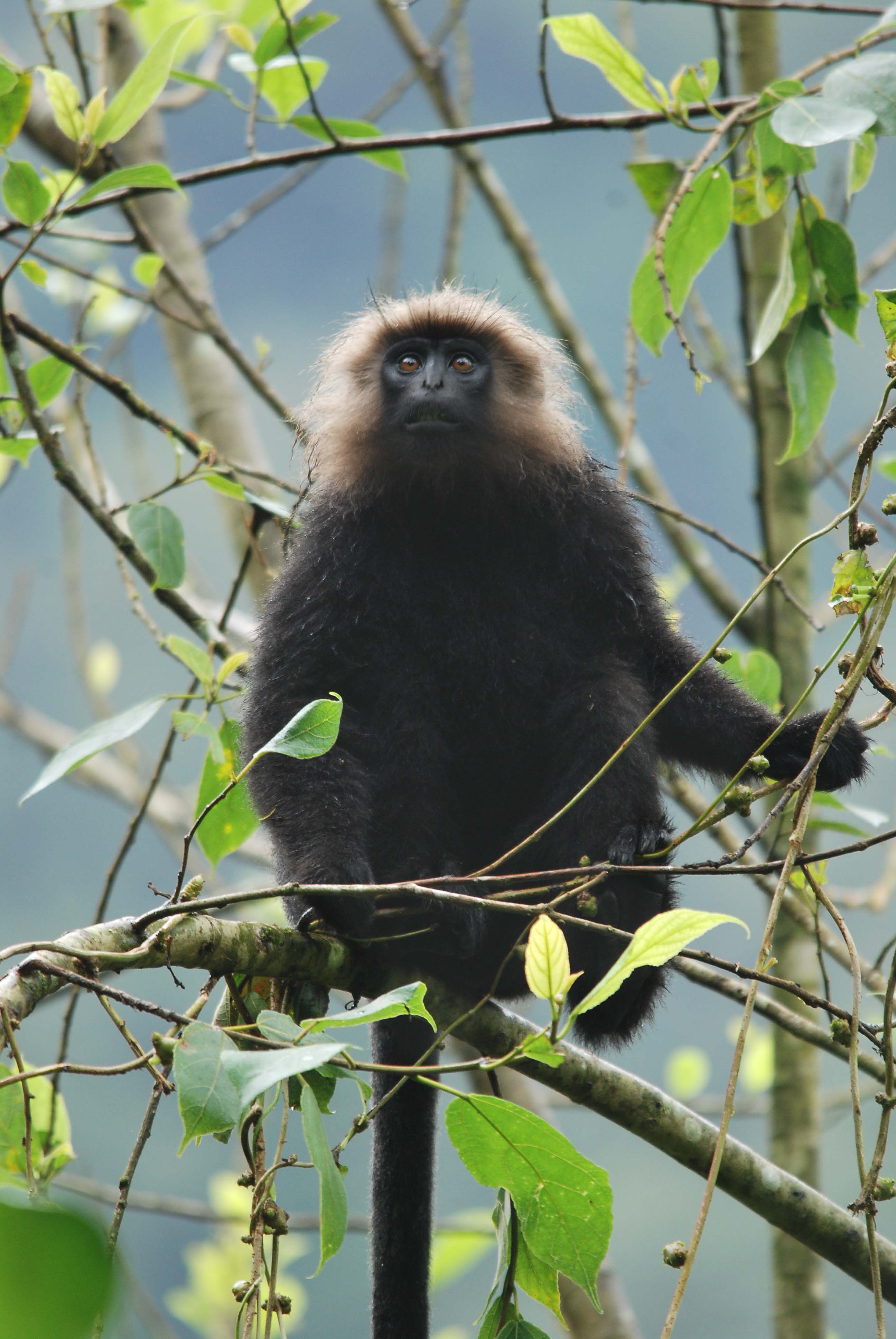
Photo: taken 2 months ago by Shahul -a visitor at the Periyar Park
Niligiri Langur (Trachypithecus johnii) is endemic to the rainforests in the Western Ghats and they are one of the more common sights in the Periyar Tiger Reserve.
 Here are some final thoughts following my discussion of the relationship between deep ecology and certain American figures:
Just as deep ecologists at heart may need to stay closeted to keep their public shallow ecology jobs, shallow ecology groups such as The Group of Ten must retain their traditional views in order to maintain government support and continue to receive public donations from massive bases. In the early 1980s alone, Sierra Club membership grew by 90%; as the mainstream groups grow, it makes sense that more radical splinters will form. Unlike traditional environmental groups, however, the fringe splinters are fairly flexible to fundamental changes in ideology. David Foreman eventually left Earth First!, thinking it had become too concerned with social justice issues when the group opened alliances with labor unions; he believed wilderness preservation had lost priority as the group’s mission. But was this shift in Earth First!’s goals one from deep to shallow ecology? This query presents issues inherent in social justice, which are far too vast to discuss here; the simplest answer, it seems, would depend greatly on whom the group was serving, and to what ends. Continue reading

It doesn’t take a gardener or horticulturalist to appreciate the beauty of an angiosperm’s blossom – whether a flower felled from dozens of meters above splayed on the ground; a gorgeous splash of color on the forest floor, or purple puffs of perfectly formed pollination mechanisms overlooking the steep slopes of the Western Ghats – Kerala is a bouquet of stunning wildflowers. Continue reading
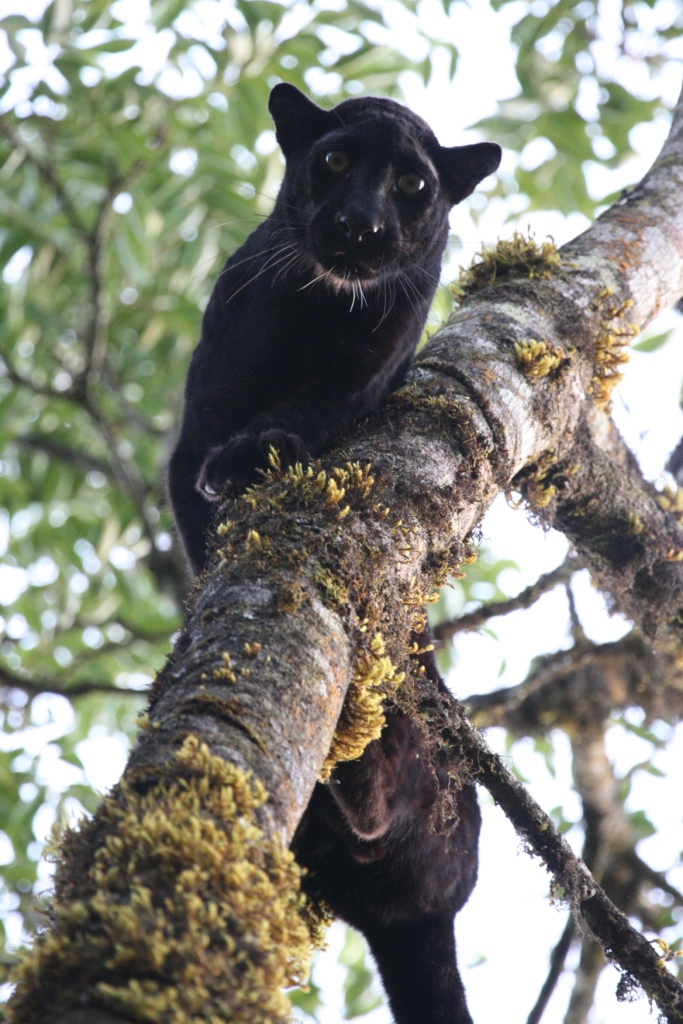
These photos were taken by one of our guests at Gavi, the western section of Periyar Tiger Reserve
Black Leopard (panther pardus)
Western travelers to Kerala at first can be startled by the frequent use of this word, which has been replaced by the word indigenous in other parts of the world, but whose noun form has special mention in OED:
A member of a tribal community (usu. in pl.). Chiefly Indian English.
1958 New India: Progress through Democracy iii. vi. 378 Illiteracy is almost universal among tribal peoples.‥ Tribals are being trained as teachers.
1964 Economist 18 Apr. 261/1 More are arriving daily, among them Christian and Buddhist tribals.
1979 South China Morning Post (Hong Kong) 28 Dec. 3/1 Teams of mountain tribals are to join the search for three Singapore Air Force Skyhawks which disappeared over the northern Philippines eight days ago.
The word has no “tone” to it, at least not perceptible to foreigners living in Kerala. Continue reading

Playa Ocotal, Nicaragua
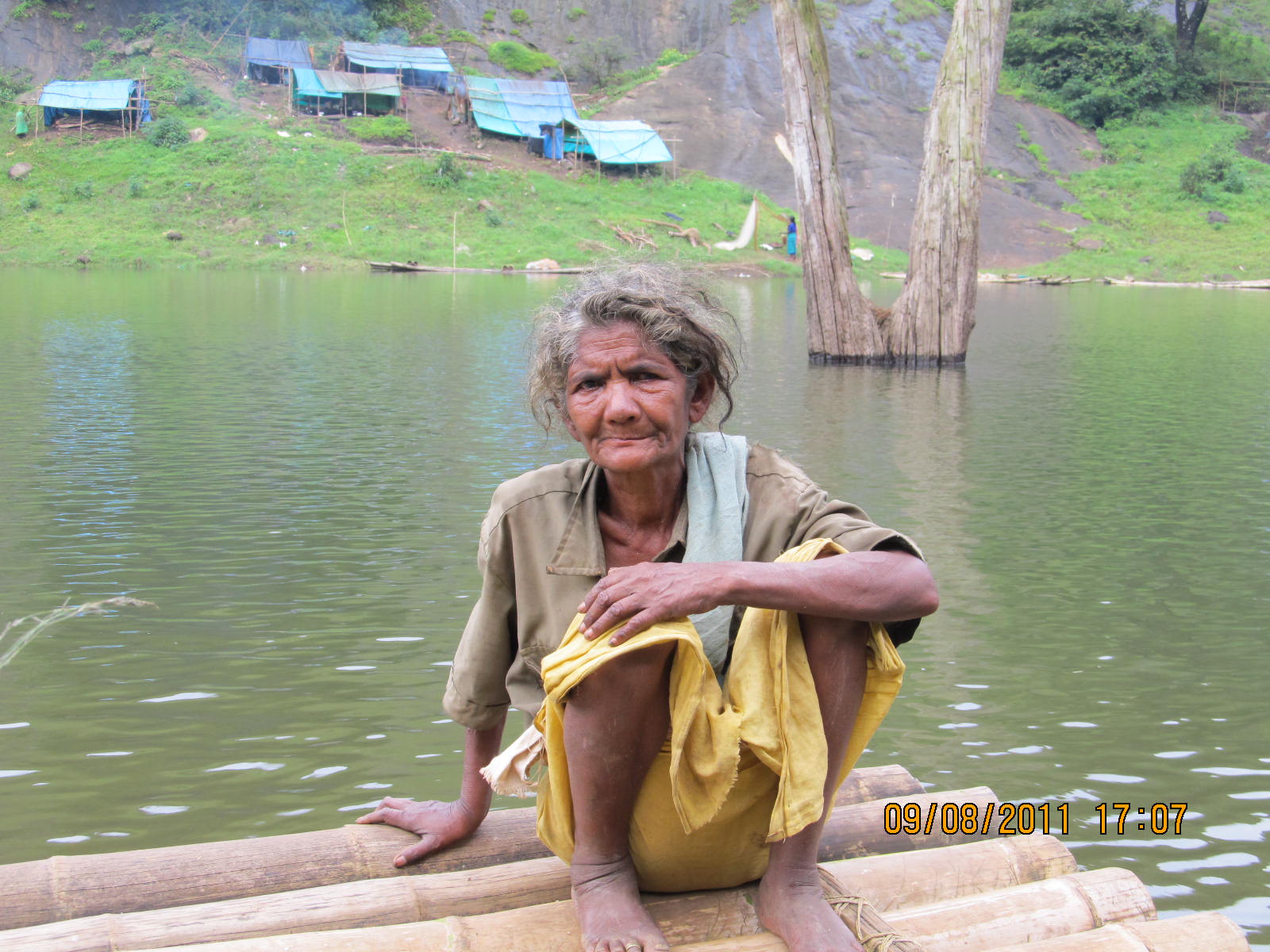
Photo:Kannan
Since my childhood, I used to visit the forest and the tribal people frequently along with my father who had leased forest plantation land (Cardamom estate at mlapara, eastern region of periyar) at that time. Even now we continue to trek inside the forest along with tribal peoples and tribal trekkers.
Periyar has four different types of tribal communities, among them the Mannan community is the most prominent. They are the aboriginals of Periyar, about 350 Mannan families are living in and around Periyar. The Mannan community mainly inhabits Kumily Panchayat in Idukki district though their dwellings are also seen at Azhuha, Devikulam and Idukki block panchayats. The tribe has unique customs and rituals.
 I left off my Part 2 post with the claim that environmental groups adopted a shallower ecology as they became more mainstream. I will continue to discuss this below, and focus on a more radical fringe environmental group.
With wider supporter bases, the largest and most influential organizations—The Group of Ten—tended toward demureness while working with the US government, which in many cases meant acceding to the demands of corporations; none of the Ten showed up to protest the controversial dumping of toxic PCBs in Afton, North Carolina. When The Group of Ten began to cooperate with (or behave more pragmatically towards) extractive industries, generally the more lucrative variety, many activists found themselves looking for more adversarial policies, and abandoned their positions for more “active” ones. Many of these people may have considered themselves liberal members of the environmental groups before, but given the dynamics of mainstream discourse, the splinter groups became much more radical. Here are some examples of frustrated people leaving mainstream groups: David Brower was fired from the Sierra Club and ended up forming Friends of the Earth and two other grassroots organizations; David Foreman quit his job at the Wilderness Society and co-founded Earth First!; Rick Sutherland declared the Sierra Club Legal Defense Fund independent of the Sierra Club to litigate more freely in the name of the environment.
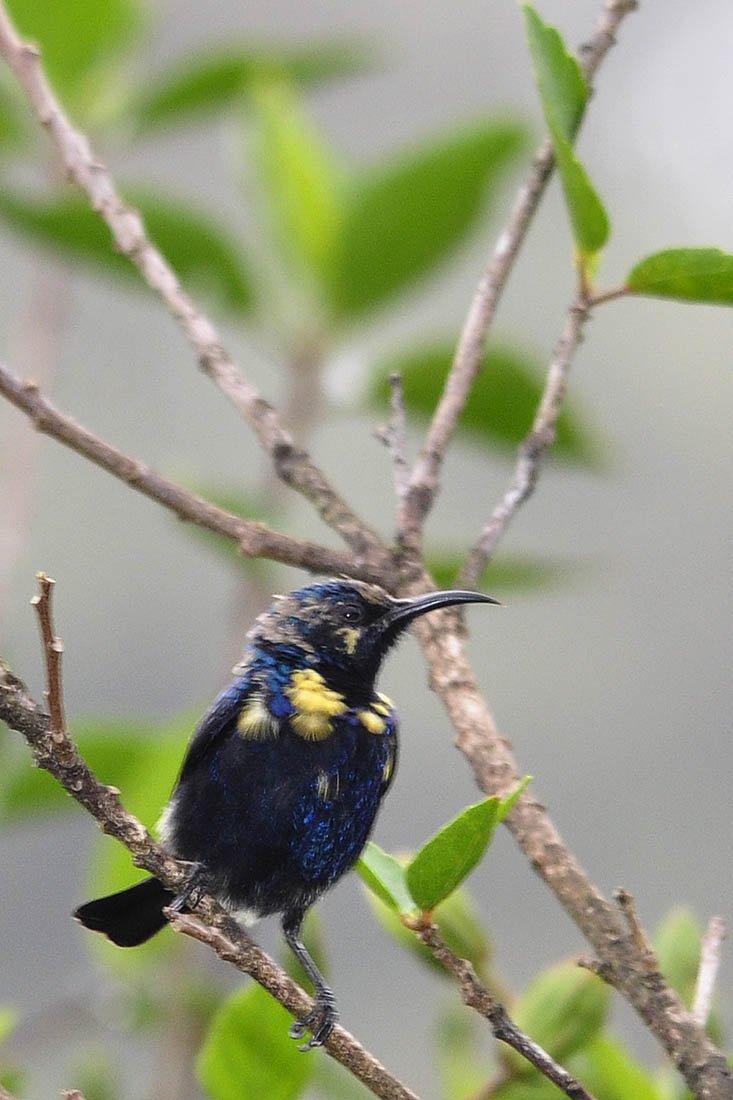
Gavi, Kerala
Guest Author: Denzel Johnson

Ecuador today doesn’t seem to have industries that might make you think it could be a strong world contender, especially when it comes to foods. Little known to the outside world though, is the small village of Salinas de Guaranda which sits several hours south from the capital Quito. Salinas used to be one of Ecuador’s small mining villages but today represent a booming industry which began due to community run initiatives that are now templates for other parts of Ecuador.

My time in Salinas was unplanned, suggested by some professors at one of Quito’s top Universities, USFQ. Continue reading
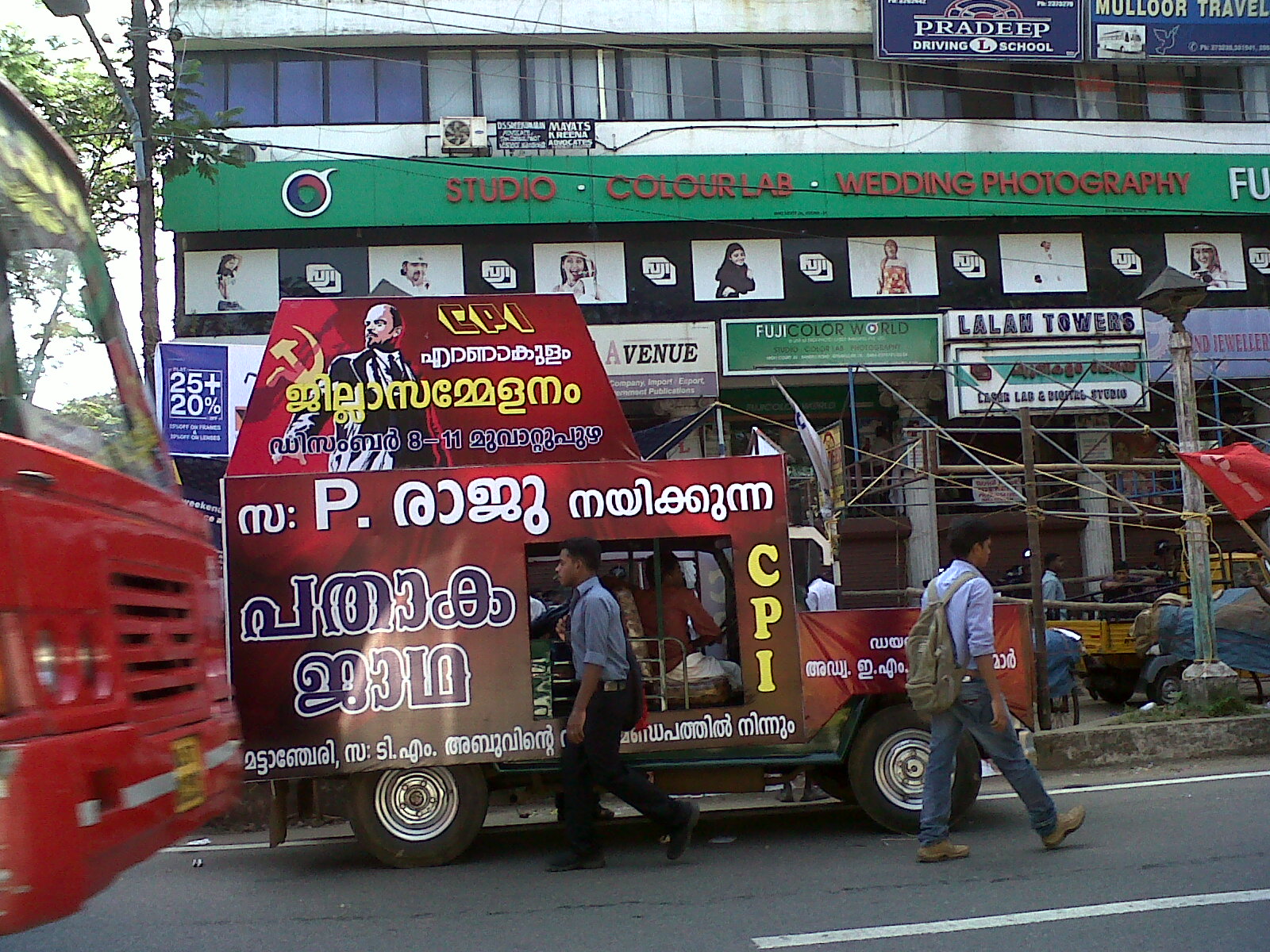
In the world’s largest democracy, there are a diversity of ideologies that would make any other democracy blush in modesty. Today, on the streets of Cochin, you could have had a very small sense of that. Continue reading

As mentioned before, most organisms a link or two down on the food chain rely on at least one defense mechanism to survive. Remaining unseen, looking toxic, and tooth-shattering carapaces are all relatively common on all fronts. The crab pictured above, photographed on Aswem Beach in Goa, relies on the first option – besides measuring under an inch across, it camouflages exceptionally well into the sand it scuttles across – and when feels threatened, dashes into hastily excavated boltholes. Continue reading

SAMBAR DEER (Cervus unicolor) are found inhabiting mainly damp woodland environments, like marshes and swamps. In Periyar we have thousands of sambar deer, which is the favourite prey for Wild Dogs, Leopards and Tigers. Whenever they perceive danger, they start giving a repetitive honking alarm call.
Guest Author: Nicole Kravec
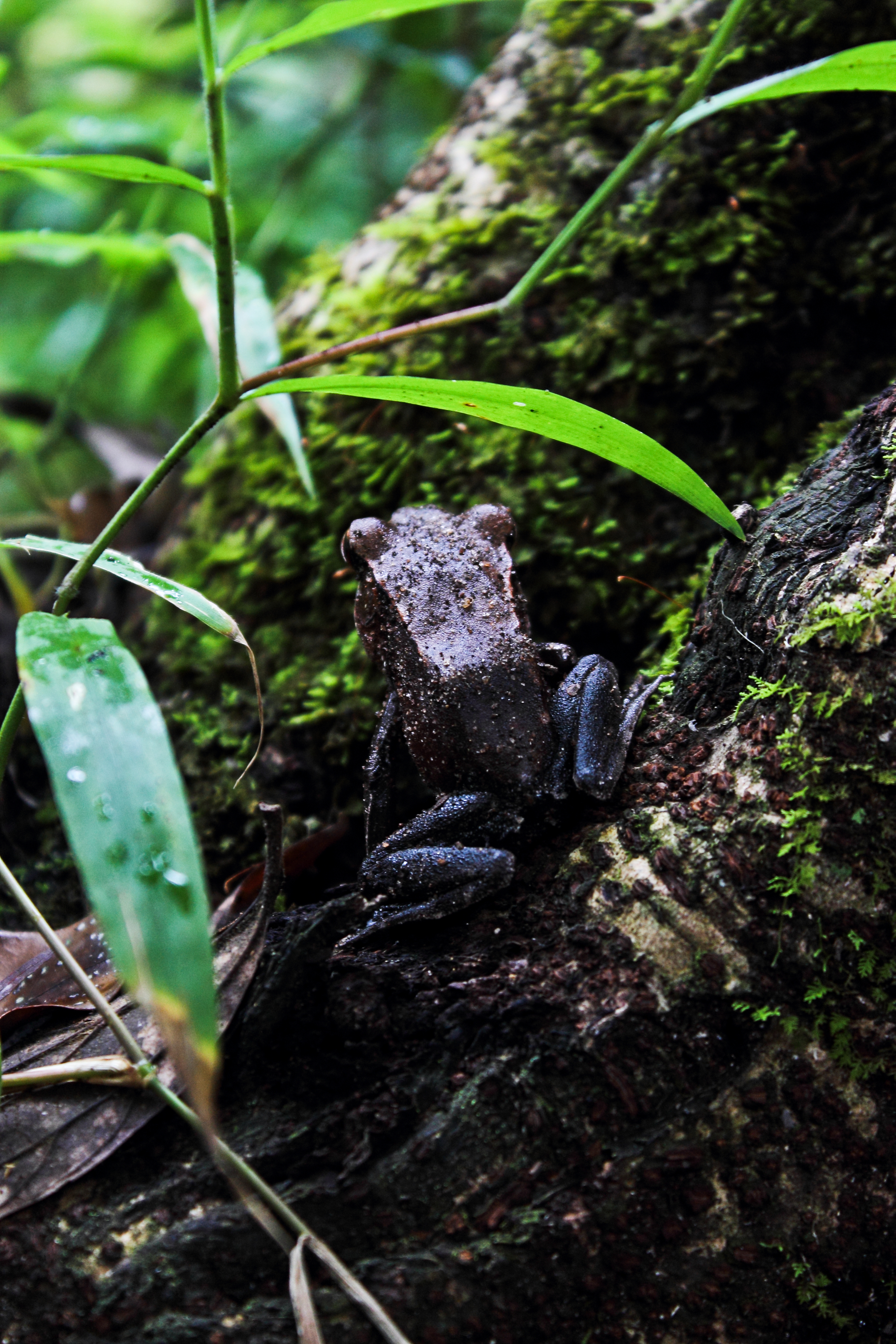
Photo: Milo Inman
The thought of academic expeditions, leeches and Asia brings a smile to my face. I just read a thought-provoking (and pun filled) article in The Economist about conservation in India with a froggy focus.
The article focuses on Mr. Sathyabhama Biju Das’ amphibian affinity and makes the overall point tha while growth damages the environment, it also nurtures a countervailing force: rising green consciousness. Continue reading

 Organikos