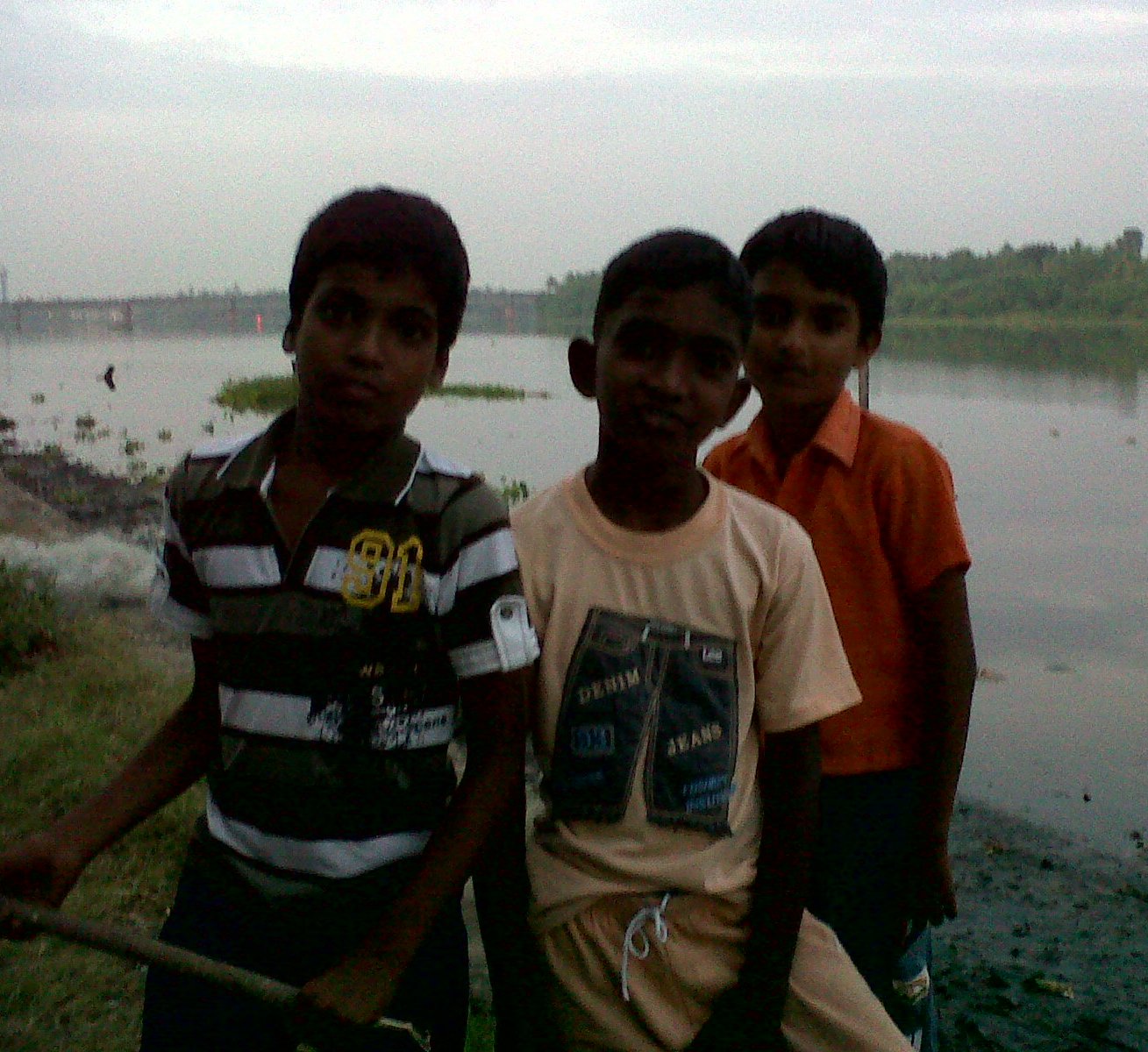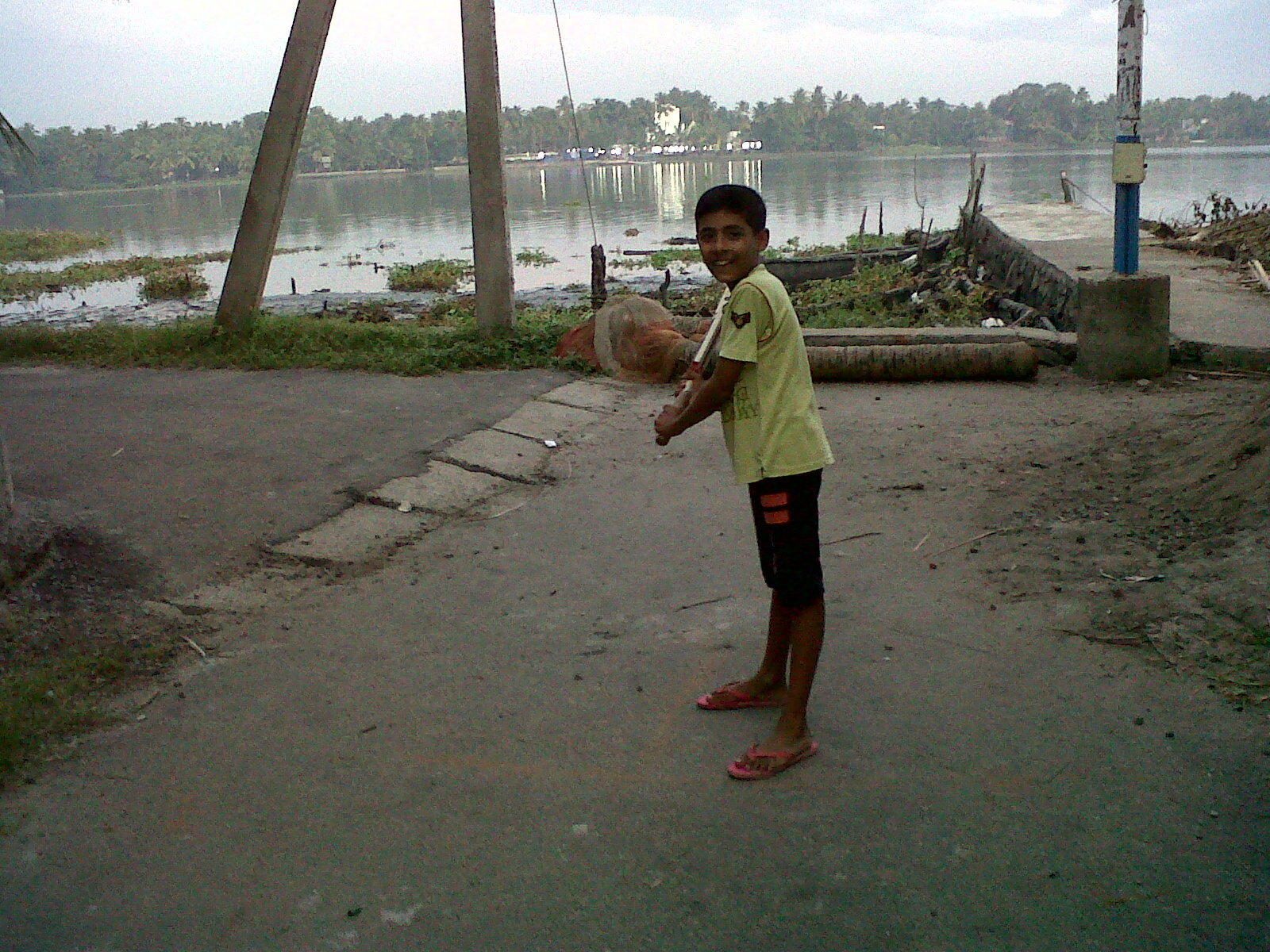
The stance is familiar to anyone of North American, Cuban, Central American or Venezuelan heritage. But it is not what it first might seem to anyone from those places. An anglophile, indophile, or carribophile will immediately recognize the bat our neighborhood friend is gripping. On any given day, on any given street in the country that currently holds the trophy as world champions in cricket, you are likely to see something like this. Continue reading
Inside, Thinking: The Box
Something must be in the air with boxes, because we keep noticing them in stop motion. For anyone who stares down a blank page from time to time, this one is a winner. Continue reading
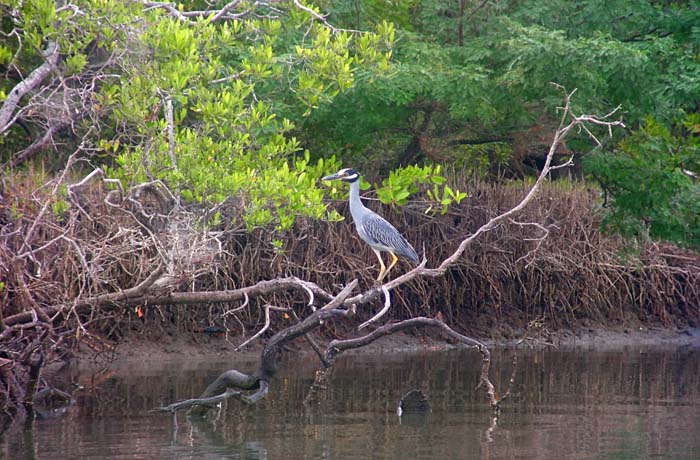
Bird of the Day: Yellow-crowned Night-Heron
Our Gang, Thevara (#5)
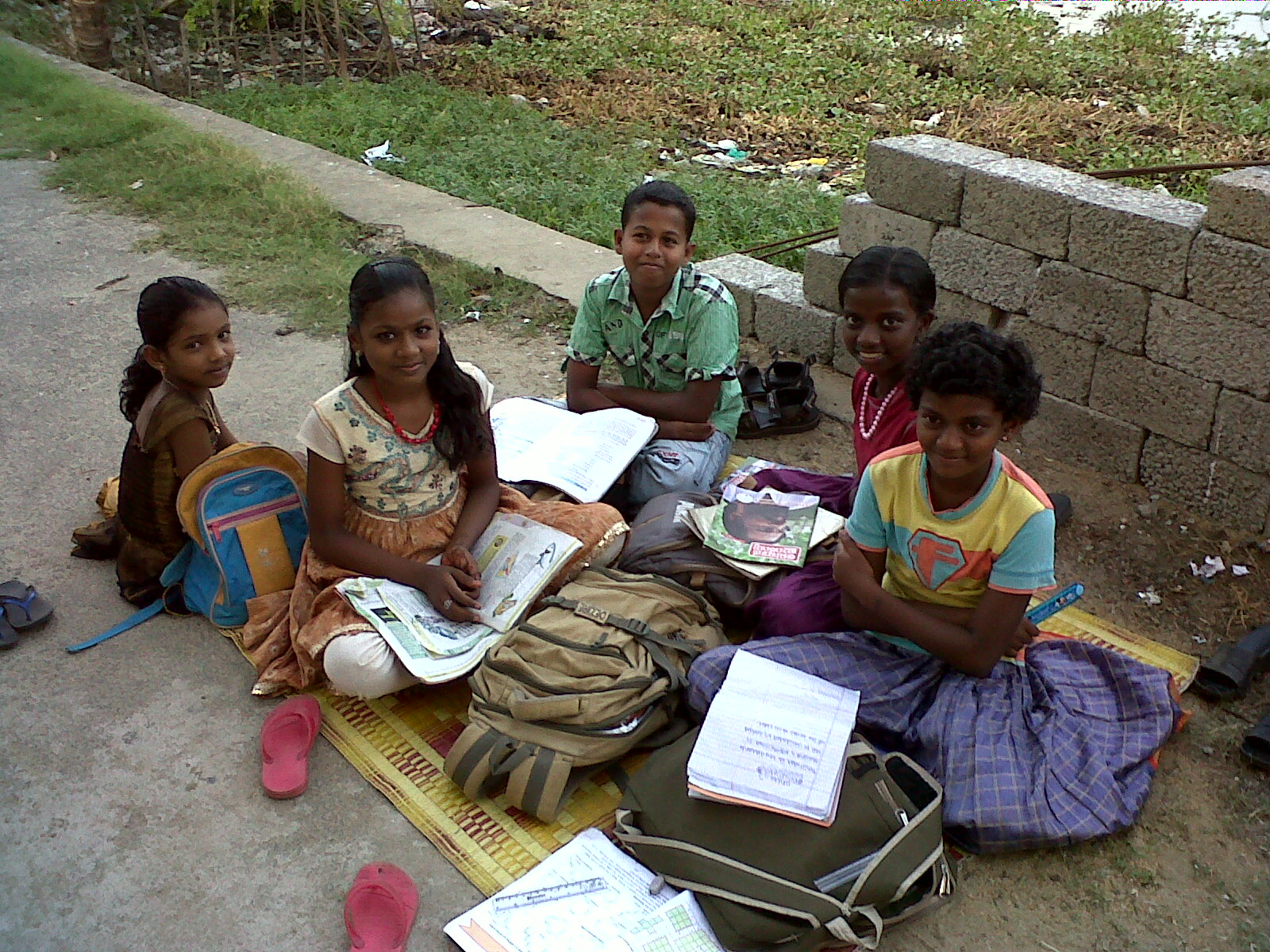
Those not roaming or sifting, waiting for school or playing cricket, are often sitting right here in the late afternoon. Their instructor is nearby, always happy to have a passerby speak English to her tutorial group. And they are always eager to showcase their favorite phrases. Continue reading
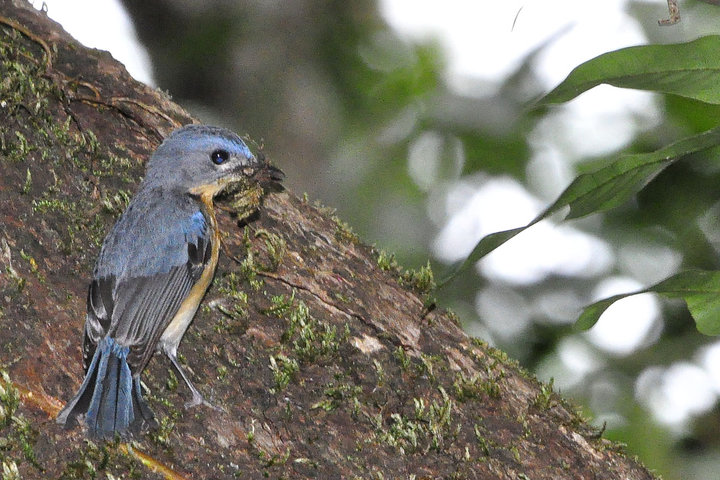
Bird of the Day: Tickell’s Blue Flycatcher (Thekkady, India)
Bidding For Good. Really?
Our Gang, Thevara (#4)
Sometimes they are roaming on bikes, other times sifting through the nets of the neighborhood fishermen at dusk, the boys in our ‘hood are always looking for a portrait. Continue reading
The Heavy Hand’s Awesome Grip
What can be done to reduce hypoxia?

Although reducing fertilizer use is the most cost effective method of ameliorating hypoxia in the Gulf of Mexico, the reductions necessary are too difficult and expensive to implement; the massive agribusiness establishment of wheat, soy, and especially corn is not easily confronted. So conservation and restoration of wetlands, or creation of any other form of buffer zone, is one of the better alternatives.
Buffer zones can filter between 50 and 90 percent of nitrogen and phosphorous from runoff; riparian buffers, filter strips, grassed waterways, and contour grass strips are practices eligible for the Conservation Reserve Program that also prevent nutrient runoff. The Conservation Reserve Program, or CRP, is Continue reading
Brave New Worlds
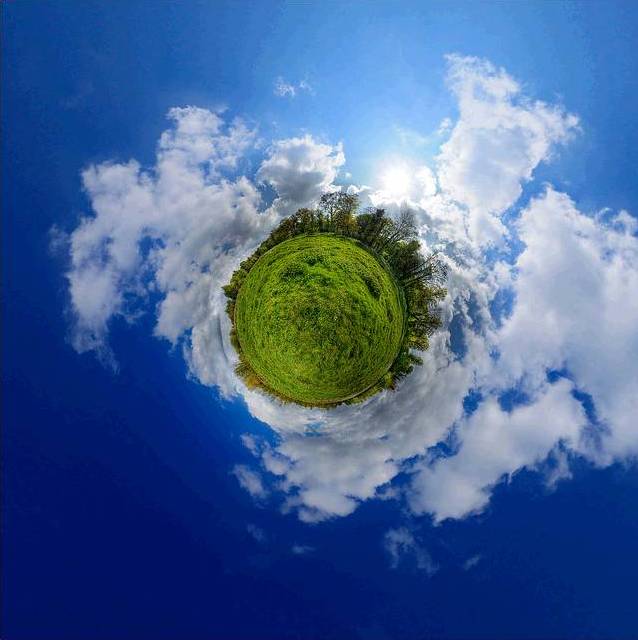
Rob Whitworth, Whitlingham Meadow
O brave new world, That has such people in’t!
William Shakespeare, The Tempest, Act V, scene I
How To Volunteer In Costa Rica
Ok, finally I will start from the beginning.
I study French and Spanish at the University of Edinburgh, and as such, I have to spend my Junior Honours year abroad: one semester in a Spanish-speaking country and one in a French-speaking country. Ever the romantic, I chose Costa Rica, with its rainforests and volcanoes, earthquakes and hurricanes, democracy and peace. There is no Costa Rican army. And they all say ‘Pura Vida’, all the time.
I'd say 'Pura Vida' all the time if I lived here too.
A Complex Region Through A Thoughtful Lens
The newspaper, back in its paper days (1908-2008), was always excellent. As a web resource, we are glad it has found firmer footing. And some stories and contributors make its Latin America coverage particularly worth watching. Continue reading
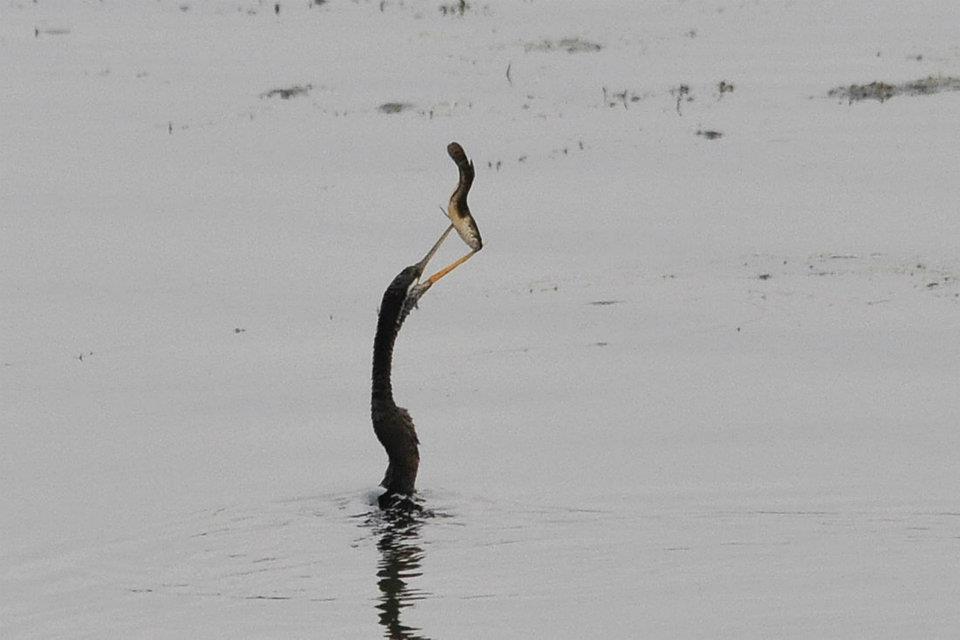
Bird of the Day: Darter with fish (Vaduvur Lake, India)
We Are Not The Only Ones
Normally we are watching for them in Thekkady or at the orphanage. But they are elsewhere also. In Munnar, where there are both tea estates and plenty of forest, elephants are always lingering.
Urban Deterioration
You see them everywhere you go in India: buildings crumbling, their bricks and mortar moldering and turning to dust over the decades. Paint peels, debris accumulates, industrious plants creep surreptitiously along the gritty terrain until before you know it, a small forest occupies the ruins where Uncle Kumar’s tea shop once stood. But that’s urban decay. I like to call the process itself urban deterioration – the point at which the elements’ progress is visible, and still reversible, but steadily inching towards, for all intents and purposes, the end of a small bit of civilization.
Our Gang, Thevara (#3)

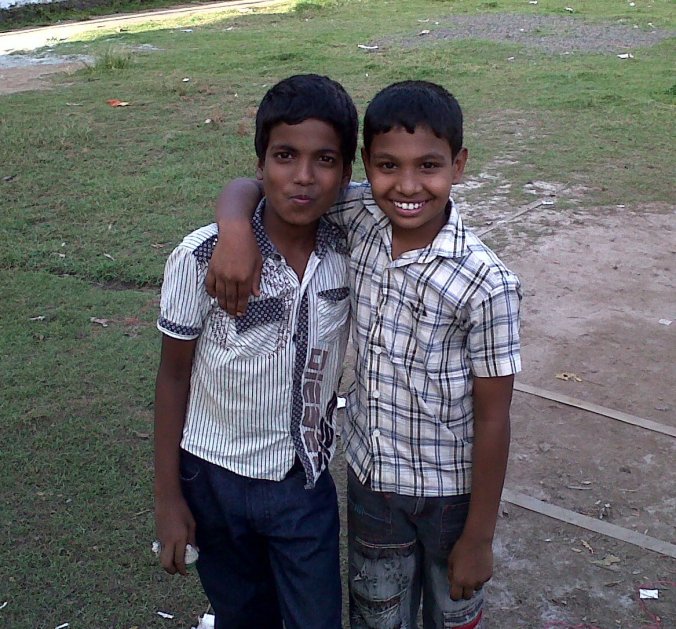
In more than one earlier post, we might have given the impression that every young person in our neighborhood seems to smile all the time. Not necessarily so, though most do. But for certain when they see someone they do not recognize, they will definitely say hello.
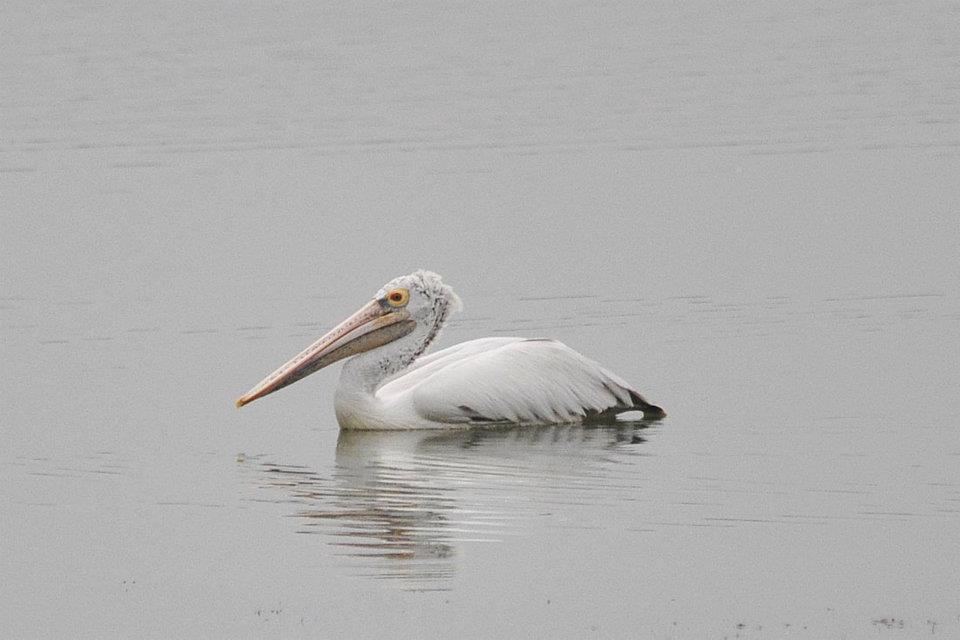
Bird of the Day: Spot-billed Pelican (Vaduvur Lake, India)
Snow Angels
It says a lot when a children’s book reaches the “ripe old” age of 50 while still remaining universally popular. The Snowy Day by Ezra Jack Keats is such a one. Winner of the Caldecott Medal for the year’s most distinguished American picture book, the title was ground breaking despite its simplicity. Through the use of colorful, textured illustrations and an unaffected story line, the book “changed the face of children’s books” by featuring a little black boy in a manner neither condescending nor provocative; He was merely a little boy. Continue reading
Scarlet Basker, Revisited
In my previous post about this species, I gave a very brief description of its physiological features. Urothemis signata is indeed called the Scarlet Basker because of the mature male’s coloration, although the young male and female are quite similar, and therefore difficult to differentiate. The difference (prior to maturity) between the two, as far as I can tell, is that the female’s abdomen has somewhat more extensive black markings, becoming almost ringlike, whereas the male’s markings are more like patches.
Although it is very possible that there were mature males flying about the area in which I photographed this specimen (there were probably 6 or 7 immature ones about), it would be almost impossible to tell because Continue reading
Water Resources
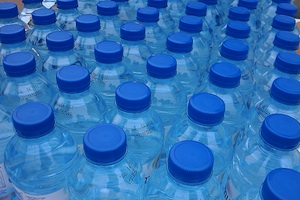
We are in constant search mode for methods to reduce the use of plastics in India. Plastic water bottles are the big frontier to conquer for resorts–no matter how “green” they may otherwise be–in particular. Travelers are educated from so many sources–guidebooks, travel agents, government advisories, etc.–to demand sealed plastic water bottles (or else not drink from any other source). Continue reading
“Work from Home”

There are countless number of individuals (myself including) who might easily punch these key words on Google search in the fervent hope of finding a solution to earning a legitimate income. And in return one may find many a solution but none that are particularly practical. There are many of these ads which range from data entry, to doing surveys, making online submissions…the list seems to be endless.
Last Saturday I was fortunate enough to participate in a workshop conducted by Diwia Thomas who is the organizer of PaperTrail – a not-for-profit organisation that makes newspaper bags and paper products from donated newspaper, ensuring a livelihood for women from all backgrounds. Continue reading