God’s Cow

Today I saw something very odd: dozens of ladybugs crawling along the top of a recycling bin. Some were the dark red that we normally associate with ladybugs, while others were a pale orange verging on yellow. Strange looking half-formed ladybugs, seemingly crouched in tight balls, adhered themselves along the surface as well. In the midst of it all swarmed long, fat black bugs with orange spotting along their backs. What was going on here? And what was this panoply of ladybug life occurring on a recycling bin in the middle of a college campus?
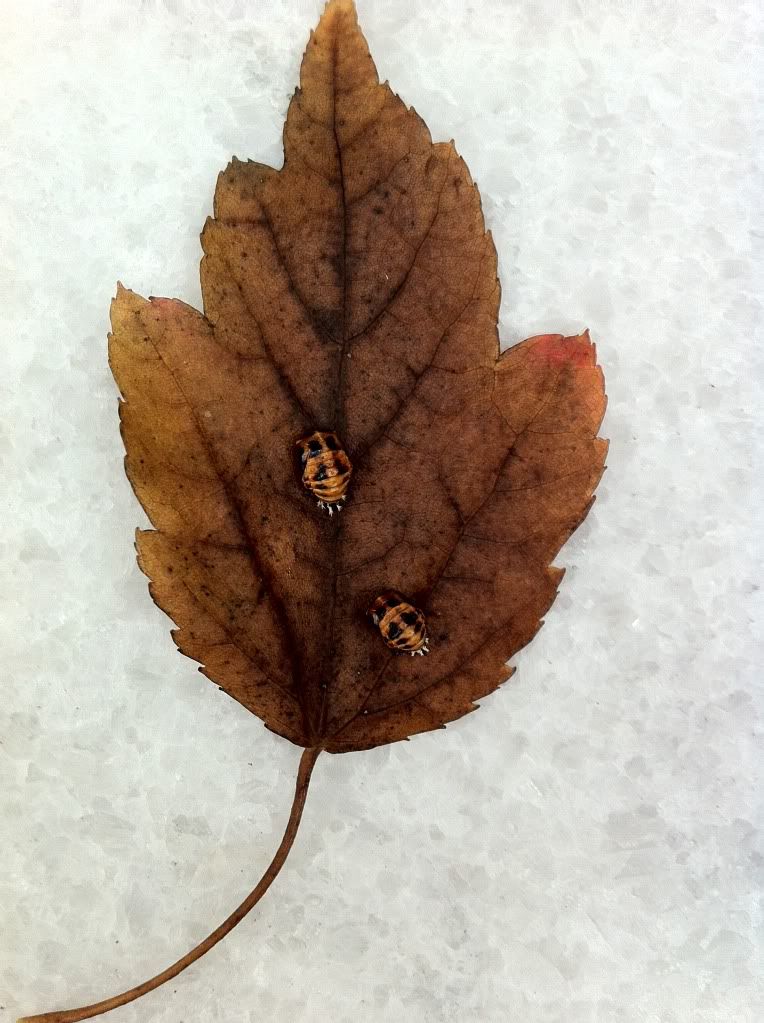
Two ladybug pupae

When I afterwards looked up ladybugs, I found that I had actually witnessed something pretty cool: the full life cycle of Coccinellidae, known as the ‘ladybug’ in America but the ‘ladybird’ elsewhere in the world. It’s also known as ‘God’s cow,’ the ‘ladyclock,’ or the ‘lady fly.’ There are over five thousand species worldwide, but the name ‘ladybug’ is perhaps most readily synonymous with the image of a small, round red bug with black spots.

The ladybug, as I had seen, has four distinct phases in its life cycle. The life of the ladybug begins in an egg; small clutches hatch after three or four days at which point the larval form of the bug emerges. It may molt three to four times over a period of about twelve days before pupation (i.e., the beetle creates a pupa). Continue reading

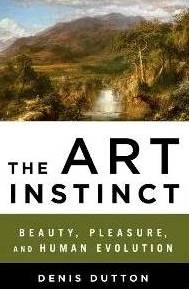
“Taste”: Naturally Selected

The arts in all their glory are no more remote from the evolved features of the human mind and personality than an oak is remote from the soil and subterranean waters that nurture and sustain it. The evolution of Homo sapiens in the past million years is not just a history of how we came to have acute color vision, a taste for sweets, and an upright gait.  It is also a story of how we became a species obsessed with creating artistic experiences with which to amuse, shock, titillate, and enrapture ourselves, from children’s games to the quartets of Beethoven, from firelit caves to the continuous worldwide glow of television screens.

—Denis Dutton

The late philosophy professor, editor, writer (and occasional provocateur) Denis Dutton spent a great deal of his professional life closing the gap between art and science. Continue reading

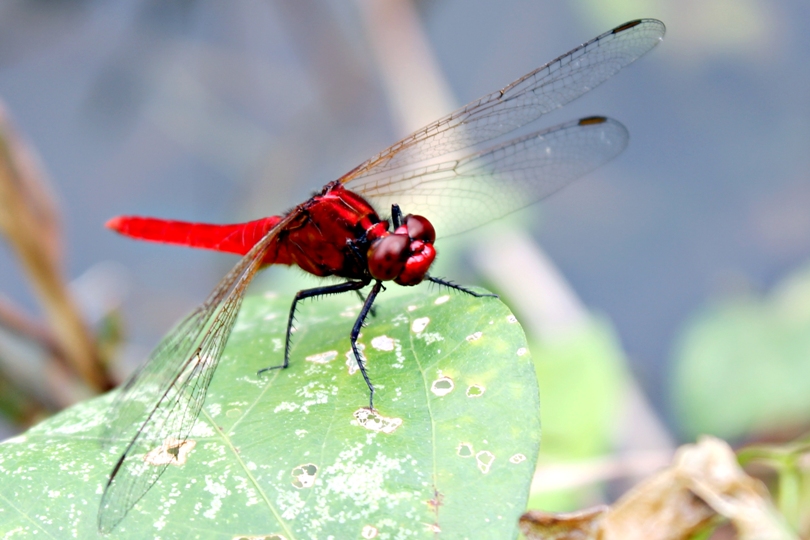
Rubytailed Hawklet

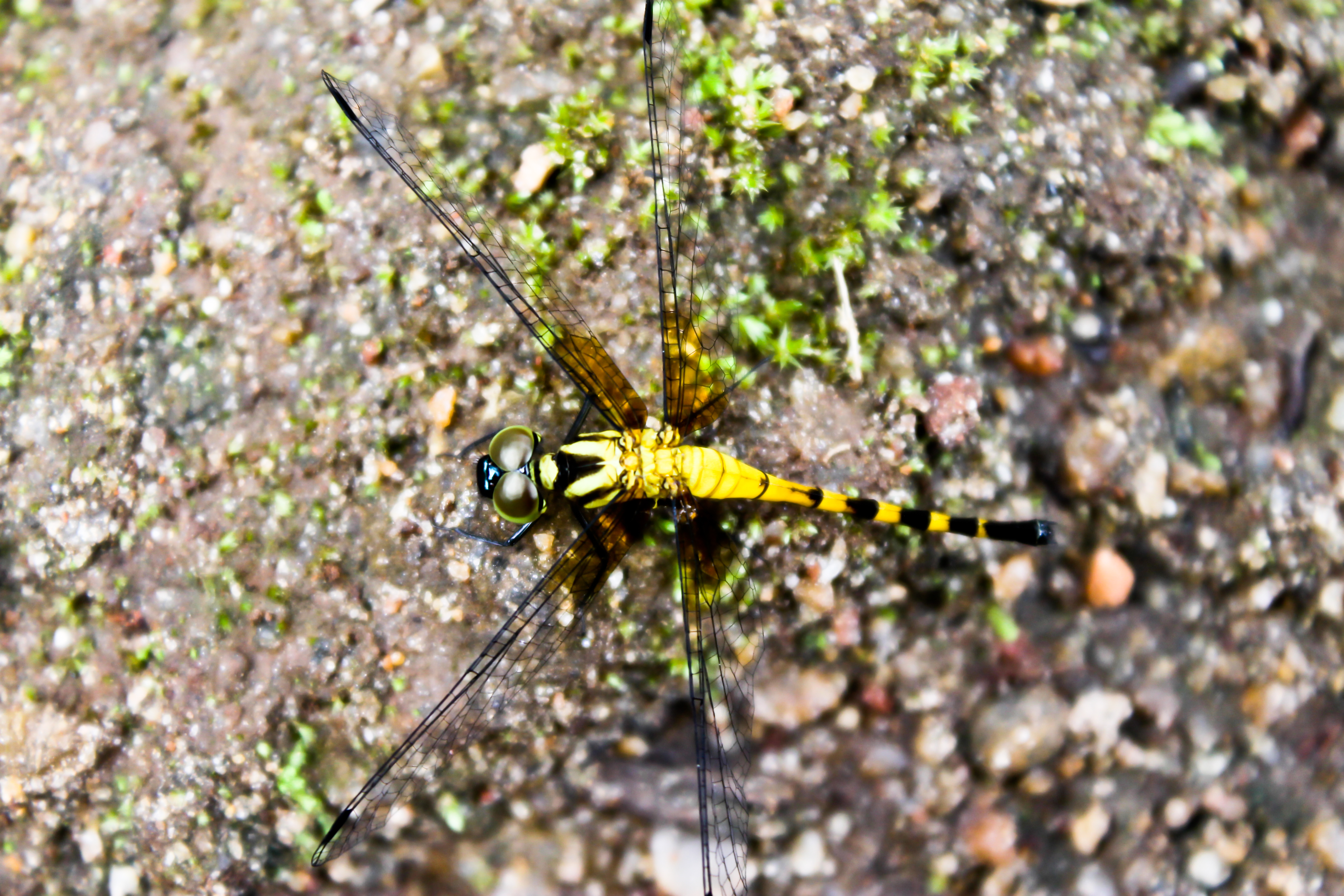
Another stark contrast between male and female specimens, Epithemis mariae is a small species of dragonfly found in and out of the Western Ghats. The female pictured above was sighted in the organic garden of Cardamom County, and the male pictured below  Continue reading

Another Friedman Keeper

This quote may not be clear without the context, so read the full story here.  But following my previous mention of its author I was pleased to see that he is still writing from India, and I am most interested in this snippet because it captures a general point beyond the specific innovation he describes in the full article.

That conversation is the sound of history changing.

And not just for India. We’re at the start of a nonlinear move in innovation thanks to the hyperconnecting of the world — through social media, mobile/wireless devices and cloud computing — which is putting cheap innovation devices into the hands of so many more people, enabling them to collaborate on invention in so many new ways.

Continue reading

Onward To Osa

The transfer from Manuel Antonio to San Jose was a short one. During the one evening in San Jose, I visited a huge shopping center, called Multiplaza. I lost my rain jacket somewhere in Costa Rica, so I needed a replacement. This shopping center could be anywhere in the world, it looks and feels like its counterparts in the US, Switzerland or even Russia. All the global and expensive brands are there, they even had an Audi and a Swatch shop.

Early next morning I took a bus to the airport, where I boarded a 12 seat Cessna to fly to the Osa Peninsula. It was a nice flight in that small aircraft, and for once I could observe the pilots doing their job.  Continue reading

When Rhinos Fly…

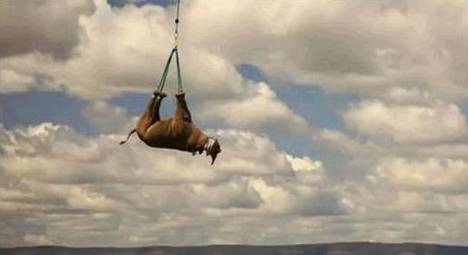
It’s a staggering realization that something that tips a scale upwards of 2 tons, can run up to 40 mph and appears as powerful as ordnance is considered vulnerable in any way.  Yet the confirmation that the Black Rhinoceros is officially extinct in West Africa says just that.

Continue reading

Occupy National Parks, Boycott Coca Cola

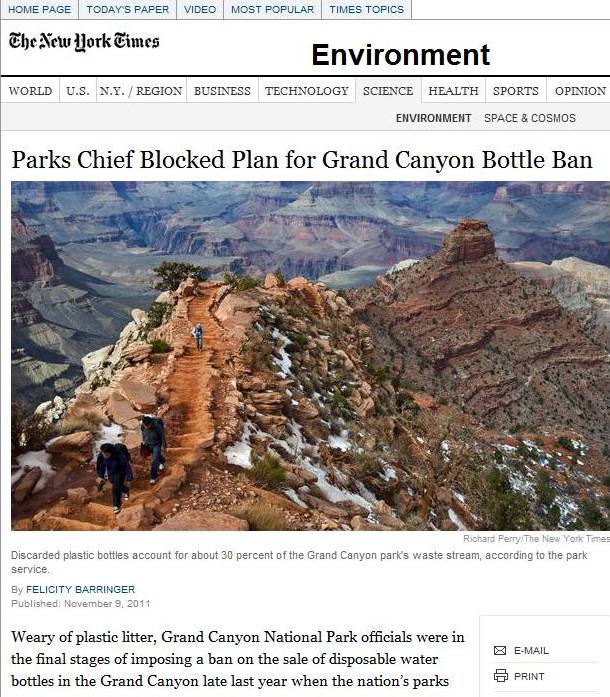
Did you read this?  If so, how many times did you say out loud, as I did no less than 14 times: really, Coca Cola?  Here is one example, among many, of a disturbing perspective:

A spokeswoman for Coca-Cola Refreshments USA, Susan Stribling, said … “Banning anything is never the right answer,” she said. “If you do that, you don’t necessarily address the problem.” She also characterized the bottle ban as limiting personal choice. “You’re not allowing people to decide what they want to eat and drink and consume,” she said.

Is this really about something as sacred as liberty?  No.  One of the greatest ideas of all time (the one about certain unalienable rights) is being invoked for purely commercial interests, and that is disturbing enough.  Continue reading

In Conservation, Mystery

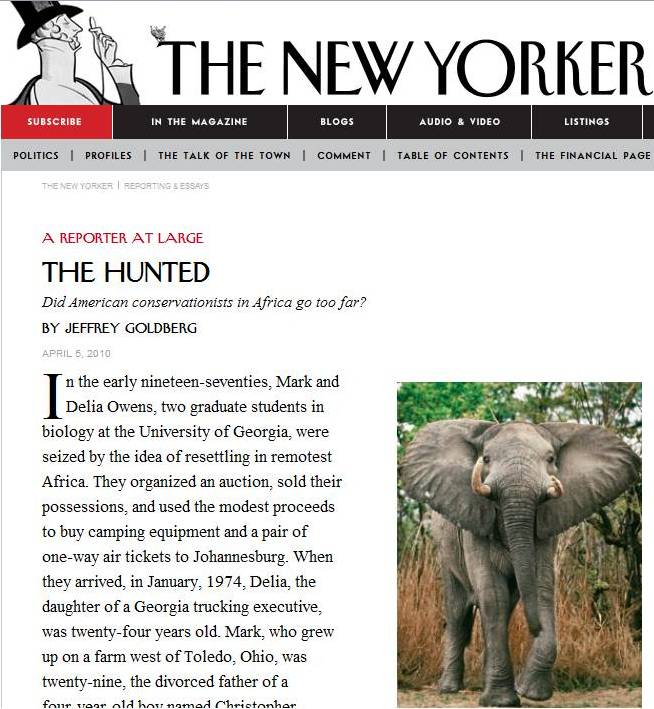
Click on the image to the right to get the full story of a conservation whodunnit.  After linking to Felicity Barringer’s investigative story on the scuttling of a trash reduction plan for one of the world’s most iconic national parks (really, Coca Cola?), some other conservation-focused articles seem worthy of attention.

The New Yorker has a deliciously quirky approach to covering environmental issues, and this one is representative.  It delivers on multiple fronts, reading like a detective story while also informing about one of those before it’s too late topics.

Continue reading

Pied Paddy Skimmer

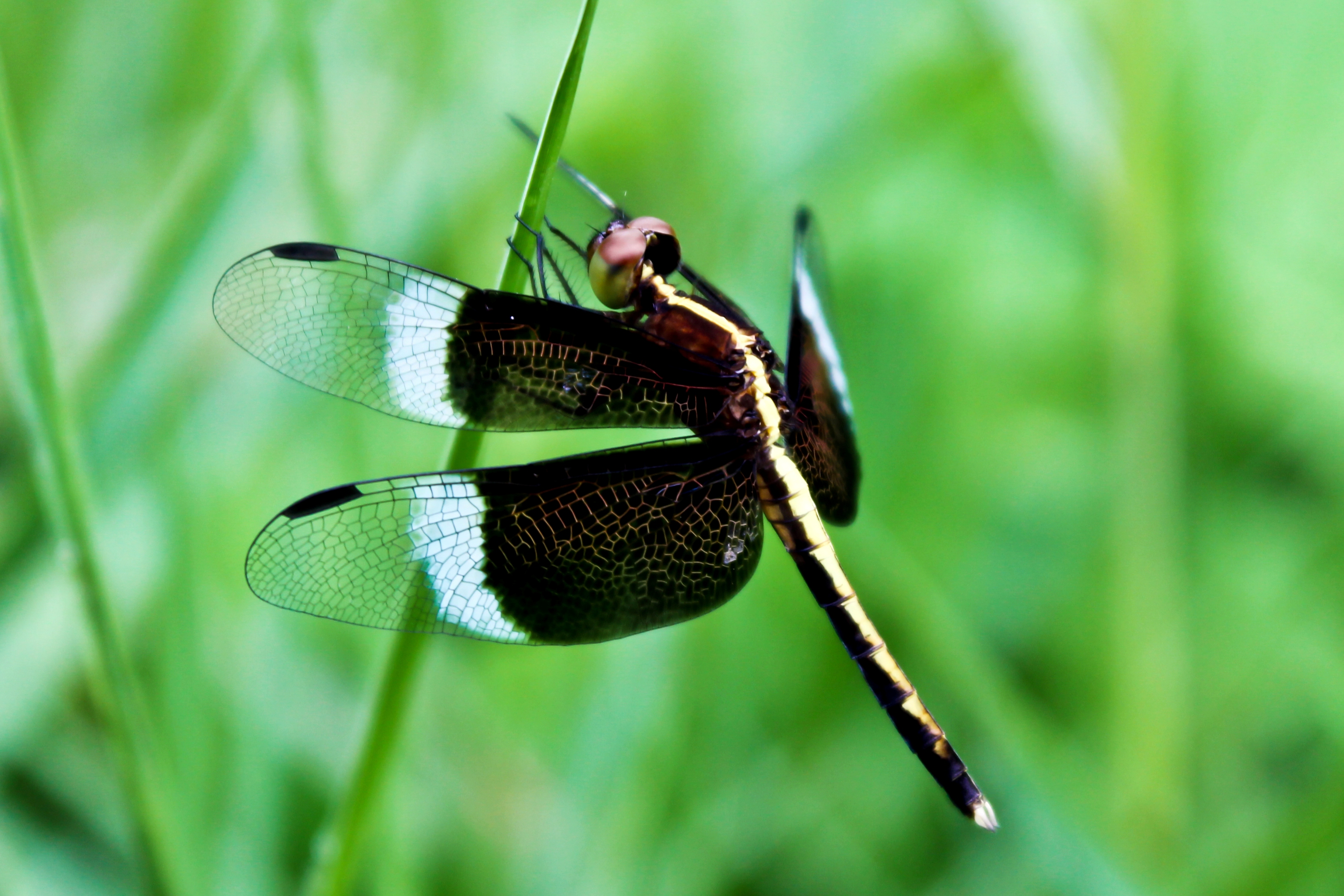
The Paddy Skimmer is one of the smaller species of dragonfly that can be seen in the Western Ghats. Measuring about an inch long, their flight range is very limited, although apparently their breeding capabilities are unhindered, as they are without a doubt one of the most numerous species to be seen in fields, both wild and cultivated. The teneral (young) male has a black and gold body, green and red eyes, and would be difficult to distinguish from the female if it weren’t for the differences in their wings – the male’s (both in youth and maturity) are about half black, with the other half equally divided between a white strip and a transparent tip. The female’s wings are more complicatedly patterned, although mainly transparent. Continue reading

Rapt

This slideshow requires JavaScript.

Sometimes it takes another person’s perspective on a familiar place or object to see it in a new light–drawing an outline around a space highlights an additional dimension.  Be it a Parisian bridge that is crossed by thousands daily without a second’s thought, or pathways through Manhattan’s Central Park, both locations represent an aspect of the “heart of the city”. (For centuries, the Pont Neuf has literally been the heart of Paris, connecting the Île de la Cité with the left and right banks of the Seine, and the eponymous nature of Central Park requires little explanation.)

Continue reading

From Reliable Sources

Today major news organizations are reporting that, according to the IUCN, the Western Black Rhino is officially extinct.  The BBC, CNN and others must have received a press release that is not yet available on the IUCN website (as of my writing and posting this), but if you search on the terms IUCN and rhino you will find a link to the following video that provides a good visual definition of melancholic beauty:

When I see news like this, I fight the natural inclination toward depression and channel the emotional energy as best I can, using the news as a reminder of how slowly we are working at the various tasks mentioned in a string of earlier posts.  It is another example of the feeling I seem to have with increasing frequency: being late.

Continue reading

Really, Coca Cola?

Click on the image above to be taken to the story, which describes a great trash reduction plan in the Grand Canyon National Park that suddenly got scrapped under mysterious circumstances. The circumstantial evidence suggests that Coca Cola was influential, if not responsible, for that canceled plan.  Every day this newspaper seems more worth the subscription price. Continue reading

Tourism: A Potential Economic Pillar for South Sudan?

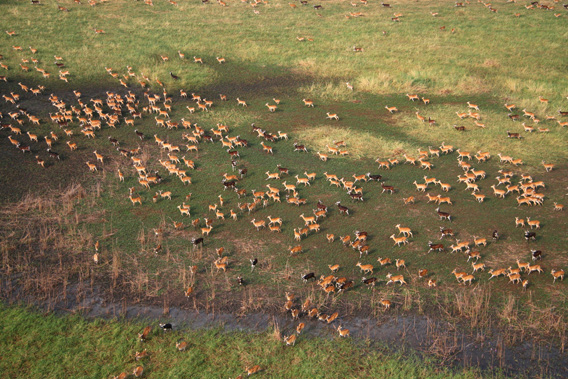
A few weeks ago, I attended a Rotary Club meeting on tourism development in South Sudan. Bishop Lanogwa and Mr. Olindo Perez of South Sudan’s Ministry of Wildlife Conservation and Tourism led an exciting conversation and inspired all of us in the room to think of South Sudan’s tourism potential. As a new nation reliant on oil as its main economic engine, the ministry believes tourism can be South Sudan’s second economic pillar. South Sudan boasts six national parks and thirteen reserves. The nation has arguably the largest wildlife migration in Africa. Although the second Civil War (which lasted over two decades) negatively affected wildlife, South Sudan is still home to large populations of beautiful kobs, giraffes, elephants, chimpanzees, and other wildlife.

Kob Migration in South Sudan

I believe tourism is a very powerful economic tool; however, its social and environmental consequences can be both negative and positive. Continue reading

Scarlet Skimmer

One of the fastest and most agile dragonflies I’ve seen, this red male was sighted on a riverbank in Alleppey, Kerala. Although not unusually large, this insect stands out due to its bright red body and head. Most of the red dragonflies I have seen (in the genus Orthetrum for the most part) have some combination of colors – azure eyes, black face, blue thorax and red abdomen (O. pruinosum); black eyes, red face, brown thorax and red abdomen (O. chrysis), etc.

Continue reading