In two previous posts I mentioned this show that would be broadcast on the National Geographic channel. Continue reading
In two previous posts I mentioned this show that would be broadcast on the National Geographic channel. Continue reading
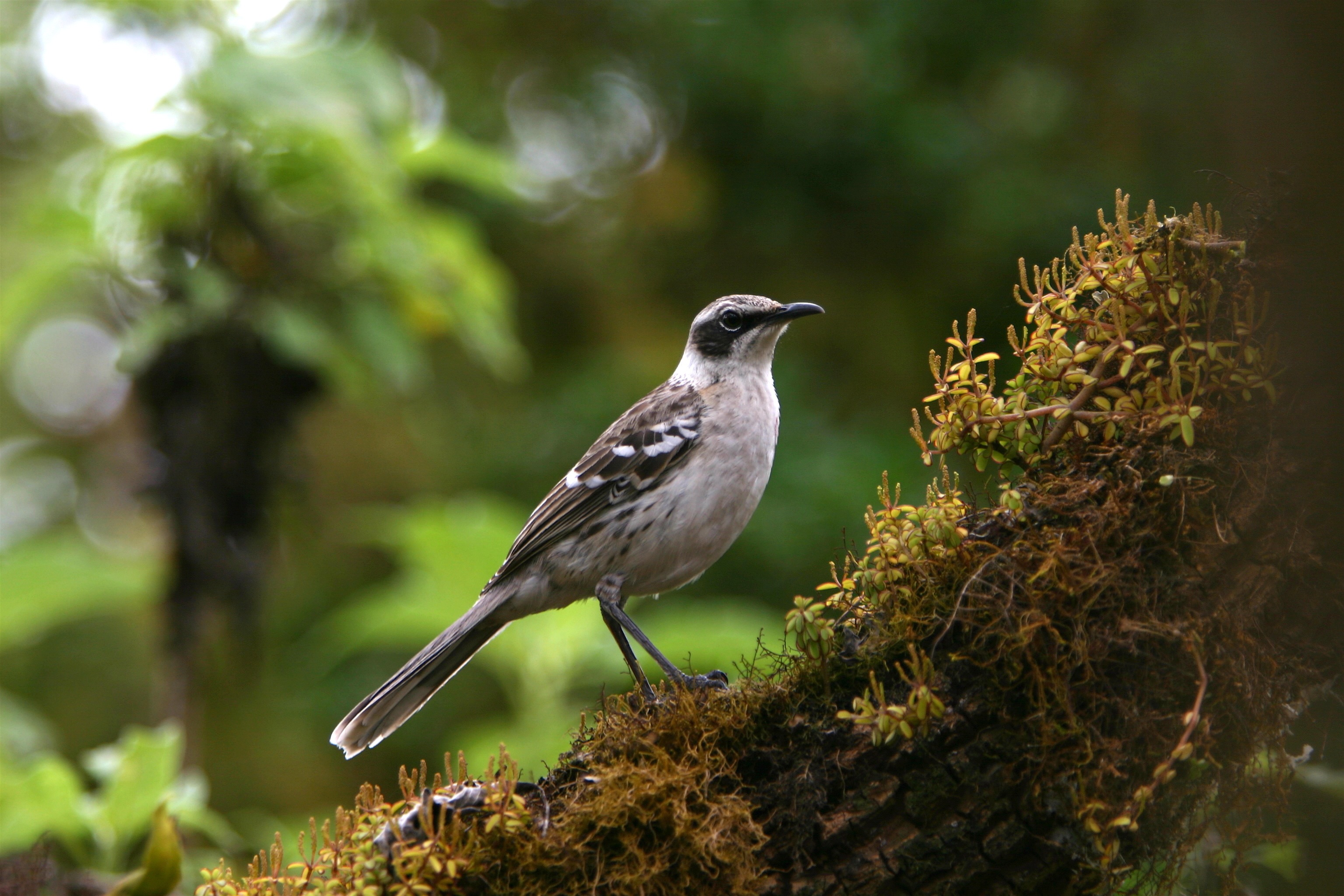
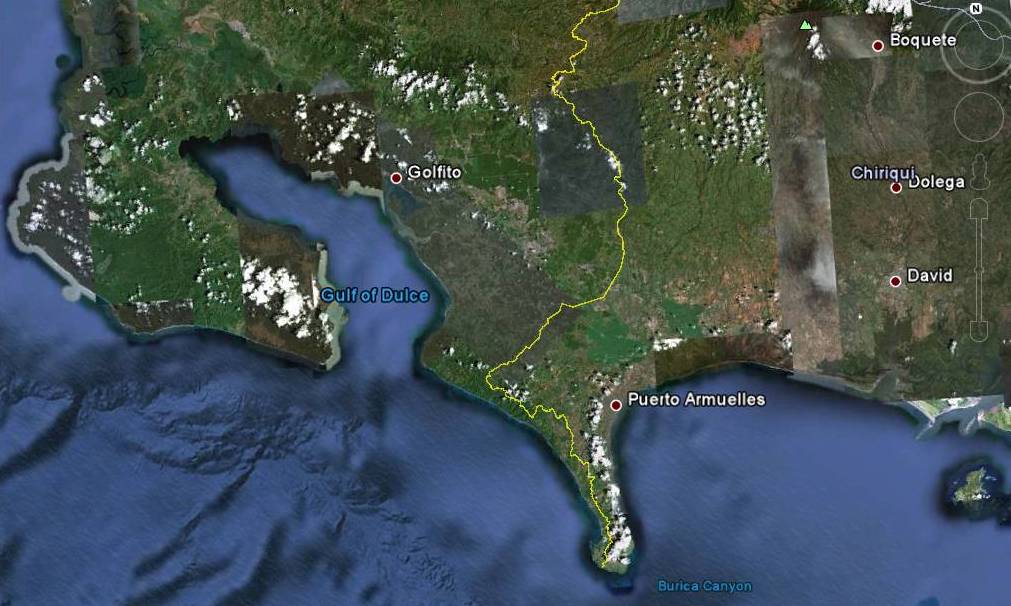
It has been quite a trip from the Osa Peninsula in Costa Rica to David in Panama. It took most of one day to travel here with the 4WD to Puerto Jimenez and then by boat, taxi and bus to my destination for two nights. Continue reading
Reading this post from Elizabeth Kolbert, a familiar cloud of doom came over me. Read almost anything she writes, and you will know what I mean. She writes most frequently about seemingly intractable environmental problems, and those about climate change have the most intense effect on me. But ignorance is not an option, so I read. The cloud lasted about seven hours, and parted just now in a most interesting manner. As if my head were just lifted out of the sand. First, the portion that stuck with me:
Since we can’t know the future, it is possible to imagine that, either through better technology or more creativity or sheer necessity, our children will be able to find a solution that currently eludes us. Somehow or other, they will figure out a way to avoid “a 4°C world.” But to suppose that an answer to global warming can be found by waiting is to misunderstand the nature of the problem.
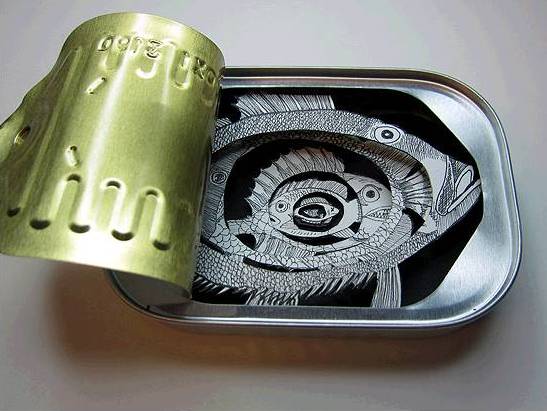 Like a Fish Needs a Bicycle, Jim Doran
When I recently came across the artist/web designer Jim Doran’s work my mind began to swim with connections. In a world where resources, whether our land or our seas, are becoming more and more precious, the more we need to give free rein to our imaginations. In other words, rarely are solutions found within the status quo. Continue reading
 Earlier this year one of the news outlets we trust when establishing a point of view had this report on a rock.
It was not until a few days ago that the memory of that rock coincided with a post of Amie’s. In it, she linked out to a very illuminating video explaining the role natural selection plays in shaping our aesthetic tastes. It seems we have been remarkably consistent in our preference for the shape of rocks, or at least in those rocks that humans have been chipping away at for millennia. Continue reading
From the perspective of anyone immersed in the economic paradigm known as sustainable development, the first entry in OED‘s definition of the word development will be much appreciated.
1. A gradual unfolding, a bringing into fuller view; a fuller disclosure or working out of the details of anything, as a plan, a scheme, the plot of a novel.

As the son, brother and father of photographers I have to acknowledge that I am partial to the notion that people with cameras can produce rapturously important works of art. Further, I am partial to landscape photography. Recently I started to realize how quaint my understanding of the economics of being an “art” photographer, landscape or otherwise, has been; and those economics just experienced a tectonic shift.
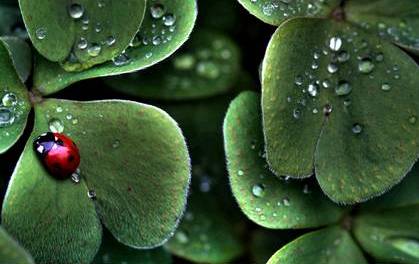
Earlier this week, James posted about a crowd of ladybugs he spotted on a recycling bin at Emory. His account reminded me of a guest lecture in my entomology class earlier this year, when John Losey came to talk to us, in part, about the Lost Ladybug Project.
The Lost Ladybug Project, which is a citizen science similar to the ornithological projects I’ve written about previously, aims to educate participants on the values of biodiversity conservation and the importance of ladybugs as predators in ecosystems. Continue reading

 News came today from the film production company mentioned a while back. Editing is complete. The travelers are still friends. And more.
But the main point was: this Sunday night (India time) we finally get to watch the episode that features Kerala’s backwaters and our houseboats. Thank you for the notification, Vivek!
To the right is a luggage tag. Not a non sequitur: we were working on these while the film crew mentioned above was with us. Our tags had been, quite frankly, boring. We thought the crew deserved a reminder of where they had been with us. So our friends at Thought Factory Design came up with a simple reminder.
I hope Vivek, his production crew, and those four dashing stars of the show are all still carrying around trunks, duffel bags, suit cases and carry-ons with these little reminders of their friends in Kerala…
That reminds me. Before the end of 2011 you will be able to see some of the handiwork of Thought Factory Design if you happen to be traveling in Kerala. Continue reading
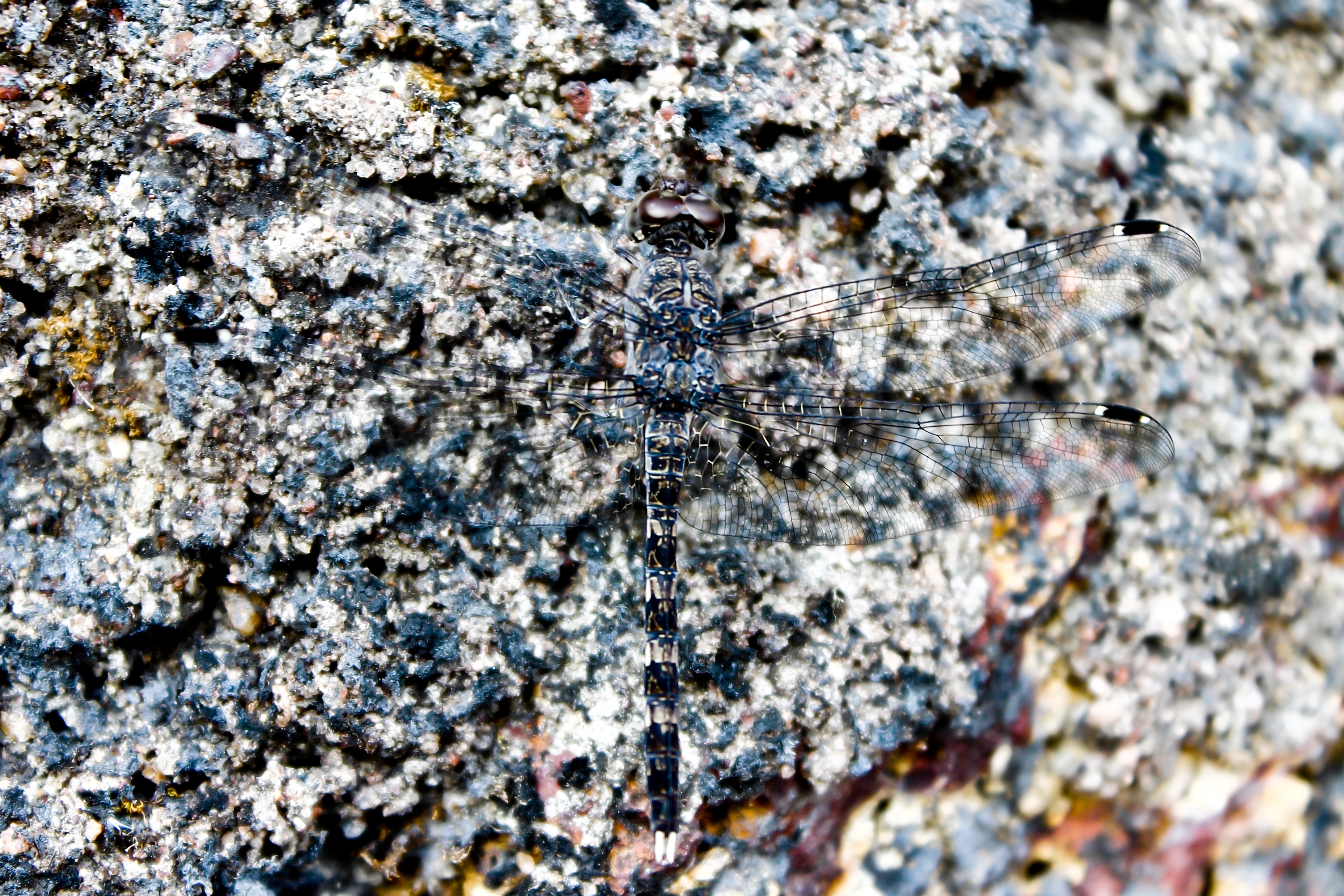
Bradinopyga geminata (male)
I’m still a student of Indian dragonflies (of the world, for that matter), but one species that has captivated me since I read about it is the Granite Ghost – Bradinopyga geminata. Typically an urban dweller, the species has adapted itself to city life – breeding in water tanks, feeder ponds, and all other pools of water that can be found in a metropolis. The species is so well suited to concrete jungles not only because of its extreme agility and keen hunting senses, but because of its remarkable ability to remain unseen. Continue reading
 Click the photo to the left for a short essay about someone you almost certainly never heard of.
And never likely will again. It is worth the 20-30 minutes of reading time.
If he is an unsung hero, then song seems an appropriate response. You will recognize, hopefully, someone you know when you read about Raymond. Probably good to let them hear the song sooner, rather than later.

Despite the innumerable benefits of living abroad and the rich experience of new foods, cultures and lifestyles, the thrill of a gift box from family cannot be described. As time passes the requests have changed, but the comfort foods of Girl Scout cookies and organic macaroni and cheese still count for something to the teenager in our family.
The snap shot above shows the range of contents in a recent box. Continue reading
Having posted an item or two in the past about food, I am newly inspired to indulge my interest; inspired by a recent visit to Portland, Oregon. It was my first time to this city, a city that seemed to care more about its food than any other city I’d been to. (A bold statement I qualify with the varied ways in which a people can “care” about its food.)
 Good food is a social backbone of many a metropolis.
They cultivate their gardens of superstar restaurants, or food trucks, whatever the case may be. The big and advanced cities have their bevies of bloggers and critics, evaluating the experience that comes with each bite. Each person I’ve met in each town I’ve been to, no doubt, cares to a certain extent about their food, but only in Portland did I feel the caring resemble something like the way a person cares about family. Like a pet-owner, plant-keeper, or passionate professional, the people of Portland appeared to feel invested in their food as an essential way of being good not only to themselves, but to some “other.” Continue reading

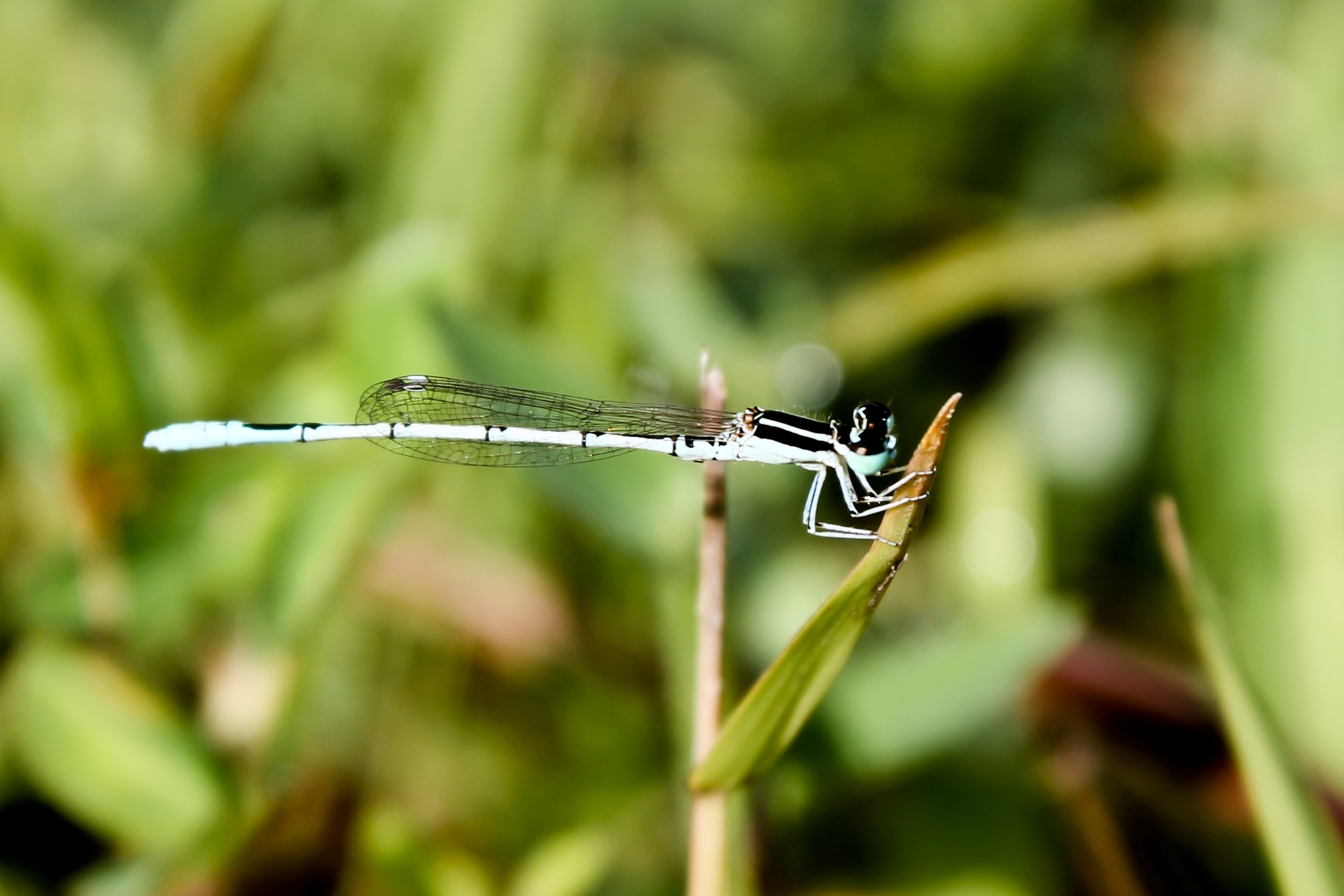
Small even for a damselfly, the White Dartlet measures about 18mm (under an inch). Continue reading

Credit: Bresson Thomas
Archaeological remains of small mammals generally weighing under 1kg, or micromammals, are important as environmental indicators, partly because they tend to specialize in certain habitats and are sensitive to change. Many factors affect their ranges of distribution, including predators, food requirements, competition, fire, shifts in precipitation patterns, and shelter availability. Micromammals such as voles and mice also tend to live in dense populations and have evolved rapidly through high fecundity. Due to these diverse and interrelated factors, the interpretation of micromammal remains—bones and middens, mostly—requires a deep understanding of the rodents’ relationship with its environment. In other words, ecological information is imperative to accurate assessment of archaeological data on micromammals.
But sometimes micromammal remains have answered modern ecological questions. For example, packrat middens in arid North America offer relatively high temporal, spatial, and taxonomic resolution (i.e., small intervals with which to measure time, space, or species range), and contain what is possibly the “richest archive of dated, identified, and well-preserved plant and animal remains in the world” (Pearson & Betancourt 2002, p500). Continue reading

 Organikos