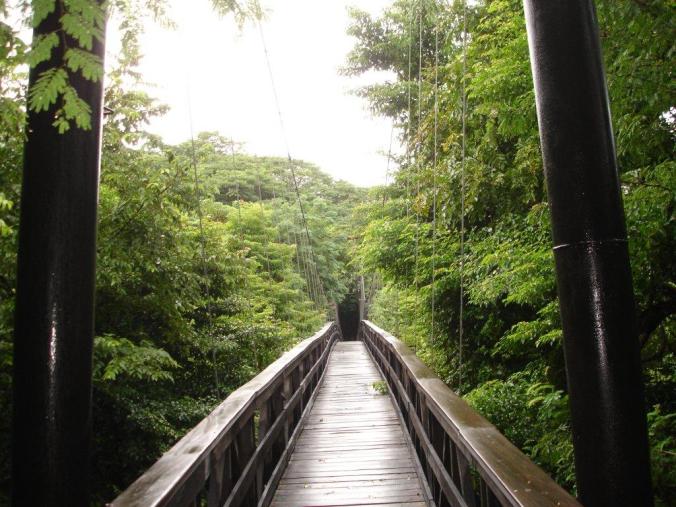
To The Future
For many of our collaborators and readers alike, October is typically a month where jackets are being pulled out of the closet and images of 4:30pm sunsets are coming to mind. Despite the fact that I’ve lived in South America for over 2 years now, decades of habit still conjure up those same impressions. However, this does not change the fact that I love warm weather (maybe a byproduct of living in Chicago for over 15 years) and that spring draws people from their winter caves and a new energy emerges within the populace.
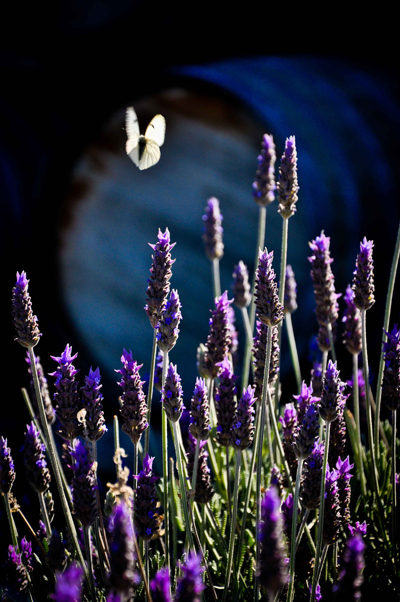
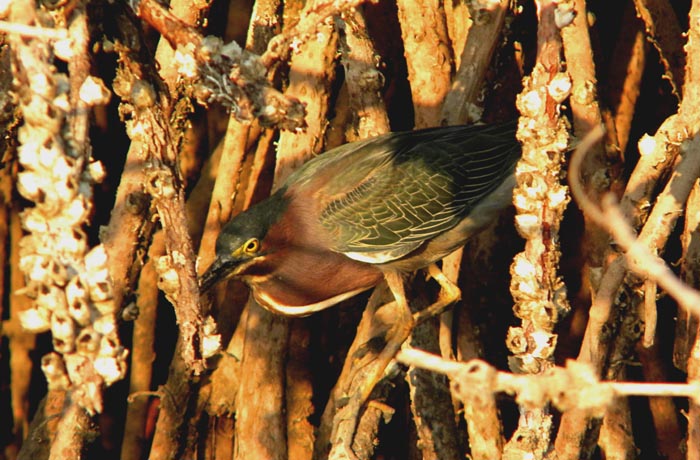
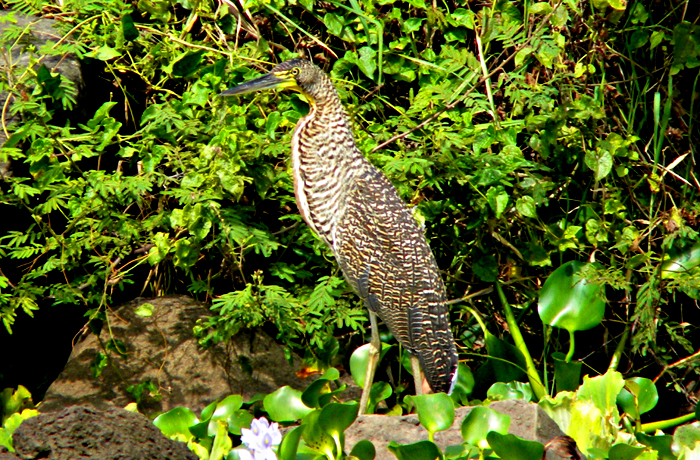
female – Morgan’s Rock, Nicaragua
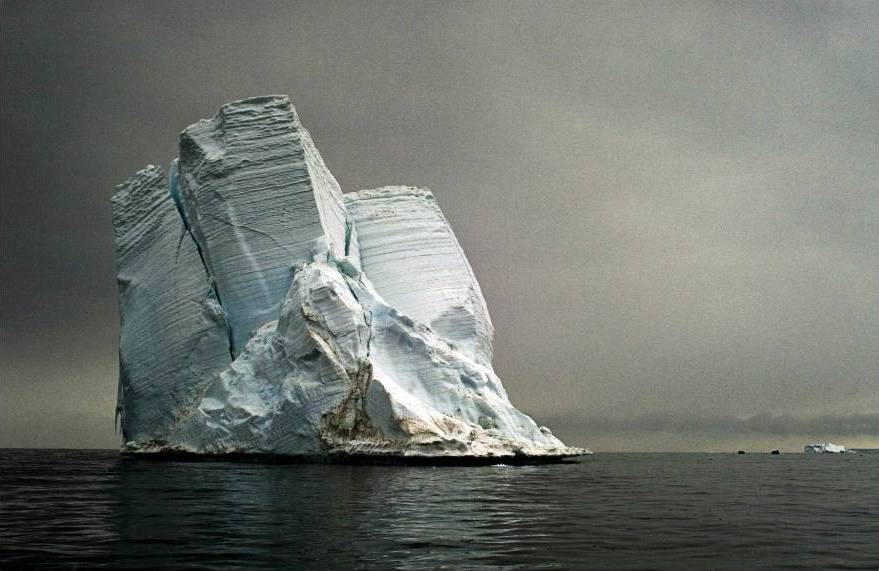 Stranded Iceberg III, Cape Bird Antarctica, December 2006, Camille Seaman
2011 TED fellow Camille Seaman has been photographing Icebergs for 10 years. In her talk below she speaks of her first visceral response to their immensity and their fragility. Her images tell the stories of their births, as they face their environments as distinct individuals, and poignantly of their deaths, as they each move toward their inevitable end. Continue reading
 Male Ditch Jewel (Brachythemis contaminata) spotted on a riverbank in Alleppey, Kerala. The Allapuzha District is home to an extensive network of backwaters as well as rice paddies, an ideal breeding ground for dragonflies and damselflies, as well as one of Kerala’s main destinations (for human visitors, that is). The male and female are difficult to distinguish Continue reading

A few weeks ago I wrote about the importance of the astrologers‘ input in choosing a life mate. Yesterday I asked a member of the family whether the young man had chosen a bride yet. The title of this post was his simple response.
So, back to the drawing board, as the saying goes….
 Mature female Trumpet Tail (Acisoma panorpoides) photographed in the Periyar Tiger Reserve. Unfortunately well camouflaged (at least for their prey and photographers), this species is another exceptionally small one. The good news for me was that Trumpet Tails, due perhaps to their small stature (and presumably metabolism) cannot fly for long distances, and therefore are easy to chase and photograph.
I find the abdomen’s structure to be quite beautiful – certainly more so than the straight-and-narrow ones of say, gliders or marsh hawks. Sadly, although I found the male to be more attractive Continue reading
Tim Chen has covered ecosystem services as they relate to ecotourism; below I’ve written some additional information on how the process might work on the market.
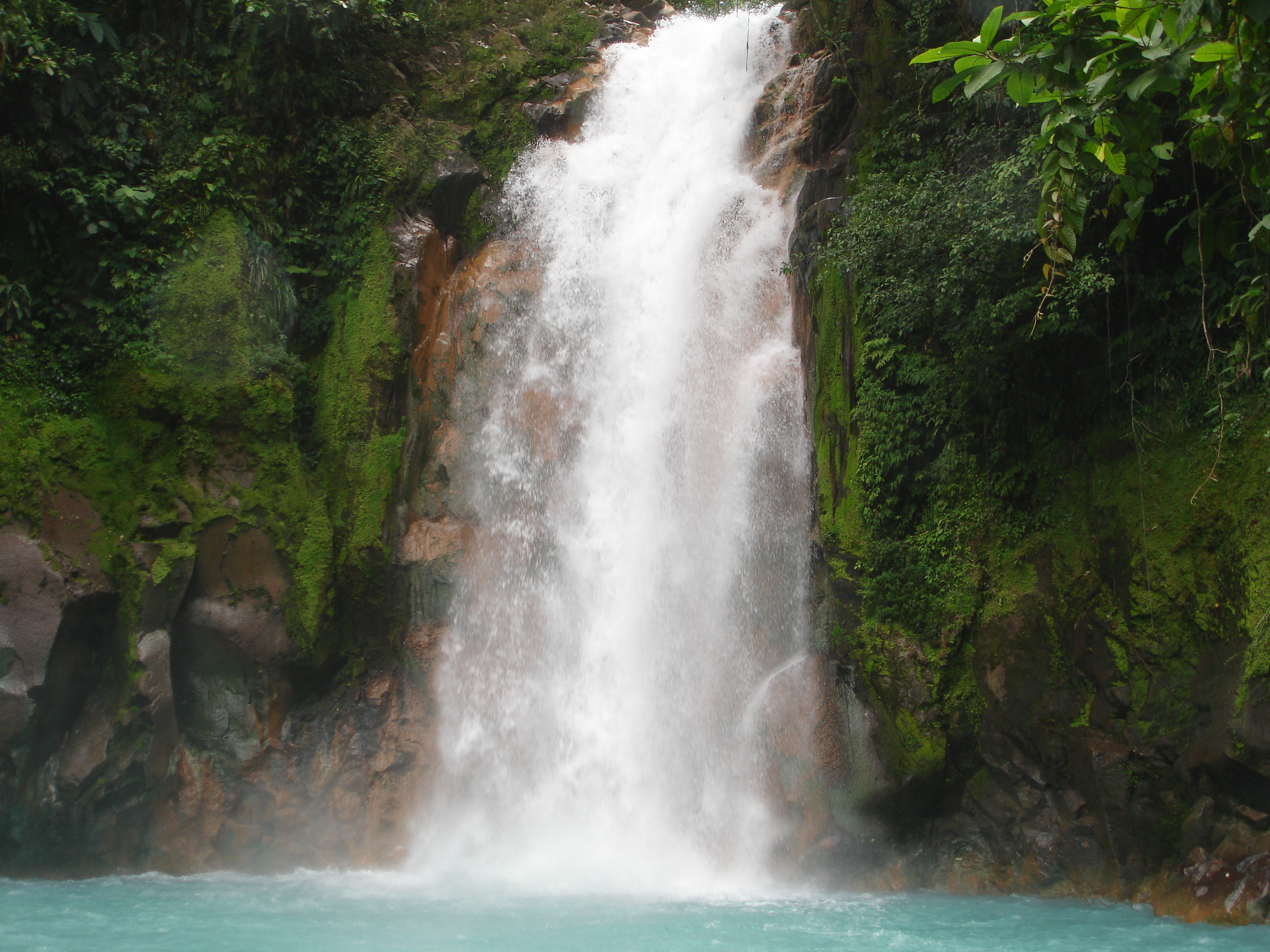
As developing countries increasingly convert natural ecosystems to areas controlled by humans, ecosystem services (e.g., waste absorption, water purification, soil conservation) are being lost. In order to prevent these shifts, people who live in urban areas or have no close relationship with, for example, their sources of drinking water are often willing to pay people who do have direct impacts on the watersheds. Payment for ecosystem services (PES) has become a measure by which higher-resource groups can induce lower-resource communities or individuals to protect local wetlands, forests, or other areas in order to maintain the ecosystem services that support a particular standard of living. Before such payment schemes can be established, however, certain scientific analyses must be carried out to determine the most efficient allocation of resources and facilitate the selection of the right service providers. Continue reading

The Sulphur-Bottom Whale
The sulphur-bottom whale is the largest mammal on (or under) the earth’s surface; many speculate that it might be the largest animal ever to have inhabited our terraqueous globe. These immense creatures can typically grow to between eighty and a hundred feet long, with the largest specimens caught suggesting that the whales might exceed one hundred and ten feet in length! The weight of the sulphur-bottom whale is commensurate with its size: they can weigh between one hundred and one hundred and fifty tons. For comparison, the largest elephant ever recorded weighed a mere twelve tons. If the sulphur-bottom whale rolled over in its sleep Continue reading
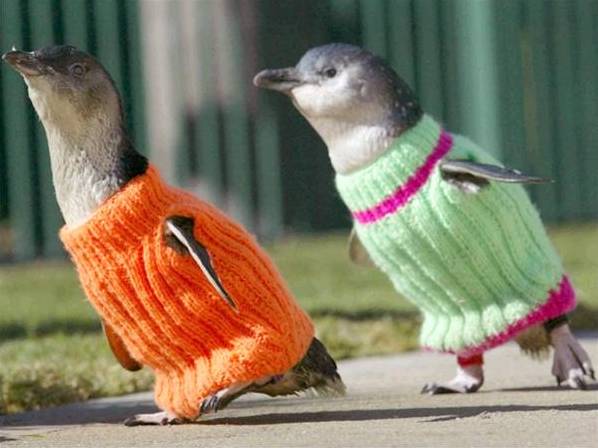
Toby Zerna / Newspix via Rex USA file
The environmental impacts of ocean oil spills are often incalculable, but for better or for worse the effects on wildlife are well-known. New Zealand’s coastal waters are home or breeding grounds to nearly 85 species of seabirds, and during breeding season the situation becomes increasingly desperate as the birds dive in and out of the water to find food for their chicks. Continue reading
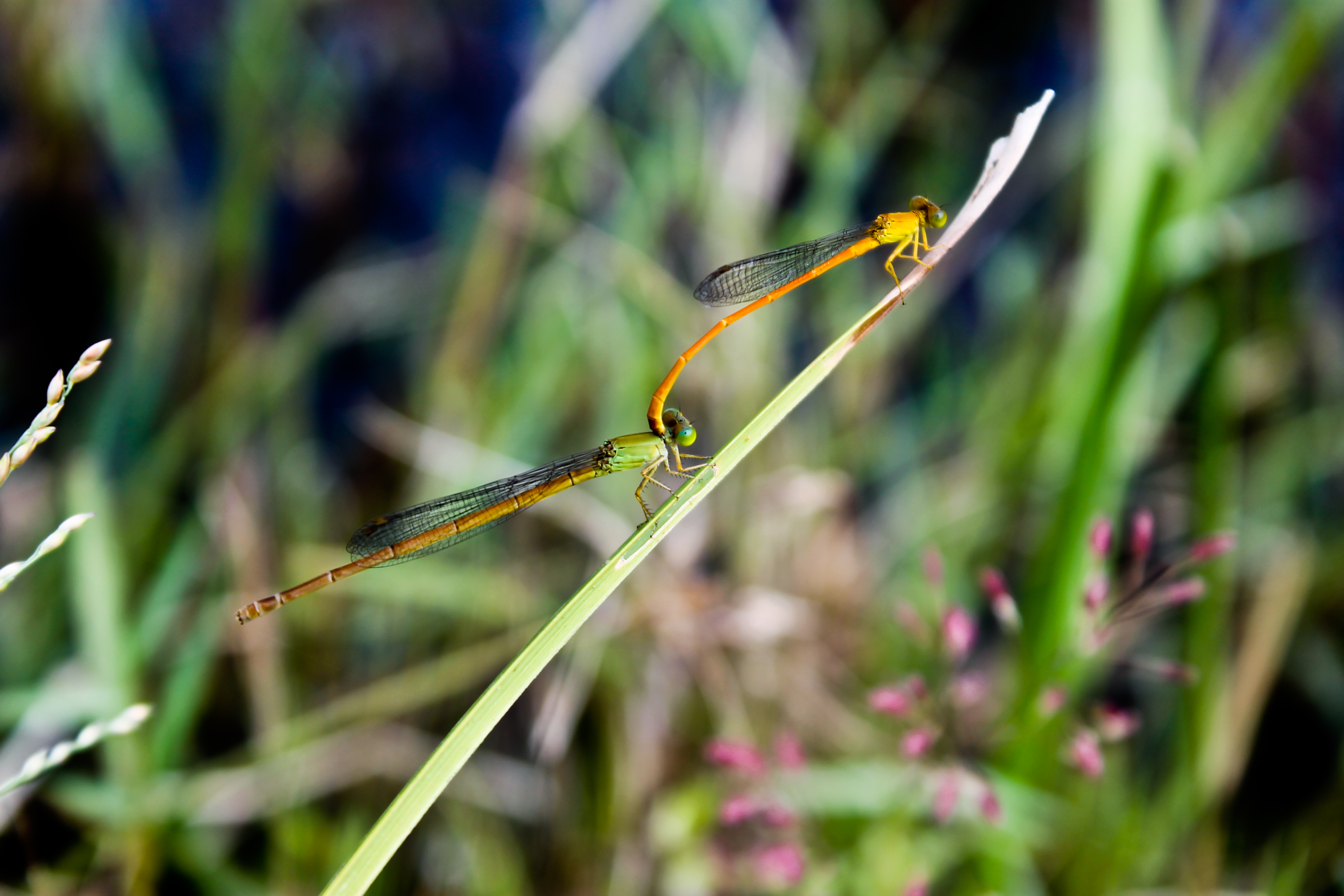 Orange Marsh Darts, Ceriagrion rubiae in copula, photographed in the Periyar Tiger Reserve. The male is mostly golden, while the female is more olivaceous. I’m unsure whether this is exclusive to this species or in all damselflies Continue reading
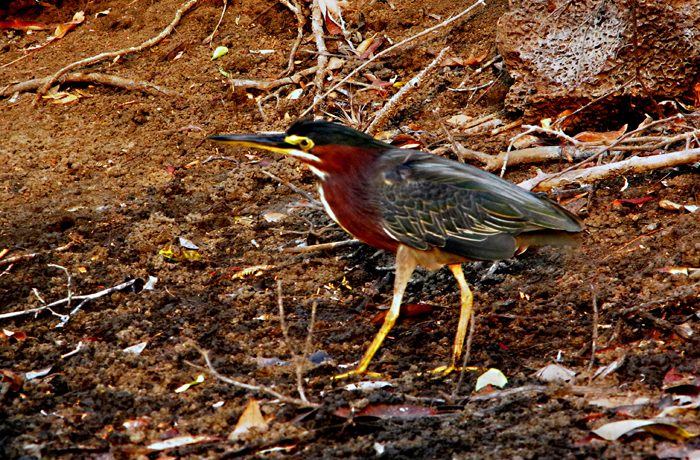
Morgan’s Rock, Nicaragua
 A mature male Blue-Tailed Yellow Skimmer, also known as Asian Widow (Palpopleura sexmaculata) shot in the Periyar Tiger Reserve. This is undoubtedly the smallest species of dragonfly I’ve photographed, scaling it at close to under an inch long. The dragonfly’s abdomen is unique – not only in length, but in breadth and shape. The Trumpet-Tail is another uniquely-abdomened dragonfly I’ve spotted in Periyar – pictures of her next time.
For some reference to size, here’s a short anecdote Continue reading
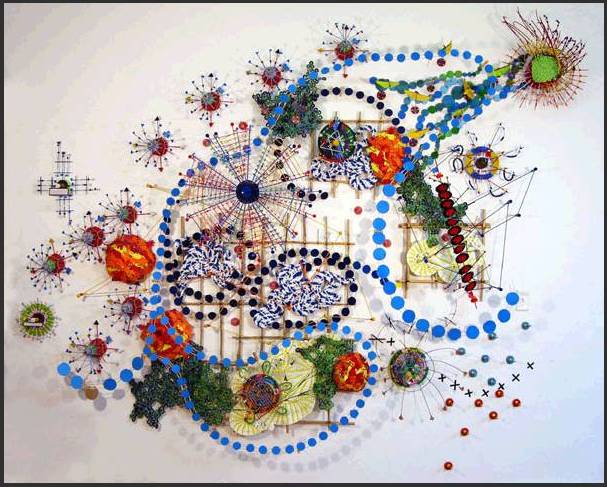
Changing Water – Gulf of Maine, 2011, Nathalie Miebach
Tones sound, and roar and storm about me until I have set them down in notes —Ludwig van Beethoven
Boston artist Nathalie Miebach found the seemingly unlikely intersection between astronomy, meteorology, ecology and basket weaving, essentially translating data into 3 dimensions… then she adds the plane of music. For her work, Miebach was selected as a 2011 TEDGlobal Fellow.
Initially focusing her woven sculptures on data from the stars, her work was rerouted by a call from two weather scientists at Tufts University. Intrigued by her work and it’s possible applications, they asked her to collect weather data on Cape Cod. From that point on, winds, temperature, barometric pressures, and rainfall became part of the raw material for her artistic work. Continue reading

 Organikos