The Forest For The Trees

“Nature is my manifestation of God.
I go to nature every day for inspiration in the day’s work.”
― Frank Lloyd Wright

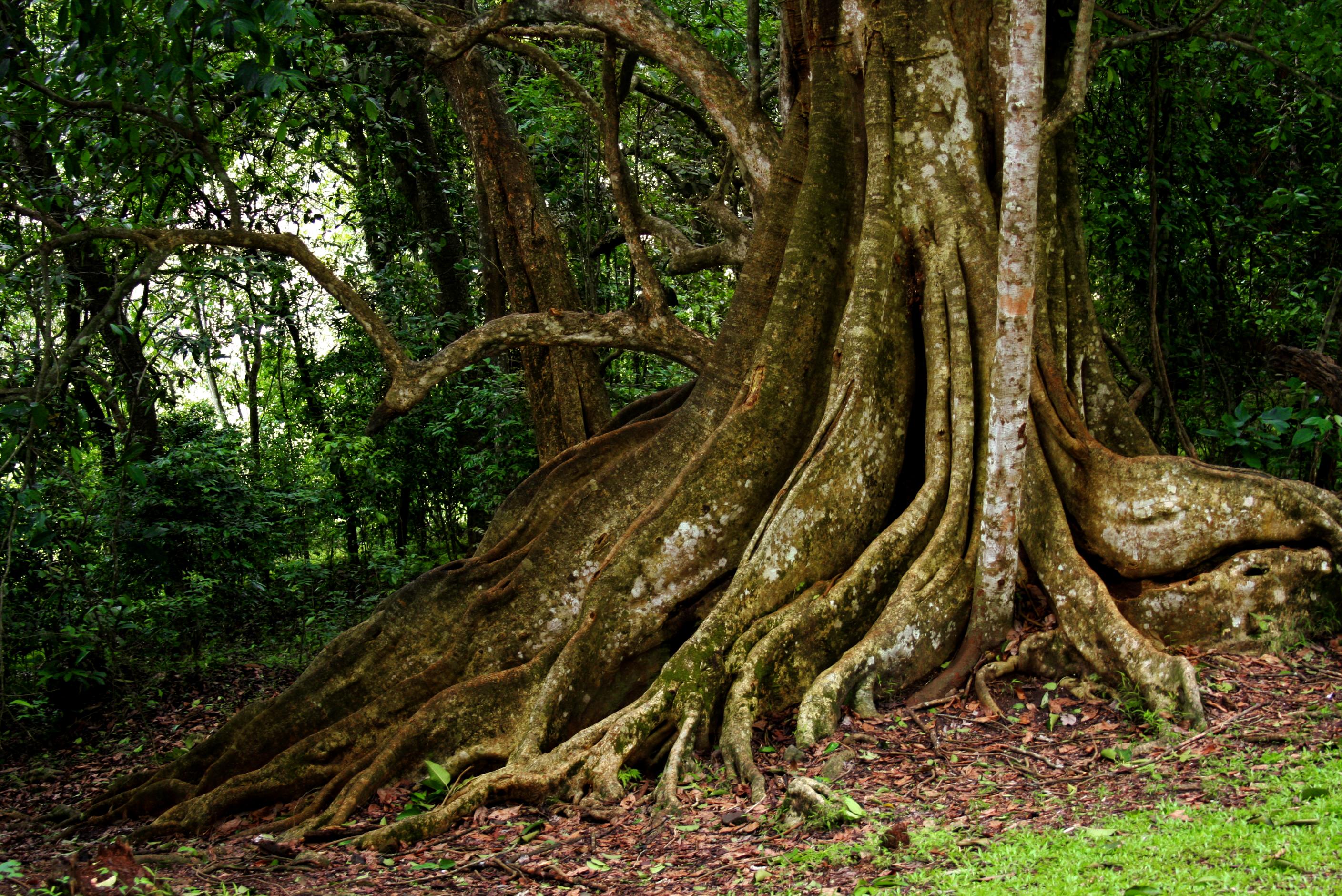
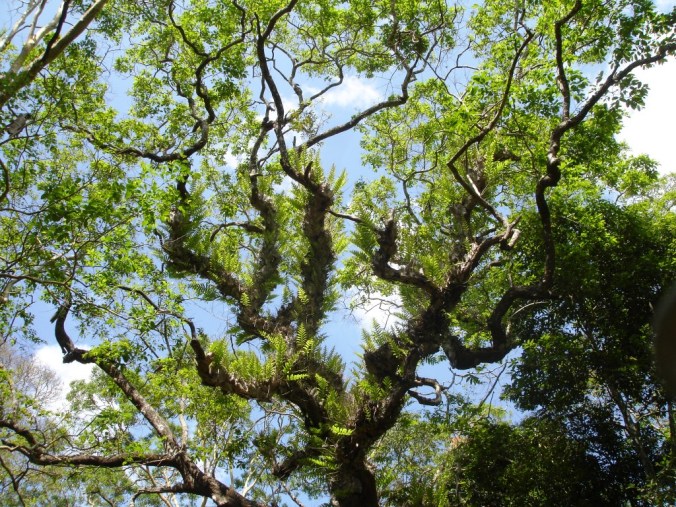
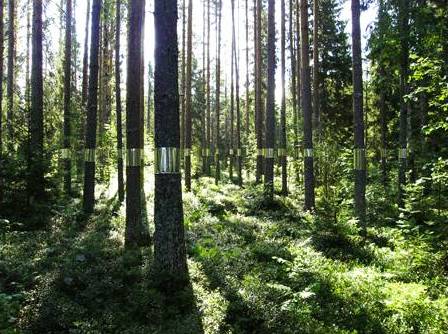
Architects taking their inspiration from nature isn’t an innovation, in fact, its retrieving what has often been forgotten. Sometimes that inspiration leads them outside of the building process altogether and into the sphere of Art, or to be more precise, into the sphere of Land Art Installation. Continue reading

Modern India, Bootstrapping

 It may have seemed implied in the previous post that looking backwards is the only amazement India offers.  Not so.  To outsiders and locals alike, in India sometimes the Shock of the New is the only path forward. This week in The New Yorker there is an article (click on the image to the left to read the abstract, but either full subscription or pay-per-article is required for the full text) about one of India’s many new billionaires, and his private sector approach to a moonshot.

We could distinguish his approach from the entrepreneurial bootstrapping initiatives we highlight on this sight in a few obvious ways (ok, a few billion obvious ways), but why bother? We need only say we like it.  And in a place with thousands of years of experience making things work against all odds, we can also say we have hope.  Even optimism.

Mystical India, In Practical Terms

There have already been plenty of posts on this site that give the perspective of non-Indians living in or visiting India.  Here is another good example of an Indian describing a local feature of life that, to the non-Indian, is more of a phenomenon.  And so the style of delivery, while quite different from that of this man, is equally intriguing (fair warning: the accent is stronger here, but you can train your ear to understand)–both men talking about old stuff, rather genially and humbly, but clearly aware that they are sharing with the world something of value that might have been overlooked because it has been hiding in plain sight for so long.

The style of delivery, in fact, is as interesting as the content itself, if you are a non-Indian trying to figure out what makes the place called India so worthy of attention.  It is not what Robert Hughes called the Shock of the New, translated from art to service or organization; it is another example of the Shock of the Old.  And the style of delivery reinforces just that.

The joking self-effacement–no Silicon Valley-type innovation or technology, but we get by in our own way–belies an organizational philosophy made tangible that would be the envy of many organizations around the world.

Biophilia: E.O. Wilson, from Thoreau to Theroux

In December 2010 the Oxford English Dictionary (fondly called the OED) added 2,400 entries, including “biophilia“.  But E.O. Wilson published the term (as well as it’s city kin) in 1984 in the book of the same name.

My attention was on the forest; it has been there all my life.  I can work up some appreciation for the travel stories of Paul Theroux and other urbanophile authors who treat human settlements as virtually the whole world and the intervening natural habitats as troublesome barriers.  But everywhere I have gone–South America, Australia, New Guinea, Asia–I have thought exactly the opposite.  Jungles and grasslands are the logical destinations, and towns and farmlands the labyrinths that people have imposed between them sometime in the past.  I cherish the green enclaves accidentally left behind. Continue reading

The Wind Lens

After the earthquake in Japan earlier this year, critics of nuclear energy are clamoring for the retreat to the ‘safe’ and ‘reliable’ fossil fuels so commonplace of this age – the fossil fuels which are rapidly depleting due to the glut and the delusion of surplus of today’s culture. Not enough critics of the world’s energy policies are on what we at Raxa Collective consider to be the ‘right side’ of the argument – the one keeping the environment clean and safe. Nuclear energy is perhaps cleaner than burning fossil fuels for electricity, but even the slim chances of a catastrophe like Japan’s are enough to sell the public back to the gas-guzzling camp. But who is fighting for the third choice? The safe, the clean, the green – wind and solar power, the still-in-development responsible option

for civic-minded citizens wanting to lower their carbon footprint.
As explained in the link above, Japan’s Kyushu University is currently researching the most efficient form of harnessing wind power, and is developing a simple and cost-effective solution to the problems posed by the widely used ‘tri-blade” wind turbines of today. The main issue at hand is that the common turbine’s blades are too heavy (which is the case because lightweight materials are too weak), and more wind energy is necessary to spin the turbine, producing less energy than the potential. Kyushu University’s solution? The Wind Lens – a simple but ingenious addition to either existing or modified turbine designs which can double (or even triple) the energy output of the devices. The mechanism, in essence a ring around the turbine’s blades, acts in respect to wind much the same way a magnifying glass does to light – it takes the existing wind power, and thanks to the physics of pressure, concentrates the energy in such a way that the wind is forced through the tunnel at a significantly increased speed, resulting in a great increase in energy output. Environmentalists, intellectuals, and a few key organizations. Also, the Japanese.  Continue reading

Conciliating Human Nature and Conservation

When we started this site a few months ago we had the primary objective of sharing what was happening in our field work, starting with Michael in Kerala and myself in Nicaragua.  Writing from Morgan’s Rock, or from Kerala, may have made the posts feel focused on only two locations.  Others have joined in along the way, thankfully, so it is a much broader spectrum geographically and otherwise.  Some of us are back on campus now, and our task remains the same: getting important ideas and examples related to entrepreneurial conservation, and community-based problem solving, out there in a creative forum.

I have decided to bring my work–at Cornell’s Lab of Ornithology and at Cornell Outdoor Education–as well as some of my “book learning” onto the page here.  The main reason for doing the latter is to show that, to put it bluntly, we are not making this stuff up.  Even on our most innovative days in the field, someone has thought about it or done it before, somewhere, sometime.  And that is good news.  So today I thought I would share a bit on the interplay between our basic tendencies and our better selves. Continue reading

Captivating Vision

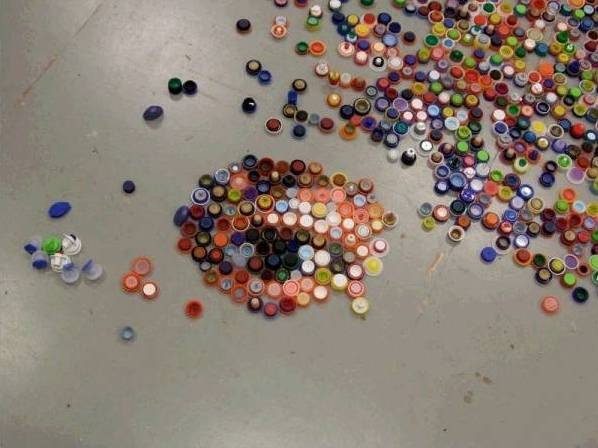
Mary Ellen Croteau’s “Nested Caps/eye”

Even the most enthusiastic recycler gets bogged down by bottle caps.  Their chemical make up is different from the bottles they top, so often they don’t fit into the categories of those ubiquitous numbers that are ascribed to other plastic items.

Artist (and self proclaimed Agitator) Mary Ellen Croteau has a history with statement art and commenting on the quantity of plastic waste has been part of her work for some time.  She’s used both bags and the caps to create work that is both captivating and provocative. Continue reading

A Few More Dots

Seth’s reference yesterday to one of the writers who most influenced me, combined with Amie’s reference today (do give a moment to her link on Niemann’s brilliance) to autumn, caused some sort of mnemonic chemical reaction.  It started by thinking about the quotation of Thoreau overnight.  By the time I saw Amie’s mention of autumn this morning, I suddenly remembered a trip I took to Walden Pond in the autumn of 1979.  Continue reading

Landscape Yearnings

Beaver damage

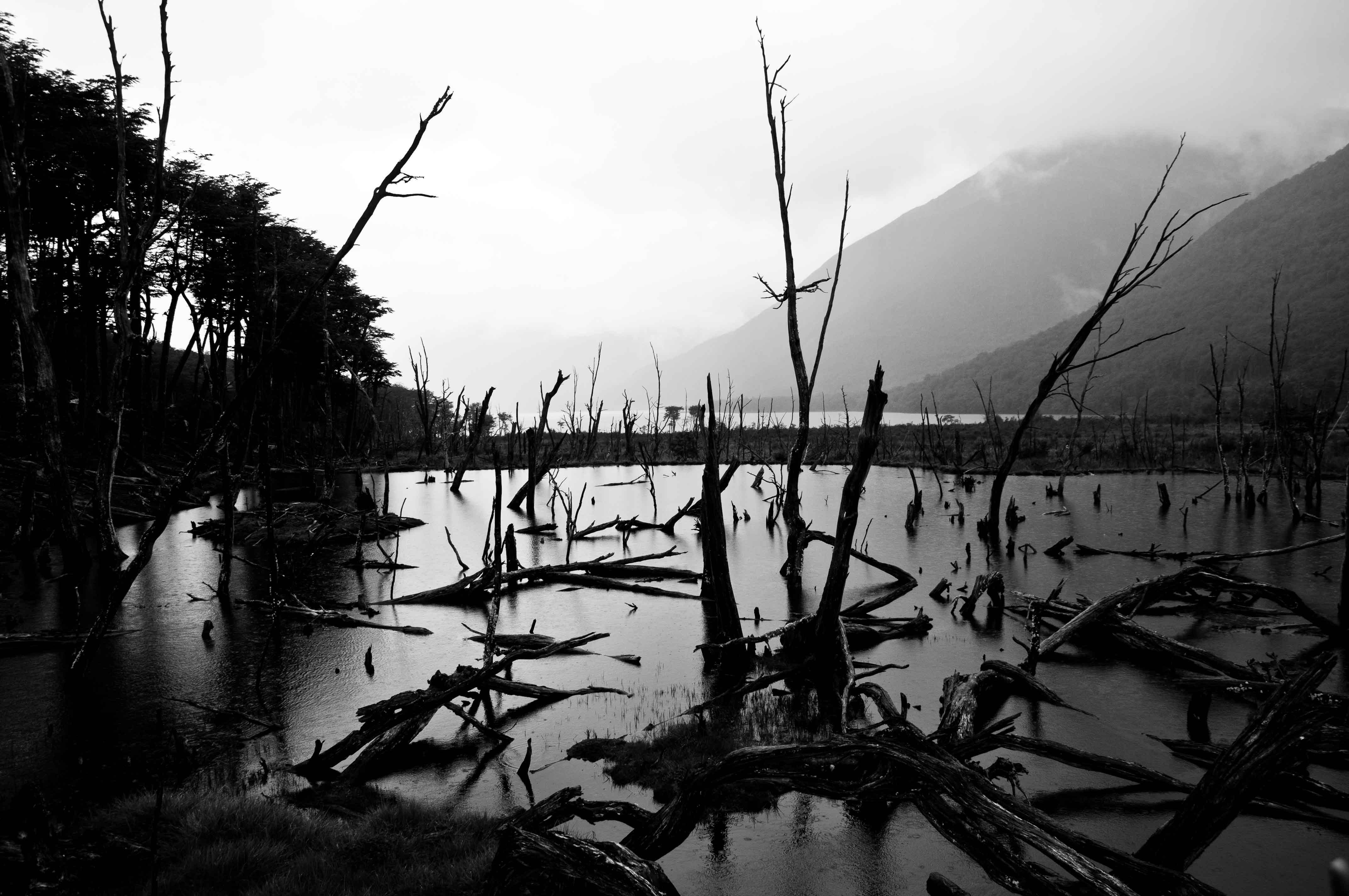
As someone who enjoys the outdoors and the wonderful silence that nature provides, I have recently begun to feel the emotional effects of being surrounded by metal and concrete.  I, along with millions of others, am living in Buenos Aires and I am counting the days (8) until I have the opportunity to leave the city and enjoy the serenity of grass and the ability to see the stars. Recently I have had the good fortune of being asked to do some exhibitions of my work including many of  the photos that I took while down in Patagonia.

Continue reading

Biodiverde

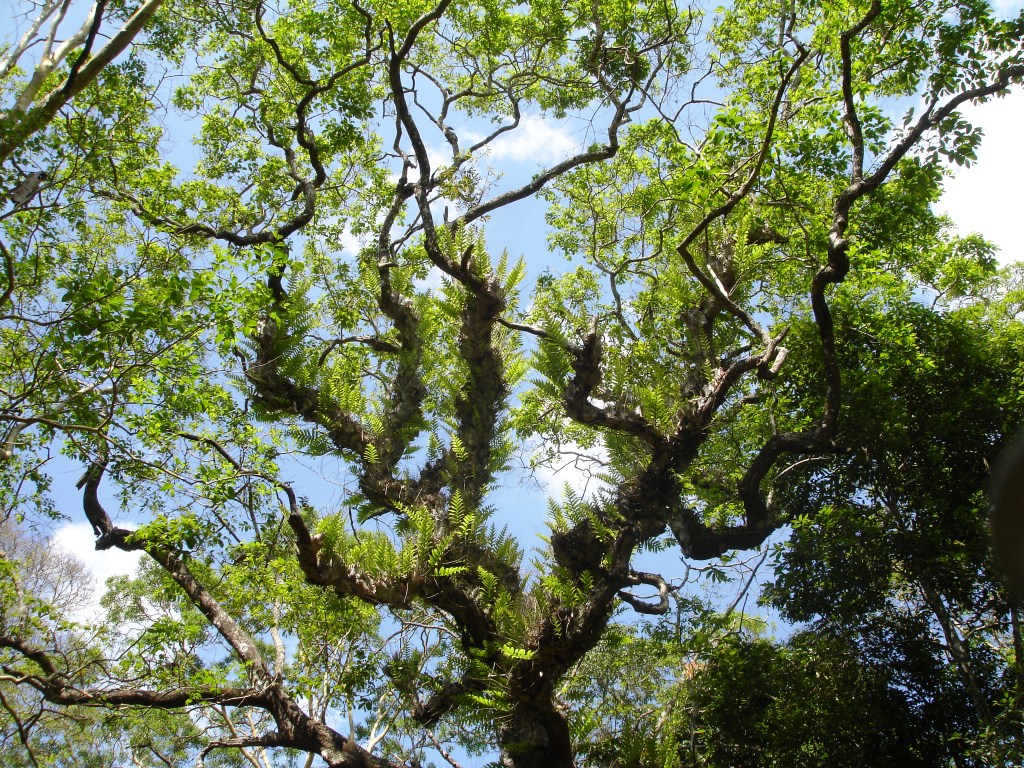
I live in a very green land. Especially post monsoon the landscape of Kerala is dotted with all shades of green like a pointillistic painting.

There’s the chartreuse of new growth tea. The Chromium oxide green of the lower, more mature leaves. The olive green of coconut fronds or the sage of the pineapple top. The celadon of bamboo, the sap green of buffalo grass or the emerald of the banyan tree….all the greens that blend when you squint into this verdant landscape.

The word green is closely related to the Old English verb growan, “to grow”.  It makes us think of nature, of biology, of ecology, of prosperity, even of innocence.

Do I need to mention that green happens to be my favorite color?

But I also spent many years of my life in parts of the world where the Autumnal Equinox means crisp air and changing leaves. And when the chlorophyll levels drop the spectrum changes to include the colors of spice– of turmeric, cinnamon, nutmeg and mace, with a healthy dose of dried capsicum thrown in with the help of the maple trees.

Unless someone from another part of the world sends me photos of this annual metamorphosis I have only the poignancy of memories. But Christophe Niemann is always a good choice to add levity to longing.
Non-Bird of the Day: Flying Fox (Thekkady, India)

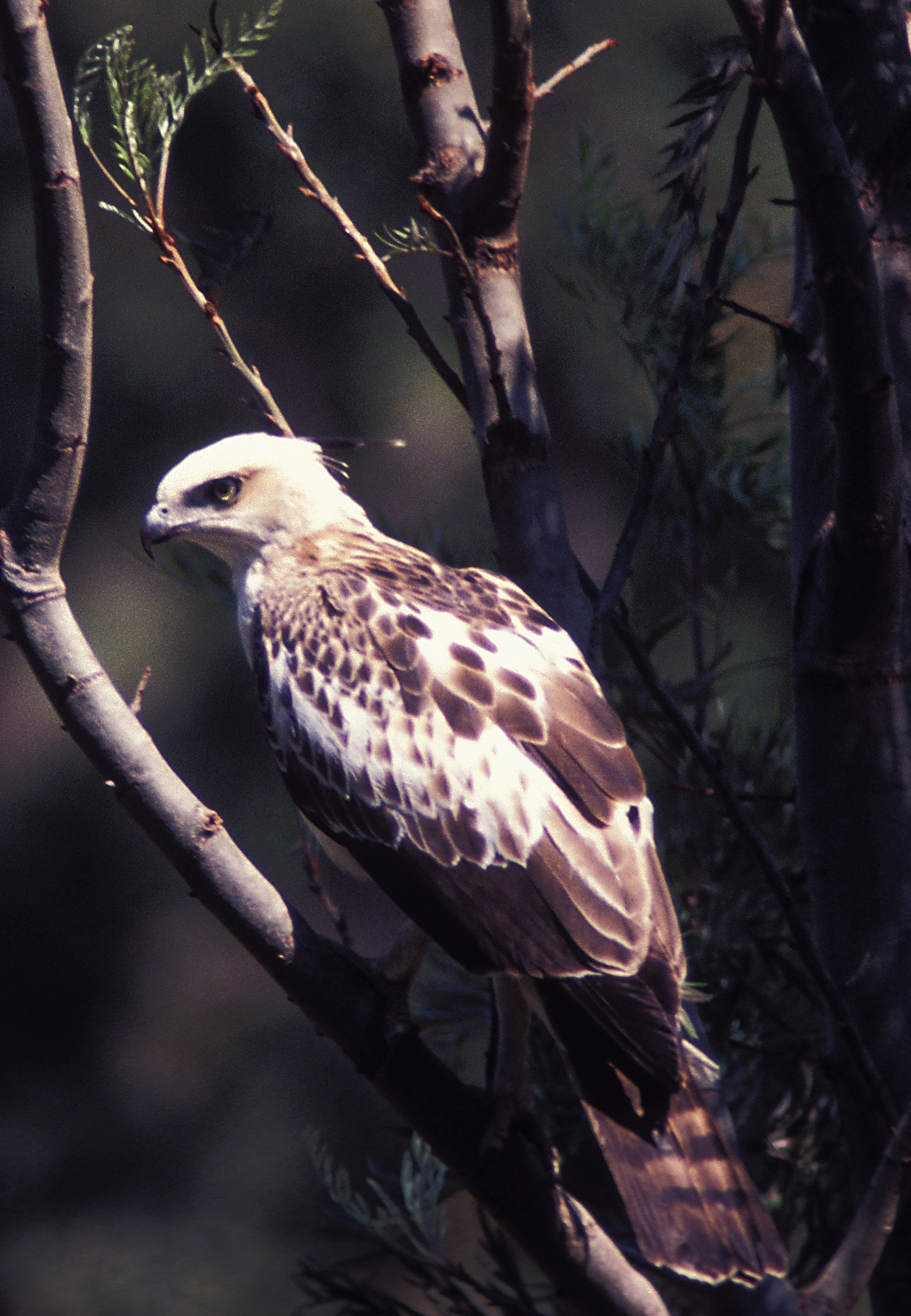
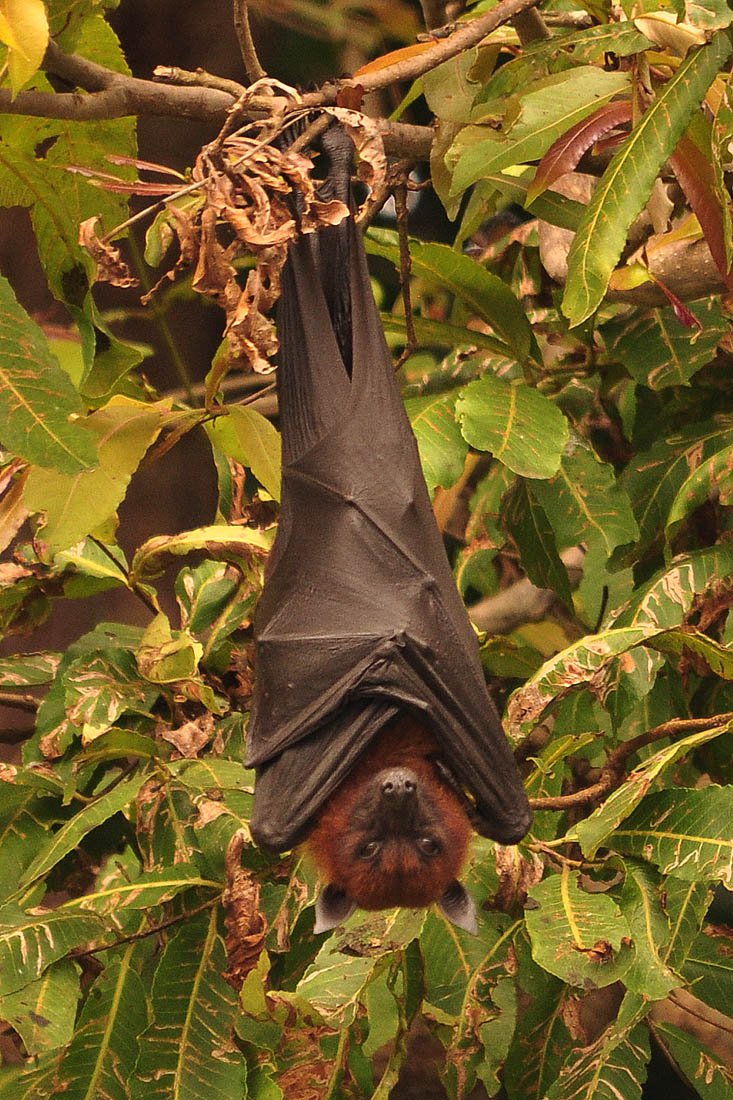
They come out before dawn, and again at dusk, and it is easy to confuse them with birds–eagle-sized at that– when they circle around Cardamom County.  Flying foxes are good neighbors, hanging around the bamboo stand across the way from us in the Periyar Reserve during the day; munching on insects during the darker hours.

Dawn and Dusk

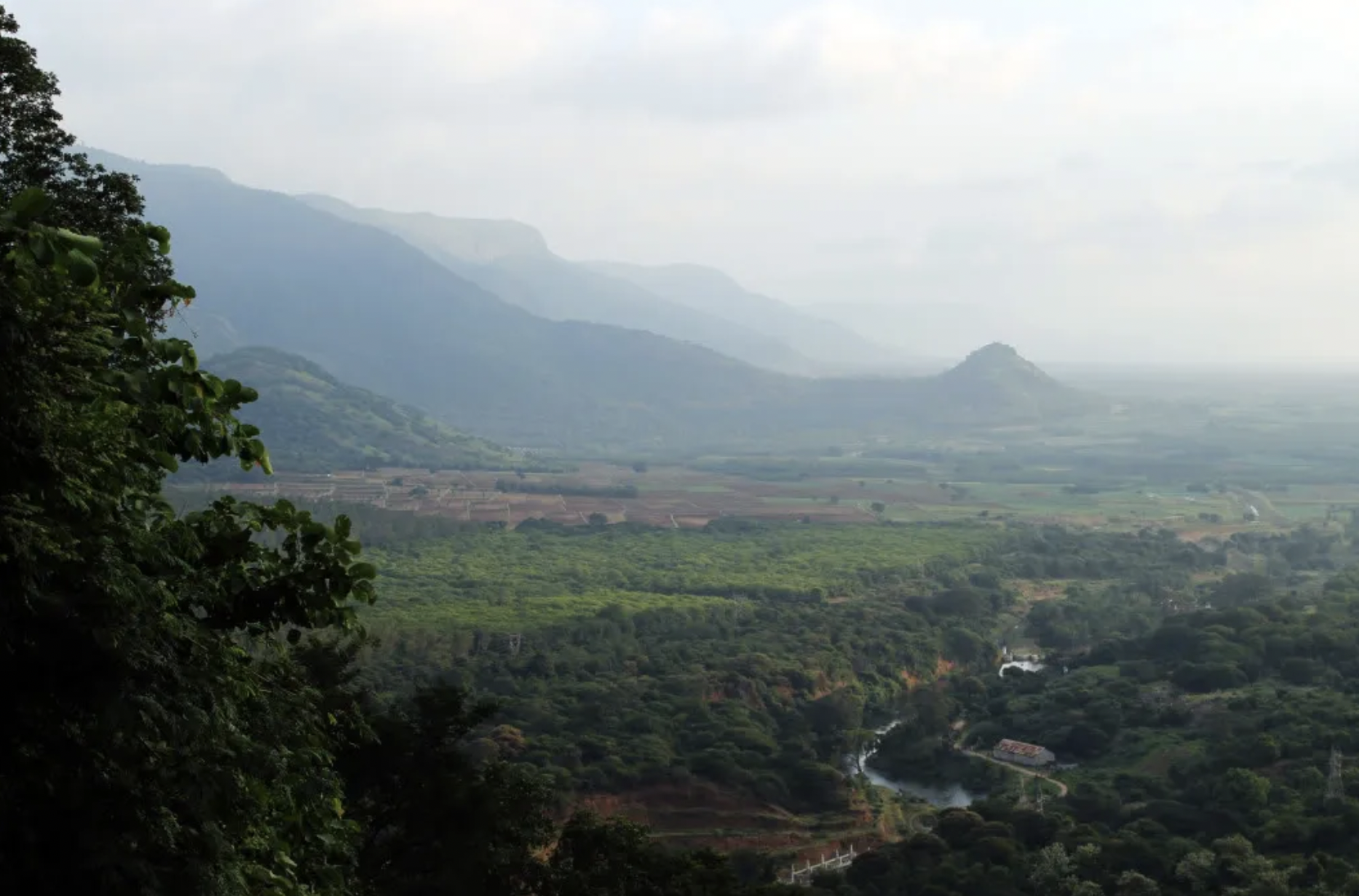
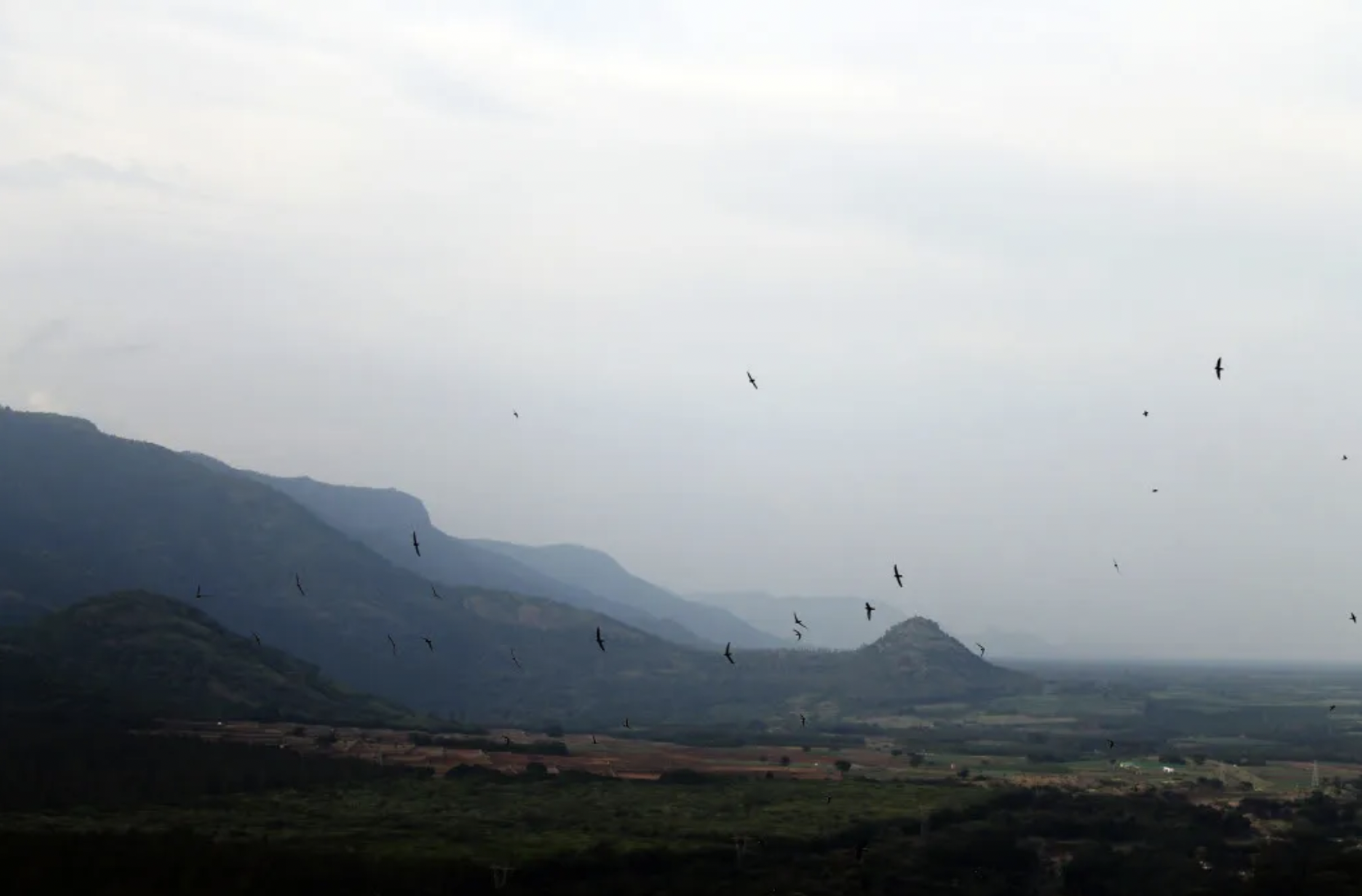
The clear skies and fair weather last Saturday allowed for breathtaking views across the expansive scenery on the drive down from Kerala’s Idukki District into Tamil Nadu. The following pictures were taken respectively at 7AM and 5PM (not quite dawn or dusk, but close enough) from different points along the drive down from and back up to Kumily.

Connecting Dots

This slideshow requires JavaScript.

The news of Jad Abumrad being selected as a MacArthur Fellow, the so-called “genius grant” in recognition of his accomplishments and his future contributions, was worthy of celebration.  That defenestration reference led me back to that episode, which was a series of oddly connected sub-segments on the topic of Falling.  I use the word odd at the same time that I think: these are clearly examples of structured relevance.

What’s more odd is the coincidence between the Jad news and the fact that I just recently had pulled out material from my doctoral dissertation that I had only looked at one other time since 1997.  I pulled it out for the presentation I made to the students at Brown mentioned here.  Some visual highlights of that presentation (more on my dissertation, which is more clearly linked to Seth’s post here, and this one too, another time) are in the slideshow above, and complement Radio Lab’s treatment of the same (cue up at just prior to the 35th minute of this episode if you can download it and listen to it on your own player). Continue reading

Earth’s Eye

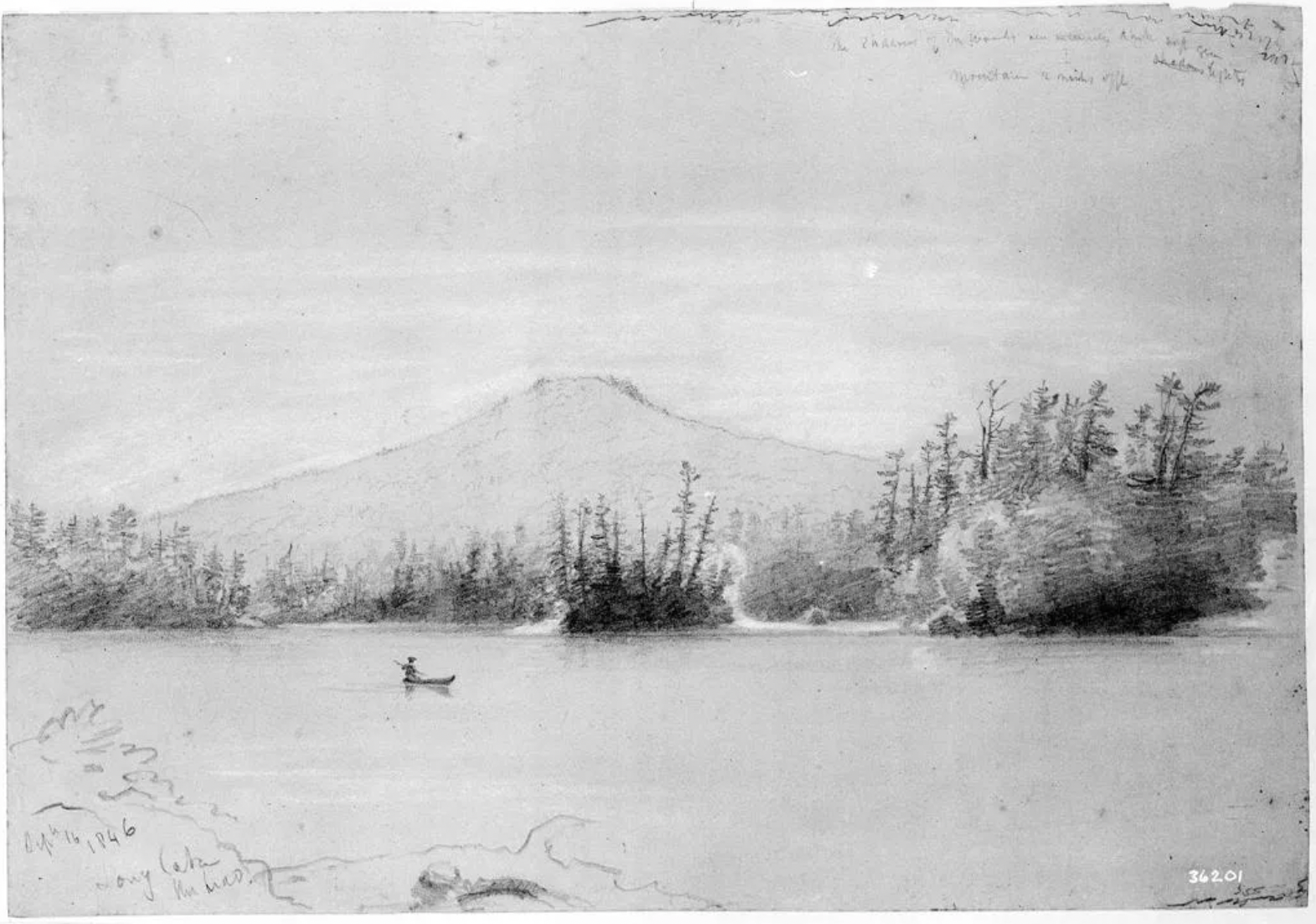
Thomas Cole’s Long Lake Sketch 1846

“Nothing so fair, so pure, and at the same time so large, as a lake, perchance, lies on the surface of the earth. Sky water. It needs no fence. Nations come and go without defiling it. It is a mirror which no stone can crack, whose quicksilver will never wear off, whose gilding Nature continually repairs; no storms, no dust, can dim its surface ever fresh; a mirror in which all impurity presented to it sinks, swept and dusted by the sun’s hazy brush—this the light dust-cloth—which retains no breath that is breathed on it, but sends its own to float as clouds high above its surface, and be reflected in its bosom still.” — Henry David Thoreau, Walden p177

Thoreau’s description of Walden and other lakes in New England came to mind this weekend as I was canoeing and swimming with friends across Lake Cayuga, Ithaca’s own majestic mirror (albeit a crinklier one than Walden, given our weather). Continue reading