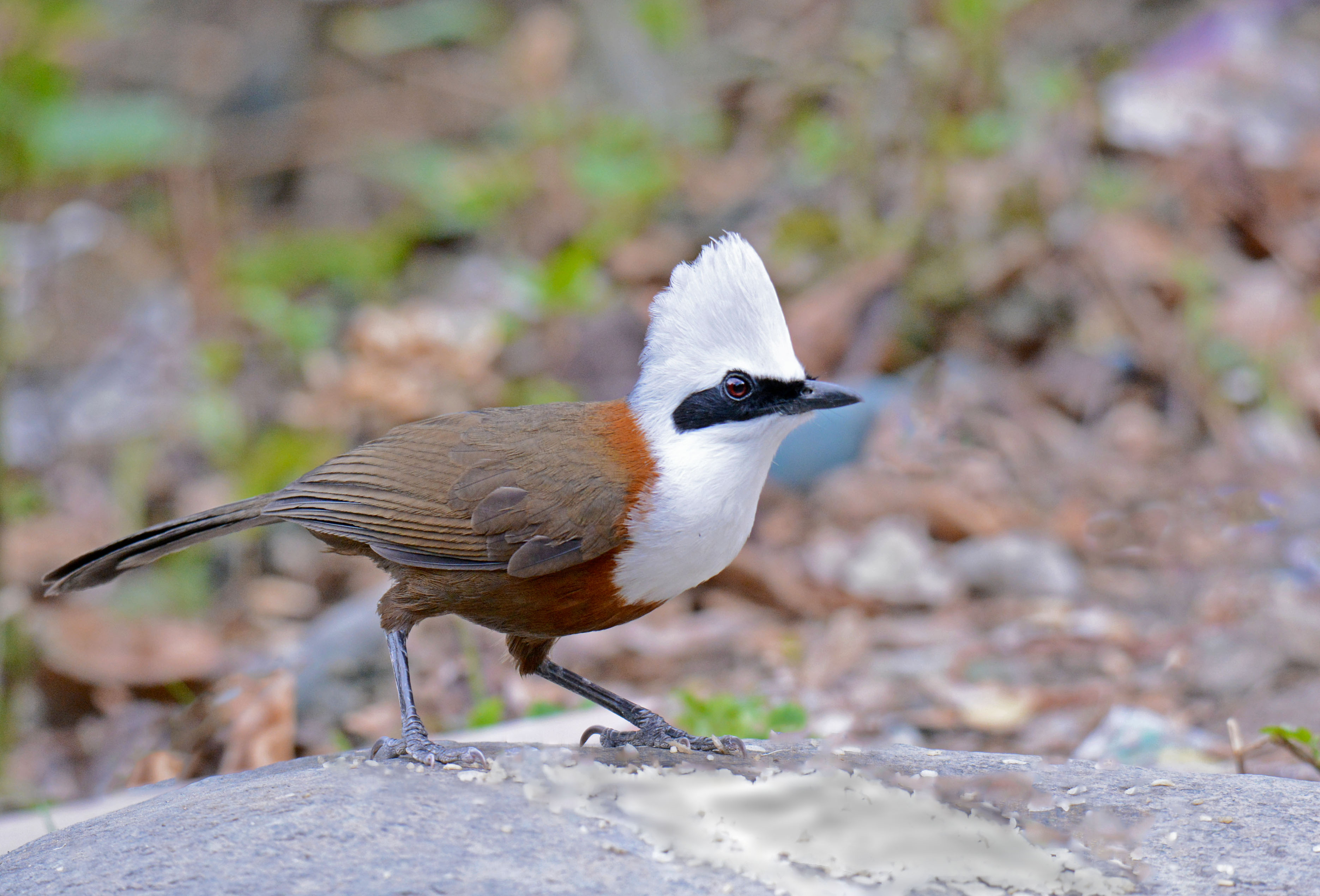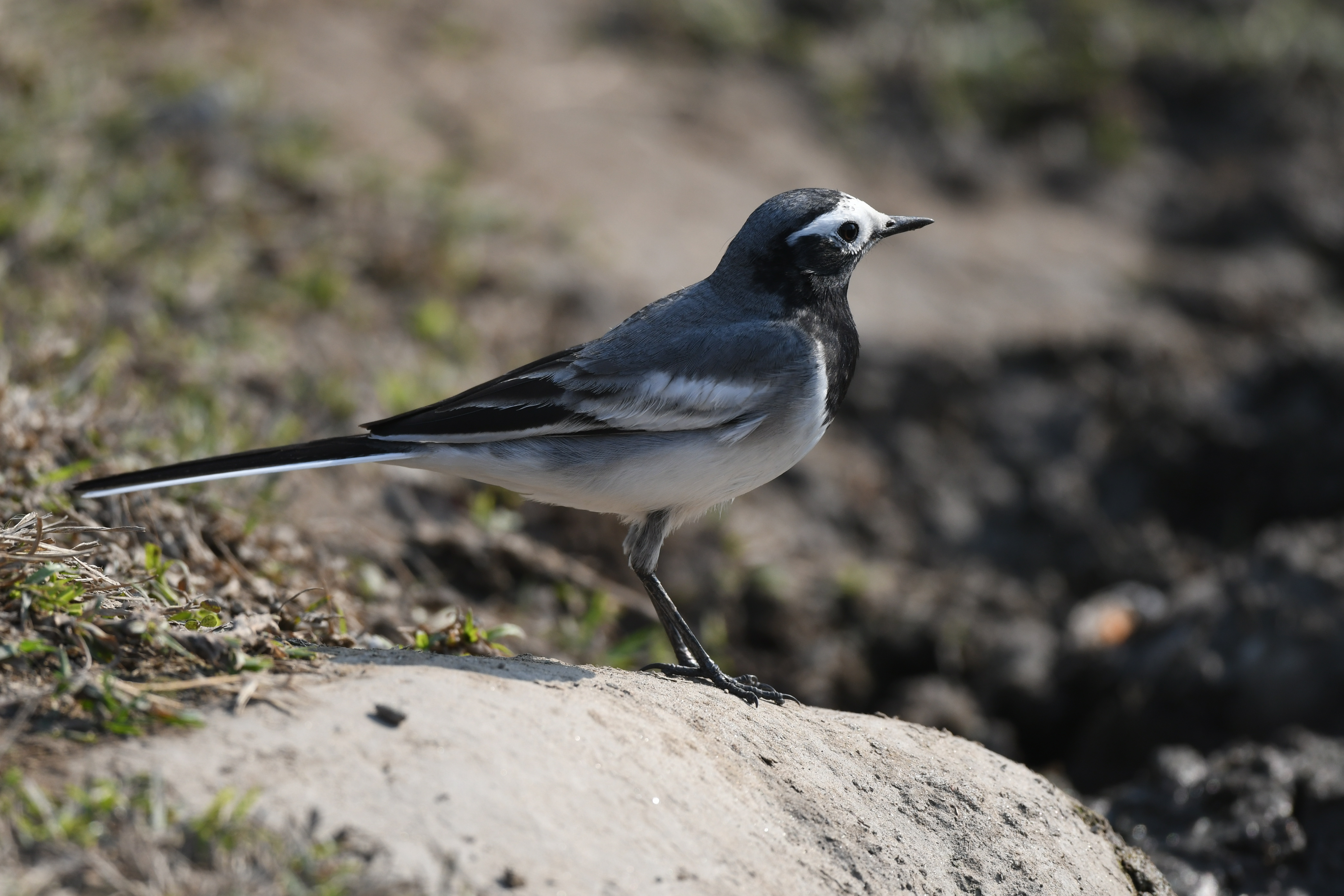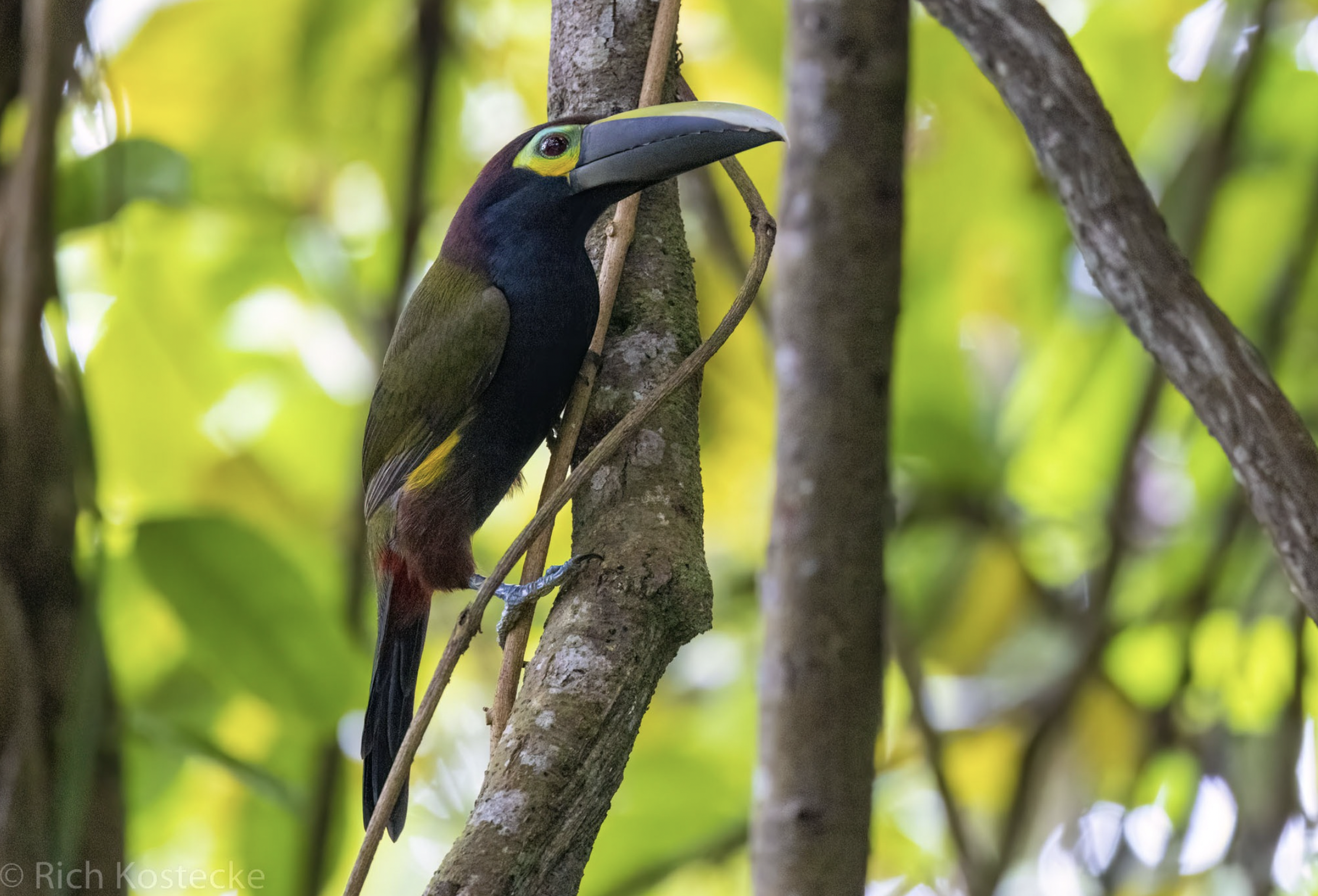
Mandala, Arunachal Pradesh
When In A Hole, Stop Digging

For many Americans, cars are as potent a symbol of freedom as guns are, even if they have similarly destructive consequences. Photograph by René Burri / Magnum
An interview with the author of one of the books reviewed in the linked essay below is effective motivation to read the entire review of both books:
They crowd streets, belch carbon, bifurcate communities, and destroy the urban fabric. Will we ever overcome our addiction?
The Honeymooners” (1955-56), the greatest American television comedy, is—to a degree more evident now than then—essentially a series about public transportation in New York. Ralph Kramden (Jackie Gleason) is a New York City bus driver, deeply proud to be so and drawing a salary sufficient to support a nonworking wife in a Brooklyn apartment, not to mention a place in a thriving bowling league and membership in the Loyal Order of Raccoon Lodge. Continue reading
Bird of the Day: Siberian Stonechat
What Does Positive & Progressive Permitting Look Like?
We have seen the Center for Biological Diversity mentioned in his newsletters before, but this week Bill McKibben links to this recently released document. The Center offers a positive and progressive consideration of priorities we should give to permitting renewable energy, contrasting efforts to gut regulatory protections related to fossil fuel permitting highlighted in his current newsletter:
Introduction
It is indisputable that the climate emergency requires the United States to rapidly transform its majority fossil energy system to 100% clean and renewable energy.
Distributed solar on rooftops alone can generate a significant portion of our energy demands while also bringing key benefits like resilience, local job generation, and avoided wildlife impacts. Once distributed energy is maximized, building renewables on top of parking lots and canals as additional built surfaces can fill the remaining gap in our current energy demand. Prioritizing these sites for renewable energy can avoid the community impacts and bottlenecks associated large-scale transmission construction.
The United Nations Intergovernmental Panel on Climate Change’s recent sixth synthesis report makes absolutely clear that an unprecedented bold transition to renewable energy with an equally aggressive effort to halt new fossil fuel development and phase out existing fossil fuel usage is absolutely vital to avoiding the most catastrophic consequences of climate change (1). This necessary transformation presents a tremendous opportunity to pursue a far more just path forward—one that ends the status quo entrenchment of the fossil fuel industry; empowers federal agencies to use their authorities to accelerate the transitions to a justly sourced, justly implemented, resilient, and equitable power system; actualizes the principles of environmental justice; and preserves our core environmental laws. Continue reading
Bird of the Day: Verdin
Reversal Of Absurd Destruction Counts As Progress in Brazil’s Amazon

An aerial view shows a deforested area during an operation to combat deforestation at the Cachoeira Seca indigenous reserve, in Uruara, Para State, Brazil January 19, 2023. REUTERS/Ueslei Marcelino
What counts as good news now in one part of the world is simply a reversal of absurd destruction trends of recent years. Without minimizing its importance we can acknowledge that a positive reversal is a low bar for what needs to be accomplished:
Deforestation in Brazil’s Amazon falls 68% in April, first major drop under Lula
SAO PAULO, May 12 (Reuters) – Deforestation in Brazil’s Amazon rainforest fell 68% in April from the previous year, preliminary government data showed on Friday, a positive reading for President Luiz Inacio Lula da Silva as it represents the first major drop under his watch. Continue reading
Bird of the Day: Black-rumped Flameback
About That Bloom
We had a quick look at this phenomenon recently, but Dana Goodyear is just the person to give it this depth of follow up that is worth a read and luxuriant gazing:
The Superbloom Is a Glimpse of California’s Past
This year’s rains reversed, temporarily, more than a decade of catastrophic drought. Some of the seeds that caused the bloom have lain dormant for years.
This winter, it rained in California. Ten inches in San Francisco in the ten days after Christmas alone. Thirty-one atmospheric rivers—columns of vapor that move water from the tropics. Record-breaking snow at Mammoth Lakes. Los Angeles measured its wettest year on record since 2004-05, the year I moved here.
My memories from that first winter are of driving in a rental car on slick gray roads, weaving around Jurassic-looking fallen palm fronds; my elderly neighbor calling, terrified, as the water rushed from my basement office toward her house; a picture on the front page of the paper showing a swimming pool sliding off a hill.
People hunkered down; red tags went up, flagging damaged buildings. I had left all my sweaters in New York, and froze. I learned the city through a veil of rain. Looking at the mountains, downtown is to the right, and the coast is to the left.
By April, the rain had stopped, and nasturtiums, not muddy rivers, were cascading down the hillsides. Seussian red bottlebrush trees and violet jacarandas made the days vivid, and at night the white blooms emanated perfume.
So this was Los Angeles: abundant, intoxicating, unmoored. It must have been a Superbloom, though I don’t remember anyone calling it that then. I didn’t know that it would be eighteen years before I would see this Los Angeles again. Continue reading
Bird of the Day: Fasciated Tiger-heron
The Lab Of Peter Girguis

Giant tubeworms take up chemicals from a hydrothermal vent 6,200 feet deep in the Gulf of California (the Girguis lab is world-renowned for research on these worms). Photograph courtesy of the Schmidt Ocean Institute
Our thanks to Veronique Greenwood (after a few years’ absence from our notice) for her most recent article in Harvard Magazine:
Peter Girguis probes life on the ocean floor
In a cavernous underground space behind Harvard’s Biological Laboratories, biochemist Peter Girguis frowns at the pressure vessel in his hand. The machined titanium cylinder, about the size of a French press, gleams as he works to release the cap, and he chuckles at his own stubbornness. He could probably find a tool to loosen it, he remarks. Continue reading
Bird of the Day: Resplendent Quetzal
Chilekwa Mumba, 2023 Goldman Environmental Prize Winner
The 2023 Goldman Prize goes to this man:
Alarmed by the pollution produced by the Konkola Copper Mines operation in the Copperbelt Province of Zambia, Chilekwa Mumba organized a lawsuit to hold the mine’s parent company, Vedanta Resources, responsible. Chilekwa’s victory in the UK Supreme Court set a legal precedent—it was the first time an English court ruled that a British company could be held liable for the environmental damage caused by subsidiary-run operations in another country. This precedent has since been applied to hold Shell Global—one of the world’s 10 largest corporations by revenue—liable for its pollution in Nigeria.
Our thanks to Jocelyn C. Zuckerman for this conversation with him:

The Nchanga copper mine, operated by Konkola Copper Mines, in Chingola, Zambia. WALDO SWIEGERS / BLOOMBERG VIA GETTY IMAGES
This Zambian Took on a U.K. Mining Giant on Pollution and Won
Chilekwa Mumba led a court battle to hold a U.K.-based company responsible for the gross pollution from a copper mine it owns in Zambia. In an interview, he talks about how he and local villagers faced arrest to overcome long odds and finally win a landmark legal victory.
The southern African nation of Zambia is home to a wealth of minerals — in particular, lots of the copper and cobalt that the world will require to power a green economy. Continue reading
Bird of the Day: Montagu’s Harrier
India’s Progress With Solar Power Generation
Progress on solar power generation in India is a big deal. The country’s reduction in poverty, remarkable as it has been, is counterbalanced by its environmental impoverishment. Thanks to Reuters for this article by Sarita Chaganti Singh and Sudarshan Varadhan:
Exclusive: India amends power policy draft to halt new coal-fired capacity
NEW DELHI/SINGAPORE, May 4 (Reuters) – India plans to stop building new coal-fired power plants, apart from those already in the pipeline, by removing a key clause from the final draft of its National Electricity Policy (NEP), in a major boost to fight climate change, sources said. Continue reading
Bird of the Day: Eurasian Wren
Norway’s Combustion Transition

About 80 percent of new-car sales in Norway were electric last year, putting the country at the vanguard of the shift to emissions-free vehicles. David B. Torch for The New York Times
A major fossil fuel producing country has figured out how to transition away from combustion engines:
In Norway, the Electric Vehicle Future Has Already Arrived
About 80 percent of new cars sold in Norway are battery-powered. As a result, the air is cleaner, the streets are quieter and the grid hasn’t collapsed. But problems with unreliable chargers persist.
BAMBLE, Norway — About 110 miles south of Oslo, along a highway lined with pine and birch trees, a shiny fueling station offers a glimpse of a future where electric vehicles rule. Continue reading
Bird of the Day: American Three-toed Woodpecker
The Future Of Solar In India

A local farmer grazes his goats along a road overlooking Pavagada Solar Park. Photographs by Supranav Dash for The New Yorker
Difficult to imagine that with all the times India has appeared in these pages, and separately all the times that solar has appeared, this is the first time they appear together:
India’s Quest to Build the World’s Largest Solar Farms
Pavagada Ultra Mega Solar Park, a clean-power plant the size of Manhattan, could be a model for the world—or a cautionary tale.
Ashok Narayanappa drives a bullock cart carrying hay, along a stretch of road lined with pylons, in Pavagada Solar Park.
Every morning in the Tumakuru District of Karnataka, a state in southern India, the sun tips over the horizon and lights up the green-and-brown hills of the Eastern Ghats. Its rays fall across the grasslands that surround them and the occasional sleepy village; the sky changes color from sherbet-orange to powdery blue. Eventually, the sunlight reaches a sea of glass and silicon known as Pavagada Ultra Mega Solar Park. Here, within millions of photovoltaic panels, lined up in rows and columns like an army at attention, electrons vibrate with energy. The panels cover thirteen thousand acres, or about twenty square miles—only slightly smaller than the area of Manhattan. Continue reading
Bird of the Day: Blue-throated Goldentail
Think, While You Can, About The Processed Foods You Eat
The groceries we shop for, even with the finer shopping options, sometimes disappoint; but some foods are just plain wrong, as this article by Sally Wadyka in the New York Times explains:
The Link Between Highly Processed Foods and Brain Health
Eating packaged foods like cereal and frozen meals has been associated with anxiety, depression and cognitive decline. Scientists are still piecing together why.
Roughly 60 percent of the calories in the average American diet come from highly processed foods. Continue reading