Tranquilo Bay, Panama
Tranquilo Bay, Panama

Heatmap Illustration/Getty Images
We are happy to see a new platform that Robinson Meyer has co-founded for climate-related news:
Marvel at America’s green transition on your next vacation.
Scroll past San Jacinto Mountain, Brandini Toffee, a bicycle-powered bar crawl, and 13 other attractions on Tripadvisor’s list of “Things to Do in Palm Springs” and you’ll come to “Palm Springs Windmill Tours.” Continue reading
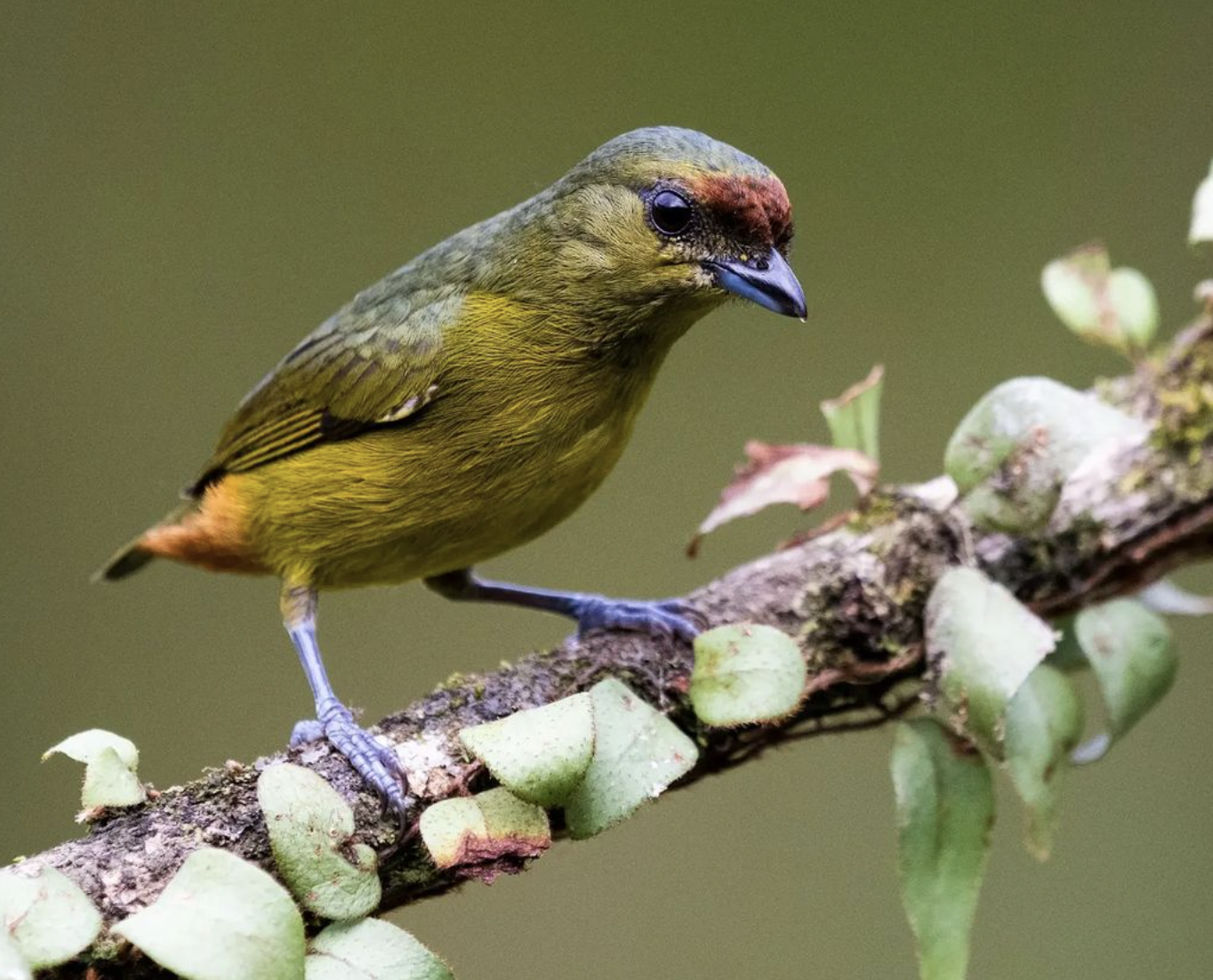
Female – Leander Khil Photography
Costa Rica
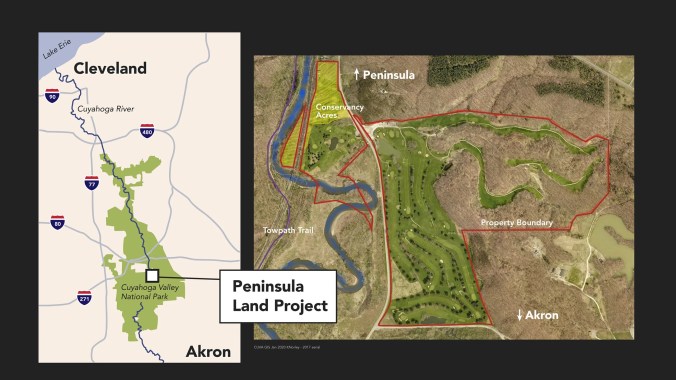
Map by Anna Yantek / Ideastream Public Media, with satellite imagery via the Conservancy for Cuyahoga Valley National Park
We do not mind the sport, per se, but its footprint is quite problematic. This story by Abigail Bottar with photos and video by Ryan Loew is worth a few minutes of your time, either reading or listening, if you want to see what is possible to mitigate the footprint:

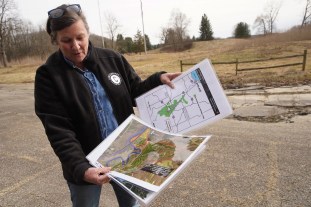
Stacey Rusher, director of park projects at the Conservancy for Cuyahoga Valley National Park, holds maps of the former Brandywine Country Club golf course property.
At the former Brandywine golf course in Peninsula, a national park acquisition is allowing Mother Nature to retake her land.
On a warm winter day, Stacey Rusher serves as a guide through what used to be the par three golf course at the former Brandywine Country Club. Through fields of dry brush, up leaf-covered hills and past resting geese, she arrives at the banks of the Cuyahoga River. Continue reading
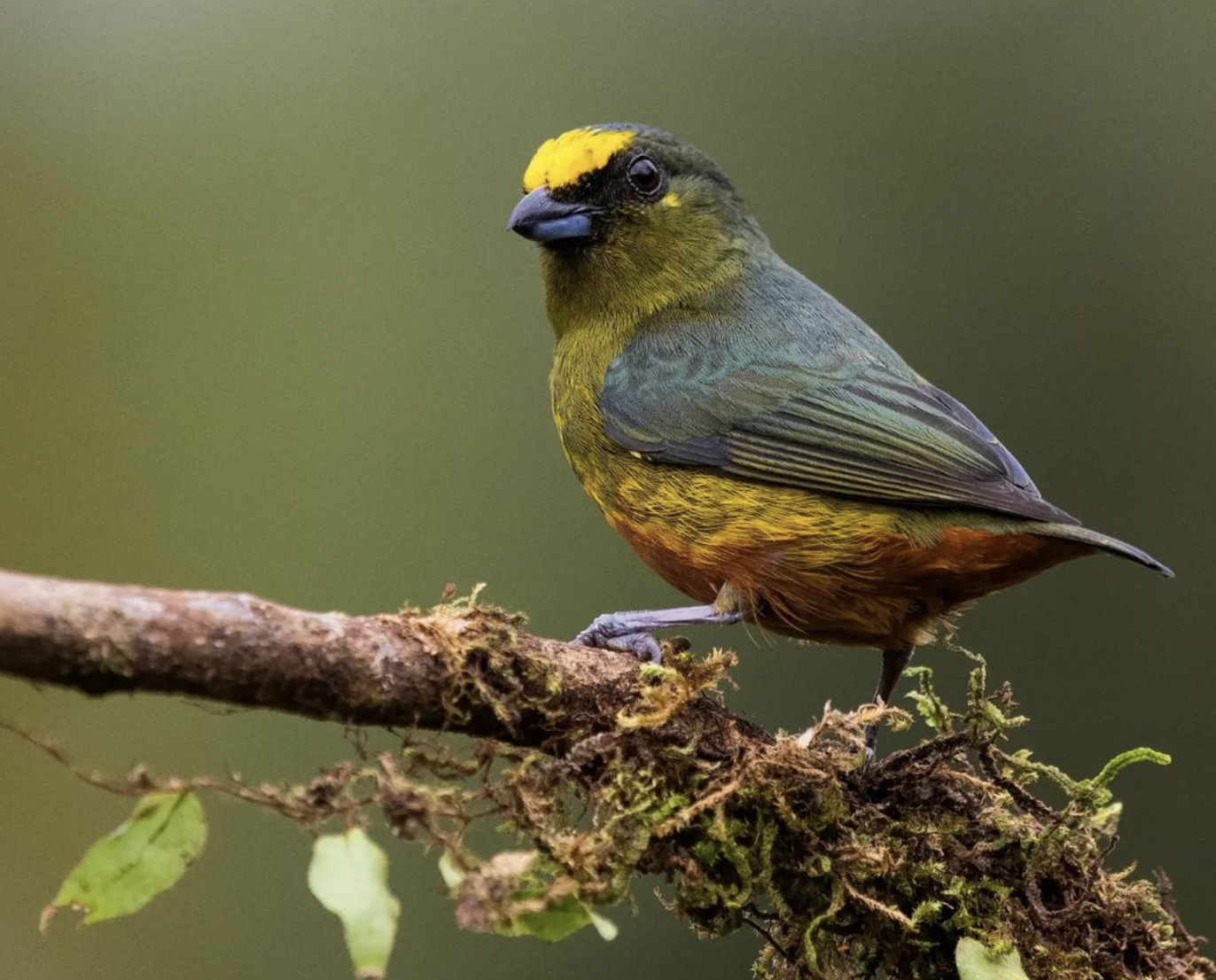
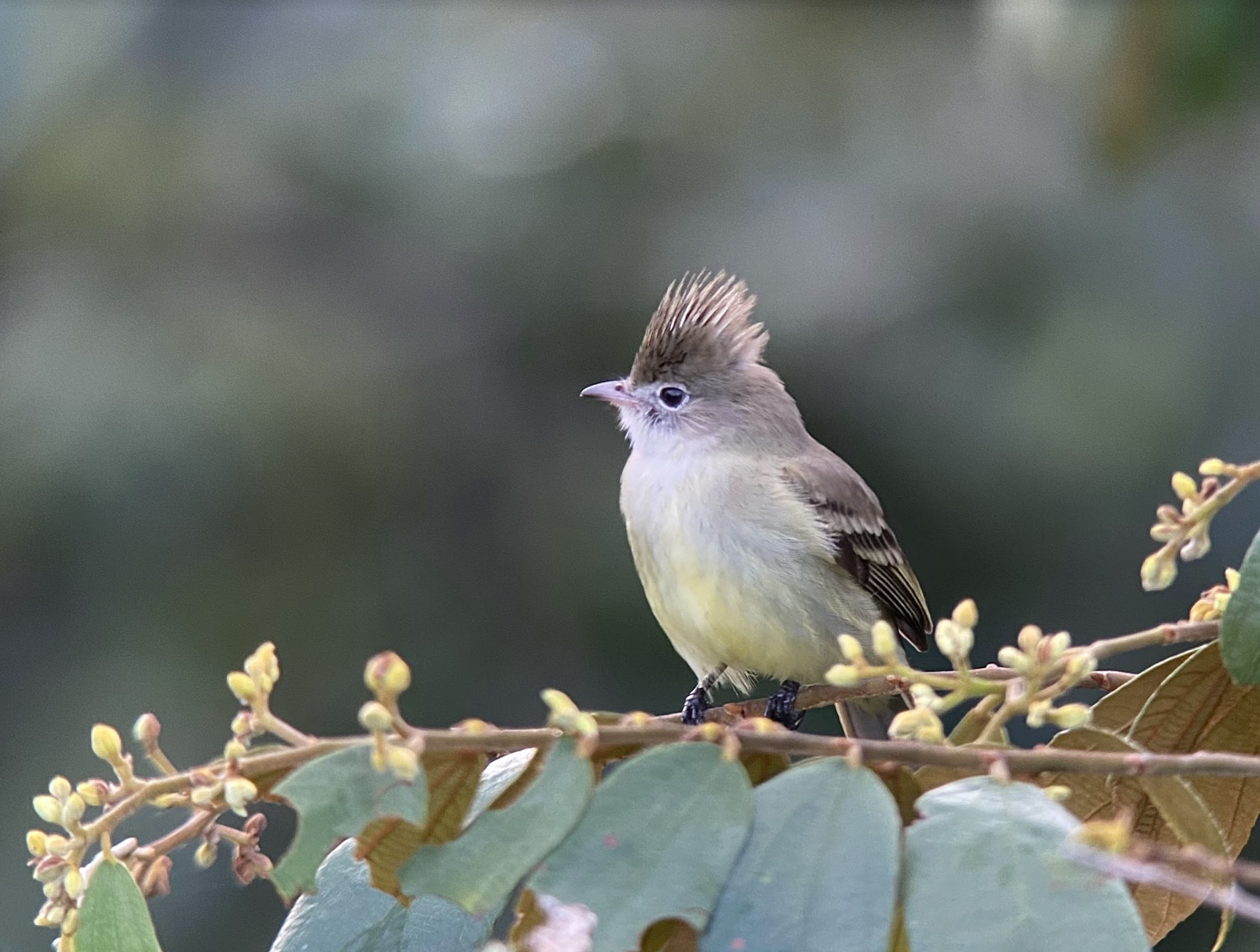
Male – Leander Khil Photography
Costa Rica
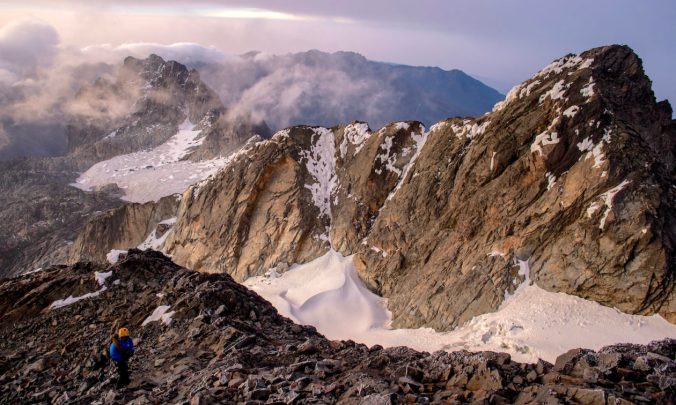
Margherita Peak, with mountain guide Uziah Kule (lower left) ascending. The Stanley Glacier is in the background. JOHN WENDLE
We should not be surprised that there are glaciers anywhere in Africa, especially given the title of a book many of us have read that name checks one of the continent’s highest mountains with reference to its snow. But still, surprise:
For Uganda’s Vanishing Glaciers, Time Is Running Out
A trek through tropical forest, mud fields, and scree reveals the last remnants of the once-sprawling ice fields in Uganda’s Rwenzori Mountains. Their loss has profound implications for local communities, uniquely adapted species, and scientists studying the climate record.
Enock Bwambale stopped at the lip of the dying glacier, its blunted nose arcing steeply down to scoured rocks, then shouted up to his fellow guide Uziah Kule that the ice was too sheer to descend on foot. Continue reading
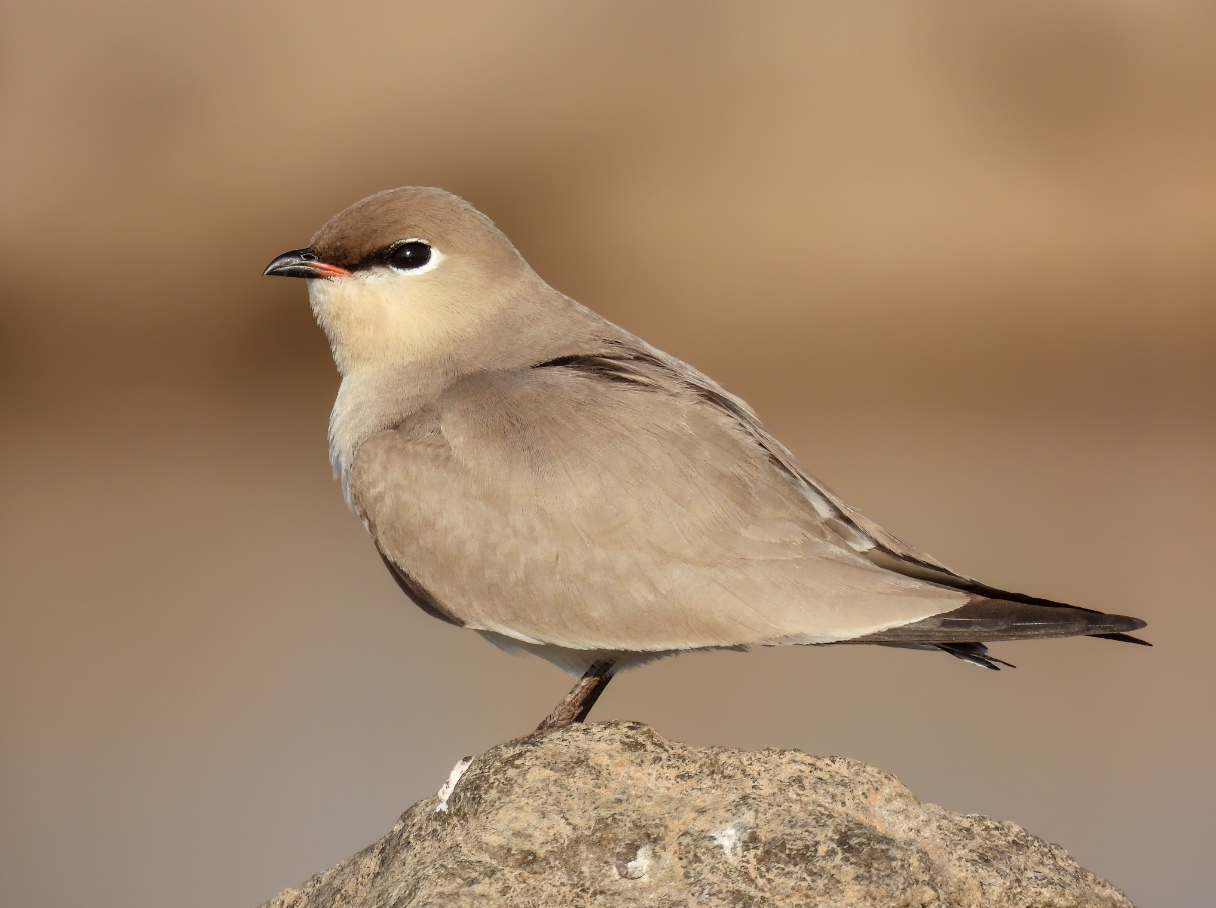
Almatti Backwaters, Vijaypura, Karnataka
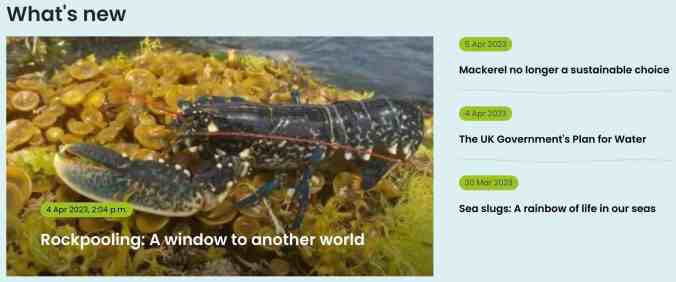
In the UK the Marine Conservation Society has issued this guideline on mackerel:
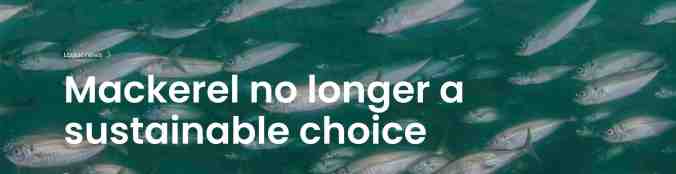
We’ve updated the environmental sustainability ratings on our Good Fish Guide in line with the latest scientific advice.
We reviewed 186 environmental ratings for seafood, with 20 seafood ratings moving to the ‘Fish to Avoid’ list and only 15 seafood ratings joining the green-rated, ‘Best Choice’ list with this season’s ratings update. Unfortunately, Northeast Atlantic mackerel has moved on to the amber list, having been on the charity’s green list since before 2011. Continue reading
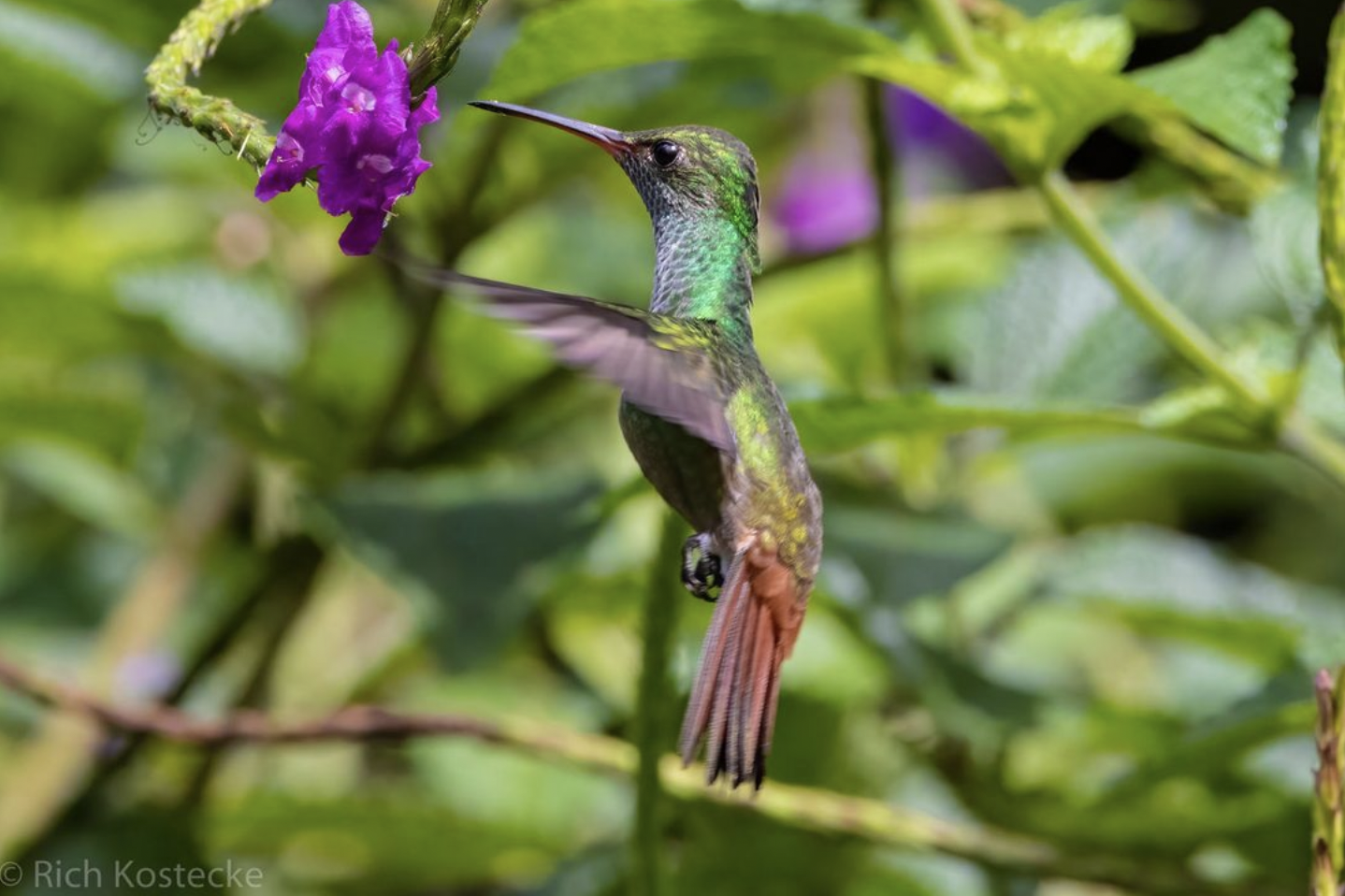
Centro Manú, Costa Rica
We linked to stories about this great cat frequently enough that its demise was sad news. So this requiem is overdue and quite welcome. We rarely have words with no images, but for P-22 it seems like the way to do it (as is the reference to a domestic cat in the author’s life):
Requiem for a Great Cat
The beloved mountain lion P-22 connected humans to feline mysteries.
The citizens of Los Angeles have not forgotten about P-22, the furtively majestic mountain lion of Griffith Park, who died a week before Christmas, at the age of about twelve. A handsome beast with amber eyes and a white muzzle, P-22 was probably born in the Santa Monica Mountains, the coastal range west of L.A. His father was P-1, the first animal to have been tagged in a National Park Service mountain-lion study that began in 2002. Continue reading
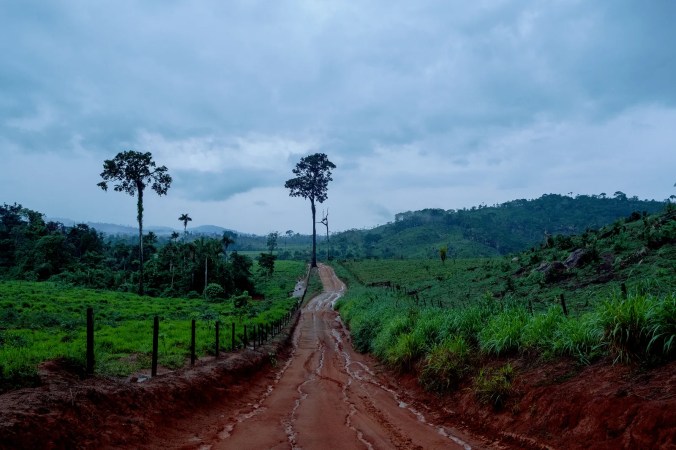
On the road from Novo Progresso to Baú Village.
We are always thankful to Jon Lee Anderson for his illuminations on complicated places, such as Brazil:
Dulce Sousa, a resident of Novo Progresso, agrees with the former President Jair Bolsonaro that local residents should be free to profit from the forest’s resources.
Brazil’s President, Luiz Inácio Lula da Silva, promises to keep miners and loggers from destroying the rain forest. On the ground, the fight is complicated.
The Brazilian Amazon is riven by two long highways, in the shape of a cross: the BR-163, which extends more than four thousand miles from north to south, and the Trans-Amazonian, which runs twenty-four hundred miles from east to west. The roads were carved from the jungle in the nineteen-seventies, to open the wilderness to settlers and development. The effects have been calamitous. As colonists flooded in, the human population in Brazil’s Amazon has quadrupled, to nearly thirty million. Continue reading
Etosha National Park, Namibia

Bees are in a class by themselves as pollinators, a role that requires a sophisticated mind, says one expert. Photograph: Alamy
Stories about bees in our pages are the proverbial bees knees, again, this time with some information on their sense of the world:
‘Bees are sentient’: inside the stunning brains of nature’s hardest workers
‘Fringe’ research suggests the insects that are essential to agriculture have emotions, dreams and even PTSD, raising complex ethical questions
When Stephen Buchmann finds a wayward bee on a window inside his Tucson, Arizona, home, he goes to great lengths to capture and release it unharmed. Continue reading
Pauri Garhwal, Uttarakhand
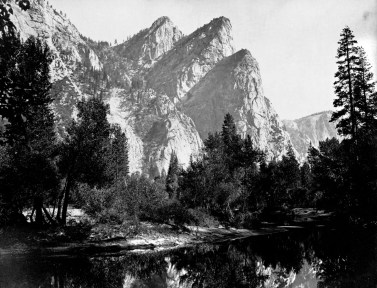
The Three Brothers, taken just east of El Capitan, by Carleton Watkins, ca. 1865. “A sharp earthquake shock at 7:30 a.m.,” Muir wrote in his journal on January 5, 1873. “Rotary motion tremored the river. . . . A boulder from the second of the Three Brothers fell today.” (Courtesy of the Library of Congress)
This book review in the LA Times will be of interest to those who find the history of conservation innovations entertaining:
The odd couple that saved Yosemite
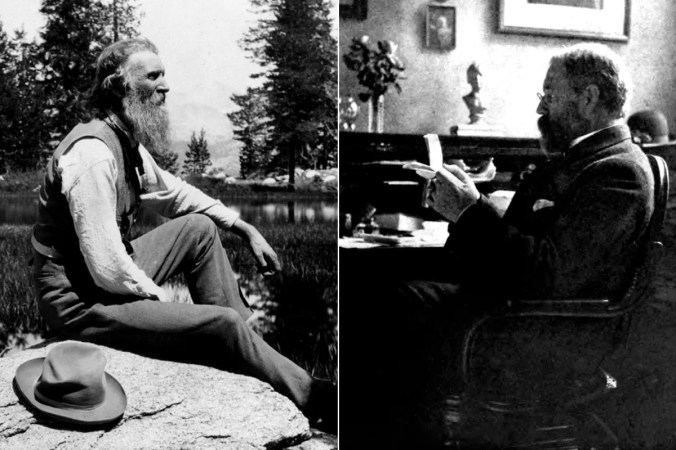
John Muir and Robert Underwood Johnson were unlikely allies in the war to preserve Yosemite. Muir, son of a Scripture-quoting Scottish immigrant father, was raised poor on a Wisconsin farm, but he wrote and spoke with the fervor of a prophet, and his craggy visage, tough constitution and unshakable devotion to the natural world drew admirers like a magnet. The urbane and cultured Johnson was an insider with a vast network of contacts in publishing and politics. The editor of one of the country’s preeminent magazines, Johnson hosted New York literary salons, mingled with America’s elite and eventually became the U.S. ambassador to Italy.
John Muir in California nature, 1902, left, and Robert Underwood Johnson, associate editor of the Century Magazine, at his office on Union Square in New York City. Their complementary skills helped carve out Yosemite National Park.(Courtesy of the Library of Congress; Courtesy of Wikimedia Commons)
It was improbable that they even met — Muir was on the West Coast, Johnson on the East. But on one memorable journey into the California kingdom now known as Yosemite National Park, the two agreed to pull together to wage the nation’s “first great environmental war,” battling through the administrations of seven presidents to save Yosemite. It’s fair to say that the valley’s matchless terrain and fragile ecosystem would have been logged, plowed and plundered without their relentless efforts. Veteran nonfiction writer Dean King tells their story in “Guardians of the Valley: John Muir and the Friendship that Saved Yosemite.” Continue reading

Monteverde Cloud Forest Reserve, Costa Rica

David Huang
We occasionally post about food, notably during stretches where it intersects with our work. Also when someone brings to our attention something fresh in a fun way. Case in point:
China has spent millennia exploring the culinary possibilities of soybean curds. The West has barely scratched the surface.
Guiyang didn’t have many restaurants, per se. The metropolis was more of a city-wide night market. Even in the pre-COVID days, streets like Qingyun Road were only half-filled with cars, to leave room for tents and tables that stretched to the horizon, and for smoke and steam that rose into the clouds. Continue reading

Escazú, Costa Rica
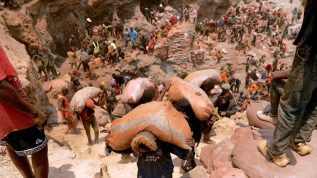
Miners haul sacks of cobalt ore at the Shabara mine near Kolwezi in the Democratic Republic of the Congo. JUNIOR KANNAH / AFP VIA GETTY IMAGES
Jocelyn C. Zuckerman leads a conversation below that puts our electric future in a very particular context:
For Your Phone and EV, a Cobalt Supply Chain to a Hell on Earth
The race for high-tech metals has sparked a cobalt boom in the Democratic Republic of the Congo that has come at a steep human cost. In an e360 interview, author Siddharth Kara talks about the horrific conditions in the mines that are putting thousands of workers at risk.
As countries around the world look to pivot quickly to clean energy, demand for the lithium-ion batteries used to charge our smartphones, laptops, and electric vehicles is booming. Continue reading