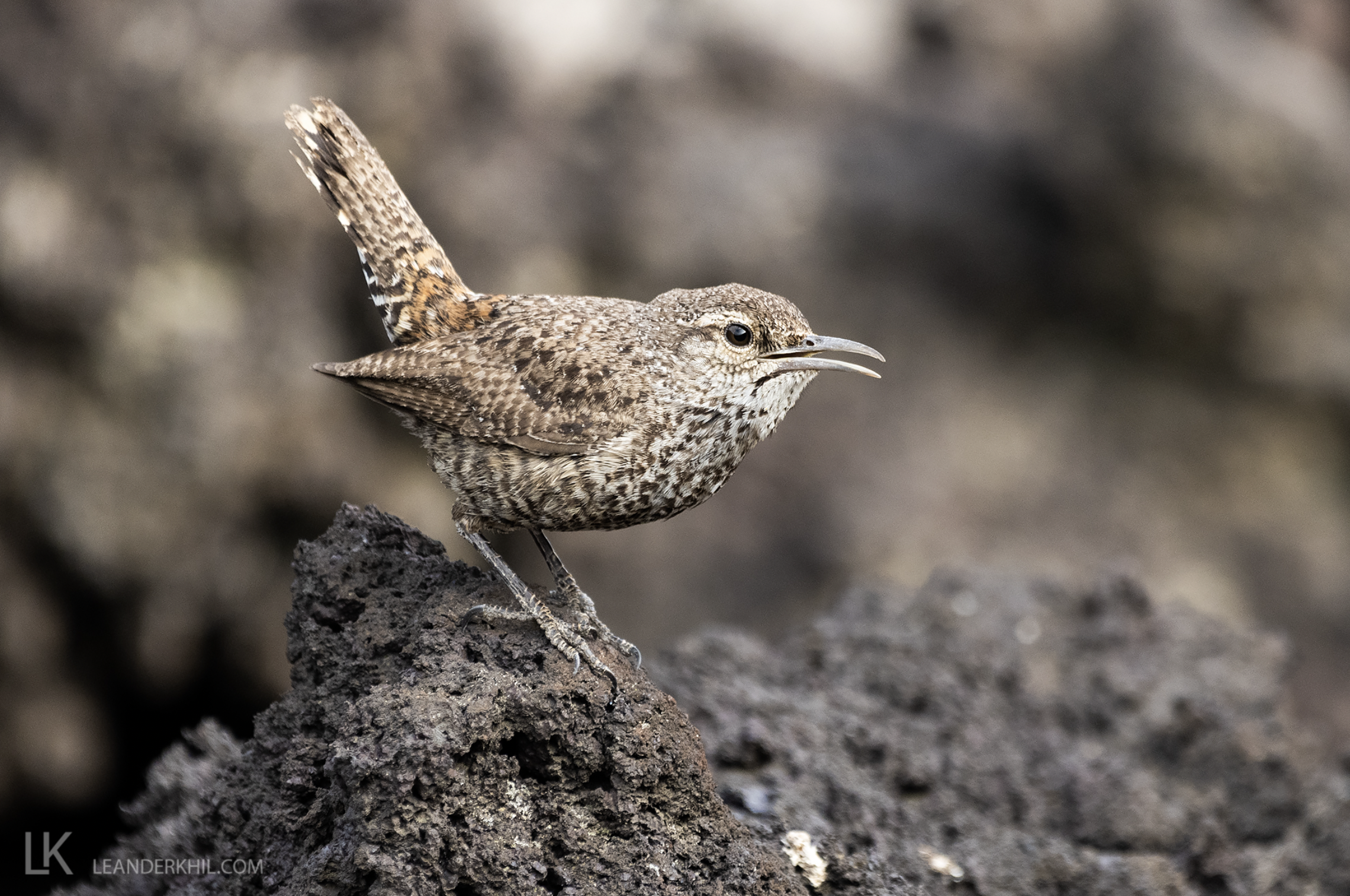
McKibben Embraces Green Building Boom
Grace J. Kim
We link to one person more than anyone else, for good reason:
ELECTRIFY EVERYTHING
Yes in Our Backyards
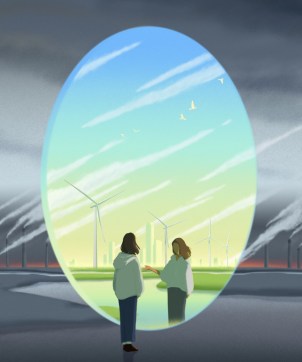
It’s time progressives like me learned to love the green building boom.The United States is on the brink of its most consequential transformation since the New Deal. Read more about what it takes to decarbonize the economy, and what stands in the way, here.
I’m an environmentalist, which means I’ve got some practice in saying no. It’s what we do: John Muir saying no to the destruction of Yosemite helped kick off environmentalism; Rachel Carson said no to DDT; the Sierra Club said no to the damming of the Grand Canyon. Continue reading
Bird of the Day: Lattice-tailed Trogon
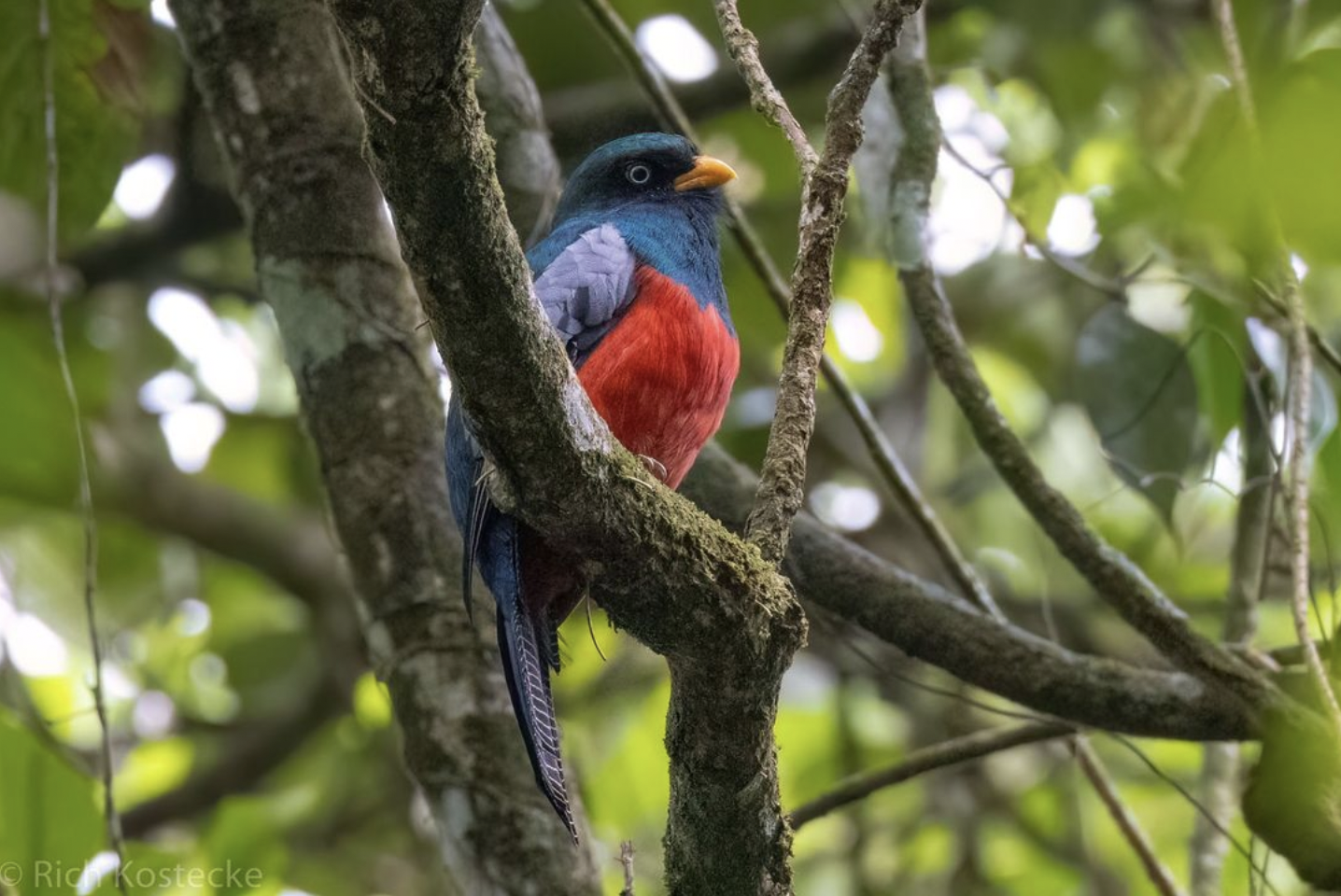
Parque Nacional Braulio Carrillo, Costa Rica
Tagging Large Land Animals
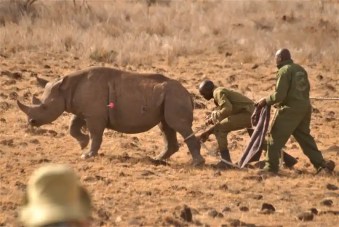
The team secure a darted rhino with nylon rope, then take its temperature and use a pulsemeter to monitor its heart rate and blood oxygenation
We have previous links to articles on tagging animals, but few land animals this big:
How to tag a rhino? Use tech, tact … and plenty of caution – a photo essay
Fewer than 2,000 rhino remain in Kenya, and the country’s wildlife service needs to keep tabs on them to make sure they thrive. It’s a major undertaking, involving a helicopter, 4x4s and a lot of rangers
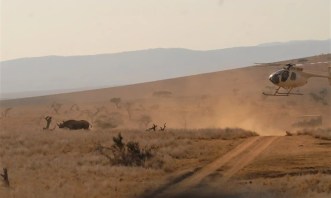
Here comes a chopper … a helicopter is used to dart the highly aggressive black rhino
Kenya has the world’s third largest rhinoceros population: a total of 1,890 including 966 black rhinos, 922 southern white and two northern white. But how to keep track of them and ensure the species are thriving? Every two or three years, Kenya Wildlife Service (KWS) carries out an ear-notching exercise in all rhino sanctuaries in the country to ensure that at least 60% of the animals are uniquely identifiable. Continue reading
Bird of the Day: Chestnut-sided Shrike-Vireo
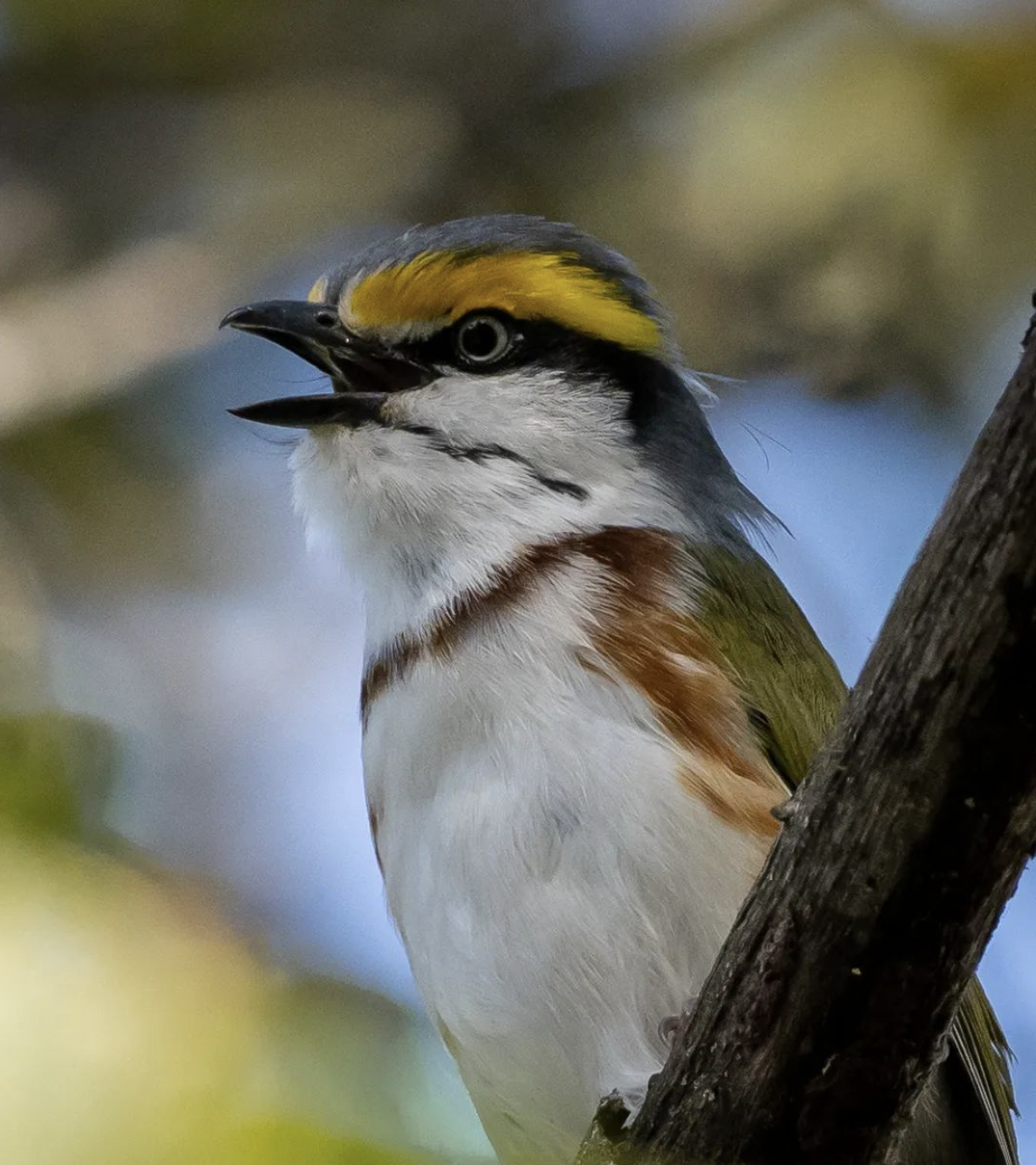
Volcan Toliman, Atitlan Guatemala
Pesticide Practicalities
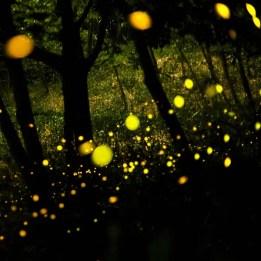
The Asahi Shimbun, via Getty Images
Our thanks, as always, to Margaret Renkl:
Long Live the Fireflies (and the Wildflowers and Mosquitoes, Too)
NASHVILLE — The day we moved into this house, 28 years ago next month, a thunderstorm knocked out the power late in the day. My husband was returning the rental van. Our 3-year-old was safely tucked into his old bed in his new room. As night began to fall in the silent house, I sat down on the sofa to cry. Continue reading
Bird of the Day: Cedar Waxwings
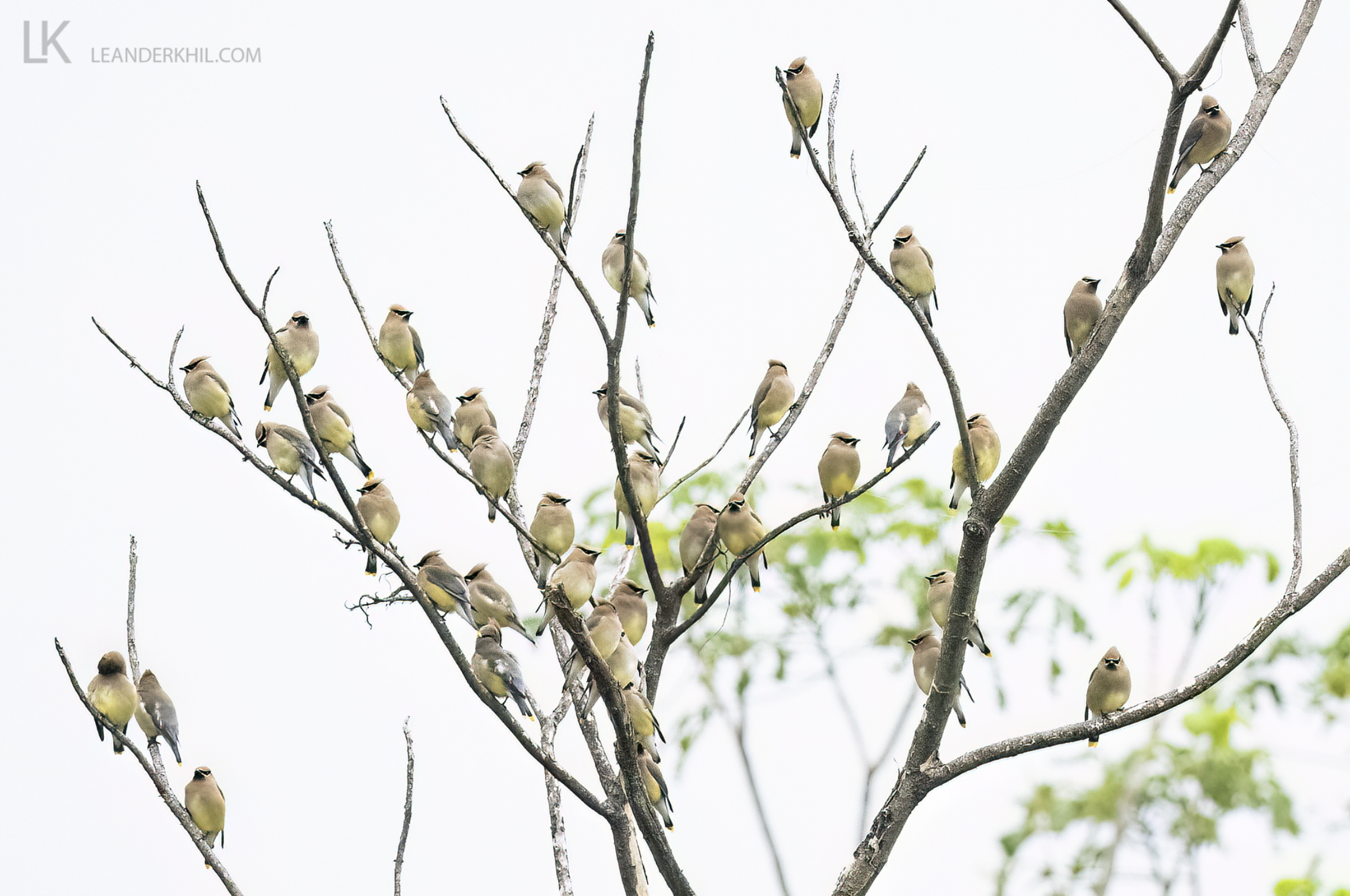
Antigua de Guatemala, Guatemala
Fort Lauderdale Weather In Context

Police evacuate residents from this week’s epic Ft. Lauderdale floods
You probably did not need Bill McKibben’s newsletter to tell you about this weather event, but putting it in context is what he is particularly good at:
We’re in for a stretch of heavy climate
Ominous signs that the next step phase of global warming is starting;
This week’s Fort Lauderdale rainstorm was, on the one hand, an utter freak of nature (storms ‘trained’ on the same small geography for hours on end, dropping 25 inches of rain in seven hours; the previous record for all of April was 19 inches) and on the other hand utterly predictable. Continue reading
Bird of the Day: Great Thick-knee
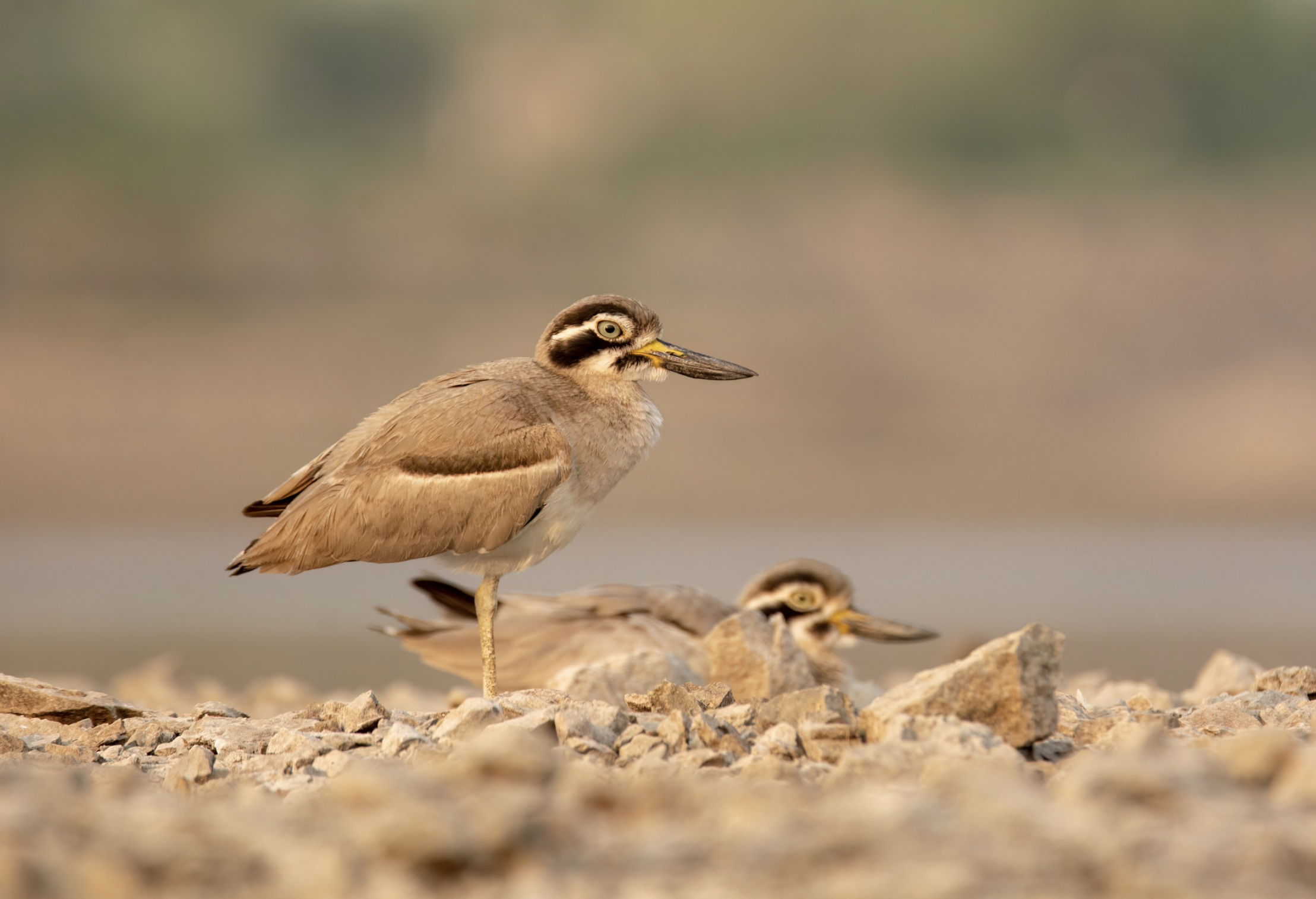
Vijaypura, Karnataka
A Proposal For The Colorado River States
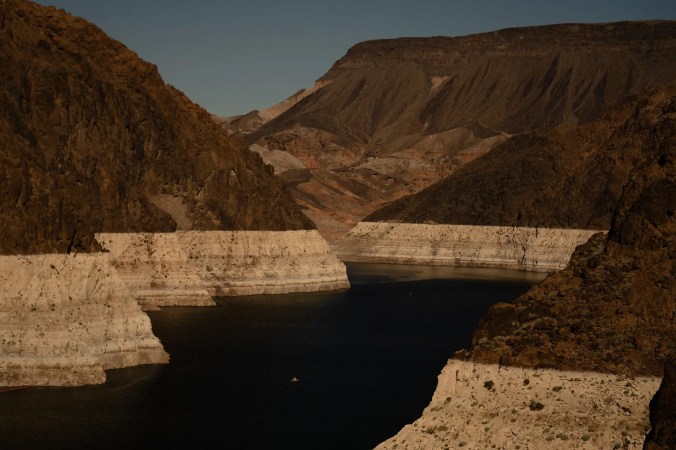
The Lake Mead reservoir in Nevada is showing a “bathtub ring” because of drought. Erin Schaff/The New York Times
We have featured the river plenty in recent years. No easy solutions. Bruce Babbitt, who was secretary of the Interior Department in the Clinton administration, and before that a governor of Arizona, has this to say:
Before Western States Suck the Colorado River Dry, We Have One Last Chance to Act
The Interior Department last summer dropped a bomb on the seven states that depend upon the Colorado River for water. Continue reading
Bird of the Day: Blue-throated Goldentail
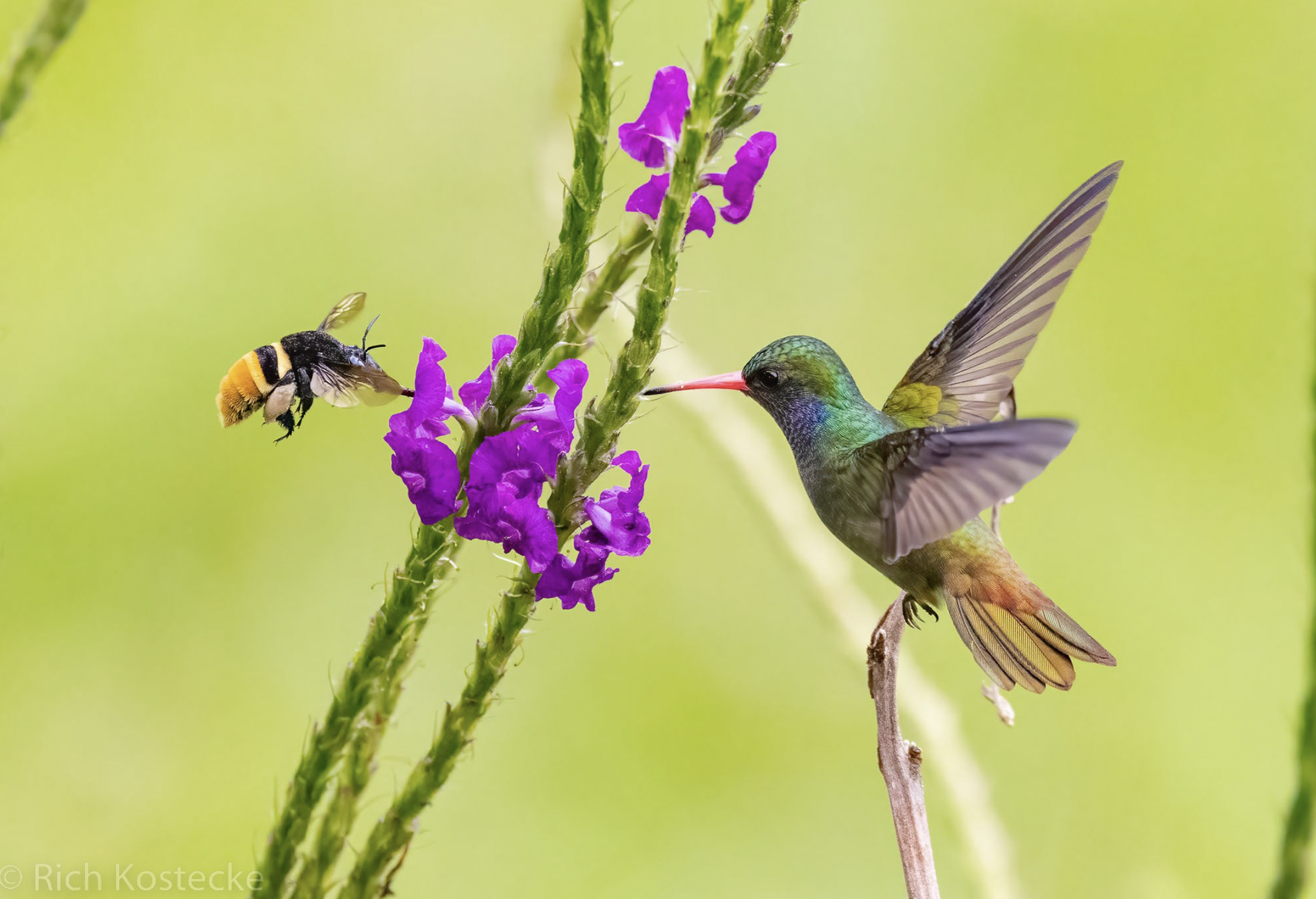
Hotel Castillo del Arenal, Alajuela Province, Costa Rica
Anthropocene’s Marker
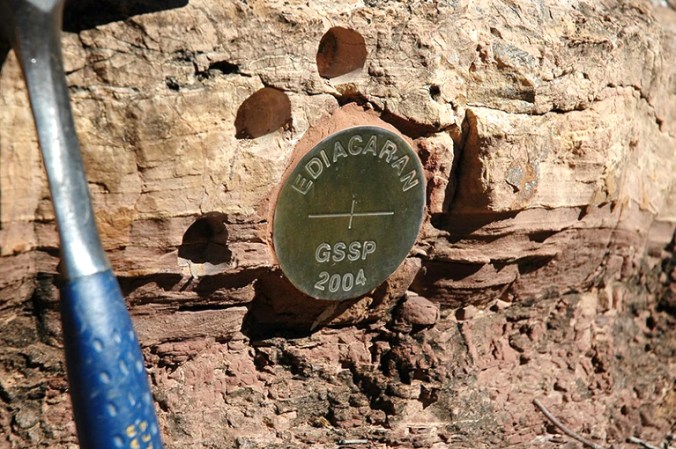
The Ediacaran Period, which ended some 540 million years ago, is marked by a gold spike in the Flinders Ranges of South Australia. JAMES ST. JOHN
We do not love the word Anthropocene, but we appreciate the marker it represents. And until now we did not know there would be a physical counterpart, a marker that will be placed in a representative location:
A Golden Spike Would Mark the Earth’s Next Epoch: But Where?
Before the Anthropocene can be officially proclaimed, a scientific working group must select a single site that permanently captures the new human-influenced epoch. Nine candidate sites — from California to China to Antarctica — are under consideration, with a decision expected soon.
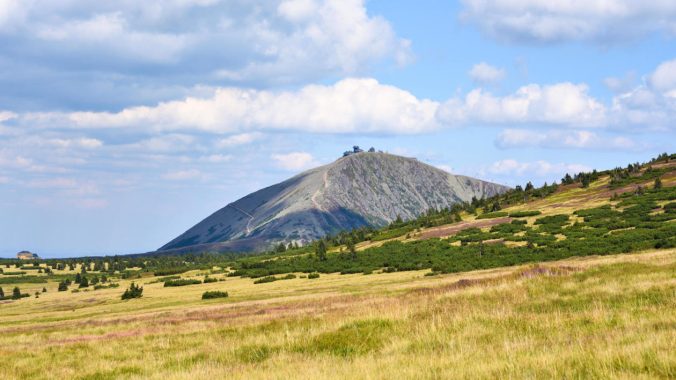
The peatland below Poland’s Mount Śnieżka contains contaminants from burning fossil fuels, nuclear testing, and other human activities. MYSTICWALKER / ALAMY STOCK PHOTO
At first glance, these nine sites scattered across the globe seem unremarkable. Continue reading
Bird of the Day: Orchard Oriole
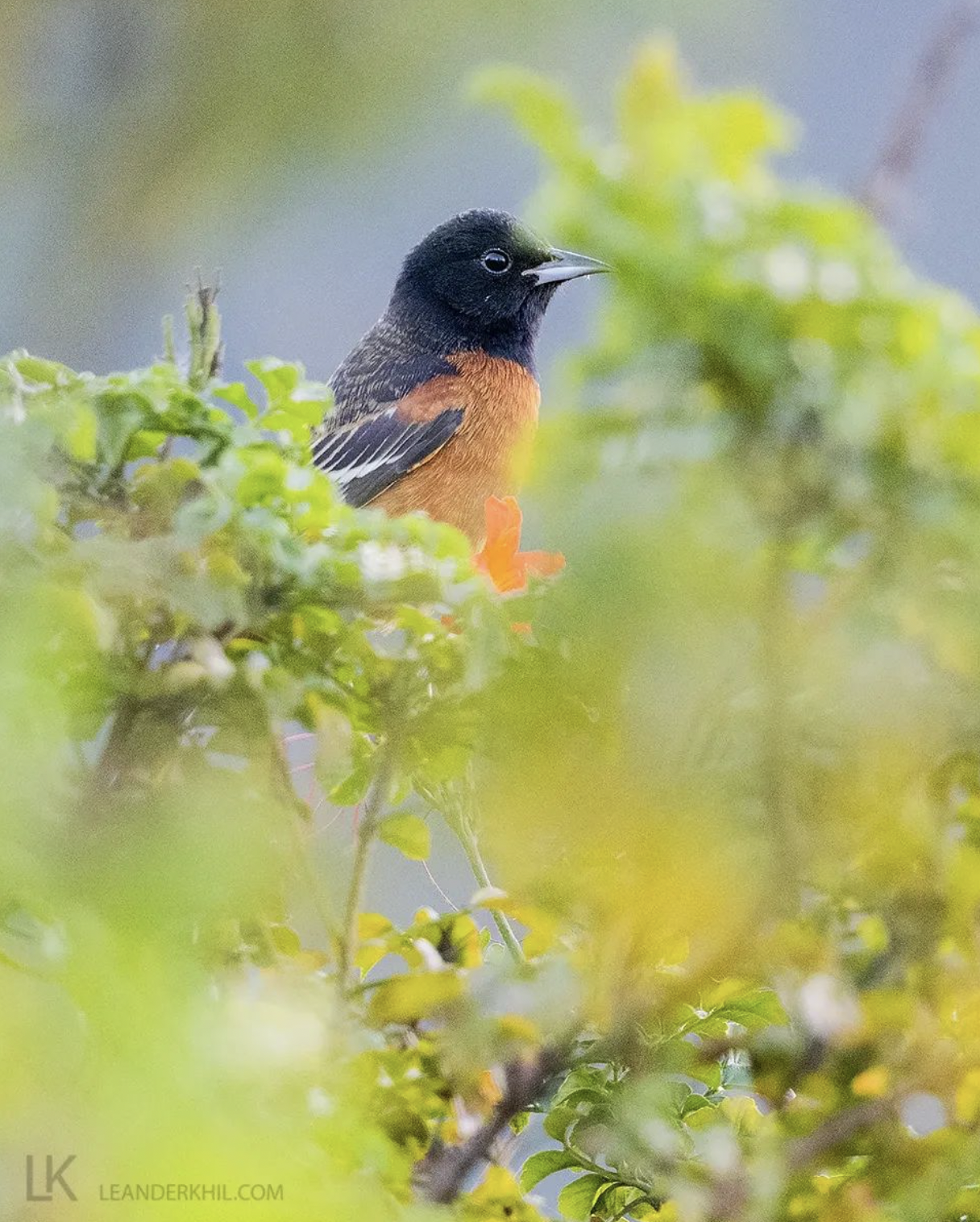
Antigua, Guatemala
Planting For Foraging

Picking too many fiddleheads from a single ostrich fern plant can reduce its productivity. Jared Rosenbaum, a field botanist, never harvests more than one or two from any individual plant. (Also, cooking with fiddleheads can be toxic, so be sure to wash them well and never eat them raw: Always boil them before you sauté or cook them in any other way.) Jared Rosenbaum/Wild Ridge Plants
Margaret Roach delivers the goods when we need a dose of useful plant life information:
Why It’s Better to Plant Wild Greens Than to Forage for Them
This spring, don’t forage for wild edible plants. Instead, welcome them into your garden.
Jared Rosenbaum knows the primal thrill of foraging — a sense of interdependence with the natural world that he wants his son to experience, too.
But as a field botanist, he also understands that foraging is one of the many pressures on native-plant populations. And he has a proposition for gardeners: What if we gave back to the wild edible plants that tempt us on our springtime woodland hikes, by welcoming them into the landscapes we cultivate?
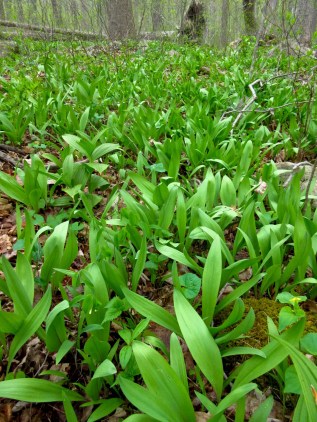
For a fleeting moment each spring, wild leeks (otherwise known as ramps) are a star of restaurant menus, creating a demand that has intensified the pressure on wild populations. Jared Rosenbaum/Wild Ridge Plants
It’s one layer of the habitat restoration and ecological design inspiration that he and his wife, Rachel Mackow, provide to clients of Wild Ridge Plants, in rural Pohatcong Township, N.J. And it’s reflected in many of their mail-order nursery’s plant choices, too.
In Mr. Rosenbaum’s recent book, “Wild Plant Culture: A Guide to Restoring Edible and Medicinal Native Plant Communities,” he revisits that idea: “The time has come to reconnect with our habitats, right where we live, work, and play,” he writes. “Not as museum pieces, but as vital, sustaining elements in our lives, livelihoods, and lifeways.”
That includes our gardens. Continue reading
Bird of the Day: King Vulture
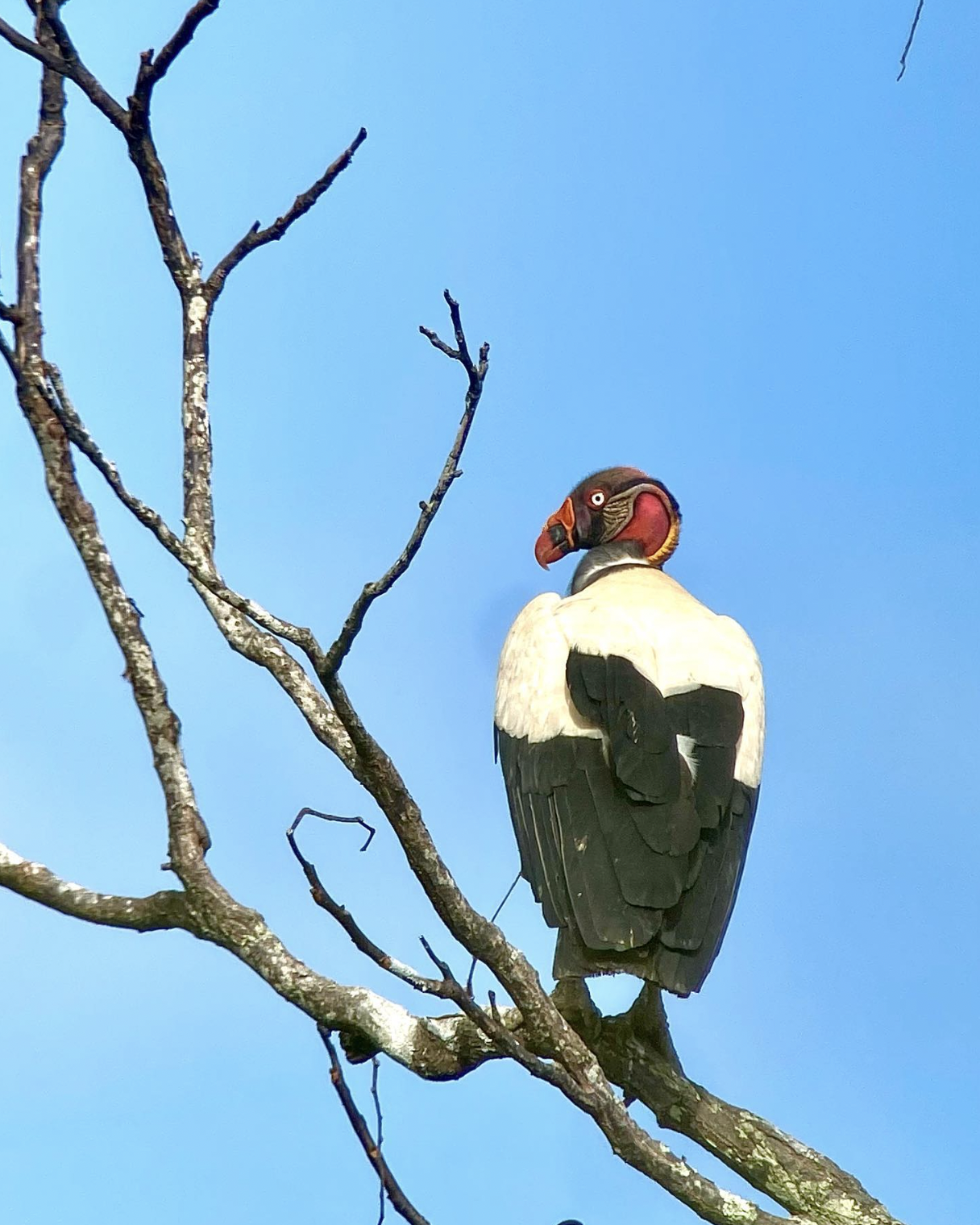
Bocas del Toro Robalo Port, Panama
Thaw Gas Measurement
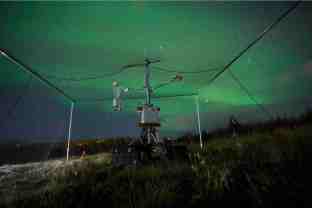
Covered in netting to deflect stray balls, these instruments gather methane data on the seventh hole of Midnight Sun Golf Course. Permafrost is rapidly thawing across the far north, deforming fairways here and releasing the highly potent greenhouse gas, which leads to more warming. PHOTOGRAPH: FRANKIE CARINO
Thaw problems are coming. Permafrost is losing its permanence. Measuring the speed and impact of the thaw is a new form of sleuthing:
The Arctic’s Permafrost-Obsessed Methane Detectives
The Far North is thawing, unleashing clouds of planet-heating gas. Scientists rely on an arsenal of tech to sniff out just how nasty the problem is.
AT THE MIDNIGHT Sun Golf Course in Fairbanks, Alaska, they say you never get the same shot twice. Continue reading
Bird of the Day: Spotted Woodcreeper
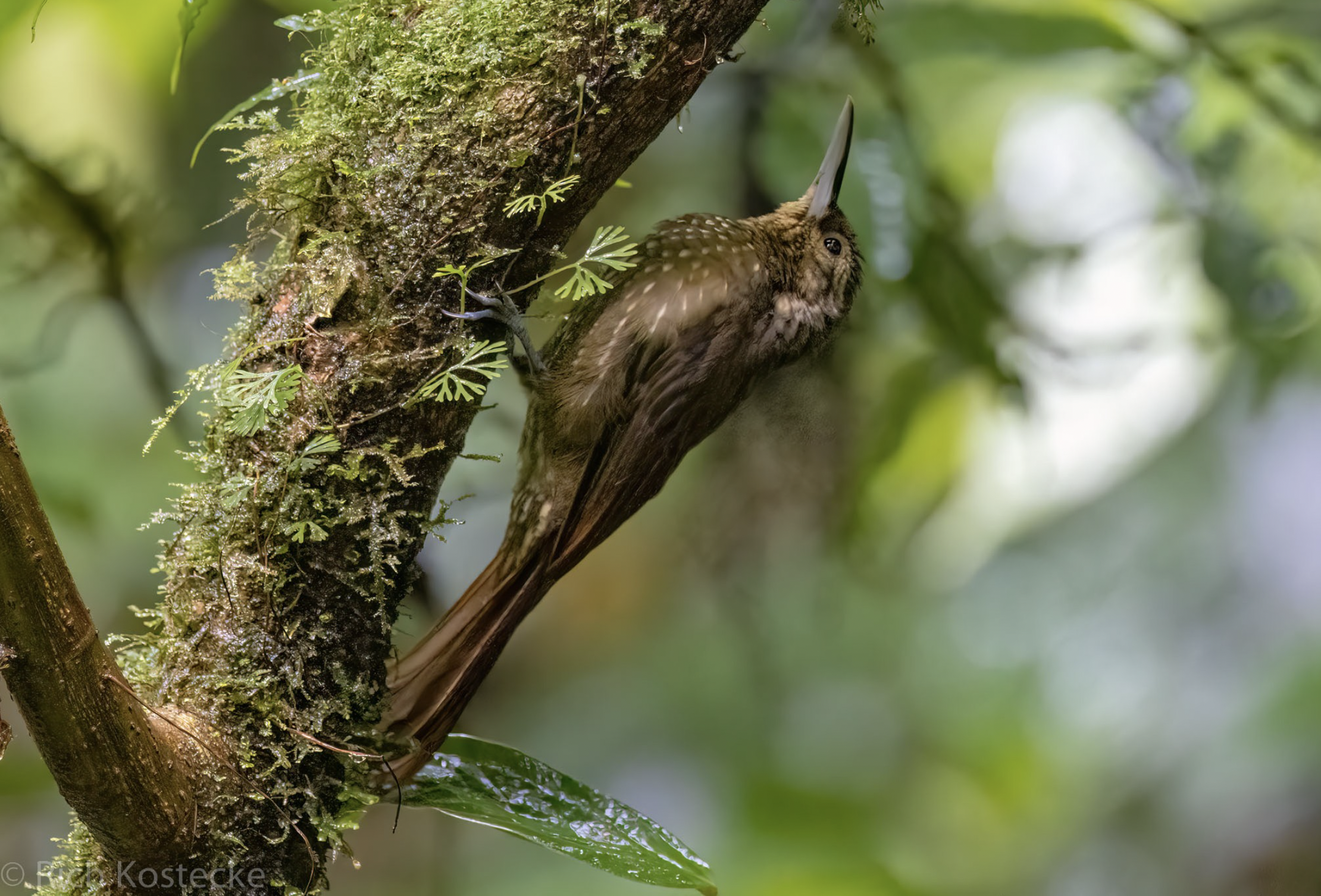
Monteverde Cloud Forest Reserve, Costa Rica
Developing Clean Energy At Ambitious Scale
 It is not every day that your country is given good odds on an important project of such an ambitious scale.
The Economist’s WOODBINE column has this to say about it:
America’s chance to become a clean-energy superpower
Getting the most ambitious energy and climate laws in American history through Congress was not easy. Now comes the hard part
The future catches you in unexpected places. Drive down Interstate 95, the highway running along America’s Atlantic coast, into south-eastern Georgia and you will find signs and rest stops named after pecans and peaches. Continue reading
Bird of the Day: Goldman’s Warbler
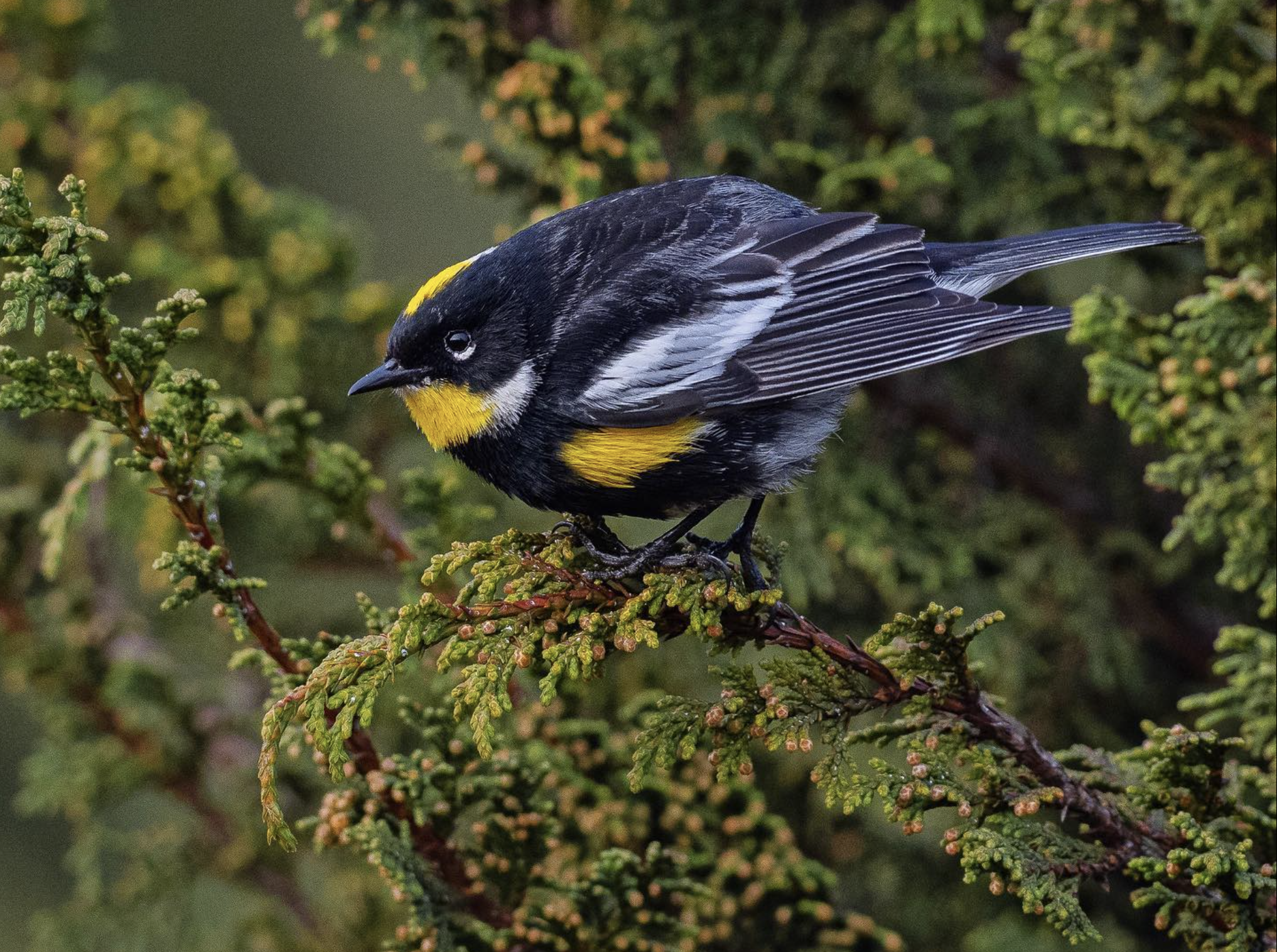
Guatemala
Valuation Of Biodiversity
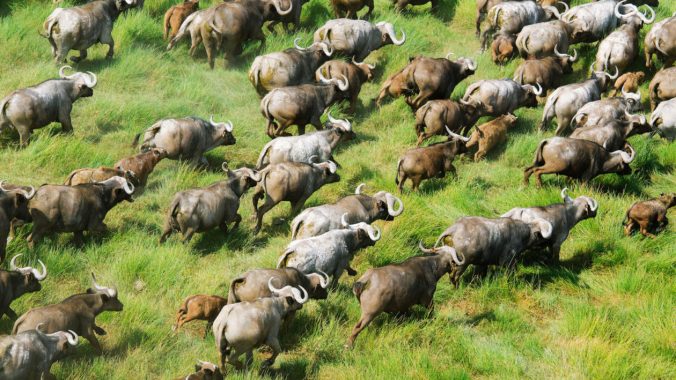
Cape Buffalo in Kenya. MARTIN HARVEY / ALAMY
Biodiversity valuation is a topic we link to from time to time, so we thank Zach St. George for this article’s contribution to our understanding:
Pricing Nature: Can ‘Biodiversity Credits’ Propel Global Conservation?
Backed by the UN, an alliance of conservationists and policymakers is devising new ways to finance the preservation of biodiversity by placing economic values on ecosystems. Some analysts say such schemes have the potential to boost conservation, but others are skeptical.
In 2009, as global financial markets shuddered, David Dorr became interested in the possibility of putting a price on nature. Dorr is a Cayman Islands-based global macro trader, attuned to what he calls the “butterfly effect” of geopolitics and other international forces on financial markets. Continue reading

