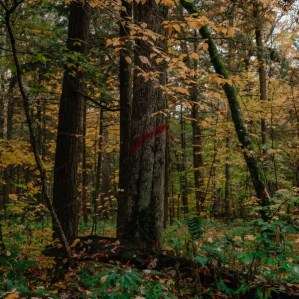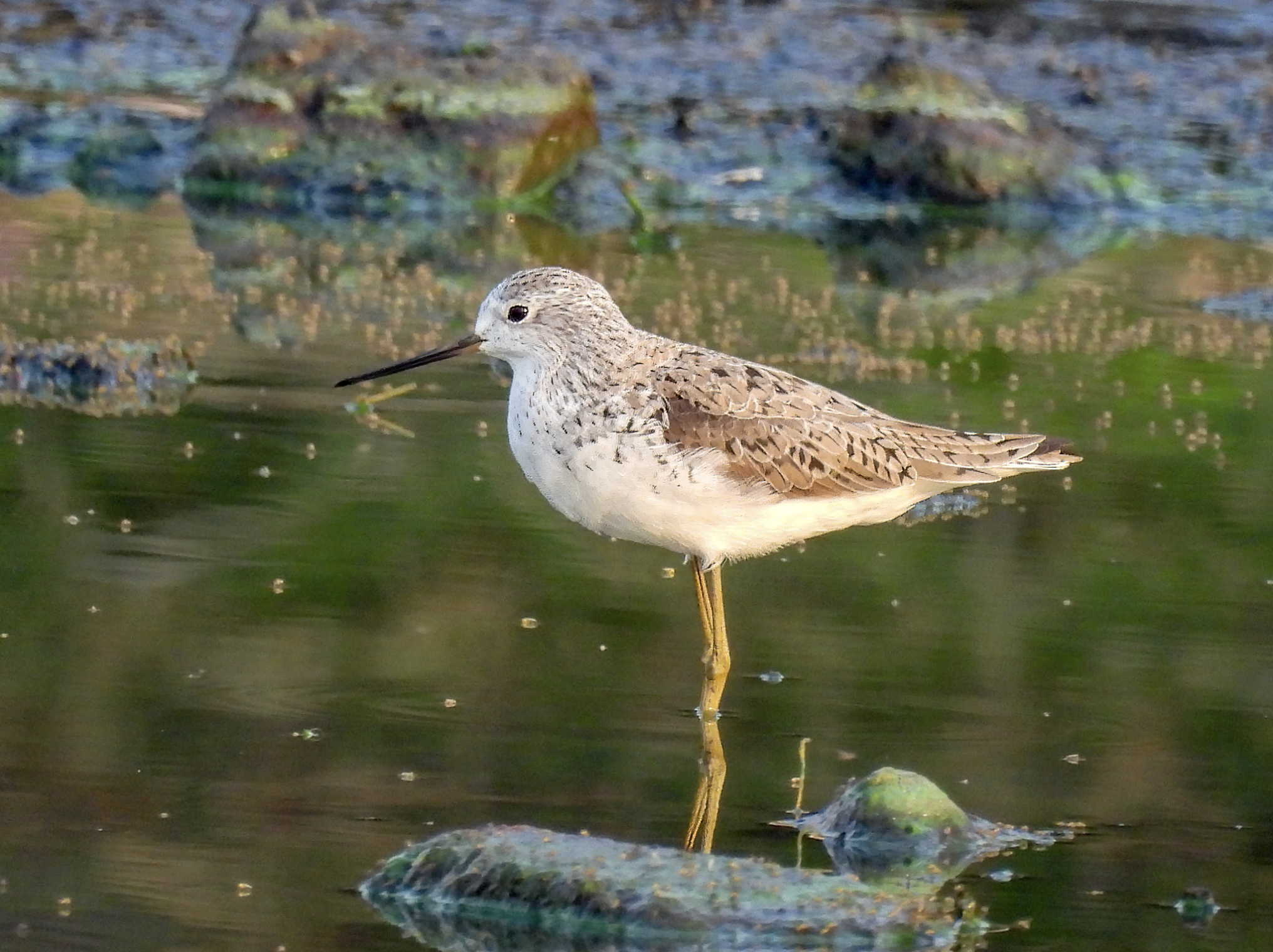
Hanchinal Lake, Vijayapura, Karnataka
Hanchinal Lake, Vijayapura, Karnataka
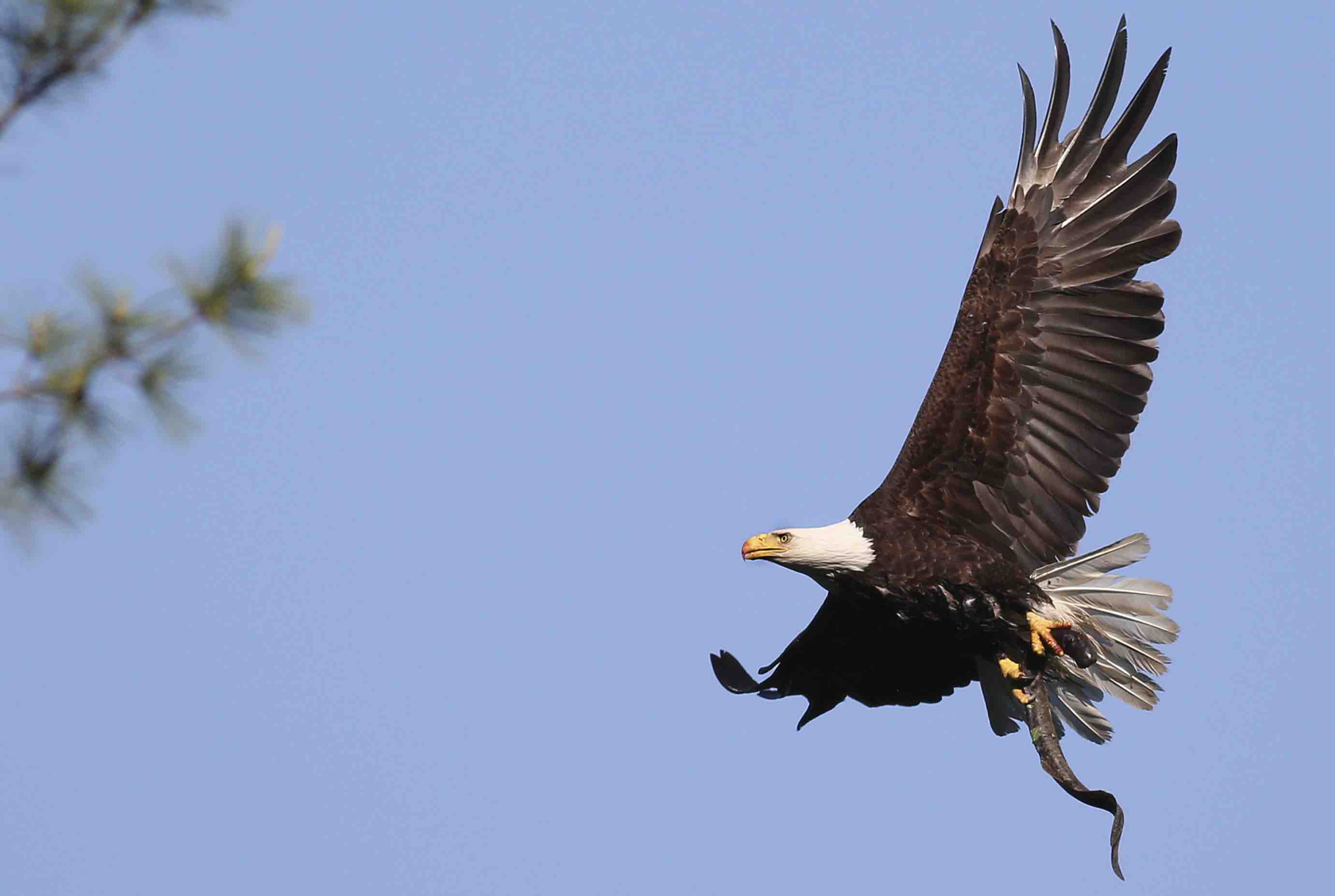
A bald eagle carries a sea lamprey snatched from the Connecticut River in Windsor, Vermont. MARY HOLLAND / NATURALLY CURIOUS
Nine years ago lamprey was referenced in a book review; then a couple years later, in a story about dam removal; and again a year later; and more recently with a book review and another dam removal story; today, a story about giving this creature its due:
A sea lamprey. T. LAWRENCE / GREAT LAKES FISHERY COMMISSION / NOAA VIA FLICKR
Long Reviled as ‘Ugly,’ Sea Lampreys Finally Get Some Respect
The sucker-mouthed marine lamprey has been dismissed as grotesque and a threat to sport fish. But fisheries managers in New England and the Pacific Northwest are recognizing the ecological importance of lampreys in their native waters and are stepping up efforts to help them recover.
Native Americans catch lamprey, eel-like fish, at Willamette Falls, a 40-foot waterfall south of Portland, Ore., Friday, June 12, 2015. An ancient fish that’s a source of food for tribes in the Pacific Northwest, lampreys have been in drastic decline in recent decades. (AP Photo/Gosia Wozniacka)
“Thousands of sea lamprey are passed upstream [on the Connecticut River] each year. This is a predator that wiped out the Great Lakes lake-trout fishery. [Lampreys] literally suck the life out of their host fish, namely small-scale fish such as trout and salmon. The fish ladders ought to be used to diminish the lamprey.” So editorialized the Lawrence (Massachusetts) Eagle-Tribune on December 15, 2002.
If that’s true, why this spring is Trout Unlimited — the nation’s leading advocate for trout and salmon — assisting the Town of Wilton, Connecticut and an environmental group called “Save the [Long Island] Sound” in a project that will restore 10 miles of sea lamprey spawning habitat on the Norwalk River? Continue reading
Guatemalan Pacific Slope, Guatemala
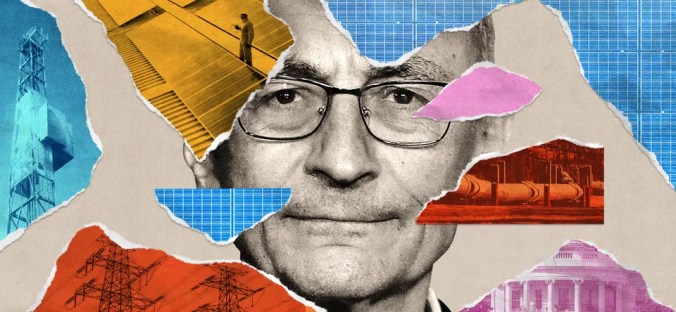
Illustration by Nicholas Konrad / The New Yorker; Source photographs from Getty.
We appreciate the author’s wide reach and tireless exploration for solutions to seemingly unsolvable puzzles:
A Case for Climate Optimism, and Pragmatism, from John Podesta
The veteran political operative now has one of the nation’s top climate jobs. He speaks about the Willow oil-drilling project, the Inflation Reduction Act, and the Biden White House.
“Humanity is on thin ice, and that ice is melting fast,” António Guterres, the Secretary-General of the United Nations, recently warned, in response to a newly alarming climate report. The ice is melting, in large part, because the world keeps burning fossil fuels. To change that, the U.S. will need to join other nations in replacing machines that burn them—cars, stoves, furnaces, and eventually things like planes and factories—with machines that run on electricity. Continue reading

Cartago, Costa Rica
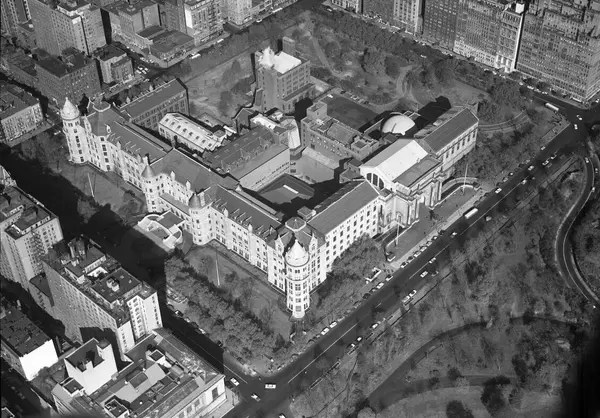
An image from 1957, when the cross and square design was still legible. American Museum of Natural History
We have featured so many natural history museums in our pages over the years that one more might have been redundant; but no:
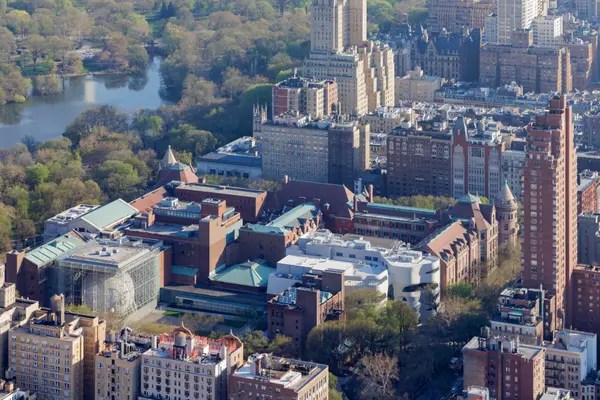
A new aerial photo shows the museum today, as a crazy quilt of buildings from many eras, with Gilder on the right. Iwan Baan
The article below, by Michael Kimmelman with photographs and video by Peter Fisher, allows us to imagine the experience of a new view on natural history in New York City.
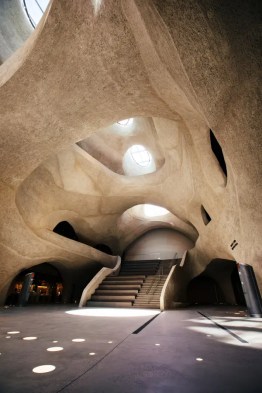
The view at the entrance toward the monumental staircase with bleacher seats.
We are ready to be awed:
Wonder and Awe in Natural History’s New Wing. Butterflies, Too.
The stunning $465 million Richard Gilder Center for Science, designed like a canyon, is destined to become a colossal attraction.
When plans for it first surfaced, I wondered if the new Gilder Center at the Natural History museum might end up looking overcooked.
From the outside it’s a white-pink granite cliff with yawning windows shaped a little like the openings to caves, nestling the museum’s wonderful Romanesque Revival addition from the turn of the last century. Past the front doors, that cliff face morphs. It becomes an atrium in the guise of a towering canyon, a city block deep.
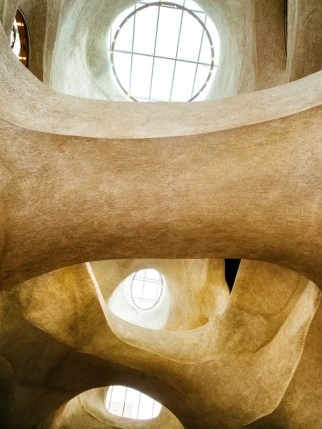
Skylights and balconies in the atrium of the new Richard Gilder Center for Science, Education and Innovation.
For its architects, Jeanne Gang and her team, Gilder was clearly a gamble and leap of faith, bucking today’s innocuous norms, almost begging for charges of starchitectural self-indulgence.
Now that it’s built, I love it.
I wouldn’t go so far as to equate it with the curvaceous genius of Gaudi or with Saarinen’s groovy TWA Terminal, but it’s in the family. Like them, Gilder is spectacular: a poetic, joyful, theatrical work of public architecture and a highly sophisticated flight of sculptural fantasy. New Yorkers live to grouse about new buildings. This one seems destined to be an instant heartthrob and colossal attraction. Continue reading
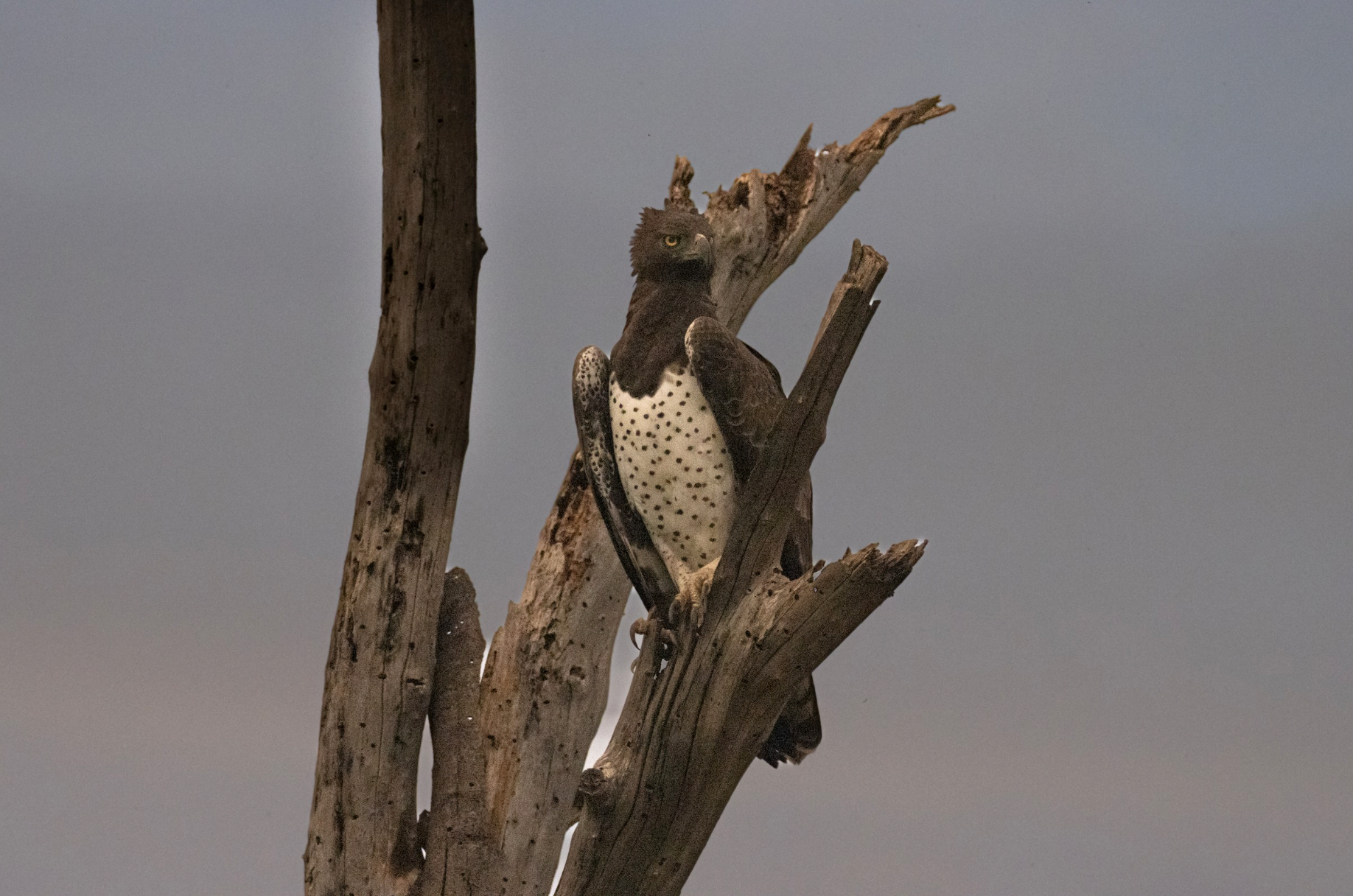
Samburu Nature Reserve, Rift Valley, Kenya
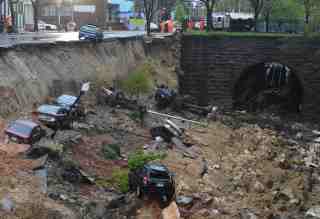
Following record rains in April of 2014, a section of Baltimore street simply collapsed. Now there’s some chance of holding the culprits accountable.
Thanks to Bill McKibben for this legal news following plenty of precursor stories on the same topic:
High court lets cities and states sue Exxon et al
…But something else happened yesterday too, with a price tag that may eventually dwarf that settlement, and with even larger potential implications for the future of the planet. The Supreme Court, also tersely, declined to grant cert in a case brought by oil companies desperately trying to hold off state court trials for their climate crimes. Continue reading
The Lost Tinamou Nature Preserve, Guatemala
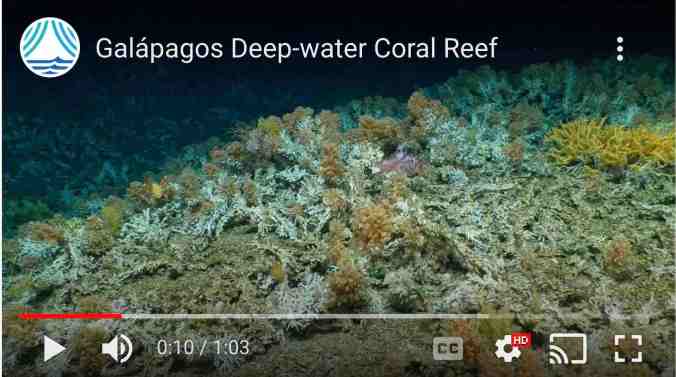
The video is worth a minute of your time, and the short article that follows is as close as we get to nature-related good news these days. Our thanks, as always, to Yale e360:
Pristine Deep-Sea Reef Discovered in the Galápagos
The newly discovered deep-sea reef in the Galápagos Marine Reserve. WOODS HOLE OCEANOGRAPHIC INSTITUTION
In Ecuador’s Galápagos Islands, where ocean warming has decimated shallow-water reefs, scientists have discovered a healthy, sprawling coral reef hidden deep under the sea.
“This newly discovered reef is potentially an area of global significance,” Michelle Taylor of the University of Essex, co-lead of the expedition, said in a statement. It is “a site we can monitor over time to see how a pristine habitat evolves with our current climate crisis.” Continue reading
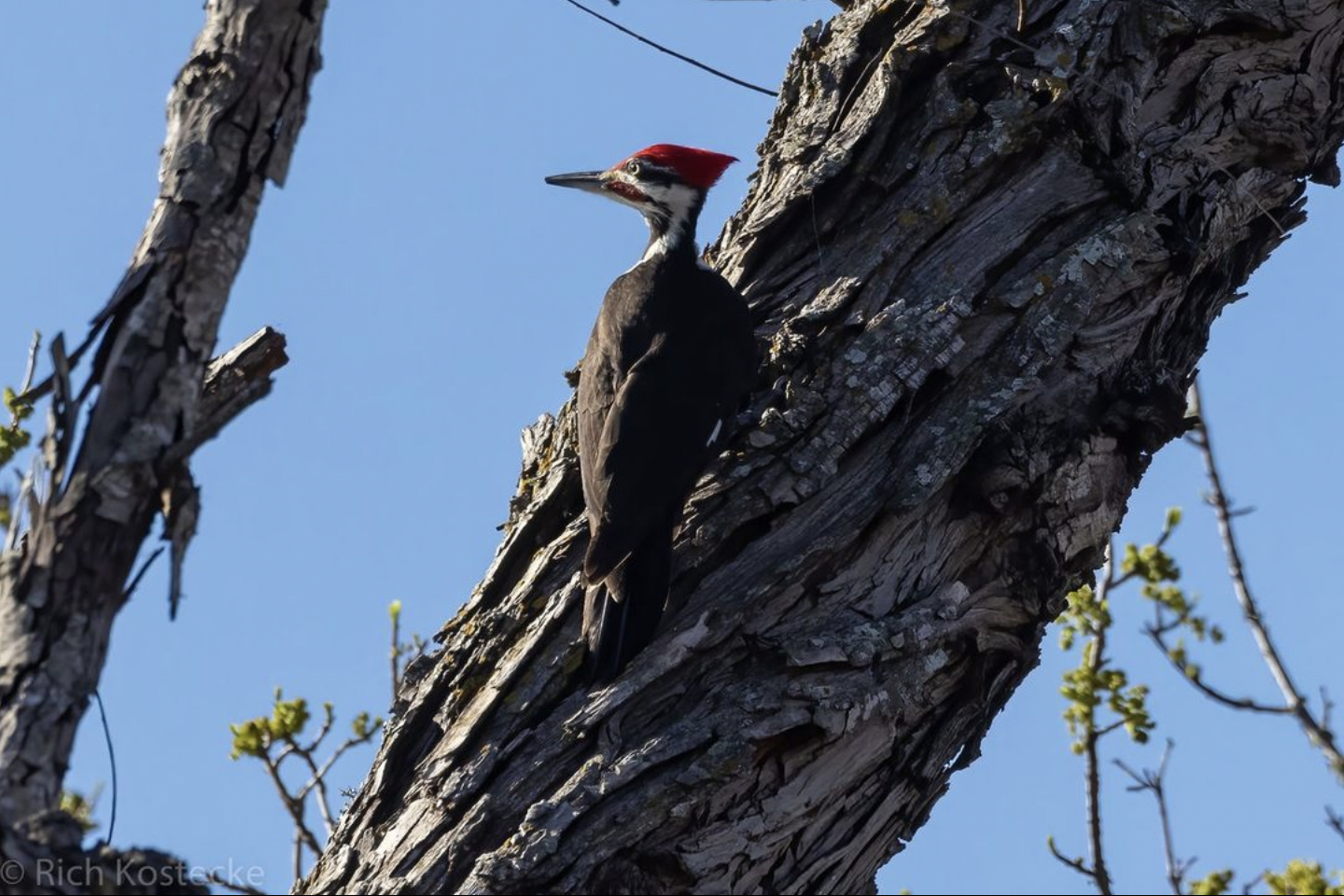
Granger Lake Willis Creek Wildlife Area, Williamson County, TX
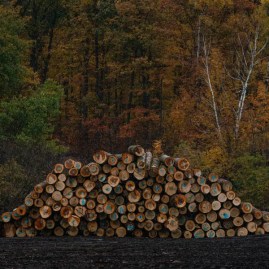
Freshly harvested logs from the Menominee Forest in Keshena, Wis., marked with color to indicate each log’s grade.
Sustainable forestry is a long-running topic in these pages over the years. The previous times we have linked to Cara Buckley stories we have been enriched by the humanity in environmental stories, so here we combine her unique talent to the topic of forestry:
The Menominee tribe has sustainably logged its forest in Wisconsin for 160 years. But that careful balance faces a crisis: too many trees and too few loggers.
A tree marked for cutting. The Menominee harvest only trees that are sick and dying or those that have fallen naturally
MENOMINEE COUNTY, Wis. — Amid the sprawling farmlands of northeast Wisconsin, the Menominee forest feels like an elixir, and a marvel. Its trees press in, towering and close, softening the air, a dense emerald wilderness that’s home to wolves, bears, otters, warblers and hawks, and that shows little hint of human hands.
Yet over the last 160 years, much of this forest has been chopped down and regrown nearly three times. The Menominee Tribe of Wisconsin, its stewards, have pulled nearly two hundred million cubic feet of timber from this land since 1854 — white pine cut into museum displays and hard maple made into basketball courts for the Olympics. Continue reading
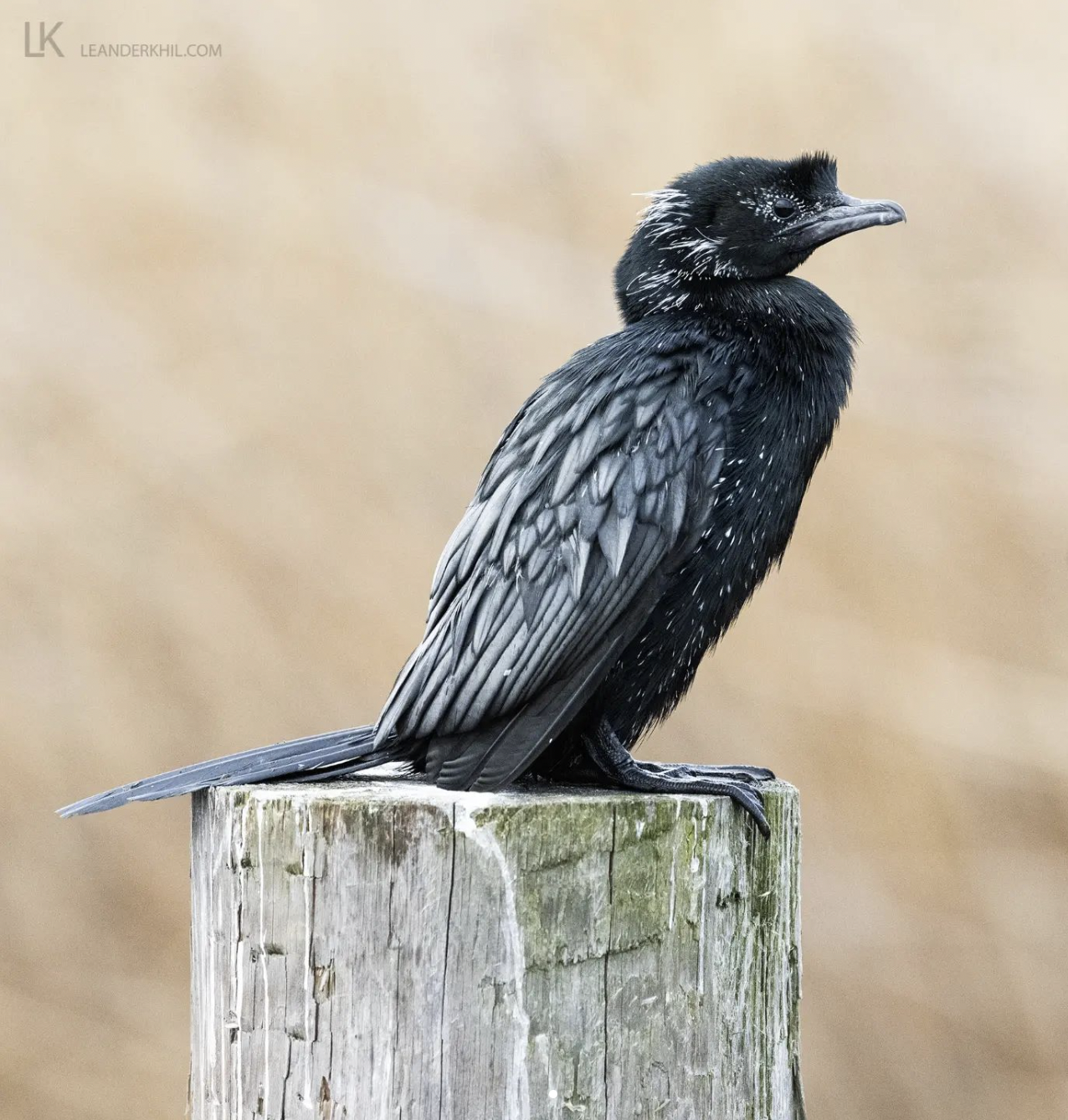
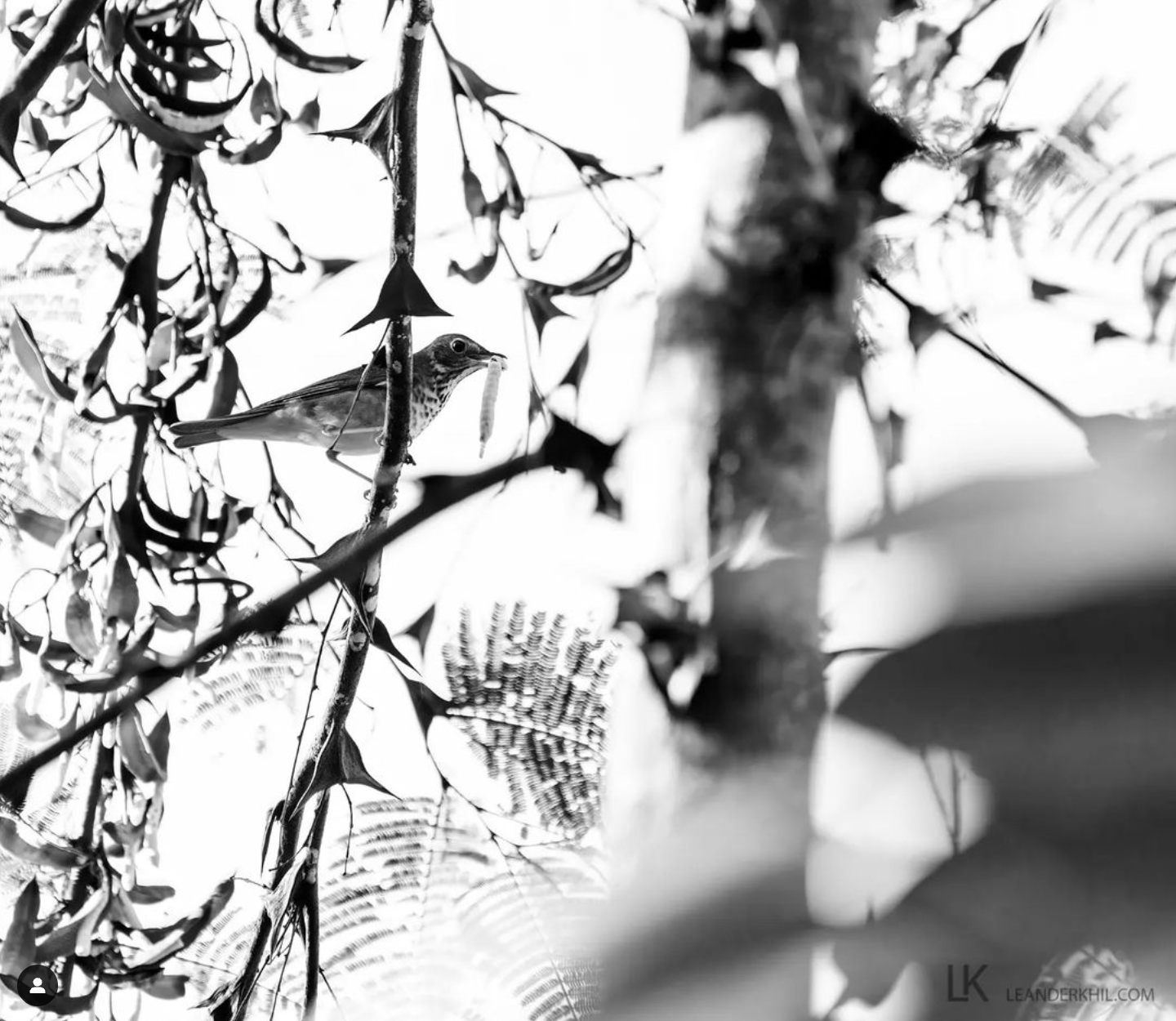
Adult with Breeding Plumage; Leander Khil Photography
Lake Neusiedl, Austria
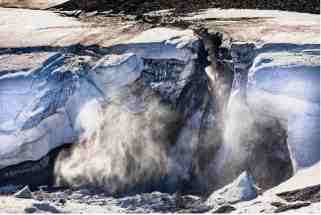
Over the past three decades, the rate of ice loss from Greenland has increased sevenfold. Photograph by Kerem Yücel / AFP / Getty
On yet another Earth Day, whatever those two words mean together in tandem these days, a message from a reliable source:
It’s Earth Day—and the News Isn’t Good
New reports show that ice sheets in Greenland and Antarctica are melting faster than anticipated, and other disasters loom.
The Greenland ice sheet is, quite literally, a relic of the last ice age. It consists of snow that fell year after year, century after century, and never melted; at the very bottom, there are flakes that fell more than a hundred thousand years ago. Continue reading
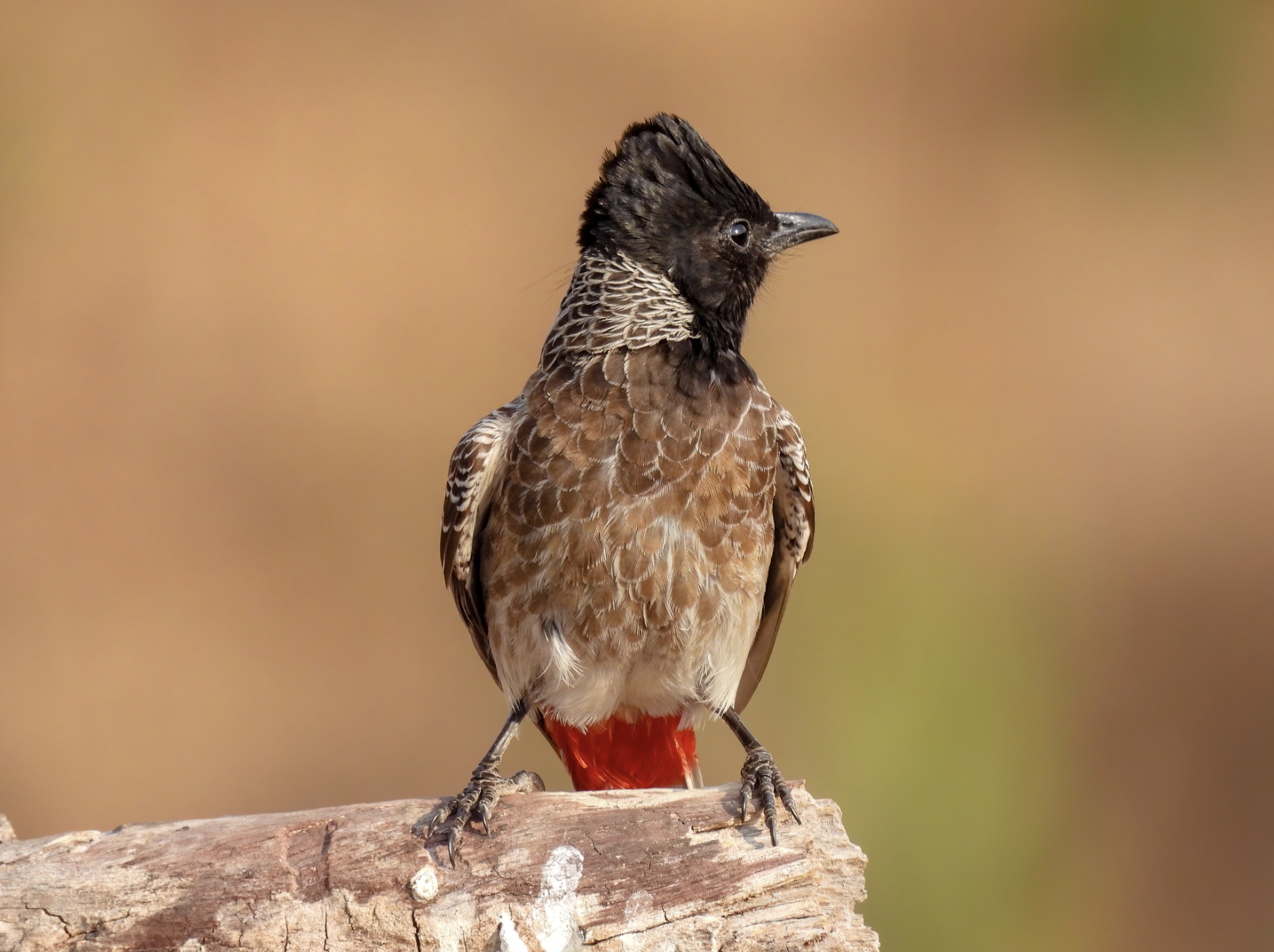
Vijayapura, Karnataka
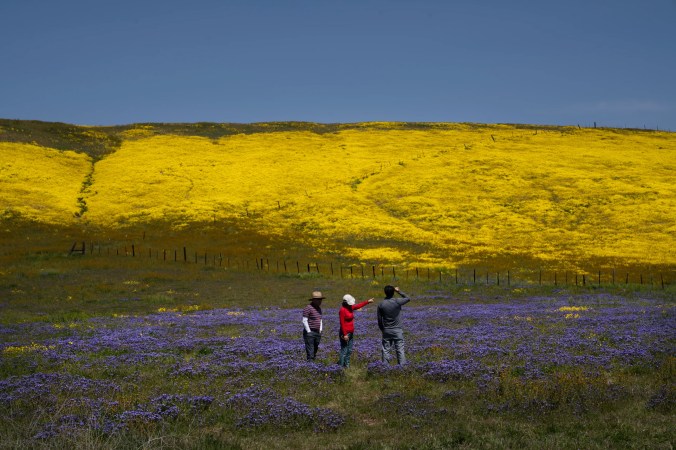
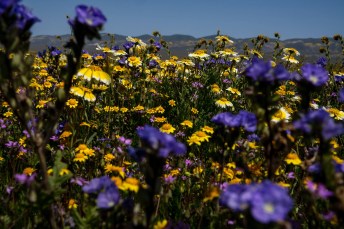
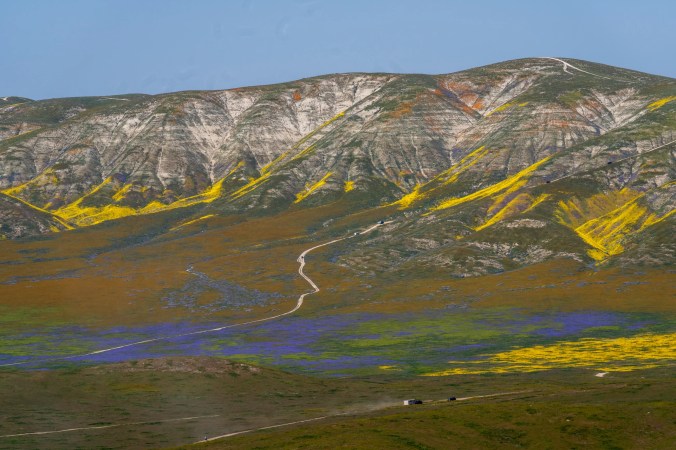
People view fields of flowers at Carrizo Plain National Monument, California’s largest remaining grassland.
Claire Harbage/NPR
When lemons are plentiful, make the best of it:
California’s destructively wet winter has a bright side. You’ll want to see it
A benefit of California’s wet winter is what is known as a superbloom. Flowers including purple phacelia, yellow goldfields, hillside daisies and tidy tips grow at Carrizo Plain National Monument. Claire Harbage/NPR
CARRIZO PLAIN NATIONAL MONUMENT, Calif. — The roads are still rutted where rainwater carved them and farms are still flooded down the valley, but here in California’s largest remaining grassland, the benefits of the state’s destructively wet winter are on full display.
And they’re spectacular.
Wildflowers — yellow, purple, blue and orange — are splattered across the landscape in sweeps and pools like a clumsy airbrush painting.
Flowers are splattered across the landscape at Carrizo Plain. Claire Harbage/NPR
A superbloom. Continue reading
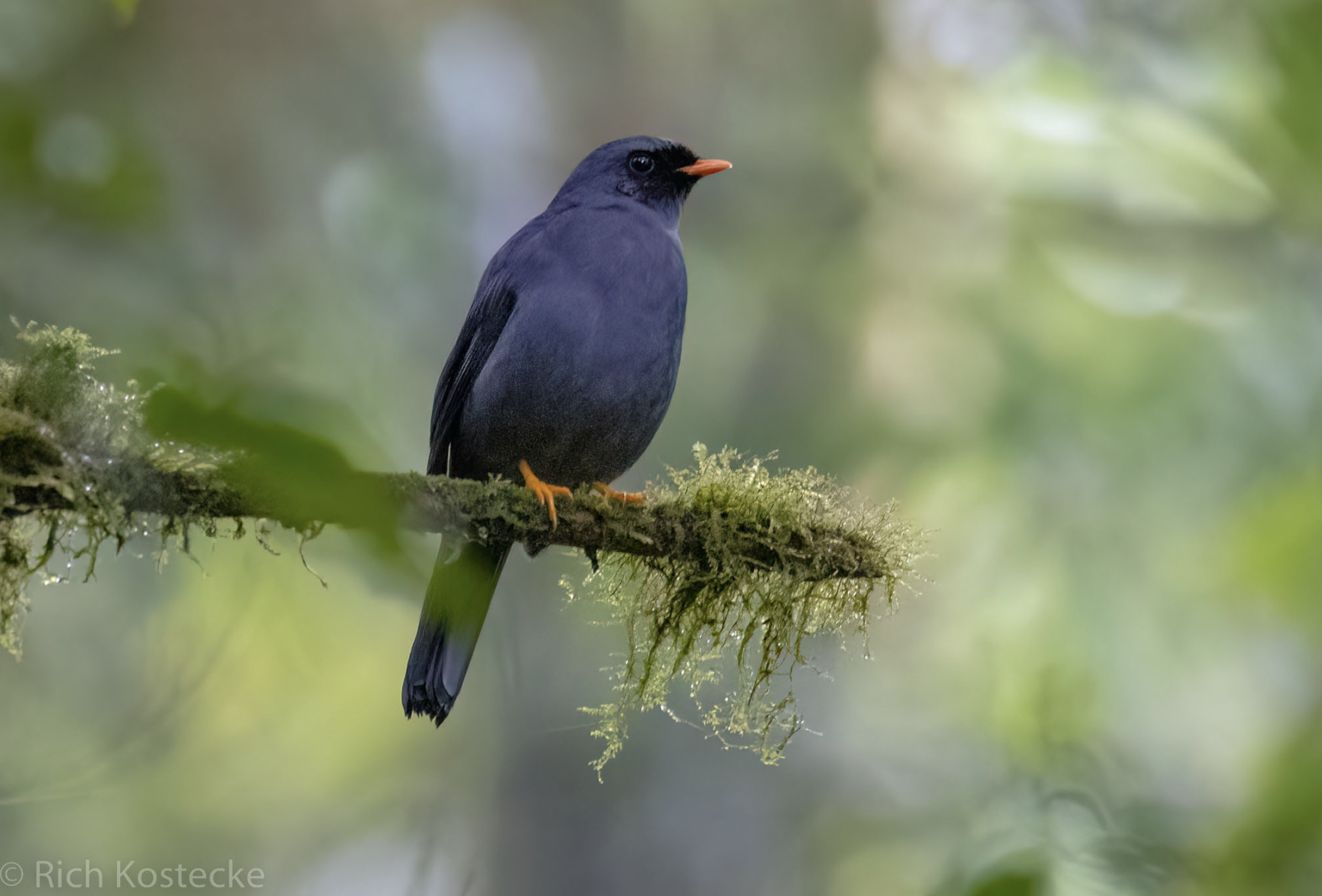
Monteverde Cloud Forest Reserve, Costa Rica
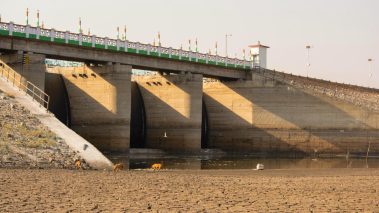
A dried-up reservoir behind a dam in North Karnataka, India. LAKSHMIPRASAD S. / ALAMY STOCK PHOTO
A couple of our earliest posts was about life around a dam in India, so the photo heading this article rings a bell of sorts:
As Projects Decline, the Era of Building Big Dams Draws to a Close
Escalating construction costs, the rise of solar and wind power, and mounting public opposition have led to a precipitous decrease in massive new hydropower projects. Experts say the world has hit “peak dams,” which conservationists hail as good news for riverine ecosystems.
The end of the big dam era is approaching. Continue reading

Bocas del Toro, Panama
 We began featuring food-related stories by employees and interns, plus occasional visiting friends, during our first couple of years living in India. More recently, taste of place considerations first explored in India became for our Authentica shops in Costa Rica a key differentiator.
So my eye is drawn to food writing that overlaps with ethnicity considerations, and Mayukh Sen’s review of Spoiled brings out that book’s relevance to our pages:
A Fresh History of Lactose Intolerance
In “Spoiled,” the culinary historian Anne Mendelson takes aim at the American fallacy of fresh milk as a wonder food.
Six decades ago, Pedro Cuatrecasas, a fledgling resident at the Johns Hopkins School of Medicine, was studying the lives of impoverished residents of Baltimore when he noticed an unsettling trend. In interviews, a number of his Black patients would confess that they found milk repellent. Continue reading