
Samburu Riverside Camp, Kenya
Samburu Riverside Camp, Kenya

Reporting credit: ChavoBart Digital Media
Thanks to the team at Yale Climate Connections:
When do many people decide to go solar? When they’re referred by a friend or neighbor.
They’re more likely to listen to people they trust.
Rooftop solar panels can save people money on their electricity bills. And those savings can mean a lot — especially for people with low incomes, who might have to choose between paying for utilities or buying food or medicine…

Male
Vijaypura, Karnataka

Recent view of Kaiteur Falls from a small plane
Yesterday’s link to the story about Greenland‘s approach to carefully harnessing the economic power of tourism made me think today about a recent visit to Guyana that Amie and I made. What I knew of Greenland before reading that article was limited, but it included the newsworthy commitment they made, which I acknowledge having found inspirational. But I am a layperson on what such commitments actually mean. Continue reading
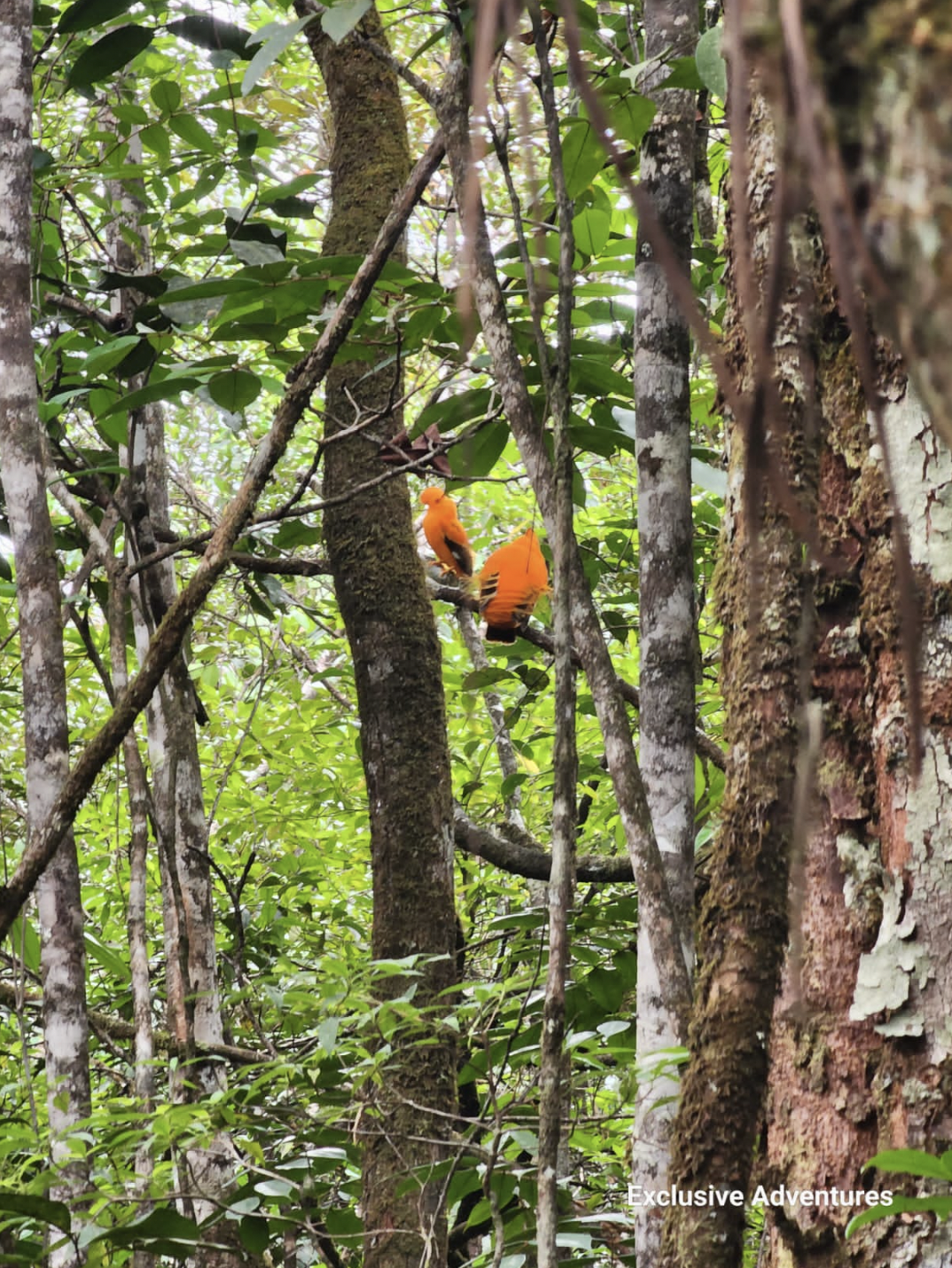
Males – photo credit: Jamal Thomas
Kaieteur National Park, Guyana
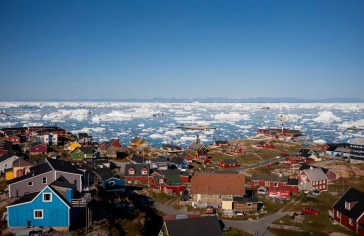
Ilulissat’s icy fjord, a UNESCO World Heritage site, is one of Greenland’s main tourist destinations even though its airport is currently too small to accommodate large jets. Carsten Snejbjerg for The New York Times
Setting limits at the outset, what a brilliant idea:
Greenland Wants You to Visit. But Not All at Once.
The Arctic island, renowned for its glaciers and fjords, is expanding airports and hotels to energize its economy, even as it tries to avoid the pitfalls of overtourism.
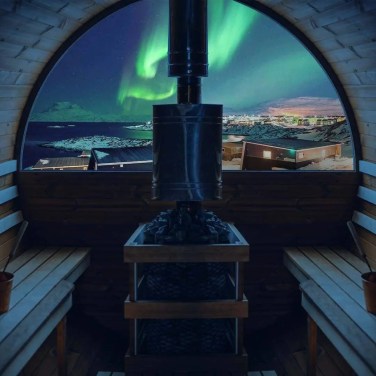
A sauna with a view of Nuuk and, at left, in the distance, the nearly 4,000-foot mountain Sermitsiaq. Inuk Travel
“The weather decides”: It could almost be the motto of Greenland. Visitors drawn to this North Atlantic island to see its powder blue glaciers, iceberg-clogged fjords and breathtakingly stark landscapes quickly learn to respect the elements, and they’re sometimes rewarded for it.
One cold December day, I was waiting for a delayed flight in Kangerlussuaq, a former U.S. military base just above the Arctic Circle, when a friendly Air Greenland pilot named Stale asked if I’d like to join him on a drive to the harbor to “pick up some musk ox heads.” The offer seemed very Greenlandic, so how could I refuse? Continue reading
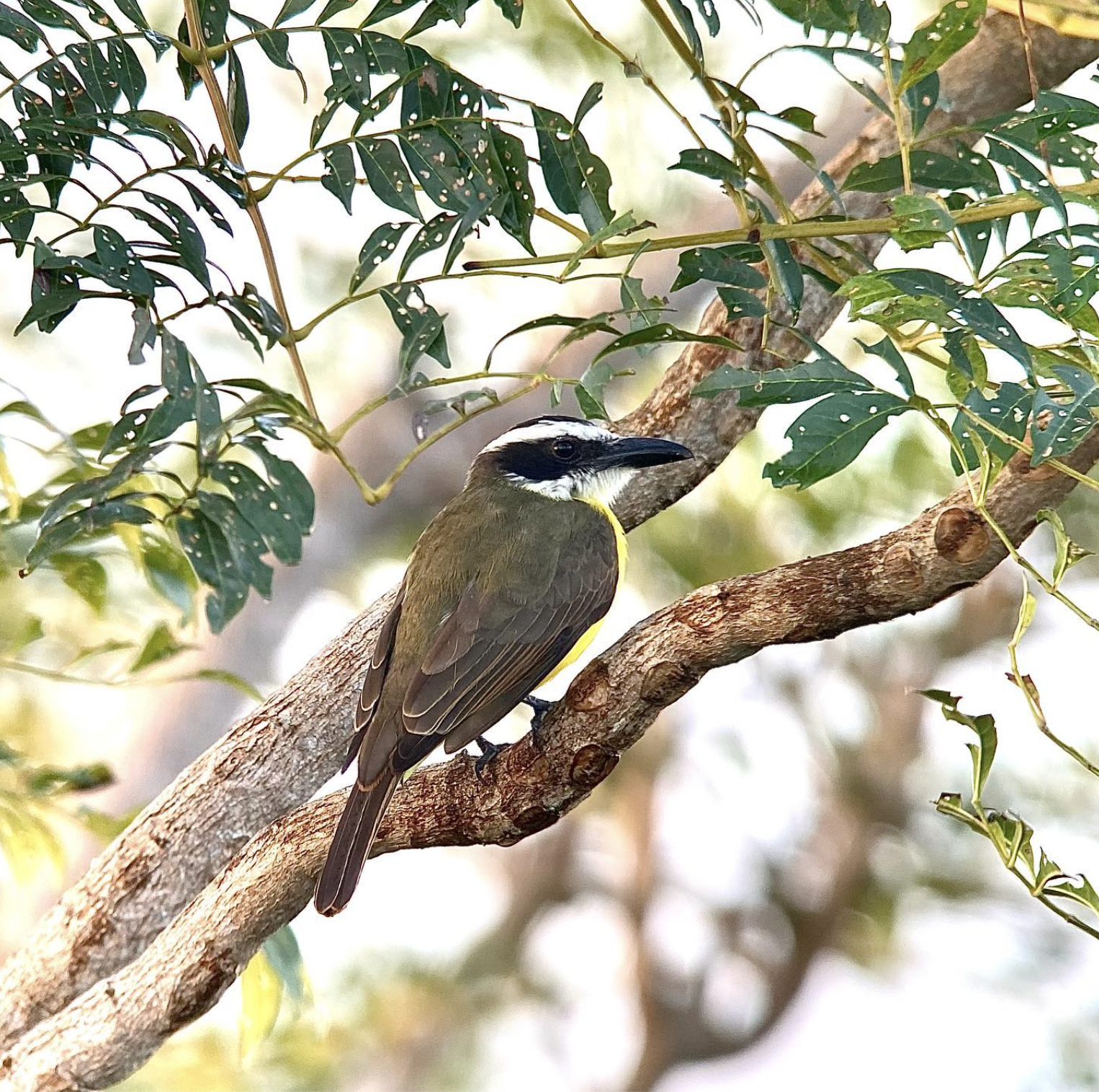
Tranquilo Bay, Panama
OUR MISSION
We believe the challenge of climate instability is the biggest opportunity for global mobilization we have ever seen. It is an opportunity to learn how to use technology to rebalance our ecosystems rather than further alienate us from them. We work with the inherent power of plants, informed by generations of scientific research, to restore ecosystems, improve biodiversity, and enhance the ability of photosynthetic organisms to draw down and store carbon from the atmosphere.
A mission we are curious about, click the image above to learn more.
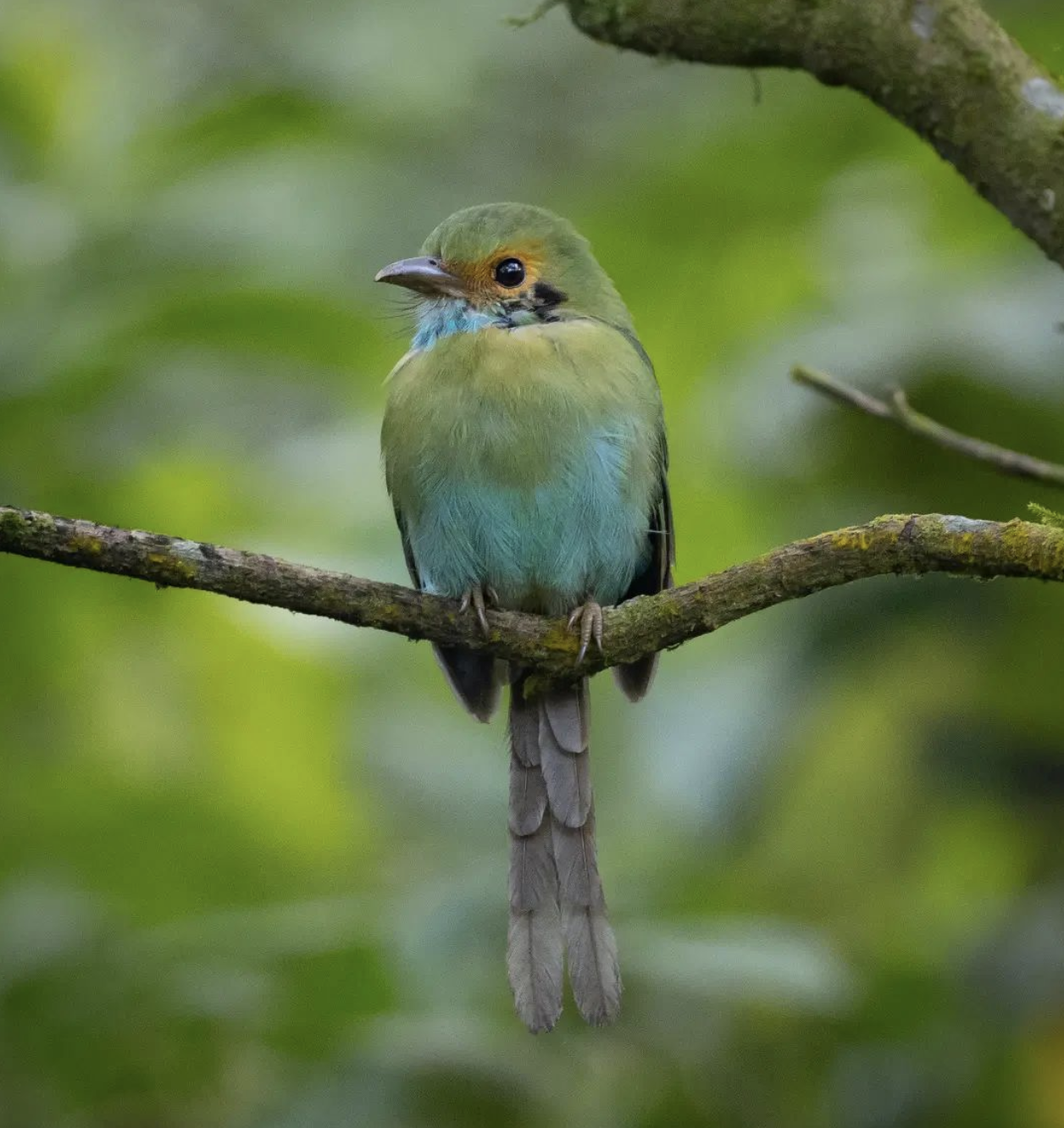
Santiago Atitlán, Guatemala

The term was shaped by social-evolutionist thinking; white settlers used it to designate the “primitive” other. Illustration by Lauren Peters-Collaer
Given that our work has often brought us into close proximity, sometimes into working relationships, with such communities as described in the essay below, we have done our best to stay informed on respectful communication; so, this is of interest:
It’s Time to Rethink the Idea of the “Indigenous”
Many groups who identify as Indigenous don’t claim to be first peoples; many who did come first don’t claim to be Indigenous. Can the concept escape its colonial past?
Identity evolves. Social categories shrink or expand, become stiffer or more elastic, more specific or more abstract. What it means to be white or Black, Indian or American, able-bodied or not shifts as we tussle over language, as new groups take on those labels and others strip them away. Continue reading
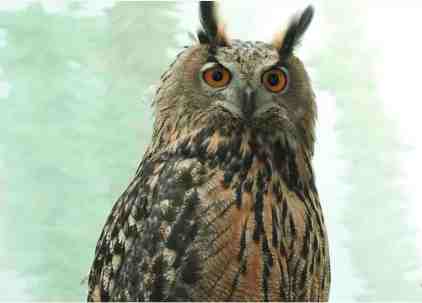
Central Park Zoo
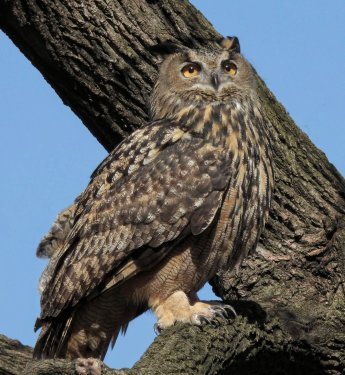
Flaco is only the latest of a long history of unusual bird stories from New York City’s Central Park. Thanks to Louis C. Hochman at National Public Radio’s excellent Gothamist collaborative for local news for this latest one:
Manhattan Bird Alert@BirdCentralPark. Flaco the Eurasian Eagle-Owl showing his talons and looking mighty on a sunny day in Central Park.
Flaco to remain free: Central Park Zoo gives up on capturing escaped owl for now
Flaco, the Eurasian eagle owl that escaped the Central Park Zoo early this month after his habitat was vandalized, will be allowed to stay free for now.
The zoo says it’s putting on hold efforts to recover Flaco, who has been “very successful at hunting and consuming the abundant prey in the park.” Continue reading

Female
Hotel Castillo del Arenal Gardens, Costa Rica
 We are in the coffee business, and we still agree that sometimes you have to say no to coffee (thanks to Bartleby at The Economist for this review):
Why it’s time to get shot of coffee meetings at work
A productivity hack for the ages
If people used the time they currently devote to reading books about productivity hacks to do some actual work, their productivity problem would be solved. But occasionally these books contain nuggets of wisdom. In “Time Wise”, Amantha Imber has a short chapter whose title alone gleams with good sense. It is called “Why you need to say ‘no’ to coffee meetings”. That is splendid advice for anyone who can identify with the following situation. Continue reading
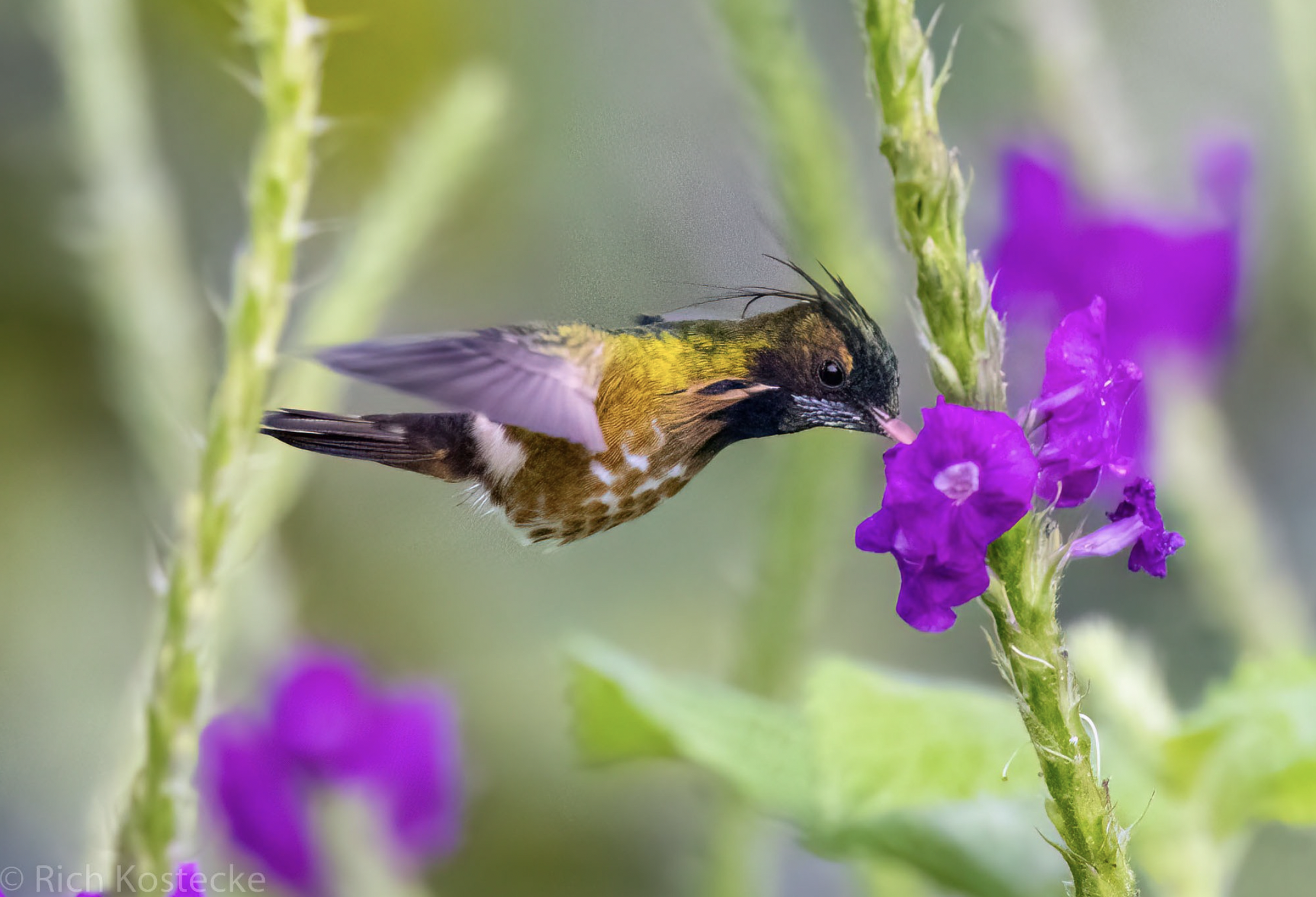
Male
Hotel Castillo del Arenal Gardens, Costa Rica
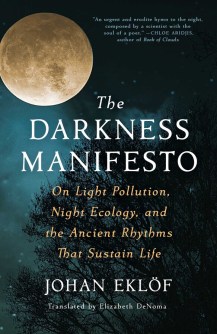 While sunlight gives electricity for the lights we need, there can be too much of a good thing. Thanks to Lisa Abend at the New York Times for this review:
A Manifesto for Loving the Darkness, and Not Metaphorically
Light pollution is disruptive to many species, from corals to bats to the humans who put up all those lights. “The Darkness Manifesto” urges us to reconsider our drive to dispel the dark.
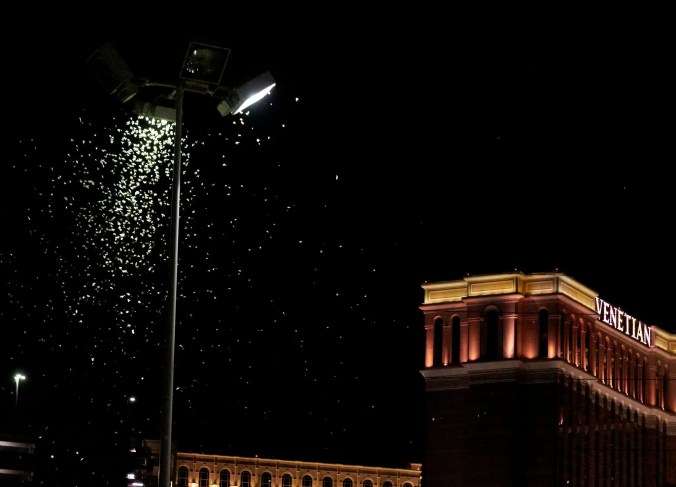
Artificial lights disorient many species, including the grasshoppers that swarmed the powerful lights over the Las Vegas strip in 2019. Bridget Bennett/Agence France-Presse — Getty Images
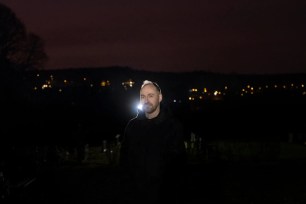
Losing a connection to the night sky is losing our connection to nature, said Johan Eklöf, but it is also losing some of our history. “What we see now is the same sky as our ancestors were looking at and making up stories about.” Nora Lorek for The New York Times
The zoologist Johan Eklöf began to consider the disappearance of darkness in our brightly lit world in 2015, when he was out counting bats in southern Sweden. The surrounding grounds were dark, as they had been decades earlier when his academic adviser had tallied the bat populations in the region’s churches. In the intervening years, however, those churches — whose belfries are famously appreciated by the winged mammals — had been illuminated with floodlights. “I started to think, how do the bats actually react to this?” Eklöf says. Continue reading
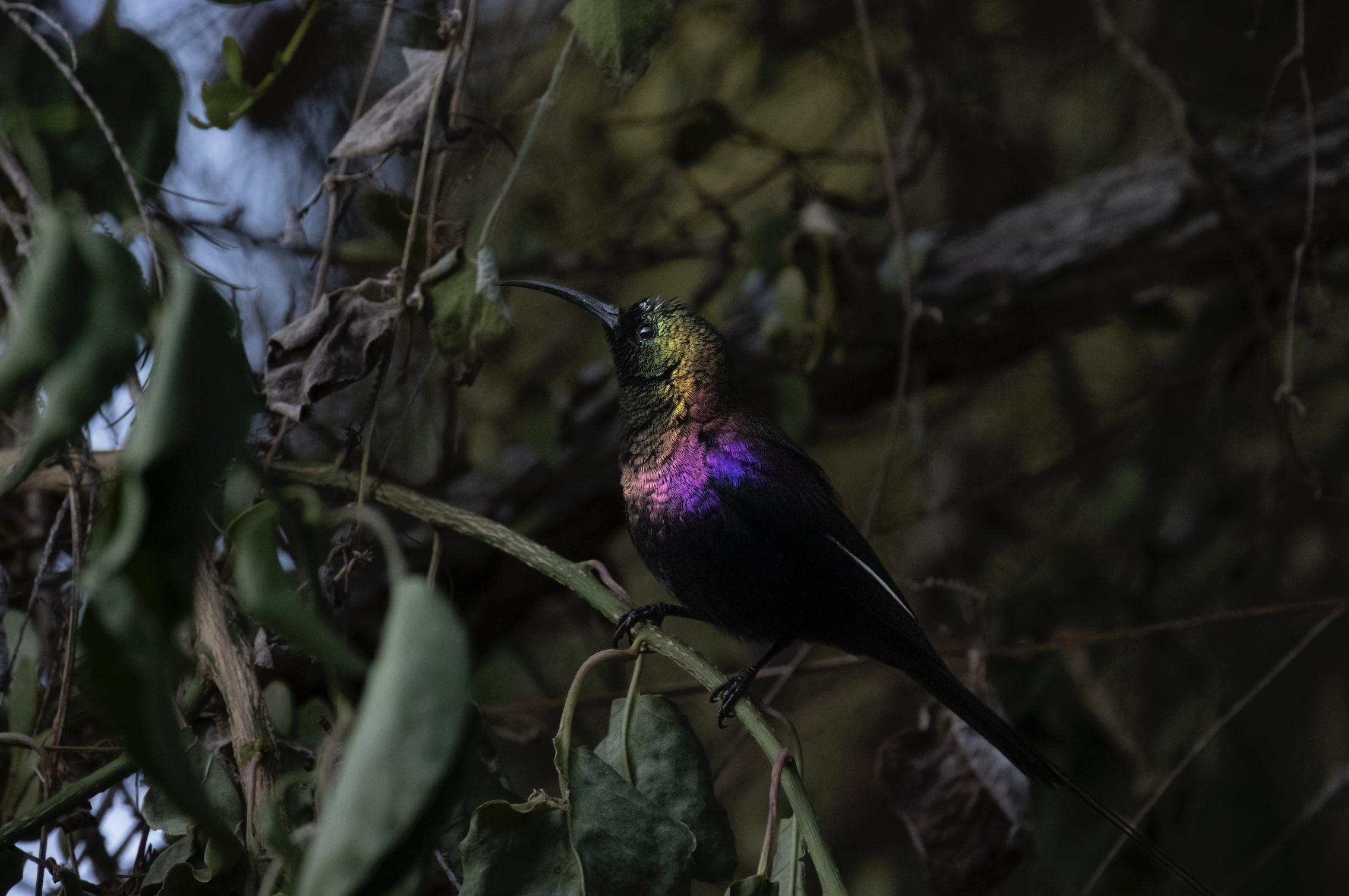
Rift Valley, Kenya
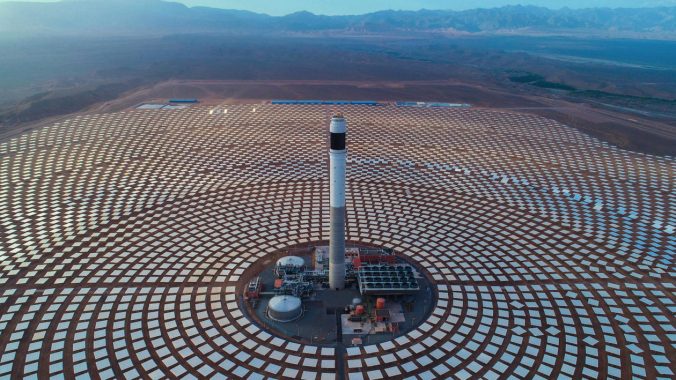
The Noor solar power station near Ouarzazate, Morocco. SEPCO III / XINHUA / ALAMY STOCK PHOTO
Fred Pearce brings us news from the European-African axis of renewable energy:
In Scramble for Clean Energy, Europe Is Turning to North Africa
In its quest for green energy, Europe is looking to North Africa, where vast solar and wind farms are proliferating and plans call for submarine cables that will carry electricity as far as Britain. But this rush for clean power is raising serious environmental concerns.
Solar panels in sun-rich North Africa generate up to three times more energy than in Europe. And North Africa has a lot more room for them than densely populated Europe. Continue reading

Bhitarkanika National Park, Odisha
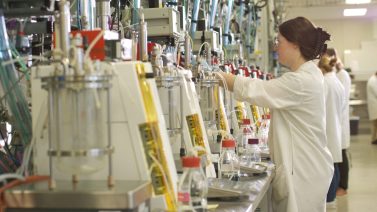
Scientists at San Diego-based Genomatica, which is developing a plant-based nylon. GENOMATICA
We have been watching and waiting for this range of products to have their day, and Jim Robbins delivers an up to date account that gives hope:
From Lab to Market: Bio-Based Products Are Gaining Momentum
A 3D-printed house made from sawdust and other timber industry waste by the University of Maine’s Advanced Structures and Composites Center. UNIVERSITY OF MAINE
Propelled by government investment and shareholder demand, manufacturers are pushing to get bio-based products into the marketplace. These new materials — made from plants, fungi, and microbes — aim to replace those that contain toxins and are difficult to recycle or reuse.
In the 1930s, the DuPont company created the world’s first nylon, a synthetic polymer made from petroleum. The product first appeared in bristles for toothbrushes, but eventually it would be used for a broad range of products, from stockings to blouses, carpets, food packaging, and even dental floss.
Nylon is still widely used, but, like other plastics, it has environmental downsides: it is made from a nonrenewable resource; its production generates nitrous oxide, a potent greenhouse gas; it doesn’t biodegrade; and it sheds microfibers that end up in food, water, plants, animals, and even the clouds.
Laminated timber beams and floors used in the construction of Ascent, a 25-story apartment building in Milwaukee. THORNTON TOMASETTI
Now, however, a San Diego-based company called Genomatica is offering an alternative: a so-called plant-based nylon made through biosynthesis, in which a genetically engineered microorganism ferments plant sugars to create a chemical intermediate that can be turned into nylon-6 polymer chips, and then textiles. The company has partnered with Lululemon, Unilever, and others to manufacture this and other bio-based products that safely decompose. Continue reading



 Organikos