
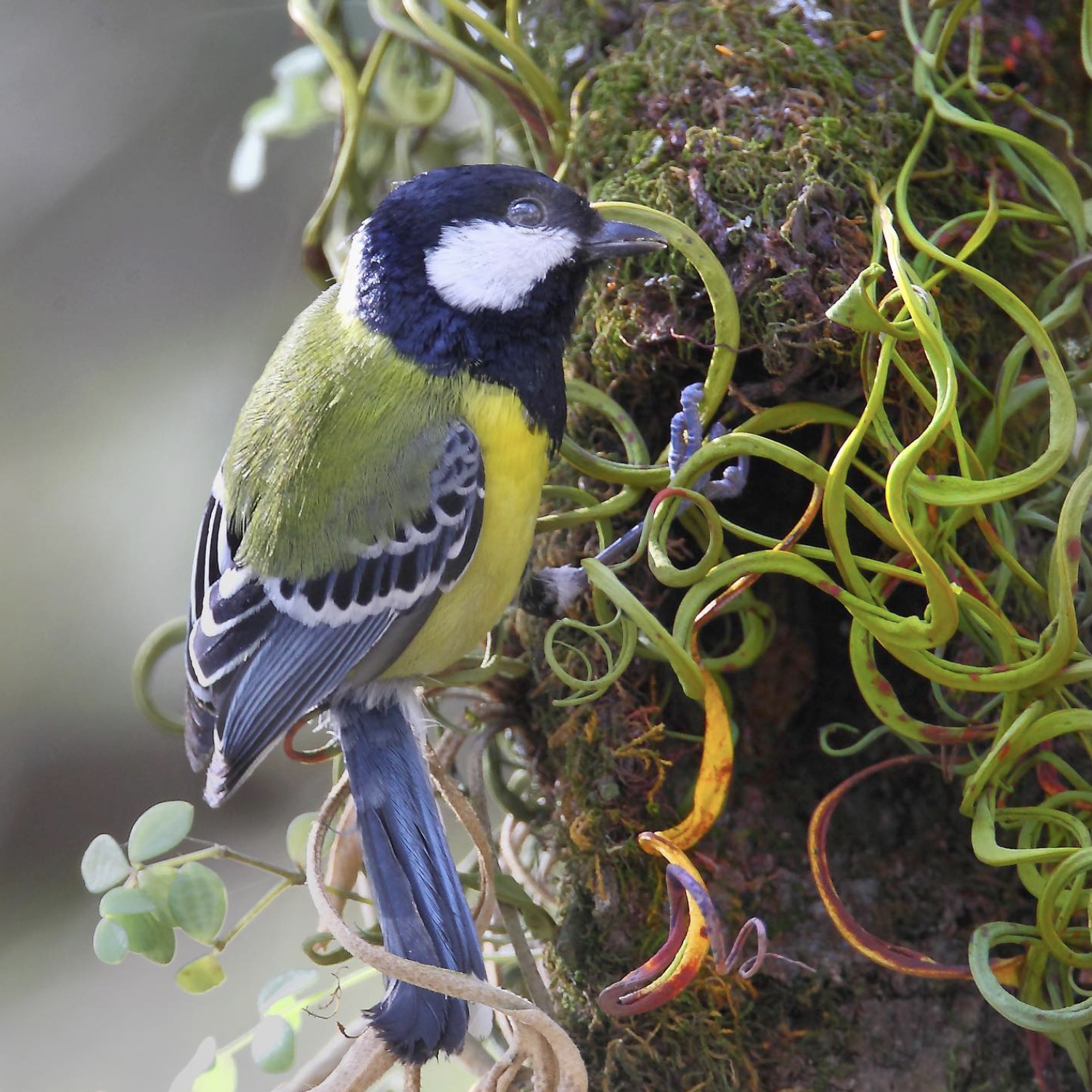
Napo, Ecuador
Napo, Ecuador
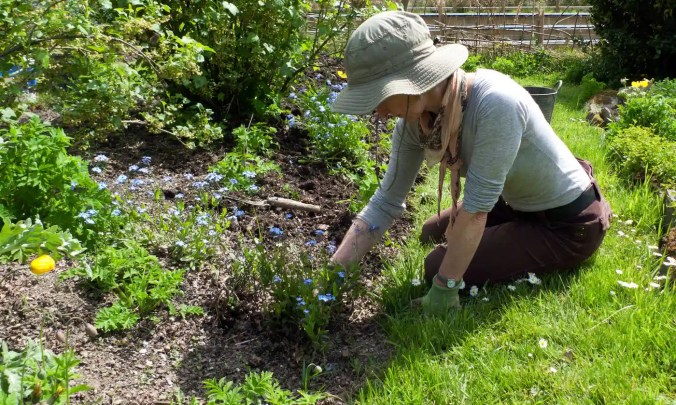
While once gardening was somewhat of a battle against nature, people are now working with native plants and animals. Photograph: Kathy deWitt/Alamy
We are happy to see citizen scientists putting this technology to such use anywhere, but particularly gratified to know that a large organization is encouraging its use for such an important initiative:
RHS asks gardeners to find interesting ‘weeds’ that may be rare plants
People urged to submit specimens to an app as private gardens may be fresh source of scientific discovery
Record the “weeds” that pop up in your garden because they could be a rare plant, the Royal Horticultural Society has said. Continue reading

Savegre Lodge, Costa Rica
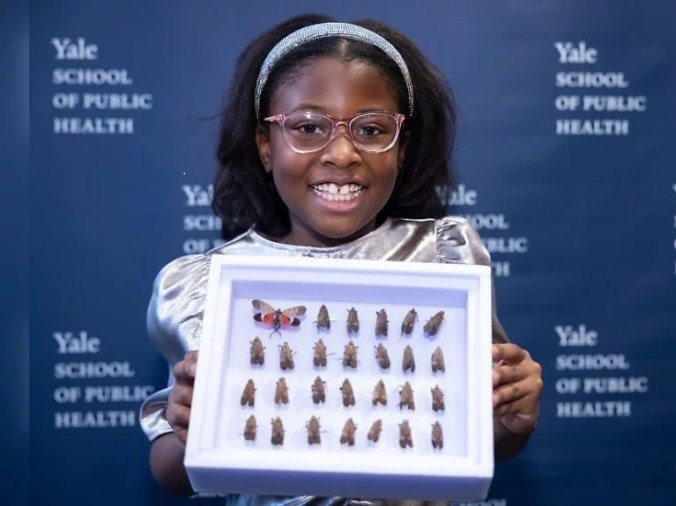
Bobbi Wilson holds her collection of spotted lanternflies as she is honored at the Yale School of Public Health on Jan. 20. Andrew Hurley/Yale University
A young person doing their part, on their own, to help with an environmental scourge. Hats off to that. The unneighborly act aside, this is a story to celebrate (thanks to National Public Radio, USA) and an extra bravo to Yale University for their part in it:
Yale honors the work of a 9-year-old Black girl whose neighbor reported her to police
Nine-year-old Bobbi Wilson may be in the fourth grade, but last month the Yale School of Public Health held a ceremony honoring the budding scientist’s recent work. Continue reading
Etosha National Park, Namibia
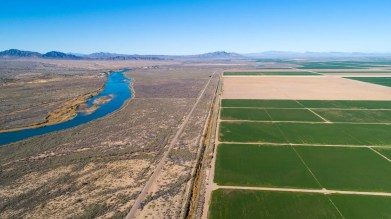
Among the arid lands where water from the Colorado River makes agriculture possible is the Colorado River Indian Tribes reservation, which serves Mohave, Chemehuevi, Hopi, and Navajo peoples. More than 70,000 acres of alfalfa, cotton, potatoes, and other crops are being produced on the reservation. (Image credit: Ted Wood/The Water Desk, CC BY-NC-ND 4.0)
The Colorado River holds our attention for many reasons, but mostly now due to climate impact. Our thanks to Bob Henson at Yale Climate Connection for this:
Wet winter won’t fix Colorado River woes
“One year of good flows doesn’t mean we have a trend,” noted one expert.
Snowpack has been running well above average this winter across the Colorado River watershed. It’s a rare bright spot after 23 years of grinding megadrought brought the driest conditions in 1,200 years to the basin that supplies 40 million people in Arizona, California, Colorado, Nevada, New Mexico, Utah, Wyoming, and Mexico. Continue reading

Orotina, Costa Rica
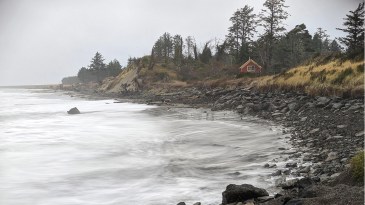
Washington’s seasonal king tides, shown here at Washaway Beach, are becoming more destructive as sea levels rise. Sarah Trent/High Country News
Our thanks to Sarah Trent, an editorial intern for High Country News based in southwest Washington, for the story and to Mother Jones for sharing it more broadly:
This Experiment Could Help Restore Eroding Coastlines
David Cottrell dropped $400 worth of rock on “washaway beach” to see what would happen. Now engineers are watching, too.
David Cottrell stood on what used to be a 14-foot-high cliff at the crumbled end of Blue Pacific Drive. Just a few years ago, this was the fastest-eroding shoreline on the US Pacific Coast; locals here in North Cove, Washington, dubbed it “washaway beach.” Continue reading

Architect Esha Munshi and veterinarian Sherwin Everett, founders of the Feather Library
Over the years we talked about feathers from numerous perspectives, including scientific and artistic. Thanks once again to the Guardian for sharing this inspiring Citizen Science story.
Plucky idea: the feather library providing a visual A to Z of India’s birds
Finding a trapped silverbill during lockdown inspired Esha Munshi to create an invaluable record of species in an uncertain world
Esha Munshi, an architect based in Ahmedabad, has “breathed birds” as far back as she can remember. She has travelled all over India on birding trips and has, she says, spotted 1,060 of the 1,400 bird species in the country.
An Indian golden oriole feather, left, and white-throated kingfisher feathers
But it was at home, during the Covid-19 lockdown in 2020, that she saw an Indian silverbill caught in the protective netting on her balcony, attracting the attention of her cat. Although the bird escaped, some of its feathers were damaged. When Munshi saw the exquisite markings and patterns, she tried to identify the bird, but was struck by how little information there was online.
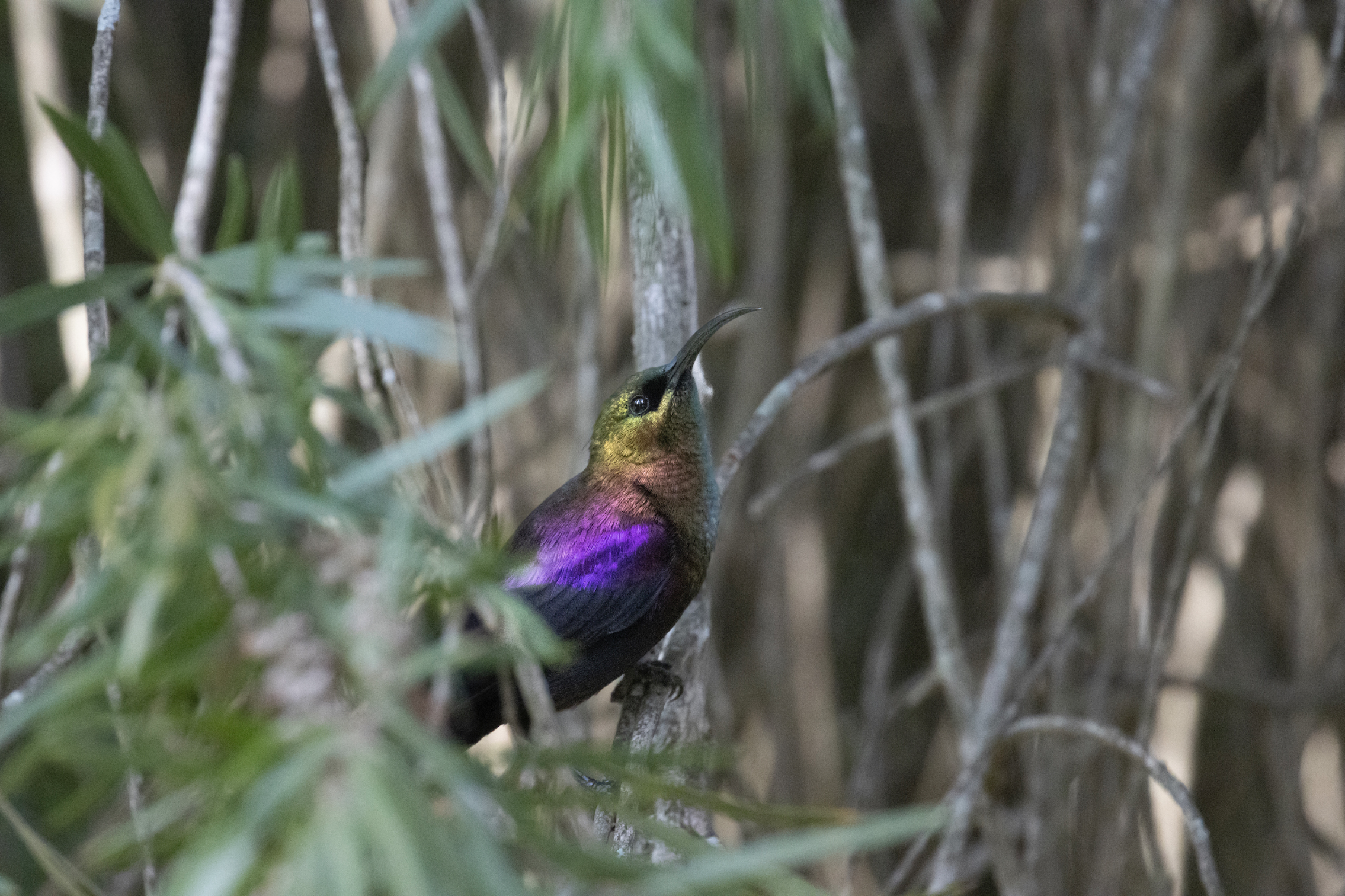
Rift Valley, Kenya

PEXELS
Thanks to Yale e360:
Clean Energy Saw as Much Investment as Fossil Fuels for the First Time in 2022
Solar, wind, electric vehicles, and other clean energy technologies saw a record-high $1.1 trillion in investment globally last year, matching investment in fossil fuels for the first time ever, according to a new report from Bloomberg New Energy Finance. Continue reading
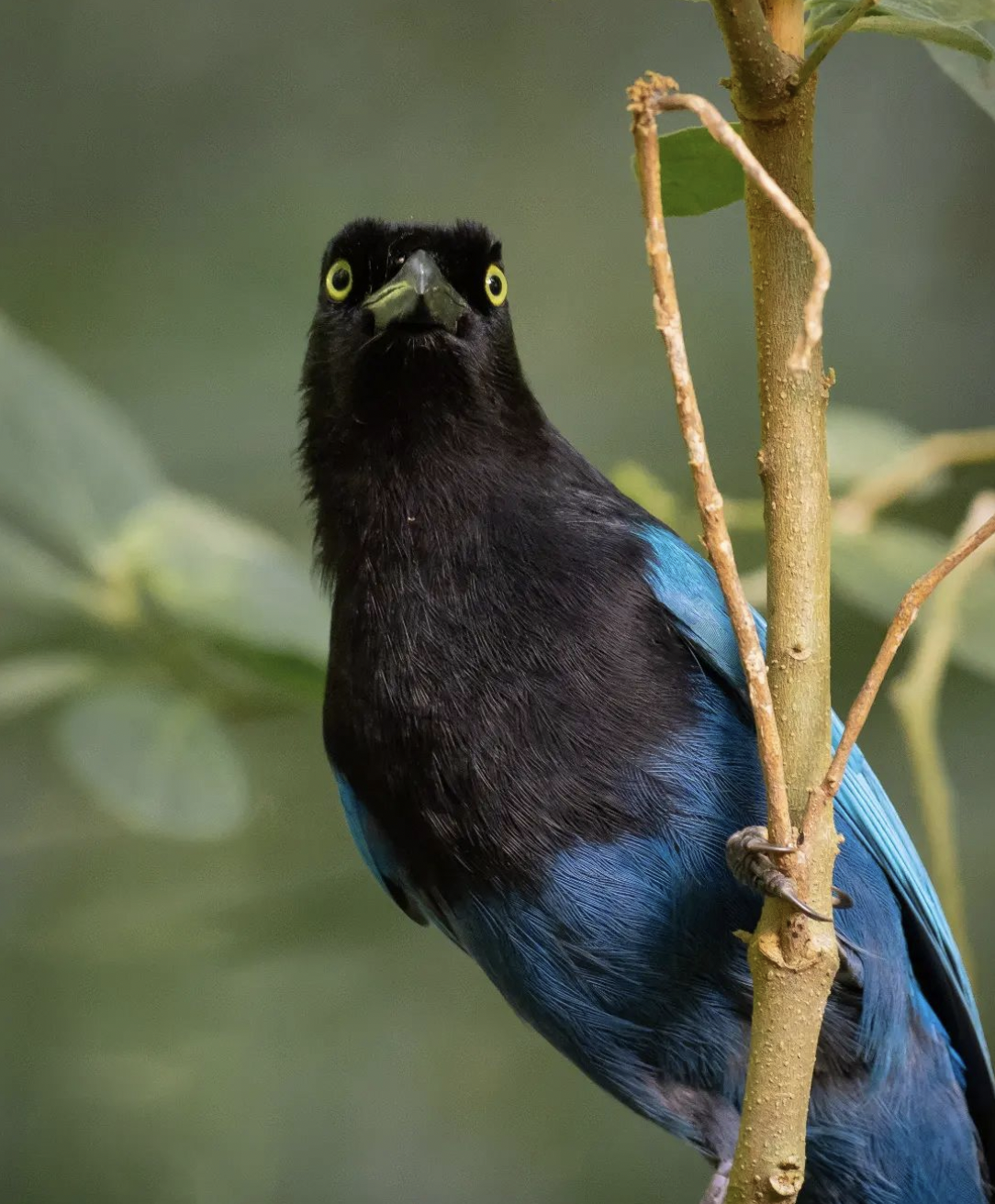
Ciudad de Guatemala, Guatemala

6 months after the Kaziranga trip, I started reading about the birds of India. I was very surprised to learn that we had more than 1,200 species across the country. I ventured out a bit, driving around Bannerghatta National Park and Hesarghatta Lake. Photographing birds isn’t as easy as one would think. They are flighty and fickle. I captured several images of “bird-less” perches and returned home with “bird-less” memory cards as well.
I was 56 years old and time was not on my side. I began to list out important birding areas in the country. This way, I could focus on numbers- my goal being to reach 500 birds before my health deteriorated. I chose birding locations that were easily accessible by car. Gujarat and Uttarakhand had large bird counts and winters were ideal for birding.
I decided to travel to the Great Rann of Kutch during November 2012. I didn’t want any delay seeing and photographing birds. I needed the right gear and I purchased a Canon 1D mark14 with a 500 mm f4 lens. A friend of mine drove me to Kutch, making it an easier trip for me. We chose a Homestay run by a famous conservationist and bird guide, Sri. Jugal Tiwari. All the rooms were named for beautiful local birds, which was very inspiring. I chose the Grey Hypocolius room just because the name sounded exotic. Most special was the fact that each room had books by the bedside,
mine had two about the world-famous birder, Phoebe Snetsinger.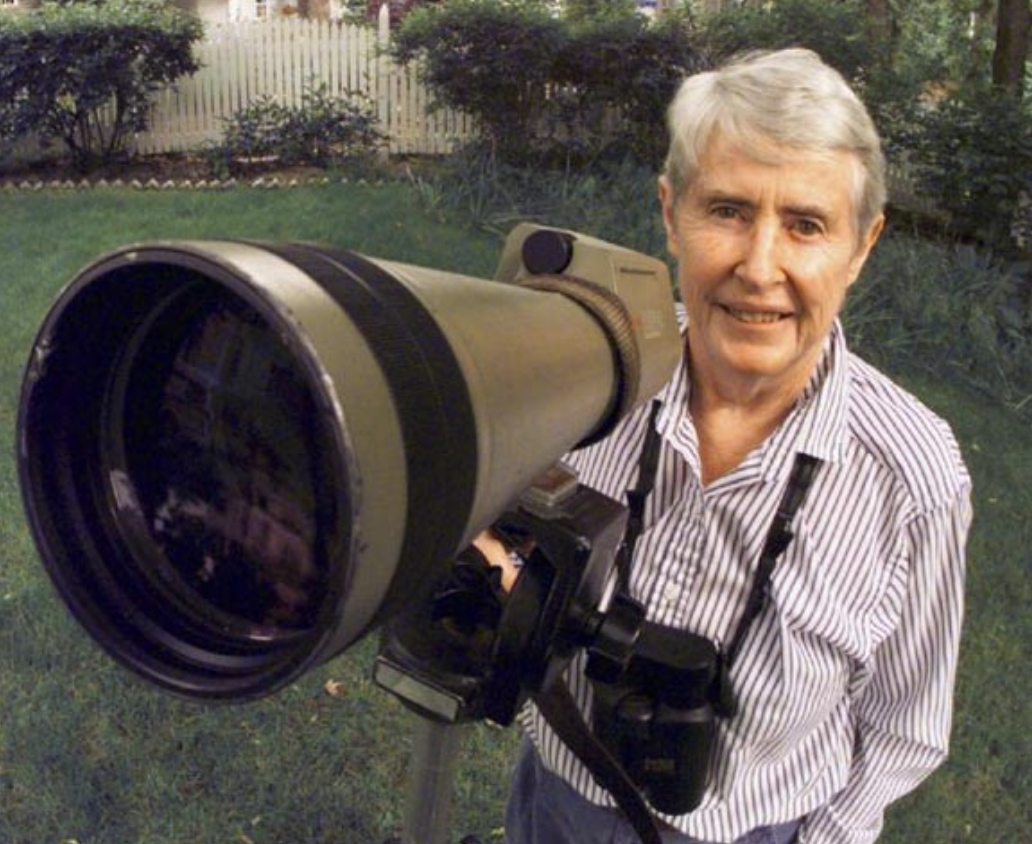
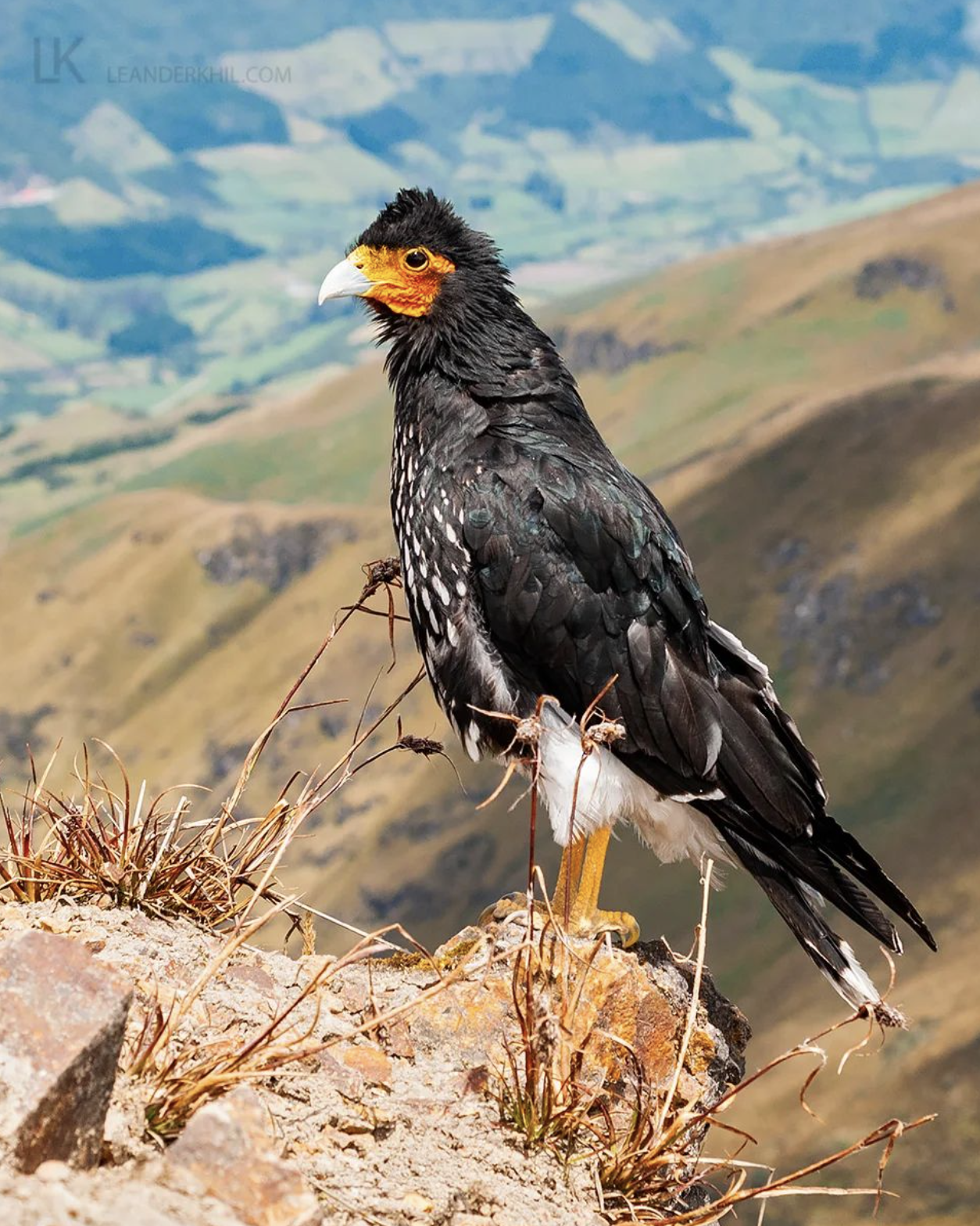
Pichincha Volcano, Ecuador
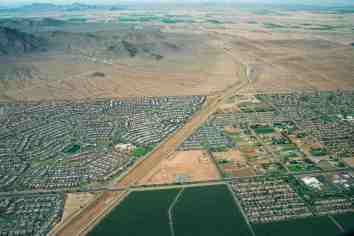
The Southwest’s protracted drought has put a strain on an already arid environment. Photograph by Wild Horizon via Getty
Our thanks to Rachel Monroe:
How Native Americans Will Shape the Future of Water in the West
Tribal nations hold the rights to significant portions of the Colorado River. In the increasing drought, some are showing the way to sustainability.
As a child, Stephen Lewis heard stories about a river that, for the most part, no longer flowed. “How I grew up was that it was a theft, that it was stolen from us,” he told me late last year. “There was what we used to call the Mighty Gila River, and now it was just pretty much dry. There was no water.” Continue reading

Savegre Lodge, Costa Rica
 The American west has told the rewilding story from multiple perspectives, and this book to the right makes a special place for the she-wolf in that story, according to this review in Inquisitive Biologist:
The wolves reintroduced to Yellowstone National Park in 1995 are some of the best-studied mammals on the planet. Biological technician and park ranger Rick McIntyre has spent over two decades scrutinizing their daily lives, venturing into the park every single day. Where his previous books focused on three notable alpha* males, it is ultimately the females that call the shots and make the decisions with lasting consequences. This book is a long overdue recognition of the female wolf and continues this multigenerational saga. Continue reading

Parque Nacional Tikal, Guatemala

ILLUSTRATION BY SARAH ANGÈLE WILSON
Bicycle love has been a minor but notable theme in our pages over the years. In more recent years their relationship to electricity has become the focus of more stories, like this one:
The High Cost of Cheap E-Bikes
Electric bicycles are catching on—and their lithium-ion batteries are catching fire. Why is so little being done about it?
Fires and overheating accidents attributed to lithium-ion batteries killed 19 people in the United States in 2022, according to the U.S. Consumer Product Safety Commission. In New York City alone, six people died in these uniquely fast-burning infernos. Experts say poorly made batteries, like those often found on cheaper e-bike models, are the primary culprit. So why is it still so easy to purchase them? Continue reading



 Organikos