
Antigua, Guatemala
Seed Bank Futures
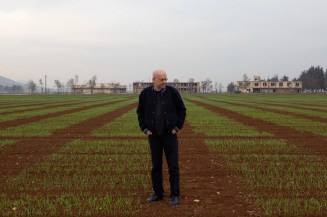
Hassan Machlab, a country manager with ICARDA in Lebanon, stands in the middle of a field with newly planted grains at the ICARDA research station, Dec. 21, 2022. Dalia Khamissy for NPR
Protecting plant species’ futures with seed banks grows greater in importance as time passes, because challenges to the planet multiply. We appreciate updates like this one by Ruth Sherlock and colleagues at National Public Radio (USA):
How ancient seeds from the Fertile Crescent could help save us from climate change
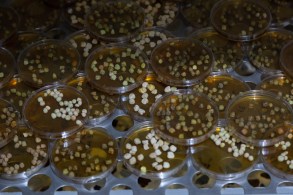
Chickpea grains are tested for various diseases at the ICARDA research station, Dec. 21, 2022. Dalia Khamissy for NPR
TERBOL, Lebanon — Inside a large freezer room at the International Center for Agricultural Research in the Dry Areas, tens of thousands of seeds are stored at a constant temperature of minus-4 degrees Fahrenheit. After being threshed and cleaned, the seeds are placed inside small, sealed foil packets and stored on rows of heavy, sliding metal shelves.
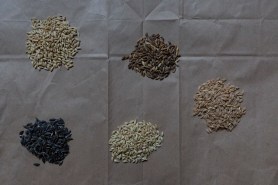
Barley grains stored at the ICARDA research station. Dalia Khamissy for NPR
Some of them may hold keys to helping the planet’s food supply adapt to climate change.
The gene bank can hold as many as 120,000 varieties of plants. Many of the seeds come from crops as old as agriculture itself. They’re sown by farmers in the Fertile Crescent region, where cultivation began some 11,000 years ago. Other seeds were deposited by researchers who’ve hiked in the past four decades through forests and mountains in the Middle East, Asia and North Africa, searching for wild relatives of wheat, legumes and other crops that are important to the human diet. Continue reading

Bird of the Day: Grey Treepie
The Good Life, Researched, Written & Spoken About
 Robert Waldinger, MD has a way with words, and ideas, and life experience, judging by his discussion with Sam Harris. This topic is not typical of most of the content we link to, but for a Tuesday in early 2023 it is as worthwhile as anything we can think to share. Click the image of the book to go to the website where its author introduces it:
Eight decades. Three generations. Thousands of lives.
The Harvard Study of Adult Development is an extraordinary scientific endeavor that began in 1938 and is still going strong (Waldinger is the fourth director, and Schulz its associate director). For over eight decades, the study has tracked the same individuals and their families, asking thousands of questions and taking hundreds of measurements—from brain scans to blood work—with the goal of discovering what really makes for a good life.
Through all the years of studying these lives, strong relationships stand out for their impact on physical health, mental health, and longevity. Waldinger and Schulz boil it down simply:
“Good relationships keep us happier and healthier. Period.”
Bird of the Day: White-throated Mountain-gem
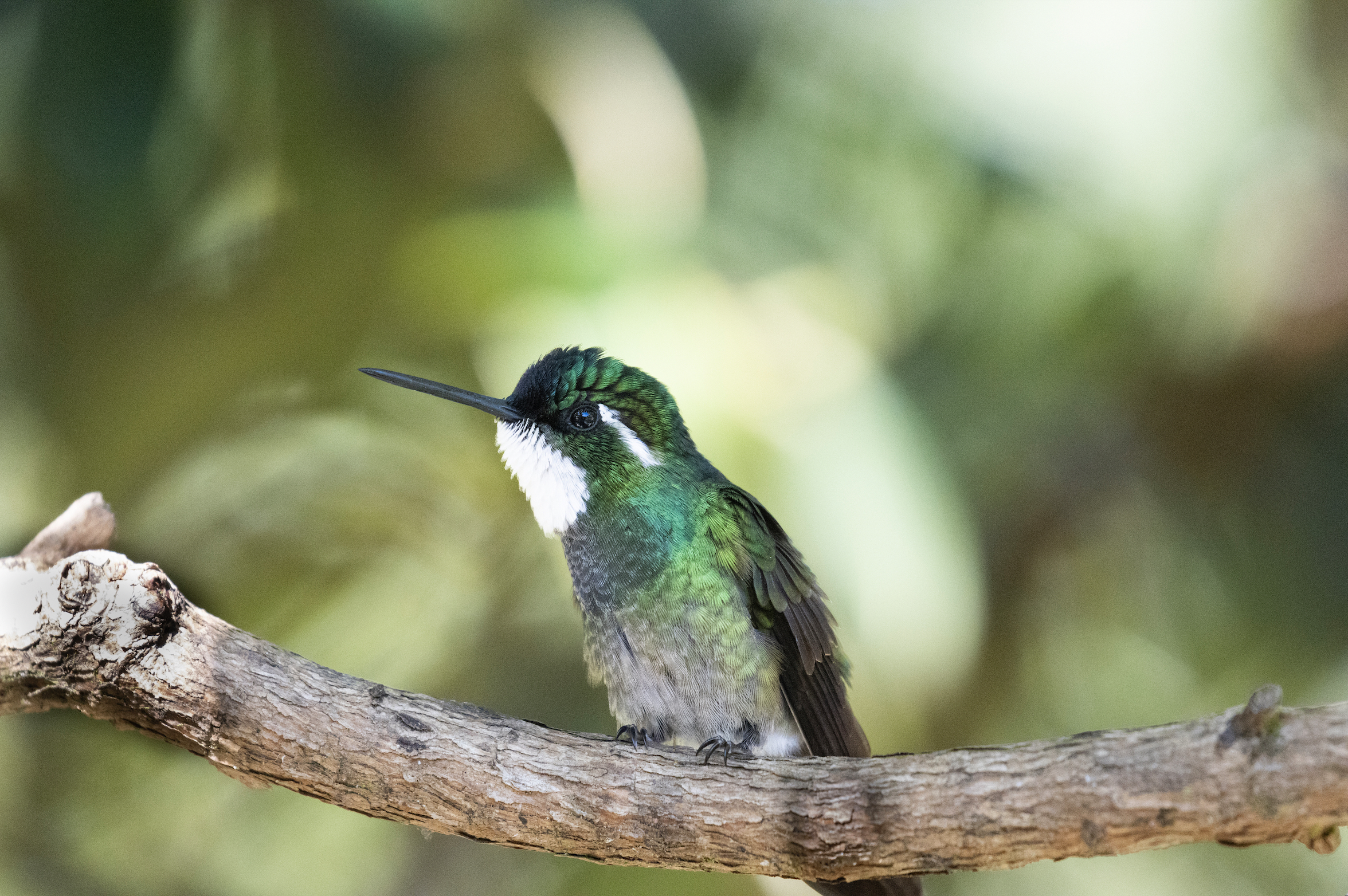
Savegre Lodge, Costa Rica
New York Waters Are Clean Enough For Fun Again
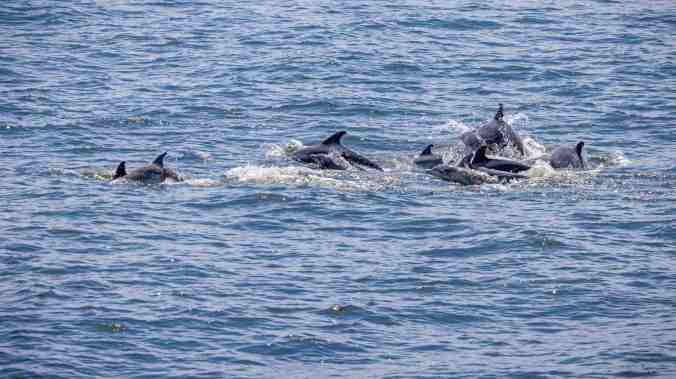
A pod of dolphins just outside New York harbor. Carsten Brandt/Getty
Our thanks to Oliver Milman, Mother Jones and the Climate Desk collaboration for this, and we hope the frolicking continues:
To New Yorkers’ Delight, Dolphins Return to the Bronx River
“We’ve come a long way.”
Dolphins have been spotted frolicking in New York City’s Bronx River, an encouraging sign of the improving health of a waterway that was for many years befouled as a sewer for industrial waste. Continue reading
Bird of the Day: Barred Forest Falcon
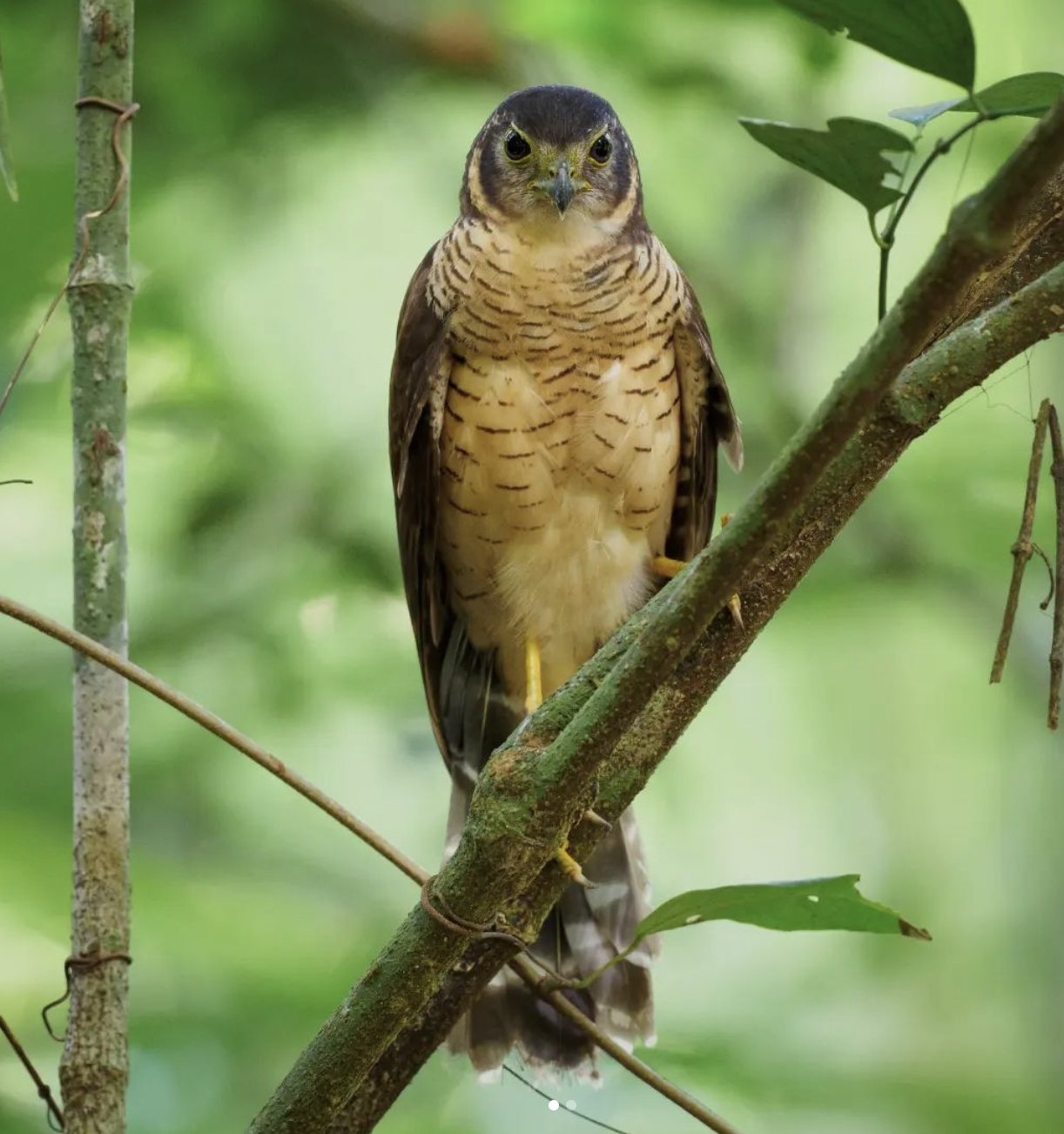
Parque Nacional Tikal, Guatemala
The Remarkable Efficiency Of Heat Pumps, Explained
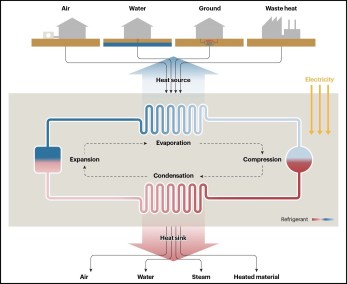
Heat pumps use electricity to compress a refrigerant, raising its temperature. IEA
Heat pumps have only been a passing reference occasionally in these pages, but today they are the focus, thanks to Paul Hockenos in Yale e360:
In Europe’s Clean Energy Transition, Industry Turns to Heat Pumps
With soaring gas prices due to the Ukraine war and the EU’s push to cut emissions, European industries are increasingly switching to high-temperature, high-efficiency heat pumps. Combined with the boom in residential use, the EU is now hoping for a heat pump revolution.
An industrial heat pump at the Mars Confectionery in Veghel, the Netherlands. GEA
The Wienerberger brickworks in Uttendorf, Austria, in the Tyrolean Alps, has always required a steady stream of 90 degree C (194 degree F) heat to dry its construction blocks. This process would have been an expensive proposition for the company after Russia cut gas exports to Europe, as it was for most of Europe’s energy-intensive construction industry. But four years ago, Wienerberger — the largest brick producer in the world — made an investment in the future that is now paying off: it replaced Uttendorf’s gas-fired boiler with an industrial-scale heat pump, which whittles the factory’s energy bill by around 425,00 euros a year. Continue reading

Bird of the Day: Great Grey Shrike
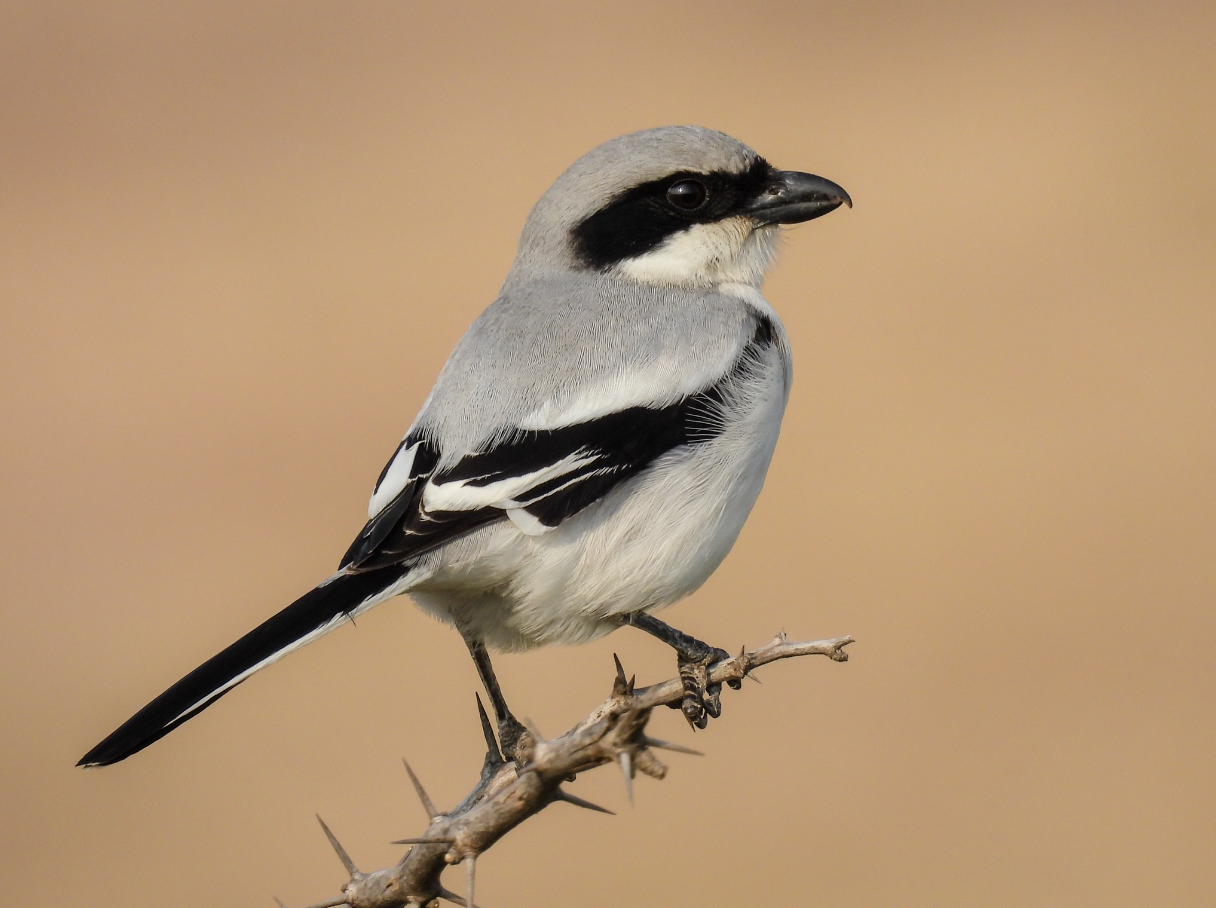
Vijayapura, Karnataka
Stories from the Field: Kaziranga National Park, Assam

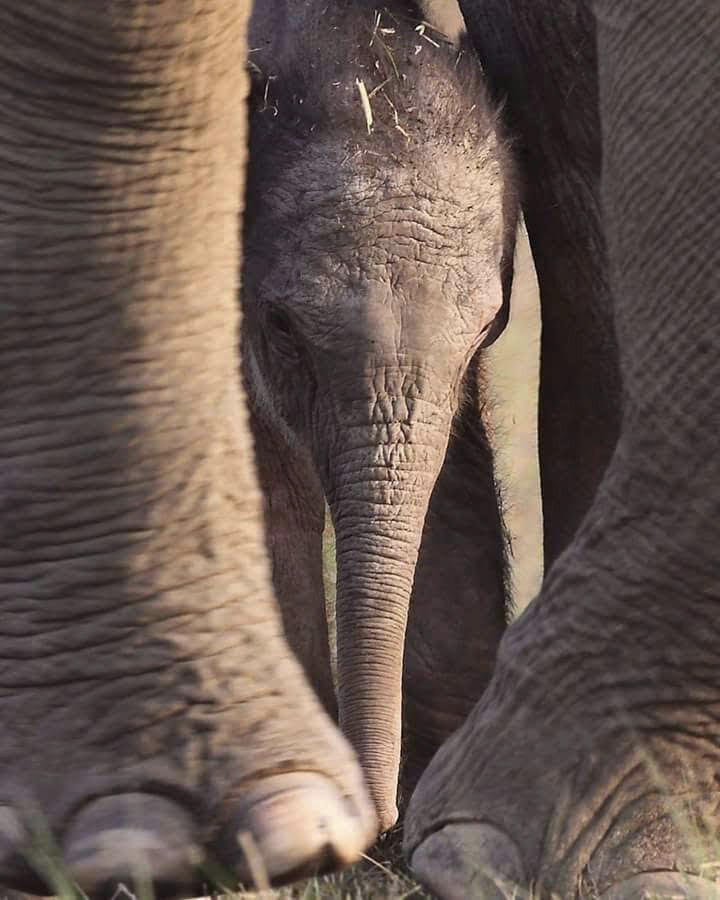 We stayed at the Wild Grass Lodge amidst the intimidating presence of huge lenses and heavy gear.
The dining hall was filled with Masai Mara and other jungle lores.
I was drawn into my fellow travel mates’ conversations on birds and elephant behaviour.
Animal psychology was a nonexistent subject for me till then. I always marveled at the life of plants & trees. The reasons and roles of their existence and their beauty.
During this trip, I was introduced into the role of fauna into the sustenance of forests and their mutual social struggles; Their mastery of leveraging each others resources, framed by unwritten cooperative laws. Their companionship in fighting extinction. Survival makes strange bedfellows among flora and fauna – from the megafauna to the smallest ant and flying insect.
Bird of the Day: Lilac-breasted Roller
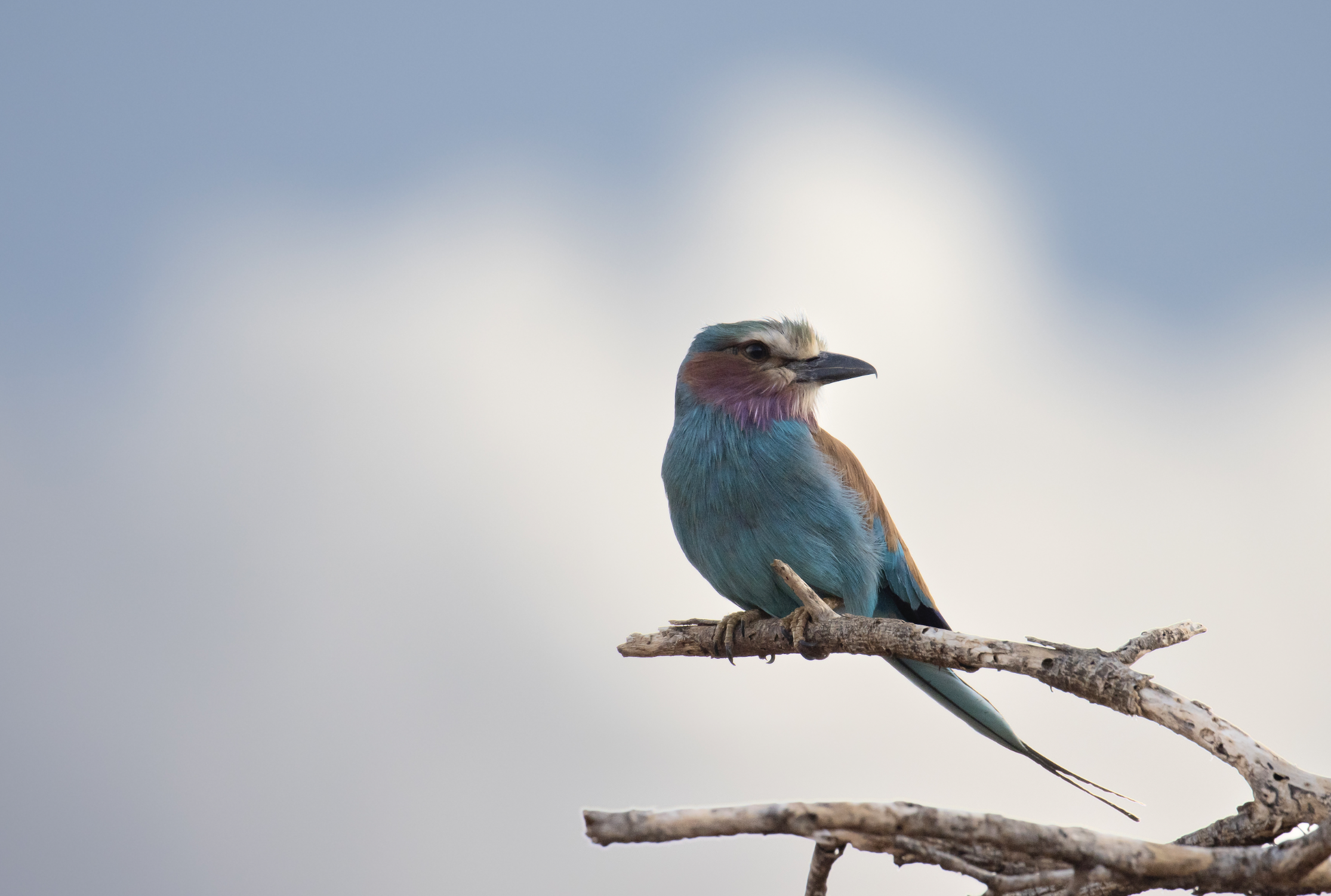
Samburu Nature Reserve, Kenya
Good Chocolate

‘The only way to ensure that money is going into a farmer’s pocket is to buy directly from farmers.’ Illustration: Rita Liu/The Guardian
We have been avid readers on the topic of chocolate for almost as long as we have been sharing articles on this platform:
The sweet spot: is ethical and affordable chocolate possible?
It is possible to pay farmers a premium while selling single-origin chocolate at a cheaper price – but it means companies have to transform the way it’s made
Is it possible to make an ethical chocolate bar that’s also affordable? Tim McCollum, the founder of the bean-to-bar chocolate brand Beyond Good, says the answer is yes – but you have to transform the way it’s made. Continue reading
Bird of the Day: Ruby-throated Hummingbird

Antigua, Guatemala
Aeon & The Rise Of Maize In Asia

On the outskirts of Kunming, the capital of Yunnan province in southwestern China, 6 November 2006. Photo by stringer/Reuters
Aeon was a regular source of excellent ideas and information during our first few years, and we are happy to see it again:
Maize is arguably the single most important crop in the world and is rivalled only by soybeans in terms of versatility. That said, it is, along with sugar cane and palm oil, among the most controversial crops, proving particularly so to critics of industrial agriculture. Although maize is usually associated with the Western world, it has played a prominent role in Asia for a long time, and, in recent decades, its importance in Asia has soared. For better or worse, or more likely for better and worse, its role in Asia seems to be following the Western script. Continue reading
Bird of the Day: Rain Quail
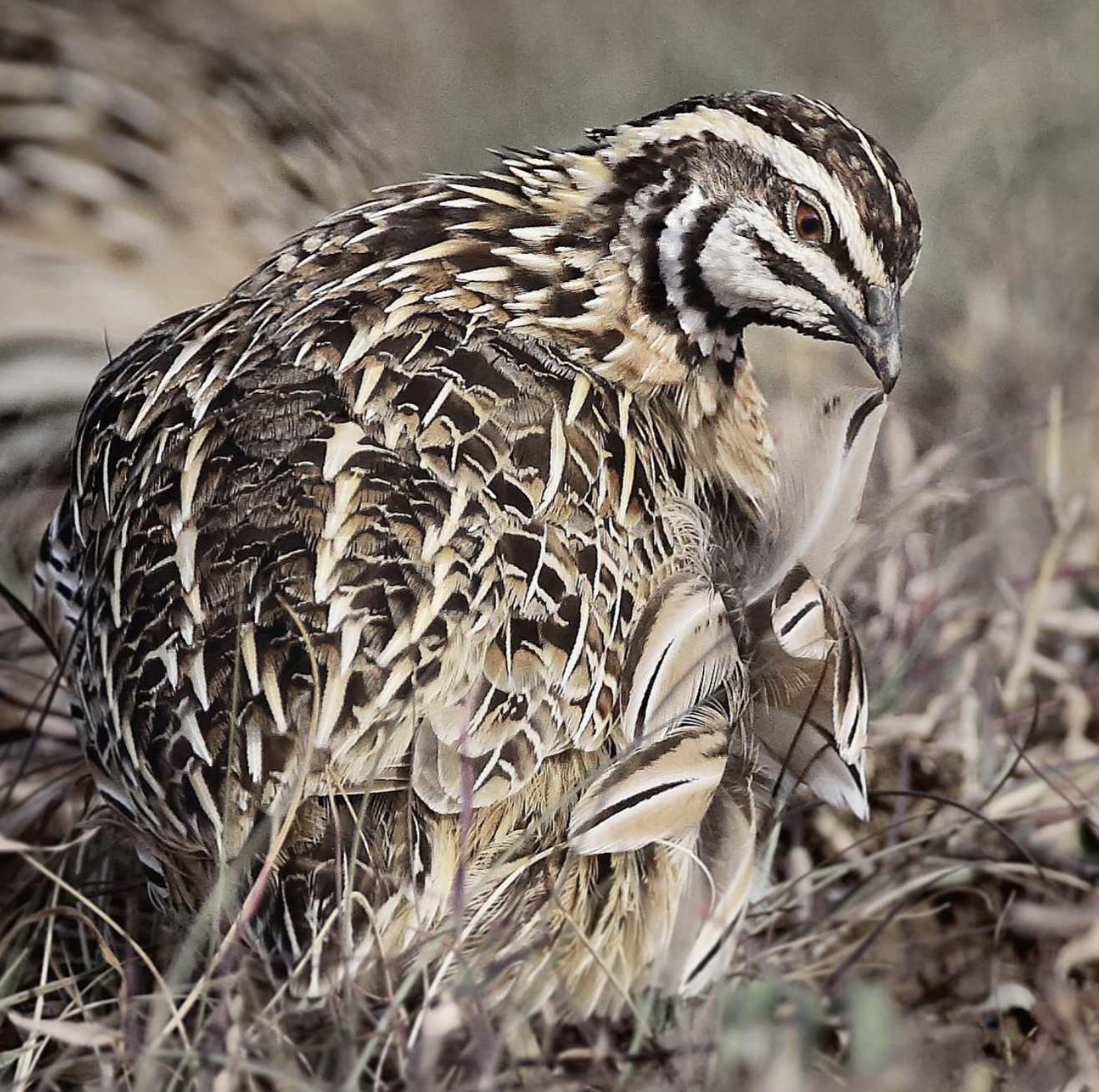
Outskirts of Bangalor, Karnataka
More Metrics For Animal Intelligence
(Credit: Viesinsh/Shutterstock)
We appreciate Conor Feehly’s article in Discover, expanding our understanding of and ability to measure the intelligence of our co-inhabitants on this planet:
How Intelligence Is Measured In The Animal Kingdom
As understandings of human intelligence evolve, so, too, do understandings of animal intelligence.
Human beings — with our big brains, technology and mastery of language — like to describe ourselves as the most intelligent species. After all, we’re capable of reaching space, prolonging our lives and understanding the world around us. Over time, however, our understanding of intelligence has gotten a little more complicated. Continue reading
Bird of the Day: Ornate Hawk-Eagle

Parque Nacional Yaxha, Peten, Guatemala
Animal Justice With Martha Nussbaum, The Philosopher Of Feelings
Martha Nussbaum has never appeared in our pages, nor has this podcast series. Moral philosophy is usually (but not always) outside the range of topics we pay attention to. But when the topic is animal justice, we are in. If you want a primer prior to the discussion, this profile helps:

“What I am calling for,” Nussbaum writes, is “a society of citizens who admit that they are needy and vulnerable.” Photograph by Jeff Brown for The New Yorker
Martha Nussbaum’s far-reaching ideas illuminate the often ignored elements of human life—aging, inequality, and emotion.
Martha Nussbaum was preparing to give a lecture at Trinity College, Dublin, in April, 1992, when she learned that her mother was dying in a hospital in Philadelphia. She couldn’t get a flight until the next day. That evening, Nussbaum, one of the foremost philosophers in America, gave her scheduled lecture, on the nature of emotions. “I thought, It’s inhuman—I shouldn’t be able to do this,” she said later. Then she thought, Well, of course I should do this. I mean, here I am. Why should I not do it? The audience is there, and they want to have the lecture. Continue reading
Bird of the Day: Volcano Junco
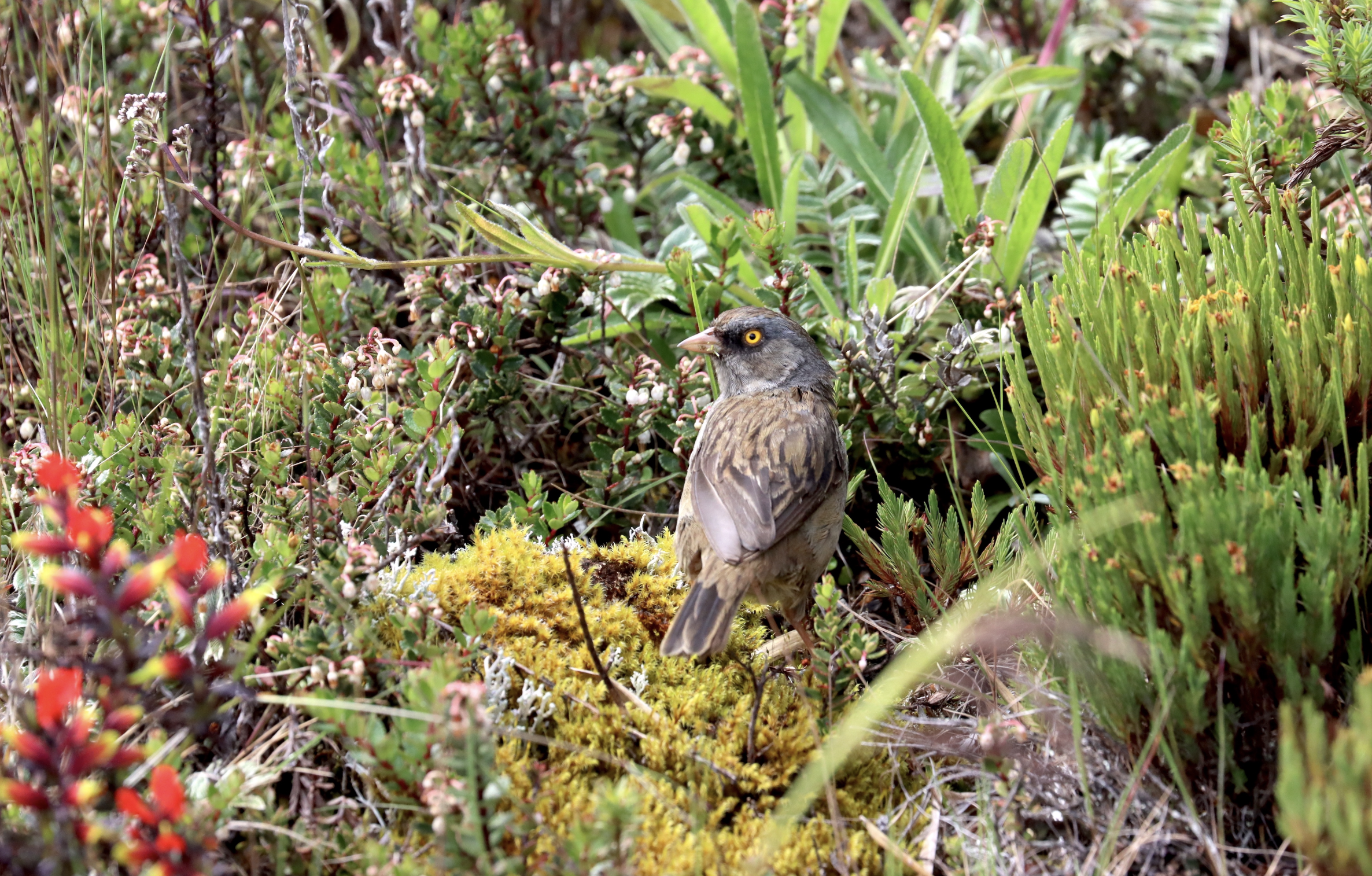
Parque Nacional Los Quetzales, Costa Rica
Interview With Journalist Heriberto Araujo On His Book & Brazil’s Prospects For Change
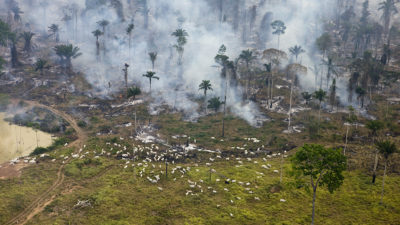
A fire set to clear land for farming in Pará state in the Brazilian Amazon. DANIEL BELTRÁ / GREENPEACE
We were very happy with the alternative resulting in a radical change of government in Brazil, but never expected an easy solution:
Amazon Under Fire: The Long Struggle Against Brazil’s Land Barons
Journalist Heriberto Araujo spent four years reporting on the destruction of the Brazilian Amazon. In an interview with Yale Environment 360, he talks about his new book, which explores the complex web of issues underpinning the deforestation of the world’s largest rainforest.
Heriberto Araujo. HERIBERTO ARAUJO
Last October, when former President Luiz Inácio Lula da Silva defeated the far-right incumbent, Jair Bolsonaro, in Brazil’s national election, environmentalists around the world breathed a sigh of relief. Under Bolsonaro, who had weakened environmental protections and pushed to open Indigenous lands to commercial exploitation, deforestation in the Amazon had exploded. Lula has pledged to safeguard his country’s rainforests, but, as Spanish journalist Heriberto Araujo says in an interview with Yale Environment 360, the job won’t be easy.
For his new book, Masters of the Lost Land, Araujo spent four years traveling from his home in Rio de Janeiro to Rondon do Pará, a town in the eastern Brazilian Amazon, to understand how, in less than 60 years, the largest rainforest on the planet has been transformed into an engine of economic growth. Tracing the story of land rights activist José Dutra da Costa, or “Dezinho,” who, before his assassination in 2000, led a revolution among landless peasants, Araujo comes to see how a handful of ranchers managed to grab huge swaths of pristine rainforest and why deforestation, violence, and lawlessness remain pervasive in the region. Continue reading
 Organikos