Trumpet Tail

Mature female Trumpet Tail (Acisoma panorpoides) photographed in the Periyar Tiger Reserve. Unfortunately well camouflaged (at least for their prey and photographers), this species is another exceptionally small one. The good news for me was that Trumpet Tails, due perhaps to their small stature (and presumably metabolism) cannot fly for long distances, and therefore are easy to chase and photograph.

I find the abdomen’s structure to be quite beautiful – certainly more so than the straight-and-narrow ones of say, gliders or marsh hawks.  Sadly, although I found the male to be more attractive Continue reading

Orange Marsh Dart

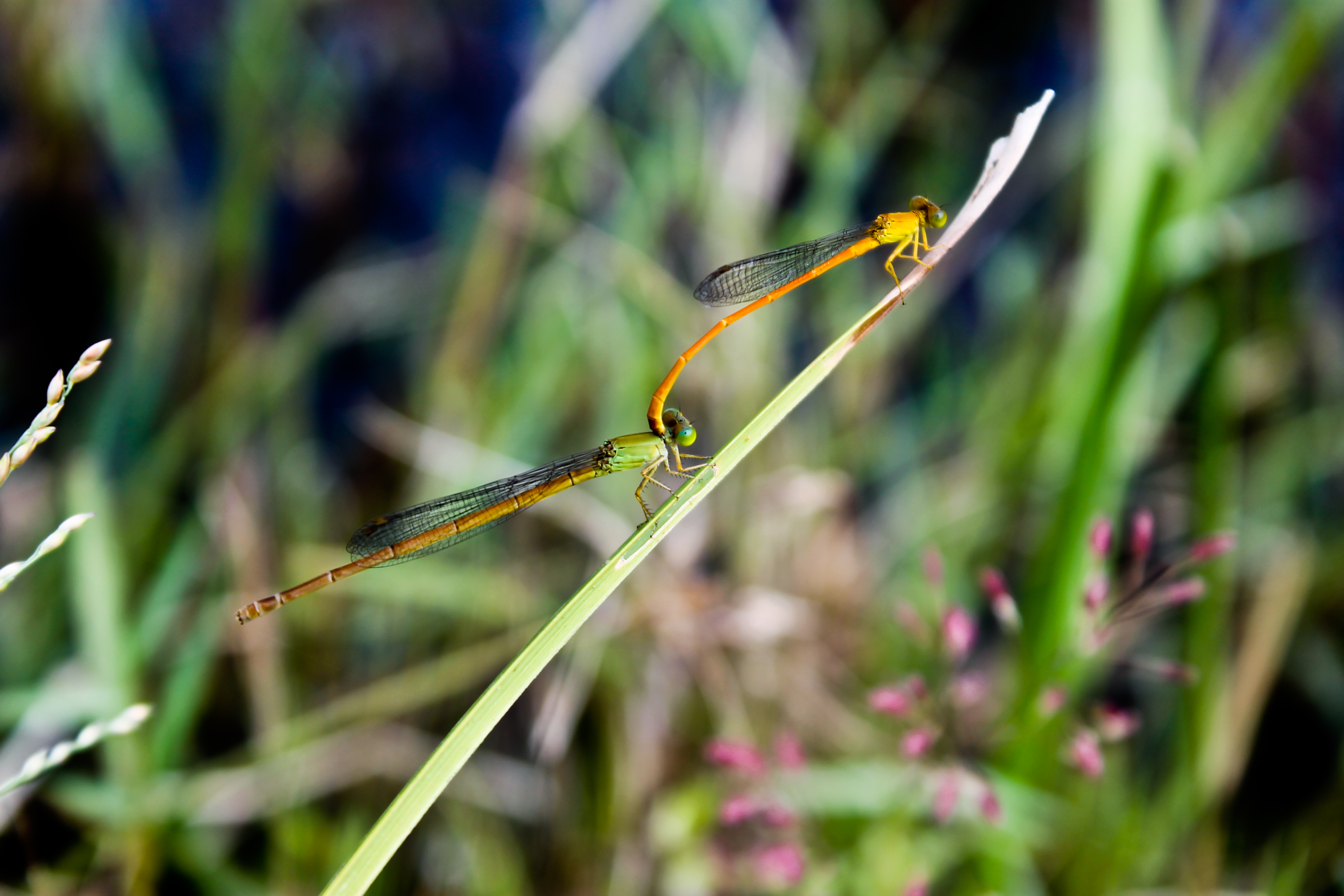
Orange Marsh Darts, Ceriagrion rubiae in copula, photographed in the Periyar Tiger Reserve. The male is mostly golden, while the female is more olivaceous. I’m unsure whether this is exclusive to this species or in all damselflies Continue reading

Blue-Tailed Yellow Skimmer

A mature male Blue-Tailed Yellow Skimmer,  also known as Asian Widow (Palpopleura sexmaculata) shot in the Periyar Tiger Reserve. This is undoubtedly the smallest species of dragonfly I’ve photographed, scaling it at close to under an inch long. The dragonfly’s abdomen is unique – not only in length, but in breadth and shape. The Trumpet-Tail is another uniquely-abdomened dragonfly I’ve spotted in Periyar – pictures of her next time.

For some reference to size, here’s a short anecdote Continue reading

A Well-Rounded Adventure

“Mists, ah, very problem!”

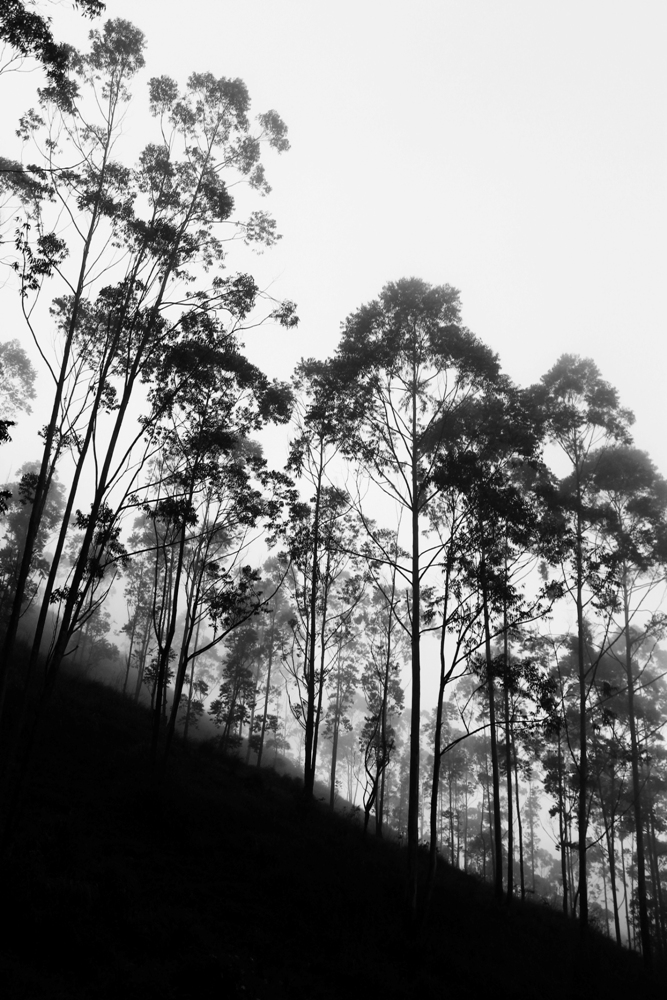
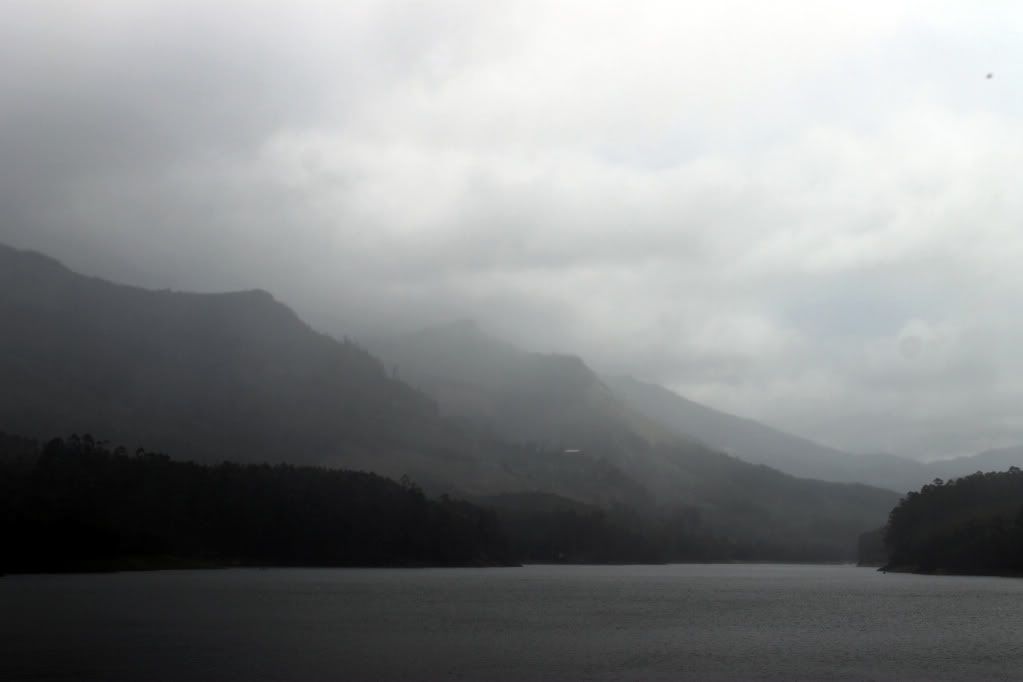
I glanced sideways at the boisterous Mallu man driving the jeep along the winding mountain road. Like his passengers, he was peering out of the vehicle at the steep slopes around us, scanning them for wildlife, abetted by the pre-dawn lighting and the heavy mists.

If any elephants or bison were grazing upon the high hills we drove through, they were impossible to see thanks to the cotton-thick mists blanketing the tall grass and trees that covered the terrain. As the vehicle banged and clunked over potholes at high speeds, I held determinedly onto the railing for dear life, occasionally risking freeing my hands for a photograph of the scenery speeding past.

Some ways down the road, once the sun had risen above the horizon, the jeep rolled to a stop under a densely canopied corridor. My eyes began to search the trees for the reason of our stop to no avail – the driver pointed to what I had previously taken for a pile of rocks, proclaiming it to be a tribal temple. Upon a second look, I realized that the blocks of granite were hewn into rough rectangles, and while in no particular order, they were indeed surrounding a small garlanded icon. Continue reading

Burning Skies

Many people associate fiery skies over cities with pollution and smog. While these are indeed causes for a red-orange color during sunset and sunrise, they are not exclusively so – any particles in the air, including dust and vapor, can cause Rayleigh scattering. This optical phenomenon is not as complicated as some other forms of light scattering, and is more easily explained.

Continue reading

Non-Bird of the Day: Flying Fox (Thekkady, India)

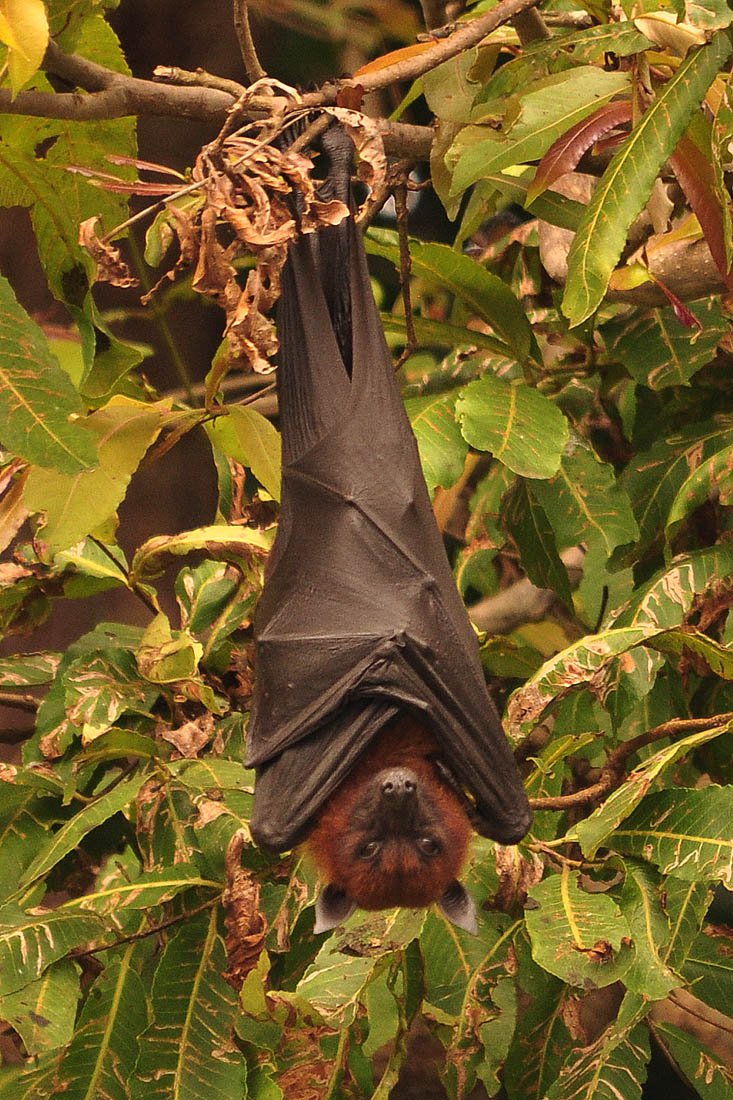
They come out before dawn, and again at dusk, and it is easy to confuse them with birds–eagle-sized at that– when they circle around Cardamom County.  Flying foxes are good neighbors, hanging around the bamboo stand across the way from us in the Periyar Reserve during the day; munching on insects during the darker hours.

Visit with Vijaykumar Thondaman, “Bird of the Day” Photographer

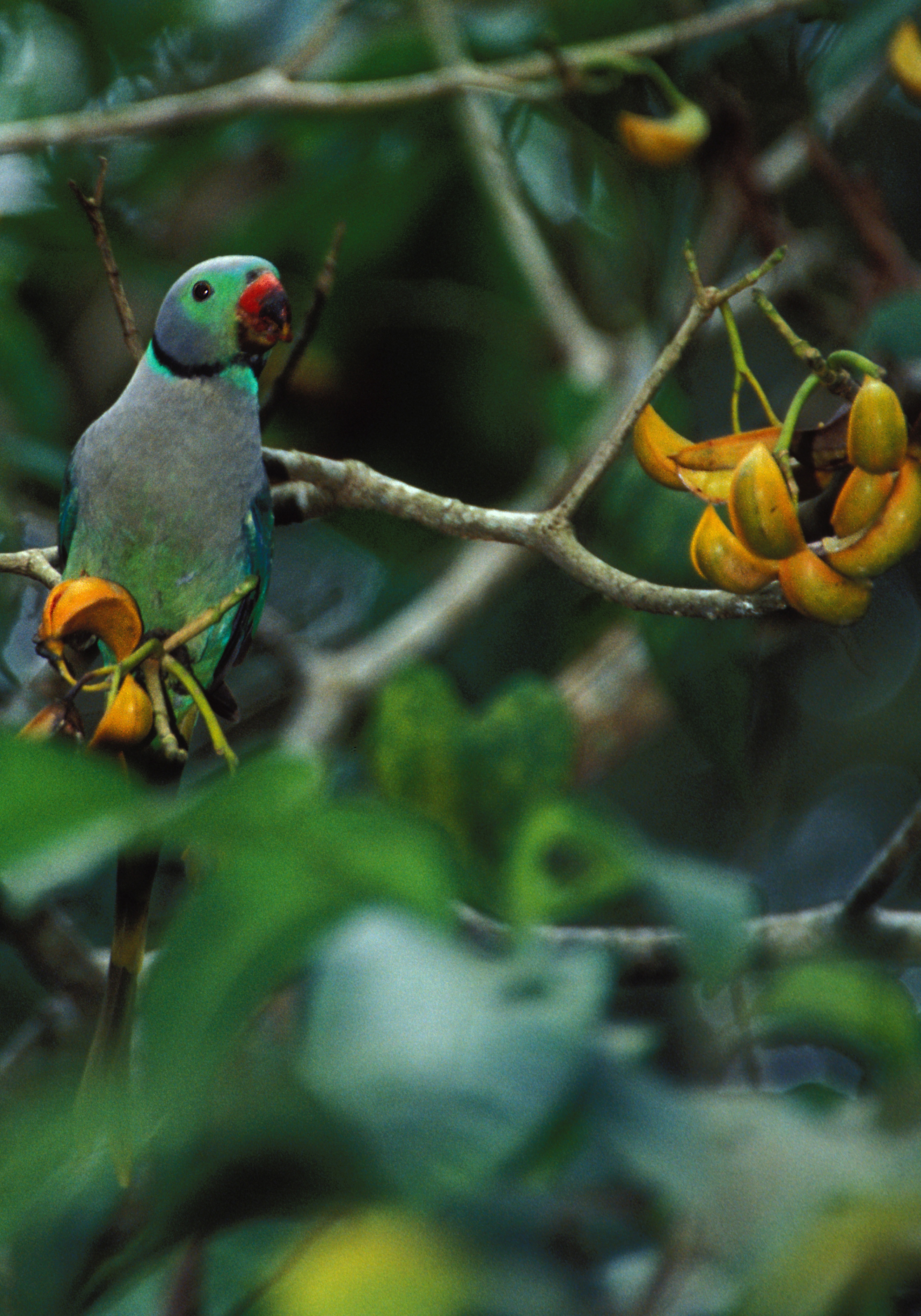
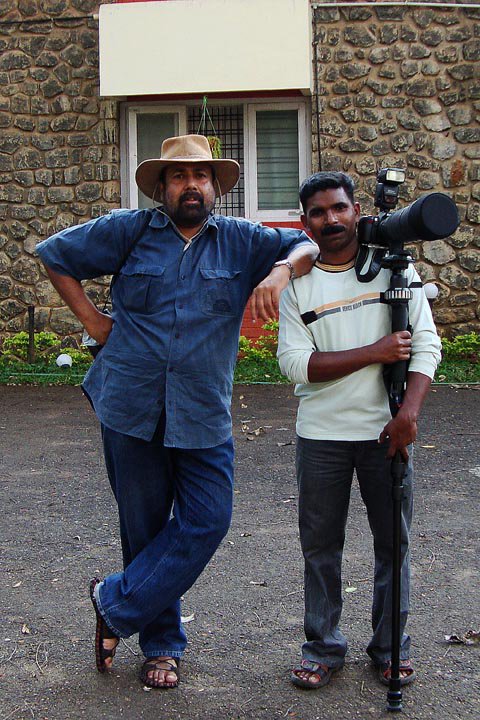
Today we had a visit from a very important contributor, Mr. Vijaykumar Thondaman, the generous gentleman whose remarkable photography skills and passion for wildlife have furnished us with the ever-popular “Bird of the Day” series.

We forgot to snap a photo so we stole this one of Mr. Thondaman (left) with assistant Jayan

Sipping tea and chatting with Vijaykumar was not only an honor (in addition to being an accomplished wildlife photographer and naturalist, he is the nephew of the Late His Highness Raja Rajagopala Thondaman, the ninth and last ruler of the erstwhile Pudukottai State), but it was also an educational exploration of the feathered fauna of southern India. With a palpable passion for the subject, his ornithological knowledge is the consequence of a unique upbringing, as his father, Maharajkumar Radhakrishna Thondaman, maintained a mini zoo with blackbuck, sambar, chital, barking deer, four-horned antelope, foxes, crocodiles, pythons and wild and imported birds. More specific than his father’s captive collection was his small ornithological museum where Vijaykumar learned taxidermy at a young age. Vijaykumar grew up in the 100-acre campus of the New-Palace (the present Collectorate), which had a collection of rare trees and shrubs and wildly roaming peacocks, rabbits, partridges, quails, blackbucks and chitals, none of which exist there anymore. His love affair with wild-life, however, has been an indelible part of his life ever since. Continue reading

Remembering Culture Shock

Lago Deseado

It’s been almost 2 years since I first moved to South America, and as its winter here right now, the grey weather and cold temperatures have fostered a more contemplative lifestyle in me, and has often made me think about my first experiences in southern Chile.  When I arrived in Punta Arenas it was not only the first time in Chile for me, but also the first time in a Spanish speaking part of South America (I had visited Brazil the year prior).  I remember being apprehensive about my virtually non-existent Spanish speaking skills, and thinking that with French and German already in my arsenal, I perhaps will be a faster learner, and therefore, “it won’t be so bad.”  Then came the connecting flight in Santiago…I was in the airport and every word being spoken around me seemed utterly foreign.  Luckily I began to understand relatively quickly and became accustomed to the barrier.

Thinking about this made me check some old emails I had written to friends back home when I first arrived in Patagonia. Below I’ve posted an email that garnered a lot of attention, due to its comedic nature.  I’ve also included some photos I took while in Patagonia, which I have recently been revisiting because I find them peaceful, tranquil, and in accordance with my recent moods. Continue reading

Monkey Business, if you will

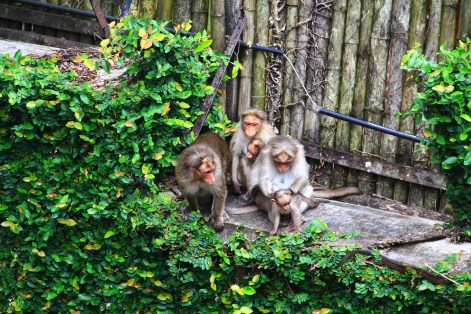
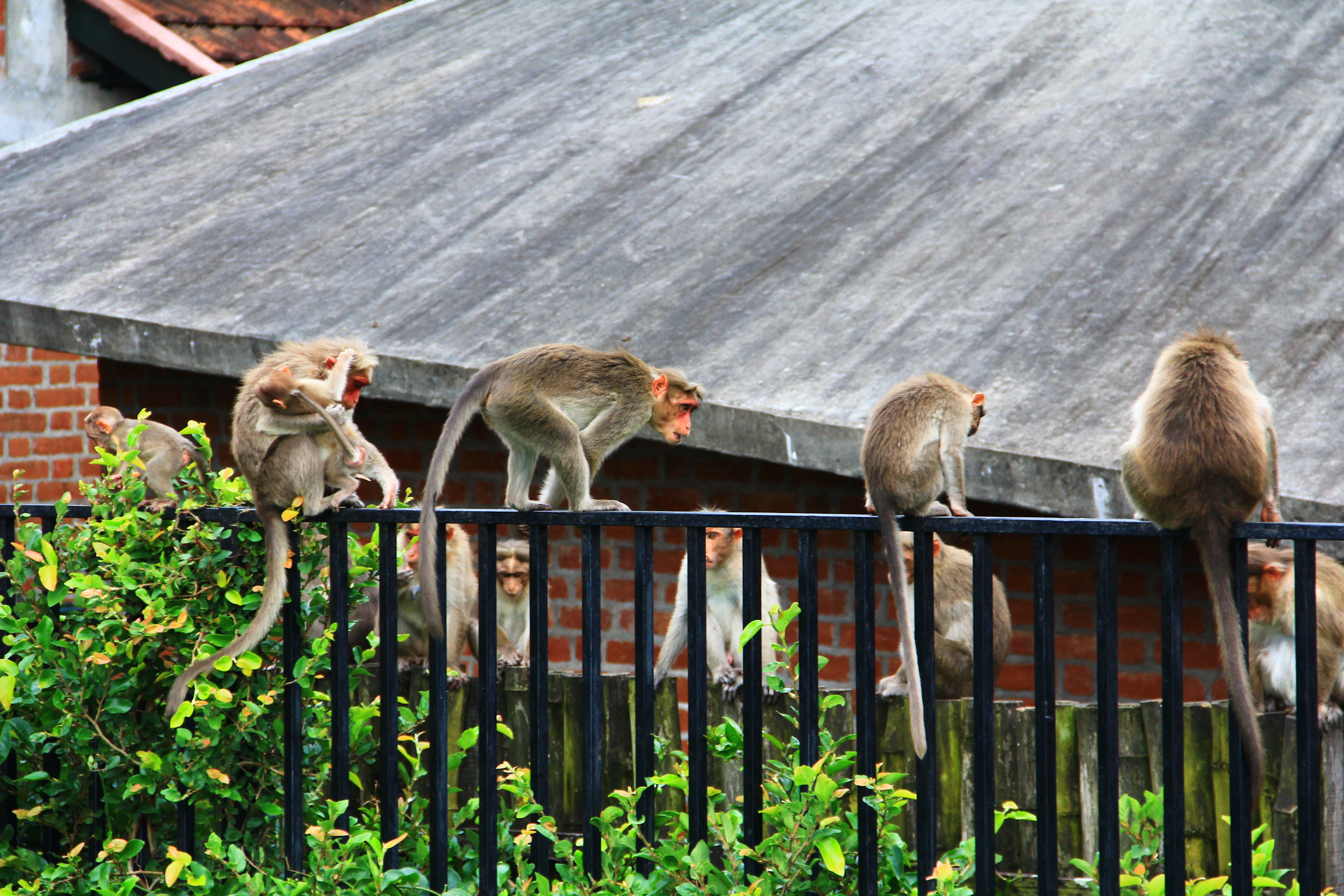
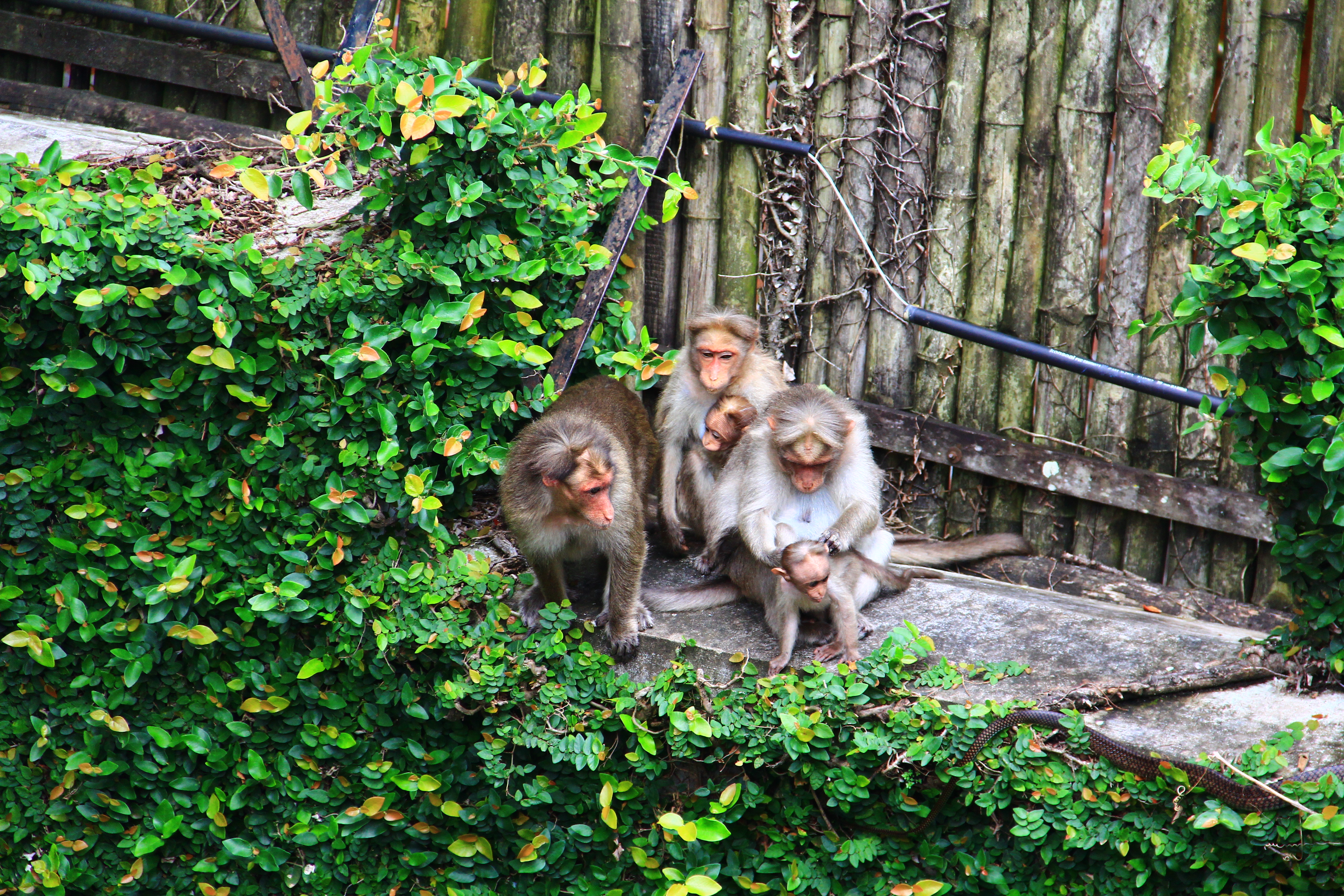
If only to illustrate the contrast between the cool, sleek Nilgiri langur and the pesky, marauding band of bonnet macaque, I offer this beautiful photographic evidence captured by the one and only Sung, whose telephoto abilities far outstrip my own. Sung was (un)fortunate enough to meet this savvy bunch on the roof of the resort restaurant where he had been pleasantly snapping pics of the local bat population (more on them later, I can assure you, esp. now that Sung is on the case). He called to me from across the property, gesturing wildly, and shouting something along the lines of: ‘There are like a thousand monkeys up here!’ Credulous as ever, I thought perhaps there were in fact a thousand monkeys and sprinted from my seat to witness the fracas. (Un)fortunately, I found a mere twenty-ish, a far more manageable pack than the thousand-strong throng promised me. I looked on rather unimpressed. But the high-pitched excitement in Sung’s voice revealed his fundamental anxiety in the face of his first, true encounter with the MACAQUE.

I’ll let these photos tell the story and you, Dear Reader, can be the judge of mine and Sung’s sanity. After all, I do hate to over-dramatize (can’t you tell?). Still, I feel it is my duty as intern, resident, and world-citizen to present the truth as I see it. I should say, however, that about two nights ago I caught the tail-end of a rather tragic Discovery Channel program about the forced re-location of the macaque from one Indian town. I watched these macaque as they were dragged and tricked into tiny cages where they were slammed one on top of another, and it was all deeply disquieting, and just about made me re-think my position towards these struggling sons and daughters of our Planet Earth. I would sincerely regret my paranoia regarding my grey-haired distant cousins engendering an honest fear. Therefore, I hope that, perhaps, their better qualities will also shine through in these photos.

But besides all that garbage, Sung really took some beautiful photos.
Continue reading