Resilience At Sycamore Gap

The shoots growing from the stump of the Sycamore Gap tree.

The Sycamore Gap tree, a beloved way marker, had grown for centuries along Hadrian’s Wall in England before vandals cut it down last year. Now little shoots have been discovered growing at its stump. Jason Lock/National Trust

When this act of vandalism was in the news last year, it felt terrible but had no meaning. But if the felled tree is giving new life, we must celebrate that:

A man kneels beside a tree stump with a tape measure in his hands.

Gary Pickles, a ranger at Hadrian’s Wall Path National Trail, inspecting the Sycamore Gap tree shoots that recently appeared. Jason Lock/National Trust

Vandals last year chopped down the famed tree, which had stood on Hadrian’s Wall in England for nearly 200 years.

On a fine, bright morning last Friday, just like so many other fine, bright mornings, Gary Pickles took a walk.

Two people in a fenced-in area in a field by a stone wall.

Mr. Pickles and a colleague at the site where the tree once stood. Jason Lock/National Trust

Mr. Pickles, a ranger who works at Northumberland National Park in England, just south of the Scottish border, was inspecting a route that wends past Hadrian’s Wall, constructed by the Roman Army in the second century A.D. He walked past the cleft where the Sycamore Gap tree had famously jutted out into the landscape before it was illegally cut down last year, and he bent down to its stump. Continue reading

Glaciers In Uganda?

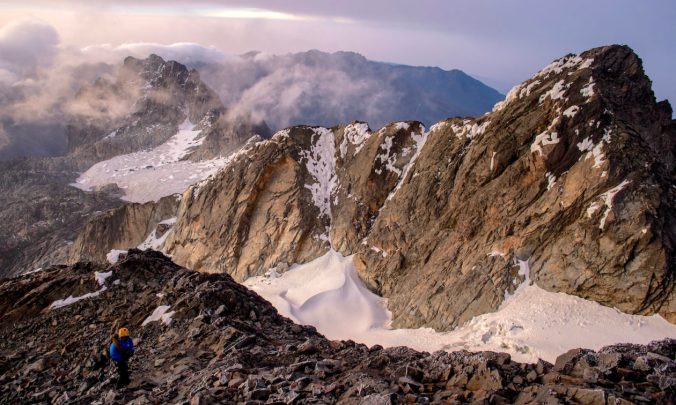
Margherita Peak, with mountain guide Uziah Kule (lower left) ascending. The Stanley Glacier is in the background. JOHN WENDLE

We should not be surprised that there are glaciers anywhere in Africa, especially given the title of a book many of us have read that name checks one of the continent’s highest mountains with reference to its snow. But still, surprise:

For Uganda’s Vanishing Glaciers, Time Is Running Out

A trek through tropical forest, mud fields, and scree reveals the last remnants of the once-sprawling ice fields in Uganda’s Rwenzori Mountains. Their loss has profound implications for local communities, uniquely adapted species, and scientists studying the climate record.

Enock Bwambale stopped at the lip of the dying glacier, its blunted nose arcing steeply down to scoured rocks, then shouted up to his fellow guide Uziah Kule that the ice was too sheer to descend on foot. Continue reading

Brilliance Up North

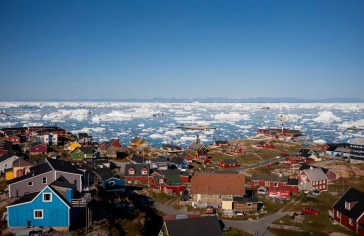
Ilulissat’s icy fjord, a UNESCO World Heritage site, is one of Greenland’s main tourist destinations even though its airport is currently too small to accommodate large jets. Carsten Snejbjerg for The New York Times

Setting limits at the outset, what a brilliant idea:

The Arctic island, renowned for its glaciers and fjords, is expanding airports and hotels to energize its economy, even as it tries to avoid the pitfalls of overtourism.

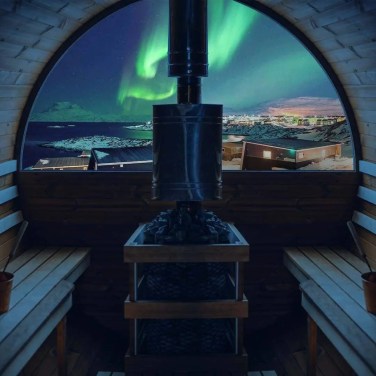
A sauna with a view of Nuuk and, at left, in the distance, the nearly 4,000-foot mountain Sermitsiaq. Inuk Travel

“The weather decides”: It could almost be the motto of Greenland. Visitors drawn to this North Atlantic island to see its powder blue glaciers, iceberg-clogged fjords and breathtakingly stark landscapes quickly learn to respect the elements, and they’re sometimes rewarded for it.

One cold December day, I was waiting for a delayed flight in Kangerlussuaq, a former U.S. military base just above the Arctic Circle, when a friendly Air Greenland pilot named Stale asked if I’d like to join him on a drive to the harbor to “pick up some musk ox heads.” The offer seemed very Greenlandic, so how could I refuse? Continue reading

Pantanal Priorities

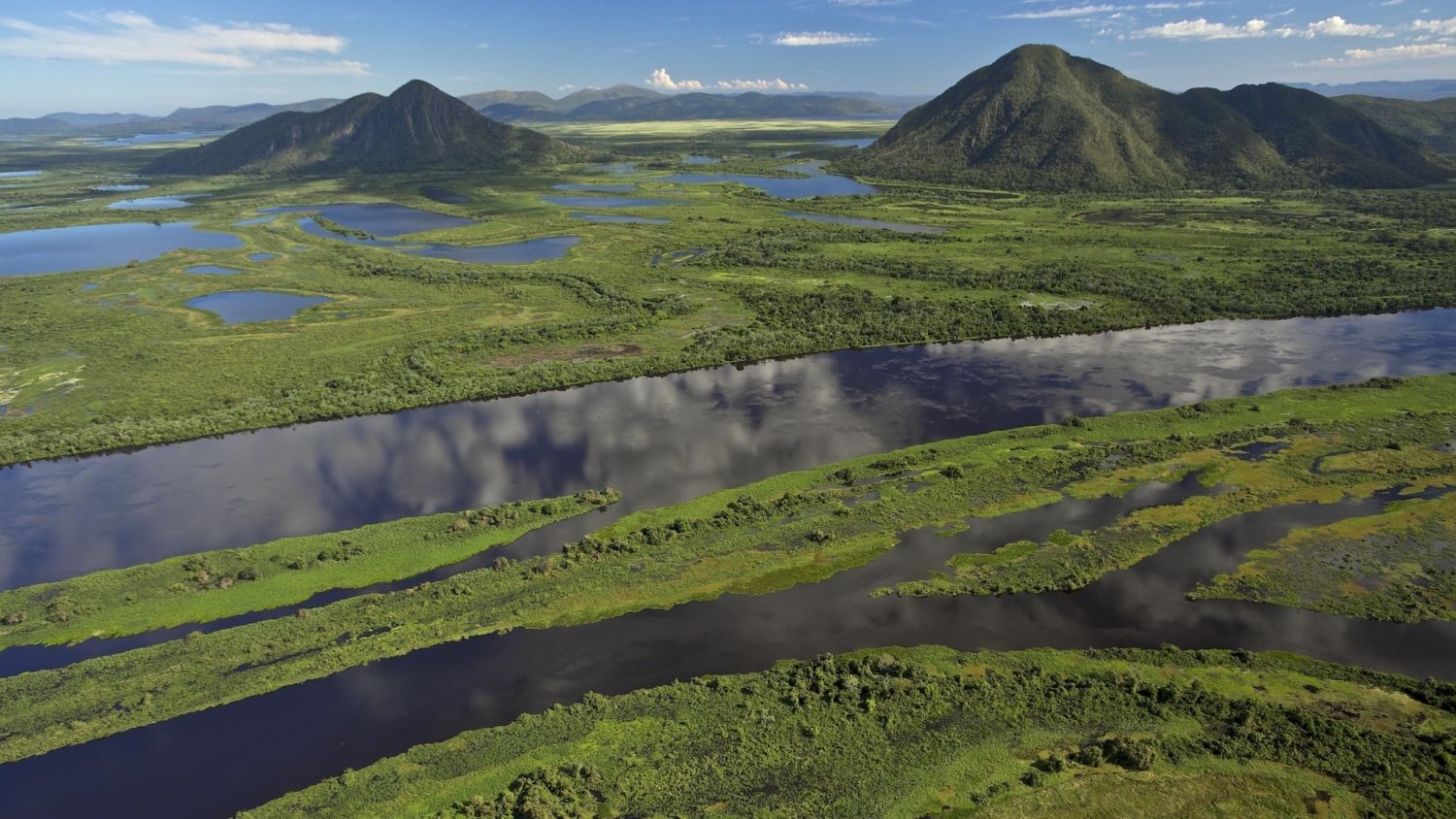
The Pantanal wetlands in Brazil.

The Pantanal wetlands in Brazil. MARKUS MAUTHE / GREENPEACE

There is not much that has happened in Brazil in the last few years that I would consider good environmental news.

YALE ENVIRONMENT 360

So one more urgency is at risk of getting lost in all the rest (which may be part of a strategy). But making it easier to extract the extracted from the center of the continent is akin to adding fuel to a very big fire:

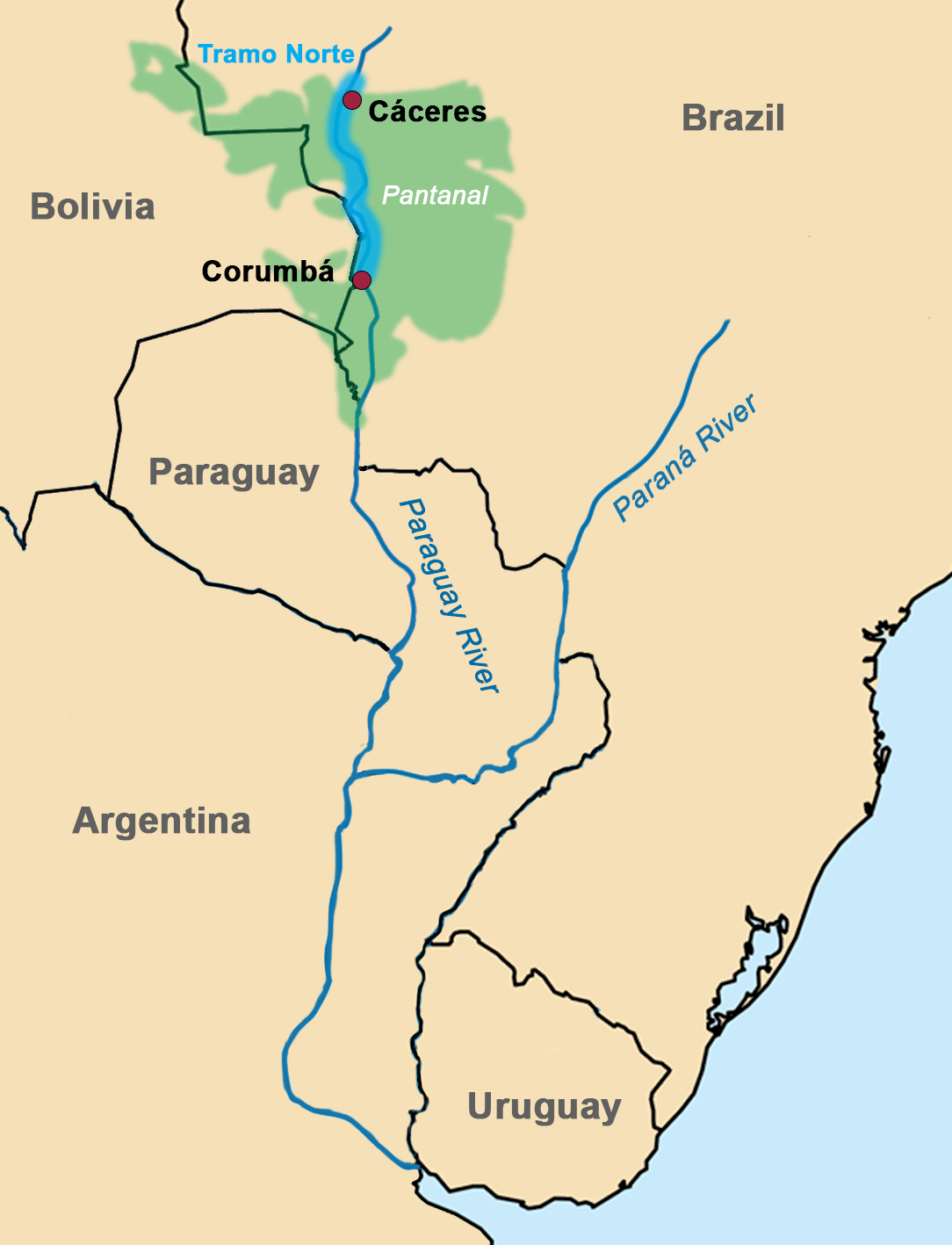
A Waterway Project in Brazil Imperils a Vast Tropical Wetland

The Pantanal, the world’s largest tropical wetland, has been battered in recent years by agricultural development, drought, and fire. Now, a push to turn the region’s key river into a waterway for soybean-laden barges threatens to alter the natural flows of this iconic ecosystem.

It takes 14 hours for Lourenço Pereira Leite to reach his fishing spot.

He and his brother-in-law chug along in a simple one-engine motorboat, towing their traditional fishing canoe behind them. Continue reading

Seawalls Seem Inevitable

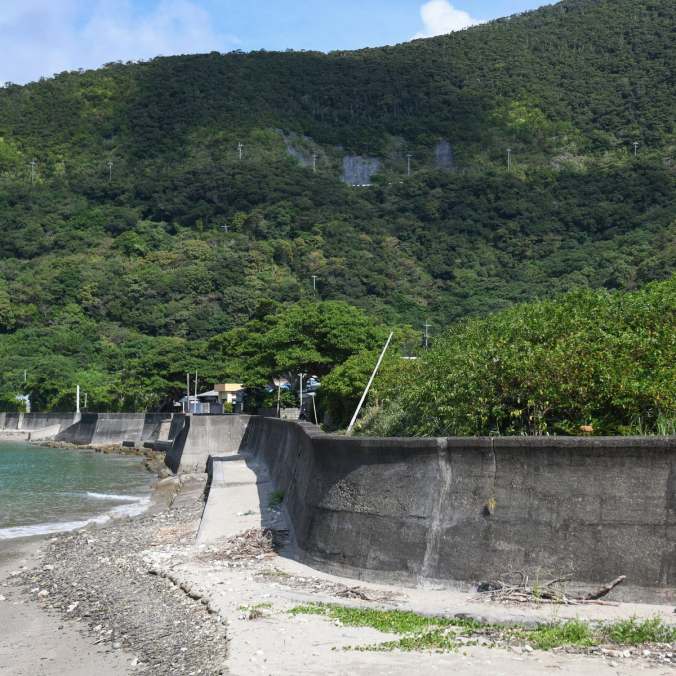
The seawall in front of Aminoko, a village near Katoku. Noriko Hayashi for The New York Times

This Pristine Beach Is One of Japan’s Last. Soon It Will Be Filled With Concrete.

In rural Japan, the unstoppable forces of nature meet the immovable determination of the construction state. Can this village survive?

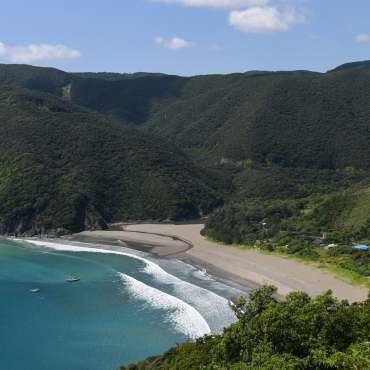
Katoku beach and its village are wrestling with how to cope with increasingly damaging storms. Noriko Hayashi for The New York Times

KATOKU, Japan — Standing on its mountain-fringed beach, there is no hint that the Japanese village of Katoku even exists. Its handful of houses hide behind a dune covered with morning glories and pandanus trees, the chitter of cicadas interrupted only by the cadence of waves and the call of an azure-winged jay.

In July, the beach became part of a new UNESCO World Heritage Site, a preserve of verdant peaks and mangrove forests in far southwestern Japan that is home to almost a dozen endangered species. Continue reading

Bad News for a Few European World Heritage Sites

Protections have been weakened for Russian natural areas like the Western Caucasus. © WWF-Russia / Sergey Trepet

Last time we mentioned UNESCO World Heritage Sites, it wasn’t good news either, when many Sites were listed as “in danger.” The places newly at risk, according to the World Wildlife Fund (WWF), are often in the way of logging enterprises, often by the very governments who should be protecting the internationally recognized areas.  From the WWF:

The UNESCO World Heritage Committee today expressed concern over three sites facing severe pressures from harmful industrial activities, but failed to take bold action to protect them.

At the meeting, WWF objected to a sharp logging increase in the Polish portion of Bialowieza Forest World Heritage site, which also spans part of Belarus. The forest is one of Europe’s oldest, and is home to the most wild European bison, as well as lynxes and wolves. The government of Poland has argued that logging is necessary in order to combat a bark beetle infestation, a claim Polish scientists reject.

Continue reading

WWF Reports Half of World Heritage Sites Put at Risk by Development

Ambatotsondrona cliffs, in the Marojejy National Park of Madagascar. This park is one of several included in the UNESCO World Heritage Site named Rainforests of the Atsinanana, which has been declared In Danger. Photo by Jeff Gibbs via WikiMedia Commons

We deeply care about UNESCO World Heritage Sites anywhere on the globe, and believe they can be a great conservation tool, so reading that the World Wildlife Fund thinks almost three times more of the Sites are threatened than UNESCO lists as “In Danger” is worrisome, to say the least. Fiona Harvey reports for the Guardian:

Close to half of the sites around the world designated for special protection as areas of outstanding importance for nature are now being threatened by industrial development, a new survey has shown.

The sites, which include Australia’s Great Barrier Reef, the Grand Canyon in the US, and China’s giant panda sanctuaries in Szechuan, are all supposed to be protected under the United Nations’ designated world heritage status. But encroachments from industries, including fossil fuel exploration and illegal logging, are threatening to destroy the valuable habitats, the conservation charity WWF said on Wednesday.

Continue reading

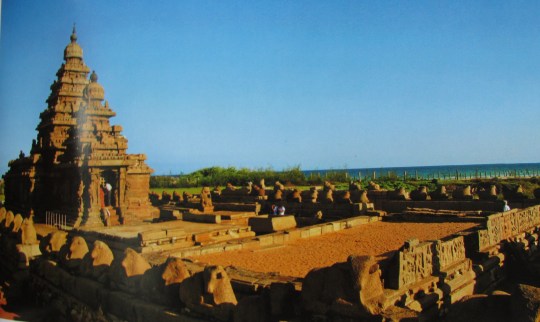
The Shore Temple – Mamallapuram (Tamil Nadu)

Photo Credits: Salim Pushpanath

The Shore Temple is one of the oldest temples in South India. Built during the 8th Century A.D., it is a good example of the Dravidian style of temple construction. Continue reading

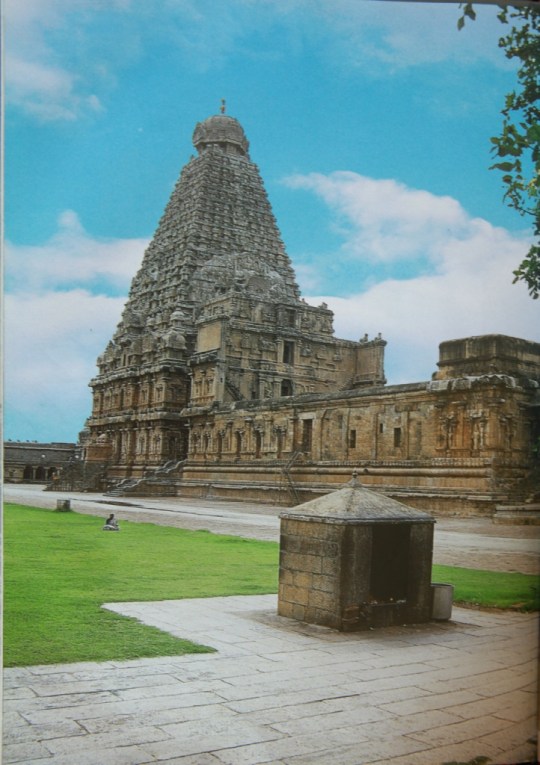
Thanjavur Brihadeeswarar Temple – Tamil Nadu

Brihadeeswarar Temple in Tamil Nadu is one of the greatest artistic accomplishments of the Late Chola period. At 216 feet in height, the shrine of this UNESCO World Heritage Site is the largest and tallest in India. This was an imperial monument to Chola power, built without using bricks, lime mortar or clay. The stones are placed one above the other and are held in place due to sheer weight. Continue reading