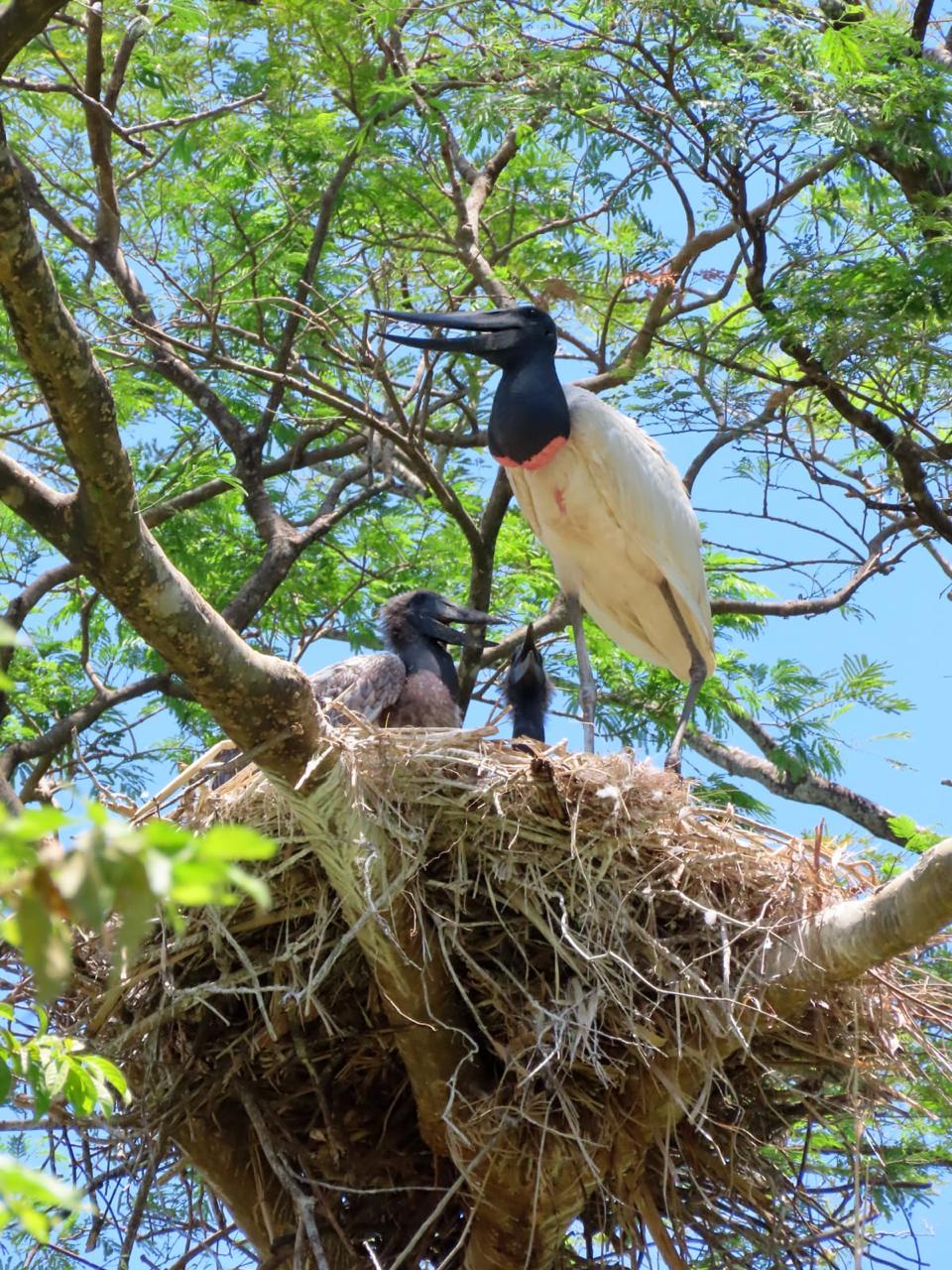
Adult with 2 chicks Photo credit: Socorro Leon Chavarría
Hacienda el Viejo Wetlands Reserve, Costa Rica
Adult with 2 chicks Photo credit: Socorro Leon Chavarría
Hacienda el Viejo Wetlands Reserve, Costa Rica
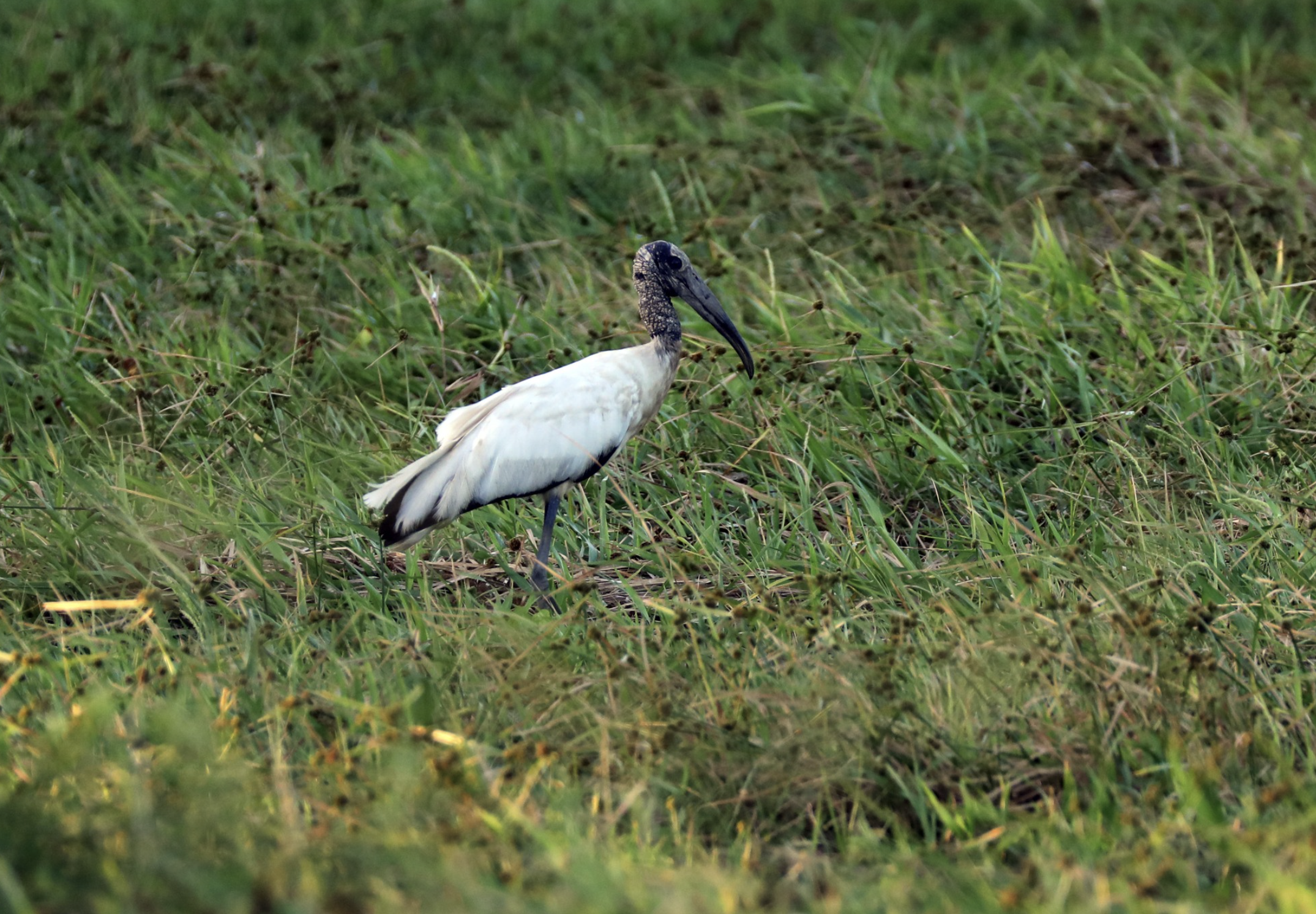
Photo Credit: Stephen Crafts
Hacienda El Viejo Wetlands, Costa Rica
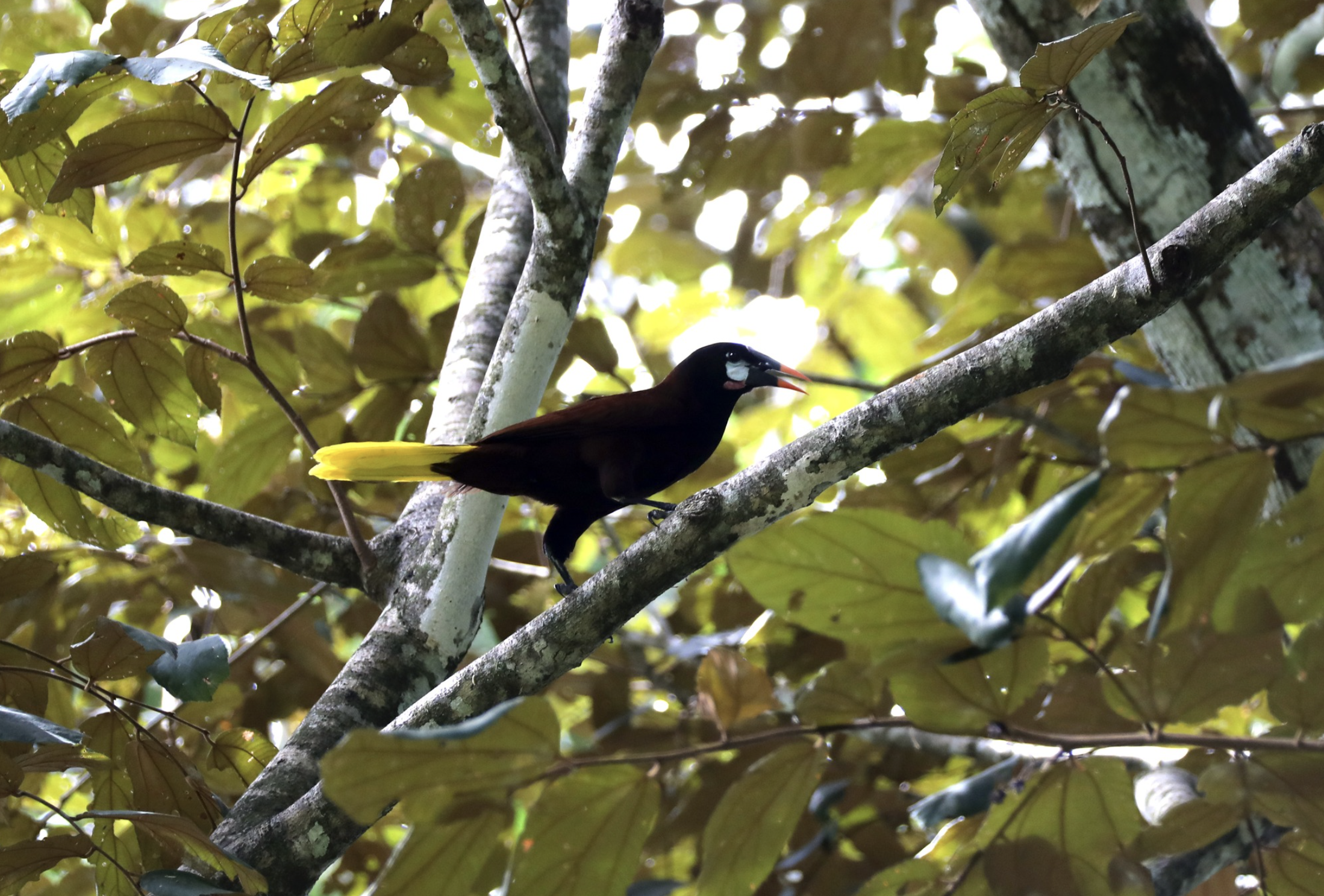
Photo Credit: Stephen Crafts
Puerto Viejo de Talamanca, Costa Rica
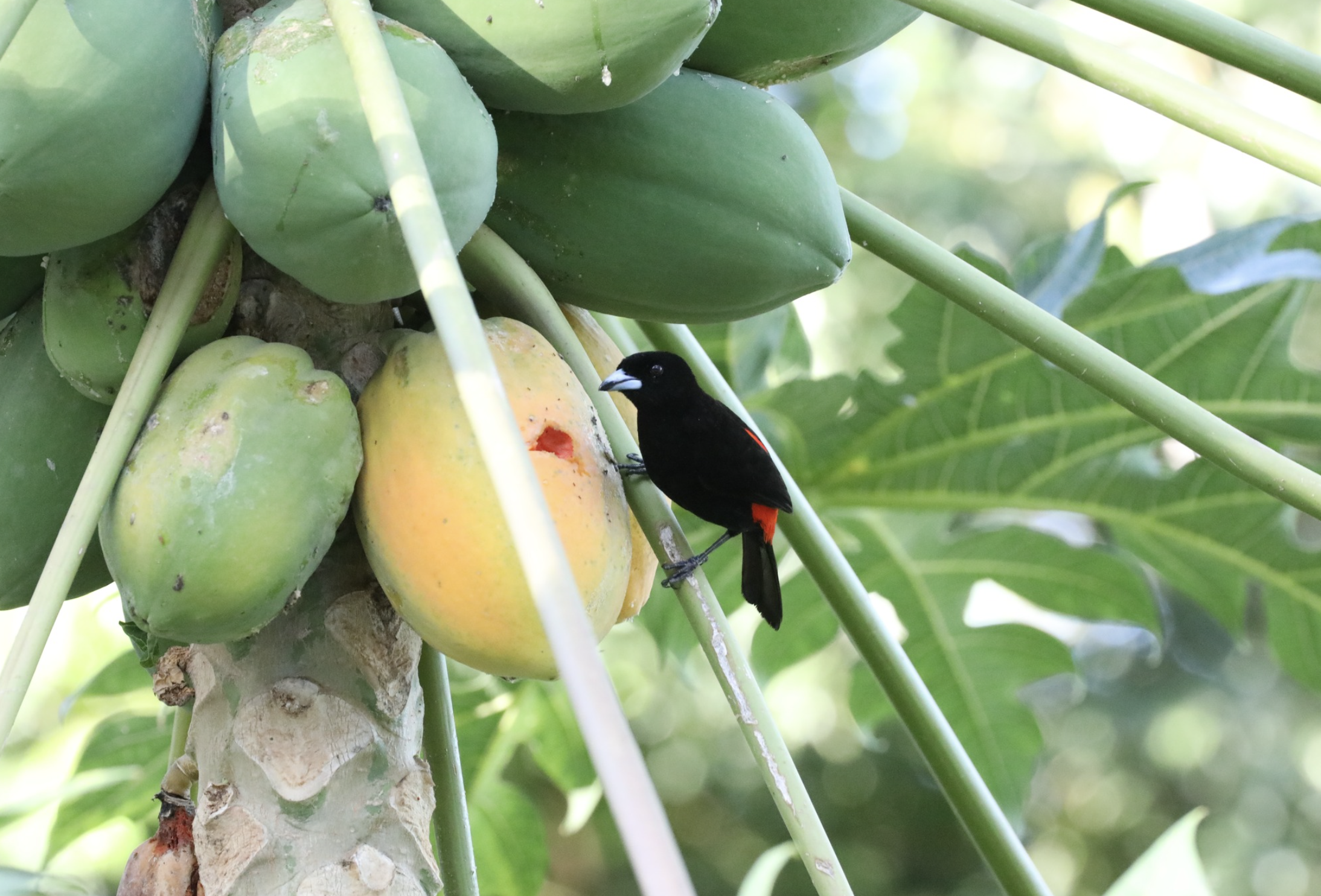
Photo Credit: Stephen Crafts
Puerto Viejo de Talamanca, Costa Rica
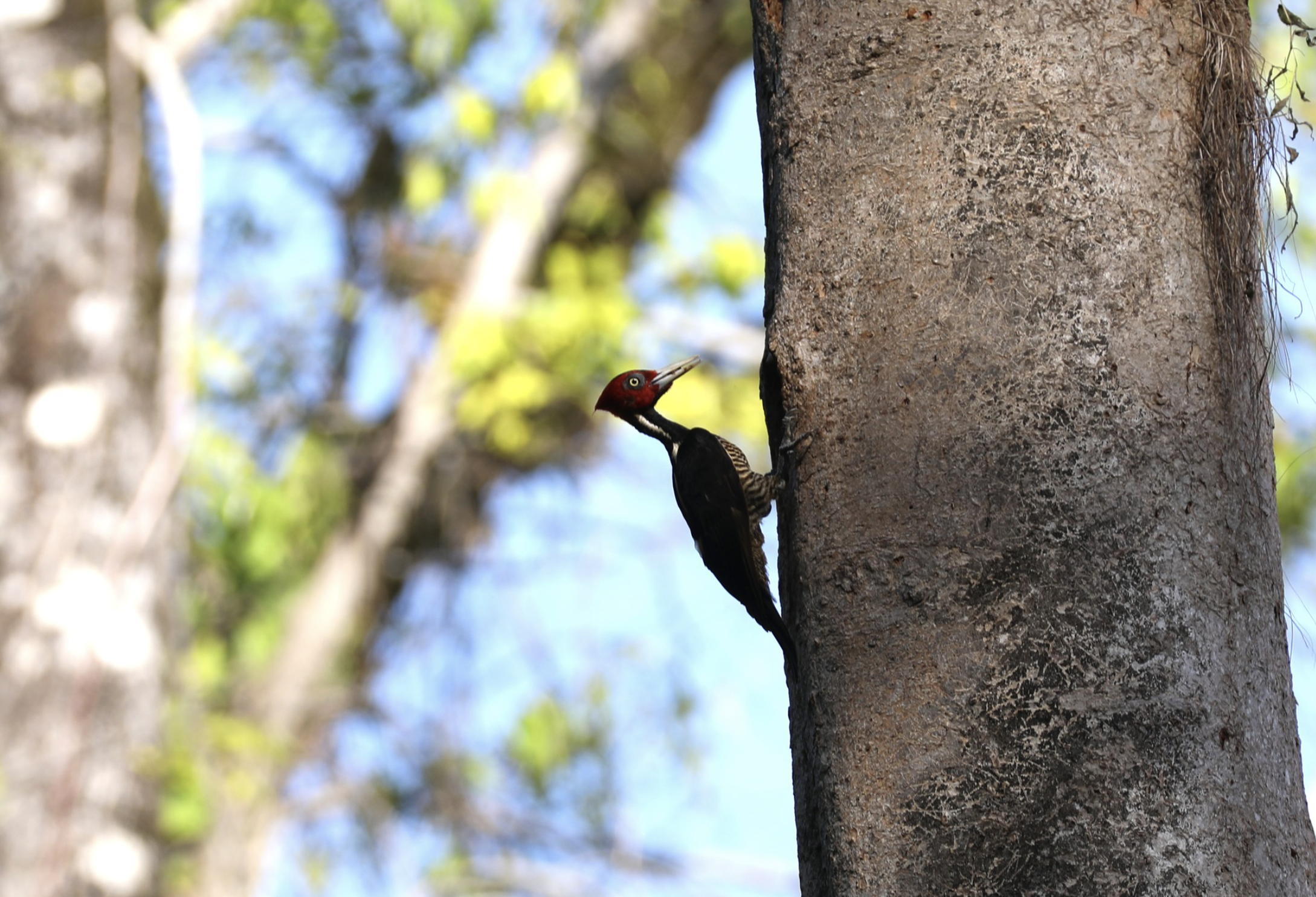
Photo Credit: Stephen Crafts
Puerto Viejo de Talamanca, Costa Rica
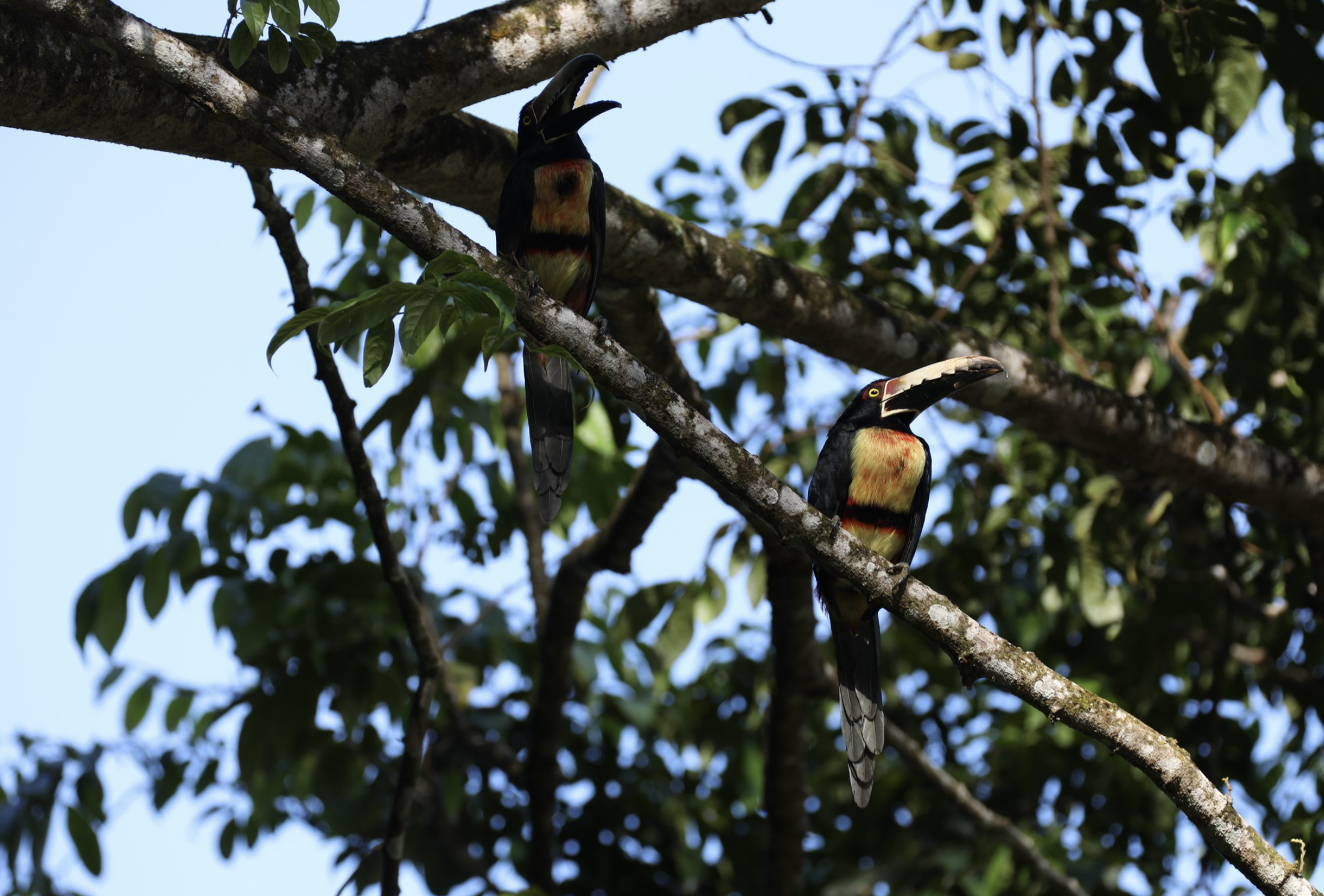
Photo Credit: Stephen Crafts
Puerto Viejo de Talamanca, Costa Rica
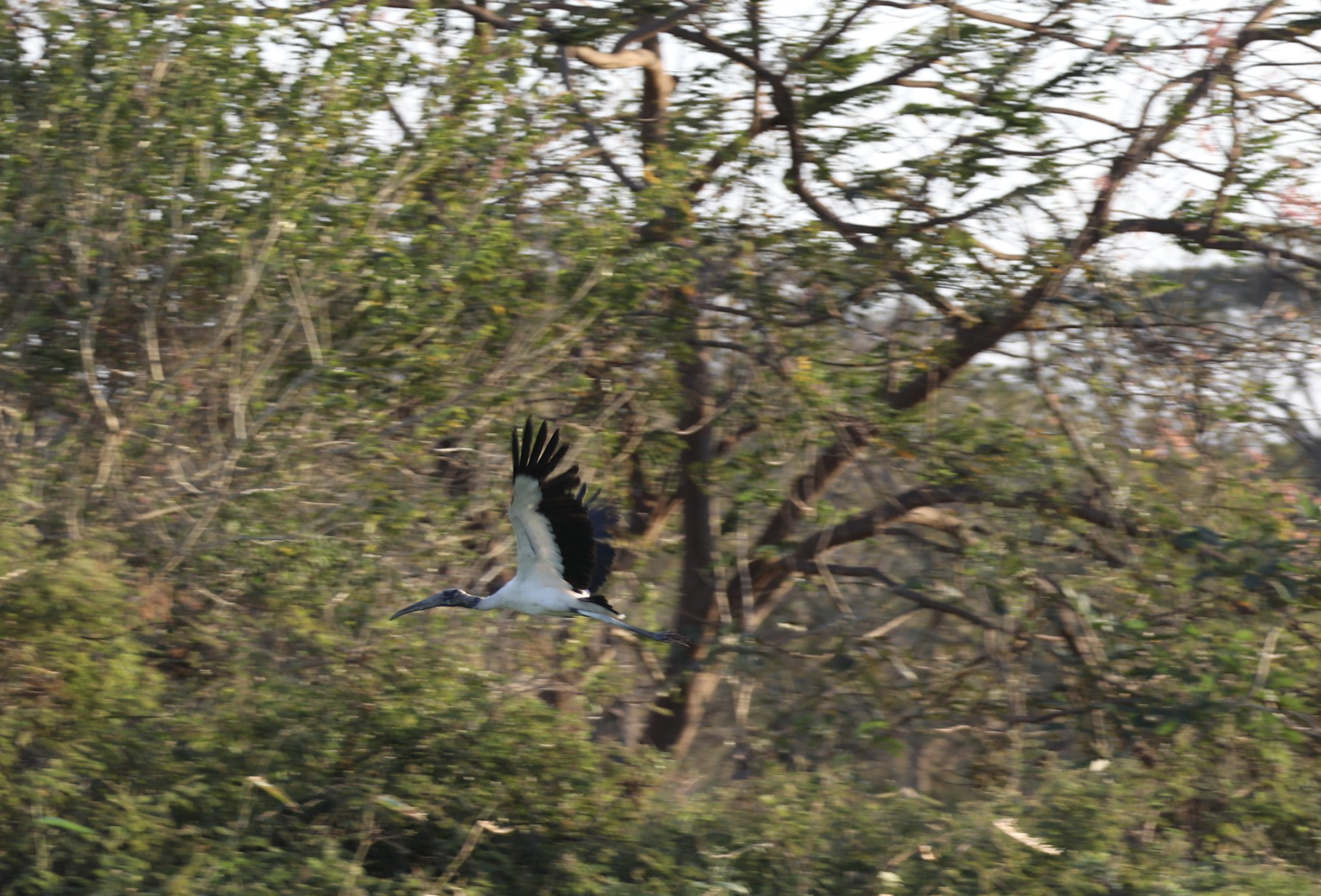
Photo Credit: Stephen Crafts
Hacienda El Viejo Wetlands, Costa Rica
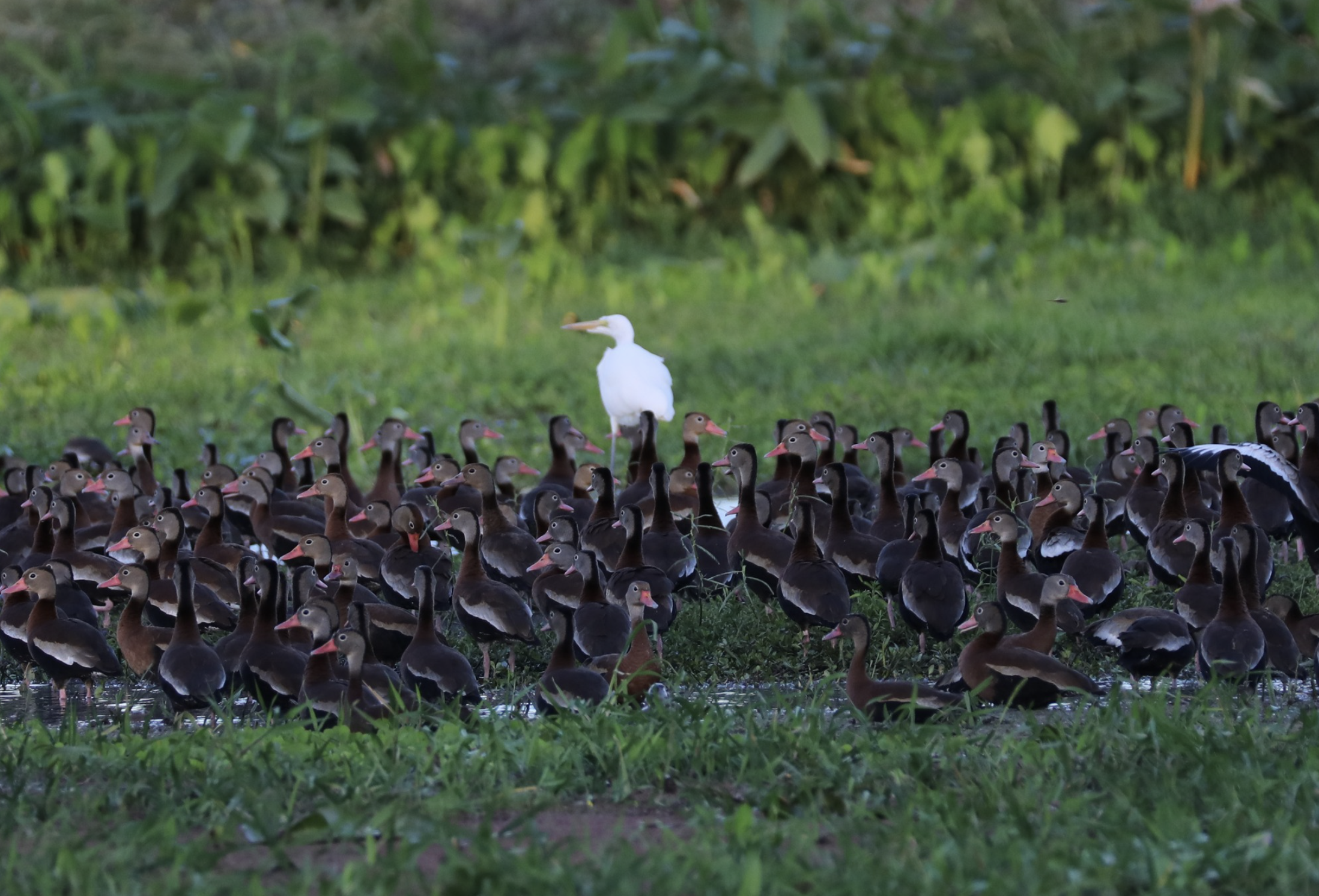
Photo Credit: Stephen Crafts
Hacienda El Viejo Wetlands, Costa Rica
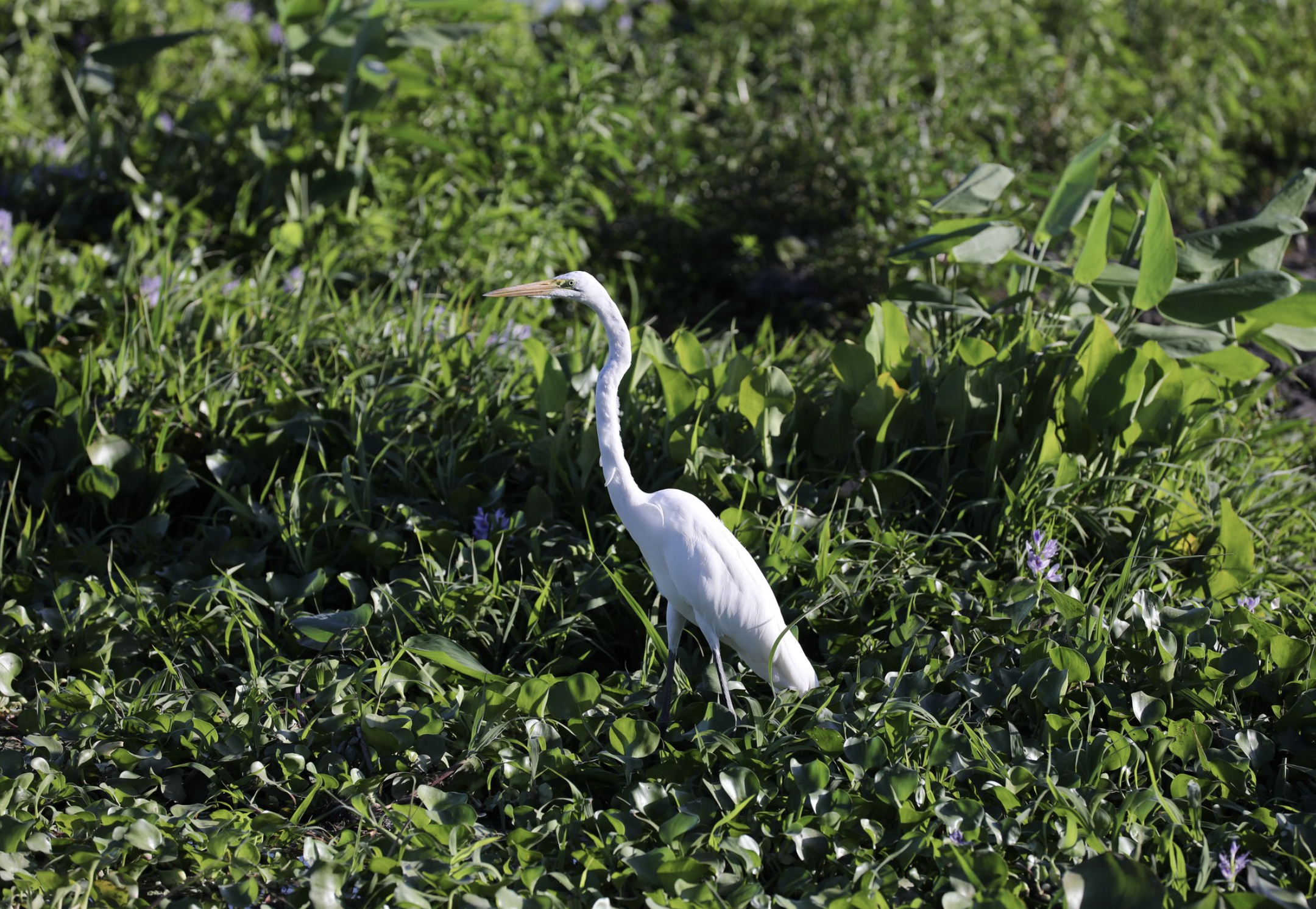
Photo Credit: Stephen Crafts
Hacienda El Viejo Wetlands, Costa Rica
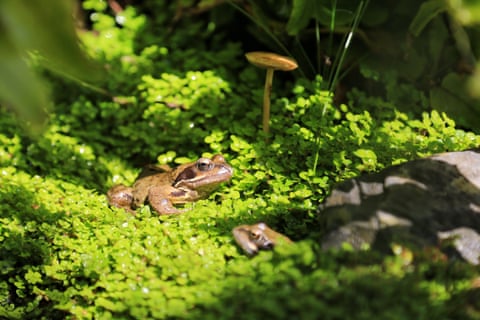
Common frogs and other amphibians will spawn in the most modest of garden ponds. Photograph: Brendan Allis/Getty Images/iStockphoto
There are many variations on the theme of garden as haven in our pages over the years. The common thread is that at the scale of a garden, there is much that the individual can do to support conservation. Thanks to Jules Howard for adding to the theme:
The frogs may be gone, but life goes on: how I regained my faith in gardening for wildlife
Gardens allowed to grow a little wild can be a lifeline for struggling pollinator populations – in rural as well as urban areas. Photograph: kirin_photo/Getty Images/iStockphoto
The extremes of the climate crisis mean it’s harder than ever to provide a garden haven for birds, insects and other animals. Some gardeners are questioning whether trying to do the right thing is time well spent
More than two decades ago, I had the honour of running the world’s last (possibly only) frog telephone helpline. No, this is not a set-up for a punchline. Continue reading

The Sycamore Gap tree, a beloved way marker, had grown for centuries along Hadrian’s Wall in England before vandals cut it down last year. Now little shoots have been discovered growing at its stump. Jason Lock/National Trust
When this act of vandalism was in the news last year, it felt terrible but had no meaning. But if the felled tree is giving new life, we must celebrate that:
Tiny Sprouts Spotted at the Stump of the Fallen Sycamore Gap Tree
Gary Pickles, a ranger at Hadrian’s Wall Path National Trail, inspecting the Sycamore Gap tree shoots that recently appeared. Jason Lock/National Trust
Vandals last year chopped down the famed tree, which had stood on Hadrian’s Wall in England for nearly 200 years.
On a fine, bright morning last Friday, just like so many other fine, bright mornings, Gary Pickles took a walk.
Mr. Pickles and a colleague at the site where the tree once stood. Jason Lock/National Trust
Mr. Pickles, a ranger who works at Northumberland National Park in England, just south of the Scottish border, was inspecting a route that wends past Hadrian’s Wall, constructed by the Roman Army in the second century A.D. He walked past the cleft where the Sycamore Gap tree had famously jutted out into the landscape before it was illegally cut down last year, and he bent down to its stump. Continue reading

Installation view of “Pacita Abad” at MoMA PS1. From left: “Waiting in Washington” (1990), “Marcos and His Cronies” (1985-1995) and “Subali” (1983/1990). Kris Graves/MoMA PS1
Pacita Abad has not only not appeared in our pages before, but her work was rejected by plenty of institutions who probably should have known better. Now, if given the chance, most of us will choose not to miss the opportunity to experience her work:
Stitch by Stitch, Pacita Abad Crossed Continents and Cultures
The Filipino American artist is having her first retrospective at MoMA PS1 as the mainstream art world finally catches up to her work. “You will regret missing it,” our critic says.
From left, “Oceania Mask (Dancing Demon),” 1983/1990; “Hopi Mask,” 1990; “African Mephisto,” 1981; “Mayan Mask,” 1990; and “African Mask (Kongo),” 1990, on view at MoMA PS1. Kris Graves/MoMA PS1
About a year before she died of cancer, in 2004, at the age of 58, the artist Pacita Abad and a team painted a pedestrian bridge that crosses the Singapore River with exuberant colors and more than 2,000 circles. Surrounded by ho-hum hotels and apartment buildings, it radiates joy. Abad’s work is in museums throughout Asia, and in Manila, where she grew up, the National Museum’s holdings include a painfully lucid 1980 painting of two wary children, Cambodian refugees, holding each other. Continue reading
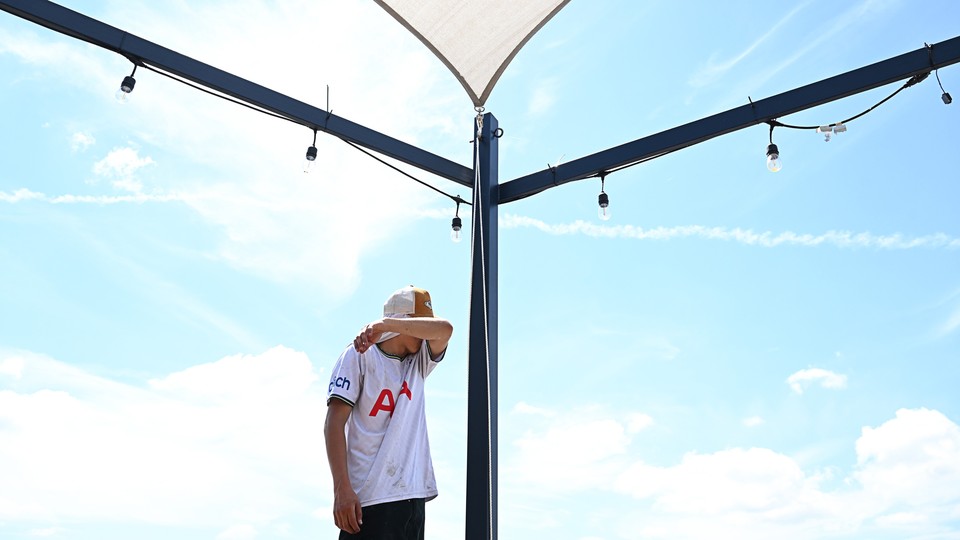
Matt McClain / The Washington Post / Getty
The science writer Emma Marris, here featured in The Atlantic, first came to our attention in a passing mention ten years ago, then again in full force six years ago. Whether or not you live in an urban area, you likely depend on urban areas for some part of your livelihood so her essay may be of interest:
Trees are nice and all, but they’re not enough.
On a 92-degree Saturday afternoon in Portland, Oregon, I went looking for shade in Cully Park, which was built on top of an old landfill and opened in 2018. The city included plenty of trees in the design—I mean, this is Oregon. Continue reading
 Adam Moss has not appeared in our pages until now. Given that we lean on publications that he was the editor of, especially The New York Times Magazine, it is one reason to pay attention to this review of his new book. At The New York Times he oversaw the Magazine, the Book Review, and the Culture, and Style sections, and before that edited Esquire, all of which led to his being elected to the Magazine Editors’ Hall of Fame in 2019.
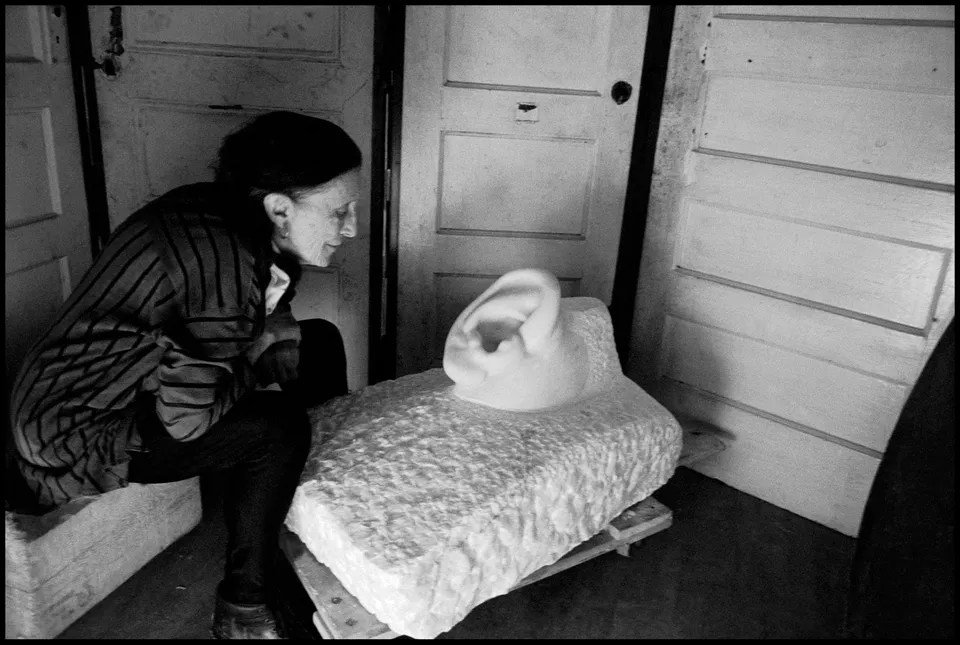
Photograph by Inge Morath / Magnum
The review of his book is paired with that of another, both of which enlighten on the topic of sustaining creativity over a long period. Our thanks to Alexandra Schwartz at The New Yorker for this:
The creative life is shrouded in mystery. Two new books try to discover what it takes.
Louise Bourgeois loved to work, and she loved to talk. She especially loved to talk about her work. In the 2008 documentary “Louise Bourgeois: The Spider, the Mistress and the Tangerine,” directed by Marion Cajori and Amei Wallach—you can watch the whole thing on YouTube, isn’t that great?—she answers questions as she chisels and draws and violently wrings scraps of material as a butcher might wring a chicken’s neck. “It is really the anger that makes me work,” she says. She has just been discussing her governess, the despised Sadie, an Englishwoman who carried on an affair with Bourgeois’s father for ten years while she lived in the family home.
“All my work of the last fifty years, all my subjects, have found their inspiration in my childhood,” Bourgeois adds. Continue reading
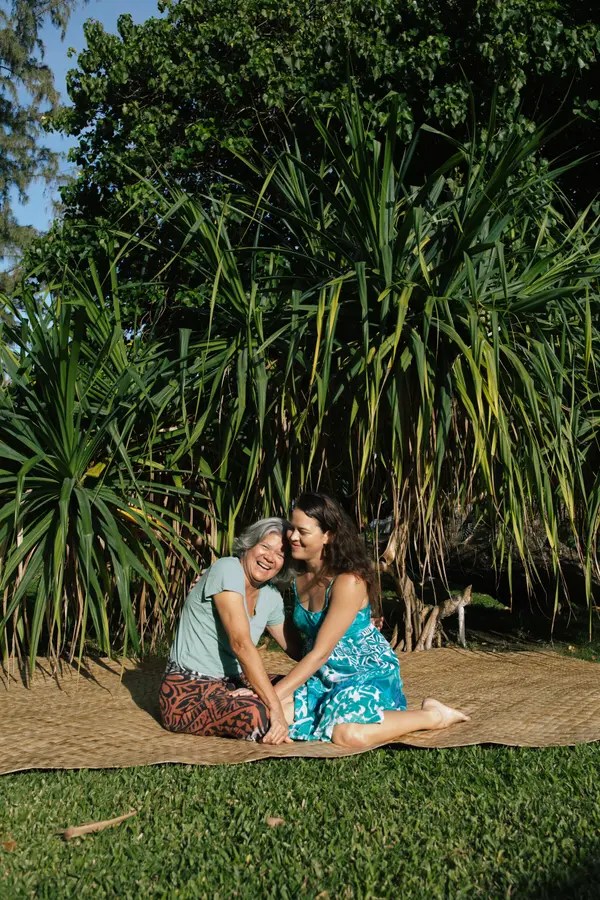
Emma Broderick, right, and her mother, Maile Meyer, under a pu hala tree on Oahu, a touchstone of Hawaiian culture. Its leaves are used to weave mats like the one they are sitting on. “To be a weaver is to be a healer,” said Broderick, whose group passes on ancestral knowledge about weaving and other practices. Daeja Fallas for The New York Times
Traditional weaving was a means to achieve our goal of strengthening biodiversity in our final work in Kerala. It is heartening to see handicraft coming back to life in Hawaii for other reasons:
In Hawaii, Weaving New Life Into a Nearly Vanished Art Form
The age-old practice of turning tree leaves into mats has been revived on the islands. “It teaches you how to weave relationships, past and present,” one master artisan says.
Just past daybreak, before they began to weave, Emma Broderick and her mother, Maile Meyer, gathered beneath a canopy of sinuous leaves to greet the pū hala tree, a touchstone of Hawaiian culture that for generations has provided the raw materials for weaving moena, the traditional floor mats that were once ubiquitous in Hawaiian homes.
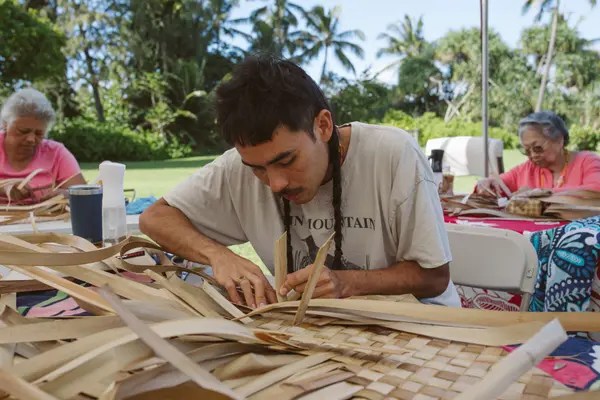
Kainoa Gruspe, one of the young weavers who joined the group. Preparing the lau is laborious and begins by ridding the leaves of ants and centipedes before cutting, smoothing and drying. Daeja Fallas for The New York Times
Broderick introduced herself to the tree, with its lattice of stilt-like roots, addressing it as she might a loved one. “Of course, flattery never hurts,” she said. She had a pink plumeria blossom with an intoxicating aroma tucked behind her ear.
“You want to come with me?” she asked the tree, seductively. “Would you like to live in a house and be in a mat?” Continue reading

Alma Haser
We recommend two recent op-eds from the New York Times, starting with this one by David Wallace-Wells:
Food as You Know It Is About to Change
From the vantage of the American supermarket aisle, the modern food system looks like a kind of miracle. Everything has been carefully cultivated for taste and convenience — even those foods billed as organic or heirloom — and produce regarded as exotic luxuries just a few generations ago now seems more like staples, available on demand: avocados, mangoes, out-of-season blueberries imported from Uruguay…

Photo illustration by Scott Semler
And if time allows after reading that, continue on with today’s essay by Aaron Timms, a cultural critic whose upcoming book about modern food culture we hope to preview in these pages soon:
Fine Dining Can’t Go On Like This
Cast your eye across the menus of America’s most celebrated dining rooms, and among the scattering of earthy pastas, garden salads and esoteric proteins, nestled among labnehs and salsa machas, you’ll find them: the water guzzlers…
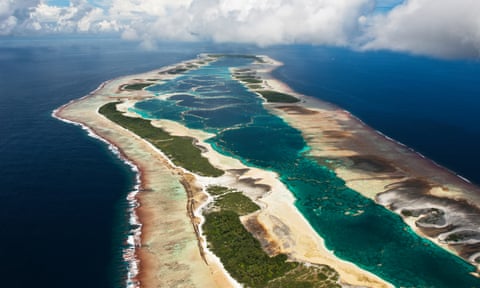
The Millennium Atoll in Kiribati, the Pacific state that is sponsoring Michael Lodge for re-election as ISA leader. Photograph: Mauricio Handler/Getty
Before we leave the subject of oceans, back to the question of how their protection is managed, and by whom.
We are learning today that some of the planet’s smaller nation states have a potentially significant, and clearly long overdue influence on how the oceans surrounding them will be protected:
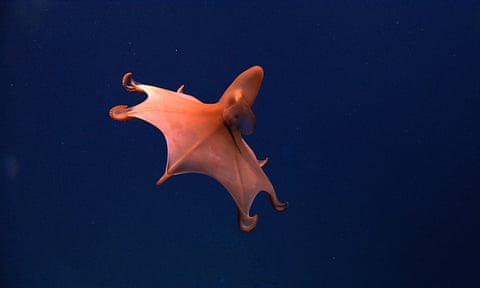
The rare dumbo octopus (Cirrothauma murrayi) is one of many creatures potentially at risk from deep-sea mining. Photograph: NOAA
Inside the battle for top job that will decide the future of deep-sea mining
Marking a pivotal moment for the fate of the barely known ecosystems on the ocean floor, 168 nations will decide this week who will head the International Seabed Authority
Deep-sea mining exploration trials under way in the Clarion-Clipperton Zone of the Pacific Ocean between Hawaii and Mexico. Photograph: Richard Baron/The Metals Company
Leticia Carvalho is clear what the problem is with the body she hopes to be elected to run: “Trust is broken and leadership is missing.” Later this week, at the headquarters of the International Seabed Authority (ISA) in Kingston, Jamaica, nations negotiating rules governing deep-sea mining face a critical vote that could impact the nascent industry for years: who should be the next leader of the regulatory body? Continue reading

Isabel Seliger
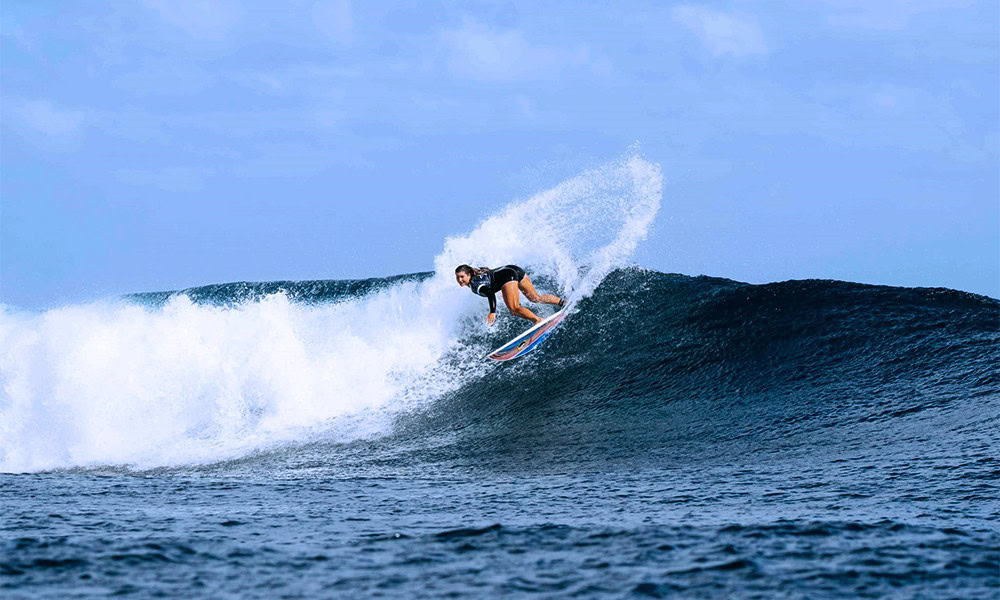
While Brisa surfs in Tahiti, the fate of our oceans will be on our minds. While not self-evidently important to most of us, most of the time, their scale on our planet gets us to pay attention when someone makes the case. Porter Fox, who reports on climate change, has come to the following conclusions with regard to those waters:
There’s a New Reason to Save Life in the Deep Ocean
Honey Long and Prue Stent
To most of us, the ocean is a no man’s land — a vast, bottomless and uncharted void. Three-quarters of the ocean has never been seen by humans, and only a quarter of its floor has been mapped in detail, which means we have a better understanding of the surface of Mars than we do of the seas on our own planet. It is this lack of exploration and appreciation — particularly of the layer of cold, dark water that begins where light fades, known as the ocean’s twilight zone — that has led us to a very precarious place. Continue reading

Example of images being shared online in Costa Rica as Brisa Hennessy surfs in Olympic competition in Tahiti
This image above is being shared on social media among friends here, and the local English language newspaper has this to say:
After a magnificent performance, Costa Rican surfer Brisa Hennessy moved on to the third round of the women’s surfing tournament at the 2024 Olympic Games. The Costa Rican athlete obtained a score of 15.56, earning an 8.33 and a 7.23, in the competition held in Teahupo’o, Tahiti. Continue reading

Grayson muralist Jose Muñóz hand-painted this sign welcoming visitors to Dos Rios. Geloy Concepcion for NPR
California has a new protected area, complete with a Native Use Garden. Visit the website for the Dos Rios, described by National Public Radio (USA) as follows:
The sun rises, shedding light onto an oak grove along the western edge of Dos Rios. Geloy Concepcion for NPR
California’s newest state park is like a time machine
At the crack of dawn in California’s Central Valley, birds sing their morning songs and critters chirp unabashedly. In a shady grove next to a river, an owl swoops down from the spindling branches of an oak tree that has stood its ground for centuries.
A few feet above the tree’s base, its massive trunk is lined with a white ring, indicating how high the San Joaquin River rose during a flood last year. Dos Rios is supposed to flood — it’s a floodplain, recently transformed into California’s newest state park.
The Native Use Garden is a place where, with permission from Dos Rios staff, tribal members can go to gather native plants for ceremonial use and other cultural practices. Geloy Concepcion for NPR
The park opened this summer, emerging among the never-ending rows of agriculture the valley is known for. It’s a lush 2.5 square miles now bursting with hundreds of thousands of native trees, bushes and animals.
Dos Rios, named for the Tuolumne and San Joaquin rivers that meet at the edge of the park, is the first new California state park in more than a decade.
But it isn’t like most state parks. In addition to bringing much-needed green space to an underserved area, its unusual design uses nature-based climate solutions that reinvigorate native wildlife. Continue reading







 Organikos