In case you wondered what happens out there in the great blue yonder of our earth’s liquid surface, here is a visualization. Continue reading
Author: Organikos
I Belize I Can Fly
Guest Author: Robert Frisch

The tiny islands or “cayes” off the coast of Belize sit in the middle of beautifully serene coral atolls and are surrounded by the world’s second largest barrier reef. Like shallow lakes in the middle of the ocean, the atolls host several UNESCO world heritage sites and some of the best snorkeling and scuba diving in the world. My team, consisting of three Johnson students and an MPA student from the Cornell Institute of Public Affairs, found itself tasked with providing consulting services and business advice for the owners of one of these cayes in what turned out to be the most unique spring break of my life. Continue reading
Bird of the Day: Dodo (Mauritius, c.1681)
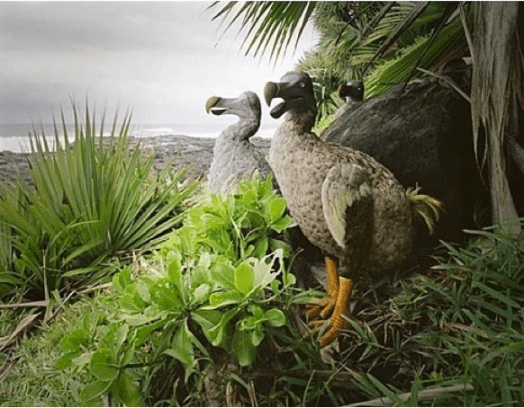
Photo by Harri Kallio
Whole Foods April 1, 2012

Elephant Ear Fig Tree – Ficus Auriculata
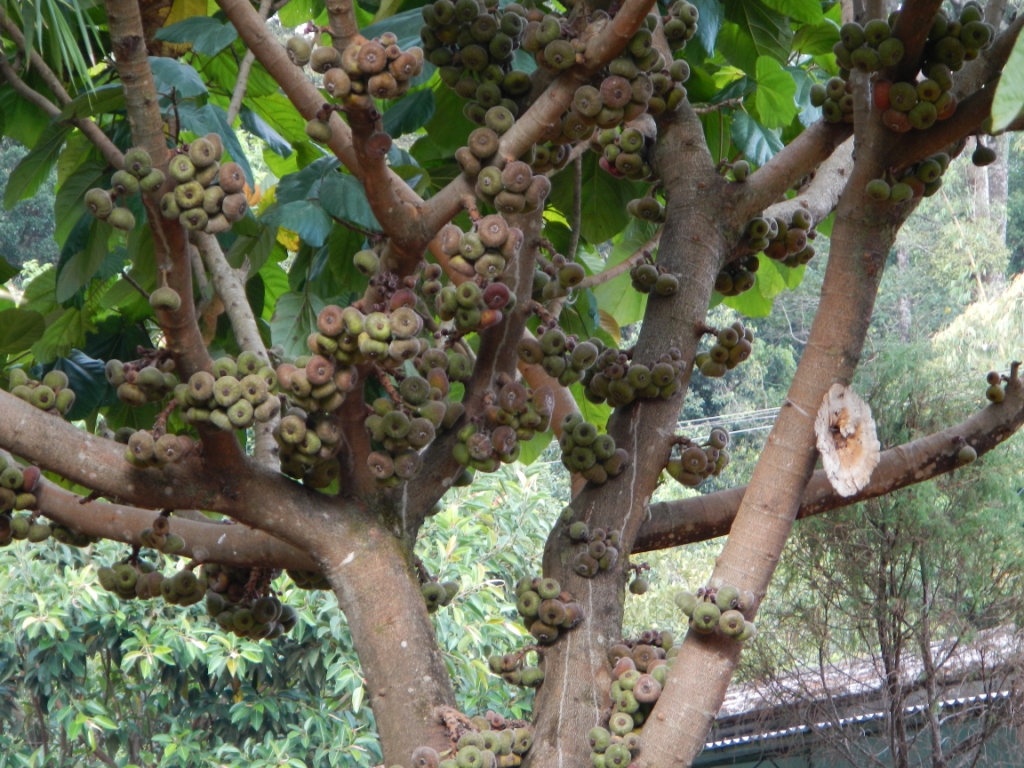
Ficus Auriculata Tree
The Elephant Ear Fig tree is a semi-deciduous tree with large leaves and reddish fruits on its branches. The tree grows up to 1500 meters. It is commonly planted in villages. The leaves of this tree are an important fodder source due to its good nutritional qualities. Farmers consider this as better than other fodders.
If You Happen To Be In New York City

In New York, of all places, you can see and learn about one of our favorite phenomena. If we have not written about it yet, we will post on this topic from the perspective of some of our own contributors who have seen this in southern Chile, and as recently as last summer Seth took photos while at Morgan’s Rock in Nicaragua. Here is what the New York Times has to say about the exhibition at the Museum of Natural History in New York:
A thoroughly engrossing exhibition at the American Museum of Natural History that opens on Saturday — “Creatures of Light: Nature’s Bioluminescence” — teaches us quite a bit about the phenomenon. Yet it still manages to preserve that otherworldly mystery, even cherishing it — treating it as if it were one of those ecologically vulnerable bioluminescent bays of glowing plankton in the Caribbean by whose shimmer visitors could once read in the middle of the night. Continue reading
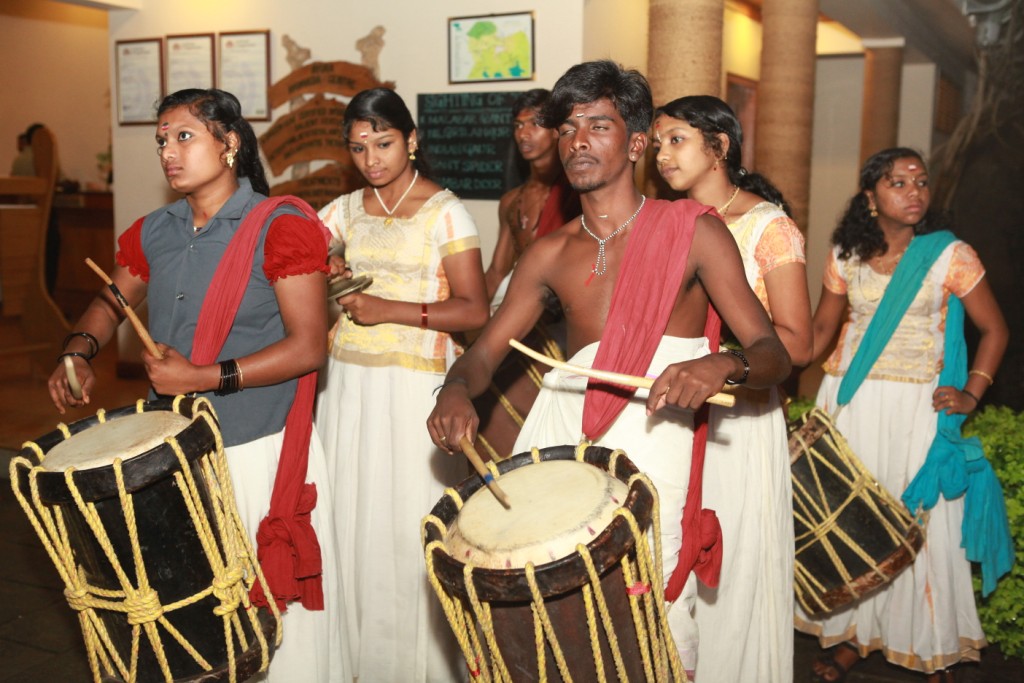
The Chenda melam- Traditional band of Kerala
The Chenda melam is the most widely performed keshtra vadhyas (songs or programmes based on temples festivals) of south India. Irrespective of cast or religion, the melam have been an important part of every Kerala festival for over 300 years old. The most important among these melams are Pandy and Panchari, which may extend up to 5 hours. The leading instrument in these compositions is the Chenda, a cylindrical drum that originated in Kerala. The Chenda is divided into Valamthala Chenda & Edamthala Chenda (right & left side of the instrument) or also known as “Veekam Chenda” & “Uruttu Chenda”.
More Big Cats In India
Big Cats In India
Indian Laburnum (Cassia fistula)- The State Flower of Kerala

Indian Laburnum (Cassia fistula) is a medium sized deciduous tree which grows up to 10-20 meters in height. Indian laburnum is also known as “Golden Shower” tree native to Southern Asia.
Amritsar, India: The Golden Temple
Guest Author: Carl Zainaldin

A few weekends ago I visited the Golden Temple at Amritsar, a city located in the state of Punjab, located about 30 km from the India-Pakistan border.
The Golden Temple was first conceived in the 16th century by Guru Raam Das., and was completed in 1604. In 1830, the Temple was renovated and plated with gold, and in 1993 a prominent Sikh sponsored its renovation and subsequent revival.
Monkey Dads
Who knew that evolutionary biology might surprise us with more examples of fathers playing an important role in the rearing of offspring? Most of the time, for most species, we think of the mother being invested with all the reasons to be the “responsible” parent.
The Emperor’s New Silk
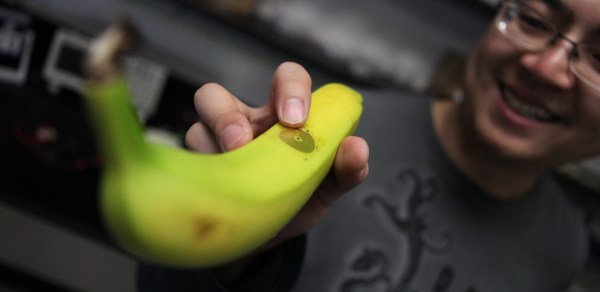
“We see a huge market for food,” Hu “Tiger” Tao, a postdoc at Tufts University told Co.Exist. “People are always looking forward to some kind of sensor that’s easy to use and gives you information about spoilage.”
Linking Locavores
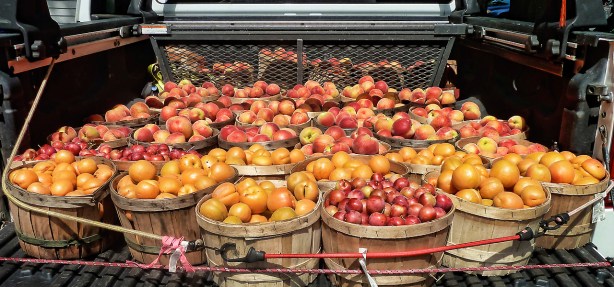
Click the image above for a journalistic description of a utilization of new technology to conserve valuable traditions and provide more efficient access to healthy, tasty food. Or, after the jump, a short video of the same.
Really, Monsanto?

We try to be careful consumers of information, and link out to stories that match our interests and have relevant factual content. Not everything that every government says passes the “truthiness” test, but we are reflexively interested in the views and findings of a group like this:
PEER is a national non-profit alliance of local, state and federal scientists, law enforcement officers, land managers and other professionals dedicated to upholding environmental laws and values.
Reflexive does not mean blindly accepting of everything they say, but we are inclined to pay attention to scientific findings related to the environment. When they raise issues like this related to wildlife refuges then the inclination transforms into something stronger and more urgent: Continue reading
Denser, Faster, Greener

Click the image above to go to the article in which Alex Steffens, of Worldchanging (and TED, and plenty of other deserved) fame gives a synopsis on how to ramp up urban greening most efficiently:
If we’re talking about transportation, the best thing a city can do is densify as quickly as it can. That needs to be said every time this issue comes up, because it’s the only universal strategy that works. That’s the best-documented finding in urban planning—that as density goes up, trip length goes down and transportation energy use goes down.
Losar, the Tibetan New Year
Guest Author: Carl Zainaldin
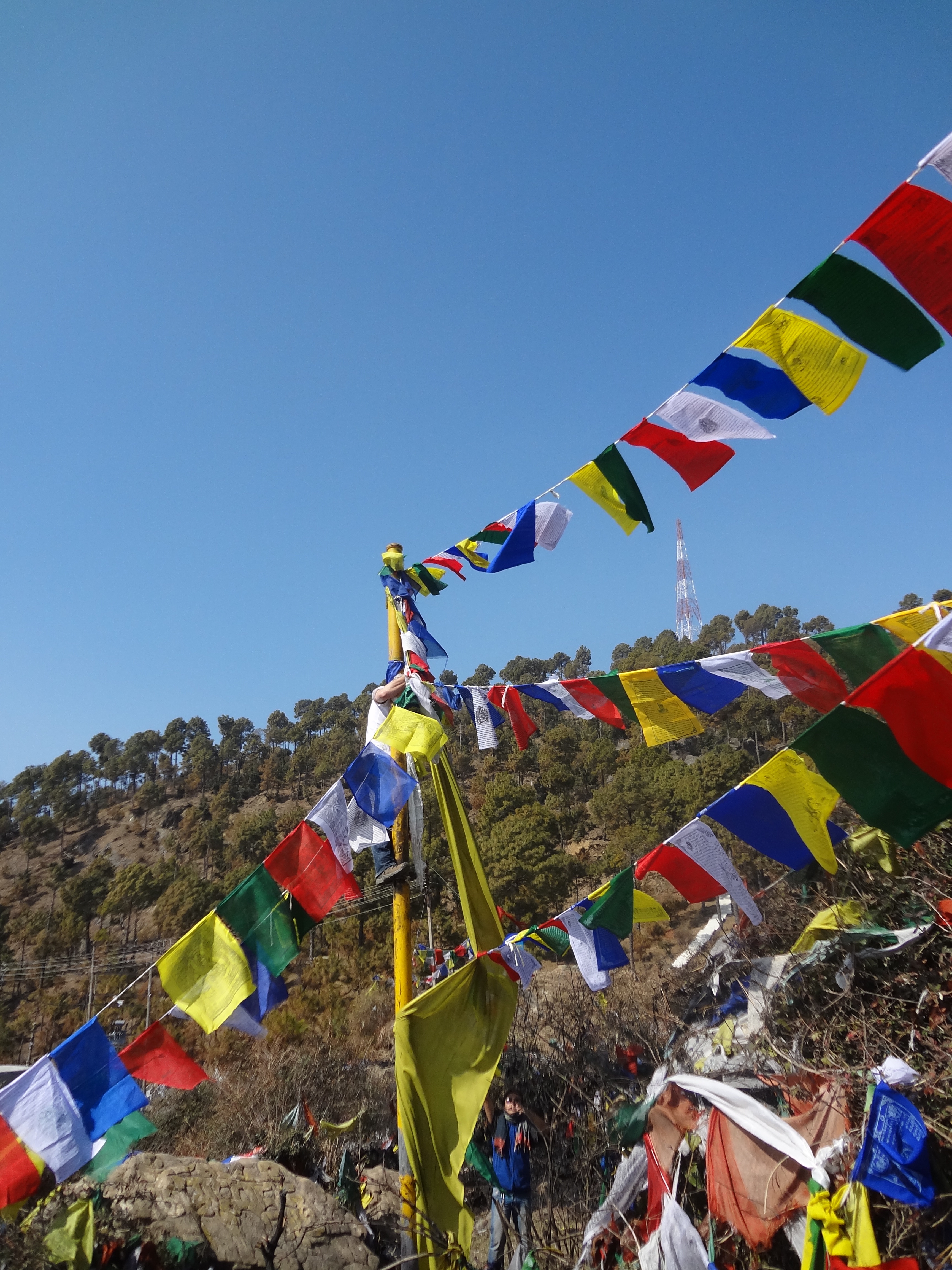
Losar, the Tibetan New Year which usually falls sometime in February, is celebrated by Tibetans all around the world. Lo means year, and sar means new. The Tibetans use a lunar calendar, and Losar falls on the first day of the new month, marked by the first new moon of the year.
Losar lasts for fifteen days, with the celebrations occurring on the first three days. To bring in the New Year, Tibetans dance, sing, drink chaang (a Tibetan beer that is served warm), and bake special goods such as khapsays (dough fried into butter and made into special shapes and various flavors).
Losar is a time for people make pilgrimages to sacred Buddhist temples and monasteries. Monasteries perform Losar pujas (rituals) which are popular events for Tibetans to attend. These pujas include ritual dancing, reciting Buddhist scripture, and performing offerings to certain deities, all of which are supposed to be auspicious activities to bring in the New Year. Continue reading
Really, Nike?
Quinn O’Neill, someone we have never encountered in writing (or otherwise) before, posted that ad and some reflections about it on the dependably superb 3 Quarks Daily. Reading those reflections is worth a lot more than the five minutes it will take. On this site we very rarely engage in outrage for reasons we have not fully articulated (yet); but a well-crafted second thought on what might otherwise seem harmless entertainment begs the question: Continue reading
High Time

…Some years ago — never mind how long precisely — having little or no money in my purse, and nothing particular to interest me on shore, I thought I would sail about a little and see the watery part of the world. It is a way I have of driving off the spleen, and regulating the circulation. Whenever I find myself growing grim about the mouth; whenever it is a damp, drizzly November in my soul; whenever I find myself involuntarily pausing before coffin warehouses, and bringing up the rear of every funeral I meet; and especially whenever my hypos get such an upper hand of me, that it requires a strong moral principle to prevent me from deliberately stepping into the street, and methodically knocking people’s hats off — then, I account it high time to get to sea as soon as I can… Continue reading
Credit Where Due

The Atlantic Monthly‘s website has had a link to the text of a speech from last year (click the image to the left to go to the source), with some notable observations:
Genuinely sustainable farming maintains the resilience of the entire ecosystem by encouraging a rich level of biodiversity in the soil, in its water supply, and in the wildlife — the birds, insects, and bees that maintain the health of the whole system. Sustainable farming also recognizes the importance to the soil of planting trees; of protecting and enhancing water-catchment systems; of mitigating, rather than adding to, climate change.
 Organikos