What BlackRock Really Means

Click on text above to go to the article at Politico

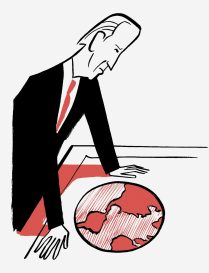
BlackRock, shmackrock. Now we can see clearly that advocating for market solutions, BlackRock’s CEO just meant that he did not want any public solutions to the climate crisis, because those would be inconvenient for him and his shareholders. Phooey on that. We should have been more skeptical, rather than optimistic, about what the financial titan meant all along, which Bill McKibben hinted at a couple months ago:

Annals of a Warming Planet

On Climate, Wall Street Out-Orwells Orwell

It was likely too much to hope that the Biden Administration, as it tries to get a handle on climate change, might find some help from Wall Street. Instead, last week, we saw financial heavyweights turn in a performance so rigid and so short-sighted that it makes one wonder whether capitalism in anything resembling its current form can, or should, survive. Continue reading

Offshore Wind Power, Eastern USA

Construction work underway at the Coastal Virginia Offshore Wind project, located 27 miles off the coast of Virginia Beach. DOMINION ENERGY

Thanks to Yale e360:

On U.S. East Coast, Has Offshore Wind’s Moment Finally Arrived?

After years of false starts, offshore wind is poised to take off along the East Coast. Commitments by states to purchase renewable power, support from the Biden administration, and billions in new investment are all contributing to the emergence of this fledgling industry.

The Block Island Wind Farm off the Rhode Island coast was the first commercial offshore wind farm in the U.S. when it became operational in 2016. DON EMMERT/AFP VIA GETTY IMAGES

About 60 miles east of New York’s Montauk Point, a 128,000-acre expanse of the Atlantic Ocean is expected to produce enough electricity to power around 850,000 homes when it’s populated with wind turbines and connected to the onshore grid in the next few years.

Fifteen miles off Atlantic City, New Jersey, another windy swath of ocean is due to start generating enough power for some 500,000 homes when a forest of 850-foot-high turbines start turning there in 2024.

Continue reading

Ghana, Scaling New Solutions For Plastic Re-Use

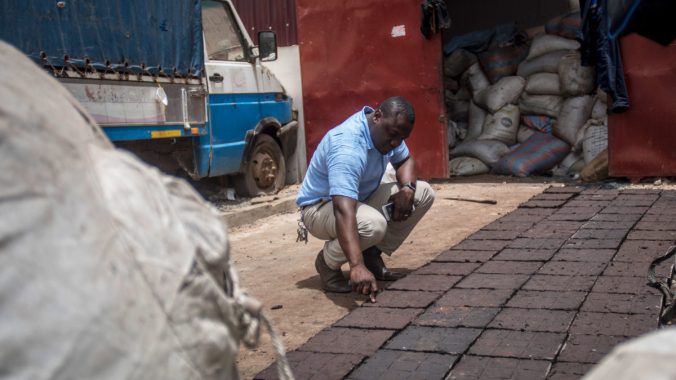
An engineer inspects paving blocks made from recycled plastics in a suburb of Accra, Ghana. CRISTINA ALDEHUELA/AFP VIA GETTY IMAGES

In our Authentica shops we offer some artisanal approaches to plastic re-use, and have been fans of the concept since a visit to Ghana in 2013. But the plastic problem will not be solved this way because the level of re-use it is not at scale with the amount of plastic needing re-use. Thanks to Ann Parson fo showing a new potential demonstrated in Ghana more recently:

How Paving with Plastic Could Make a Dent in the Global Waste Problem

Roads in which waste plastic is melted down and mixed with paving materials are becoming more common around the world. Although for now they remain a niche technology, experts say the roads could become one of a diverse array of uses for discarded plastic.

A road running through Accra, Ghana’s capital, looks like any other blacktop. Continue reading

Gas Stoves & Clever Misinformation

Mother Jones illustration; Getty

Thanks to Mother Jones for this article spotlighting why you might want to rethink your attachment to gas as a cooking fuel:

How the Fossil Fuel Industry Convinced Americans to Love Gas Stoves

And why they’re scared we might break up with their favorite appliance. Continue reading
Birding Manners Matter

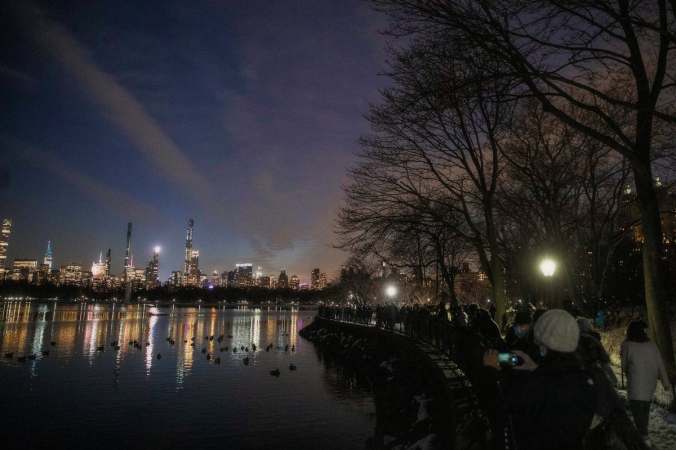
A crowd hoping to see a snowy owl gathered at the reservoir in Central Park. Some birders complain that large groups can disturb rare species. Dave Sanders for The New York Times

You do not need to be a bird nerd to appreciate that an avocation like this one needs some rules of the game, especially at moments like these, which seem to come around every few years:

Twitter Is Turning Birds Into Celebrities and Birders Against One Another

A Twitter account helped spread the word about rare birds in New York City, but publicizing their locations exposed a rift among birders.

A barred owl, whose visit to Central Park has been promoted by some birders, including one who maintains the popular Twitter account Manhattan Bird Alert. Dave Sanders for The New York Times

In 2018 it was the Mandarin duck. Last October it was the barred owl. Just weeks ago it was the snowy owl.

All three avian species catapulted to celebrity status after they landed in Central Park, becoming the subject of news reports from Manhattan to India and attracting gaggles of groupies, snapping away on their smartphones.

These rare glimpses of nature in the heart of New York elicit a dose of joy in the best of times. Continue reading

Butterflies, Challenges & Hope

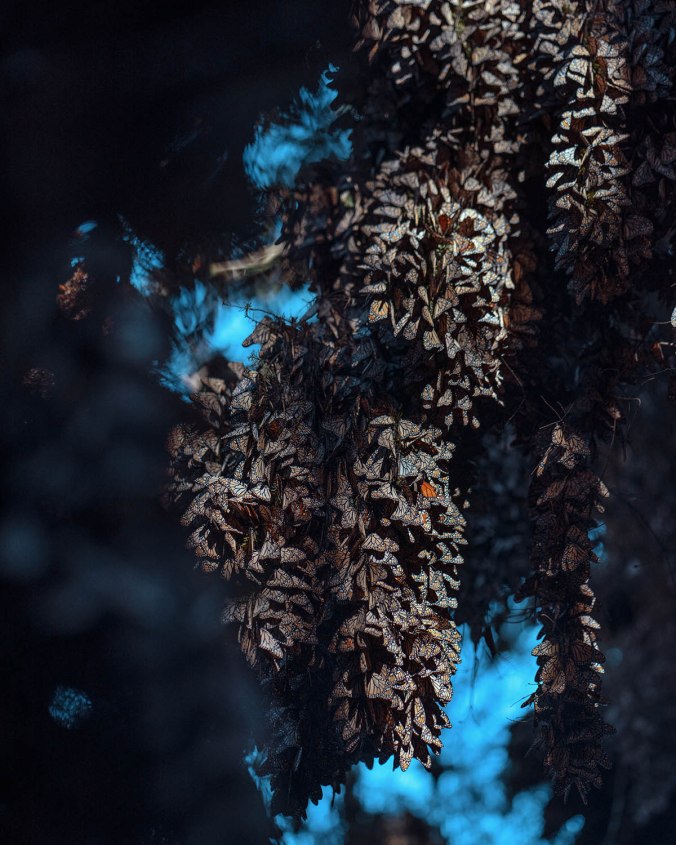
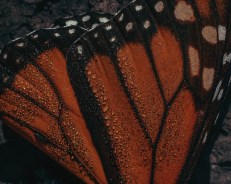
Monarchs in the early morning. They hibernate from November until the beginning of March. With warmer temperatures, they become sexually mature, mate, and begin their northerly migration.

Just for the beauty of the photographs, this is worth a visit. But there is also an audio accompaniment, allowing you to hear the butterflies. The story of the challenge their habitat faces is, like so many other stories we encounter, painful to read. But there is hope as well:

SAVING THE BUTTERFLY FOREST

Environmental destruction and violence threaten one of the world’s most extraordinary insect migrations.

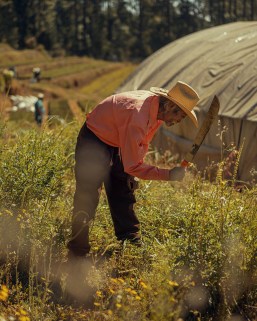
Marciano Solis Sacarias,
a landowner, working at
Las Novias del Sol,
a tree-nursery coöperative.

Every November, around the Day of the Dead, millions of monarch butterflies descend on a forest of oyamel firs in the mountains of central Mexico. The butterflies have never seen the forest before, but they know—perhaps through an inner compass—that this is where they belong. They leave Canada and the northeastern United States in late summer and fly for two months, as far as three thousand miles south and west across the continent. The journey is the most evolutionarily advanced migration of any known butterfly, perhaps of any known insect. Continue reading
New Questions For Old Hills

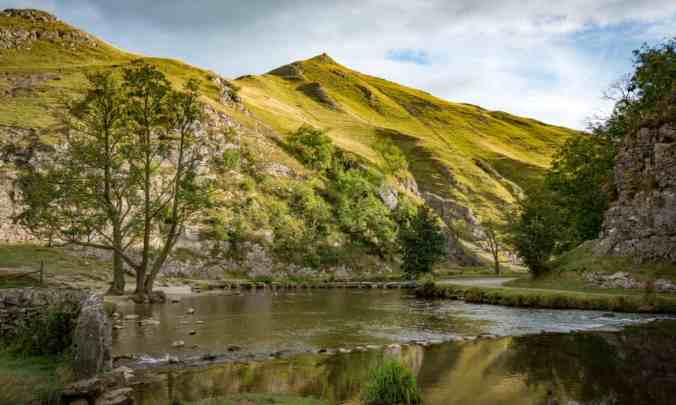
Scenic beauty spot or potential hydropower storage facility? The Dovedale national nature reserve in the Peak District. Photograph: dianajarvisphotography.co.uk/Alamy

Thanks to the Guardian for giving us a different view on one possible part of a solution to the problem posed in yesterday’s post:

Powering up: UK hills could be used as energy ‘batteries’

Engineers explore using gentle slopes rather than steep dams or mountains to store electricity

Hundreds of hills across the UK could be transformed into renewable energy “batteries” through a pioneering hydropower system embedded underground.

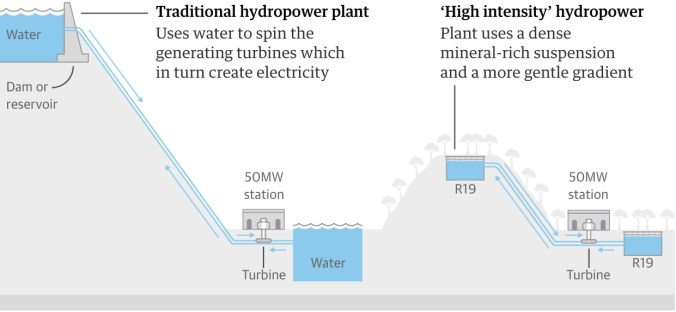
Guardian graphic. Source: RheEnergise

A team of engineers have developed a system that adapts one of the oldest forms of energy storage, hydropower, to store and release electricity from gentle slopes rather than requiring steep dam walls and mountains. Continue reading
The Puzzling Fate Of Aging Dams

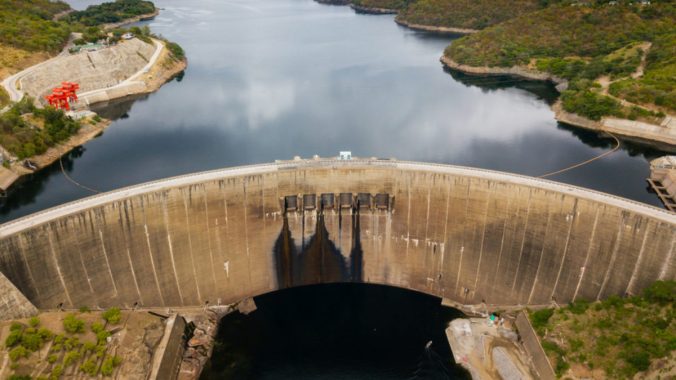
Engineers have found cracks in the 420-foot-high Kariba Dam on the Zambezi River in Southern Africa. DMITRIY KANDINSKIY/SHUTTERSTOCK

When we lived through the cross-border tensions that were dam-driven we thought cooler heads would eventually prevail. But, it has proven not so easy. And who knew there were 10,000 such puzzles out there? Thanks to Fred Pearce, as always for raising our awareness:

Water Warning: The Looming Threat of the World’s Aging Dams

Tens of thousands of large dams across the globe are reaching the end of their expected lifespans, leading to a dramatic rise in failures and collapses, a new UN study finds. These deteriorating structures pose a serious threat to hundreds of millions of people living downstream.

Who would want to live downstream of the 125-year-old Mullaperiyar Dam, nestled in a seismic zone of the Western Ghats mountains in India? Continue reading

Yaak Valley’s Fate, To Be Determined

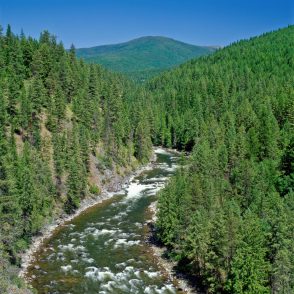
The Biden Administration’s next few weeks may decide the fate of the remote Yaak Valley, on Montana’s Canadian border. Photograph by John Lambing / Alamy

Bill McKibben’s weekly newsletter, as usual, has gems worthy of attention, and the fate of the Yaak Valley qualifies:

The blizzard of federal climate initiatives last week (a blizzard that might help allow actual blizzards to persist into the future) is without precedent. For the first time in the thirty-plus years of our awareness of the climate crisis, Washington roused itself to urgent action; veterans of the cautious Obama Administration—the domestic climate adviser Gina McCarthy and the global climate czar John Kerry chief among them—were suddenly going for broke. In fact, only one branch of the Cabinet seemed conspicuous by its muted presence: the Department of Agriculture, which has responsibility for the nation’s farms and for many of its forests—that is, for the natural features that will either speed or slow the flow of carbon into the atmosphere. Continue reading
Denmark’s Clean Energy Island

A simulation of Denmark’s clean energy island, due to be completed before 2033. Photograph: Danish government

Wind is picking up speed in the race for energy’s future, and to help governments meet climate goals. Denmark is in that race to win. Thanks to the Guardian for this story:

Denmark strikes deal on £25bn artificial wind energy island

Thanks to an inter-party agreement, the clean energy hub in the North Sea is set to be the largest construction project in Danish history

Denmark’s government has agreed to take a majority stake in a £25bn artificial “energy island”, which is to be built 50 miles (80km) offshore, in the middle of the North Sea.

The island to the west of the Jutland peninsula will initially have an area of 120,000 sq metres – the size of 18 football pitches – and in its first phase will be able to provide 3m households with green energy. Continue reading

The Dasgupta Review, An Important Milestone In Quantifying The Value Of Nature

Hats off to the UK for commissioning the study, and to Professor Dasgupta for completing it. Sometimes a profession, like economics, takes time to catch up with the real world. Better late than never, like the guide to investing in nature, we are happy to see academia putting rigor into the analysis of how valuable nature is. Seemed obvious, even without these new studies, but this is what it takes to counter the disinformation promoted by extraction-intensive industries and their investors:

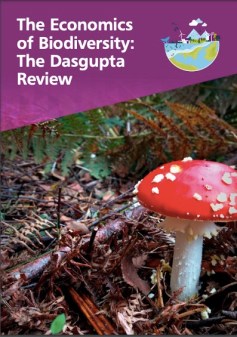
The Dasgupta Review is an independent, global review on the Economics of Biodiversity led by Professor Sir Partha Dasgupta (Frank Ramsey Professor Emeritus, University of Cambridge). The Review was commissioned in 2019 by HM Treasury and has been supported by an Advisory Panel drawn from public policy, science, economics, finance and business. Continue reading

Waking Up 30 Years & Billions Of Tons Of Carbon Dioxide Behind Schedule

Elizabeth Kolbert rarely, if ever, could be faulted for sugar coating anything, but here she is lauding the simple act of the government of the USA talking about climate change again:

A New Day for the Climate

It remains to be seen whether Joe Biden’s sweeping climate directives can make a meaningful difference, but a critical threshold has been crossed.

Illustration by João Fazenda

Nine years ago, Senator Sheldon Whitehouse had a sign made up that showed a photograph of the Earth as seen from space. “time to wake up,” it urged, in large, unevenly spaced letters. Every week that the Senate was in session, Whitehouse, a Democrat from Rhode Island, would tote the sign to the chamber, set it on an easel, and, before a hundred chairs—most of them empty—deliver a speech. Though the details changed, the subject of the speech remained the same. Continue reading

Migration Corridors & Conservation Priorities

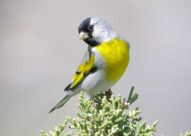
Approximately 80 percent of all Lawrence’s goldfinches migrate through California’s Central Valley every spring. ALAN SCHMIERER/FLICKR

Thanks to Yale e360 for this note:

Tens of Millions of Birds Pass Through Just Two Western U.S. Corridors

California’s Central Valley and the Colorado River Delta host more than 82 million birds every year during the spring migration, according to a new study published in the journal Ornithological Applications. Continue reading

The Little Book of Investing in Nature

A pdf version of The Little Book of Investing in Nature is available and the case for why this might be of value to you is in the book’s forward section:

How does this book help? As the impacts of human activity on the natural world have become increasingly clear in recent years, alongside human dependences on a healthy environment, the conversation has shifted from “Should we save nature?” to “How do we pay for it?”. Few in government or business today doubt the inherent value of nature or the importance of managing it sustainably. The interest in halting the loss of biodiversity is enormous and is coming from unexpected quarters. Continue reading

What To Do About Planet Palm

Production of palm for oil is a problem, to say the least. What can we do? The publisher describes this forthcoming book as being in the tradition of Eric Schlosser’s Fast Food Nation and Bill McKibben interviews the author (scroll to the second section in his weekly newsletter, after the note on energy use in the cannabis industry):

About half of all products on grocery shelves contain palm oil, and production has doubled in the past decade. The James Beard Award-winning food journalist Jocelyn Zuckerman has travelled from Indonesia and Malaysia to Brazil and India looking at the vast plantations where the oil palms are grown. Her forthcoming book, “Planet Palm,” is a compelling look at just how much trouble it’s possible to cause with a single plant. (Our conversation has been edited for length and clarity.) Continue reading

Snowy Owl In Central Park, Our Kind Of News

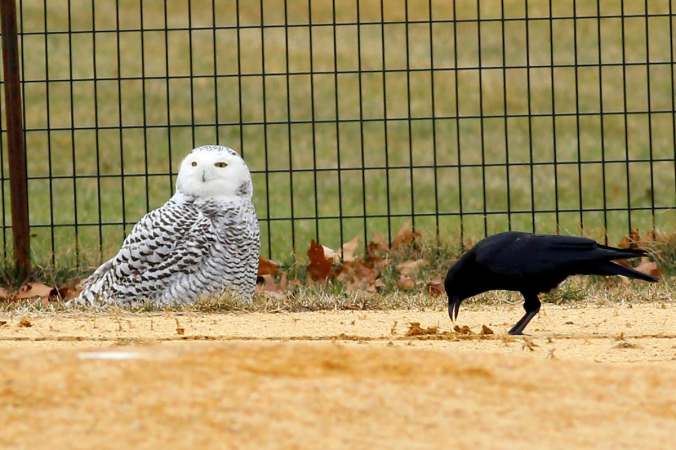
A snowy owl in Central Park drew flocks of people (and crows) on Wednesday. Maryté Mercado

If you tend bird-nerdy, you will want to read this. To state the obvious (if you visit here regularly), we live for this kind of news:

Snowy Owl Is Spotted in Central Park, for First Time in 130 Years

The hordes came running and the snow-white raptor became the latest celebrity bird of Manhattan.

In the winter of 1890, a snowy owl was spotted in New York City’s Central Park, part of what a contemporary account called an “unusual abundance” along the East Coast of the large, strikingly beautiful predators that make their home in the Arctic tundra. Continue reading

Making A Better Carbon Chain

Animation by Megan McGrew/PBS Newshour

Thanks to Isabella Isaacs-Thomas and PBS Newshour for a look at our carbon chain through the lens of a scientist determined to making that chain more sustainable:

How this chemical engineer is hacking plastic production to promote sustainability

The products many of us purchase on a regular basis — the water bottles, clothes and, perhaps especially in the era of COVID, take-out containers from our local restaurants — are often plastic, disposable and bound to outlive us for generations. But the enormous amount of plastic waste that humans leave behind is a logistical and ecological nightmare, and experts say potential solutions must be approached from multiple angles, both for the planet’s sake and for our own. Continue reading

Kenya’s Rangelands, An Ecologist, & Television Attention

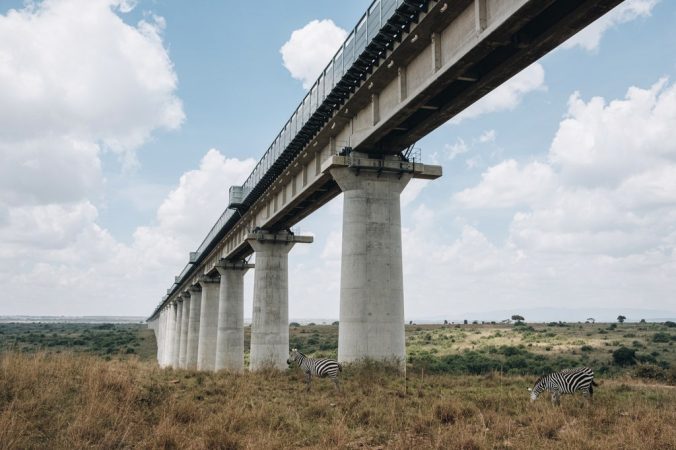
In Kenya, those animals which poachers and cattle-herders have not killed off are being wiped out by new roads, power lines, mushrooming towns, and overgrazed, shrinking rangelands. Photograph by Khadija Farah for The New Yorker

Thanks to Jon Lee Anderson, whose Latin America stories’ gravity have compelled our attention in the past, for this story from another part of the world he once called home:

A Kenyan Ecologist’s Crusade to Save Her Country’s Wildlife

To get her fellow-citizens to care about threatened animals, Paula Kahumbu became a TV star.

Seventy miles southwest of Nairobi, the Loita Hills climb toward the sky from the red stone cleft of the Great Rift Valley. Situated beside the Serengeti and the Maasai Mara, the Loitas provide a vital watershed for migratory animals on the plains below. Forest pigs, bushbuck, black-and-white colobus monkeys, leopards, and Cape buffalo find refuge there, along with elephants that come to graze when the plains are dry. The Loita forest, one of Kenya’s last surviving stands of old-growth cedar, is sacred to the Maasai people, who call it Naimina Enkiyio—the Forest of the Lost Child, after the legend of a girl who followed wayward calves into the trees and never returned. Some twenty-five thousand Maasai live in settlements scattered through the lower valleys, where they herd goats and cows in sweeping meadows reminiscent of the Rocky Mountain foothills. The Loitas, rich in medicinal herbs and plants, are an irreplaceable resource for the laibon, the spiritual leaders of the Maasai. Continue reading

Animal Bridges, Saving Lives & Protecting Species

A wildlife overpass in Banff national park, in the Canadian Rockies. Photograph: Ross MacDonald/Banff National Park

Protecting wilderness–for broad reasons related to the value of biodiversity as well more narrow reasons related to mankind’s  basic requirements–have been a constant theme on this platform since we started; animal bridges, per se, have not. Here is a look at why these bridges matter:

How creating wildlife crossings can help reindeer, bears – and even crabs

Sweden’s announcement this week that it is to build a series of animal bridges is the latest in global efforts to help wildlife navigate busy roads

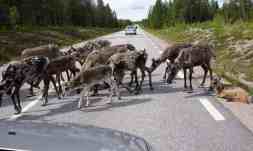
Reindeer viaducts in Sweden will keep herds safe from traffic as they roam in search of grazing. Photograph: Pawel Garski./Alamy

Every April, Sweden’s main highway comes to a periodic standstill. Hundreds of reindeer overseen by indigenous Sami herders shuffle across the asphalt on the E4 as they begin their journey west to the mountains after a winter gorging on the lichen near the city of Umeå. As Sweden’s main arterial road has become busier, the crossings have become increasingly fractious, especially if authorities do not arrive in time to close the road. Sometimes drivers try to overtake the reindeer as they cross – spooking the animals and causing long traffic jams as their Sami owners battle to regain control. Continue reading

Look, Smell, Taste, Don’t Waste

Catchy. Effective? We will see.  Thanks to the Guardian for this view on a UK initiative to reducing food waste at home:

Cut food waste at home by sniffing and tasting, urges new campaign

National government-backed initiative will replace ‘use by’ with ‘best before’ and urge people to judge for themselves

Worried about whether the yoghurt, milk and cheese sitting in your fridge is still safe to eat? Rather than rely on the misleading “best by” date stamped on the side, perhaps its time to “sniff and taste” your staple foods. Continue reading