 The National Film Board of Canada (NFB) has created an extraordinarily touching and informational website on the devastation humans have unleashed upon the Great Lakes of North America – the largest group of freshwater lakes in the world, though not by volume. The Great Lakes face many challenges brought about by neglect, misinformation, and the poor judgement of industrial bodies. The website, http://waterlife.nfb.ca/ provides a lake of information on the problems, causes, and solutions, from political changes to the environmental healing carried out by caring and responsible citizens of both the United States and Canada.
Author: Milo Inman
Honeybee Mystery: Solved?
For years now, scientists have been trying to determine why honeybees are suddenly falling off the face of the earth, and activists have been demanding a solution. Honeybees don’t just provide us with the sticky sweetener Winnie the Pooh loved so much – they are essential pollinators for many of our most important crops. Without pollinators, it is impossible for the agriculture of certain plants to occur on the scale necessary to sustain our population. This team of French scientists has apparently pinpointed the widespread use of insecticides as the cause of dwindling honeybee populations. Why has the production of fruits and vegetables come to these drastic measures? Are they really necessary? In the past, natural solutions were the only ones available for natural problems – to me it seems that reverting to the old ways (with a few possible improvements) is the only viable option if we want to save the bees (and therefore ourselves).
Nature Trumps
Following the line of thought in my previous post concerning the technological reproduction of biological processes, I was somewhat astounded when I read here that in the quest for efficient MAVs (micro air vehicles), nature has once again surpassed all engineers’ attempts to successfully manufacture functional diminutive aircraft. I write about this not because of its significance as a military breakthrough (which is no doubt the main purpose of the field of research), but because of the evidence it offers that nature trumps artifice. Whether by divine design or simply millions of years to evolve the most efficient biological machines possible, nature (in all ways, shapes, and forms) is itself our greatest resource – in all fields.
Munnar Mementos: Part 2
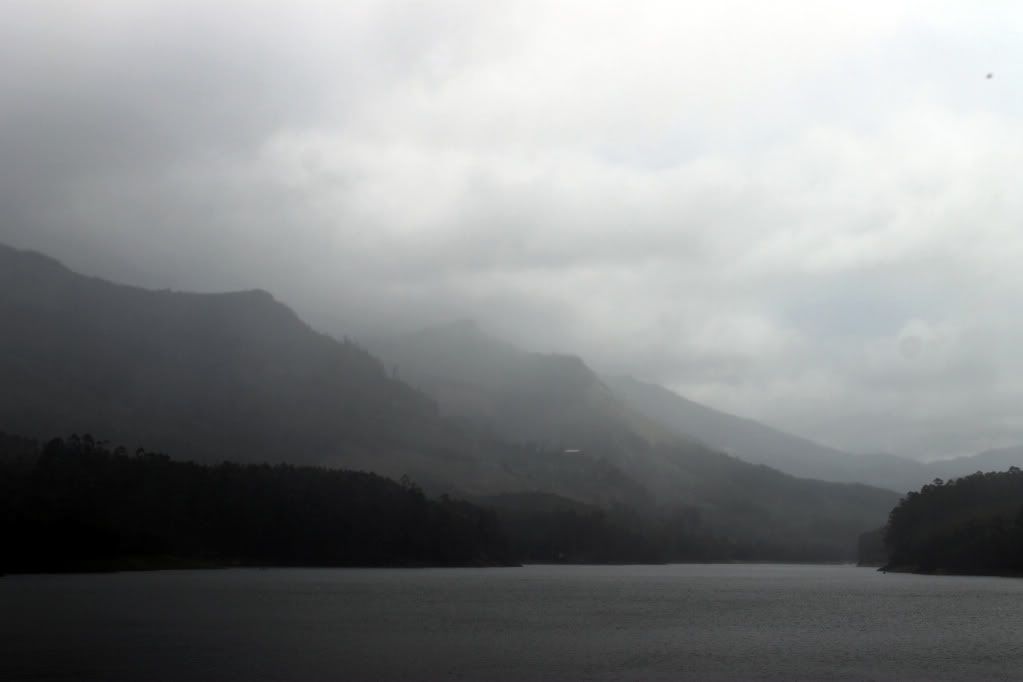
The Idukki district of Kerala is known for mystical mists.
Munnar Mementos: Part 1

The lake Mattupetty, created by a hydroelectric dam only 13 kilometers from one of the Western Ghats’ most visited hill stations – Munnar.
Backwater Visions: Part 2

Backwater Visions: Part 1

Two Kerala cloud fronts prepare to collide over a strip of land bearing a bounty of coconuts in the Backwaters district of Alappuzha.
On Urban Farming
Hydroponic gardening isn’t for everyone: the handiwork, plant nutritional knowledge, and electrical setup can be daunting to beginners. When I set out to create my very first hydroponic setup, I had essentially zero knowledge in any of those fields. Nonetheless, with a very small budget, I was able to establish a functioning hydroponic garden within a few days.
Water + Sunlight = Electricity?
Plants are typically regarded as the most efficient energy producers of the biological world, and I myself have imagined the possibility of harnessing their photosynthetic capabilities to generate sustainable energy. In my daydreaming, I visualized the biochemical transfer of a leaf’s photosynthetic output, adenosine triphosphate (ATP), down the plant’s stem and into a battery via some half-baked imaginary electrical conversion process. A possibility I had never before considered was that scientists were not focused on using the biological resources available to them, but rather mimicking and improving the processes carried out by their biological models. This recent development (late March, 2011) is described by Discover Magazine:
Scientists say that they’ve passed a chemistry milestone by creating the world’s first practical photosynthesis device. The playing-card-sized photosynthetic gadget uses sunlight to split water molecules into oxygen and hydrogen, which can then be used to produce energy, and is reputedly 10 times more efficient than a natural leaf. Researchers say they expect it to revolutionize power storage, especially in remote areas that don’t currently have electricity. “A practical artificial leaf has been one of the Holy Grails of science for decades,” says lead researcher Daniel Nocera, who’s presenting this research at the National Meeting of the American Chemical Society this week.
Full story here.
Brown Hawk-Owl
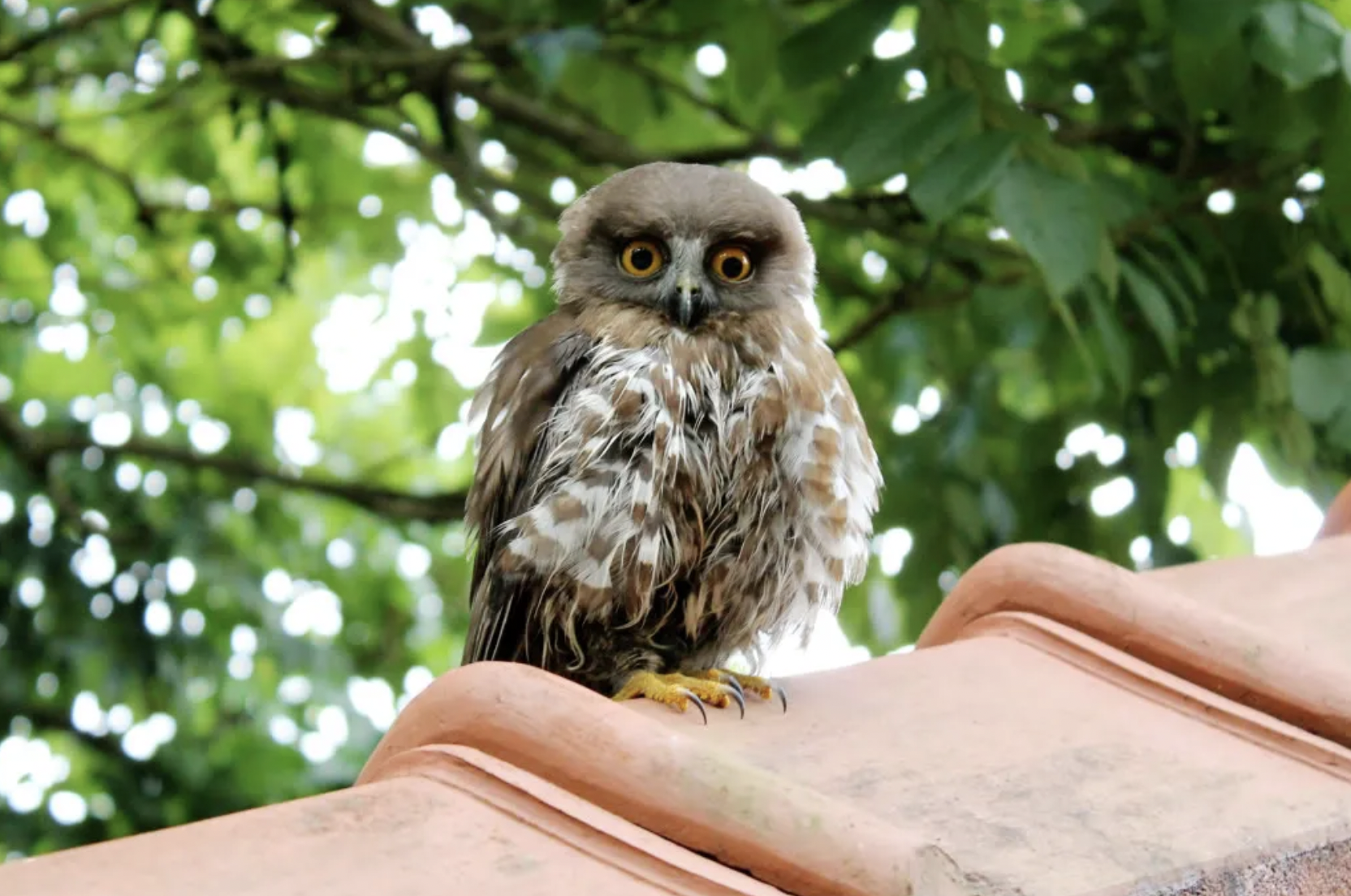
On the morning of Diwia’s paper-bag workshop, the team was pleasantly surprised by what could only be considered a portent of success and good luck – a small owl was perched on the roof of reception, in plain sight during the daylight hours. I was summoned forth with my camera, and was fortunate that the owl still hadn’t alighted by the time I arrived, rubbing the sleep out of my eyes.
Unveiling Fungi
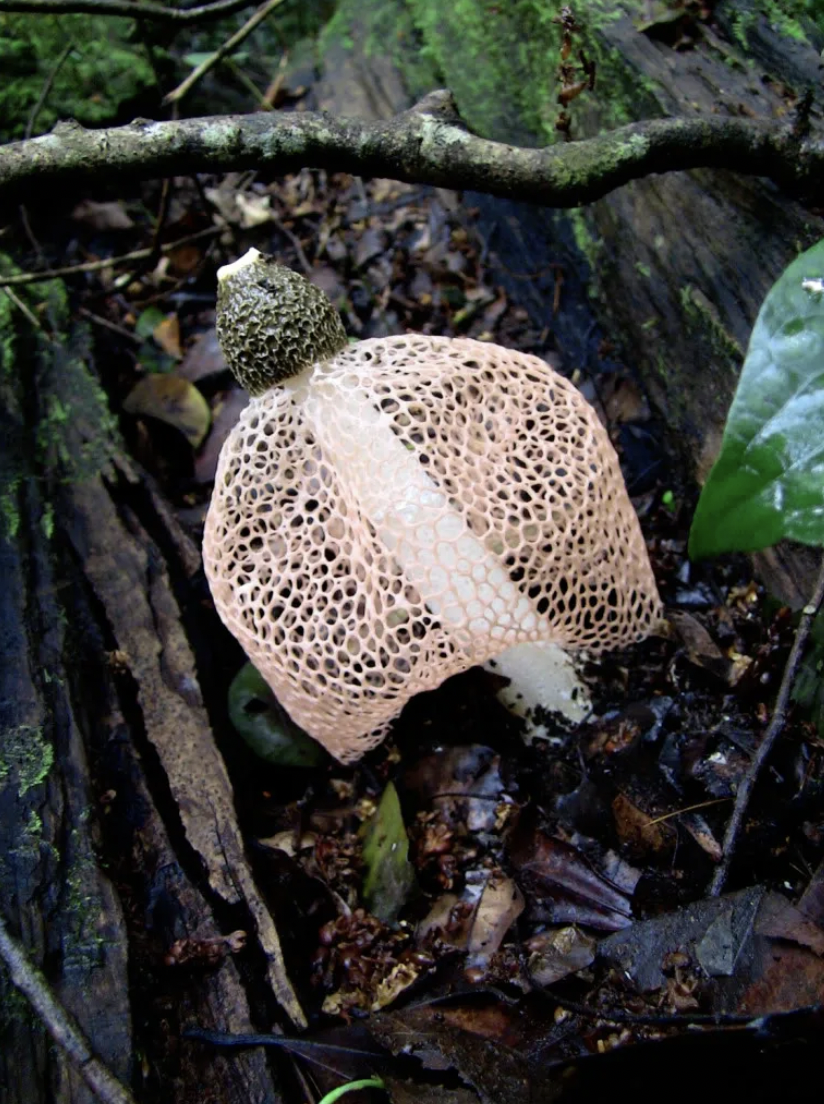
Fungi are some of the most under-appreciated organisms on the planet, and even the most simple forms can be fascinating and capable of enthralling all but the most listless eyes. Most people associate the word ‘mushroom’ with the button-shaped, styrofoam-flavored Agaricus bisporus, also known as Portabella, Crimini, baby bella, et cetera, ad nauseam. The marketing ploys for peddling this poor excuse for a mushroom are legion, and no matter what name comes on the package, it’s always the same. In that light, the purpose of this post is to unveil the magnificent beauty of the Fifth Kingdom.
Damsel in Distress
Although I was slightly disappointed at not having been able to track any of the more sought-out fauna of the reserve, I was content with the numerous photographs of a wide variety of bizarre and alien-like insects I was able to take during the Cloud Walk. I know that I am one of few who appreciate the seemingly unpretentious and trivial organisms of the class Insecta, and it is my hope and objective to arouse both interest and awareness of the mind-boggling diversity that reside not only in protected areas, but literally in our backyards.
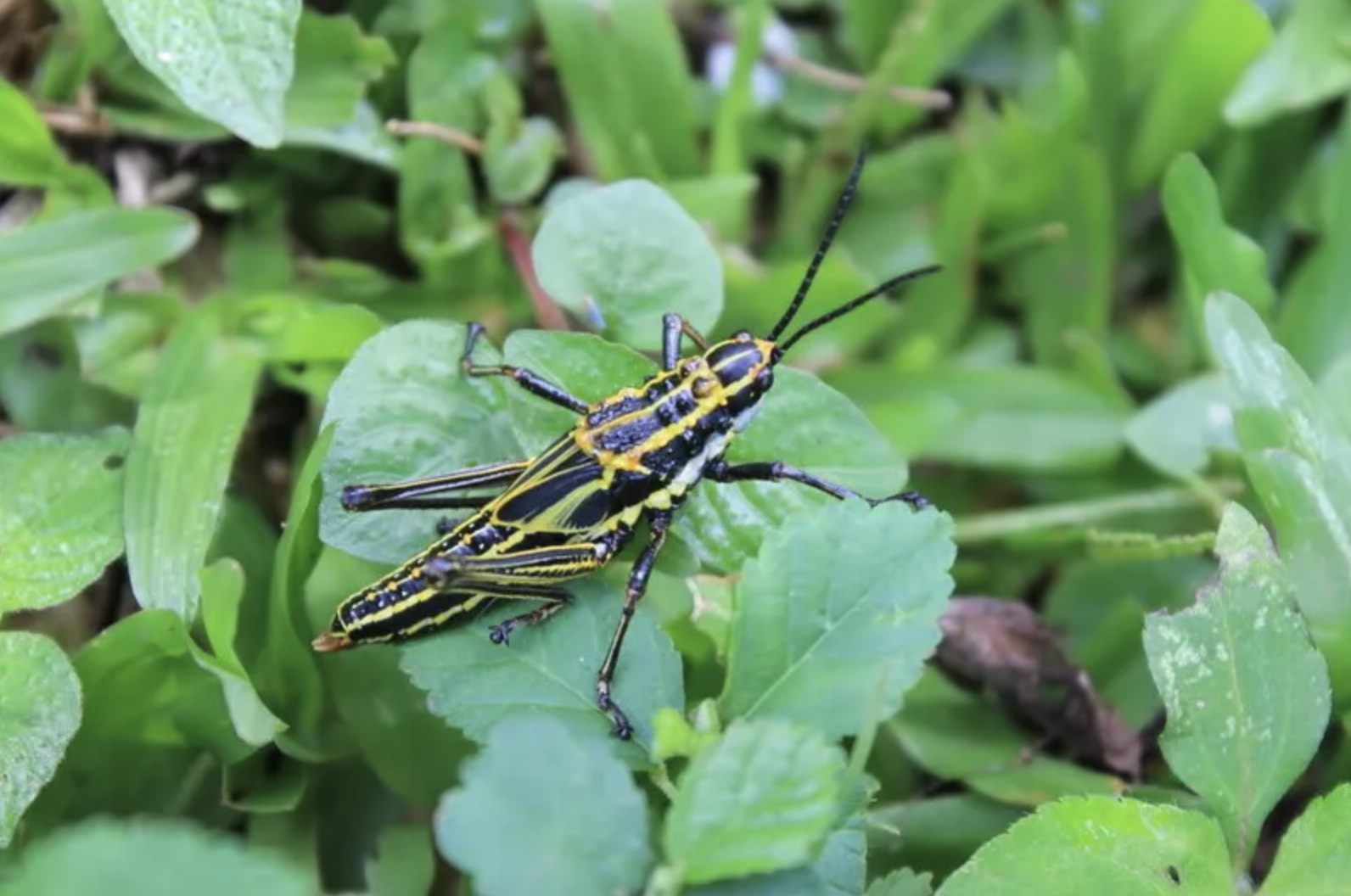
Insects compose well over three quarters of all animal species – there are well over a million species, and the number of new species discovered each year isn’t decreasing despite rapid deforestation. Continue reading
Entomotography
We had been on bamboo rafts in the Periyar Lake most of the morning, and had gone on shore briefly to visit the night ranger’s encampment. I had been there several times previously, but today was different. We witnessed one of the greatest wonders of the natural world—a mother elephant and her calf (because of a mother’s aggressively defensive instincts, it is rare for humans to see this combo in the forest). It was too spectacular for words, and even photos are worth just a few thousand words—not nearly as much as it felt worth while there.
By midday we were back on the water, and the rush of seeing such a huge and intelligent creature bonding with its offspring was lingering, but passing. We landed for a bit of respite. As the rest of the group ate lunch and talked, I decided to renew that rush with a change of perspective: from charismatic megafauna to wily winged minifauna. I crouched on the parched rocks, squatted and staring at my camera’s viewfinder. I had been stalking my tiny target along the shore for almost 30 minutes, and had enough mud, pebbles, grass and dung on my knees to open eyes at a detergent expo.
My eyes strained to focus on the strangely camouflaged creatures I was hunting. Scanning the motionless terrain of the shoreline, I saw no movement except for the gentlest rippling of grass and the lake’s surface with the breeze. I got impatient and decided to draw them out of hiding. It wouldn’t take much – I lifted my foot and took a step forward, and there!
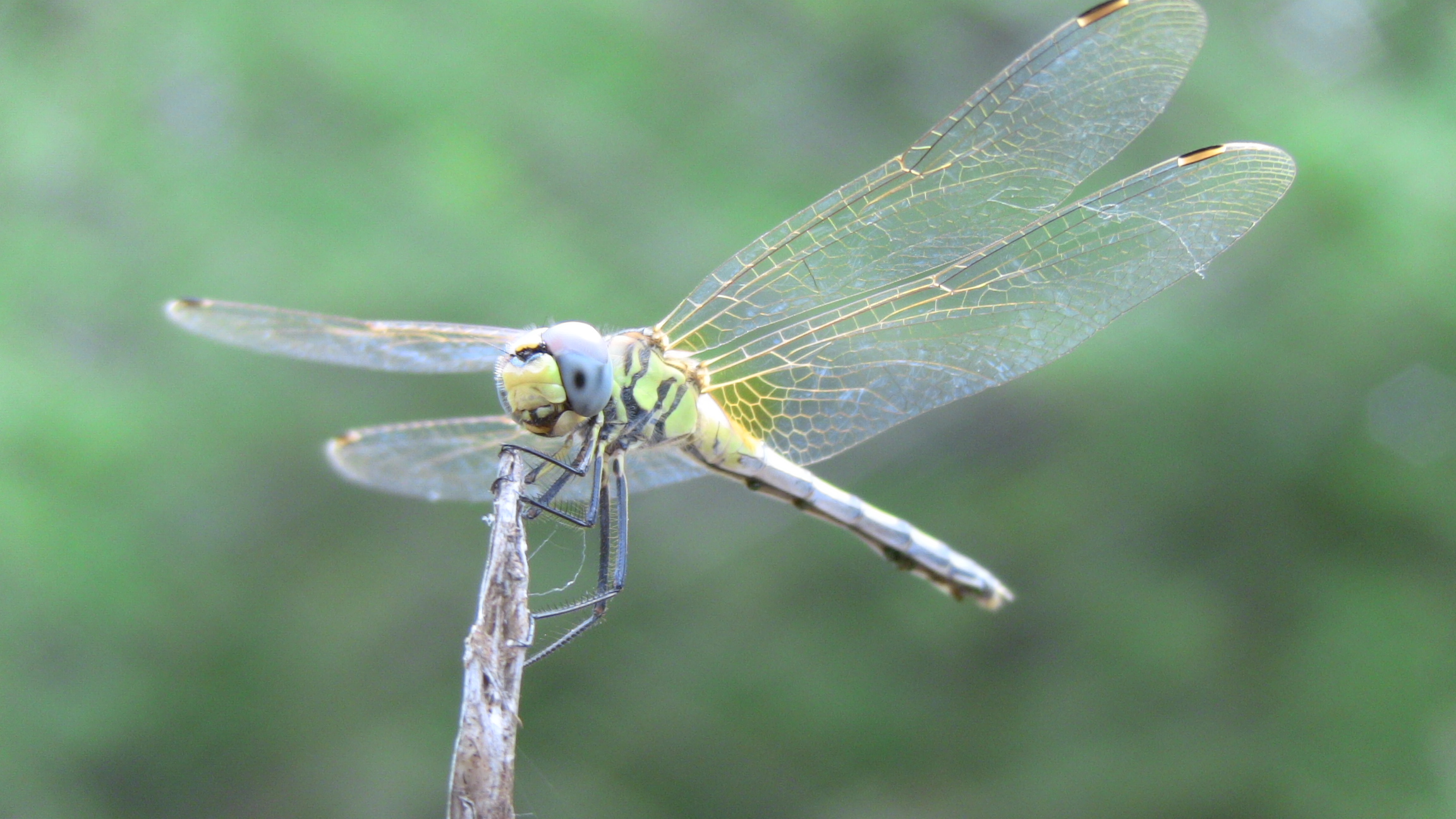
A bright blue-green dragonfly that had been surreptitiously clinging to a twig alighted, and began to zoom around. Continue reading
 Organikos