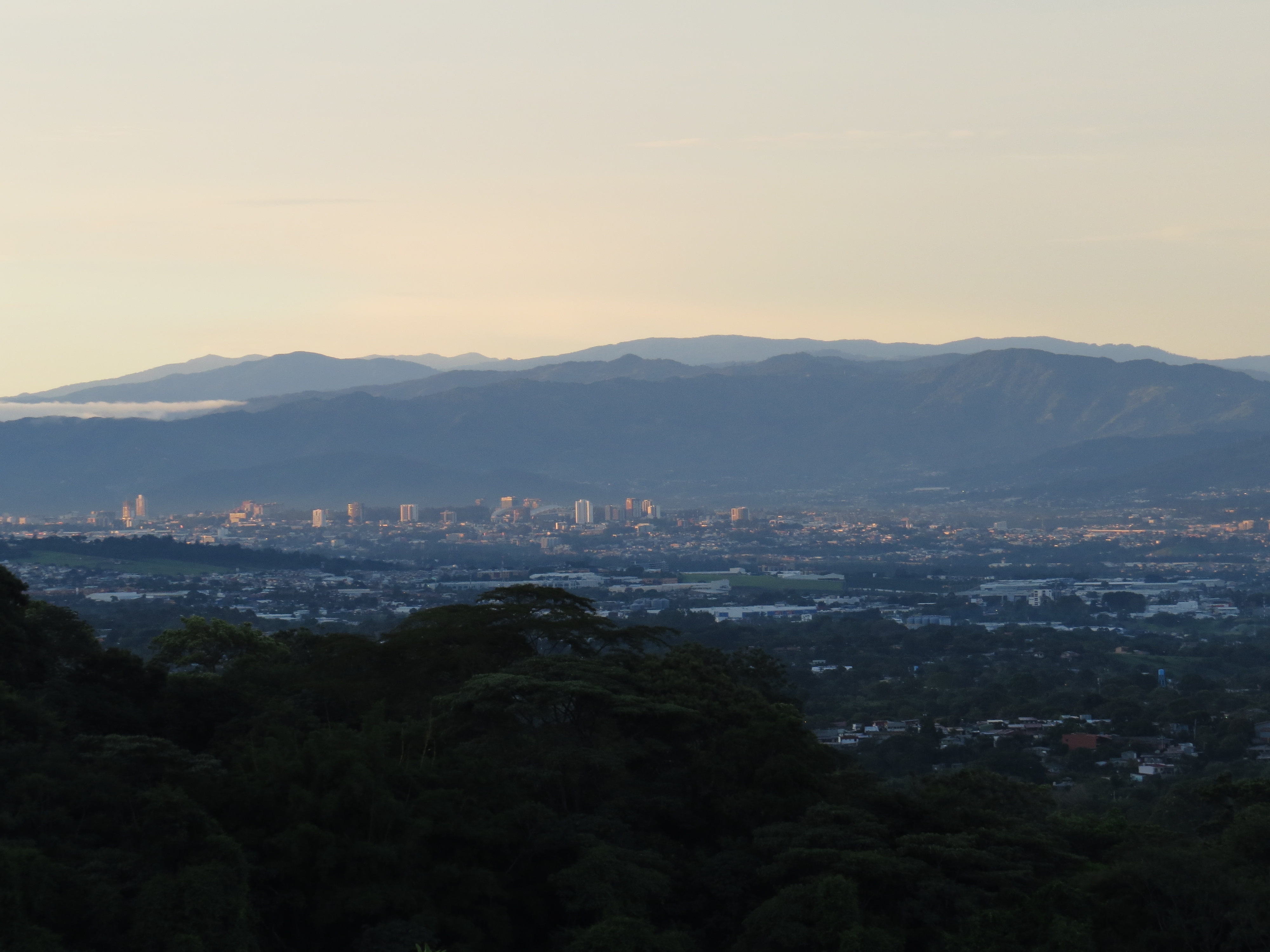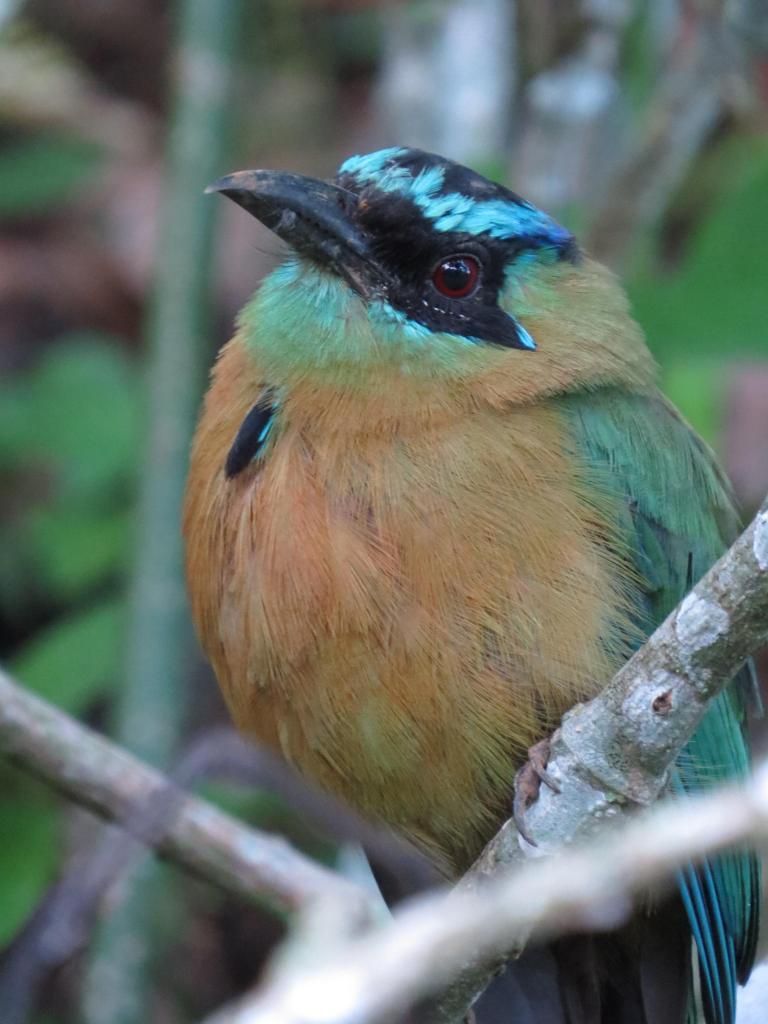
The current batch of Xandari’s mountainside Bourbon coffee is all planted, and James and I have a slideshow of photos we sporadically took to celebrate it! Continue reading
Author: Seth Inman
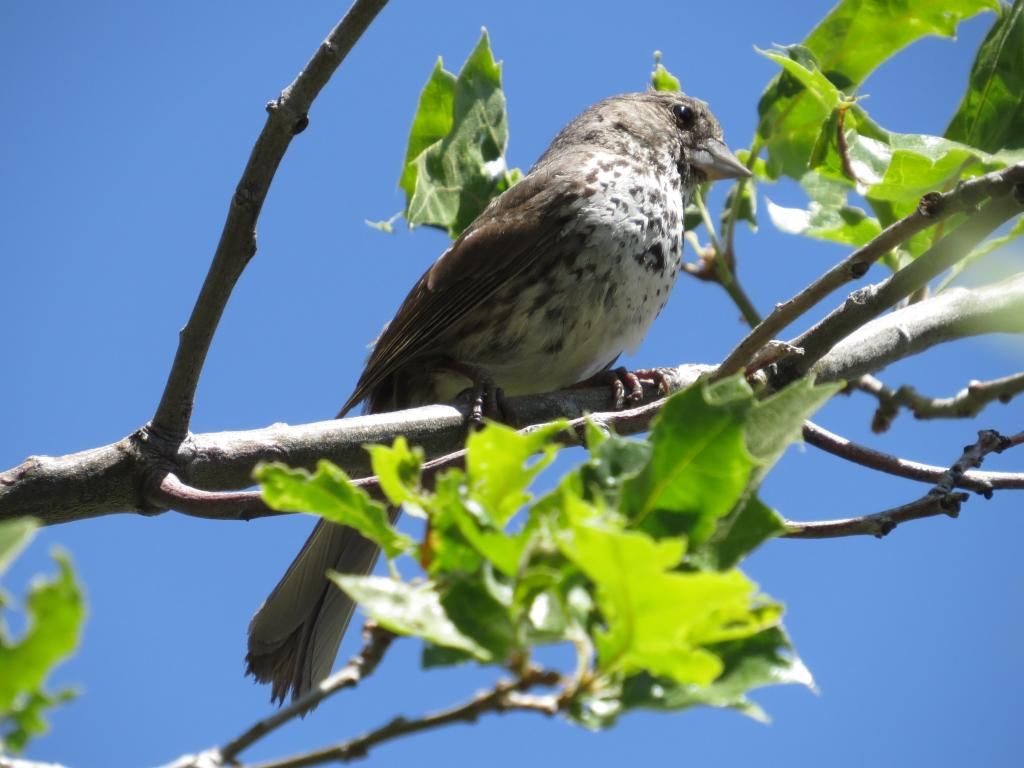
Bird of the Day: Fox Sparrow (Yosemite, California)
Bourbon Coffee — It’s No Cocktail
The prevailing etymology of the word ‘cocktail’, according to the Oxford English Dictionary, is of equestrian origin: any horse that was not a thorough-bred, or whose tail was cut short because it was serving as a hunter or stage-horse, could be described as a cocktail or a cocktailed horse. Eventually gaining a negative connotation, it probably was used to describe any sort of adulterated alcohol in the form of a mixed drink. Nowadays, we even use it for harmful or otherwise potent amalgams of substances, such as cocktails of drugs or Molotov cocktails.
Most of us, when we hear the phrase “Bourbon coffee,” likely think of Continue reading
A Birding Blast From the Past
Trending on the web nowadays is the tagline “throwback Thursday,” or #tbt, used to recall old photos or experiences with an interesting or humorous sense of nostalgia. As James and I spend most early mornings going out around Xandari to explore the trails and document the avifauna we can find, I am reminded of similar excursions I made with my friend and fellow Tomás de Berlanga English teacher Mari, in Mindo, Ecuador.
About two years ago on the dot, Mari and I saw an amazing group of birds in one of Costa Rica’s great competitors in terms of birding hotspots. As you can see from my first post about manakins, two years ago I did not consider myself a birder — now, as James and I add our observations around Xandari to eBird every day, my opinion may have changed slightly Continue reading
Xandari Insects
We have a history of interest in entomology here, and in the past couple days alone I’ve spotted insects in a couple different families that are worth checking out below!
Growing Fruit and Vegetables at Xandari

The view from the path right before reception
Much of the fresh, rich compost that Xandari produces from all sorts of organic material is used as the perfect substrate to grow delicious fruits and vegetables on property, both in greenhouses and out in the open. During our tour a few days ago with José Luis, James and I saw dozens of tomatoes (three different varieties), lots of lettuce, citrus and other tropical fruits, green beans, and much more.
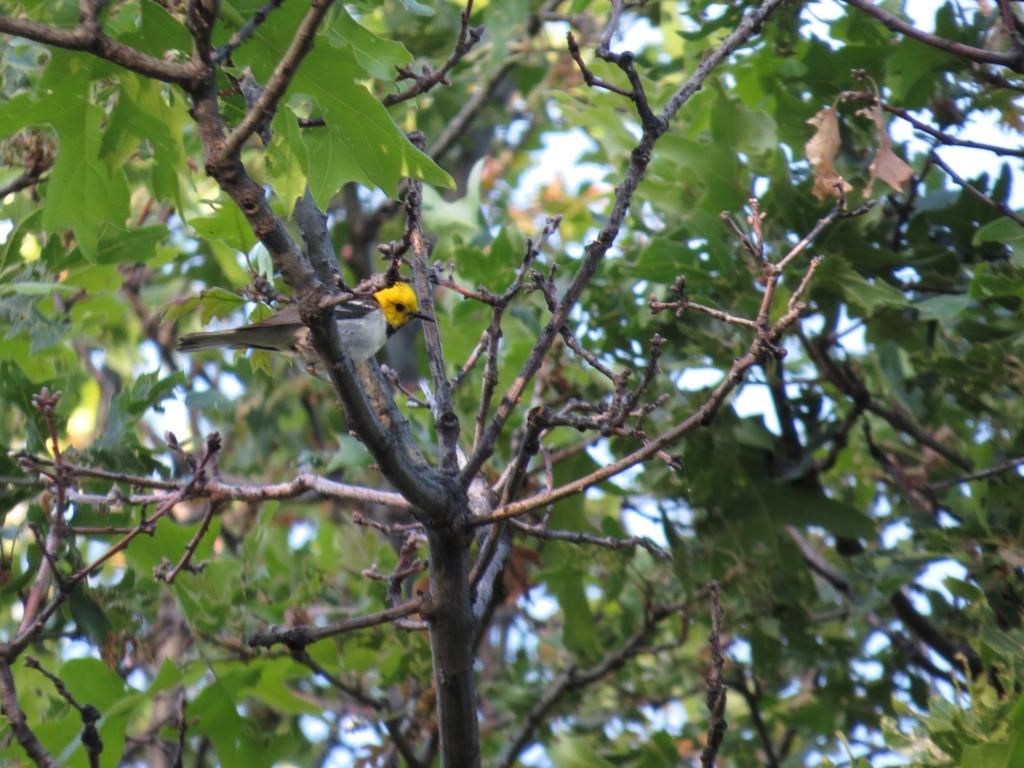
Bird of the Day: Hermit Warbler (Yosemite National Park, California)
Xandari’s Omni-garden
Over the past decade and a half, the creation and maintenance of Xandari’s impressive and diverse flora has been largely orchestrated by one man, José Luis Ballestero. Head gardener at the property, this man and his skilled team of gardeners have developed a highly heterogeneous and visually appealing collection of plant life throughout the private nature reserve that was once a coffee plantation.
As James and I will show in the next several weeks, Xandari’s gardens are a true wonder and effectively occupy any space that is not covered by the resort’s buildings. I use the word ‘garden’ here flexibly, because the forest that makes up the lower portions of Xandari’s forty-odd acres is more of a jungle than a garden, and at this point much of the flora Continue reading
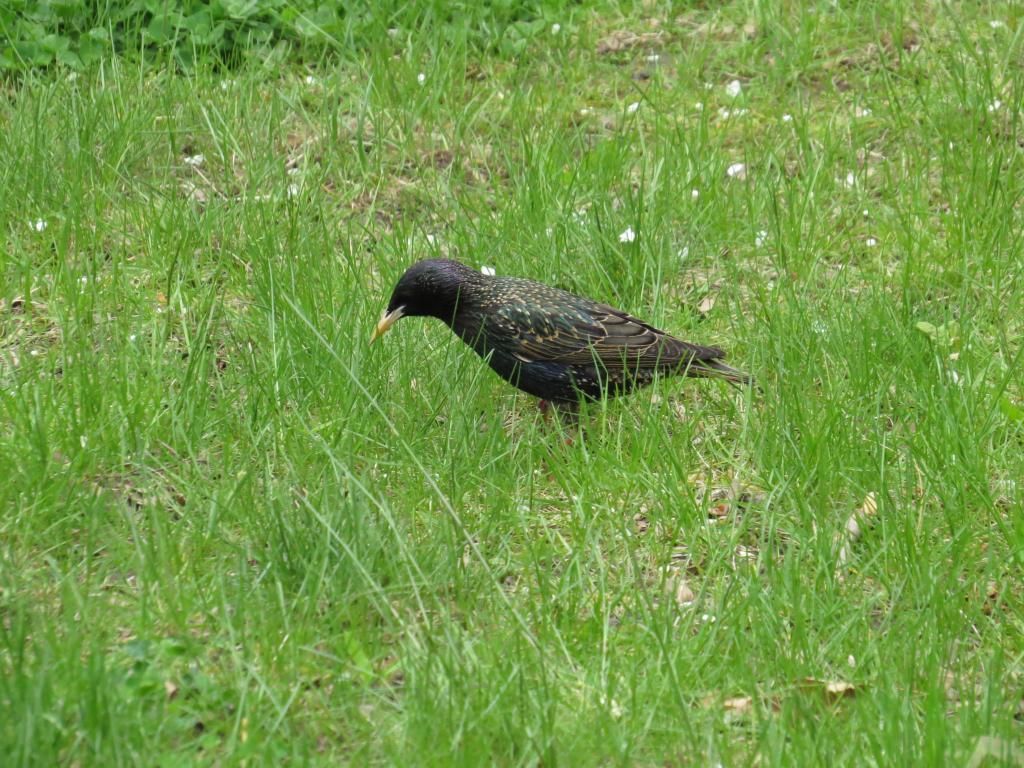
Bird of the Day: European Starling (Ithaca, NY)
As Birds Start Nesting, Things Start Getting Funky
Maybe it’s already happened to you in years past: you walk into your garage, ready to take your first bike ride of the year now that it’s finally warm enough, but you lift your old helmet only to find that it is full of moss, leaves, and twigs. What?! You may think it’s a late April Fool’s joke, but actually it is the product of a lot of hard work by a small cavity-nesting bird that has found a safe place to put their home. Depending on where you live, it could be any number of species, but the most common by far are the Carolina Wren and House Wren.

Clockwise from top left, submissions are by Joe Hoelscher, David Hutchinson, Mike Smith, and Sophie Lyon.
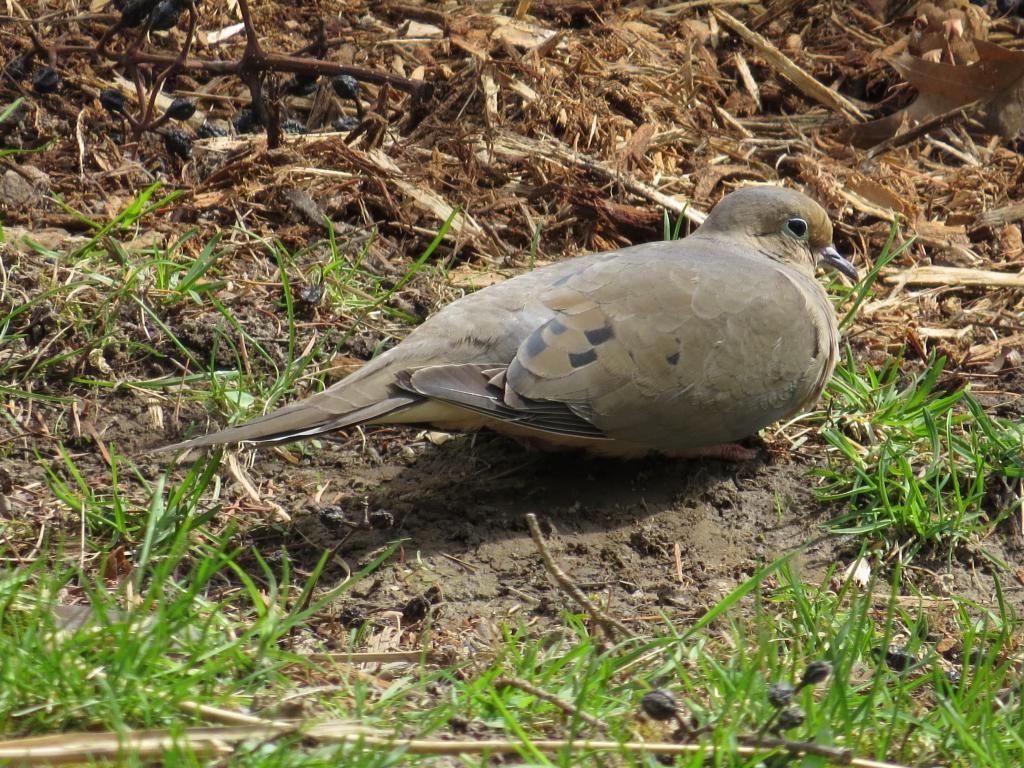
Bird of the Day: Mourning Dove (Ithaca, NY)
Nākd Bars Revisited
A while back I was exposed to the wonder of Nākd bars, and I shared some reasons why you should eat them. Now, I’ve had the luck to try several more of their creative and delicious flavors. Before I dive into those, a quick aside: along with seven hundred other students, this semester I’m taking one of the most popular classes at Cornell University, Introduction to Wines. One of the course goals is learning how to parse the different aromas and their combination with the wine’s acidity, alcohol, and other elements, all of which come together to make a complex liquid.
As I tasted more Nākd bar flavors this year, I thought to myself that if I was being taught how to judge and analyze such a complicated thing as wine, then there was no reason I couldn’t apply the same process to something as naturally simple as a Nākd bar, and write some brief thoughts on the new flavors I tried! Continue reading
Humans of Cornell
Earlier this month, while scrolling down my Facebook newsfeed, I chanced upon a photo of a friend of mine on the Cornell campus. The caption was a short but interesting conversation between the friend and a Facebook user called “Humans of Cornell University,” who had taken the photo. I was intrigued. Upon clicking the photo I discovered that there were dozens of other photos along the same theme, where apparently these “Humans of Cornell” (HOCU) people would randomly select a person they encountered at Cornell, take a photo of him or her, and ask a thought-provoking question, sometimes following the question up if the response merited more discussion.
Fascinating Feathers
Starting in late November, 2013 and ending in mid-January, 2014, the CUBs Fascinating Feathers Challenge received six hundred submissions, and we selected around fifty of those entries as award-winners in their distinct categories.
Best Dressed was the most popular category for participants, leading us to believe that people find birds beautiful! And rightly so. Out of the stunning array of well-dressed bird photos and pieces of art that are shared in the category, we saw both common and less-known birds, with colorful and monochromatic plumage patterns, but all with a great sense of style and a pleasure to look at!
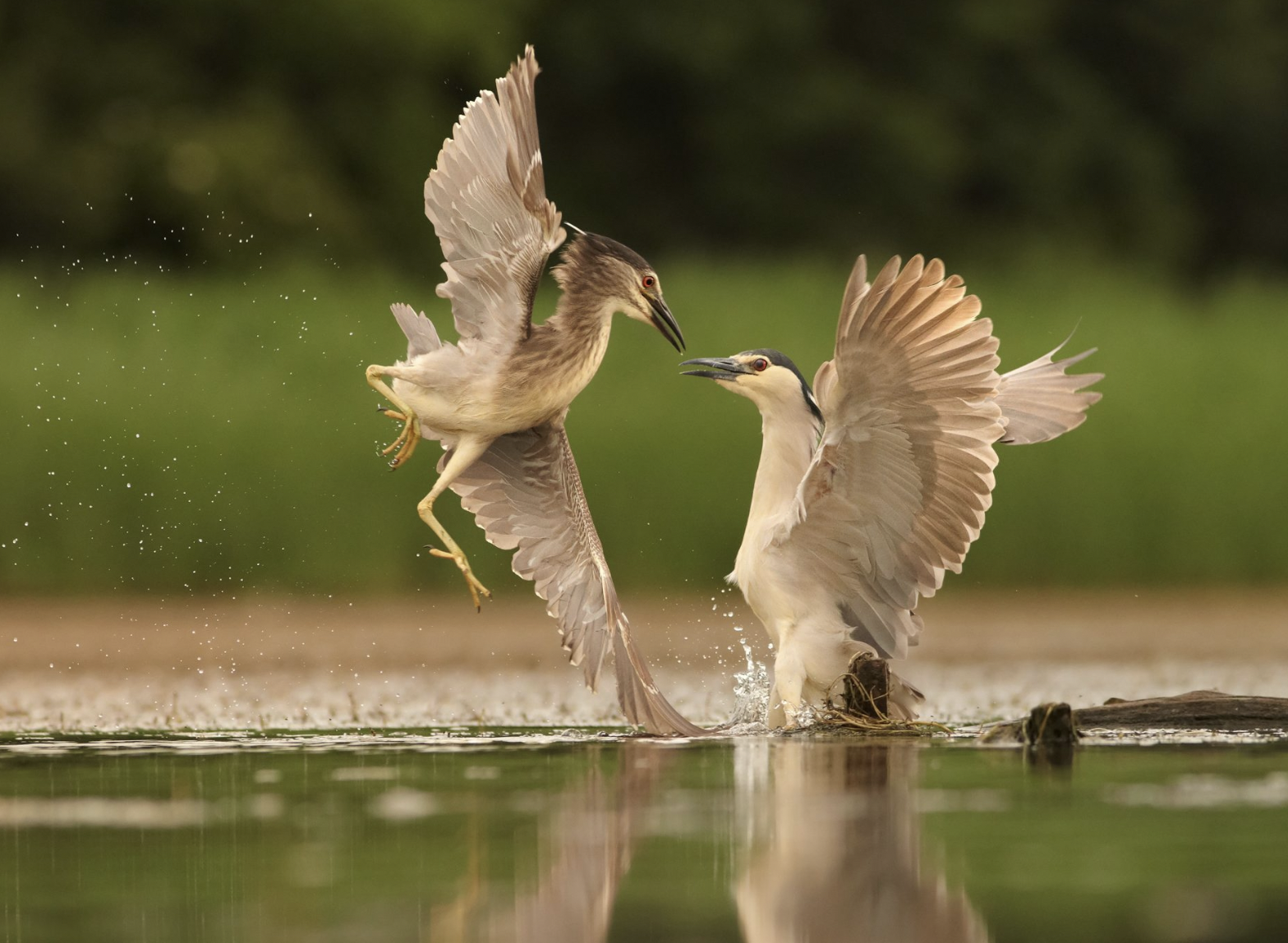
Much harder to see were the entries in our Best Camouflaged category — these inconspicuous fellows were often feathered to perfection when it came to blending in with their surroundings and fooling us into thinking they were just another rock, or a pile of leaves, or a stump on a tree! Just as the Best Dressed birds are emblematic of the sexual selection that takes place throughout much of the animal kingdom, the Best Camouflaged appropriately illustrate the importance of adapting to the environment over the course of evolution and becoming better predators or luckier prey as a species. Continue reading
Signs of Spring: The Latest CUBs Challenge!
On Saturday, Celebrate Urban Birds started its latest Challenge, called Signs of Spring, to welcome the (in many cases impending) return of sunnier days, greener grasses, and most importantly, migratory birds. For those of you wondering what ever happened with our Fascinating Feathers Challenge from the holiday season, check out this post.

Photo © Cornell Lab. Individual photos by T. Grange, V. DuBowy, P. Siegert, and Z. Boles.
Qualities of the 19th Century British Traveller in Iceland: Part 2
In addition to being the first outsider to see several attractions in Iceland, Baring-Gould was also well known for his translations of the sagas he so admired. Anglo-Icelandic scholar Andrew Wawn believes Baring-Gould to have written “the first Iceland travel book to show any real awareness of manuscripts of sagas and eddic poems.” Thus, Baring-Gould’s actions set him apart once more as one of the discerning travellers discussed in Part 1 of this section. But does he engage in snobbish attempts to actively disparage tourists in addition to distinguishing himself as one who often strays from the beaten path? At one point he states that “Certainly a tourist who runs to the Geysirs and back to Reykjavík gets no true idea of Icelandic scenery,” and at the beginning of his book, when he arrives in Reykjavík, he satirically laments the presence of crinolines (i.e. petticoats) fashionable back home in one of the Danish stores. Neither of these examples is particularly harsh. When it comes to anthropogenic environmental degradation, however, he becomes more critical. It is instructive to quote Baring-Gould extensively here on the scene of a boiling hot spring whose conduit is obstructed by stones: Continue reading
Qualities of the 19th Century British Traveller in Iceland: Part 1

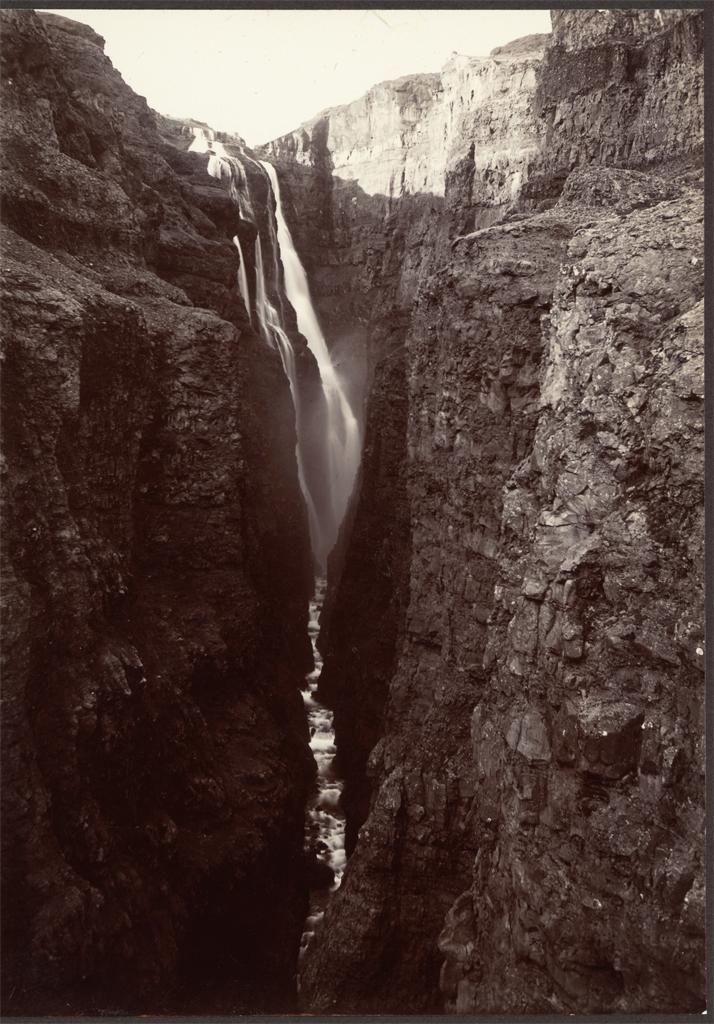
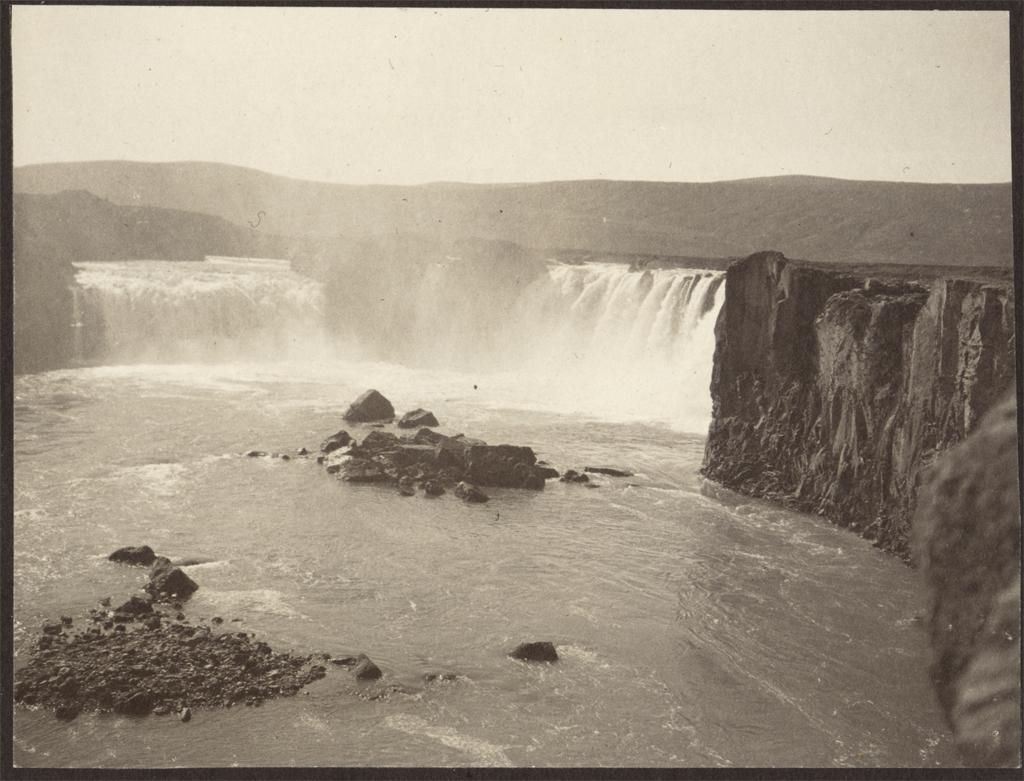
Goðafoss. Gelatin silver print by Henry A. Perkins, courtesy of Cornell University Library’s Fiske Icelandic Collection, Department of Rare & Manuscript Collections.
For my previous post on part of my drafted chapter, click here.
Historian John Pemble, in his book on Victorians and Edwardians travelling in the Mediterranean, has written that “the claim to be a ‘traveller’, as opposed to a ‘tourist’ or an ‘excursionist,’ was in most cases only a special kind of snobbery … [implying] revulsion from the British masses.” This claim is in fact up for debate. On the one hand, a certain author on Iceland might lampoon so-called tourists for behavior that he engages in himself with seemingly no distinction other than his privileged background. On the other hand, Continue reading
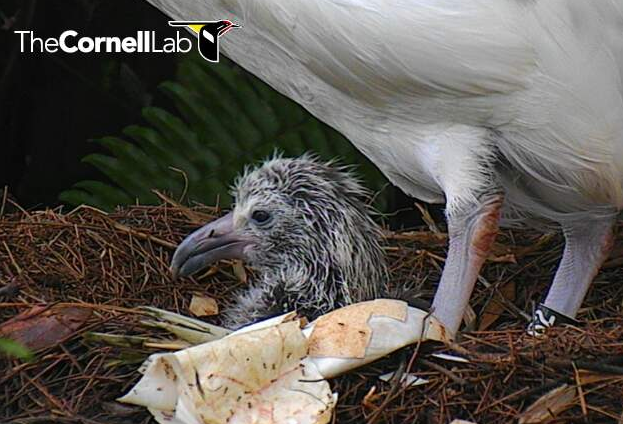
Bird of the Day: Laysan Albatross (Kauai, Hawaii, USA – via Cornell Lab)

Photo by the Cornell Lab’s AlbatrossCam
Click on the image above to check out the Cornell Lab’s latest bird cam in Hawaii!
Spicing Things Up
We normally don’t post advertisements on this blog, but the video above by the folks at Machine Shop, in collaboration with MJ Cole for the spice flavoring company Schwartz, is too cool and creative to ignore when we have such a deep connection to spices in Kerala, both historically and for visitors today. Continue reading
The Guidebook and the Beaten Track (Part 2)

Hot springs in Iceland’s Fjallabak Nature Reserve. Photo via DailyMail Online
As I wrote in Part 1, I think a brief inspection of Murray guidebooks over time hints at the image that a Briton considering a voyage abroad would hold in his mind of a place like Iceland. The first edition of A Handbook for Travellers in Denmark, Norway, Sweden and Russia, an 1839 volume by Murray intended for travel through most of Scandinavia, states in the Preface that, Continue reading