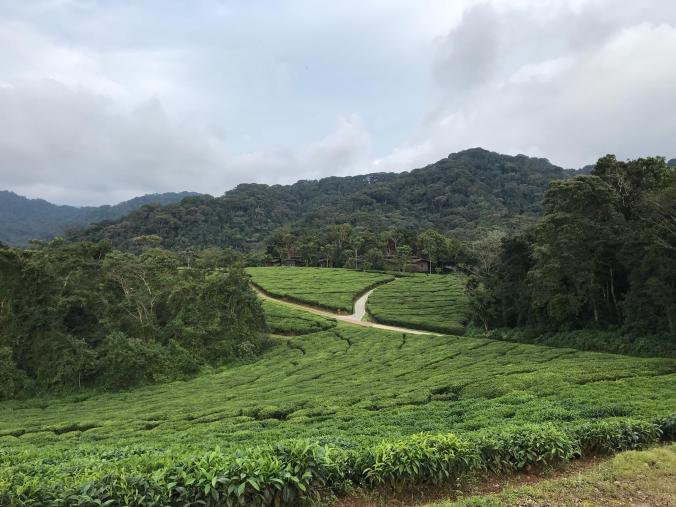
Rwanda, Third Message

Rw3a.jpeg

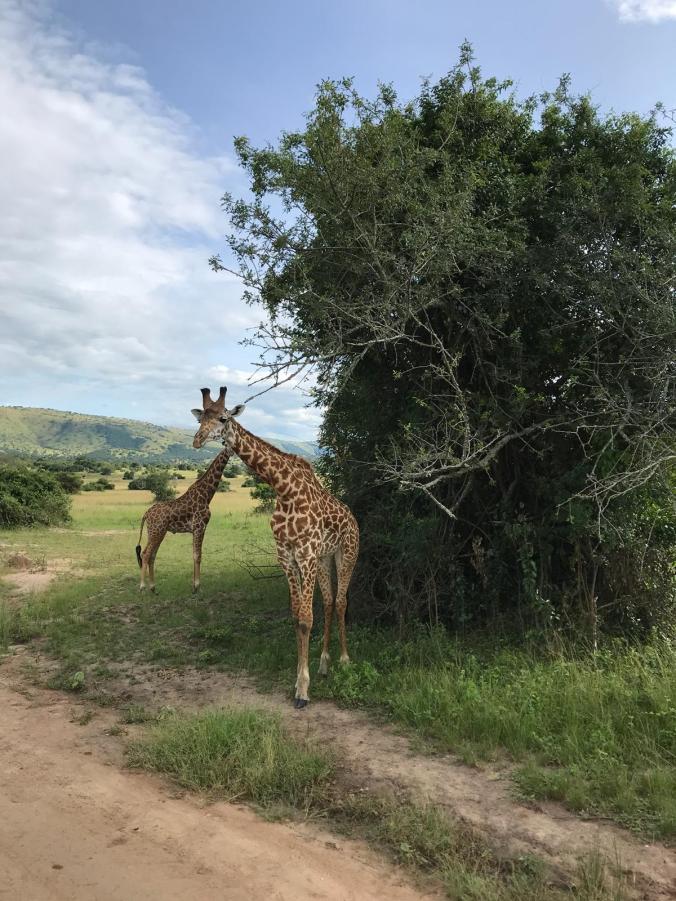
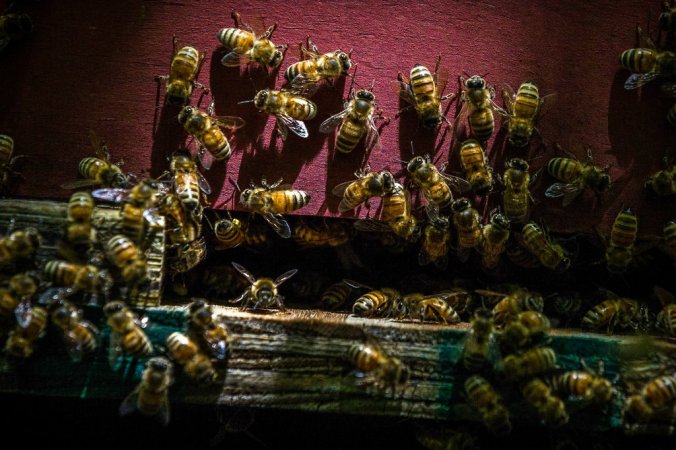
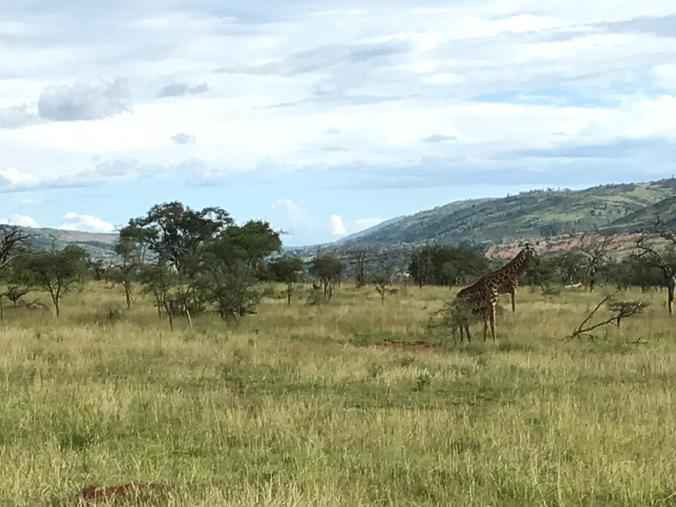
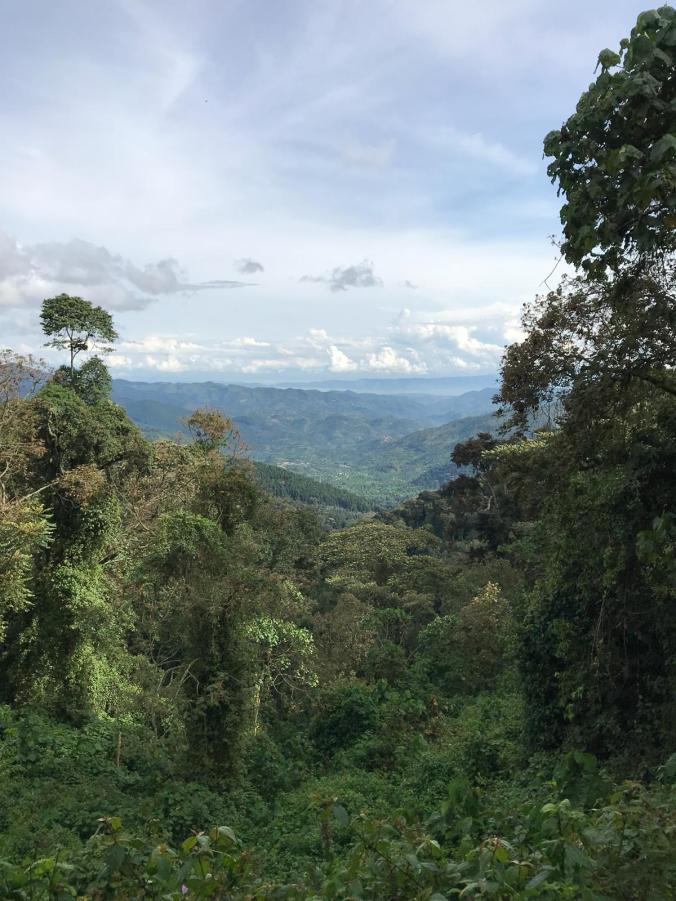
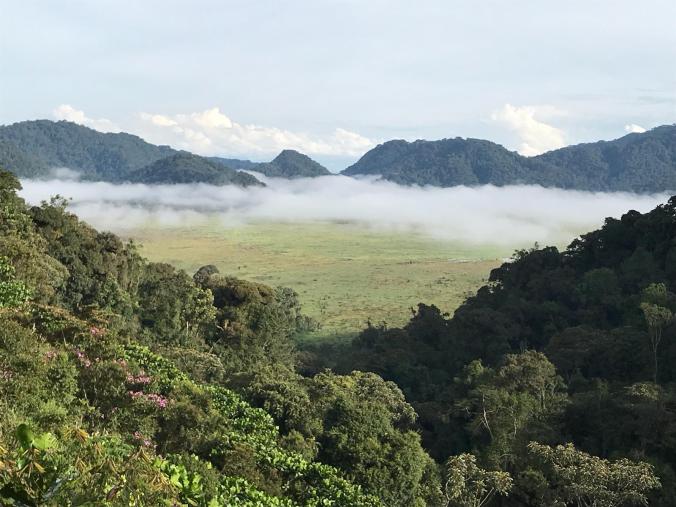
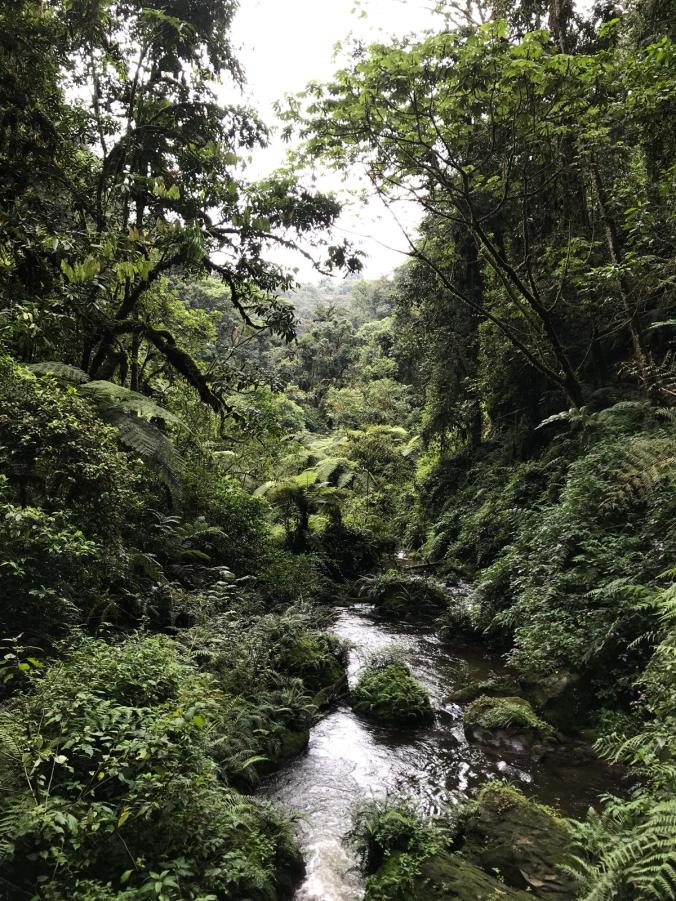
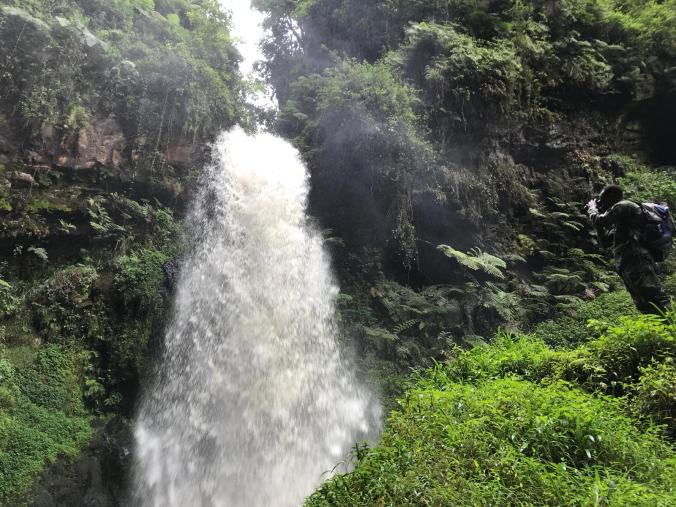
The image above was taken after the last giraffe photo, but I do not know where. Today Seth sent more photos after he and his colleagues hiked up, through a national park, to the upper reaches of a volcano.

Rw3b.jpeg

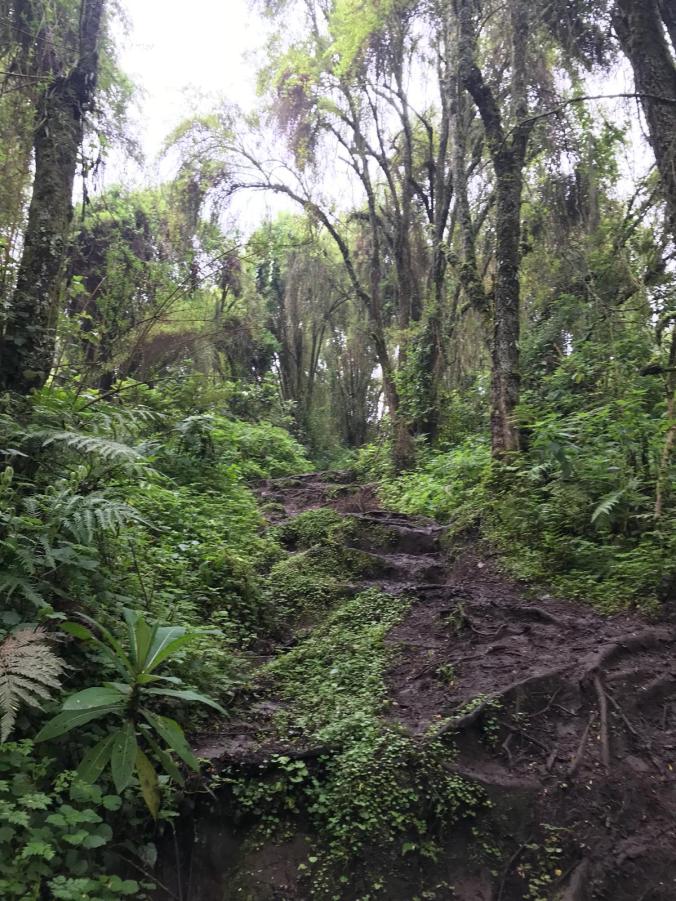
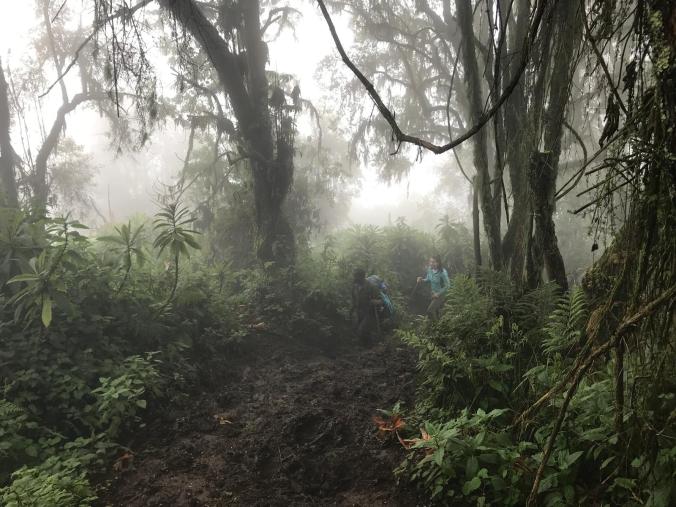
Hiked to the summit of Visoke volcano in the national park, the toughest hike I’ve done just for elevation (got up to 3711 meters asl) through the wettest slush mud

Seth is plenty verbal. But under these circumstance I appreciated the parsimony of words in his message accompanying the photos. I have been at that altitude and it does not encourage chit chat.

Rw3c.jpeg

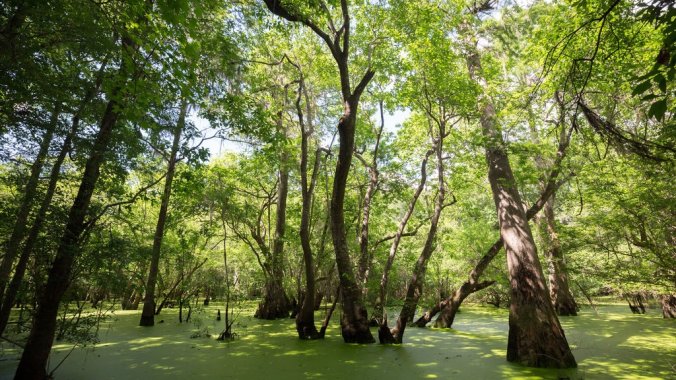
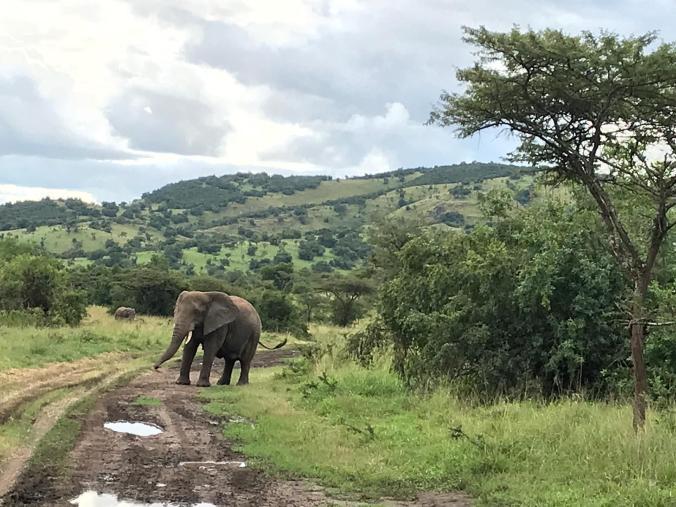
We have lived and worked in beautiful places; again, all I can say is I look forward to Ghana.

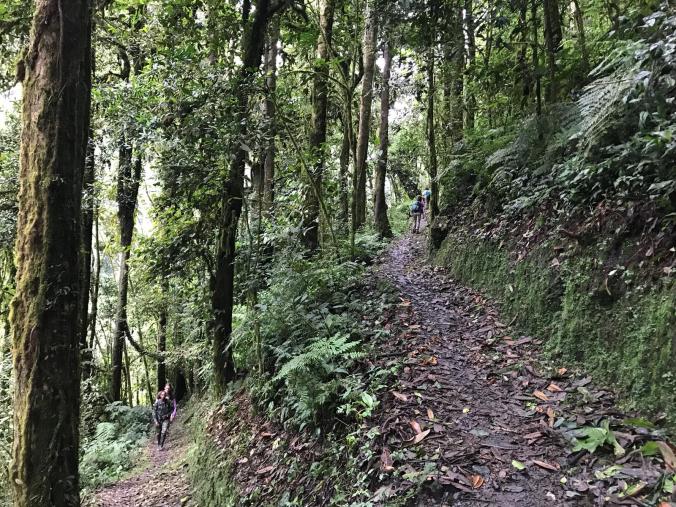
Rw3d.jpeg

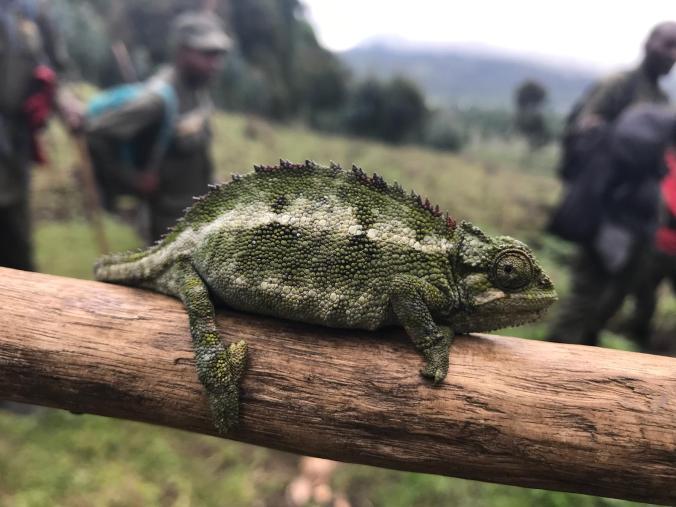
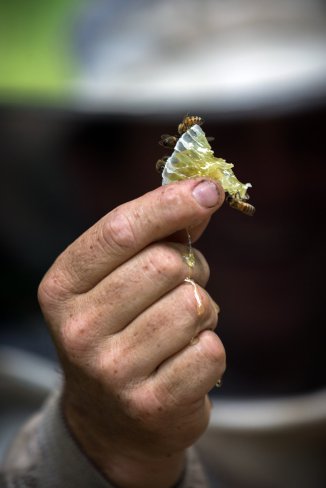
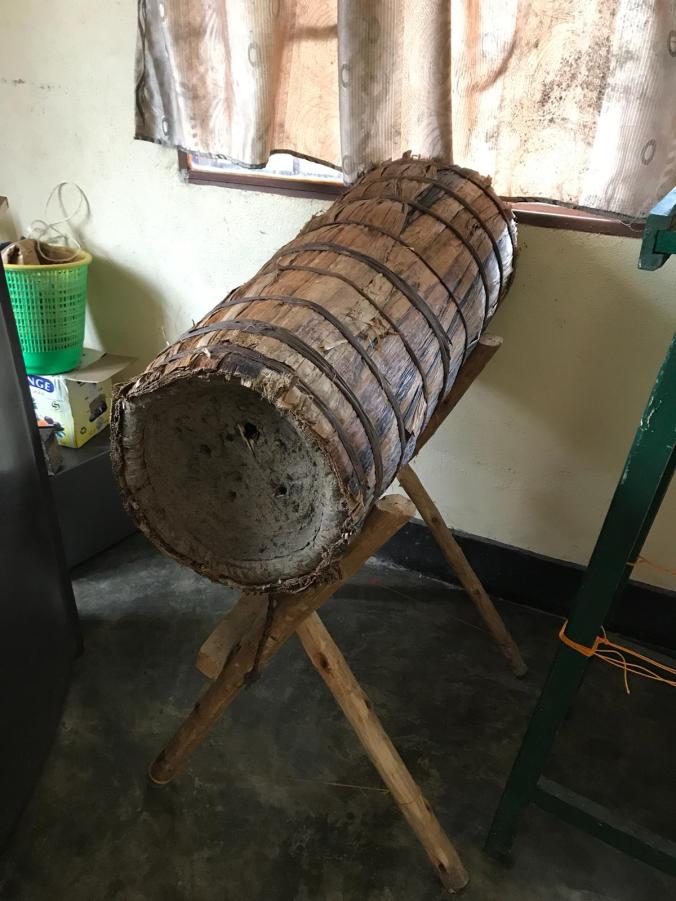
And again, my favorite image is not the one I would have expected.

Bees, Conservation & Otherworldy Honey

28tupelo6-jumbo.jpg

In the well-kept hives tended by beekeeper Fred Merriam in Georgia, every bee has a job to do. Credit Stephen B. Morton for The New York Times

Kim Severson last caught my attention about a year ago. She covers food culture for the New York Times, and this is the fifth time we have found a story of hers a perfect fit for our platform’s themes. Food intersecting with conservation is always welcome, and honey specifically is on my mind these days. Honey bees? Always of interest. During our transition from India back to Costa Rica over the last two years we spent much of our time in Atlanta. The honey in this story was available in the farmer’s market we shopped at, and we occasionally indulged. I am gratified to learn more about it here:

On the Trail of Tupelo Honey, Liquid Gold From the Swamps

Hurricanes, blights and encroaching development have cut into the harvest in Florida and Georgia, but a small cadre of beekeepers still fiercely pursues this lucrative prize.

merlin_154619529_3adf4217-2fb6-45e2-9622-c088f0e9668e-jumbo.jpg

Tupelo trees, which produce small, nectar-filled light green and white flowers for two weeks each spring, rise out of swamps in the Altamaha River Basin in southeastern Georgia. Credit Stephen B. Morton for The New York Times

ODUM, Ga. — The most expensive honey in America starts in these mucky Southern swamps, where white Ogeechee tupelo trees twist up out of water so dark you can’t tell if that was an alligator or a snake that just broke the surface.

merlin_154619466_43169437-afce-47a8-b91e-64cb3cfb39b0-superJumbo.jpg

Tupelo honey fresh from the comb has a distinctive light green tint. Credit Stephen B. Morton for The New York Times

For two precious weeks each spring in this slice of southeastern Georgia and in the Florida Panhandle, tupelo trees bloom with pale, fragile flowers that look like pompoms for tiny cheerleaders. Beekeepers tuck their hives along the banks, or occasionally float them out into the water on rafts. Then the bees get to work, making honey that looks and tastes like no other.

Good tupelo will glow with a light green tint, especially when it’s fresh from the comb and bathed in sunlight. The first taste is of cinnamon with a tingle of anise. That gives way to a whisper of jasmine and something citrusy — tangerine rind, maybe? The honey is so soft, light and buttery that the only logical move is to chase it with another spoonful. Continue reading

Rwandan Charismatic Megafauna (& Honey)

RwElephant.jpeg

Seth sent a few more messages, in the form of images, from Rwanda. One day soon I will describe what he is doing there, but for now the images say more than enough.

RwGiraffe.jpeg

While elephants are a childhood favorite animal for Seth, he had seen Asian elephants in the wild, so that probably made seeing giraffe the charismatic topper so far.

RwZebra.jpeg

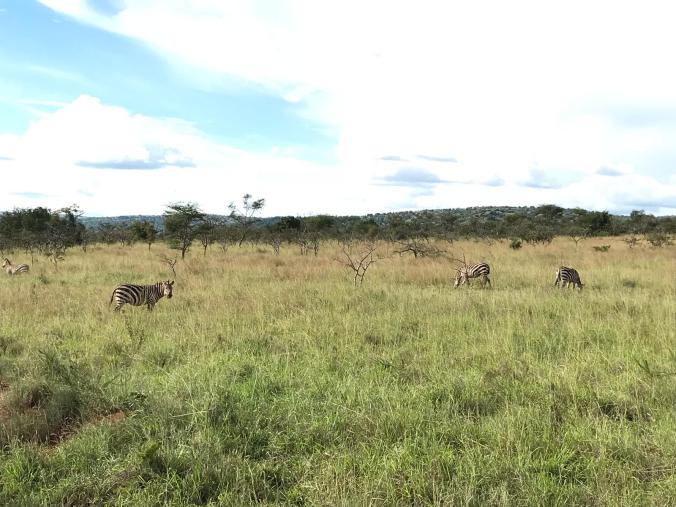
Once zebra is added to the list of species seen, it might start feeling like all is well in the wild (even if we know it is not).

RwBuck.jpeg

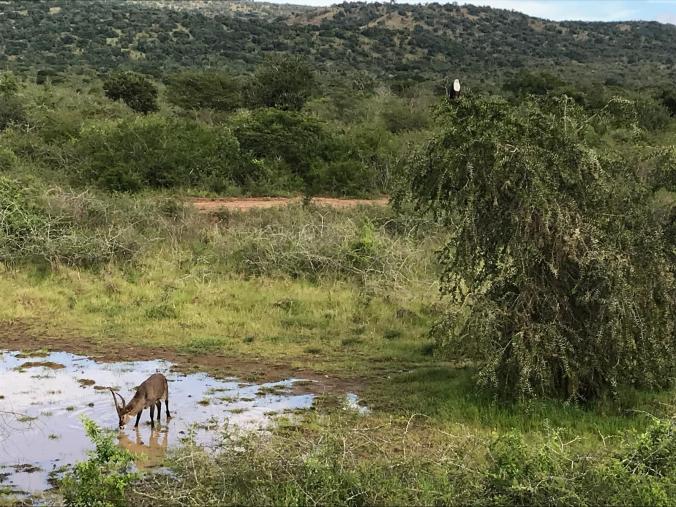
Waterbuck with African Fish-Eagle

One of the few photos that had any words to explain was this one, which is to be expected of a birder in the realm of charismatic megafauna.

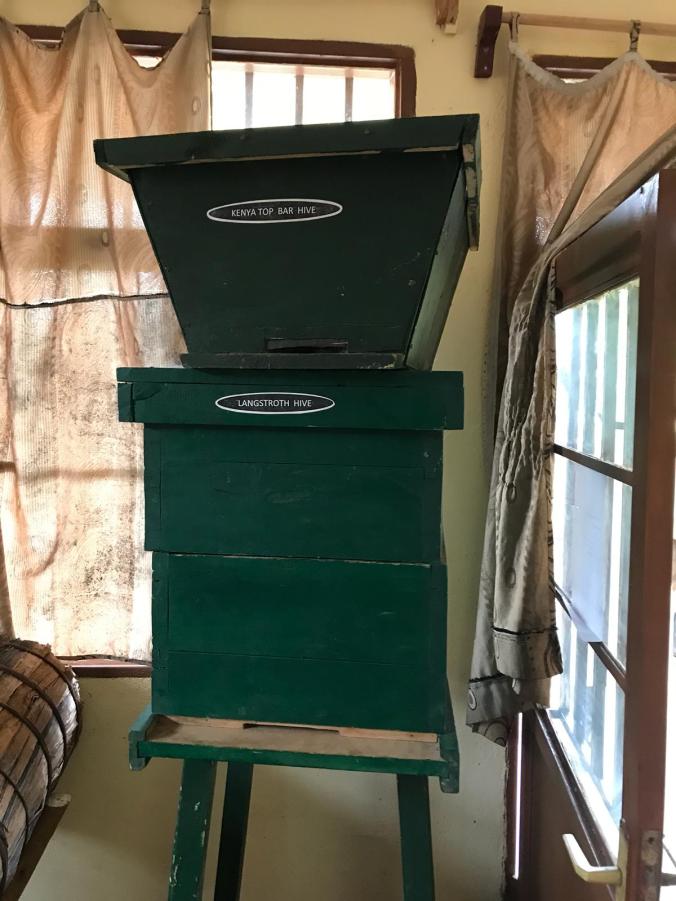
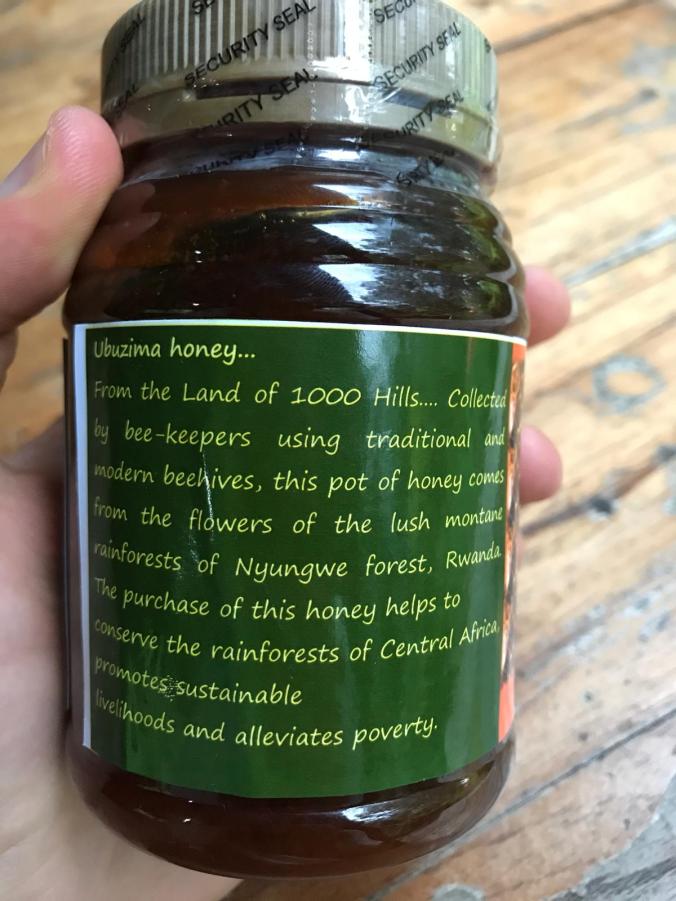
RwHoney1.jpeg

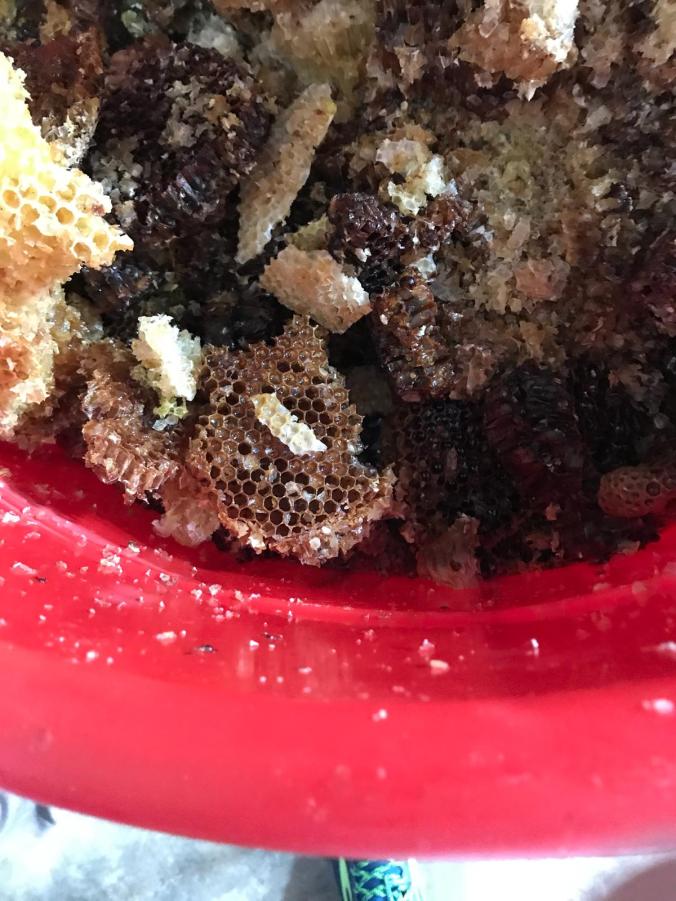
But of all the photos, the one that caught my eye was the one above, which I do not yet have an explanation for but it is in surrounded by the following photos which put it in some context.

RwHoney2.jpeg

That gives a hint.

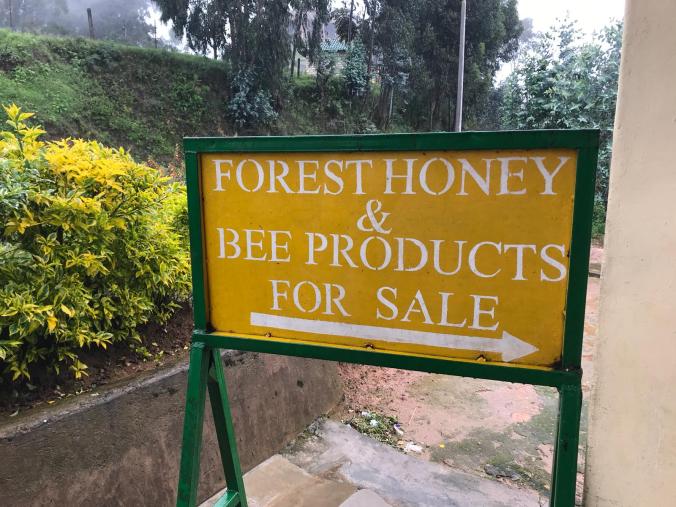
RwHoney3.jpeg

This answers the question.

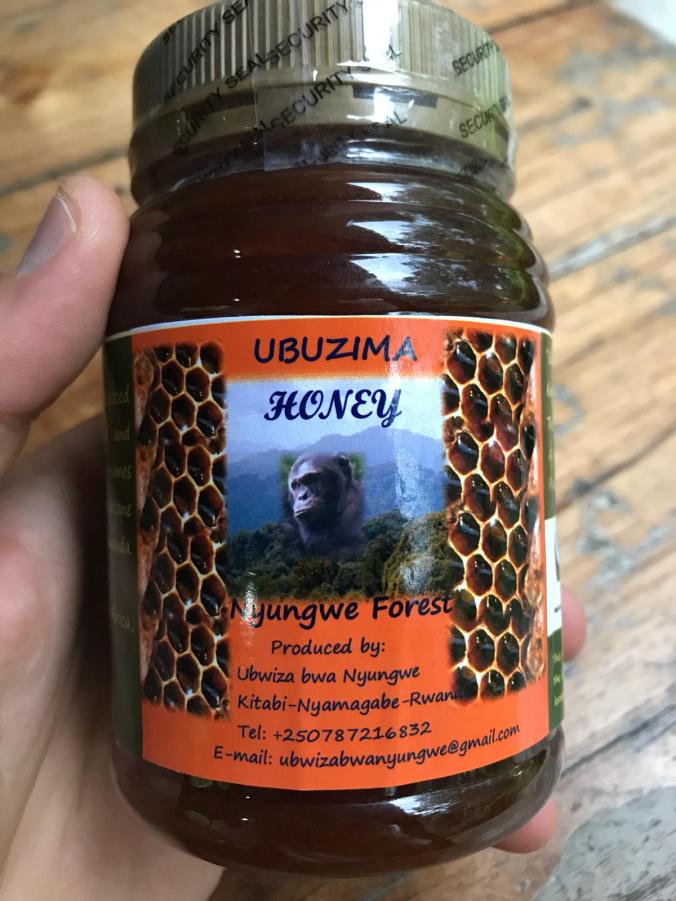
RwHoney4.jpeg

And this makes it crystal clear. Seth had already sent an image from an earlier field visit that he knew would catch my attention.

RwHoney5.jpeg

The origins of Organikos can be traced to a project I led in 2005 in Paraguay, where I had the idea that wild-hunted honey from the Pantanal region could share the taste of place with the world while at the same time providing much-needed cash infusion to the honey hunters and the protection of their wilderness areas. Seth knows that story and knows to send me photos of honey from wild places as a polite indication that the idea was a good one, if not original.

RwHoney6.jpeg

Everglades & Birds & Signals

macstone-4579.jpg

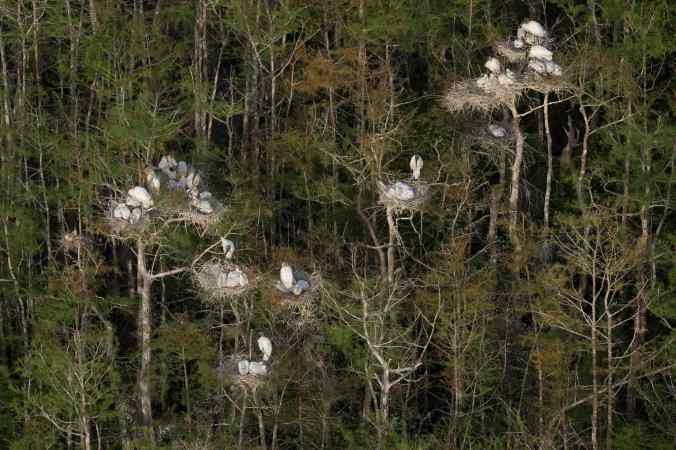
Wood Storks nesting in the Everglades. Photo: Mac Stone

Thanks to By Andy McGlashen, the Associate Editor of Audubon Magazine, for this bright spot on the horizon, a signal that long shot comebacks are possible:

Last Year’s Everglades Breeding Bonanza Was the Biggest in More Than 80 Years

An official report says that South Florida’s wading birds had an even better 2018 than we thought.

macstone-3430.jpg

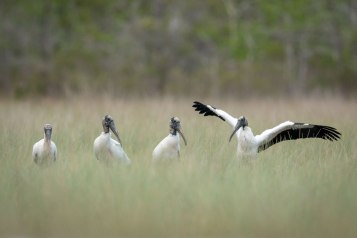
Wood Storks in the Everglades. Photo: Mac Stone

A year ago, Everglades scientists and environmentalists were ecstatic about what looked like a blockbuster breeding season for South Florida’s wading birds. Turns out, it was far better than those early estimates indicated. New data show that the region hosted its biggest colonies of waders in more than 80 years, offering a flashback to the historical Everglades and a glimpse of how the ecosystem again could look once restored.

All told, wading birds built 138,834 nests throughout South Florida, with 122,571 of them in the Everglades, according to an annual report released last week by the South Florida Water Management District. That’s about three and a half times the average for the past 10 years, making it the strongest nesting season since before the region’s hydrology was transformed with engineering projects that made development possible but also contributed to steep declines in wading bird numbers. Continue reading

Visual Notes From Rwanda

Rwanda1.jpeg

Seth is in Rwanda, and until now only one of his photos was posted here. His last written post on this platform was about a year ago, when he was preparing for graduate school, but since then dozens of his photographs have been shared here as bird of the day. I do not expect him to have time to share written description here of his work in Rwanda, so I will share some of the photos he is sending us.

Rwanda2.jpeg

I do not know where these places are, yet. But I hope to hear soon.

Rwanda3.jpeg

La Paz Group was part of a consortium a decade ago competing for a project, funded by USAID, to assist Rwanda’s government with planning for the future of nature-based tourism. Our proposal was not the winning proposal, so I did not have the chance to see the country in person. Yet. But based on these photos, I will.

Rwanda4.jpeg

My last long term assignment in Africa was in Ghana. My last prospecting for a long term assignment was in Ethiopia. Both of those countries are worthy of revisiting, and I intend to do so. But Rwanda has jumped to the top of the must visit list in Africa.

Rwanda5.jpeg

What is not visible in any of these photos is Seth’s encounters with wildlife. I have heard about gorillas, chimpanzees, colobus monkeys and plenty of bird species. He has sent pictures of wildflowers, mushrooms, ants. Not just any ants. Driver Ants! But for now, the bucolic natural and manicured landscapes are enough to convince me.

Rwanda6

Natural Surprises

20SCI-EARTHWORM1-jumbo.jpg

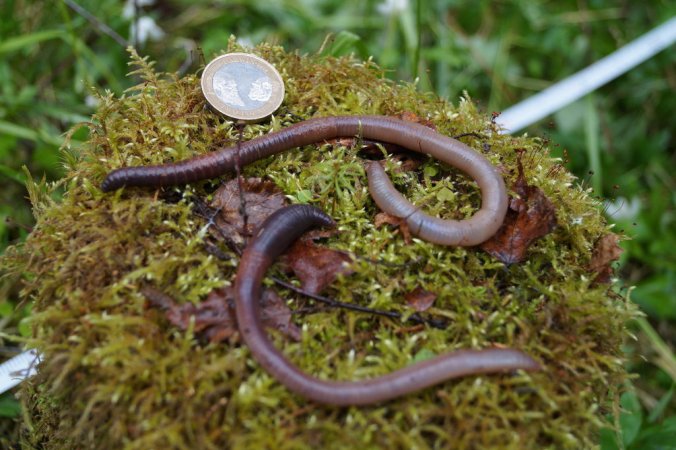
The world’s boreal forests have been largely earthworm-free since the last Ice Age. But as invaders arrive and burrow into the leaf litter, they free up carbon and may accelerate climate change. Cristina Gonzalez Sevilleja

In my daily scan for information related to the environment, I invariably learn something that surprises me. Like the fact that the earthworm, which provide valuable ecosystem services, can also represent danger on a global scale:

‘Earthworm Dilemma’ Has Climate Scientists Racing to Keep Up

Worms are wriggling into Earth’s northernmost forests, creating major unknowns for climate-change models.

merlin_154955766_b6ceb970-f27b-490d-af92-e524cd55451b-jumbo.jpg

Earthworms recently have spread to Alaska’s boreal forest. In some areas, the biomass of earthworms is 500 times greater than that of moose, a keystone species. Lance King/Getty Images

Cindy Shaw, a carbon-research scientist with the Canadian Forest Service, studies the boreal forest — the world’s most northerly forest, which circles the top of the globe like a ring of hair around a balding head.

A few years ago, while conducting a study in northern Alberta to see how the forest floor was recovering after oil and gas activity, she saw something she had never seen there before: earthworms.

“I was amazed,” she said. “At the very first plot, there was a lot of evidence of earthworm activity.”

Native earthworms disappeared from most of northern North America 10,000 years ago, during the ice age. Now invasive earthworm species from southern Europe — survivors of that frozen epoch, and introduced to this continent by European settlers centuries ago — are making their way through northern forests, their spread hastened by roads, timber and petroleum activity, tire treads, boats, anglers and even gardeners. Continue reading

Restoration, Inspiration & Conservation

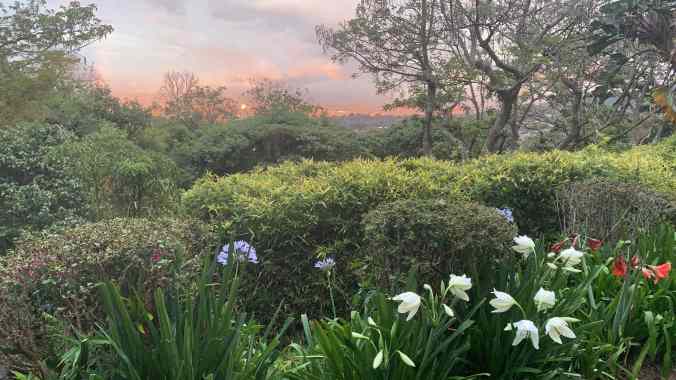
RestoreEscazu.jpg

Organikos has been described in these pages in relation to its commitment to treat nature respectfully and its aspiration to inspire. Above is land that will be restored to its previous condition as an arabica coffee plantation. It looks green enough, to be sure. And the trees are poro (Erythrina Poeppigiana), planted sometime in the previous century when the last coffee trees were planted. So that is encouraging. The agapanthas and lilies and the bushes and the bamboo are all lovely, but not as lovely as coffee. Coffee inspires.

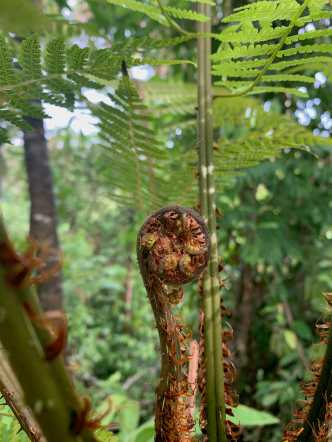
FernTree.jpgAnother type of inspiration altogether is the tree fern, a primordial plant. The one to the right was photographed a few days ago about 250 miles south of the photo above. It is in the restoration section of a large land holding belonging to Osa Conservation. Its location is important to me because it is where our company developed its first understood the deeper implications of our work.

This abundant stand of tree ferns with new shoots inspires because Osa Conservation has succeeded where others have not succeeded in getting these ancient plants to propogate. It inspires more broadly due to the success of the organization to protect the land in the region.

Carlos-Manuel-Uribe.jpg

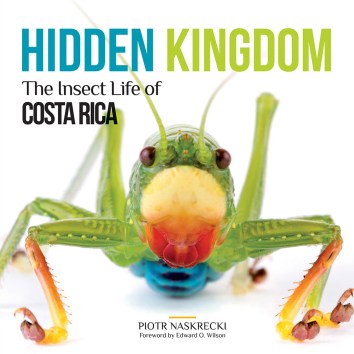
InsectBook.jpgOur team was in the Osa with some friends from Colombia who are in the process of planning the next stage of a large scale conservation initiative. They came to Costa Rica for inspiration on new methodologies for conservation, and they found what they were looking for in the Osa, most impactfully during their visit at Osa Conservation. That impact was on display at a book fair in the form of this gem of a book. You can be sure it will be on the shelf at Authentica, along with that coffee we keep mentioning.

The Other North American World Series

2400b.jpg

Keeping watch over a New Jersey lake. Photograph: Victoria Bekiempis

Thanks to Victoria Bekiempis for this inside look at the other North American world series:

130 species, 187 miles and lots of energy drinks: Inside the World Series of Birding

As the clock struck 12, the Meadowlands Marsh Hawks set out into the New Jersey night. But could they tally enough birds to beat their rivals?

1600 (2).jpg

The Meadowlands Marsh Hawks look for their next target. Photograph: Victoria Bekiempis

A white SUV ground to a stop near a sliver of New Jersey marshland, tires snarling against the gravel and sand access road. Three men – Christopher Takacs, David Bernstein, and Michael Wolfe – bounded out. Brine lingered in the moist air as they rushed forward on foot, traveling below an overpass. Reeds lined the lane, which was somewhere along the Hackensack River. Midges and ticks lurked in the dark as the trio waited for midnight. Takacs’ phone alarm chirped. It was finally midnight. As if on cue, something trilled in the near distance.

“There’s a shorebird calling!” one of the men said.

“And there’s his friend calling!” another said. Continue reading

Enjoying What We Have, Where We Have It

RadioHour-KarenRussell

Illustration by Golden Cosmos

Russell

Like you, or anyone, I need my refreshers on the wonders of nature after days on end of contemplating loss:

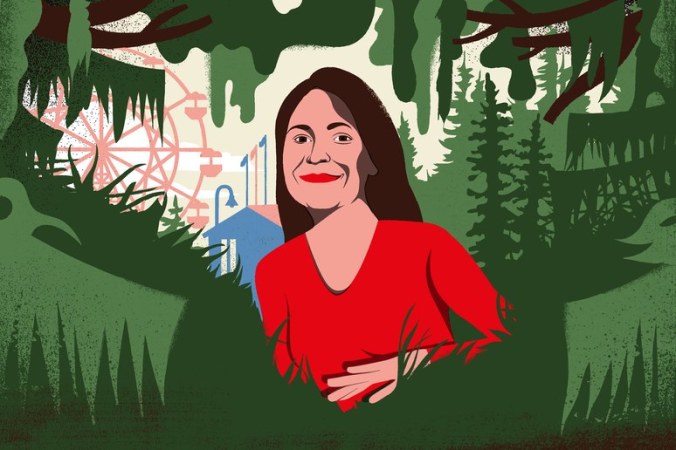
Karen Russell in a Real-Life Fairy-Tale Forest

The Florida writer finds a new sense of enchantment in her new home, on the Oregon coast, where the big trees are like characters out of Jim Henson.

What Is The Cost Of Extinction To You?

merlin_85350212_d2257703-c289-4df0-8998-7ed3b621f2ad-jumbo.jpg

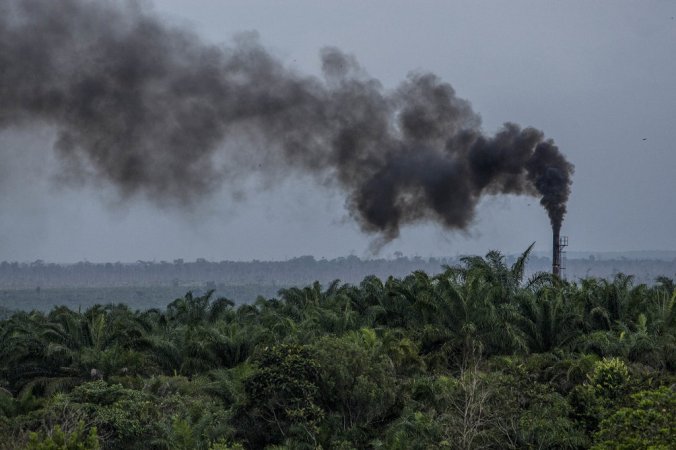
A palm oil plantation in Riau province, Sumatra, Indonesia. Ulet Ifansasti/Getty Images

One more on the same topic of recent days, last for a while I promise:

To Tell the Story of Biodiversity Loss, Make It About Humans

The authors of a sweeping United Nations report on species in danger of extinction faced the same question I often do in reporting: Why should anyone care about the loss of nature?

On Monday, I wrote about a sweeping new United Nations report warning that humans were destroying Earth’s natural ecosystems at an “unprecedented” pace.

The findings were sobering: Millions of acres of wetlands and rain forests are being cleared away. As many as one million plant and animal species are now threatened with extinction because of farming, poaching, pollution, the transport of invasive species and, increasingly, global warming. Almost everywhere you look, nature is vanishing before our eyes.

But the report, which was written for world leaders and policymakers, also wrestled with some big questions: Why should anyone care about the loss of nature? Why should countries take drastic steps, as the report urges, to halt the decline in biodiversity? Continue reading

Reminders Of Fragility Are Welcome

190520_r34350web.jpg

Illustration by João Fazenda

I really meant it, I do not tire of the constant bracing reminders:

Climate Change and the New Age of Extinction

People easily forget “last of” stories about individual species, but the loss of nature also threatens our existence.

The first documented extinction of 2019 occurred on New Year’s Day, with the death of a Hawaiian tree snail named George. George, who was about an inch long, had a grayish body, grayish tentacles, and a conical shell striped in beige and brown. He was born in captivity, in Honolulu, and had spent his unassuming life oozing around his terrarium, consuming fungi. Researchers with Hawaii’s forestry department had tried to find a partner for him—George was a hermaphrodite, but he needed a mate in order to reproduce—and when they couldn’t they concluded that he was the last of his kind, Achatinella apexfulva. A few days after he went, presumably gently, into that good night, the department posted a eulogy under the heading “farewell to a beloved snail . . . and a species.” “Unfortunately, he is survived by none,” it observed. Continue reading

How Do You Define Too Late?

TNY-McKibbenKolbertUNReport.jpg

“The problem with climate change is that it’s a timed test,” the writer Bill McKibben says. “If you don’t solve it fast, then you don’t solve it.” Photograph by S. E. Arndt / Picture Press / Redux

I have been reading the reviews, and interviews with the authors of this and two other important recent books covering similar territory. I have stopped worrying about overkill, because this is overkill territory. You cannot get too much perspective on this; the worry is too little, too late:

McKibKolbert.jpg

Bill McKibben and Elizabeth Kolbert on the U.N. Extinction Report

While the political tide could be turning on climate change, both writers worry that it is too late.

After years of languishing far down the list of voters’ priorities—for Democrats and even more so for Republicans—the desire for action on climate change has brought this issue to the top of many voters’ concerns, according to a CNN poll. Now Presidential candidates are competing to establish themselves as leaders on the issue, while children are making headlines for striking from school.

Bill McKibben, whose book “The End of Nature” brought the idea of global warming to public consciousness thirty years ago, tells David Remnick that the accumulation of weather catastrophes—droughts, wildfires, floods—may have finally made an impact. McKibben joined Elizabeth Kolbert in a conversation about the U.N.’s new report on species extinction. It finds that a million species could become extinct within a few decades, and that human life itself may be imperilled. While the political tide could be turning, both worry that it is too late. Continue reading

Better Fruit For Harsher Realities

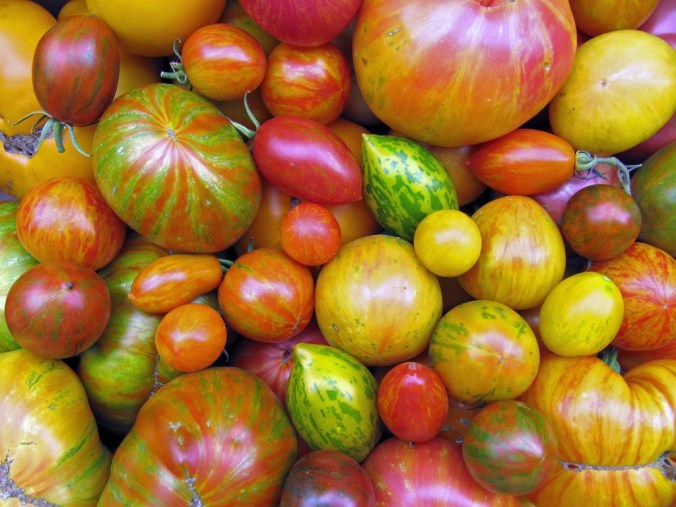
Mr. Gates sells about 60 of his own open-pollinated varieties, many with especially bright colors and unusual shapes, and shares growing tips online. Credit Wild Boar Farms

From our perspective, many agricultural “developments” deserve quotations. The Agricultural Industrial Complex of Monsanto and their ilk more frequently serve to further their own economic gain rather than preserve species or better the health and livelihoods of the farmer or consumer.

Preserving the genetics of fruit and vegetable species down to their paleo-botanical ancestry is an entirely different story, and may be our best chance to overcome the obstacles of harsher and harsher weather conditions.

Reinventing the Tomato for Survival in a Changing World

Like other small farmers and researchers, Brad Gates is trying to ensure a future for the tomato by breeding hardier varieties and persuading more Americans to grow their own.

NAPA, Calif. — In a borrowed van, Brad Gates of Wild Boar Farms sped south on Interstate 680 with hundreds of fuzzy tomato seedlings bumping around in the back, their trembling leaves, warmed by the sun, filling the cab with the smell of summer. It was one of a half-dozen deliveries on his to-do list.

Born and raised in Northern California, Mr. Gates has been organically farming tomatoes in the region for 25 years, working on small leased plots and introducing new varieties with cult followings, like the dark, meaty Black Beauty and the striped, rosy-pink Dragon’s Eye.

For most of that time, he sold his tomatoes to top restaurants, including Chez Panisse in Berkeley. But a few years ago he completely rethought his work. Galvanized by climate change, he joined a growing number of farmers who are trying to find a future for their threatened crops — in his case, the queen of the farmers’ market.

As Mr. Gates bred tomatoes, he noticed that many of his orange and yellow varieties were unusually heat-tolerant. Credit Wild Boar Farms

Mr. Gates now grows thousands of tomato plants each year, selling the young ones to local shops and the seeds all over the country through his website and catalogs, encouraging people to grow their own at home. He believes that the tomato’s survival and continued deliciousness depend on the plant’s diversity, and he considers breeding hardy, cold-tolerant and heat-tolerant varieties an essential part of his work — not just to provide food, but also to expand the number of places where the plant can flourish. Continue reading

David Wallace-Wells Explains Himself

Wallace-WellsI have recommended episodes of the Longform Podcast plenty of times, because its guests invariably help us appreciate clear explanation, especially for the better understanding of danger. Today’s recommendation is in the spirit of that last consideration, to put it mildly. But it is also a very personal explanation of how he came to this task, and how it sits with him.

Global Big Day 2019

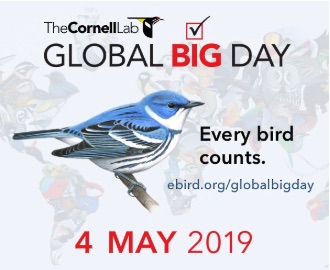
GBD2019.jpgWhen we first became aware of Global Big Day it was just a week in advance of the first such event, and we scrambled to have the properties we managed in India do their part. A total of 253 countries participated that first year and at first glance it would seem dispiriting to realize that many fewer countries have participated since then: in 2016 the count dropped to 159; then in 2017 there were 163; last year there were 171; and this year 168 (recorded so far).

However, by other metrics spirits are easily lifted. I have focused only on one such metric, which is how many checklists were completed. This year’s totals are not in yet, but if you tally each prior year, the number of participants in this event has increased dramatically year on year. Last year there were nearly 30,000 more checklists than there were in 2015. Of course having more countries participate would be better. But having more people participating in all those other countries is a very good sign indeed.

An Unusual Book Of Birds

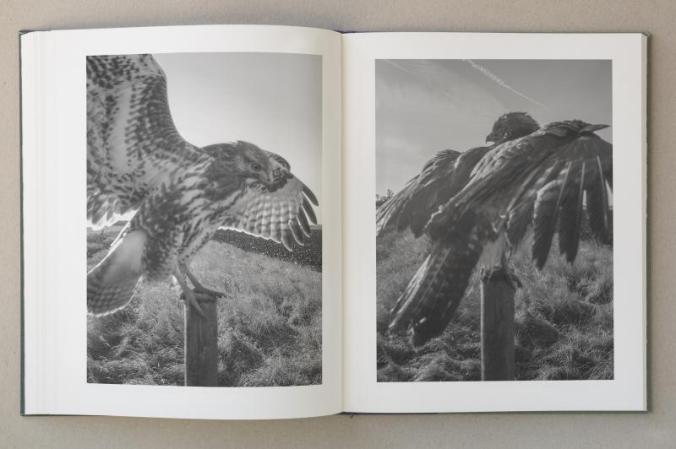
181031_sg_the-pillar_mockup_spread2_medium

Thanks to Karl Ove Knausgaard, whose books I have read about but never read, this book above came to my attention with the photo below featured under the review’s title on the New Yorker website.

To Be a Bird

The photographs in Stephen Gill’s “The Pillar” encounter birds on their own terms.

knausgaard-birds07.jpg

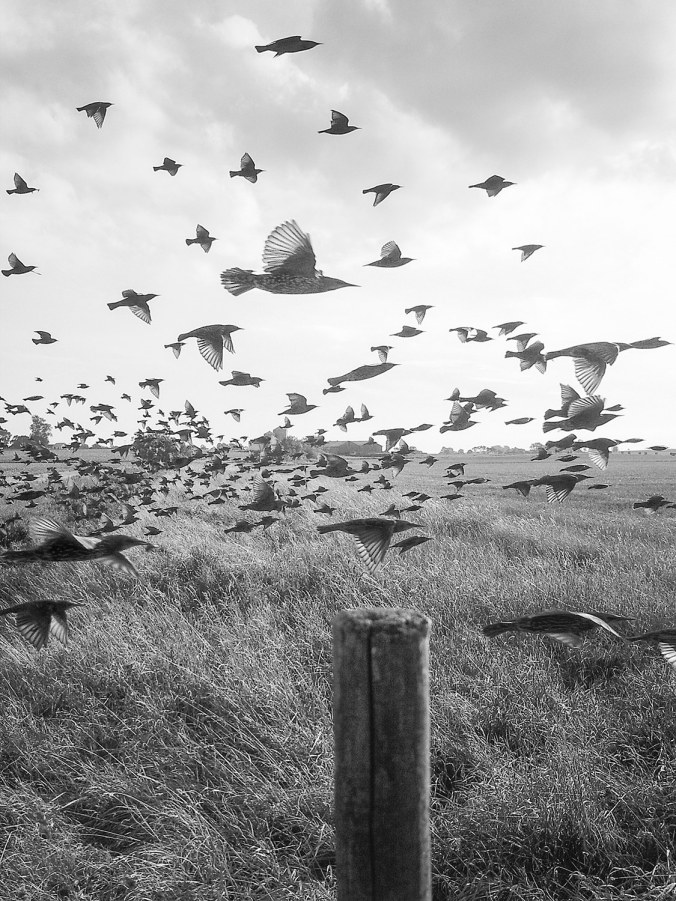
A pillar knocked into the ground next to a stream in a flat, open landscape, trees and houses visible in the distance, beneath a vast sky. That is the backdrop to all the photographs in Stephen Gill’s book “The Pillar.” We see the same landscape in spring and summer, in autumn and winter, we see it in sunshine and rain, in snow and wind. Yet there is not the slightest bit of monotony about these pictures, for in almost every one there is a bird, and each of these birds opens up a unique moment in time. We see something that has never happened before and will never happen again. The first time I looked at the photographs, I was shaken. I’d never seen birds in this way before, as if on their own terms, as independent creatures with independent lives.

knausgaard-birds11.jpg

The review got me to seek out the book to see what it looks like; the picture at the very top and the ones below are what I found:

181031_sg_the-pillar_mockup_spread3_medium.jpg

10180249_grande.jpgI see from these pages what the reviewer describes, and to the right is what appears to be the cover of the book:

What was shocking about it was that I already felt familiar with birds, as I imagine most people do, since we can hardly go anywhere without being surrounded by them in one way or another.Here, where I’m sitting, in London, if I turn my head and look out of the glass doors, two, perhaps three seconds will go by before a bird passes over the trees and rooftops. Continue reading

Audubon Honors Women Of Birding World

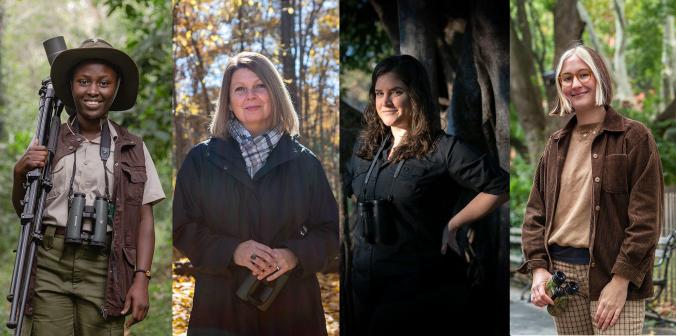
web_feminist_.jpg

From left: Judith Mirembe, Kimberly Kaufman, Leticia de Mello Bueno, Molly Adams. Photos, from left: Esther Ruth Mbabazi, Camilla Cerea/Audubon, Jayme Gershen, Eva Deitch

It would never have occurred to me to think about this, but I am fine with the surprise:

When Women Run the Bird World

For decades female birders have been the silent majority. Now they’re starting their own movements to transform a privileged culture.

On the surface, birding might seem like neutral ground—an activity that any curious, nature-loving person can enjoy, regardless of age or gender. Go on a hike with your local ornithological club and at least half the attendees will be women. Circle the marsh with your binoculars and you’ll probably see a woman doing the same.

But female birders don’t always feel comfortable in the field, even with the rising awareness around #MeToo. Many of us keep on despite frequent put-downs and hostility, enduring dismissive comments about our knowledge and in the worst cases, sexual harassment. I’ve had men touch my hips to correct my perfectly fine birding stance. A ranger at a national wildlife refuge winked and told me about his “big, loaded gun.” My friends have been propositioned in parks and stalked by drivers along country roads. Not even a 16-year-old can bird in peace without commenters attacking her abilities and life list.

Like most matters of importance, women have been integral to birding from the get-go. Female ornithologists drew attention to avifauna in the late 1800s, and suffragists helped the movement take off in the early 1900s. Today, 42 percent of U.S. birders identify as women. Personally, female birders have run my world ever since I picked up a field guide in college. My ornithology professor was a woman. My boss at Audubon is a woman, as are most of my colleagues throughout the office. My birding circle is mainly members of the Feminist Bird Club.

And yet men have the loudest voices and the most power in the industry. The closer you get to the top of the birding, conservation, and academic ranks, the more the gender balance tips. At Audubon, for instance, the executive staff is 75 percent male, and the organization has never had a female president in its 114 years. This pattern persists industry wide. Men hold the highest positions at the American Birding Association, the Cornell Lab of Ornithology, and the American Bird Conservancy. They dominate bookshelves, festivals, competitions, and gear and travel ads. They build their reputations and livelihoods around the practice and reap the greatest profits…

And the feature immediately after continues the theme with the first of five substories:

web_jkg_0450

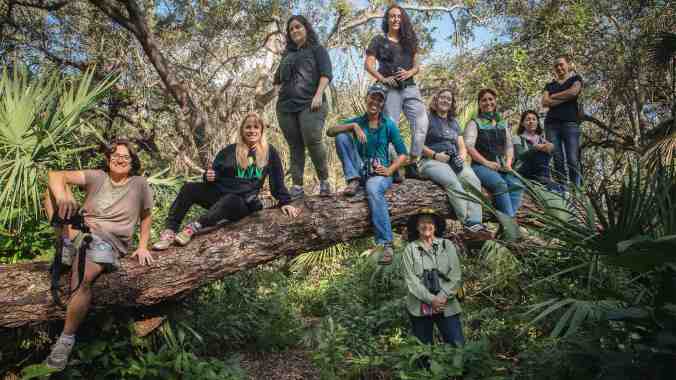
The Phoebes, a female-centric birding group formed by members of the Tropical Audubon Society. Photo: Jayme Gershen

Birding for Solidarity: The Phoebes

Eight women decided they had enough of the sport’s competitiveness, so they created a community to lift their sisters up. Continue reading

Aana Art Equaling Life-Sized Conservation

Elephants have held highest honors in our family for decades, as symbols for the importance of Nature Conservation, and later infused with the power of Ganesh when we lived in India.

Elephant conservation has taken many forms over the years. When writing about the recent Real Elephant Collective collaboration exhibit that took place in Cochin a few months ago, I realized that art installations using elephants as symbols for big picture conservation have existed for some time.

Having been unable to attend the exhibit personally, Anoodha and the Curiouser team make me feel that I was there.


A Game of Arboreal Chess Against Climate Change

Illustrations by Andrew Khosravani

Those familiar with this site know that climate change denial would find difficult footing; no leap of faith is required to take it as scientific fact. We appreciate the following examples of learning from recent history of forest collapse and planning for environmental changes accordingly.

Can Humans Help Trees Outrun Climate Change?

SCITUATE, R. I. — Foresters began noticing the patches of dying pines and denuded oaks, and grew concerned. Warmer winters and drier summers had sent invasive insects and diseases marching northward, killing the trees.

If the dieback continued, some woodlands could become shrub land.

Most trees can migrate only as fast as their seeds disperse — and if current warming trends hold, the climate this century will change 10 times faster than many tree species can move, according to one estimate. Rhode Island is already seeing more heat and drought, shifting precipitation and the intensification of plagues such as the red pine scale, a nearly invisible insect carried by wind that can kill a tree in just a few years.

The dark synergy of extreme weather and emboldened pests could imperil vast stretches of woodland.

So foresters in Rhode Island and elsewhere have launched ambitious experiments to test how people can help forests adapt, something that might take decades to occur naturally. One controversial idea, known as assisted migration, involves deliberately moving trees northward. But trees can live centuries, and environments are changing so fast in some places that species planted today may be ill-suited to conditions in 50 years, let alone 100. No one knows the best way to make forests more resilient to climatic upheaval.

These great uncertainties can prompt “analysis paralysis,” said Maria Janowiak, deputy director of the Forest Service’s Northern Institute of Applied Climate Science, or N.I.A.C.S. But, she added, “We can’t keep waiting until we know everything.” Continue reading

Nature Is In Our Hands

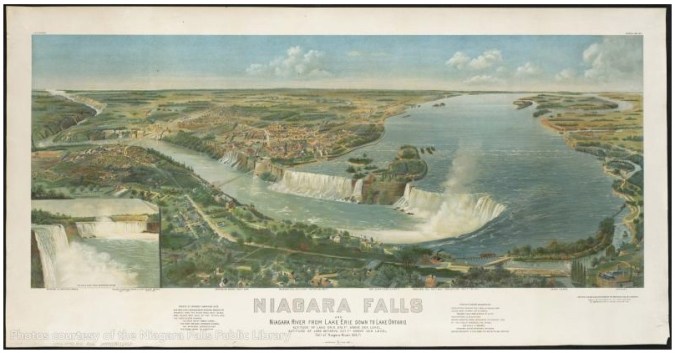
Niagara

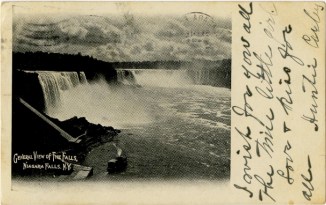
NiagaraPostcard.jpgBefore moving to Costa Rica in the mid-1990s I was working for a few years at a desk with images like the one above taped to the walls around the desk, and postcards from the previous century, like the one to the right, scattered about for inspiration.
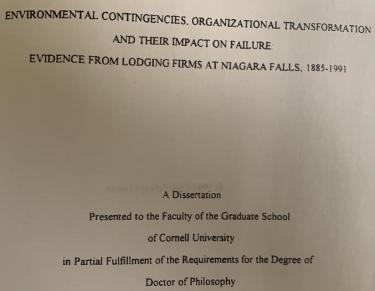
Inman1.jpegOn the desk were drafts of a dissertation whose summary, on page 131, states: “…the results of the first hypothesis suggest that lodging firms in a tourism destination, such as Niagara Falls, should be directly involved with the strengthening and support of the institutional environment in which they operate.”

In other words, if you benefit from nature for your livelihood one of your best investments will be in building and strengthening institutions that protect nature. It may now sound like stating the obvious, but Nobel laureate economists made claims to the contrary that were treated as gospel truth twenty five years ago.
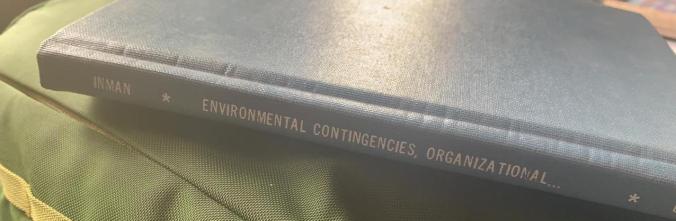
InmanDiss.jpeg

So 132 pages, not including bibliography, were used to make the point. Ever since, members of our team have wondered whether it could be summed up more simply. Meeting recently with graphic designers to discuss how to communicate more effectively about Organikos, we think now maybe the answer is yes.
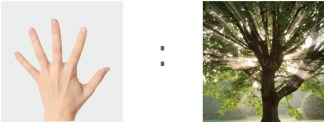
Hand+TreeWhen we saw this hand and tree side by side in that meeting, we had a reaction that was related to what the graphic designer intended, but not exactly.

Hand+ OrganikosWhatever his precise intent was, someone’s mouth opened and blurted out: Yes! Nature is in our hands. And so we have come upon a way to say a little more simply what Organikos means in addition to what Organikos does.