For Ocean Conservation, Focus On Scientifically-Driven Decisions

merlin_135772488_b42241fe-633d-46e4-aa00-8913cd80255e-master768

Nathaniel Russell

Our favorite stories on conservation challenges–whether marine or terrestrial–are those that highlight entrepreneurial approaches. Those stories, though, have multiple counterparts related to government approaches to conservation. In our many celebrations of various forms of ocean conservation, we have probably tended to favor quantity and scale more than emphasizing the value of science. Guilty as charged, but ready to remedy:

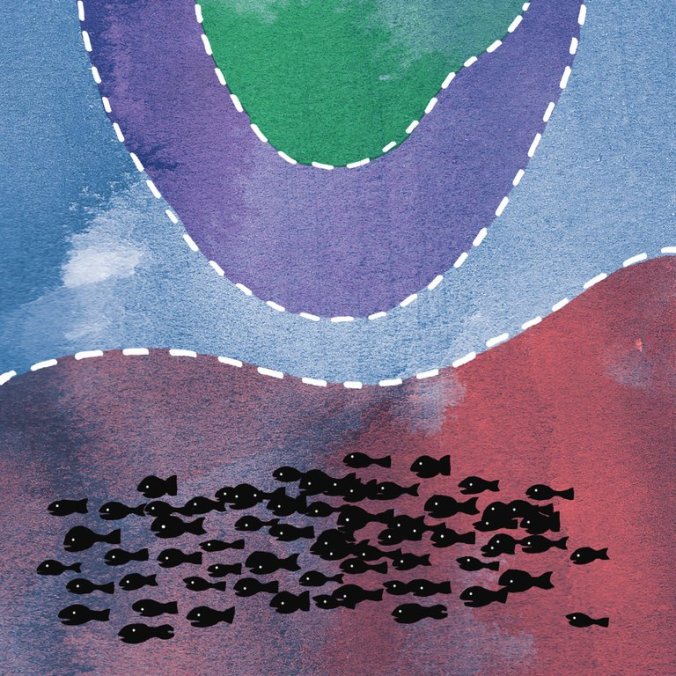
Bigger Is Not Better for Ocean Conservation

SAN FRANCISCO — I have spent my entire life pushing for new protected areas in the world’s oceans. But a disturbing trend has convinced me that we’re protecting very little of real importance with our current approach.

From Hawaii to Brazil to Britain, the establishment of large marine protected areas, thousands of square miles in size, is on the rise. These areas are set aside by governments to protect fisheries and ecosystems; human activities within them generally are managed or restricted. While these vast expanses of open ocean are important, their protection should not come before coastal waters are secured. But in some cases, that’s what is happening.
Continue reading

Pomology, Diet & Trade

00IMPORTS-superJumbo

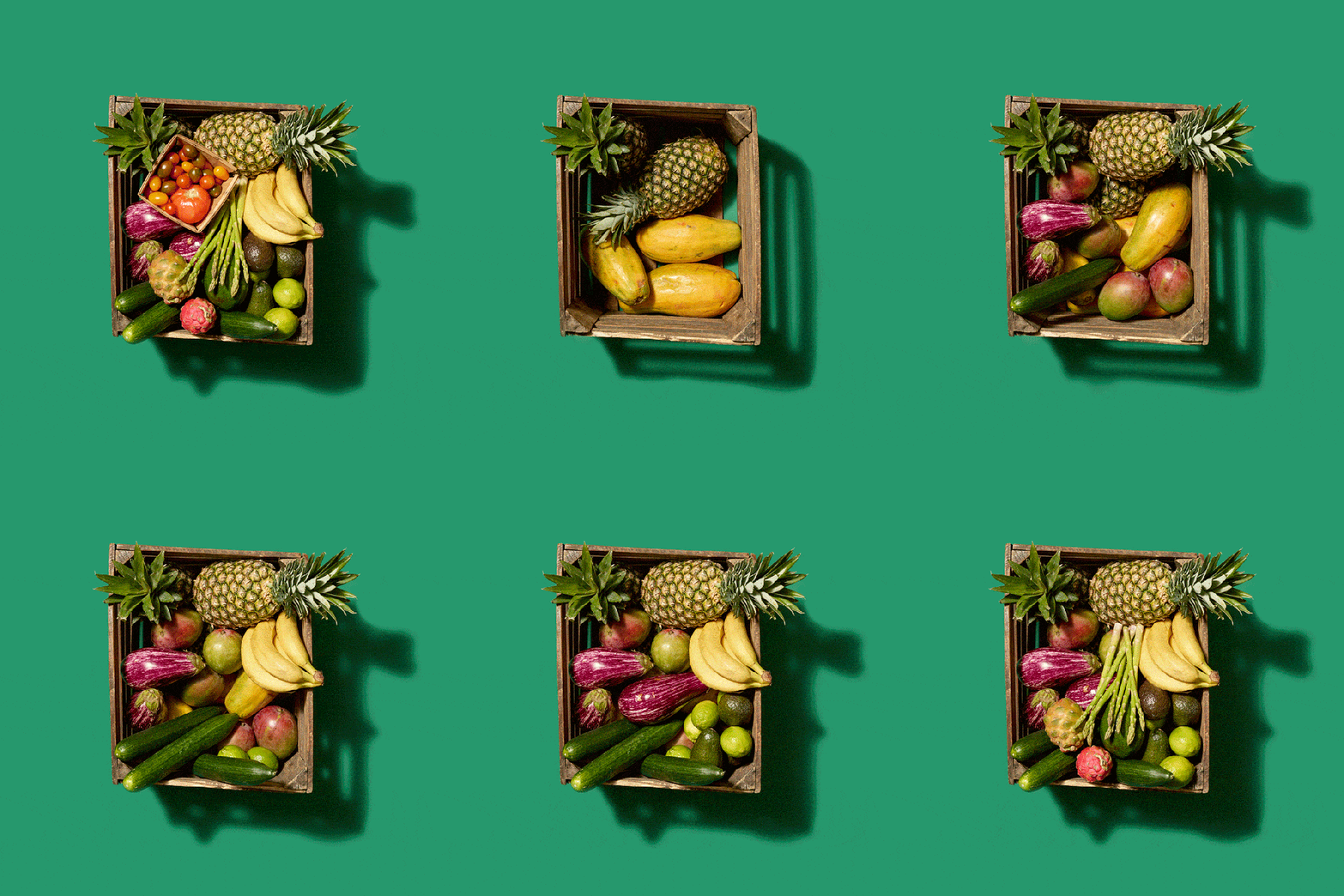
More than half of the fresh fruit and almost a third of the fresh vegetables Americans buy now come from other countries. Credit Jens Mortensen for The New York Times; Styled by Mariana Vera

David Karp, no not that David Karp, is in our distant memory recalled as The Fruit Detective, and we had lost track of him until today. Thankfully, he is still pomologizing:

Most of America’s Fruit Is Now Imported. Is That a Bad Thing?

It’s obvious to anyone who visits an American supermarket in winter — past displays brimming with Chilean grapes, Mexican berries and Vietnamese dragon fruit — that foreign farms supply much of our produce.

14imports2-master180

Although local, seasonal and farm-to-table are watchwords for many consumers, globalization has triumphed in the produce aisle. Credit Jens Mortensen for The New York Times

Imports have increased steadily for decades, but the extent of the change may be surprising: More than half of the fresh fruit and almost a third of the fresh vegetables Americans buy now come from other countries.

Although local, seasonal and farm-to-table are watchwords for many consumers, globalization has triumphed in the produce aisle. And despite the protectionist “America First” message coming from the Trump administration, the growth in imports appears likely to continue.

So this is an apt moment to examine how the shift happened, and what it portends — good or ill — for American consumers and farmers.

“I had no idea that more than half our fruit is imported, and it shocks me that this has happened so quickly,” said Michael Pollan, a professor of journalism at the University of California, Berkeley, whose best-selling books have analyzed the tensions between local and global food systems. Continue reading

Spying on Birds

“So, like, what do you do every day?”

I get asked this often and I’m not always sure how to explain it to people without pictures at hand or infinite patience for follow-up questions. So, in this blog post, with the benefit of time to pick the right words and theoretically infinite space to write them out, I figured I would try to provide an adequate answer.

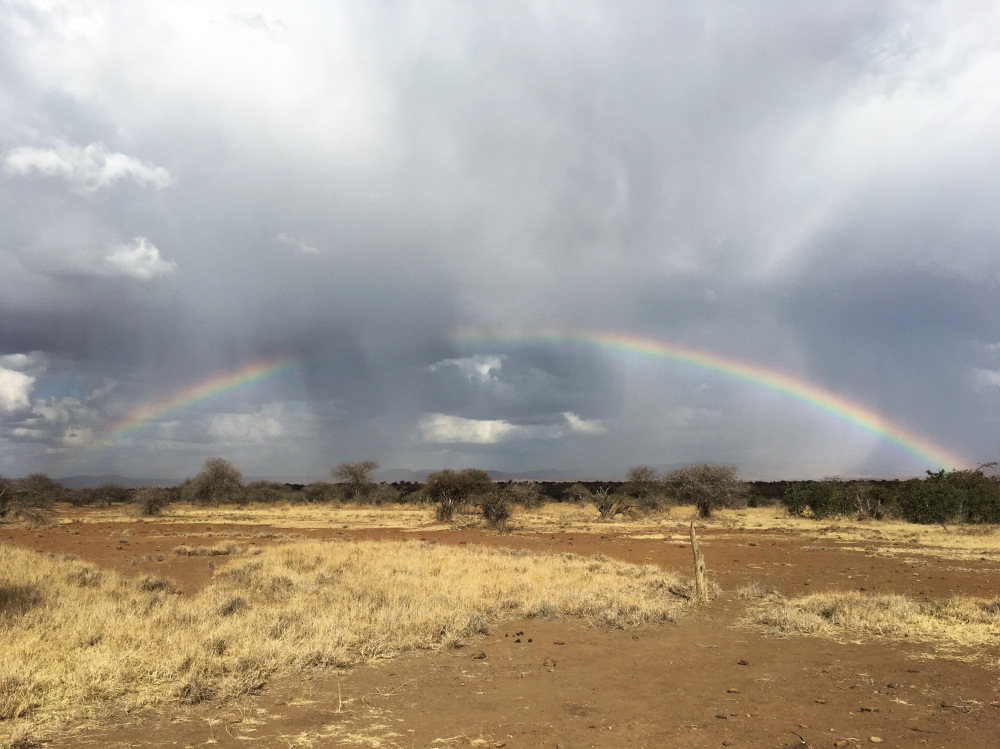
View from the field, a week or so ago

Why fieldwork?

This, I feel, is the question at the crux of the what-do-you-do-every-day question. Why do you have to go to Kenya to do your work? Right, the bird you study is only found there, but why do you have to be out on the savanna everyday – can’t you just bring the birds back to the lab or study them in a zoo?

Of course, you can (nowadays, only with the right permits) and that is precisely what early zoologists did, collecting specimens – alive or dead – from around the world and bringing them back to examine them under microscopes or in aviaries in a rainy British country garden. While this may be convenient, it inevitably renders your conclusions about a bird’s diet or the adaptive nature of its plumage coloration suspect, because they are arrived at out of context. Without the bird having been examined in the environment it’s found in, with different factors that might affect its behavior and morphology in play, it is impossible to understand why it acts the way it does and why it is the way it is. Hence, fieldwork: observing and sampling critters in the wild. Continue reading

Evolution Never Fails To Surprise

lead_960 (15)

Kauai, Hawaii. Suzanne Cummings / Getty Images

We never think of evolution as particularly predictable. Surprising, yes. Awesome, yes. Predictable? Well, we love science for that reason, but still do not associate evolution with predictability. Thanks to Ed Yong, who enjoys making provocative statements that draw his reader in, for making evolution surprising in a new way:

Hawaii: Where Evolution Can Be Surprisingly Predictable

On each Hawaiian island, stick spiders have evolved into the same basic forms—gold, white, and dark. It’s a stunning example of how predictable evolution can be.

60fe627b0.jpg

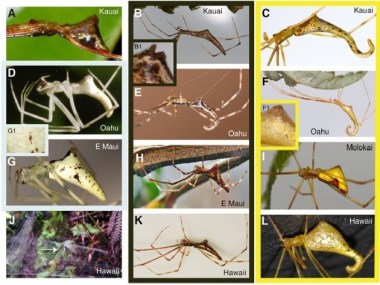
Examples of white, dark, and gold species of stick spiders on various Hawaiian island. The top-left species is the most ancestral of them all. (Rosemary Gillespie et al.)

Most people go to Hawaii for the golden beaches, the turquoise seas, or the stunning weather. Rosemary Gillespie went for the spiders.

Situated around 2,400 miles from the nearest continent, the Hawaiian Islands are about as remote as it’s possible for islands to be. In the last 5 million years, they’ve been repeatedly colonized by far-traveling animals, which then diversified into dozens of new species. Honeycreeper birds, fruit flies, carnivorous caterpillars … all of these creatures reached Hawaii, and evolved into wondrous arrays of unique forms. Continue reading

The Wisdom Of Wolves

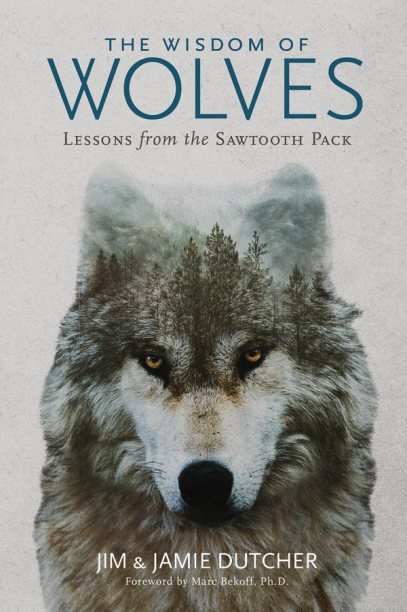
WisdomofWolvesCover.600x900.jpgWe first heard of the book here, so thanks to Public Radio station WNYC. However, in the blurb for the podcast interview with the authors, the link to the book went directly to Amazon. Must it forever more be so? Hope not.

So, click the image to the left to go to the actual source of the book, which seems a more worthy place to consider purchasing it, even though here too they give you the option to buy on Amazon. But there is a slight favoring of the publisher, National Geographic, in the purchase options. Here’s what they say:

CURIOSITY. COMPASSION. FAMILY FIRST.

After living among the wolves of The Sawtooth Pack for years, Jim and Jamie Dutcher present a new book, The Wisdom of Wolves: Lessons from the Sawtooth Packproviding groundbreaking observations of their unique experience.

As strong, and just as immediately recognizable as the ties that unite a human family, the emotional bonds shared among wolves are far more complex than ever realized, and now are detailed in this exceptional book. Continue reading

Rewilding In New Jersey

It has been some time since we featured a story on rewilding, which occasionally involves iconic urban areas. New Jersey may not sound iconic, but it is the home to one of the masters of long form so we are happy to share this late great masterpiece of his:

Direct Eye Contact

The most sophisticated, most urban, most reproductively fruitful of bears.

Improbably, I developed a yearning, almost from the get-go, to see a bear someday in the meadow. While I flossed in the morning, looking north through an upstairs bathroom window, I hoped to see a bear come out of the trees. If this seems quixotic, it was. This was four miles from the campus of Princeton University, around which on all sides was what New Yorkers were calling a bedroom community. Deer were present in large familial groups, as they still are in even larger families. They don’t give a damn about much of anything, and when I walk down the driveway in the morning to pick up the newspaper I all but have to push them out of the way. Beforehand, of course, I have been upstairs flossing, looking down the meadow. No bears. Continue reading

When Edward O. Wilson Has Something To Say In Writing, Reading It Is A Top Priority

04wilson-master768

Credit Jillian Tamaki

Edward O. Wilson invariably focuses our attention on the planet in new and interesting, not to mention critically important, ways. Here he goes again, and the supporting graphics, highly informative maps, alone are worth the read:

The 8 Million Species We Don’t Know

The history of conservation is a story of many victories in a losing war. Having served on the boards of global conservation organizations for more than 30 years, I know very well the sweat, tears and even blood shed by those who dedicate their lives to saving species. Their efforts have led to major achievements, but they have been only partly successful.

The extinction of species by human activity continues to accelerate, fast enough to eliminate more than half of all species by the end of this century. Unless humanity is suicidal (which, granted, is a possibility), we will solve the problem of climate change. Yes, the problem is enormous, but we have both the knowledge and the resources to do this and require only the will. Continue reading

Finn The Wonder Dog, And Other Introduced Species

KarenAndrew_Finn-1-1260x708

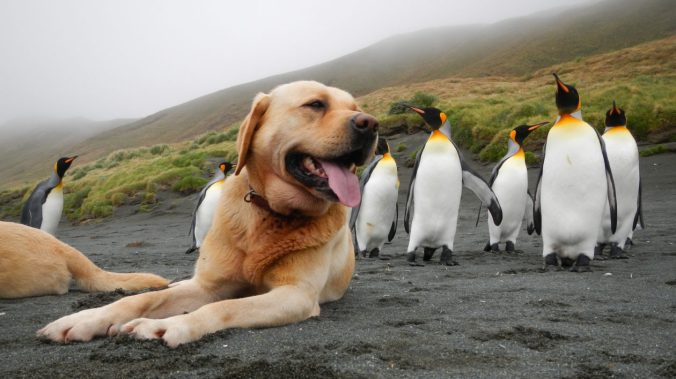
Finn the Wonder Dog on Macquarie Island with king penguins. Photo © Karen Andrew/New Zealand Department of Conservation

Thanks to Ted Williams at Cool Green Science for this article about the eviction of an invasive species in a remote location with charismatic species both native and introduced:

16051893298_01a0a7f12f_k-1260x708.jpg

Choros Field Work. Photo © Island Conservation

Early in the 20th century settlers on the islands of Chañaral and Choros off northern Chile had a brainstorm: They’d create a ready supply of fresh meat by unleashing European rabbits.

It worked out as well as rabbit introduction in Australia. Continue reading

A Pro-Environment Form Of Apartheid

4928

Jonathan Watts, over at the Guardian, has this news:

Britain and Europe must ban palm oil in biofuel to save forests, EU parliament told

Forest peoples affected by plantations urge EU to enact ban despite diplomatic opposition

If Britain and other European nations are to fulfil forest protection goals, they must ban the use of palm oil for biofuel and tighten oversight of supply chains, a delegation of forest peoples told parliamentarians this week.

The call for urgent, concrete action comes amid an increasingly heated diplomatic row over the issue between the EU and the governments of major palm-producing nations such as Indonesia, Malaysia and Costa Rica.

The European parliament voted last April to prohibit sales of biofuels made from vegetable oils by 2020 in order to meet its climate goals. This was followed by a related vote last month. Whether and how this might be implemented is now being considered by the European Commission and member states.

Continue reading

Bats Are More Important Than You May Realize

Sullivan-A-Fatal-Disease-Ravaging-Americas-Bats

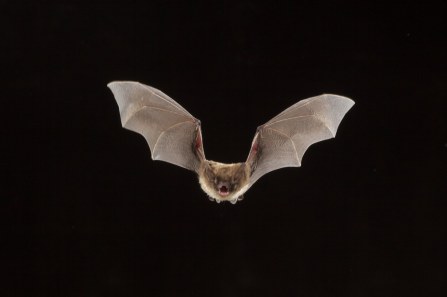
Since white-nose syndrome was first identified, just twelve years ago, it has spread to thirty-one states. The consequences—for bats, humans, and the U.S. economy—could be disastrous. Photograph by Michael Durham / Minden Pictures / Getty

Once you see the photo to the left, more than likely you will bypass this post. We have found this over dozens of occasions when we have posted about this animal. But think twice; read this first (thanks to J. R. Sullivan, an editor for Men’s Journal writing on the New Yorker website):

Late last summer, the biologist Mark Gumbert began flying over the farmlands of Iowa, looking for bats. As the animals foraged and moved through the night, he followed from above, circling the rivers and fields in his single-engine Cessna 172, trying his best not to lose the signals from their transmitters. Over the past decade or so, Gumbert has pioneered the study of bat migrations using radio telemetry, a method of wildlife tracking typically reserved for caribou, moose, and other big game, which tend to travel at moderate speeds. “A wolf running across the ground can move pretty quick, but they’re not going to run all night,” Gumbert told me recently. A bat, on the other hand, can be nearly impossible to trail on foot or by truck. Gumbert and his team at Copperhead Environmental Consulting were the first to observe an entire migration from the air, and they have since conducted surveys in New York, North Carolina, Ohio, Tennessee, West Virginia, and elsewhere. But the project that brought Gumbert to Iowa was unlike any he had undertaken before—tracking the northern long-eared batMyotis septentrionalis, a species that is among those most threatened by a dangerous fungal disease called white-nose syndrome. Continue reading

Coffee, Birds & India Forever

merlin_133986233_bd3304d6-db53-4670-b4fa-812f01167101-master675.jpg

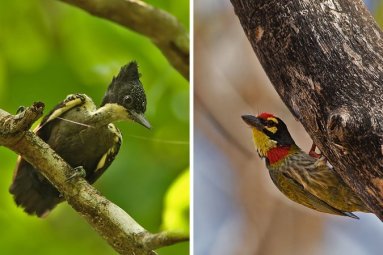
Ah, our favorite trifecta of the 2010-2017 era: coffee and birds and India! (Not to mention that the 2 species of birds featured in the article have graced this site in our Bird of the Day feature!) Just because we are back in Costa Rica does not mean the topics covered in this article are any less important to us. Thanks to Karen Weintraub for this:

Coffee Beans Are Good for Birds, Fancy Brew or Not

17TB-COFFEE4-master675

Left, a heart-spotted woodpecker. Right, a coppersmith barbet bangalore. Credit Left, Ramki S.; Right, Shashank Dalvi

Birds are not as picky about their coffee as people are.

Although coffee snobs prefer arabica beans to robusta, a new study in India found that growing coffee does not interfere with biodiversity — no matter which bean the farmer chooses.

In the Western Ghats region of India, a mountainous area parallel to the subcontinent’s western coast, both arabica and robusta beans are grown as bushes under larger trees — unlike in South America, where the coffee plants themselves grow as large as trees, said Krithi Karanth, who helped lead the study, published Friday in the journal Scientific Reports. Continue reading

Rice Rediscovered

merlin_133382781_2e684dde-7527-4a19-8880-d577f8e40ec9-jumbo

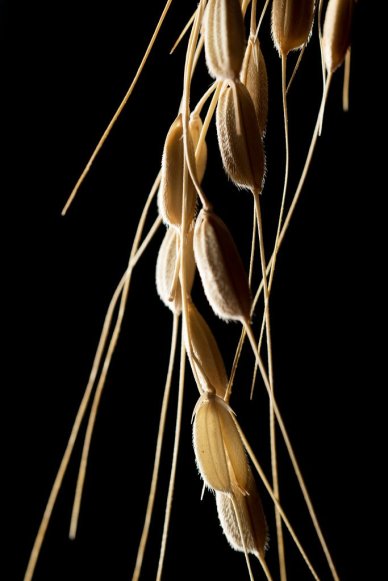
Upland red bearded rice, which grows in the Moruga district in Trinidad, turned out to be a missing culinary link between enslaved people in coastal Georgia and a group of slaves who were able to buy their freedom by fighting for the British in the War of 1812. Credit Karsten Moran for The New York Times

Peru’s Rendering Of The Best Idea

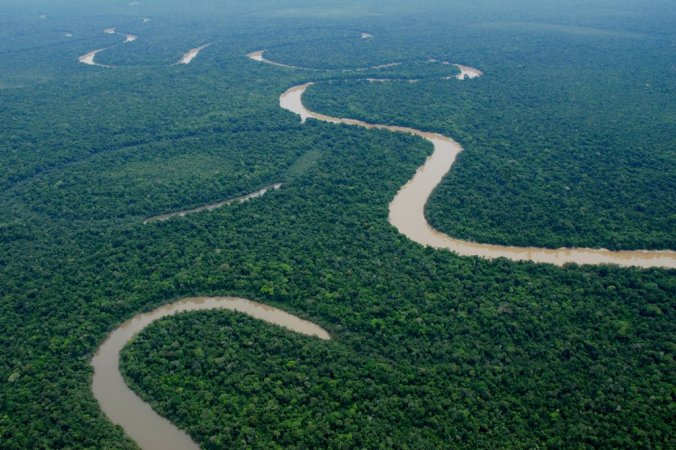
20SCI-AMAZON1-jumbo

The Yaguas River of the Yaguas National Park in Peru, one of the Western Hemisphere’s newest national parks. Credit Álvaro del Campo/The Field Museum

The Pests That Make Cacao Productive

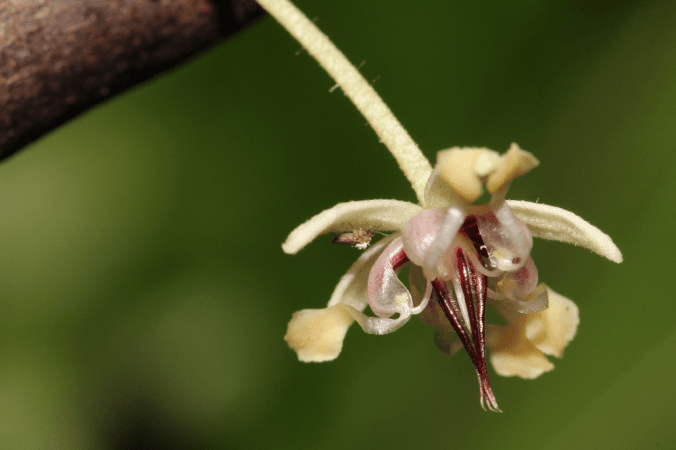
midge-flower-min

Forcipomyia spp. pollinating a cacao flower. Goodman Cacao Estate, Killaloe, Australia, 2017. Credit: Samantha J. Forbes

This 12-minute primer on Soundcloud gives a reason to appreciate these otherwise very annoying pests:

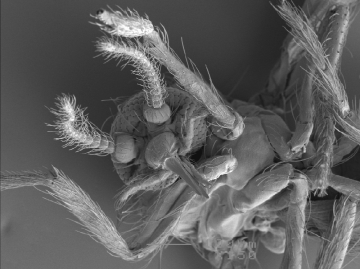
Chocolate: Brought To You By Bugs

midge-min

Forcipomyia spp. SEM image. Goodman Cacao Estate, Killaloe, Australia, 2017. Credit: Samantha J. Forbes

Chocolate starts as a beautiful yellow and cream-colored blossom, with blushes of pink and magenta. The flowers, sprouting straight from the bark of the cacao tree, are no bigger than a dime—and they’re pollinated by something much smaller: a barely visible fly related to biting no-see-ums, or midges. Continue reading

Rules Of Gardening, Reconsidered

11renkl-master768

Tatsuro Kiuchi

Ok, while we are at it, let’s find some rules to break around the home (thanks to Margaret Renkl and the New York Times for such diverse op-ed contributors):

Let Your Winter Garden Go Wild

NASHVILLE — The snow was three inches deep, a blizzard by Nashville standards, when I got a text from a parent supervising the neighborhood sledding: “It’s a robin migration out in your front yard. Do you put food out there for them?”

I went to the window to look. There are nine bird feeders around my house, but I’ve never seen a robin at a single one of them. In winter, robins do gather in great flocks here in Middle Tennessee, and our yard is always popular with them because we have a birdbath with a heating element that keeps it from freezing. Even in winter, birds need to bathe — a seemingly counterintuitive behavior that keeps their feathers in shape for maximum insulation. Continue reading

Rules Of Experiencing Nature, Reconsidered

tnc_76472733_preview_cropped

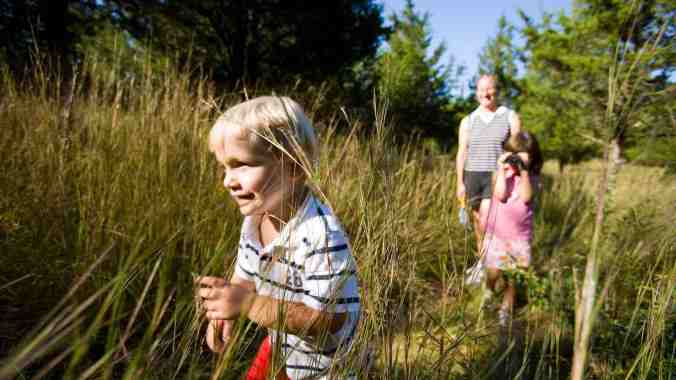
A woman and her young children hike through a grassy field in Pleasant Valley Preserve near the Eightmile River in Lyme, Connecticut. Photo © Jerry Monkman

Just when we thought we knew what we were doing out in nature, this:

Why Staying on the Trail Is Bad for Nature

Stay on the trail. Look, don’t touch. Take only photographs, leave only footprints.

These and similar rules have become a standard component of a refined environmental ethic; any reasonable outdoor education class is going to emphasize them.

I have a confession to make: As a kid I violated every one of those rules, frequently and without guilt. It made me a conservationist. Continue reading

Banana Futures

dsc_0647_custom-a81d4e41b86f8c114eb1264a2095b0fbfebb1907-s1300-c85

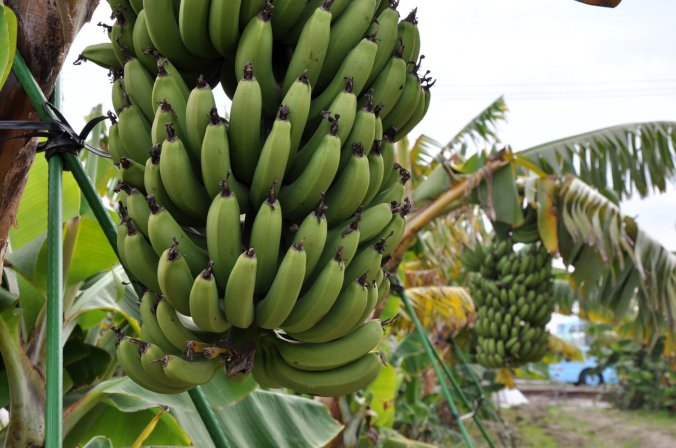
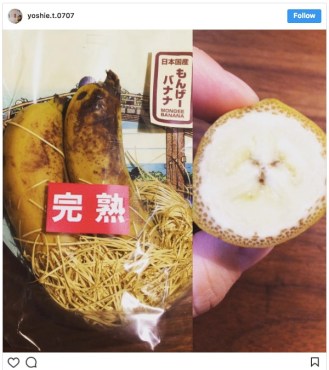
Japanese Mongee bananas debuted this winter, bred to be cold-resistant and pesticide-free. Plus: you can eat the peel. Courtesy of D&T Farm Inc

When we talk about the future of bananas, it is often looking backwards protectively. But forward is an option as this story below illustrates, as with other edibles, likewise:

A Banana Grown At Subzero Temps Also Has An Edible Peel

BananaA Japanese farm introduced a new crop this winter: an organic banana with a peel that’s thin enough to eat. In a nod to this appealing outer covering, Setsuzo Tanaka, the banana’s inventor, has named his creation the Mongee (“mon-gay”) banana — which means “incredible banana” in Japanese.

“Setsuzo’s original purpose was to make a delicious banana with no pesticides,” Tetsuya Tanaka, a spokesperson for D&T Farms, the company behind the banana, writes in an email. Setsuzo Tanaka spent four decades tinkering with tropical fruit before the Mongee was born.

But if pesticides were his main concern, why not just grow a normal organic banana? Aren’t all bananas equally tasty? Continue reading

Blue Planet II’s Attenborough Masterpiece

Blue Planet II_EP03_Coral Reefs

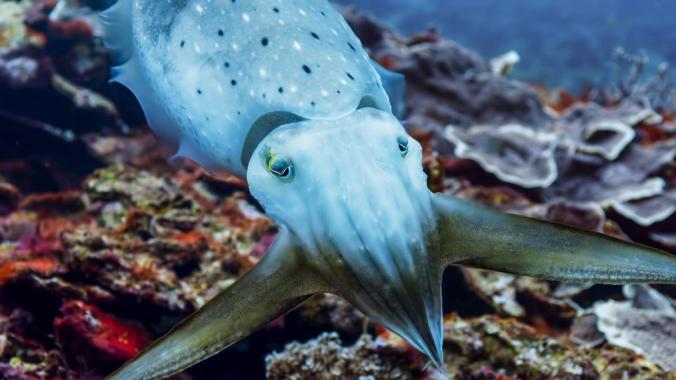
The broadclub cuttlefish is one of the psychedelic creatures featured in “Blue Planet II.” Photograph courtesy BBC

blue_planetWe have not linked to many television reviews, and the reason is simply that we instead mostly promote going and seeing instead of sitting and watching.

But this one seems a perfect exception to the norm because the series narrator is such a frequent guest in these pages, for good reason after many good reasons. This show may be his own sense of a masterpiece, if you consider what he says in a recent interview to a confirmed urbanist, which is worth half an hour of listening to in addition to the review below:

“Blue Planet II” Reviewed: The Ocean Continues to Impress

The seven-episode follow-up to the 2001 series flexes the BBC’s mastery of a genre that it created.

By Troy Patterson

The nature documentary “Blue Planet II” is oceanic in topic, tone, scope, and majesty. A production of the BBC Natural History Unit, the seven-episode series flexes its broadcaster’s mastery of a genre that it created. Over excellent footage shot on a circumglobal photo safari, the venerable narrator David Attenborough orates zoological narratives as if delivering a state-of-nature address. “Blue Planet II” follows the network’s “The Blue Planet,” which dropped in 2001, but it is less a sequel than a subsequent quest, like the second voyage of the H.M.S. Beagle, or Apollo 14. Continue reading

Intact Coral And Its Above-Water Counterparts


Coral

Heron Island and its hundreds of species have so far been spared the worst of the crisis. But scientists there fear what the future may hold.  Illustration by Lily Padula

Helen Sullivan, founding editor of the South African literary magazine Prufrock, shares a short essay for the environmentally-minded:

On a recent trip to Heron Island, a speck of sand and foliage on the southern end of Australia’s Great Barrier Reef, I found myself on a walking tour of the local birdlife. My group’s guide was young, determinedly friendly, and seemed to feel not a little trapped. She looked as though she might, at any moment, reconsider everything and run as far as she could—which is to say, not very far: Heron is just half a mile long. We began with the egrets, which inspired the island’s not altogether accurate name, and which are born either black or white; our guide pointed out monochrome pairs roosting together in the trees. Then it was on to the buff-banded rails, which reminded me of thin, shifty, omnivorous quails. Beneath a Pisonia tree, also known as a grand devil’s-claws, we encountered a rowdy group of white-capped noddies. (The caps, our guide told us cheerfully, were to stop the birds’ brains from overheating in the sun.) Noddies, which feed on fish and make their nests by glueing together fallen Pisonia leaves, lead perilous lives. The trees’ seeds are sticky, often adhering to the birds’ charcoal-feathered bodies. Sometimes, a noddie will get covered in so many seeds that it can no longer fly, and so it falls to the ground and starves to death, its carcass fertilizing the nutrient-poor sand in which the Pisonia grows. “The noddies have a really special relationship with the devil’s-claws,” our guide said.

Heron Island is also home to the Barrier Reef’s oldest research station, where Sophie Dove, a biology professor at the University of Queensland, has lately been studying the effects of climate change on corals. Though she was off on the mainland when I visited, we caught up a few days later. Continue reading

Species Replenishment Story

Sawfish-Grubbs2-1260x708

Pregnant female sawfish found by Dr. Dean Grubbs and team at Andros Island. Photo © Dean Grubbs

Thanks to Ted Williams at Cool Green Science:

Recovery: Smalltooth Sawfish Flickering Back

Andrea-Kroetz-credit-sawfish

What goes down April 12, 2017 on a Sanibel, Florida beach is both encouraging and discouraging.

Angler and shark tagger Elliot Sudal hooks something huge. A crowd gathers including Vice President Mike Pence accompanied by his entourage of Secret Service agents who rifle through Sudal’s tackle box. Not surprisingly, they find (and temporarily confiscate) knives. But Sudal, seated and straining on the rod with blistered hands, is hardly a threat. Pence safely takes photos, then poses for a photo next to the embattled Sudal. Continue reading