Small Grass Yellow Butterflies are more common in the foothills, prefering open, lightly forested areas where it flies around bushes. Their yellow wings have distinctive black outer margins, which are broader in the female. Both sexes have two black spots at the end cell of the underside of the forewing. Continue reading
Biodiversity
Wild Periyar
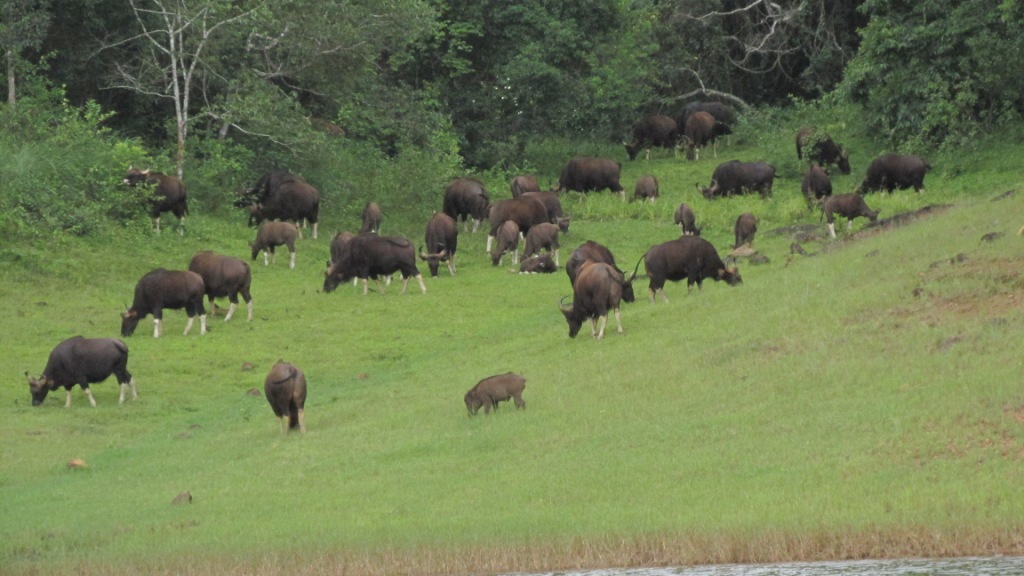
The Periyar Tiger Reserve is a rich biodiversity reservoir of 925 sqr km in the southern portion of the western Ghats of India. Considered one of the thirty-four biodiversity hotspots of the world, it is the land of elephants, gaur (pictured above), deer, and even tigers and other felines.
A 25 sqr km reservoir, Continue reading
Trekking through Periyar Tiger Reserve

Today I was fortunate enough to get to walk through one of the most biodiverse areas in the world second to the Amazon: Periyar Tiger Reserve.
I understand why people travel from all of the world to experience this place. In the United States, we are very proud of our national parks for their diversity and beauty. However, this park feels more untouched than the ones I have been to in the states. It kind of absorbs you. The paths in the forest seem less traveled. Honestly, it feels less touristy and more wild. We only trekked on the periphery of the jungle really. The center of the jungle truly is preserved and only certain people are able to go deep inside.
Monkeying around in Cardamom County
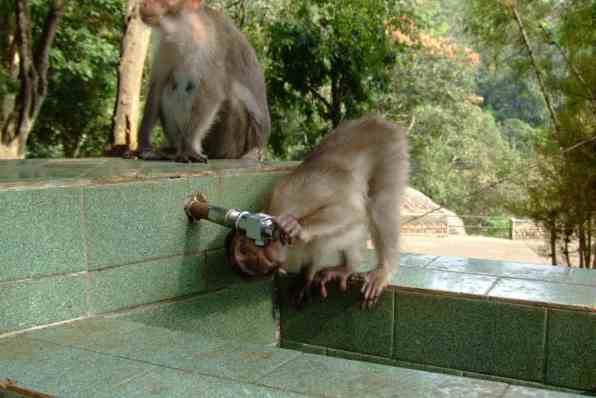
I have never had to take monkeys into consideration when gardening before.
I am at this jungle-like Raxa Collective property in Thekkady, India. I am here to work as an intern to help with creating a more farm-to-table relationship in the restaurant at Cardamom County. There is an organic garden here that is already providing the restaurant with a decent percentage of their staple foods. However, we face a little problem with some main ingredients such as tomatoes, eggplants, and actually anything sweet that we might like to grow such as grapes or pomegranates.
Monkeys. Continue reading
¿Por Qué Pajarear en Xandari?
Cada día, miles de personas alrededor del mundo están visitando un sitio de web, usando un app en su celular, o escribiendo en su cuaderno para documentar las aves que han visto en algún lugar. Algunos son científicos. Algunos simplemente están interesados en anotar la diversidad de sus patios. Varios tienen equipamiento sofisticado para ayudarles ver de lejos o tomar imágenes de las maravillas aladas que buscan.
En países como los Estados Unidos e Inglaterra, el pasatiempo de observar aves es Continue reading
The Greenery of Wayanad, Kerala
Wayanad is a place of true beauty: thickly wooded hills, lush evergreen forests, rolling rice paddies in the valleys and verdant spice plantations in the hills. The area is packed with bamboo groves, moist deciduous forest, and semi-evergreen forests. Roads winding through the rugged hills carry domestic and international tourists alike on a scenic route through the district. Continue reading
Munnar, Revealed
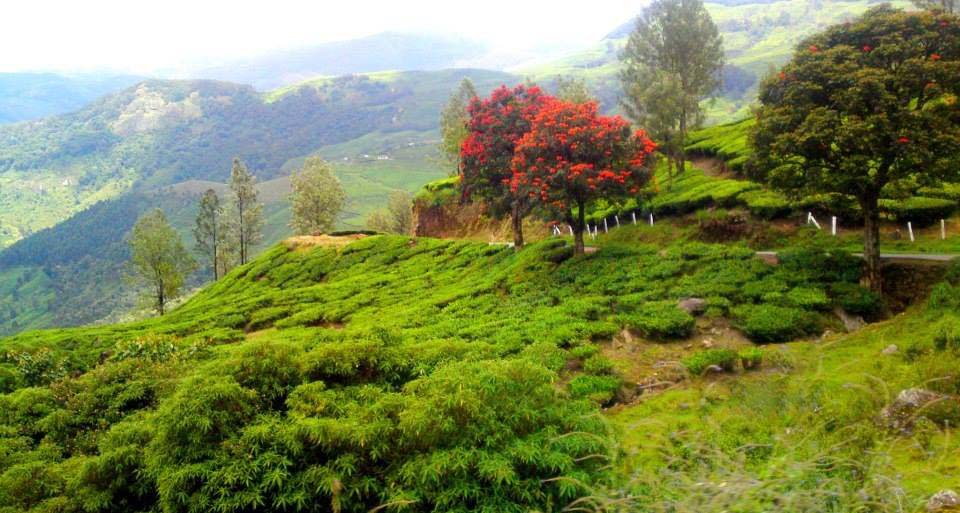
Munnar is one of the most popular hill stations in Kerala, nestled in the Western Ghats at an altitude of above 6000 ft. Its stunning expanses of tea plantations, mountains and valleys, and natural waterfalls play host to many exotic species of flora and fauna. Truly worth the visit! Continue reading
Citizen Science in Belize – Update on Lionfish Jewelry: Part 2
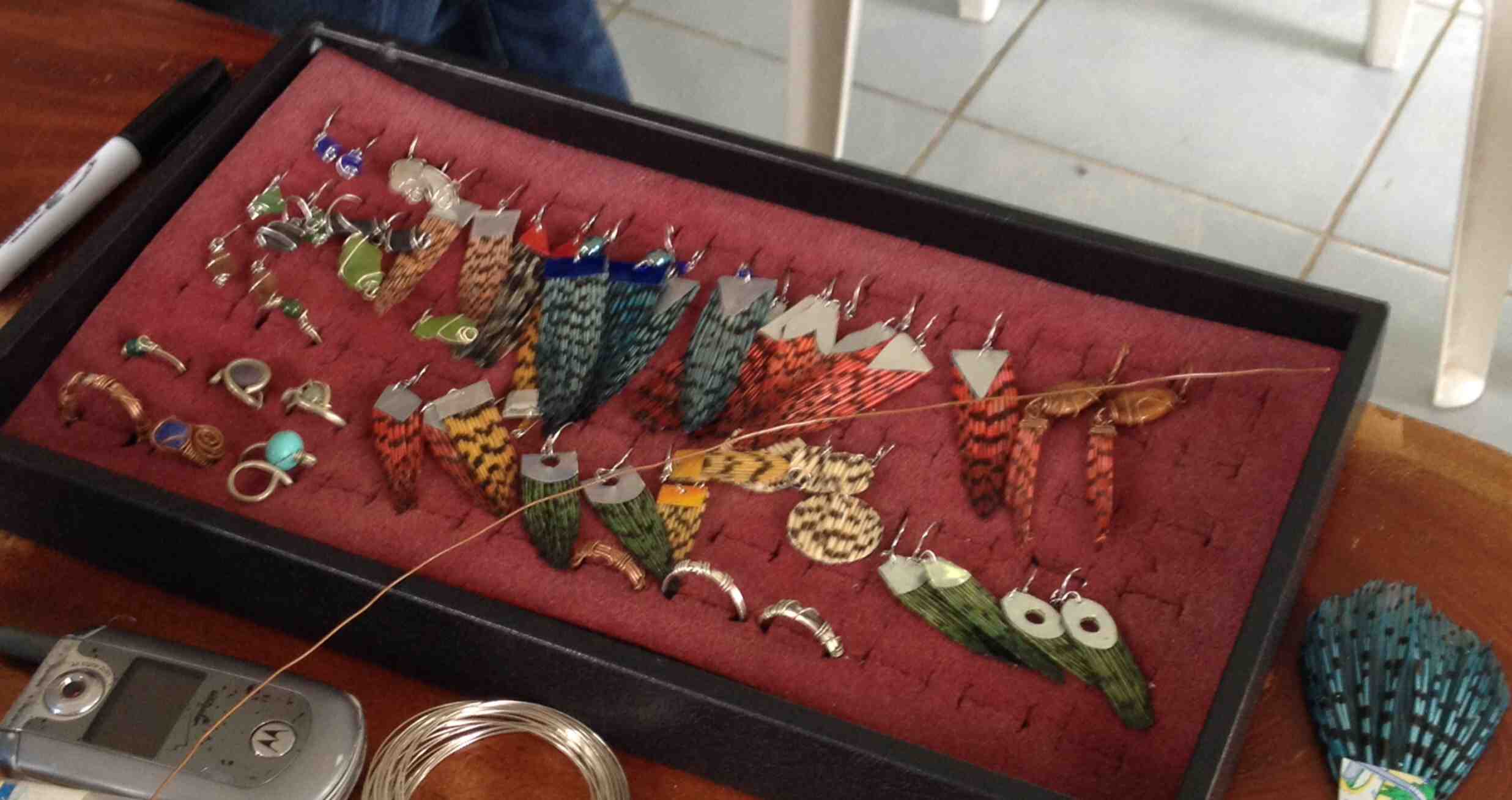
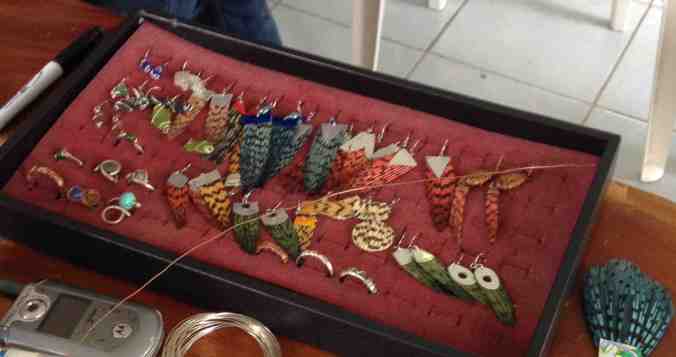
In Part 1 of this post I wrote about my recent visit to Belize to help with further development of the nascent market for lionfish jewelry; one of several market-based approaches to addressing the threat to Southwest Atlantic marine ecosystems posed by the invasion of this non-native species. I noted that the market is most advanced in the area around Punta Gorda, in Southern Belize, in large measure due to the support provided by ReefCI which has provided training on jewelry making to a group of local women and is supplying them with lionfish spines, fins, and tails as well as marketing assistance.
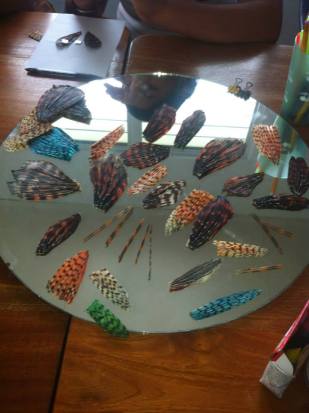
While ReefCI’s involvement has been instrumental in getting things started, further development and expansion of the market will require engagement with artisans and women’s groups in other parts of the country, particularly areas closer to major tourist markets. Interventions are also needed to develop a reliable and sustainable supply chain for lionfish jewelry production and sales. I was pleased to hear from one of the jewelry makers in Punta Gorda that a local fisherman had approached her about selling lionfish tails. This was music to my ears, as one of the motivations behind the lionfish jewelry idea has been to up return to fishers in order to create added commercial incentive for them to hunt lionfish (the fish cannot be caught using conventional fishing methods such as hook and line or nets, but must instead be speared or hand-netted by diving). Continue reading
Throwback Thursday: IPM

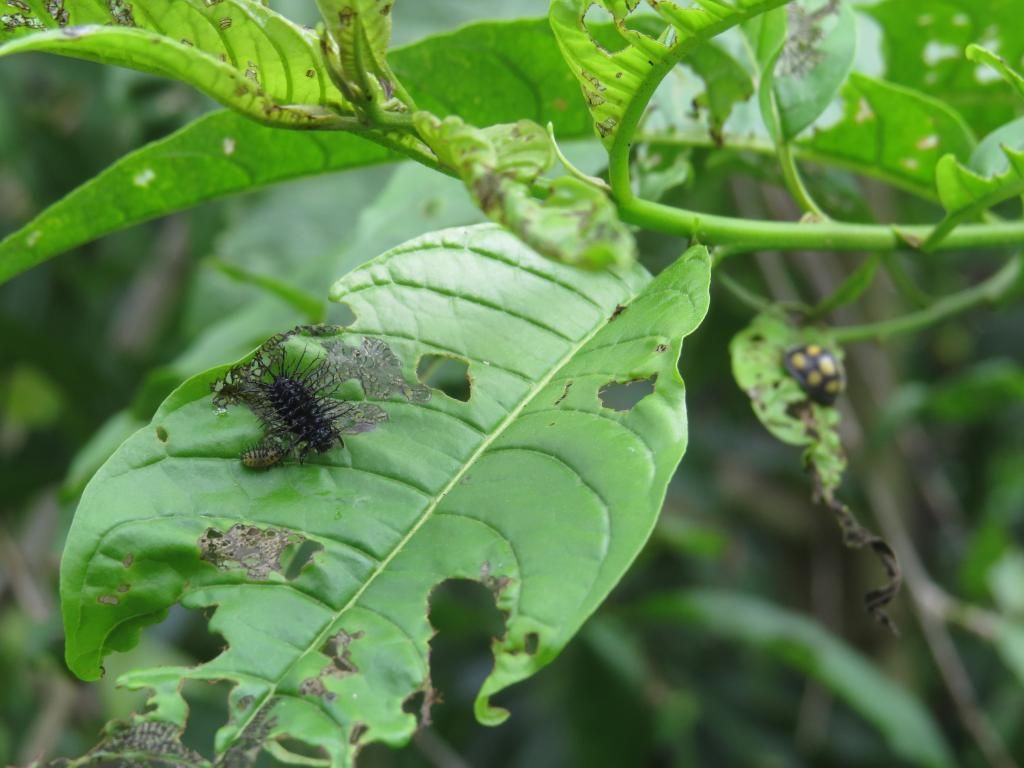
A ladybug relative nymph in the foreground and a mature individual in the background. The tiny thing next to the nymph might be a larvae.
Yesterday, as James and I were on one of our birding walks around Xandari, we ran into José Luis, who had a couple new things to show us about the gardens and orchard that he runs. At first, it looked like a ragged young tree, its leaves half-devoured and its trunk stained black. But we quickly learned Continue reading
Citizen Science in Belize – Update on Lionfish Jewelry: Part 1
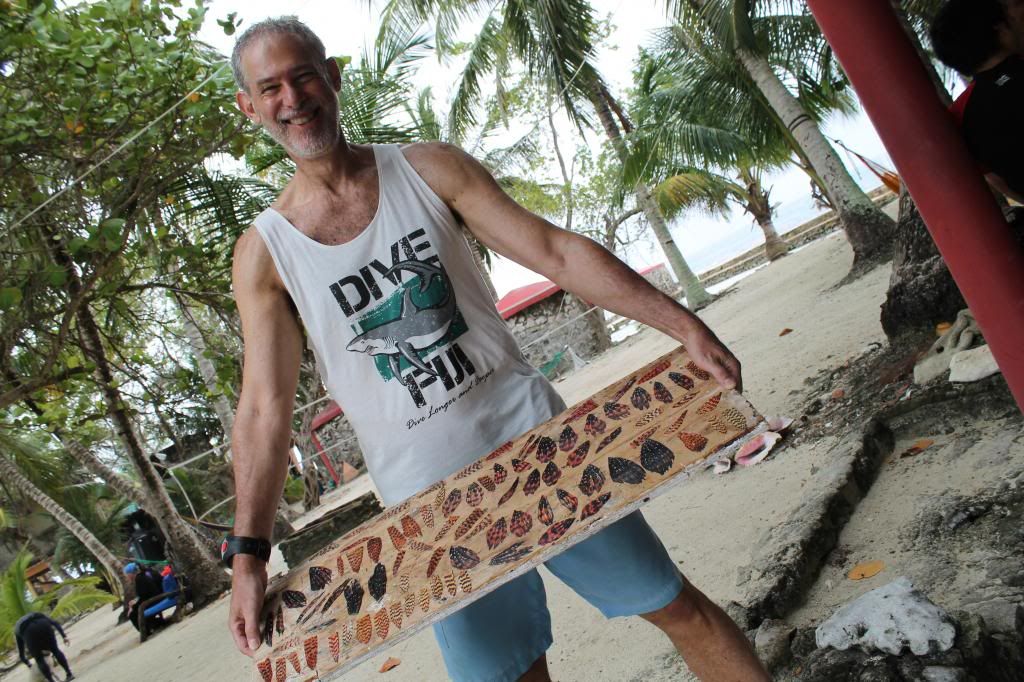
I’ve written in previous posts about the initiative to develop a market for lionfish jewelry as one of a number of commercially sustainable approaches to fighting this invasive species that is threatening marine ecosystems throughout the Caribbean, the Gulf of Mexico, and the Southern Atlantic seaboard of the United States. In my last post, I mentioned that the idea is beginning to take off in Belize. I was able to observe this first-hand last month, spending two and a half weeks in the country. During my stay I had the opportunity to meet local artists who are making lionfish jewelry and to participate in several workshops to share techniques and designs. Continue reading
Nature’s Apps

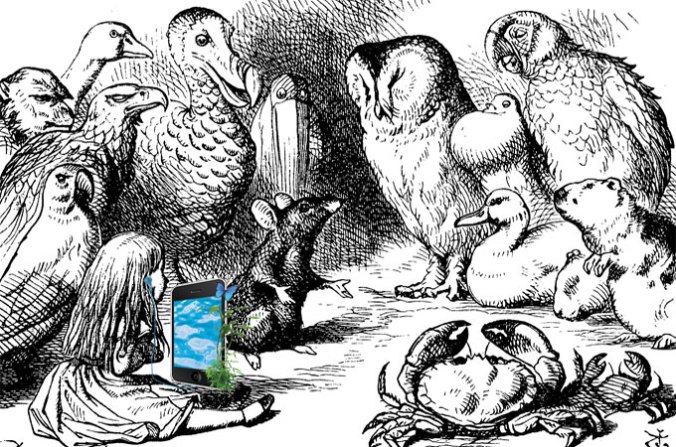
It’s not all fun and games when it comes to games featuring the environment. With some green game apps, not only can you live in your world and play in it, you can learn stuff too.
Thanks to Conservation magazine for this article, published coincidentally exactly at the time when several Raxa Collective contributors were visiting the Cornell Lab of Ornithology, which itself is participating in the App business (more on which, by Seth soon) in a manner resonant with the focus of this article:
DIALING INTO THE OUTDOORS THROUGH PHONE APPS
The Nature Deficit
Judging from the amount of time my grandkids hunch over their iPhones and iPads for game time, I’d have to say games have garnered a major portion of the younger set’s mindshare. And in my book that’s a shame. While more and more studies find that children’s outdoor time contributes to their well-being — by mitigating obesity, promoting cardiovascular, musculoskeletal, and mental health, as well as boosting academic achievement — the number of hours children spend outdoors is on the decline. (See also here.) Continue reading
“Patagonia Sin Represas”–Finalmente

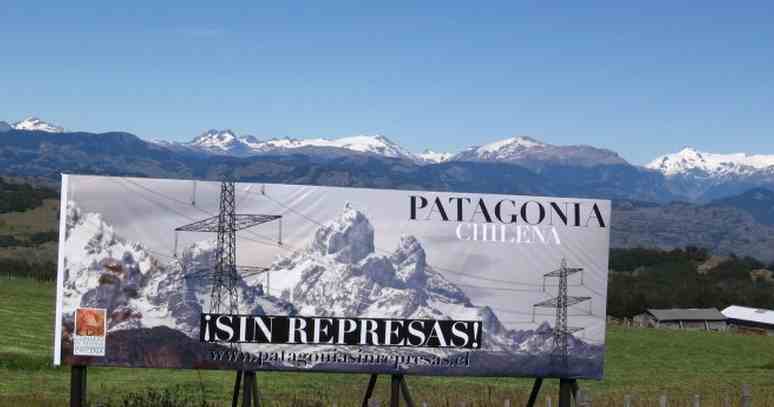
One of the many billboards representing the outcry from environmentalists and concerned members of the tourism sector
It’s been some years since our work brought me to this magical part of the world, but all of Patagonia and the specific region of Aysen have long been close to our hearts. So the news that the Chilean government overturned their 2011 approval of the HidroAysén project was happy indeed. The Baker and Pascua Rivers, previously slated for a series of 5 dams, are two of Patagonias wildest, and that’s saying a lot in a country filled with rugged beauty as diverse as it’s 4,300 kilometer length can possibly hold.
Part of that diversity has the potential to offer multiple options for renewable energy sources other than hydro-electric power. Solar power from the Atacama Desert, wave and tide projects from that enormous coastline, as well as wind turbines in areas of the country where winds reach gale force strength on a regular day are all possible options. Continue reading
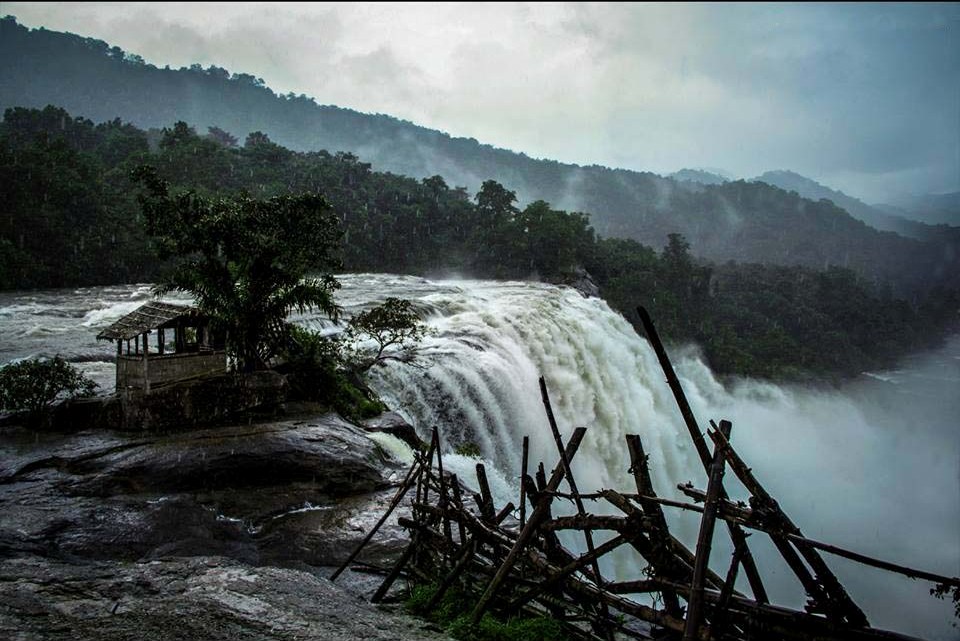
Athirappally Waterfall
Only 80 km from the city of Cochin, the Athirappally Waterfalls and Sholayar Forest are popular tourist destinations and an ideal location for film shooting. Tourist can enjoy these falls from the top of the rocks and watch water rush past to plunge down about 90 ft. Continue reading
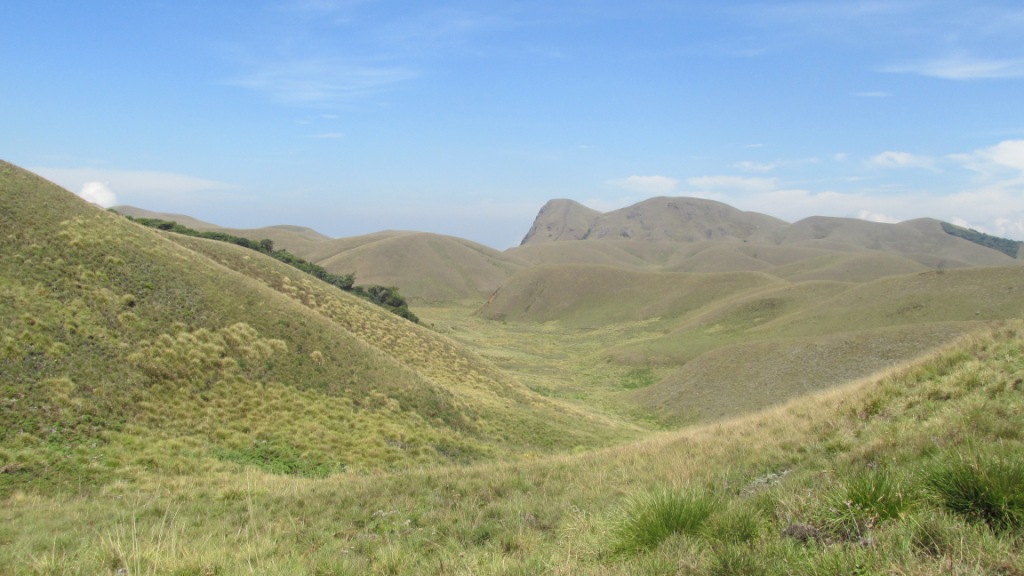
Eravikulam National Park – Munnar
Eravikulam National Park is situated near Munnar in Kerala’s Western Ghats of Kerala. It covers an area of 97 sq km of rolling grass lands and shola forests. It’s an ideal hill station for seeing the biodiversity of shola grass land eco-systems. Continue reading
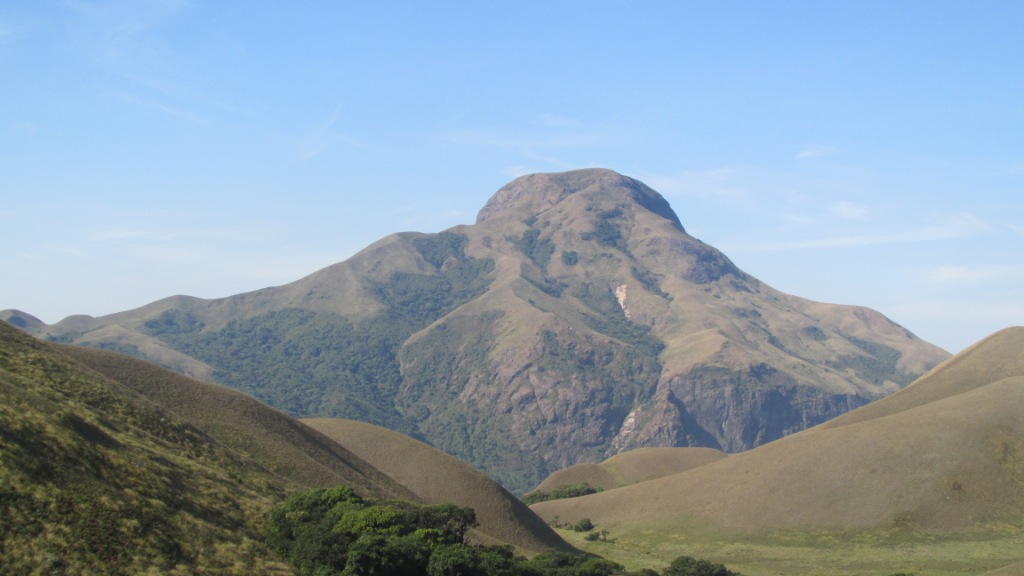
Anamudi Peak – Munnar
Anamudi Peak, highest peak in South India, is situated in Idukki district at Munnar. The slopes of the hills abound in all kinds of rare flora and fauna.The peak is on the southern end of Eravikulam National park and can be reached on foot from there, a technically easy hike on grass slopes. Continue reading
Landscape Restoration

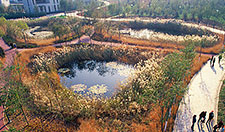
Turenscape Qiaoyuan Wetland Park in Tianjin, China, has terraced ponds that incorporate designed experiments to monitor benefits.
We watch for stories about innovative approaches to fixing things in the natural environment, wherever those stories may be found.
And whatever name they may be given.
Thanks to Yale360 for their ongoing attention, including this recent article:
Rebuilding the Natural World: A Shift in Ecological Restoration
From forests in Queens to wetlands in China, planners and scientists are promoting a new approach that incorporates experiments into landscape restoration projects to determine what works to the long-term benefit of nature and what does not.
Controlling Invasive Lionfish – Update on Market Solutions: Part 2/2 — Lionfish Art

Array of dried lionfish spines and tails -ready for jewelry use Credit: ReefCI
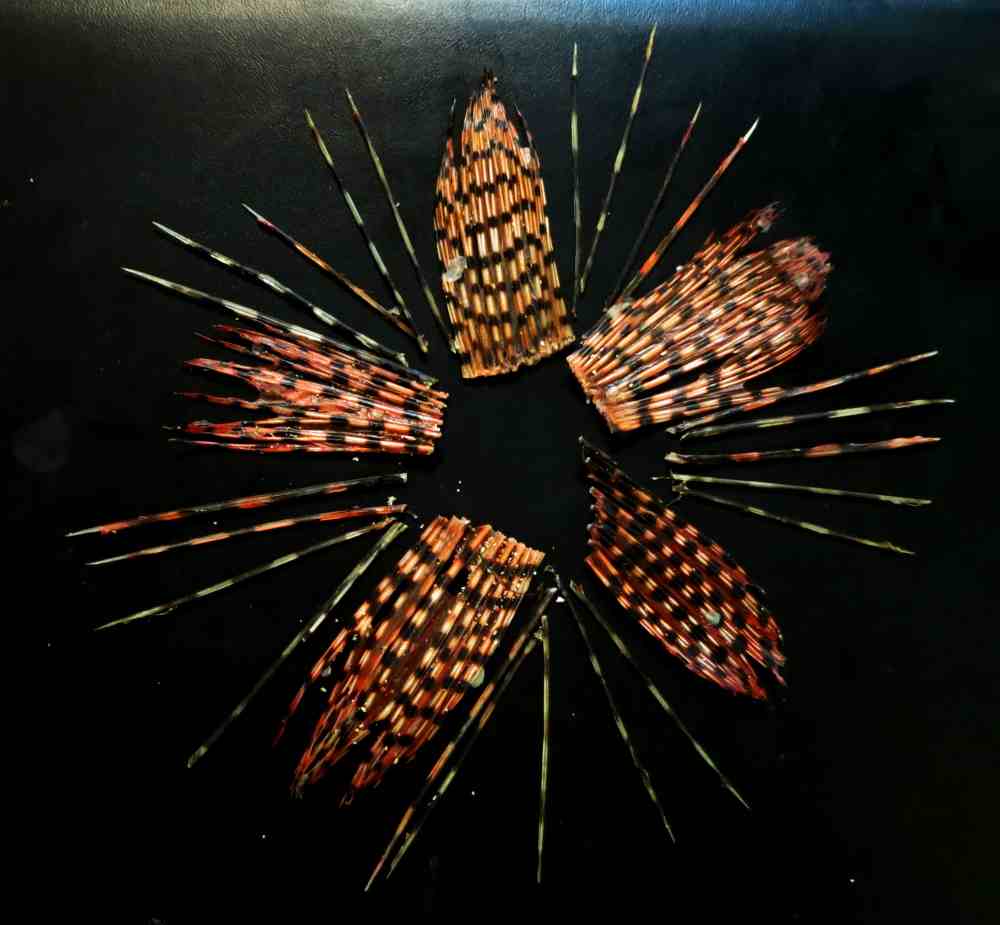
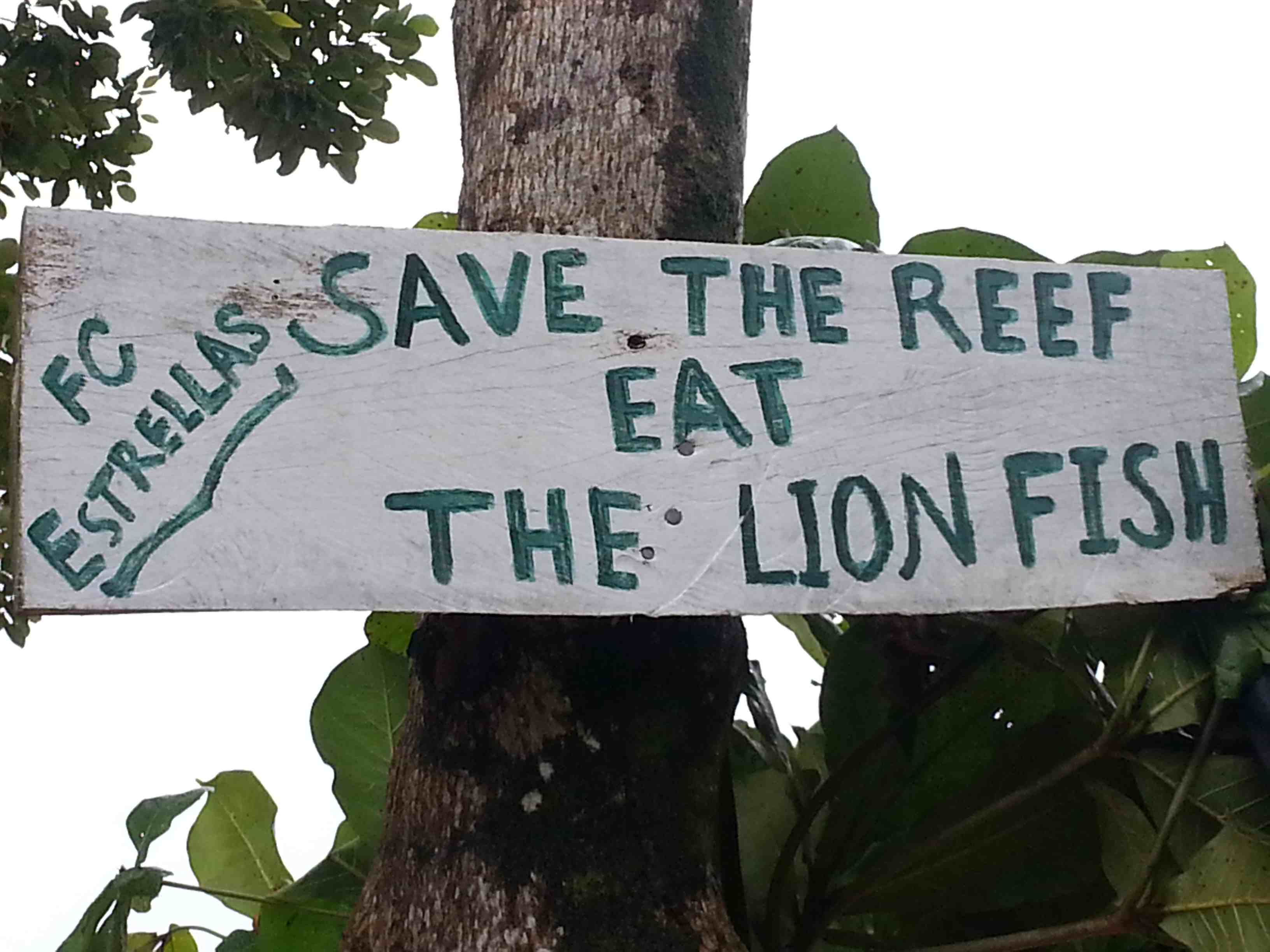
In Part 1 of this post regarding market-based solutions to fighting the lionfish invasion that is threatening coral reef and other marine ecosystems throughout the Caribbean, Gulf of Mexico, and Southern Atlantic Seaboard of the United States, I wrote about the challenge of developing commercially sustainable strategies for undertaking the systematic removals that are needed to keep lionfish populations under control. I discussed the need to develop a series of vertical markets, pointing to promotion of lionfish as a seafood choice as the most obvious of these. Capture of juvenile lionfish for the aquarium trade as another. A third market, and one in which I’m personally involved, is use of lionfish spines and tails for jewelry and other decorative items. Continue reading
Controlling Invasive Lionfish – Update on Market Solutions: Part 1/2
I’ve posted previously about the lionfish invasion that is threatening coral reef and other marine ecosystems throughout the Caribbean, Gulf of Mexico, and Southern Atlantic Seaboard of the United States. As I noted in earlier posts, it is the general consensus of the scientific and conservation community that eradication of lionfish from the Atlantic is impossible. There have been some anecdotal reports that native predators such as groupers and snapper are beginning to recognize lionfish as prey, but there is no systematic evidence, as of yet, of widespread predation. So the conclusion remains that human intervention is the only way to keep lionfish populations in check. The good news is that there is growing evidence that systematic removal efforts can indeed be effective in controlling lionfish populations and in reversing their negative impact on reef health. A study published earlier this year found that populations of snapper and grouper rebound by 50-70 percent once lionfish are removed. And it isn’t necessary to remove 100 percent of lionfish for recovery of native fish populations to take place; the study found that reduction of lionfish populations by as little as 75 percent will do the trick. This is important, given difficulties in reaching lionfish at depths beyond the limits of divers. Also, removal efforts may become more difficult over time, as lionfish on reefs where regular culling takes place begin to wise up and hide from divers (click here for a cute poetic rendition of findings of a study on this behavioral adaptation).
Thus the challenge is to find a sustainable basis on which to undertake the systematic removals that are needed to keep lionfish populations under control. Continue reading
Natural Capital Valuation and Protection of Marine Megafauna
I’ve noticed a number of positive and interesting developments as of late in the area of marine species protection, pointing to an increasing recognition, by policymakers, of the value of natural capital and associated ecosystem services, particularly the value arising from ecotourism.
In February of this year, the Government of Indonesia granted full protection to manta rays within its nearly 6 million square kilometer exclusive economic zone (EEZ), making it the world’s largest sanctuary for manta rays. This reverses the trend of the past three decades wherein Indonesia has had the dubious distinction of being home to the world’s largest fishery for sharks and rays. Why the reversal? It seem that studies showing that the ecotourism value of a manta ray is an estimated $1 million over its lifetime, as compared to the onetime value of several hundred dollars for its gill rakers and meat played a key role in persuading policymakers to take action to protect the iconic species.
A few weeks later, the President of Palau announced that the country’s entire 200 nautical mile EEZ will be declared a marine sanctuary and closed to commercial fishing and seabed mining. This follows a move a few years earlier to declare Palau a shark sanctuary. In explaining the reasoning behind the moves Palau’s president noted that a dead shark is worth several hundred dollars, whereas a live shark is worth $1.9 million in tourism during its life span, and that his country will promote scuba diving, snorkelling and ecotourism as an alternative income to commercial fishing. Continue reading
Blue-bearded Bee-eater
The Blue-bearded Bee-eater, Nyctyornis athertoni is found in the Western Ghats of India. This species prefers openings in patches of dense forest. Continue reading