World Tourism Day

September 27th is World Tourism Day! As the UNWTO Secretary-General Taleb Rifai said in his address this year,
Tourism is a people-based economic activity built on social interaction, and as such can only prosper if it engages the local population by contributing to social values such as participation, education and enhanced local governance. At the same time, there can be no real tourism development if such development damages in any way the values and the culture of host communities or if the socio-economic benefits generated by the tourism sector do not trickle down to the community level.

Continue reading

Throwback Thursday: Anteating Howler Butterflies

This post was originally published on August 2nd, 2011.

While walking to Morgan’s Rock’s lobby yesterday morning, Pierre heard some rustling in the bushes on our right. We looked for the source and were stunned to see an anteater standing on its hind legs, spreading its arms and swaying about like a drunkard but in fact trying to dissuade us from attacking it by trying to appear larger (it was bigger than a very fat house cat, but not by much). I immediately pulled my video camera from my pocket and started filming, and although the anteater had ceased his humorous movements and started climbing a very thin sapling, the footage was incredibly fortunate and very entertaining.

Since the tree he decided to grasp was so young, it started to bend as he climbed higher, reminding me of cartoons where characters are catapulted out of the branches after a certain point. The anteater was less than a meter away and at times looked like a teddy bear, but as a wild animal—and one with claws in full display at that—we refrained from touching him and were satisfied with a video. Eventually, the formicary raider descended the sapling and chose a better escape tree (in a pose reminiscent of the boa’s in a previous post), and we left happy with the sighting of what I thought I’d only be able to see in the summer when foliage was less dense. Continue reading

Golden Swallows, Jamaica Expedition

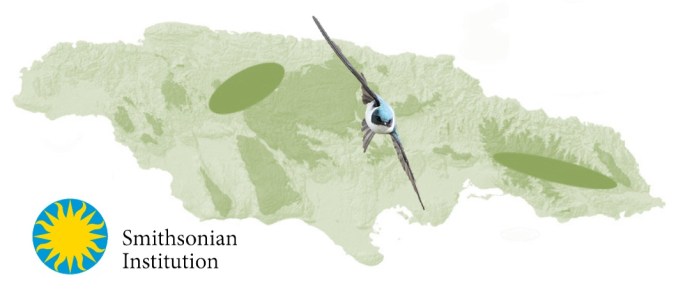
Article BannerIt was in 1844 that English naturalist Philip Henry Gosse arrived in Jamaica for his first time. Gosse would ultimately spend 18 months on the island, where he became fascinated in studying the local birdlife he found there. After returning back to London, he went on to publish a book entitled, “The Birds of Jamaica,” in which can be found the first formal descriptions of many birds still cruising about the Caribbean landscape today. The encounters he had with one bird in particular inspired Gosse to write the following:

This exceedingly lovely little Swallow, whose plumage reflects the radiance of the Hummingbirds, is found, as I am informed by Mr. Hill, in the higher mountains formed by the limestone range of the very centre of the island, as in Manchester, and St. Ann’s. It is not until we ascend this central chain, that we meet with this sweet bird, occasionally in the more open dells, but principally confined to the singular little glens called cockpits.

In this passage Gosse speaks of the Golden Swallow, a small passerine that has only been historically known from two islands, Hispaniola and Jamaica.  And while populations of this species continue to persist in several mountain ranges of Haiti and the Dominican Republic, the beautiful bird that Gosse describes in his Jamaican travels has not been seen on that island for more than 25 years.

Continue reading

Bring On The Pawpaw!

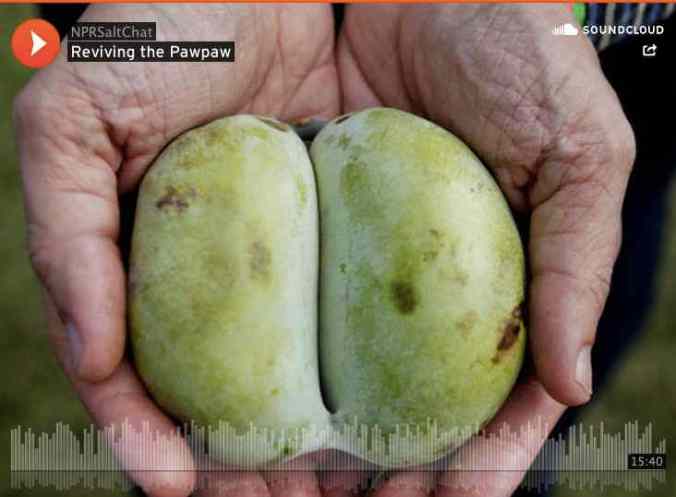
Pawpaw


We are always interested in innovative methods for resuscitating the value of heritage, whatever form it may take, the fruity included so listen to this short podcast about the nearly lost pawpaw (thanks to National Public Radio, USA):

food for thought

A Coming-Out Party For The Humble Pawpaw, Native Fruit Darling

September 05, 2014 3:59 PM ET

If you’ve never tasted a pawpaw, now is the moment.

Continue reading

Some Animal Behavior Footage from Costa Rica

A dragonfly on a path at Xandari

Whenever I have the opportunity to visit a national park in Costa Rica, I obviously take my camera with me so I can try to get some good photos or videos of all the wildlife I hope to see. Looking back on my files of images from the past couple months, I realized that I happened to have some half-decent videos that represented what I’d consider the four most important classes of Kingdom Animalia/Metazoa from the point of view of a terrestrial biophile: Aves, Reptilia, Mammalia, and Insecta. In other words, when I’m walking through the rainforest, the animals I keep an eye out for will likely fall into the category of bird, reptile, mammal, or insect. If I’m out at night, then maybe Amphibia will get thrown in there too!

In the video above, you can  Continue reading

Robo-bees

PHOTO COURTESY OF KEVIN MA AND PAKPONG CHIRARATTANANON

PHOTO COURTESY OF KEVIN MA AND PAKPONG CHIRARATTANANON

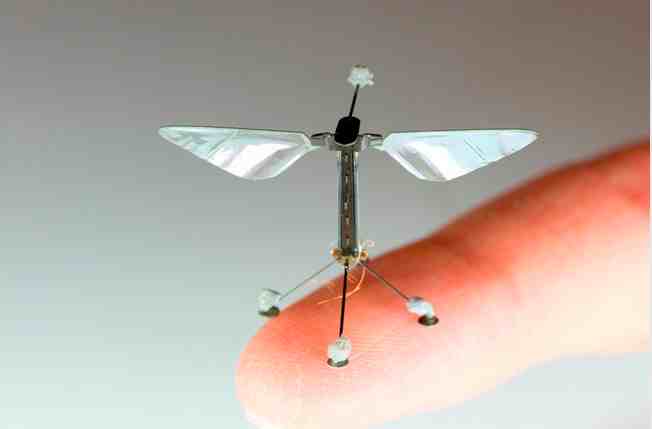
At RAXA Collective we’re often writing about the birds and the bees within the context of ornothological and entomological biodiversity, as well as the agricultural health of the planet. The impact of CCD, or colony collapse disorder, is significant enough that the Obama administration has challenged scientists with the same force of urgency as Kennedy’s 1962 appeal for a moon landing before the decade was over.

Food attorney and National Geographic contributor Mary Beth Albright writes:

To stay optimistic on this planet I have to believe that most agree that saving honeybees is vastly preferable to replacing them but an interesting alternative is coming out of Harvard. On its website a research team led by engineering professor and National Geographic Emerging Explorer Robert Wood states “we do not see robotic pollination as a wise or viable long-term solution to Colony Collapse Disorder. If robots were used for pollination—and we are at least 20 years away from that possibility—it would only be as a stop-gap measure….”

Continue reading

The Marari Fruit Diaries

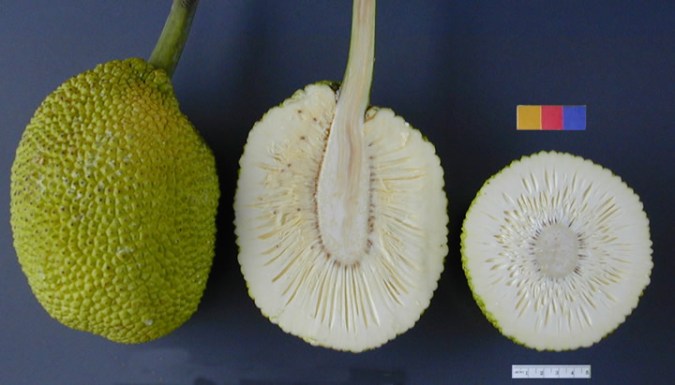
This is a picture of breadfruit, which actually tastes like freshly baked bread

This is a picture of breadfruit, which actually tastes like freshly baked bread

I’ve been writing about the exciting biodiverse varieties of plants at the new property, Marari Pearl. I want to point out though that even before we started, the land has hundreds of coconut trees on it, as well as dozens of mango and cashew trees, which is exciting in its own right.

One thing about the coconut trees that makes them a win-win, is that it helps provide local jobs. There is a certain group of people whose legal right it is in Kerala to do the job of tending to coconut trees. Before Marari Pearl was there, no one was hiring them to take care of the trees. Now that we are utilizing them to provide coconuts for our properties, they get jobs and we get fresh coconuts.

We are adding a cornucopia of other fruits, both local and exotic. I mentioned that we have pomelos, rambutans, tamarinds, several types of jackfruit,  lovi-lovis, mangos, and oranges as well as the infamous miracle fruit. There is also the hong kong guava, burmese grape bud, pomegranate, sapota, malayalam champa fruit, abiu fruit, jaboticaba fruit, langsat tree, and several varieties of avocados or ‘butter fruit’ as its called here. There are breadfruit trees as well as peanut butter trees. There is karonda fruit, nelli puli fruit, mangosteen, and mooty fruit. There are five pages of names, some I know, some I don’t, and some I can’t understand because it’s a handwritten list. Continue reading

The Sense in Sustainability

adak-fish-farm-krishnankotta-mala

Today we went to  a 68 acre fish farm in Thrissur called ‘Haya Poya’. They were using a traditional box system (the local name is petty para) to collect fish and manage the water level. We went to learn about implementing aquaculture at Kayal Villa, a newer property.

By using this traditional method, they do not have to introduce new varieties of fish in order to farm. They do this mainly because it is less costly to collect the fish naturally than to artificially introduce fish. Also, since it is all local varieties, it limits the possibility of messing up the natural ecosystem with foreign invasive species.

During our ride home, the agronomist, Mr. Deyal, and I continued the conversation about doing what’s ecologically beneficial is actually easier and more cost-efficient. He said

“Only an ecologically viable system will be economically viable. When we fight against the environment, the environment will go against us and we will have to invest more money to protect against it.”

This reminds me of a conversation I had with an oil driller recently. When I asked him what the most challenging thing about his job was, he said ‘going against nature,’ and then proceeded to tell me how rebellious nature was to the oil drilling process and how costly it is. I found it interesting that although their career choices were the antithesis of each other, the conversations I had with them had parallel messages: going against nature is costly.  Continue reading

A Biodiversity Triumph at Marari

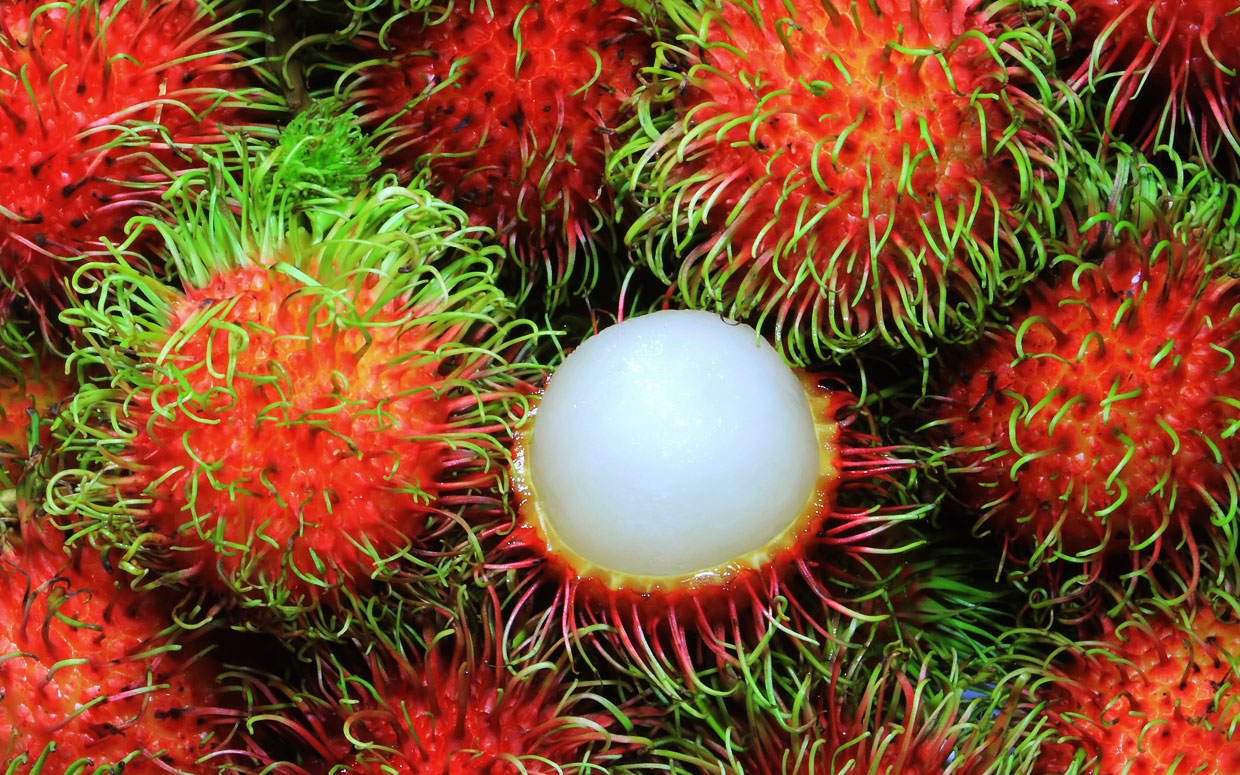
As I mentioned in my last post, the new property, Marari Pearl, could easily be called the Beach Banana Genome Project because it has 30 varieties of bananas being grown on it. When Amie and I saw the list of everything being grown on the property, our joy was akin to kids on christmas.

Have you ever seen a rambutan?

Have you ever seen a rambutan?

Since I’ve been reading The Fruit Hunters by Adam Leith Gollner, I’ve realized the role variety awareness plays in conserving biodiversity. Simply not knowing about all the varieties allows agribusiness to monopolize the market with one or two varieties that best suit global trade. For example, when people only saw red and yellow apples in the supermarket, they did not know what they were missing out on, so they weren’t as picky. Once Fujis and Galas became known, customers began to demand more. Knowledge of varieties is seen as a threat to supermarket because customers focused on varieties become less easy to please with subpar, out-of-season fruits.

So with that being said, simple awareness of varieties is a method of raising the bar. It helps promote biodiversity because people are less willing to accept generic and standardized fruit.

On the Marari Pearl property, there are pomelos, rambutans, and tamarinds. There are several types of jackfruit,  lovi-lovis, mangos, and oranges. I was particularly excited to see the miracle fruit on the list. Continue reading

Tourism, Conservation, Whale Sharks

shark-shutterstock_127906316-680x450

shutterstock.com

Thanks to Conservation for this item about entrepreneurial conservation of the ecosystems where one of the greatest of sea creatures dwell:

HOW CAN WHALE SHARK TOURISM BE KEPT SUSTAINABLE?

August 22, 2014

When the revenue generated by wildlife-related tourism is higher than that generated by the consumption of that wildlife, then the animals in question are worth more alive than dead. This seems intuitive, but the economics of wildlife tourism aren’t always easy to work out.

Over the last couple decades, one form of wildlife-based tourism that has quickly become popular is diving alongside free-swimming whale sharks. While they’re the largest fishes in the sea, whale sharks are actually quite docile and have highly predictable seasonal movement patterns. That makes them particularly attractive to dive operators. While whale shark tourism has operated in Western Australia’s Ningaloo Reef since the late 1980s or early 1990s, most whale shark tourism outfits have sprung up more recently, in the eastern Gulf of Mexico, Honduras, Belize, the Philippines, Mozambique, Seychelles, and the Maldives. While some attempts have been made to quantify the economic impacts of whale shark tourism in Ningaloo, Belize, and the Seychelles, nobody has done so for the Maldives. Measuring the economic value of the industry is especially important because it is difficult for local governments, with limited powers especially when it comes to environmental protection, to prioritize conservation without that information. Continue reading

Ocean Conservation, Of Vital Interest Among Islanders Everywhere, Gets Its Due From The Relatively Tiny Barbuda

A map of protected marine zones that are being established around the Caribbean island of Barbuda. Credit Waitt Institute

A map of protected marine zones that are being established around the Caribbean island of Barbuda. Credit Waitt Institute

We had not expected to see Dot Earth again, but all of a sudden, thanks again for the surprise Mr. Revkin:

A Small Island Takes a Big Step on Ocean Conservation

Marine life in the Caribbean has been badly hurt in recent decades by everything from an introduced pathogen that killed off reef-grooming sea urchins to more familiar insults like overfishing and impacts of tourism and coastal development.

Some small island states are now trying to restore once-rich ecosystems while sustaining their economies. A case in point is Barbuda, population 1,600 or so, where the governing council on Aug. 12 passed a suite of regulations restricting activities on a third of the island’s waters. The regulations and reef “zoning,” in essence, came about after months of discussions involving fishing communities, marine biologists and other interested parties, facilitated by the Waitt Institute, a nonprofit conservation organization. Continue reading

Seed Saving as a Safeguard for Biodiversity

logo

This is a seed savers network we are looking to collaborate with on our organic farm initiatives.

The recent post here about The New Yorker article on genetically modified seeds and Vandana Shiva helped me understand more about this era we are entering of biotechnology.

Regardless of whether or not it’s healthy to consume genetically modified foods, we are at risk of losing biodiversity and heirloom varieties. In support of protecting biodiversity, having heirloom varieties of plants in the La Paz Group gardens is important. Once the plants go to seed, we can save them to plant the following season.  Continue reading

Seed Vault, Conservation For The Long Run

Travels to the seed vault on top of the world

Travels to the seed vault on top of the world

In advance of a story of our own, albeit set in the tropics at our upcoming beach resort, on this same topic, we thank Conservation for the story  they offered in an earlier issue of their magazine about this seed vault way way north:

…One day in Svalbard lasts four months, and the sun never sets; one night lasts four months, and the sun never rises. The other four months consist mainly of either long days with short nights or long nights with short days. Here the equinoxes—the two days annually with 12 hours each of daylight and darkness—really mean something. But what does “a day” mean here, and how many are there in a year? Continue reading

Monkey Business in Dehli

monkeys_delhi2_wide-d22a7520cf5334f80c91291f185119e7a44c6aad-s4-c85

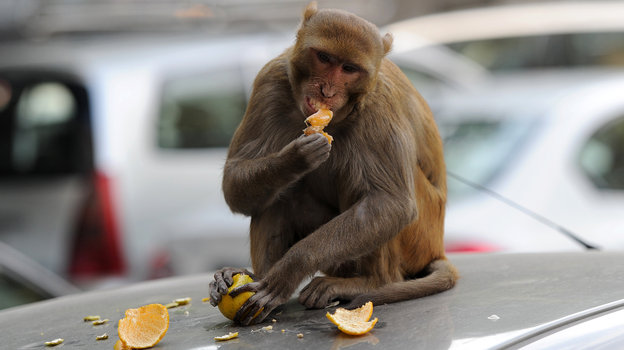
New Dehli has tried numerous schemes to control its monkey population. Photo Credit: Sajjad Hussain

We’ve had our fair share of monkey business as a garden challenge in Cardamom County. In Dehli, they’re looking for ways to monkey proof their city.

Reporting monkey raids, Sharma says, residents complain that ” ‘they’ve just taken away my clothes,’ or … ‘they have opened the fridge’ … and ‘they’ve taken out the food.’ “

The monkeys have also been known to intimidate fruit vendors and get intoxicated on stolen whiskey. Sharma says when they fail to find food, they can raise a rumpus.

You can read more in depth at the original article here. Initially, there were people who were hired to train Langurs because they were able to frighten off the smaller Rhesus monkeys. That practice was recently banned due to animal rights concerns. Now, there are 40 men hired to mimic the calls of the Langurs to scare them away. Continue reading

Wildlife at Carara National Park: Part 1

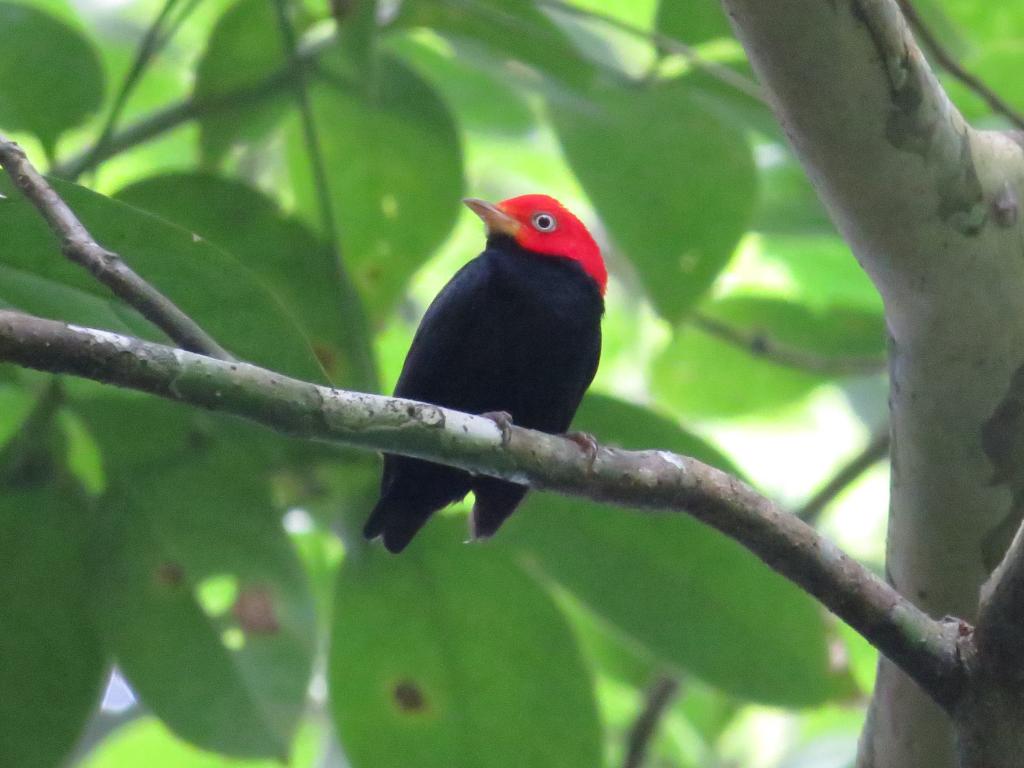
Red-capped Manakin (male). He has spiffy yellow thighs, unfortunately not visible in this picture.

A few weekends ago, James and I spent six hours at Parque Nacional Carara, on the Pacific side of Costa Rica and just about an hour and a half from Xandari. Braving the muggy, humid coastal rainforest with the intention of spotting and/or hearing at least fifty new (for us) species, we set off on the first couple miles of trail with our field guide in hand. James uses a pair of Nikon Monarch binoculars for quick spotting and following birds as they flit around, and I sport a Canon SX50 digital camera to hopefully capture still images or video for identification purposes. Sometimes I get lucky enough to take a photo that’s worth sharing!

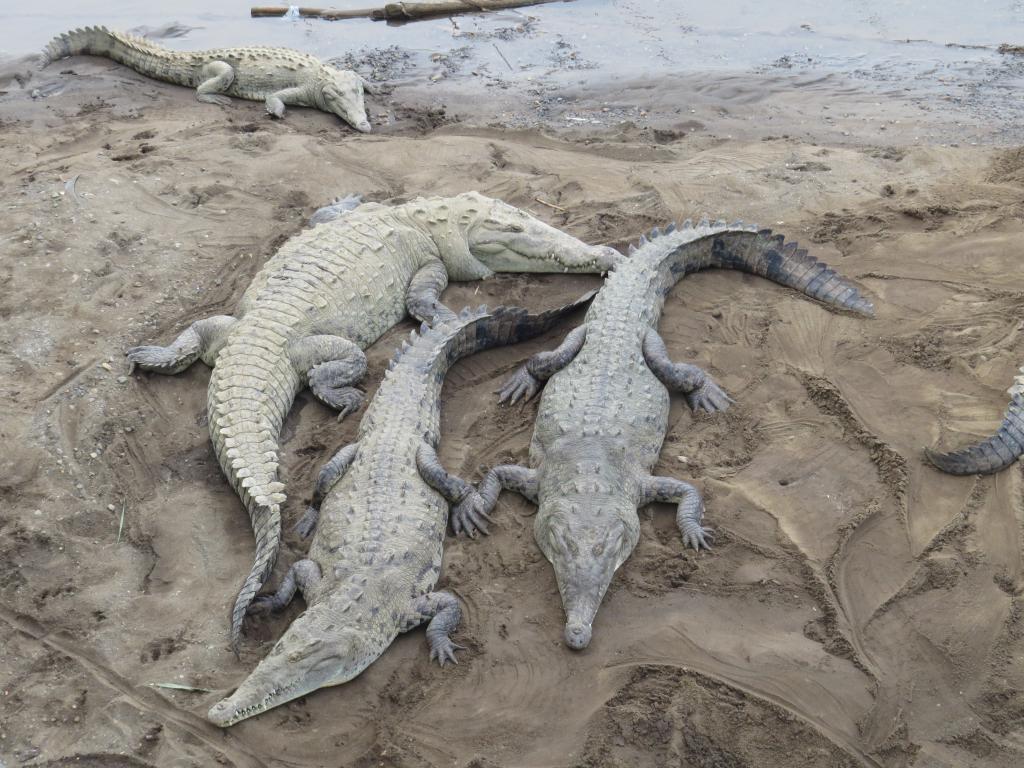
But not all the wildlife we spotted at Carara was avian. On the way to the park entrance, we crossed the famous Río Tarcoles, a river that is home to dozens of crocodiles that bask in the mud, particularly under the bridge that tourists walk over to gaze at the enormous predators hanging around. James and I saw plenty of smaller reptilian relatives skitter across the paths at the park, including iguanas and a basilisk lizard. We passed several troops of leaf-cutter ants marching  Continue reading

Southern Birdwing Butterfly

Photo credits : Josekallukaran

Photo credits: Jose Kallukaran

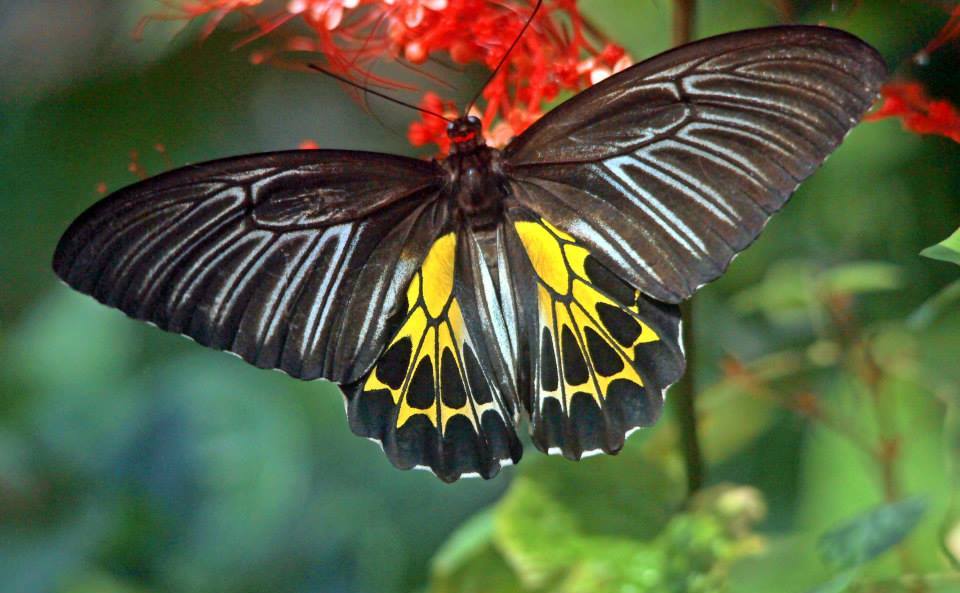
The Southern Birdwing butterfly  is the largest butterfly in India, and is endemic to the Western Ghats. Males are more frequently seen than females, mainly feeding on flowers of the Pagoda plant, west Indian jasmine, mimosa, and other ornamental bushes. Unlike many butterfly species that prefer full sun, the southern birdwing tends to be more active during the evening. Continue reading

Seeing in the Dark

7296_591181947589412_1926452569_n

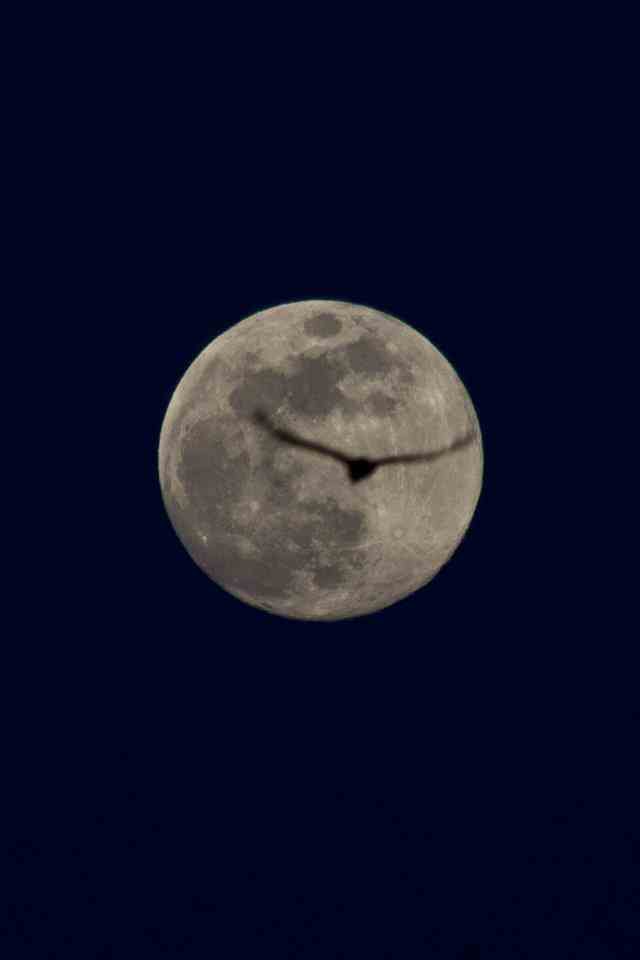
Full moon shot Kayal Villa. Photo: Milo Inman

That traveling state of mind woke up a part of my brain that’s been sleeping for a while. I’ve been feeling my grey matter stretch as a fellow Raxa friend put it. An idea I’ve been thinking about started while on the Camino de Santiago pilgrimage when a man told my friend and me not to walk the Camino at night. He said, “If God wanted us to walk the Camino at night, he would have put a light in the sky so we could see the Camino’s beauty”.

We were confused- why didn’t he see beauty in walking at night under the full moon and stars? After that, my friend and I began to contemplate how darkness has been associated in both sacred and secular literature with the lack of spiritual enlightenment, lack of awareness; in our language, to say something is dark has bad connotations. We felt more motivated than ever to walk at night.

We began to question how a society’s aversion to darkness could inform everything. We considered how the aversion to darkness could be a deeper layer to the resistance to female equality and even environmental understanding of the interdependency of nature and cycles of dark and light.

Continue reading

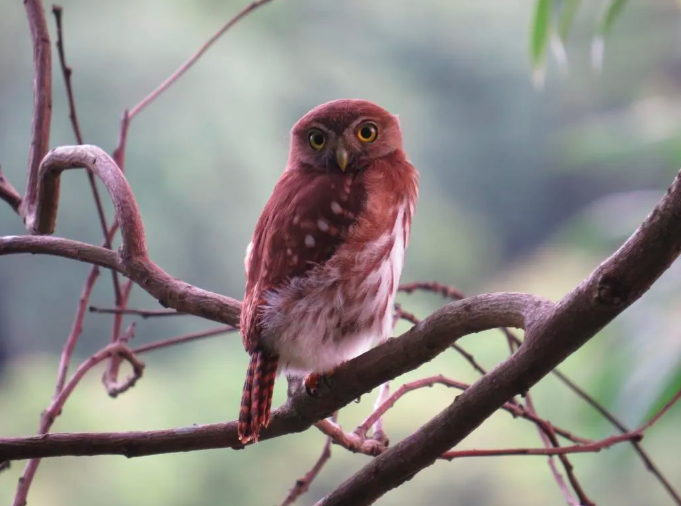
Ferruginous Pygmy-Owl at Xandari

Ferruginous Pygmy Owl by Seth Inman- OrganikosA few weeks ago, as James and I were leading a bird tour, we had quite a lucky and enjoyable sighting. From the title and the picture on the left, you already know that we saw a small species of owl, but that actually wasn’t what we had been looking for at the time.

There was a hummingbird buzzing around in front of us on the trail, and eventually it landed on a branch on our left. We all turned to look at it more closely, but, as birds are apt to do, the hummer (a Rufous-tailed) swiftly flew out of sight. On a branch in the background of where the hummingbird had perched, stoically still, was

Continue reading

Thekkady – Periyar Tiger Reserve

Photo credits : Johny Tom

Photo credits: Johny Tom

The Periyar Tiger Reserve is one of the major wildlife sanctuaries in Kerala. With 925 square kilometers of forest, it is the largest protected national park in Kerala, and perfect habitat for the Asian elephant. The forest is a great place for animal lovers, bird watchers, and trekkers. Continue reading

Xandari’s Trails

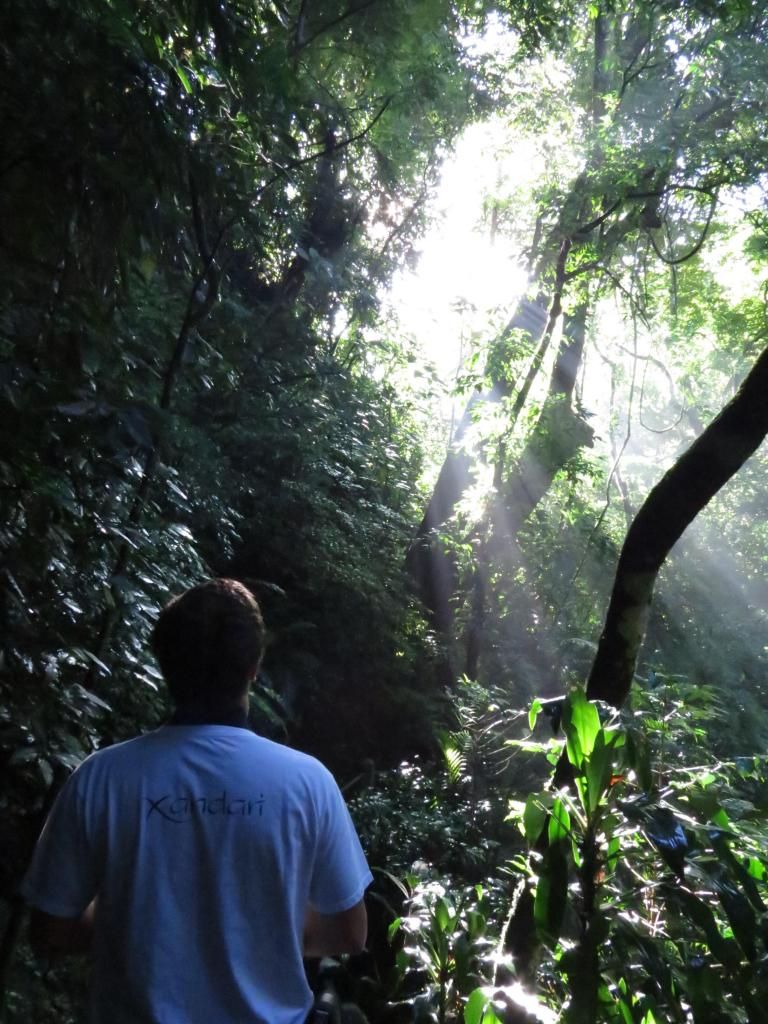
With our daily walks around Xandari to build the resort’s checklist of resident birds and take photos of as many species as possible, James and I are taking full advantage of the remarkable trail system. It allows us to travel several miles around the thirty-odd acres of private reserve in Xandari’s property without tracing back over our steps at all, which would have negative implications on the eBird data that we submit for every outing (we don’t want to increase the chances of counting a bird twice!). Descending from about ~1,150m (~3,800ft) to ~1,080m (~3,550ft), on woody switchbacks that give us vantage points over the surrounding forest and allow views into the canopies of the trees below, James and I walk through many types of bird habitat, which both in theory and in practice yields us a higher species count than if we were to simply walk around the gardens right outside any of Xandari’s villas – though I don’t mean to imply that the gardens aren’t home to quite a few species here!

This slideshow requires JavaScript.

Continue reading