Culling Questions

Because invasive species are among the main drivers of extinction today, conservationists have made efforts to cull mice in favor of albatrosses, rats in favor of puffins, and pythons in favor of bobcats. Illustration by Javier Jaén; Source photographs from Getty

Invasive species have received plenty of attention in our pages in the years since we first shared on this topic. Creative approaches to solving the problem abound. Elizabeth Kolbert reviews two books that take up the moral implications:

Cull of the Wild coverShould We Kill Some Wild Creatures to Protect Others?

Where humans have tilted the game in favor of one species, some believe we should cull predators to save their prey. Others think it’s a mistake to pick sides.

The northern spotted owl is about a foot and a half high, with very dark eyes, a greenish beak, and a rim of feathers, called a facial disk, that makes it appear to be regarding the world with worried perplexity. Like most owls, northern spotteds are nocturnal, but, unlike most of their brethren, they are picky. They can live only in old-growth forests in the Pacific Northwest. Their diet is restricted and seems to consist mainly of flying squirrels. They’re incapable of building nests of their own, and so, to raise their young, they rely on tree cavities or on basketlike growths that are produced by arboreal infections and known, evocatively, as witches’ brooms.

Hedgehogs, Killing, and Kindness: The Contradictions of Care in Conservation PracticeThe spotted owl’s fastidiousness produced one of the great environmental conflicts of the twentieth century. By the late nineteen-eighties, it was estimated that only fifteen hundred breeding pairs survived. Since the owls depended on old growth, the only way to save them, according to biologists, was to preserve the Northwest’s remaining stands of ancient trees. The timber industry countered that leaving those trees untouched would cost thousands of jobs. The two sides adopted increasingly confrontational tactics. Continue reading
Conversation With An Optimistic Scientist

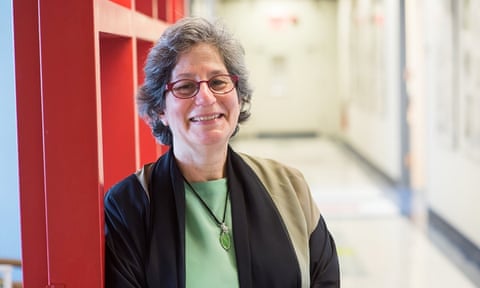
the american atmospheric chemist professor susan solomon

Susan Solomon: ‘Frankly, I worry about climate scientists being encouraged to take a particular stance.’ Photograph: Justin Knight

Killian Fox (long time no see!) offers this wonderful conversation with an optimist who knows the science:

Climate scientist Susan Solomon: ‘Let’s not give up now – we’re right on the cusp of success’

The US atmospheric chemist on why she doesn’t share the pessimism of most climate scientists, fixing the ozone layer, and why Jacques Cousteau is her hero

Susan Solomon was born and raised in Chicago and got her PhD in atmospheric chemistry from the University of California, Berkeley. She is known for her work in the 1980s which established how the Earth’s protective ozone layer was being depleted by human-made chemicals. Continue reading
Hydropower In The Age Of Climate Change

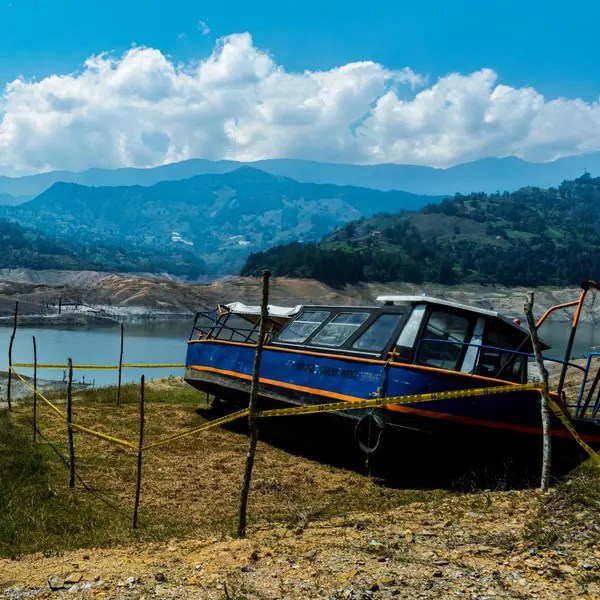
A dry section of the Guavio Reservoir that feeds the Guavio Hydroelectric Power Plant in Gachala, Colombia, in April. Jhojan Hilarion/Agence France-Presse — Getty Images

We knew that dams’ days are numbered, but the evidence keeps mounting:

When Hydropower Runs Dry

The struggle of the world’s largest source of renewable last year could have important implications for the fight against climate change.

Global pollution from electricity generation was set to fall last year, thanks to the growth of renewable energy. Then came the droughts.

Hydropower, the biggest source of renewable energy in the world, was crippled by lack of rain in several countries last year, driving up emissions as countries turned to fossil fuels to fill the gap. Continue reading

Doom-Scrolling With Rigor

Students in a course at the University of Chicago sorted through the future that they will inherit. Illustration by Ben Denzer

Gags and wonders abound. But now, enough diversionary fun, back to the tough stuff. Thanks to Rivka Galchen, writing in the current issue of The New Yorker, follow along and ponder all the major threats, with rigorous reasoning, in the classroom:

Are We Doomed? Here’s How to Think About It

Climate change, artificial intelligence, nuclear annihilation, biological warfare—the field of existential risk is a way to reason through the dizzying, terrifying headlines.

In January, the computer scientist Geoffrey Hinton gave a lecture to Are We Doomed?, a course at the University of Chicago. He spoke via Zoom about whether artificial intelligence poses an existential threat. He was cheerful and expansive and apparently certain that everything was going to go terribly wrong, and soon. “I timed my life perfectly,” Hinton, who is seventy-six, told the class. “I was born just after the end of the Second World War. I was a teen-ager before there was aids. And now I’m going to die before the end.” Continue reading

More Youth Demanding Liveable Futures

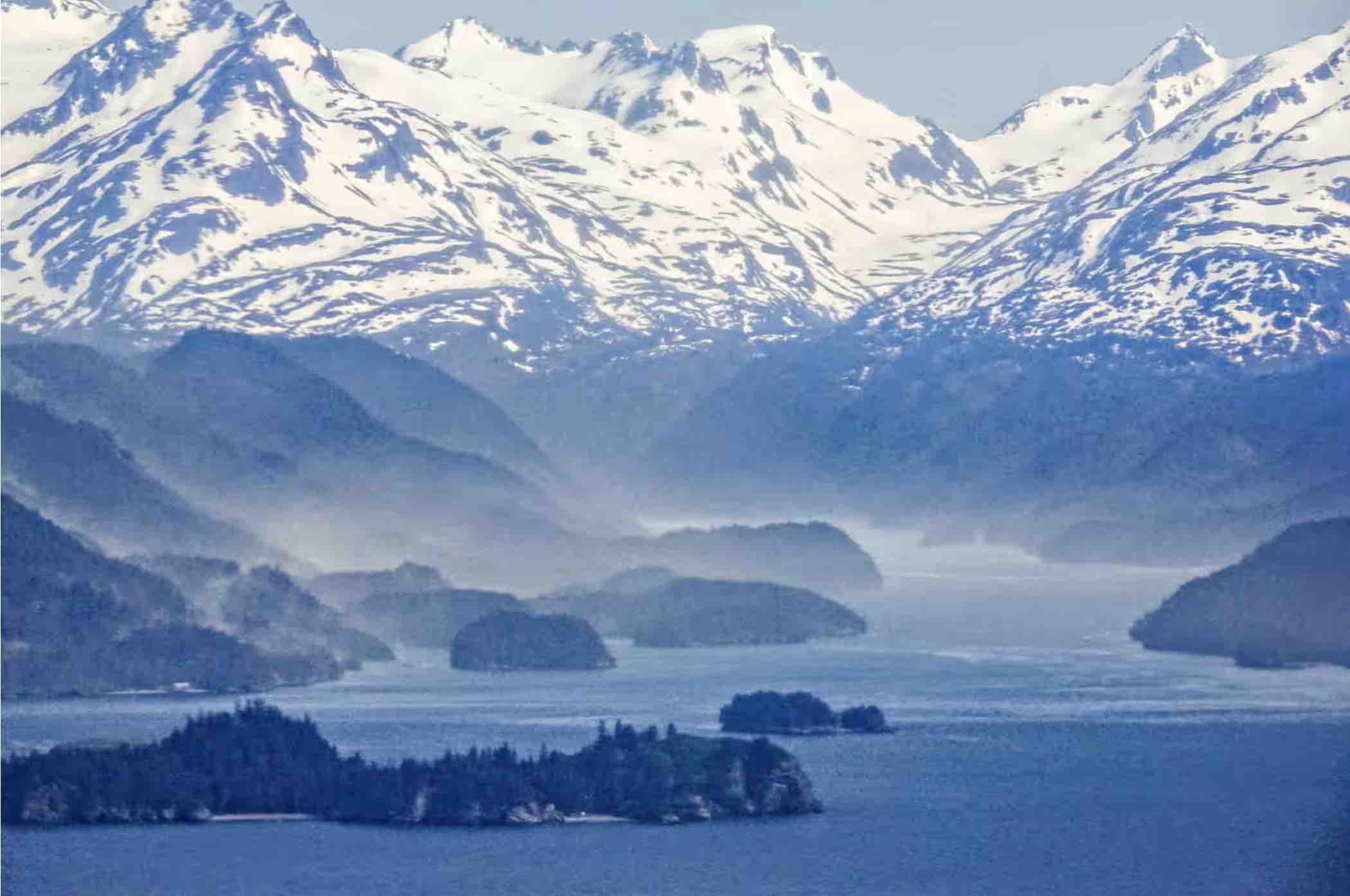
portion of the Kenai Peninsula in Alaska in 2023. The project would involve construction of a liquefaction plant to prepare the gas for export to Asia. Photograph: Richard Ellis/Alamy

Our appreciation to Dharna Noor for writing a clear story about this new legal initiative, and to the Guardian for publishing it. What started in Montana, a naturally well-endowed state with a mixed environmental record, now continues in Alaska, the biggest frontier of the American West. Our thanks to the younger generation for taking up the fight creatively:

Young Alaskans sue state over fossil fuel project they claim violates their rights

Plaintiffs claim $38.7bn gas export project, which would triple state’s greenhouse gas emissions, infringes constitutional rights

Eight young people are suing the government of Alaska – the nation’s fastest-warming state – claiming a major new fossil fuel project violates their state constitutional rights. Continue reading

Upgrading Electrical Power Lines

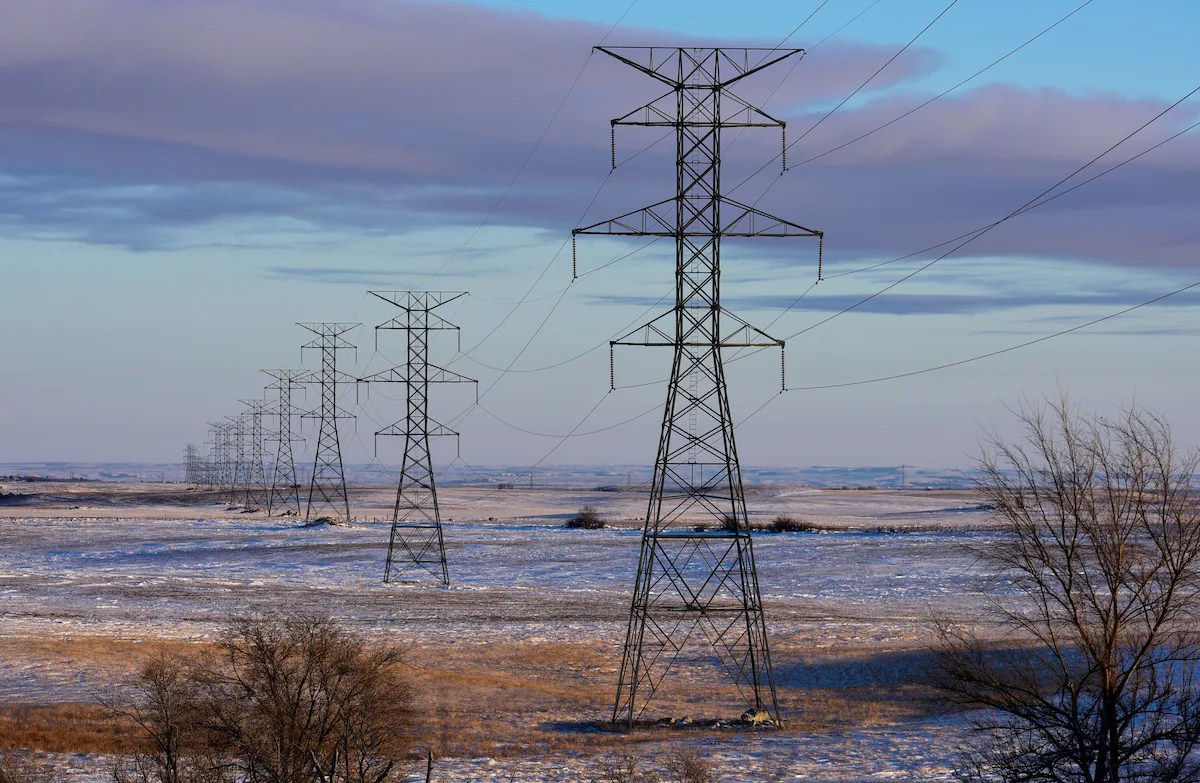
High voltage power transmission lines near Underwood, N.D. Installing new wires on the high-voltage lines that already carry power hundreds of miles across America could double the amount of power those lines carry. (Dan Koeck for The Washington Post)

Shannon Osaka, writing in The Washington Post, offers an unglamorous but effective-sounding story about the role that electrical transmission lines may play in upgrading our energy infrastructure:

How a simple fix could double the size of the U.S. electricity grid

Rewiring miles of power lines could make space for data centers, AI and a boom in renewables.

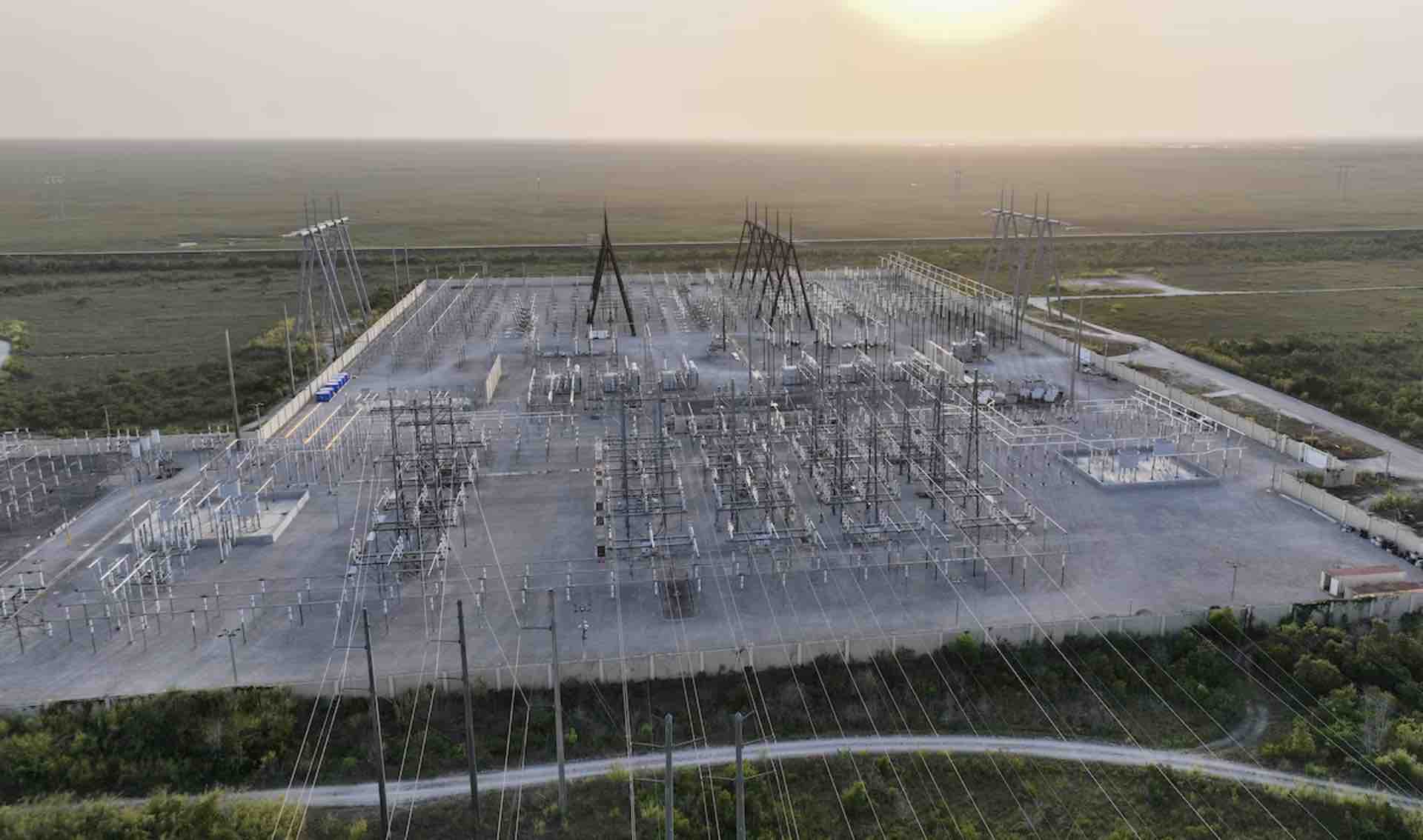
High voltage power lines run through a substation along the electrical power grid in Pembroke Pines, Florida. The grid is strained by increasing demand from electricity-hungry data centers and electric vehicles, as well as extreme weather events. (Joe Raedle/Getty Images)

There is one big thing holding the United States back from a pollution-free electricity grid running on wind, solar and battery power: not enough power lines.

As developers rush to install wind farms and solar plants to power data centers, artificial intelligence systems and electric vehicles, the nation’s sagging, out-of-date power lines are being overwhelmed — slowing the transition to clean energy and the fight against climate change. Continue reading

Tiny Creatures Also Need Climate Stability

Scientists have identified about 9,000 species of springtails, but that number might represent just a fraction of their global species richness. Frank Ashwood

We have shared articles about the type of small creatures that we rarely think about, but which may be important to the wellbeing of the planet. Sofia Quaglia, an award-winning freelance science journalist (new to us), has written this story for the New York Times with exceptional photos by Frank Asherood:

Life in the Dirt Is Hard. And Climate Change Isn’t Helping.

Heat and drought are taking a toll on the tiny soil creatures that help to lock away planet-warming carbon, according to a new analysis.

They’re dirt-dwelling invertebrates, but, in a sense, they’re the real backbone of Earth’s carbon cycle.

Thousands of species of mites and springtails, living in soil all around the world, provide a crucial service by munching organic matter like fallen leaves and wood, transferring its planet-warming carbon into the ground and releasing nutrients that help new plants grow. Continue reading

Implementing The Inflation Reduction Act

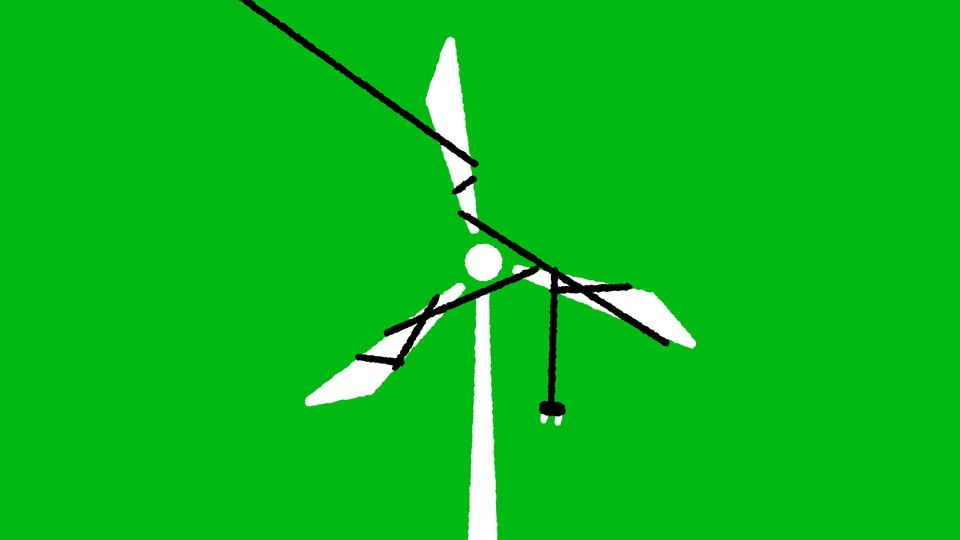
A windmill getting tangled by an electrical cord

Illustration by Ben Kothe / The Atlantic

We celebrate when a law is passed that moves the USA in the right direction, but the biggest  such law ever still is in the process of implementation. So, creativity and vigilance are still key ingredients to making the best of the law:

The Next Front in the War Against Climate Change

Clean-energy investment in America is off the charts—but it still isn’t translating into enough electricity that people can actually use.

On august 2022, the U.S. passed the most ambitious climate legislation of any country, ever. As the director of President Joe Biden’s National Economic Council at the time, I helped design the law. Continue reading

Vermont Vote Victory

Flooding in downtown Montpelier, Vermont, in July, 2023.Photograph by John Tully / Washington Post / Getty

When you read to the end of this short commentary, you will wonder whether this is a victory at all, but when Elizabeth Kolbert says it is, it probably is. It just requires more pondering to understand how it is:

Vermont Moves to Hold Fossil-Fuel Companies Liable for Climate-Change Damage

A new constituency is willing to stand up to Big Oil (and Gas and Coal): state government.

On July 10, 2023, Vermont’s state capital, Montpelier, was hit with more than five inches of rain. Continue reading

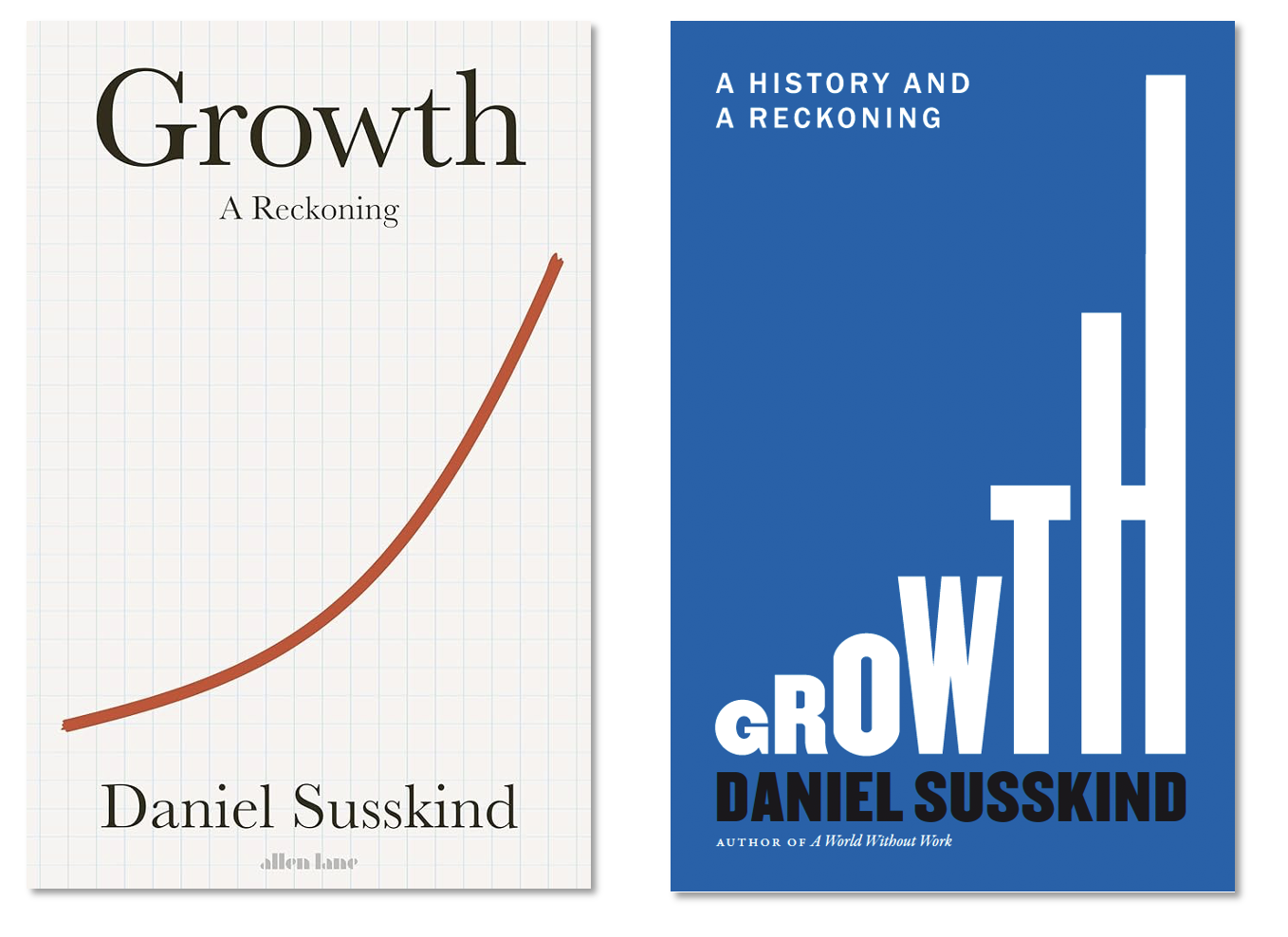
Idrees Kahloon On Daniel Susskind On Growth

Idrees Kahloon is an excellent discussant on the Economist podcast, and reviews Daniel Susskind’s new book in the current issue of the New Yorker:

Capitalism, as it has been practiced throughout the past century, has brought with it plenty of problems; as with any engine, harnessing it properly requires controlling it properly.Illustration by Carl Godfrey; Source photographs from Alamy; Getty

The World Keeps Getting Richer. Some People Are Worried

To preserve humanity—and the planet—should we give up growth?

In April, 1968, a consequential meeting took place in the Villa Farnesina, a stately Roman home built for Pope Julius II’s treasurer and adorned with frescoes by Raphael. The conveners were Alexander King, a Scottish chemist who directed scientific affairs for the Organization for Economic Co-operation and Development, and Aurelio Peccei, an Italian industrialist who simultaneously held executive positions at the automaker Fiat, the typewriter manufacturer Olivetti, and a large consulting firm. Continue reading

One Film, Two Decades Of Influence

It has not been top of mind for any of us contributing to this platform, but Michael Svoboda, the Yale Climate Connections books editor, puts the influence of this film in perspective:

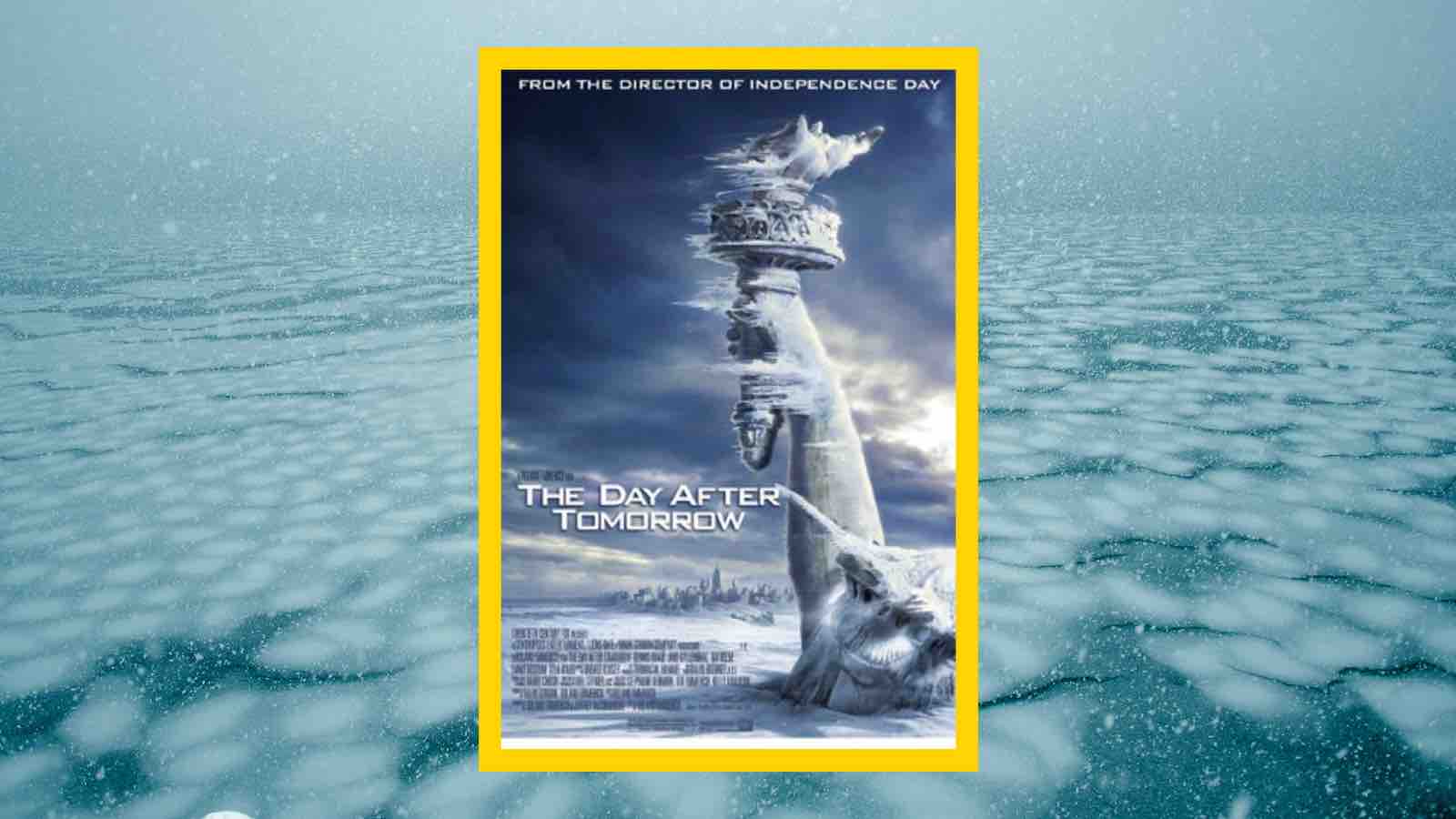
The enduring influence of “The Day After Tomorrow,” 20 years later 

The groundbreaking film popularized an extreme climate scenario. To what effect?

It has been 20 years since we first saw the paleo-climatologist Jack Hall, played by Dennis Quaid, standing at a railing overlooking a command center at NOAA and asking his colleagues the question that baffled them: “What about the North Atlantic Current?” Continue reading

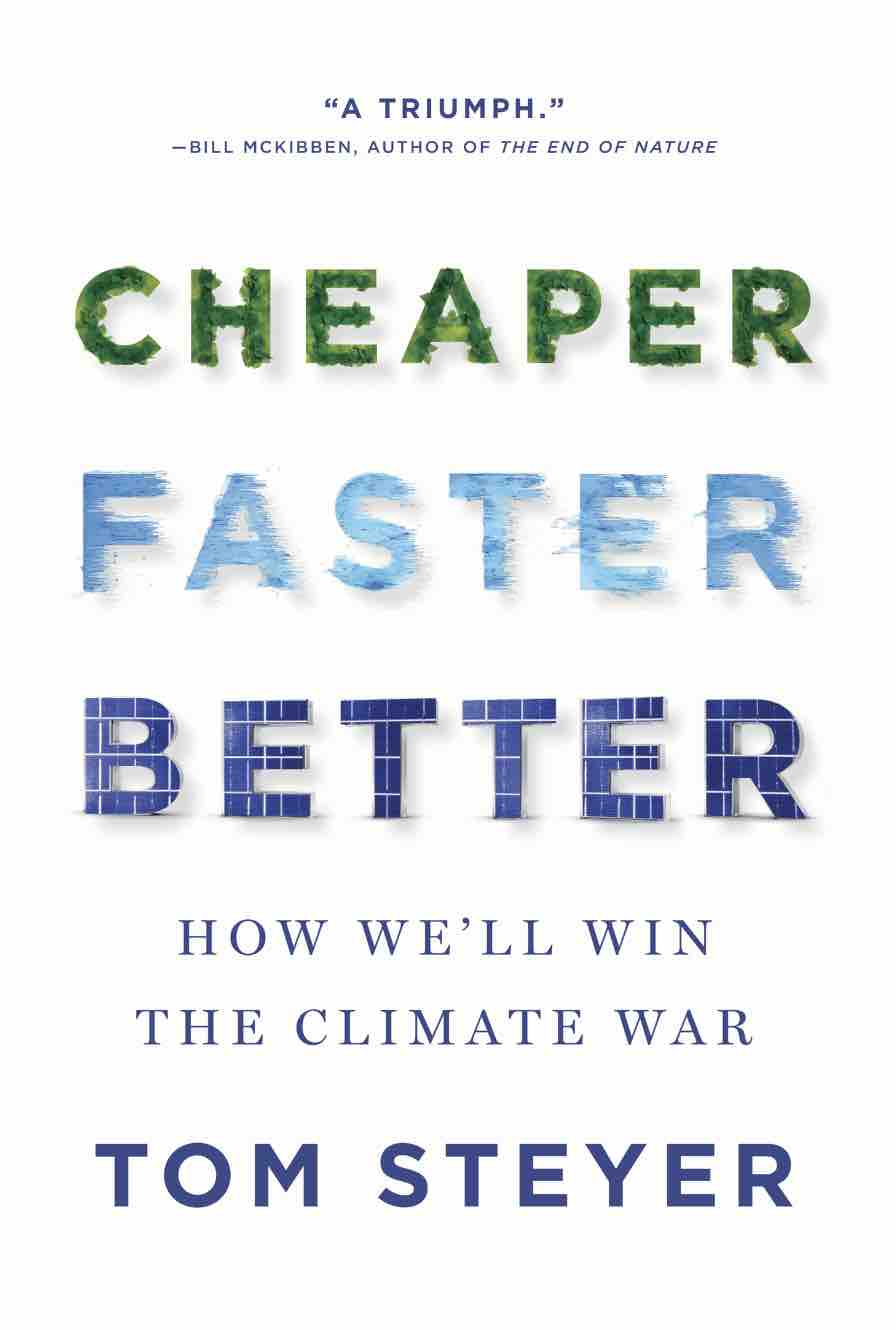
Cheaper, Faster, Better

The author of this book was a presidential candidate in the USA briefly in what seems the distant past of just a few years ago. His publisher says this:

Renowned investor and climate champion Tom Steyer gives us a unique and unvarnished perspective on how we can all fight climate change—joyfully, knowledgeably, and even profitably—at a time of unparalleled consequence and opportunity.

Blurbs for the book include: Continue reading

Sailing Circa 2024

photograph: getty images

Continuing the theme of new sailing technology, our thanks to the Economist:

A new age of sail begins

By harnessing wind power, high-tech sails can help cut marine pollution

In 1926 an unusual vessel arrived in New York after crossing the Atlantic. Continue reading

Slowed Growth Of Fossil Fuel

For those who might say too little too late we say this still counts as good news worth reading, so thanks to Yale Climate Connections:

‘Turning point in energy history’ as solar, wind start pushing fossil fuels off the grid

Fossil fuel growth has stalled while wind and solar are growing.

Solar and wind energy grew quickly enough in 2023 to push renewables up to 30% of global electricity supply and begin pushing fossil fuels off the power grid, the Ember climate consultancy concludes in a report released May 8. Continue reading

Ever Green & Restoration Of Abundance

We missed Ever Green when it was published last year, but it came to our attention through this essay by one of its co-authors in the current issue of The Atlantic. The essay is about a path to the restoration of hope:

Our Once-Abundant Earth

Protecting species from extinction is not nearly enough.

When Otis Parrish was a kid in the 1940s, abalone were abundant. Each abalone grows in a single, beautiful opalescent shell, which can get as big as a dinner plate. Parrish’s father showed him how to pry the abalone off the rocky shoreline at low tide with an oak stick or the end of a sharpened leaf spring. Continue reading

Price Adjustments & Carbon Emmissions

illustration: javier jaén/getty images

The Economist shares this news:

Carbon emissions are dropping—fast—in Europe

Thanks to a price mechanism that actually works

“Our most pressing challenge is keeping our planet healthy,” declared Ursula von der Leyen on the day she was elected president of the European Commission in July 2019. Continue reading

If You Eat Beef, Track Its Origins

A JBS facility in Tucuma, Brazil. JONNE RORIZ / BLOOMBERG VIA GETTY IMAGES

Reducing meat in our diet was easier living in India, and we committed specifically to cutting beef consumption. This effort has been assisted by awareness of this issue. Thanks to Yale e360 for bringing the work of this team to our attention:

Marcel Gomes (center) with colleagues at Repórter Brasil’s offices in São Paulo. GOLDMAN ENVIRONMENTAL PRIZE

Tracking Illicit Brazilian Beef from the Amazon to Your Burger

Journalist Marcel Gomes has traced beef in supermarkets and fast food restaurants in the U.S. and Europe to Brazilian ranches on illegally cleared land. In an e360 interview, he talks about the challenges of documenting the supply chains and getting companies to clean them up.

Investigative journalism can be a very deep dive. By the end of his probe into the supply chain of JBS, the world’s largest meat processing and packing company, Marcel Gomes reckons he and his team at the São Paulo-based nonprofit Repórter Brasil knew more about the origins of the beef it supplies from the Amazon to the world’s hamburger chains and supermarkets than the company itself. Continue reading

Not The End Of The World

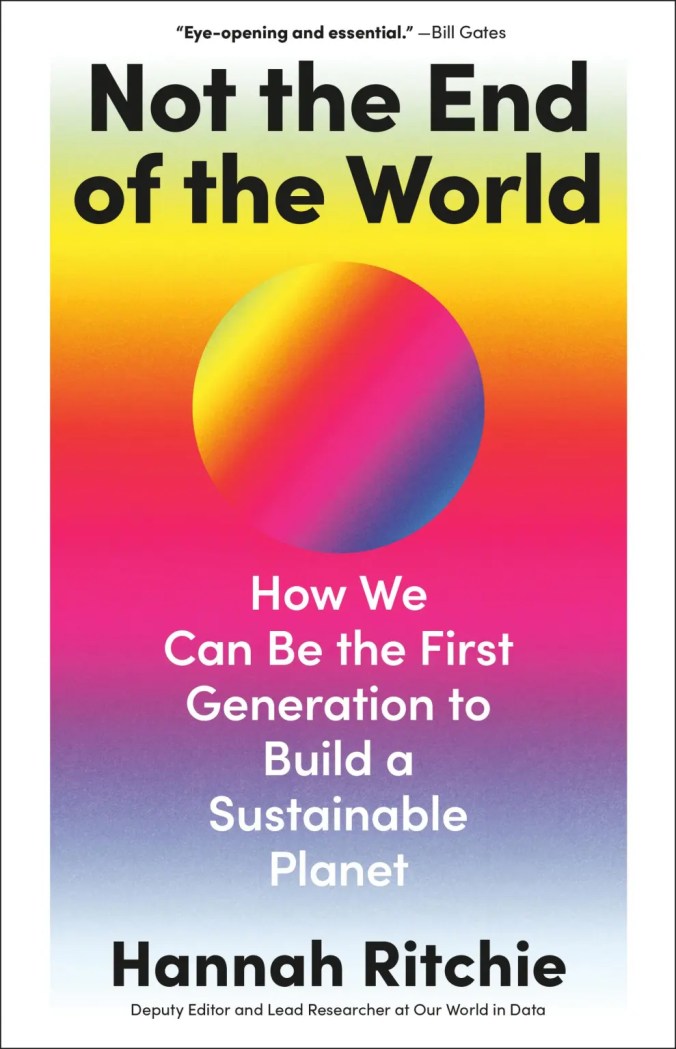
This book came to my attention through an episode of Ezra Klein‘s podcast:

Cows Are Just an Environmental Disaster

The environmental data scientist Hannah Ritchie argues that climate technology is increasingly catching up to the world’s enormous need for clean energy and with a few changes, a more sustainable future is in sight.

Andrea Vidaurre, Making Good Trouble in California

Take five minutes to celebrate Andrea’s activism and its accomplishments:

2024 GOLDMAN PRIZE WINNER

Andrea Vidaurre

Andrea Vidaurre’s grassroots leadership persuaded the California Air Resources Board to adopt, in the spring of 2023, two historic transportation regulations that significantly limit trucking and rail emissions. The new regulations—the In-Use Locomotive Rule and the California Advanced Clean Fleets Rule—include the nation’s first emission rule for trains and a path to 100% zero emissions for freight truck sales by 2036. The groundbreaking regulations—a product of Andrea’s policy work and community organizing—will substantially improve air quality for millions of Californians while accelerating the country’s transition to zero-emission vehicles.

The Most Important View, If Climate Change Interests You


In a vulnerable, defendable part of the Amazon, the hundred-and-ten-foot-high tree house was built to attract wealthy tourists—and potential funders of conservation.Photograph courtesy Tamandua Expeditions

Tree house lodging is not new, but beyond beauty is impact. In that regard the accommodations with the most important view right now might be here:

The Highest Tree House in the Amazon

In 2023, conservationists and carpenters converged on Peru to build luxury accommodations in the rain-forest canopy.

Every day, empty logging trucks rumble into Puerto Lucerna, a small outpost on Peru’s Las Piedras River, which snakes through the lush Amazon rain forest. There, workers load them up with pyramids of freshly cut logs—cedar, quinilla, and, most important, ironwoods, which are prized for their hardness and rich color. Continue reading