More Charging Stations, Please

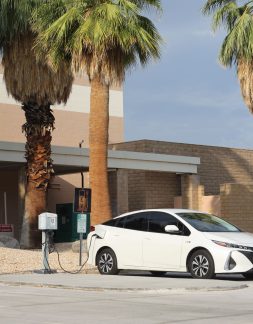
If we’re going to deal with the climate crisis, electric cars are a crucial part of the task. Photograph by Rebekah Zemansky / Shutterstock

In his weekly newsletter Bill McKibben shares an illuminating anecdote, titled Your Electric Vehicle Can’t Get There from Here—At Least, Not Without a Charge, about driving his electric car in New England that explains

Why we need to build a national network of charging stations fast.

I pulled into a Whole Foods parking lot in Bedford, New Hampshire, hoping against hope—but no, someone was already there, their Chevy Bolt plugged into the fast charger. Continue reading

Michelle Nijhuis On Species Solidarity

LUISA RIVERA

Michelle Nijhuis is one of several science writers who have made our pages better in the 10 years since we started this platform. This essay is in good company:

Species Solidarity: Rediscovering Our Connection to the Web of Life

As climate change intensifies and human activity impacts every corner of the planet, repairing our world increasingly means realizing that our fate is intertwined with that of other animal and plant species — not separate from theirs — and that we must think and act accordingly. Continue reading

Maya Lin’s Ghost Forest

Maya Lin’s Ghost Forest: ‘I didn’t just want to talk about ‘hey, this is happening,’ without offering solutions.’ Photograph: Courtesy the artist and Madison Square Park Conservancy

First reading about this in another publication (one that rarely features photographs), the concept was clear, especially if you are familiar with “What Is Missing,” a long-running project about ecological loss. Picturing the result for this new installation was not easy from that first review. The artist’s website offered the photo above, which is also featured in this Guardian review, and Madison Square Park’s website offers an audio tour of the exhibition along with the image below.

On her own website the artist’s description is worth reading:

Ghost Forest, 2021
Madison Square Park, New York, NY
Commissioned by Madison Square park Conservancy
May 10 – November 14, 2021
49 Atlantic Cedar trees (36 – 46 feet)

Photography: Maya Lin Studio / Andy Romer, courtesy MSPC

Maya Lin’s Ghost Forest, brings a towering stand of forty-nine Atlantic white cedar trees, victims of salt water inundation due to climate change to downtown manhattan’s Madison Square Park. Continue reading

Really, Wyoming?

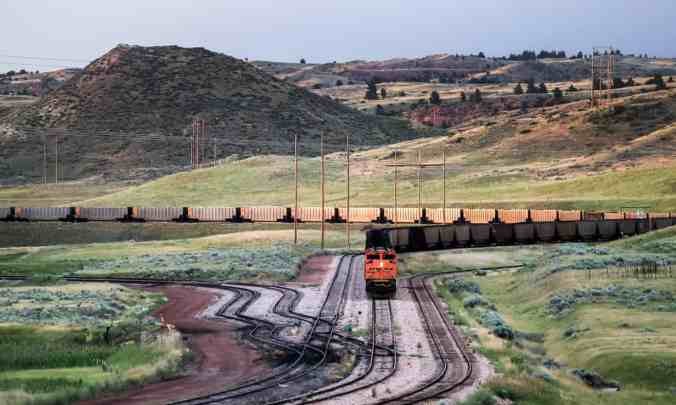
A train loaded with newly mined coal near Gillette, Wyoming. Photograph: Tannen Maury/EPA

It’s been too long since we last asked this question that had been a mainstay in these pages, but today we have to ask it of Wyoming, based on this story:

Wyoming stands up for coal with threat to sue states that refuse to buy it

Republican governor says measure sends message that Wyoming is ‘prepared to bring litigation to protect her interests’

Wyoming is faced by a transition to renewable energy that’s gathering pace across America, but it has now come up with a novel and controversial plan to protect its mining industry – sue other states that refuse to take its coal. Continue reading

Choices For Mining Lithium

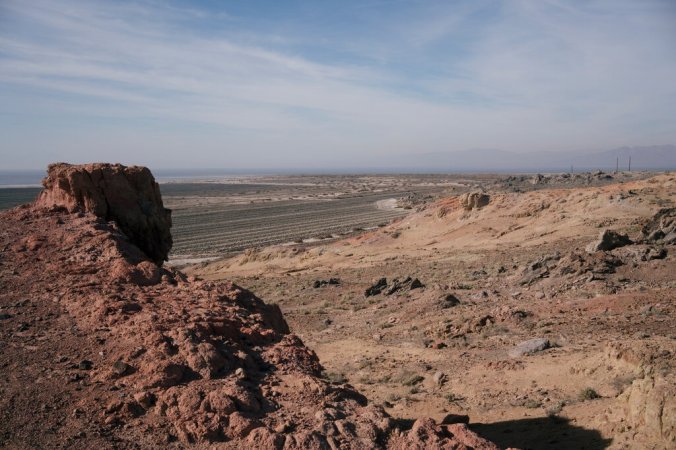
The Salton Sea is one of numerous new mining proposals in a global gold rush to find new sources of metals and minerals needed for electric cars and renewable energy.

Thanks to the New York Times for this coverage of the choices surrounding how and where to mine a key ingredient of more efficient batteries–a consequential environmental question:

The Lithium Gold Rush: Inside the Race to Power Electric Vehicles

A race is on to produce lithium in the United States, but competing projects are taking very different approaches to extracting the vital raw material. Some might not be very green.

“This is the most sustainable lithium in the world, made in America,” Rod Colwell, the chief executive of Controlled Thermal Resources, said. “Who would have thought it? We’ve got this massive opportunity.”

Atop a long-dormant volcano in northern Nevada, workers are preparing to start blasting and digging out a giant pit that will serve as the first new large-scale lithium mine in the United States in more than a decade — a new domestic supply of an essential ingredient in electric car batteries and renewable energy.

The mine, constructed on leased federal lands, could help address the near total reliance by the United States on foreign sources of lithium.

But the project, known as Lithium Americas, has drawn protests from members of a Native American tribe, ranchers and environmental groups because it is expected to use billions of gallons of precious ground water, potentially contaminating some of it for 300 years, while leaving behind a giant mound of waste. Continue reading

Colombia’s Blue Carbon Initiatives

Thanks to YaleE360 for this brief explanatory note on Blue Carbon Projects from a Colombian perspective:

New Approach to Blue Carbon Projects Underway in Colombia

A mangrove preservation project along Colombia’s Caribbean coast is using a more comprehensive method to calculate how much carbon is stored in coastal and marine ecosystems, potentially boosting global efforts to conserve so-called blue carbon. Continue reading

Brazil Is The Amazon’s Steward

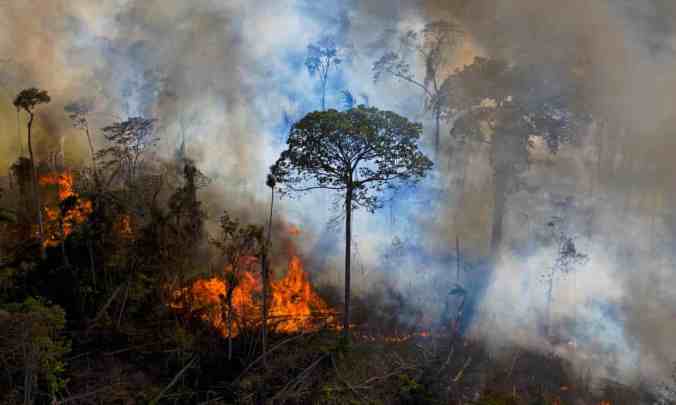
Smoke rises from an illegally lit fire in Amazon rainforest reserve, south of Novo Progresso in Para state, Brazil. Photograph: Carl de Souza/AFP/Getty Images

Stewardship has rights and responsibilities, and we expect better both from and for Brazil in their stewardship of the Amazon region. For our part, among other things, we can all avoid purchasing products that result from this deforestation:

Brazilian Amazon released more carbon than it absorbed over past 10 years

International team of researchers also found that deforestation rose nearly four-fold in 2019

A fallen tree lies in an area of the Amazon jungle that was cleared by loggers and farmers near Porto Velho, Rondonia State. Photograph: Ueslei Marcelino/Reuters

The Brazilian Amazon released nearly 20% more carbon dioxide into the atmosphere over the past decade than it absorbed, according to a startling report that shows humanity can no longer depend on the world’s largest tropical forest to help absorb manmade carbon pollution.

From 2010 through 2019, Brazil’s Amazon basin gave off 16.6bn tonnes of CO2, while drawing down only 13.9bn tonnes, researchers reported Thursday in the journal Nature Climate Change. Continue reading

The Sinking Cost Of Renewable Energy

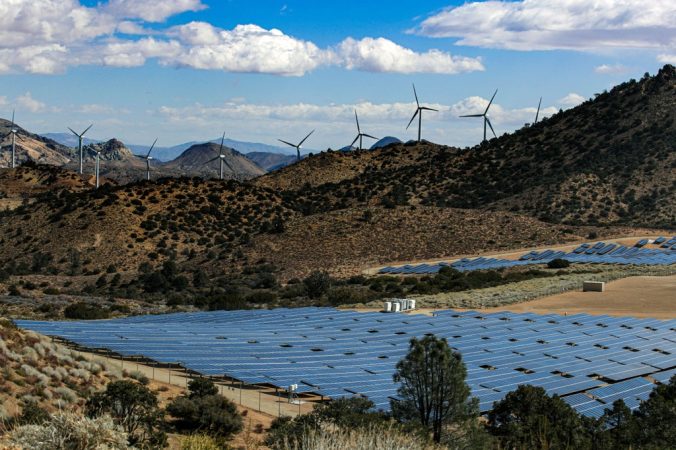
Because its costs continue to slide with every quarter, solar energy will be cheaper than fossil fuels almost everywhere on the planet by the decade’s end. Photograph by Irfan Khan / Los Angeles Times / Getty

Thanks to Bill McKibben, as always, for at least one bit of good news in his weekly newsletter:

Renewable Energy Is Suddenly Startlingly Cheap

Now the biggest barrier to change is the will of our politicians to take serious climate action.

Earth Week has come and gone, leaving behind an ankle-deep and green-tinted drift of reports, press releases, and earnest promises from C.E.O.s and premiers alike that they are planning to become part of the solution. There were contingent signs of real possibility—if some of the heads of state whom John Kerry called on to make Zoom speeches appeared a little strained, at least they appeared. (Scott Morrison, the Prime Minister of Australia, the most carbon-emitting developed nation per capita, struggled to make his technology work.) But, if you want real hope, the best place to look may be a little noted report from the London-based think tank Carbon Tracker Initiative. Continue reading

Stenophylla May Be One Of Coffee’s Answers

Climate change is only one of the challenges facing coffee. Thanks to the Economist for keeping us up to date on prospective solutions:

How to save coffee from global warming

Look at research done two centuries ago

Coffee is a multi-billion dollar industry that supports the economies of several tropical countries. Roughly 100m farmers depend on it for their livelihoods. Continue reading

The Climate Crisis, Earth Day Edition

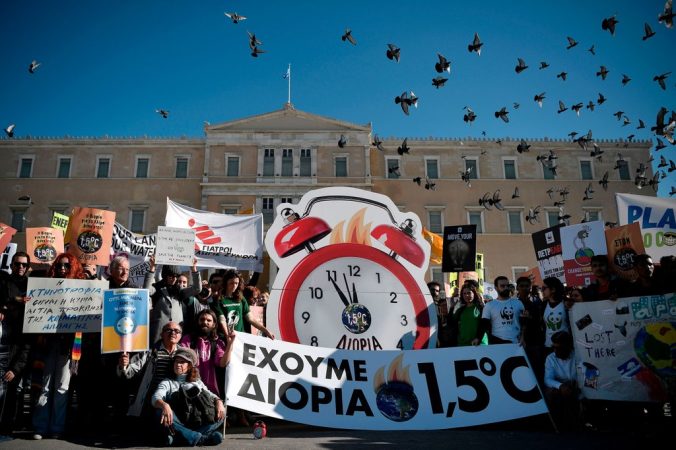
Climate activists at a rally in Athens, Greece, in late 2018, hold up banners warning that time is running out on efforts to contain the earth’s warming to a rise of 1.5 degrees Celsius. Photograph by Louisa Gouliamaki / AFP / Getty

Thanks to Bill McKibben for this Earth Day edition of his newsletter, The Climate Crisis, which we sample from regularly:

How 1.5 Degrees Became the Key to Climate Progress

The number has dramatically reorganized global thinking around the climate.

It’s Earth Day +51, as we near the end of President Biden’s first hundred days, and forty world leaders are scheduled to join him for a virtual summit on climate change. “For those of you who are excited about climate, we will have a lot more to say next week,” the White House press secretary, Jen Psaki, said last Thursday, which is a sweet way to think about it—better than “for those of you who are existentially depressed about climate.” Continue reading

Urban Power Shifts

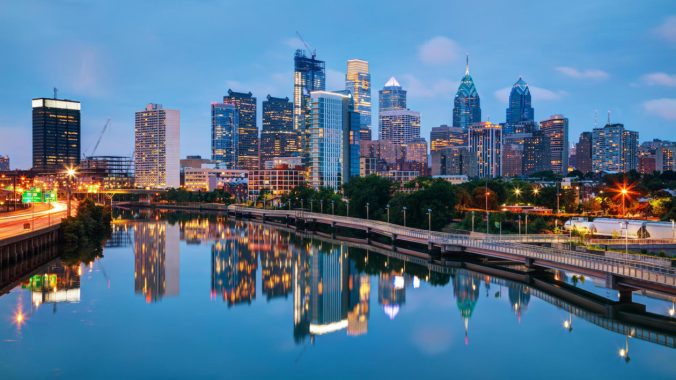
Center City Philadelphia, viewed from the Schuylkill River. ZOONAR GMBH / ALAMY STOCK PHOTO

Thanks to Jonathan Mingle  and Yale e360 for this analysis:

Cities Confront Climate Challenge: How to Move from Gas to Electricity?

Ending the use of fossil fuels to heat homes and buildings is a key challenge for cities hoping to achieve net-zero emissions. Nowhere is that more evident than in Philadelphia, where technical and financial hurdles and a reluctant gas company stand in the way of decarbonization.

In 1836, Philadelphians mostly used whale oil and candles to light their homes and businesses. That year, the newly formed Philadelphia Gas Works caused a stir when it lit 46 downtown street lamps with gas made from coal in its plant on the Schuylkill River. Continue reading

Felling Forests, Featured Frankly

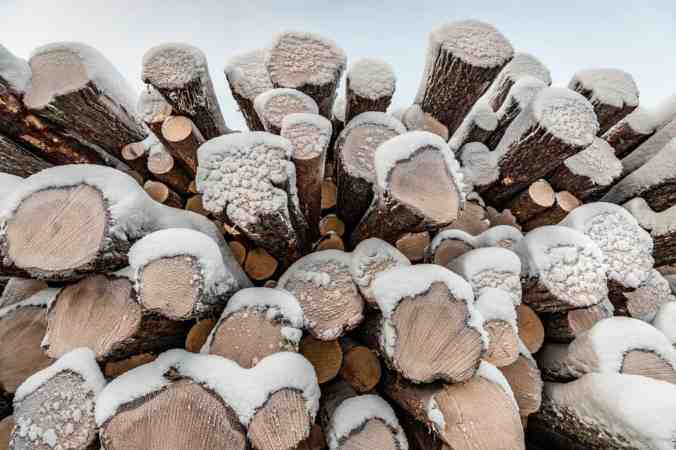
The remnants of an old-growth forest in northern Sweden. Forest biologist Sebastian Kirppu counted over 100 trees more than 150 years old in these piles. Photograph: Marcus Westberg

The Guardian features this gallery of photos with commentary, by Marcus Westberg, to raise awareness; click any image to see the entire collection:

Each year, about 1% of Sweden’s forest is cut down, according to the trade association Swedish Forest Industries, mainly in the northern half of the country. Since 2000, Sweden has lost more than 48,000 sq km (19,000 sq miles) of tree cover, not accounting for replanting, or 17% since 2000, according to Global Forest Watch. It is an area greater than Denmark

‘Forests are not renewable’: the felling of Sweden’s ancient trees

Forests cover 70% of the country, but many argue the Swedish model of replacing old-growth forests with monoculture plantations is bad for biodiversity.

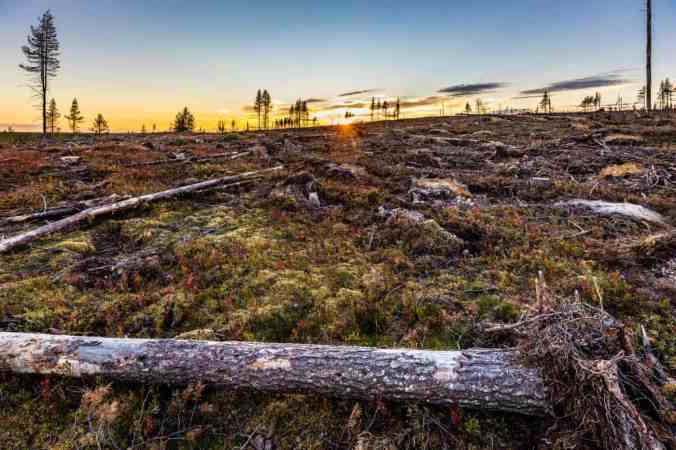
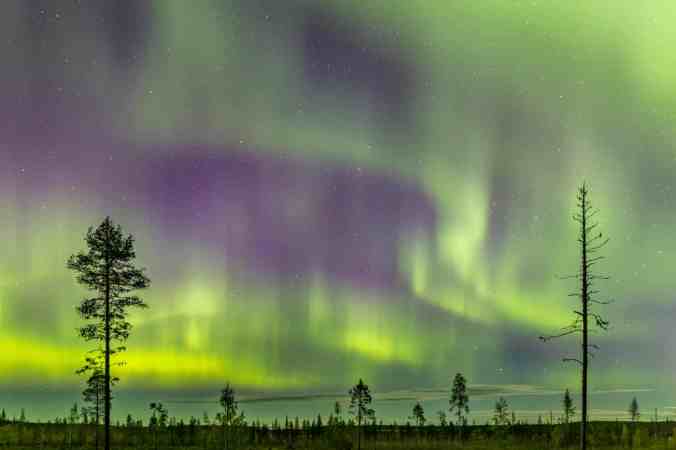
The remains of an old-growth forest are silhouetted against the aurora borealis in Pajala municipality, in Sweden’s northernmost county of Norrbotten

Clean Is As Creative Does

Fossil fuel divestment is easier said than done. Some in the creative sector have fostered skepticism about climate change. A message from some creative folks that we are inclined to believe:

OUR PLEDGE:

Clean Creatives is bringing together leading agencies, their employees, and clients to address the ad and PR industry’s work with fossil fuels. Continuing to work for fossil fuel companies poses risks to brands that prioritize sustainability, and their agencies. Continue reading

Blue Carbon Credits Better Understood

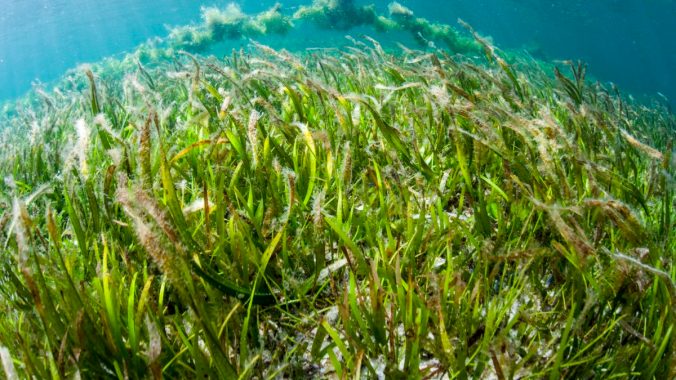
A seagrass meadow near Atauro Island, Timor-Leste. PAUL HILTON FOR CONSERVATION INTERNATIONAL

Thanks to Nicola Jones, as ever, and to Yale e360 for publishing this explanatory article on a relatively new topic:

Why the Market for ‘Blue Carbon’ Credits May Be Poised to Take Off

Seagrasses, mangrove forests, and coastal wetlands store vast amounts of carbon, and their preservation and restoration hold great potential to bank CO2 and keep it out of the atmosphere. But can the blue carbon market avoid the pitfalls that have plagued land-based programs?

A mangrove forest on the Leizhou Peninsula at the southern tip of China. KYLE OBERMANN

Off the shores of Virginia, vast meadows of seagrass sway in the shallow waters. Over the past two decades, conservation scientists have spread more than 70 million seeds in the bays there, restoring 3,600 hectares (9,000 acres) of an ecosystem devastated by disease in the 1930s. The work has brought back eelgrass (Zostera marina) — a keystone species that supports crustaceans, fish, and scallops, and is now absorbing the equivalent of nearly half a metric ton of CO2 per hectare per year. Continue reading

Let Legumes Fix More Nitrogen

Broad beans and other legumes are abundant in proteins and dietary minerals. Photograph: Christopher Miles/Alamy

Reducing synthetic nitrogen in farming, by letting legumes do more nitrogen-fixing in the soil, has plenty of other benefits:

Legumes research gets flexitarian pulses racing with farming guidance

Plant more bean-like crops in Europe and consider ‘healthy diet transition’ to beat climate crisis, say scientists

Adding the likes of peas, lentils, beans, and chickpeas to your diet, and farming more of them, could result in more nutritious and effective food production with large environmental benefits, scientists have found. Continue reading
Planting Trees Is Not A No-Brainer

A plantation site for the 10 Billion Tree Tsunami Project in the Khyber Pakhtunkhwa province of Pakistan. BILLION TREE TSUNAMI PROGRAMME KHYBER PAKHTUNKHWA

We have committed to planting trees. And we know that getting to a trillion trees planted is not going to be easy. But the effort has obvious and less obvious upsides. Every great idea also has its downside(s) and challenges to surmount, even planting trees:

Are Huge Tree Planting Projects More Hype than Solution?

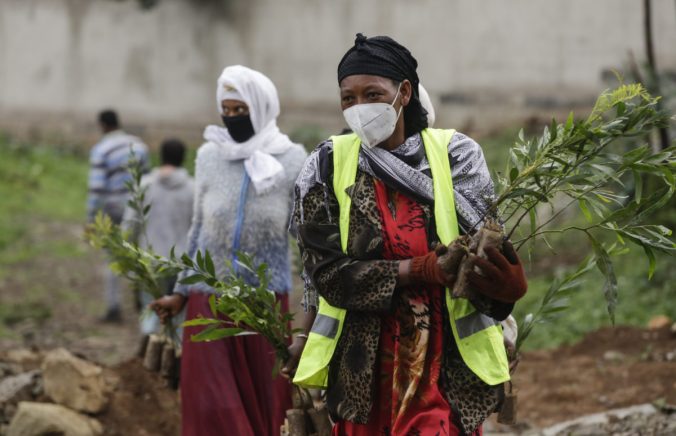
High-profile programs aimed at planting billions of trees are being launched worldwide. But a growing number of scientists are warning that these massive projects can wreck natural ecosystems, dry up water supplies, damage agriculture, and push people off their land.

Women participating in Ethiopia’s mass tree-planting campaign in Addis Ababa last June. Ethiopia aimed to plant 5 billion seedlings in three months. MINASSE WONDIMU HAILU/ANADOLU AGENCY VIA GETTY IMAGES

In late January, the multibillionaire Elon Musk took to Twitter and abruptly announced, “Am donating $100M towards a prize for best carbon capture technology”. This triggered a deluge of sarcasm across the platform: “You mean, like, trees?” “I planted a tree, do I win?” Continue reading
Cherry Blossoms & Public Policy

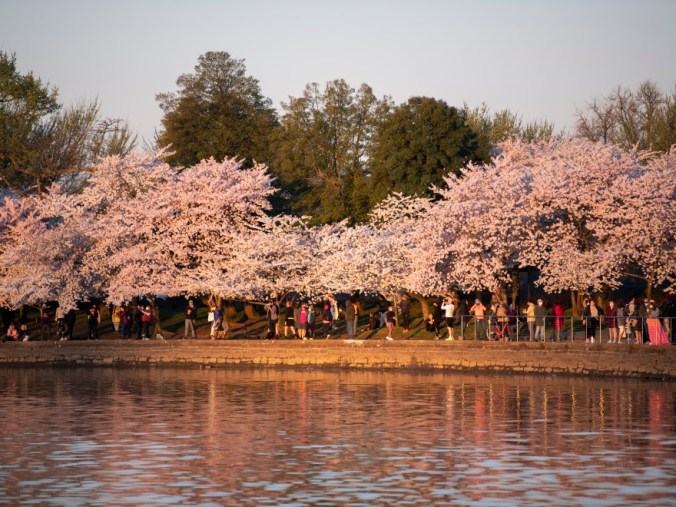
UNITED STATES – March 30: Visitors gather to watch the sunrise under blooming Japanese cherry blossom trees along the Tidal Basin in Washington on Tuesday, March 30, 2021. The 2021 National Cherry Blossom Festival commemorates the original gift of 3,000 cherry trees from the city of Tokyo to the people of Washington in 1912. (Photo by Caroline Brehman/CQ-Roll Call, Inc via Getty Images)

In Washington, D.C. the cherry blossoms came early this year. Plenty was said, including on Texas Public Radio, about the implications related to climate change. Elizabeth Kolbert has this to say, pivoting from cherry blossoms to both environmental and economic policies in the USA:

Biden’s Jobs Plan Is Also a Climate Plan. Will It Make a Difference?

The Administration has an ambitious vision for combatting global warming, but it’s only a start.

Illustration by João Fazenda

The first known reference to Japan’s cherry blossoms comes from the country’s oldest surviving text, the Kojiki, completed in 712. Japan was trying to shrug off the influence of its more powerful neighbor, China, and cherry blossoms became a symbol of Japanese identity, in contrast to the plum blossoms of the Chinese. By the early ninth century, the practice of cherry-blossom viewing had become so well established that the date of the peak bloom appeared in Japanese poems and other literary works. Continue reading
Fossil Fuel Divestment Debate Settled

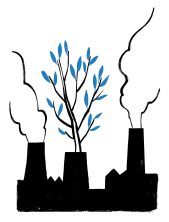
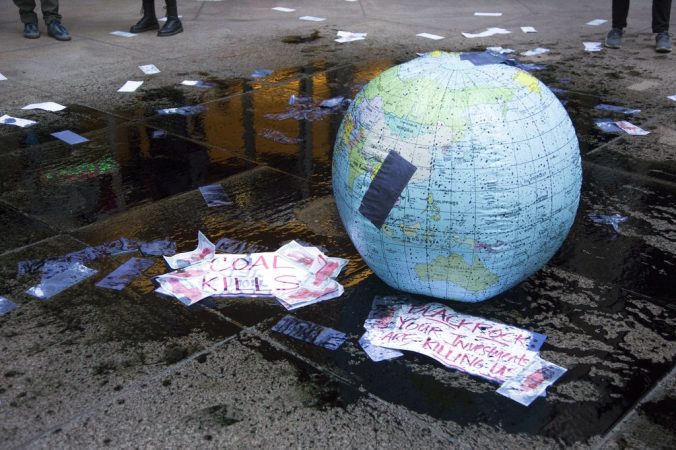
Protesters have argued that you shouldn’t try to profit off the end of the world. New analysis shows that, in any event, you won’t. Photograph by David Grossman / Alamy

This is a short read with a big implication; as always we are grateful to Bill McKibben for his weekly newsletter:

The Powerful New Financial Argument for Fossil-Fuel Divestment

A report by BlackRock, the world’s largest investment house, shows that those who have divested have profited not only morally but also financially.

In a few months, a small British financial think tank will mark the tenth anniversary of the publication of a landmark research report that helped launch the global fossil-fuel-divestment movement. As that celebration takes place, another seminal report—this one obtained under the Freedom of Information Act from the world’s largest investment house—closes the loop on one of the key arguments of that decade-long fight. Continue reading
Author’s Discussion Of A World On The Wing

When a respected naturalist mentions eBird, or the Cornell Lab of Ornithology, our family’s attention is rapt. I now realize that Scott Weidensaul first appeared in our pages in 2012, and then twice  since then before today. This time is different because he is interviewed by Dave Davies, one of the great conversationalists of our time, and they are discussing Mr. Weidensaul’s new book (click the book image above to order it from a non-Amazon source). The discussion does not shy away from the challenges related to bird populations, but has plenty to smile at too:

Naturalist Traces The ‘Astounding’ Flyways Of Migratory Birds

Scott Weidensaul has spent decades studying bird migration. “There is a tremendous solace in watching these natural rhythms play out again and again,” he says. His new book is A World On the Wing. Continue reading

Kelp Forests And Invasive Urchins

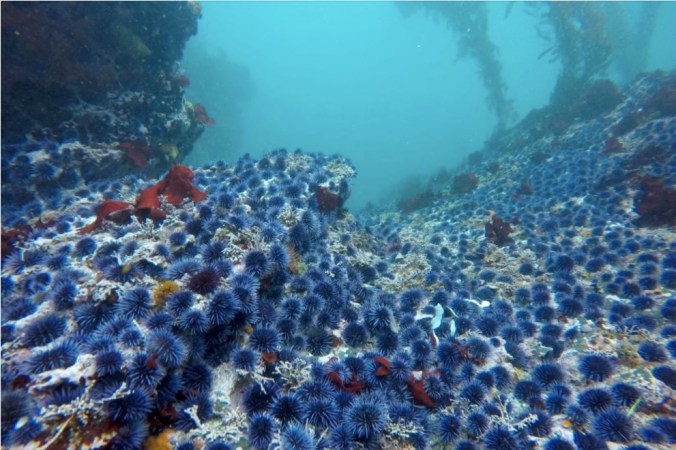
Purple sea urchins have boomed off Northern California, destroying kelp forests that provide a crucial ecosystem. Steve Lonhart / NOAA MBNMS

Kelp is being farmed now, but where it is a naturally occurring forest it needs help. Thanks to National Public Radio (USA) for this:

In Hotter Climate, ‘Zombie’ Urchins Are Winning And Kelp Forests Are Losing

They’re purple, spiky and voracious, and just off the West Coast, there are more of them than you can count.

Purple sea urchins have exploded in recent years off California, covering the ocean floor in what divers describe as a “purple carpet.” Continue reading