Rewilding: Restoring Ecosystem & Community

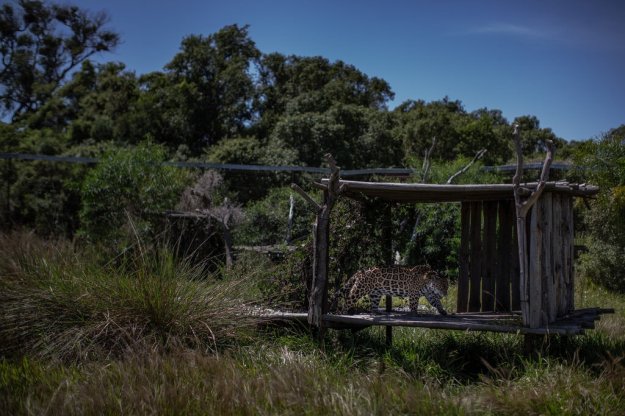
The jaguar Isis in her pre-release pen; she is part of a rewilding project in Iberá National Park in Argentina.

Rewilding, once a novelty idea, has been scaling and we are gratified to see Argentina’s progress:

‘Fixing the Damage We’ve Done’: Rewilding Jaguars in Argentina

Bringing back the top predator to Argentina’s wetlands could restore the health of an entire ecosystem. But inducing five felines with troubled pasts to hunt, and mate, is not easy.

IBERÁ NATIONAL PARK, Argentina — They had a big job to do, drafted as the first few jaguars to be reintroduced to Argentina’s wetlands after more than seven decades of absence.

Capybaras, a giant rodent, at the park.

But they were a troubled bunch.

Tobuna came from an Argentine zoo and was fat and lethargic, in the twilight of her reproductive life. Her daughter, Tania, had been hidden from view in the same zoo because a tiger had mauled one of her legs as a cub. Continue reading
CSA + NGO = 100% Forward

Organikos had a life before Authentica, but when Authentica opened one year ago the context was different. The Adriatic island and the outpost in India were temporary homes where we were launching projects for clients. Costa Rica is where the entrepreneurial conservation work began, so now we were coming home to stay and build a platform of our own. The logic for Authentica? Several million visitors per year had become the norm for the country over the last couple decades. And for Organikos? On average one million bags of coffee went home in the luggage of those visitors each year, mostly to the USA. Authentica’s location in two of Costa Rica’s most successful hotels would allow Organikos coffee to increase that flow. Good logic, no question.

Until now. This year international tourism is a fraction of that norm, and next year is likely to be similar. It would be easy to see the glass as less than half full, but instead we are looking for ways to refill the glass. We want those million bags of coffee to reach all the people who have either already fallen in love with Costa Rica, or are yet to.

Particularly for those people who have come, or want to come to Costa Rica to support its conservation commitments, our goal now is to provide an alternative way to lend that support. With our coffee as a taste of place alternative while travel is on hold, we have set up a platform for roasting and delivering 4 of our 12 coffee selections in the USA. And we continue to commit that 100% of the profits from the sale of these coffees goes to bird habitat regeneration initiatives in Costa Rica. Our first such initiative is in progress, but we want to expand our conservation outreach. One way to do this might be by partnering with conservation NGOs in Costa Rica. We are starting to explore this option.

World Shore Birds Day

Bird conservation goals play an important role on this site, and in the lives of many of our contributors, and Birds Caribbean has spearheaded many projects we’ve been actively involved in.

We look forward to hearing more about this initiative and wish all participants happy, healthy, safe birding!

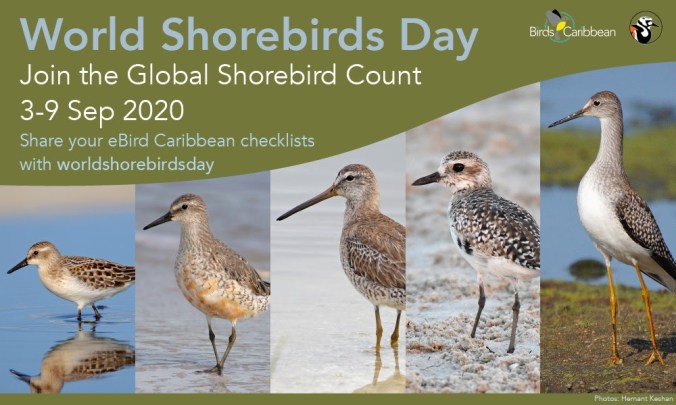
Join Us As We Celebrate World Shorebirds Day: September 3-9, 2020

September is right around the corner and migratory birds are making their way south.  World Shorebirds Day 2020 is Sunday, September 6th and we need your help to count Caribbean shorebirds at your favorite birding spot (or spots)!

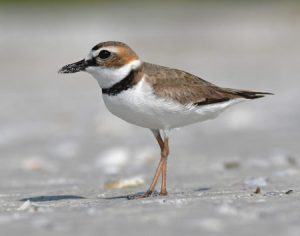
Wilson’s Plovers are one of the many shorebird species found in the Caribbean. (Photo by Hemant Keshan)

Where are these fascinating birds to be found? While you will find them on shores and beaches, some shorebirds use habitats further inland, including freshwater and brackish marshes and ponds. Shorebirds are also fond of salt ponds, mud flats, mangrove areas, and tidal flats.This year’s Global Shorebird Count will take place from September 3 to 9, 2020. All across the Caribbean, birders will be compiling checklists from island to island and recording them on eBird Caribbean. Our migratory shorebirds are more vulnerable than ever, threatened by human activities that have changed or destroyed their habitat. Most species of shorebirds are in decline around the world.

eBird Caribbean is a critical tool for tracking and understanding bird migration and population changes – never more so than for our shorebirds. If you do not have an account, it is easy to register – here’s a quick guide to enter eBird data online.  There is even a free eBird Essentials course to get you fully oriented.  Download the free mobile app for recording your data in the field.

Note that shorebirds are a type of waterbird and any counts you do at wetlands, mangroves, mud flats, coastal areas or beaches count as Caribbean Waterbird Census counts. To increase the value of your count to science, be sure to count ALL birds at your site, including seabirds, herons and egrets, land birds, etc.

Continue reading
Consider Switching Your Search Engine

_114139145_christiankroll_ceo2

Christian Kroll was inspired to change the direction of his life after travelling through India

I remember testing Ecosia in 2013, when we were based in India. For some reason I no longer recall it did not remain my default search engine then. But after reading again about it now–and more about its founder’s ideas and expectations, and most importantly his actions–I was intrigued enough to do another test. Not exhaustive, but I compared the search results on Ecosia versus Google for a bunch of words and phrases that are of interest to me. Since Ecosia is connected to Bing I did not need to compare those results. Result? I have just made Ecosia my default search engine, for the reasons Mr. Kroll expected I would. And if for any reason I decide to switch back, this time I will report why here. But I do not expect to. This is an attempt to be consistent with my own expectations. Thanks to Suzanne Bearne for bringing this/him back to my attention:

The search engine boss who wants to help us all plant trees

_114131867_kenya2019_naliakainthetreenursery_copyrightjoshigottlieb

It supports 20 tree-planting projects in 15 different countries. Photo: JOSHI GOTTLIEN.

The BBC’s weekly The Boss series profiles different business leaders from around the world. This week we speak to Christian Kroll, the founder and chief executive of internet search engine Ecosia.

Christian Kroll wants nothing less than to change the world.

“I want to make the world a greener, better place,” he says.

“I also want to prove that there is a more ethical alternative to the kind of greedy capitalism that is coming close to destroying the planet.” Continue reading

A New Word, A New Way

merlin_172447659_8bf4071f-e0af-4399-bde4-1f973331804f-jumbo

Kai Schwoerer/Getty Images

Words matter. And from the outset of this platform we have let sustainable reign when talking travel, or tourism, or hospitality.  I am happy to have Elaine Glusac’s primer on new vocabulary to consider when discussing all our favorite, familiar topics. After 25 years with a word, a concept, that has worked wonders, this new message sounds about right to me. Regenerative, the word, the concept, does not make me think any less of the arc of sustainability’s useful life, which I think has a long stretch to go. But regenerative has a spring in its step:

Move Over, Sustainable Travel. Regenerative Travel Has Arrived.

Can a post-vaccine return to travel be smarter and greener than it was before March 2020? Some in the tourism industry are betting on it.

oakImage-1598454446779-jumbo

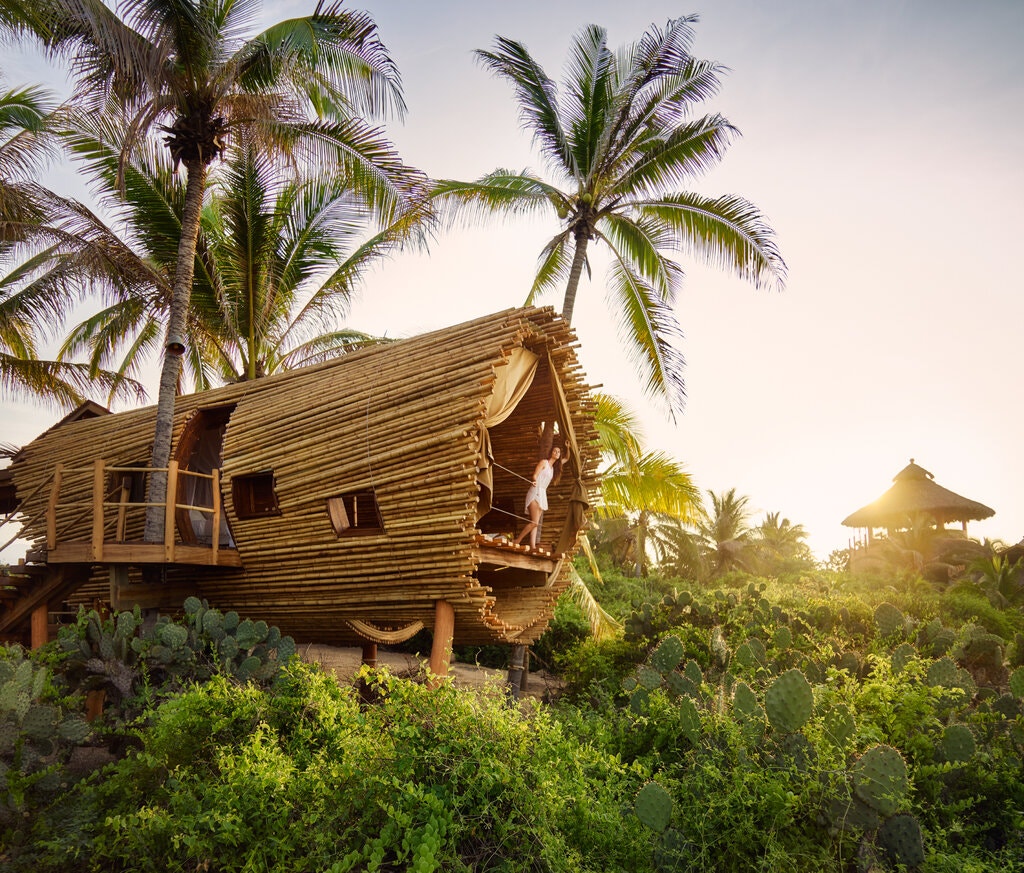
Kevin Steele/Playa Viva

Tourism, which grew faster than the global gross domestic product for the past nine years, has been decimated by the pandemic. Once accounting for 10 percent of employment worldwide, the sector is poised to shed 121 million jobs, with losses projected at a minimum of $3.4 trillion, according to the World Travel & Tourism Council.

But in the lull, some in the tourism industry are planning for a post-vaccine return to travel that’s better than it was before March 2020 — greener, smarter and less crowded. If sustainable tourism, which aims to counterbalance the social and environmental impacts associated with travel, was the aspirational outer limit of ecotourism before the pandemic, the new frontier is “regenerative travel,” or leaving a place better than you found it. Continue reading
Michael Pollan With More On Coffee

When it comes to updating my knowledge about coffee I am omnivorous, and so Michael Pollan’s work is always welcome. He recently shared more about this work, and thankfully the Radcliffe Institute shared the zoom talk. If you are inclined to geek out on coffee, take an hour for that; or at least it is worthy of a few minutes if you only have time to read the summary:

How caffeine changed the world

Author Michael Pollan discusses his latest work on the world’s most-used psychoactive substance

Lost & Found, Organized

LostFound1

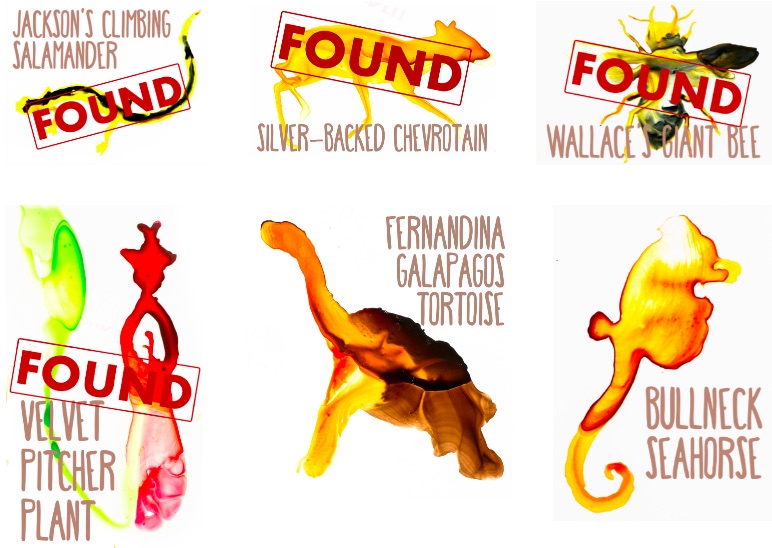
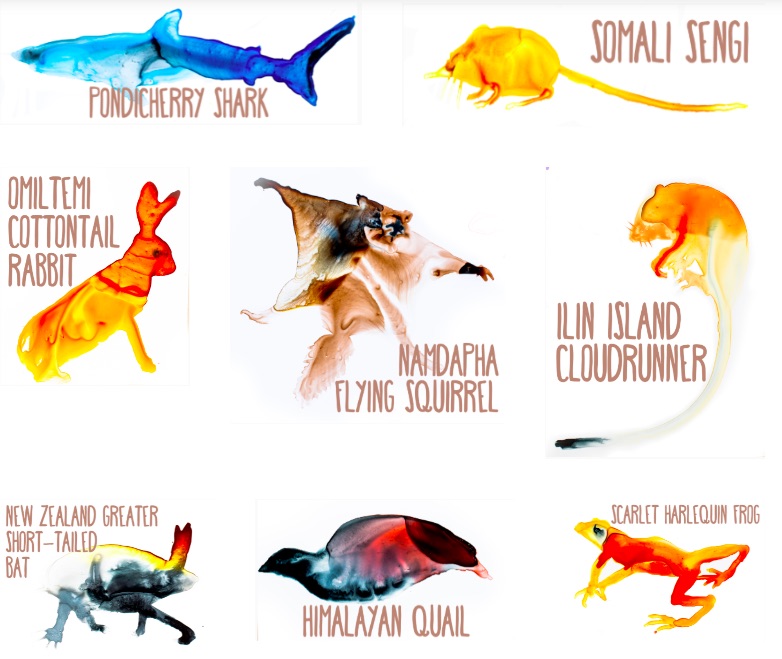
Yesterday’s happy surprise is the reason for today’s look at one organization’s work to support finding lost species. If you look at the image below you will see in the upper right quadrant the species mentioned yesterday, and that find is so fresh they still have not stamped FOUND on it.

LostFound2

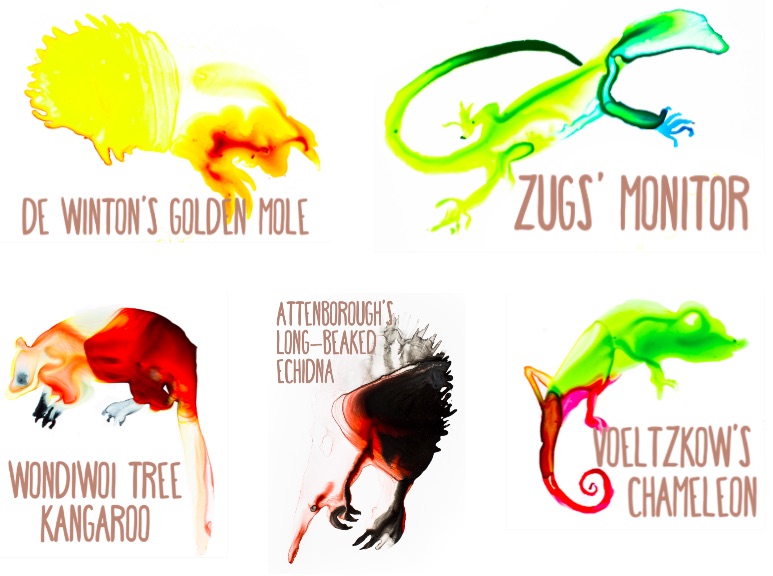
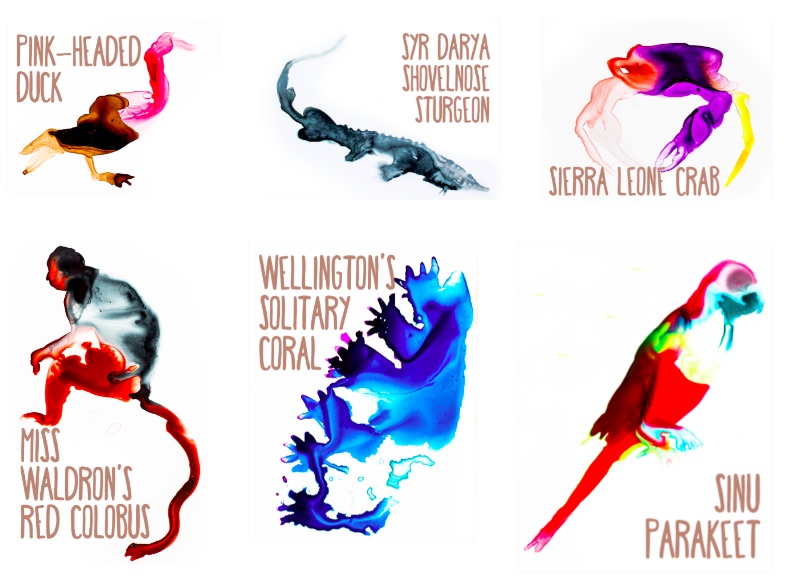
LostFound3Global Wildlife Conservation has created a graphic for what they consider the 25 Most Wanted species, and this colorful display is the trigger to get you hooked on helping:

In collaboration with more than 100 scientists, Global Wildlife Conservation has compiled a list of 1,200 species of animals and plants that are missing to science. GWC and our partners search some of the planet’s forgotten places and then work to protect species once found.

LostFound4

But this is about much more than the expeditions GWC is directly involved in. We’re calling on others to join the search and conduct their own expeditions for the lost species that have captured their hearts. GWC is working with teams and individuals the world over to publicize their stories of rediscovery and adventure as part of this shared campaign of hope and celebration. Read more in our FAQ and explore the partners behind the search.

LostFound5

For those of you not triggered by this display, there is also a photo of Daniel Craig holding a lost & found tortoise. He is looking you in the eye, asking you to donate. Resistance is futile.

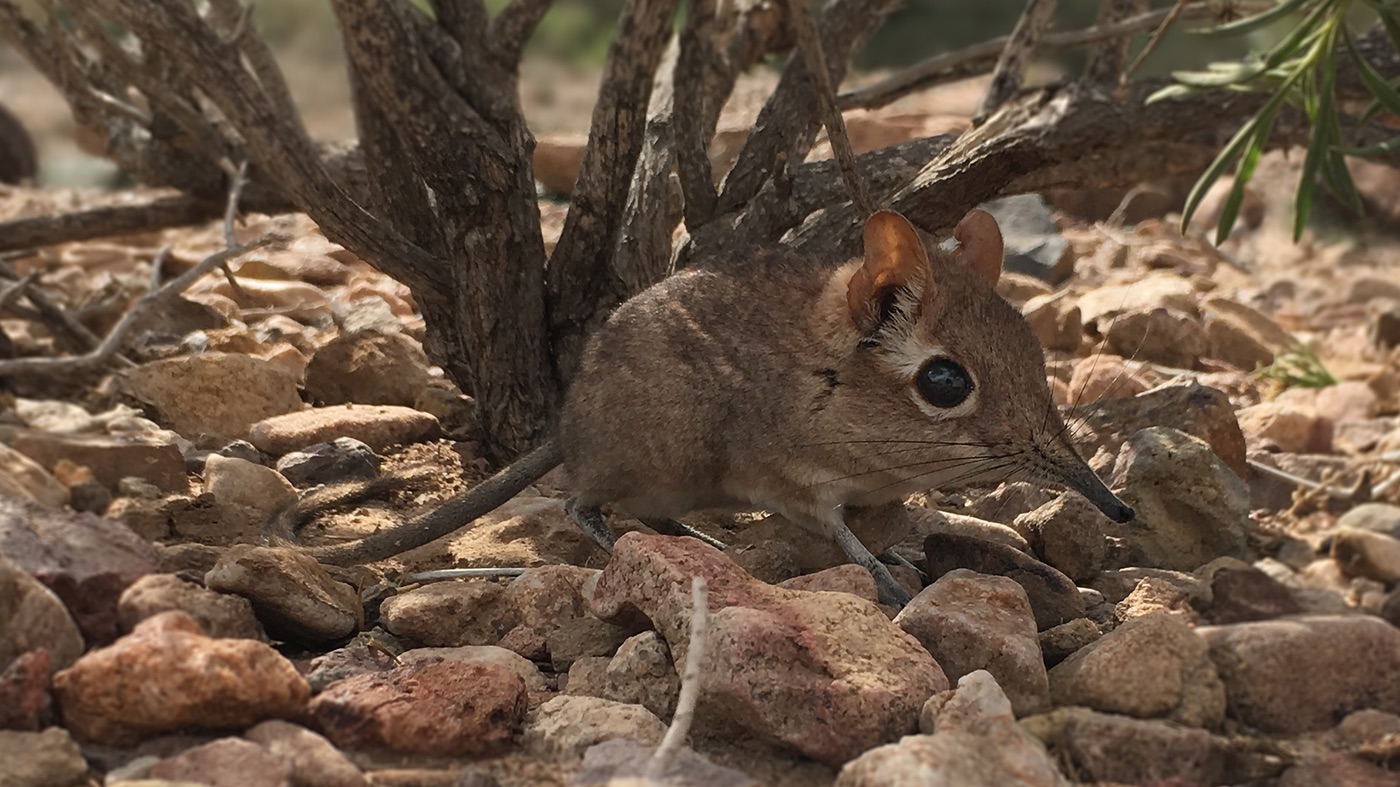
Lost & Found, Somali Sengi

1_somali.sengi.at.assamo.djibouti_300dpi_wide-697a8ec352929562a9054b0f6945bce92e66bdbf-s1400-c85

Researchers have spotted the Somali sengi, a relative of aardvarks and elephants, in Djibouti.
Steven Heritage/Duke University Lemur Center

We have used lost & found within post titles enough times since we started that maybe it should be a category. They are mostly happy surprise stories. More complicated than cute kitten videos, but worth the read. For now, our congratulations to the scientists who made the discovery and our thanks to National Public Radio (USA) for reporting this:

Tiny Elephant Shrew Resurfaces After More Than 50 Years On Lost Species List

For more than 50 years, the mouse-size Somali sengi was thought to be a lost species.

Turns out, it wasn’t. Continue reading
Ivy-League Activism

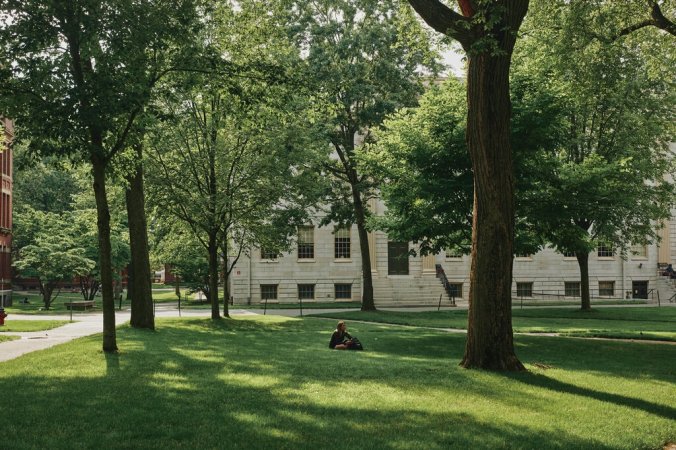
Harvard, with an endowment of more than $40 billion, has resisted calls to drop fossil fuel investments from its portfolio. Credit…Tony Luong for The New York Times

This successful petition campaign is in good company. Bravo Harvard for taking fact-forward action.

Climate Activists Gain Seats on Harvard Oversight Board

The candidates were the first ones elected through a petition campaign since 1989, when anti-apartheid activists put Archbishop Desmond Tutu on the panel.

Bucking tradition, a group of climate activists has won three seats in an election to an important governing body at Harvard University, the Board of Overseers, the university announced Friday.

The slate of candidates ran on a platform that included calls for the university to drop fossil fuel investments from its portfolio, part of a divestment movement that has swept college campuses for the better part of a decade.

Harvard, with an endowment of more than $40 billion, has resisted those calls. In April, the university’s president, Lawrence Bacow, said that divestment “paints with too broad a brush” and instead announced that Harvard was setting a course to become greenhouse-gas neutral by 2050, a move that he correctly predicted would not satisfy those seeking total divestment.

Candidates for the six-year terms on the board are customarily nominated through the Harvard Alumni Association. These candidates were elected through a petition campaign, the first to successfully do so since 1989, when a group seeking divestment from South Africa put forward Archbishop Desmond Tutu. Continue reading
Samfundssind, A Word For These Times

p08mjtp0

The JunkFood project is to continue, even though Alchemist has now reopened its doors (Credit: Soren Gammelmark)

How words matter is a longstanding theme here, and I have occasionally let a Danish word capture my attention. I am susceptible to stories about modern Danish norms, much as I was by Norse mythology as a kid. So, thanks to Mark Johanson and the BBC for bringing this to our attention:

How a long-forgotten word rallied a nation

A word buried in the history books helped Danes mobilise during the pandemic, flattening the curve and lifting community spirit.

Danish chef Rasmus Munk shocked the culinary world last year with the opening of his audacious Copenhagen restaurant Alchemist, which offers a multisensory food and entertainment experience across 50 courses and five acts. More surprising, still, was what the Michelin-starred chef did next when the pandemic brought his marathon meals to an abrupt halt on 15 March.

p08mjt8h

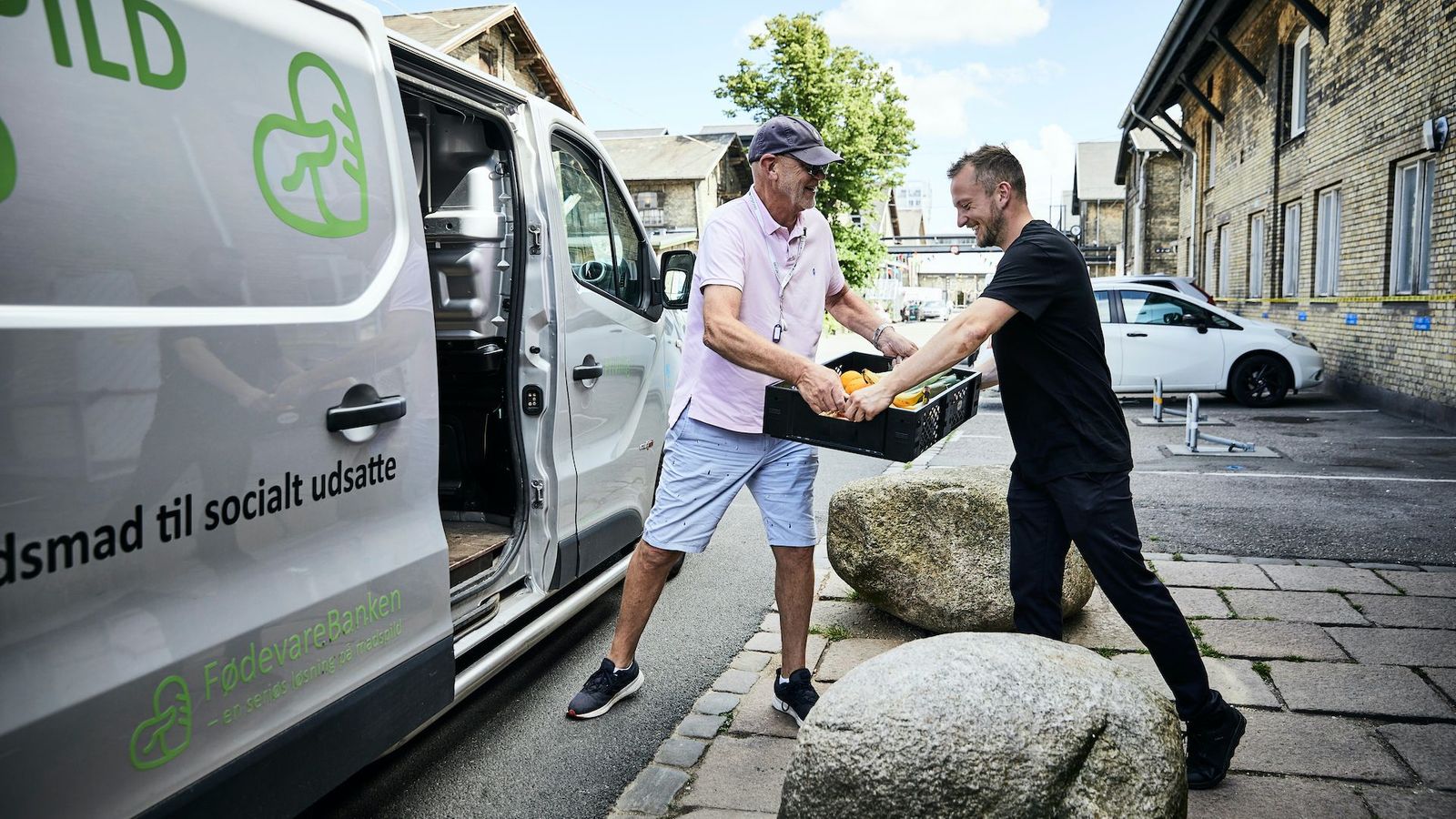
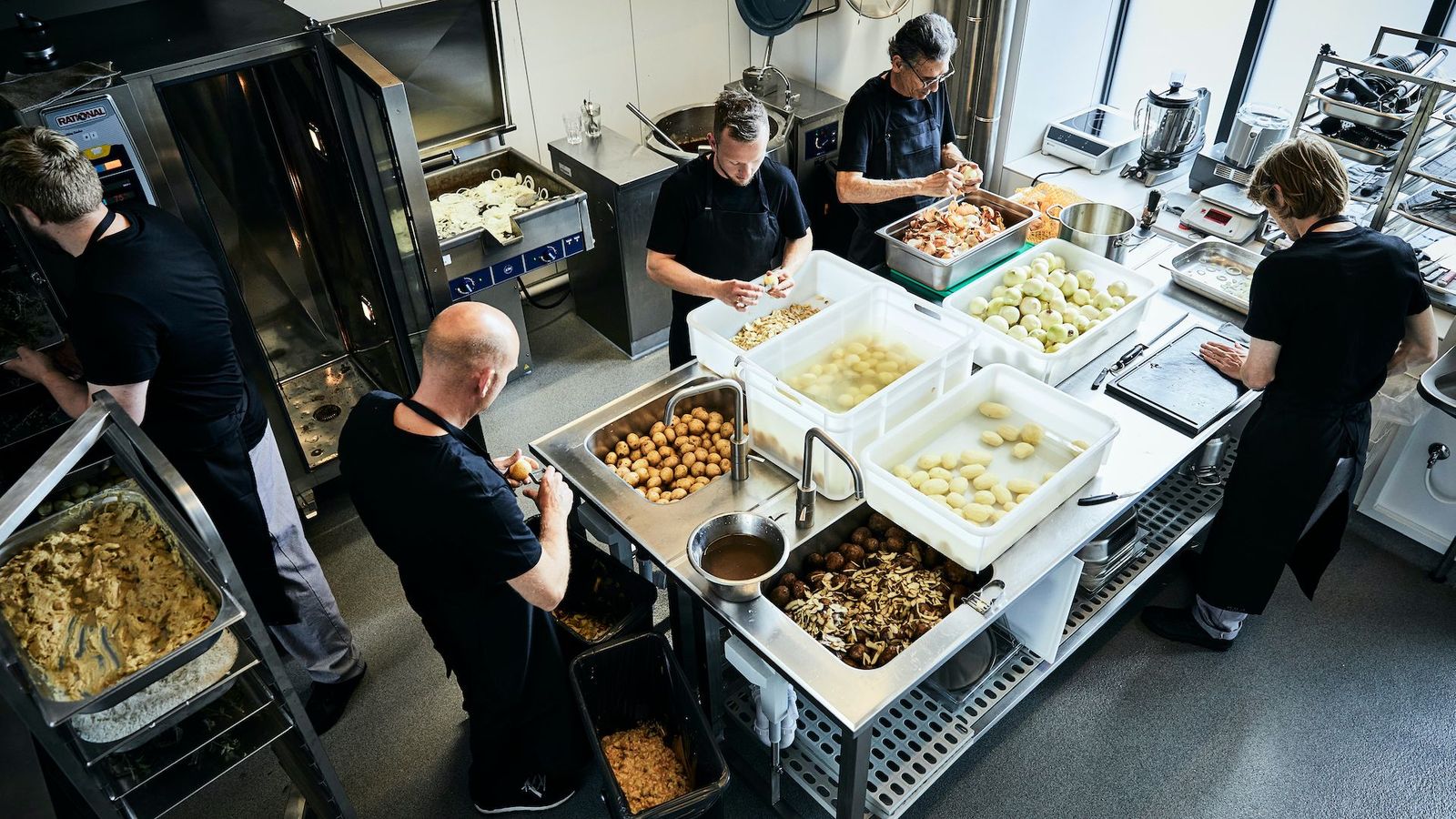
By 19 March, Munk had pivoted from serving 2,900kr ($450) worth of molecular gastronomy (think wood ants preserved in candy ‘amber’ and cherry-infused lamb brains) for 48 nightly guests to whipping up 600 daily portions of down-to-earth staples (such as pasta carbonara and chicken puff pie) for Copenhagen’s homeless and socially vulnerable residents.

“I put out a call for help on Instagram, and the next day I had nearly 1,000 emails from fellow chefs and everyday people who offered to drive the food out to the 14 shelters we now work with,” he explains. Hotels and restaurants also got in touch to donate food that would have otherwise gone to waste. Soon, Alchemist’s four kitchens were buzzing with masked volunteers, and the nascent social responsibility project JunkFood, which Munk had started as an experiment before the pandemic, took root. Continue reading
Organikos, Coffee & Community

Walking yesterday’s theme further down a country road: since late March Community Supported Agriculture (CSA) has been a constant topic of interest. Initially my thoughts were with the family farms supplying our fruits and vegetables. We spent the month of April and much of May looking closely at how we might support them. Concerned that the social distancing and lockdown measures that were sure to come would close the farmers’ markets, putting unbearable pressure on those families and their farms we thought a limited time, limited purpose CSA would help these farmers. It was a good idea, but it was not for us to do. The municipalities, farmer cooperatives and other organizers of the farmers’ markets in Costa Rica proved creative and resilient. So far, so good.

Now, as we prepare to launch our coffee roasting and delivery service in the USA, I see Organikos offering a community the opportunity to support coffee farmers in Costa Rica. Last year, prior to opening, we had projected that in 2020 Organikos would sell 7,000 pounds of coffee in the two Authentica shops. Those two shops were designed to serve the travelers who have been arriving and departing by the millions for the last two decades. We entered into supply contracts based on those projections, and invested in the infrastructure to make it happen. We were on track, through mid-March, to meet the projections. Needless to say, now that will not happen as planned.

We may yet get to 7,000 pounds of coffee sold in 2020. With 4+ months to go, with the website ready to go live and the roaster fired up we will see how quickly we can build a community to support this particular form of agriculture.

Platform Name Change

La Paz Group, having sponsored and administered this site since its inception, was the name up top until yesterday. Now the name Organikos makes more sense up there. For those of you who have been following us for any length of time, this probably does not come as a surprise. We have been talking about Organikos more and more frequently in the last two years. In late August, 2019 La Paz Group opened two Authentica shops in Costa Rica and that is when and where Organikos started selling coffee. As Organikos prepares to sell coffee in both the USA and Costa Rica with its own virtual shop, sponsorship of this platform makes sense. The themes–entrepreneurial conservation especially, and you can see the others on the right column–remain the same. Thanks for visiting.

Costa Rica Coffee Terrain: Tarrazu

Costa Rica has a remarkably diverse landscape for such a small country. And that diversity translates into an excellent variety of high quality coffees, each unique according to the region of origin, and the particular farms within those regions. We have chosen twelve coffees from the regions that international tasting competitions have consistently prized the most, including four single estate coffees that stand out for their quality. Continue reading
Hats, History, Heritage

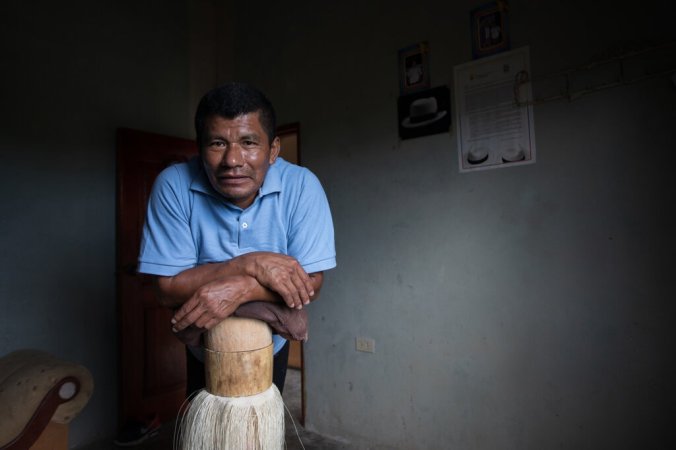
Mr. Espinal, 52, is widely regarded as the greatest living Panama hat weaver. All photographs by Roff Smith

Having lived and worked in Central America and South India, weaving with palms for shelter and adornment has been part of cultural norms. But in most cases, the craftsmanship has been simplified versions that lacked permanence – for the sake of festivals, traditional artesania , or with the knowledge that the woven shelter would last several seasons of rain before requiring replacement.

The artisan ethos described here mirrors both the fine work and collaborative efforts of Kerala sari weaving communities like Chendamangalam. In all cases, the “stuff of royalty.”

A Glimpse Inside the Workshops of the World’s Finest Panama Hat Makers

Creamy as silk and costlier than gold, a Montecristi superfino Panama hat is as much a work of art as it is of fashion.

Creamy as silk, costlier by weight than gold, the color of fine old ivory, a Montecristi superfino Panama hat is as much a work of art as it is of fashion. The finest specimens have more than 4,000 weaves per square inch, a weave so fine it takes a jeweler’s loupe to count the rows. And every single one of those weaves is done by hand. No loom is used — only dexterous fingers, sharp eyes and Zen-like concentration.

“You cannot allow your mind to wander even for a second,” says Simón Espinal, a modest, soft-spoken man who is regarded by his peers as the greatest living weaver of Panama hats, possibly the greatest ever. “When you are weaving it is just you and the straw.”

Mr. Espinal’s hats average around 3,000 weaves per square inch — a fineness few weavers have ever even approached. His best has just over 4,200 weaves per square inch and took him five months to weave.

The 52-year-old Ecuadorean is one of a dwindling number of elite Panama hat weavers, nearly all of whom live in Pile, an obscure village tucked away in the foothills behind Montecristi, a low-slung town about 100 miles up the coast from Guayaquil.

Continue reading
The Elusive Uniform Crake

Uniform Crake by Beto Guido - La Paz Group

Photo credit: Beto Guido

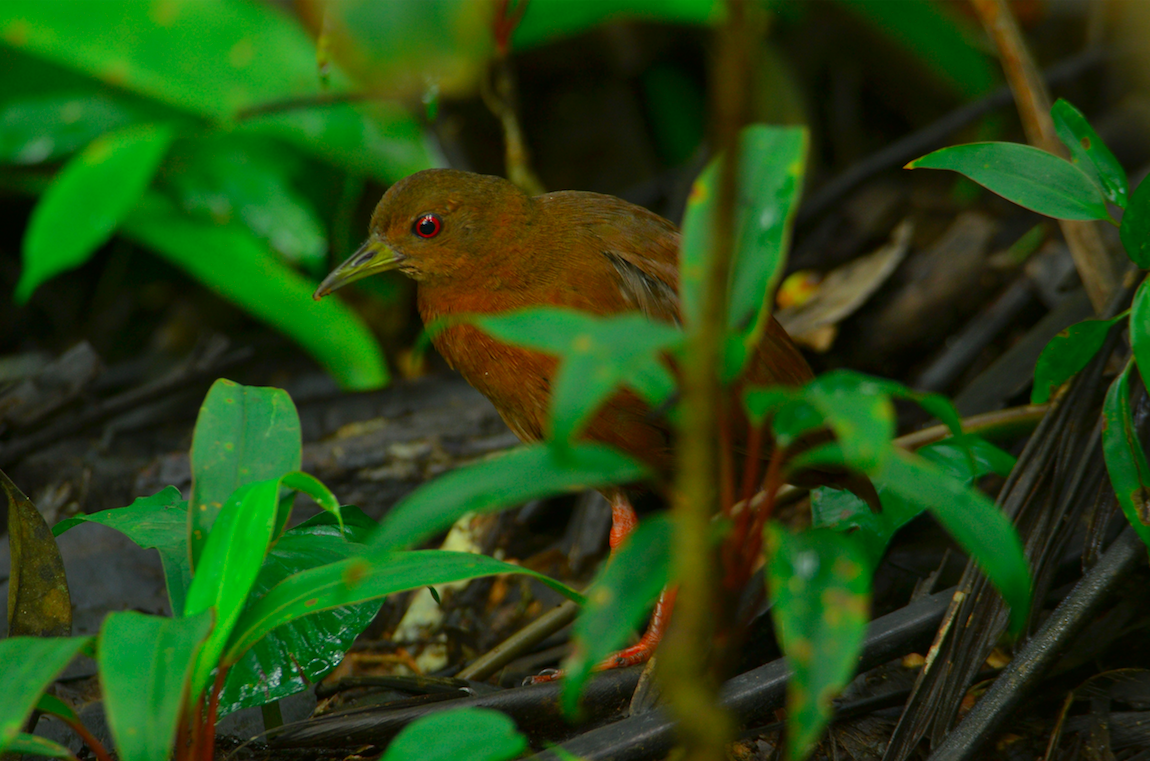
On the morning of May 9 during Global Big Day 2020 an unfamiliar whistle resounded in the grasslands and bushes along the edge of the huge garden of Macaw Lodge. I would never have imagined that it was a Uniform Crake, but thanks to the keen hearing of guides Beto Guido and Marco Umaña, we were able to register this species for the first time in the Macaw Lodge Private Forest Reserve. The record was made only by the bird song, and despite the team’s effort to try to spot it, we could only hear it.

This elusive and shy crake (Amaurolimnas concolor) has rarely been sighted in the Costa Rican Central Pacific, so this record was of great importance to the region. Because it prefers to inhabit dense undergrowth thickets, it is usually identified by  its sound rather than by actual sightings. Continue reading
Climate TRACE Coalition

TRACE

Like Skynet, but good! Shutterstock

Thanks to David Roberts, at Vox, for this news:

The entire world’s carbon emissions will finally be trackable in real time

The new Climate TRACE Coalition is assembling the data and running the AI.

There’s an old truism in the business world: what gets measured gets managed. One of the challenges in managing the greenhouse gas emissions warming the atmosphere is that they aren’t measured very well.

“Currently, most countries do not know where most of their emissions come from,” says Kelly Sims Gallagher, a professor of energy and environmental policy at Tufts University’s Fletcher School. “Even in advanced economies like the United States, emissions are estimated for many sectors.” Without this information “you cannot devise smart and effective policies to mitigate emissions,” she says, and “you cannot track them to see if you are making progress against your goals.” Continue reading

Mangroves for the Win

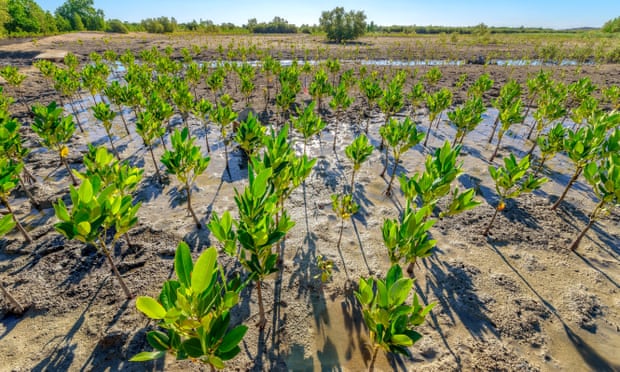
Mangrove restoration in Madagascar. Photograph: Alamy

Our previous posts about the multiple positives of planting trees in response to climate change and toward the goal of economic recovery didn’t take coastal ecosystems into account. These regions tend to be extra vulnerable to the increased pressures of extreme weather, not to mention being the home of many vulnerable populations.

This type of investment seems like a win/win.

Oceans panel presses coastal states to invest in ‘blue recovery’

Report says there are substantial economic benefits to be had from ocean conservation

Investing in the marine environment offers many coastal states the possibility of a “blue recovery” from the coronavirus crisis, according to a report setting out substantial economic benefits from ocean conservation.

Ending overfishing and allowing stocks to recover while ensuring fish farms operate on a sustainable basis would generate benefits of about $6.7tn (£5.3tn) over the next 30 years, according to an assessment of ocean economics by the High Level Panel for a Sustainable Ocean Economy.

This would require reforming perverse subsidies that encourage overfishing, and better regulation of fish farming, but the returns on such investment would repay the outlay 10 times over, the report says.

Mangrove restoration on tropical coastlines offers a quick way to generate jobs in seeding and planting, and returns of about $3 for every $1 spent, in the form of more productive fisheries as well as storm protection.

The costs of offshore wind energy generation have plummeted in recent years, making clean energy generation at sea a viable prospect for many countries for the first time. The UK has long been a pioneer in the field, but many other countries have been slow to take it up.

The report found that the technology has matured so quickly that investors can generate returns of up to $17 on each $1 spent, opening up a potential bonanza globally of $3.5tn by 2050 if governments put the right conditions in place.

Ngedikes Olai Uludong, Palau’s ambassador to the UN and one of the panel members, said offshore wind energy could spell an explosion in highly skilled green jobs. “Technologies like offshore wind offer a rate of return that makes more and more sense,” she told the Guardian. “It looks like it is taking off. I’m seeing interest from countries that I’ve never seen interested before.”
Continue reading

Rewilding, A Good Idea Scaling

5000 (1)

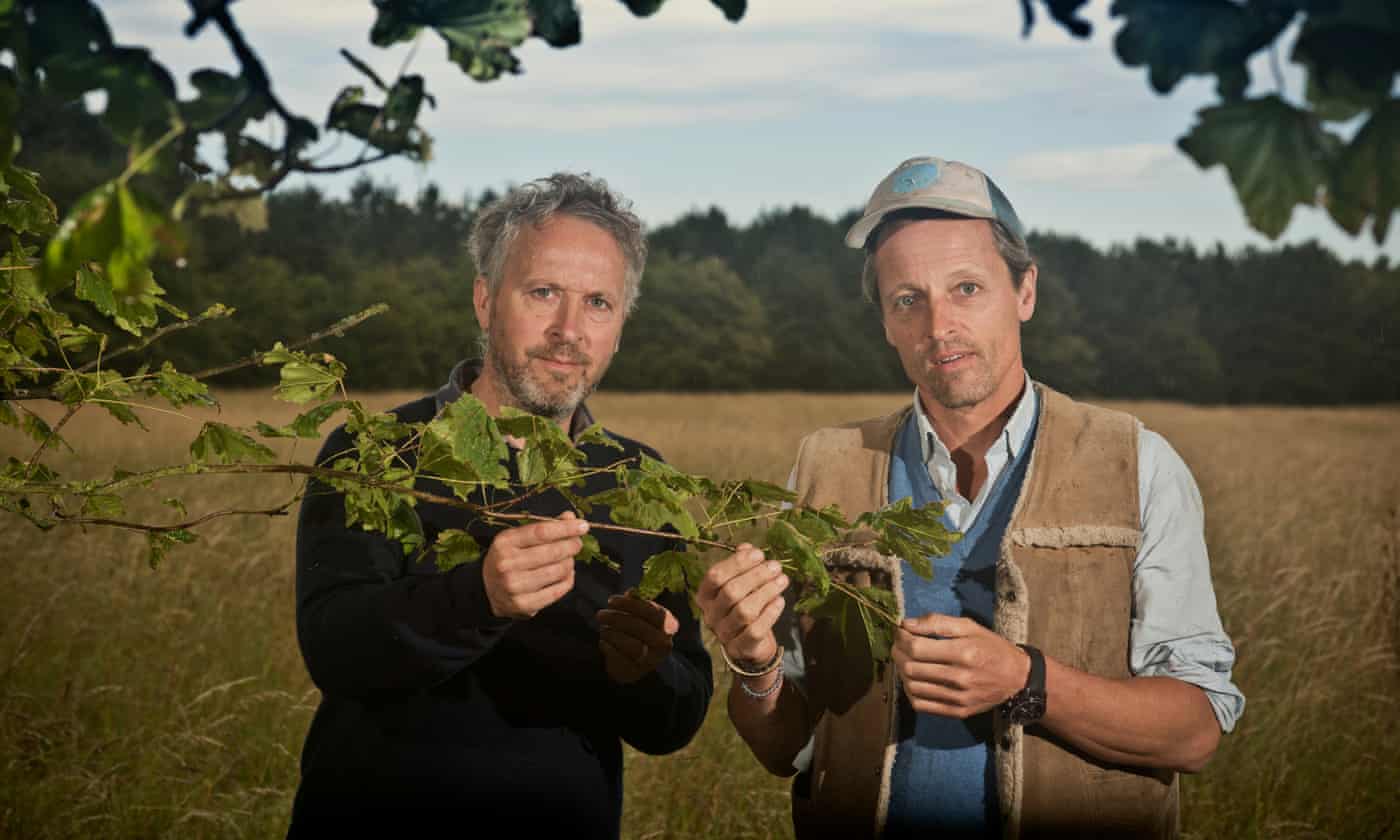
Hugh Somerleyton, right, and Argus Hardy on the Somerleyton estate in Suffolk. Photograph: Si Barber/The Guardian

This idea has caught on, spreading like a good alternative to wildfire:

Farmers hatch plan to return area the size of Dorset to wild nature

WildEast aims to convince farmers, councils and others across East Anglia to pledge land to wildlife

5000 (2)

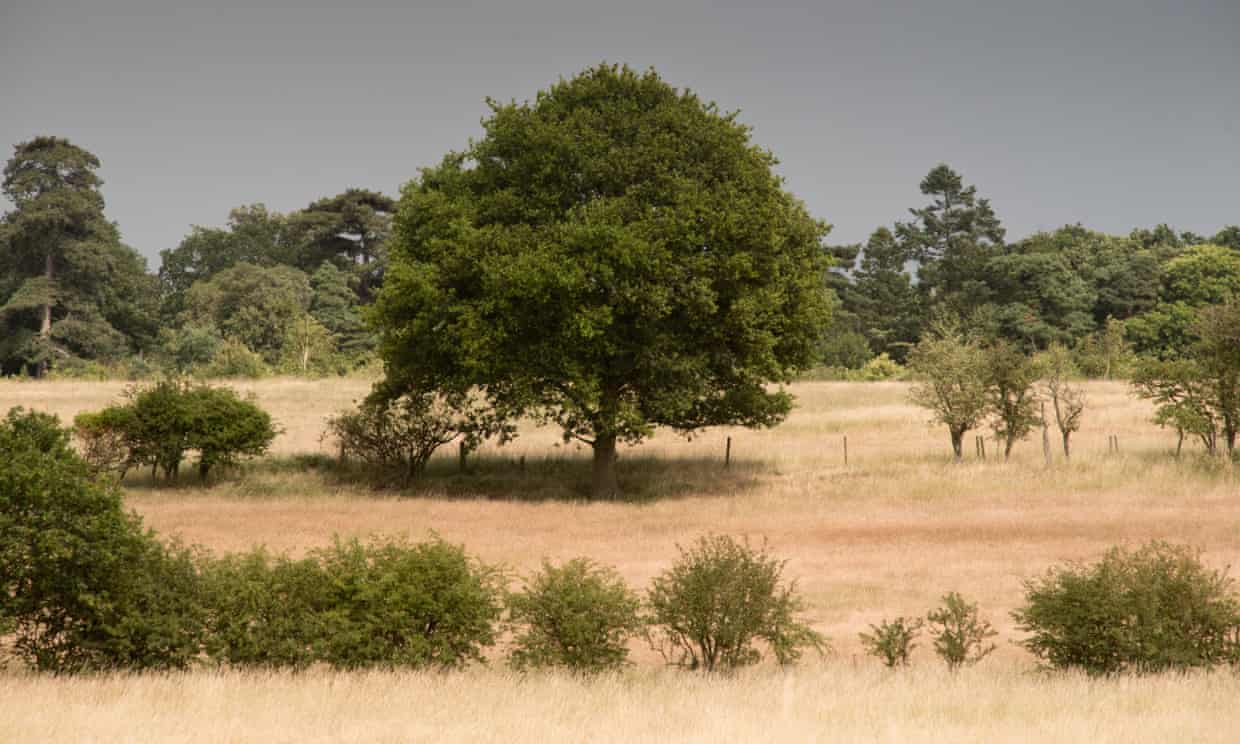
View over the Somerleyton estate. Photograph: Si Barber/The Guardian

Returning an area the size of Dorset to wild nature, reintroducing extinct lynx, pelicans and beavers and championing regenerative farming to restore soil health are the radical aims of a new charitable foundation.

But the most revolutionary feature of WildEast may be that it is founded by three farmers in the most intensively farmed region of Britain.

Hugh Somerleyton, Argus Hardy and Olly Birkbeck, who own more than 3,200 hectares (8,000 acres) on their family farms in Suffolk and Norfolk, are seeking to persuade farmers and also councils, businesses, schools and ordinary people across East Anglia to pledge a fifth of their land to wildlife. Continue reading

2020 Audubon Photo Contest

original (5)

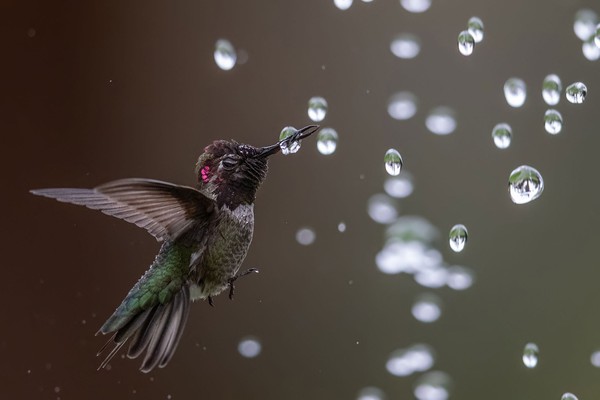
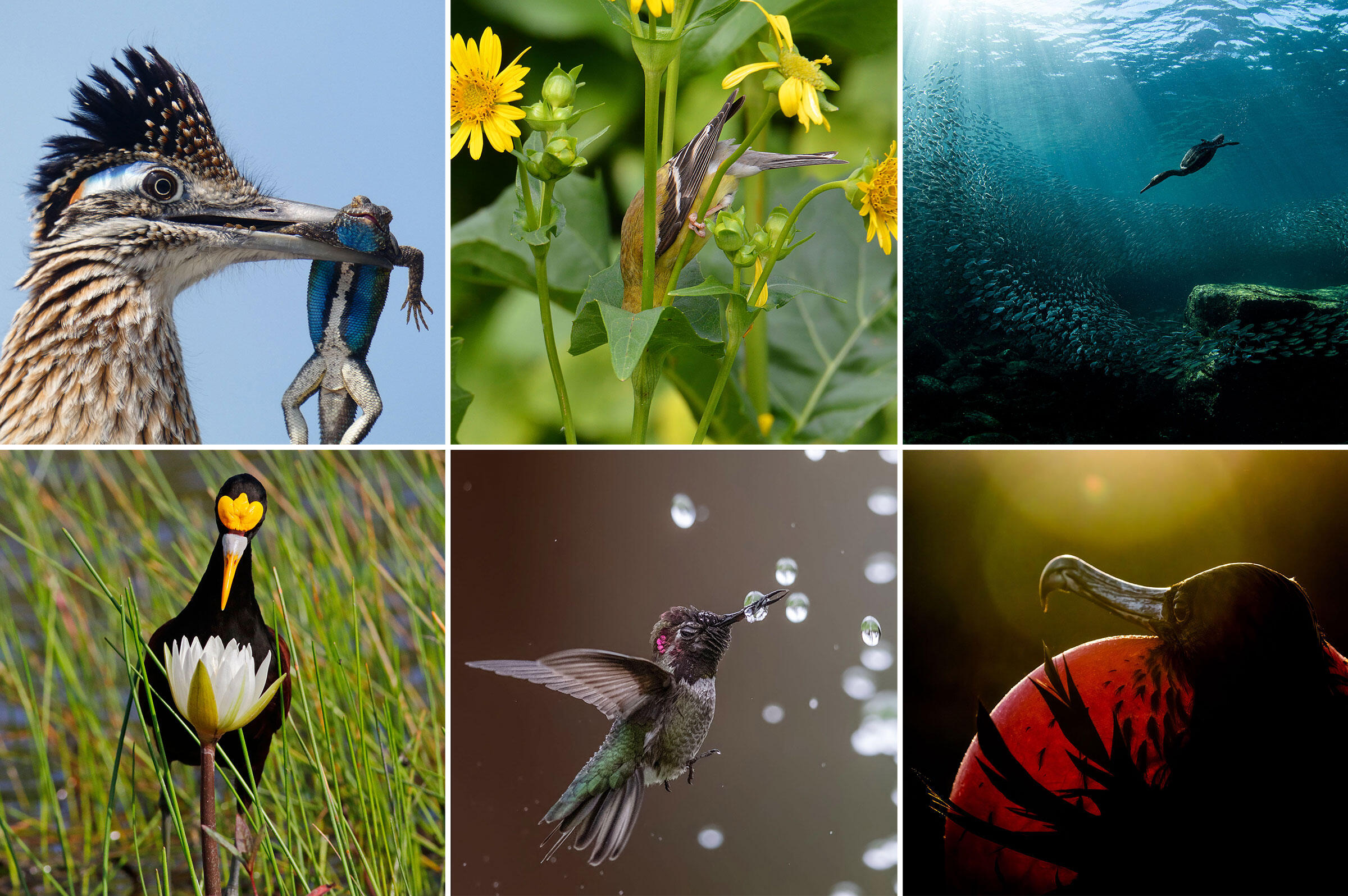
An Anna’s hummingbird, Amateur Honorable Mention, photographed on the Ardenwood Historic Farm in California #
Bibek Ghosh / 2020 Audubon Photography Awards

Alan Taylor has been a go-to visual explainer on our platform for years. He also led us to this contest in 2016. By the time of the 2019 contest we were linking directly from the source but here we give him credit for reminding us it is that time of the year again:

The winners of the the 11th annual Audubon Photography Awards competition were recently announced. Photographers entered images in four categories: professional, amateur, youth, and plants for birds. More than 6,000 images depicting birdlife from all 50 states and seven Canadian provinces and territories were judged. The National Audubon Society was again kind enough to share some of this year’s winners and runners-up with us below. You can also see all of the top 100 entries on the Audubon website.

grid_web_pfb_02_natalierobertson_tennesseewarbler_plantsforbirds_highres

The 2020 Audubon Photography Awards: Winners

This year’s top shots delight with dazzling colors and fresh perspectives.

Every spring, the judges of the Audubon Photography Awards gather at Audubon’s headquarters in Manhattan to review their favorite images and select the finalists. But as with much of life in 2020, this year’s awards had to be handled differently due to pandemic-related travel, work, and social-distancing restrictions. Continue reading

Scaling The Urban Farm, In Paris

8256

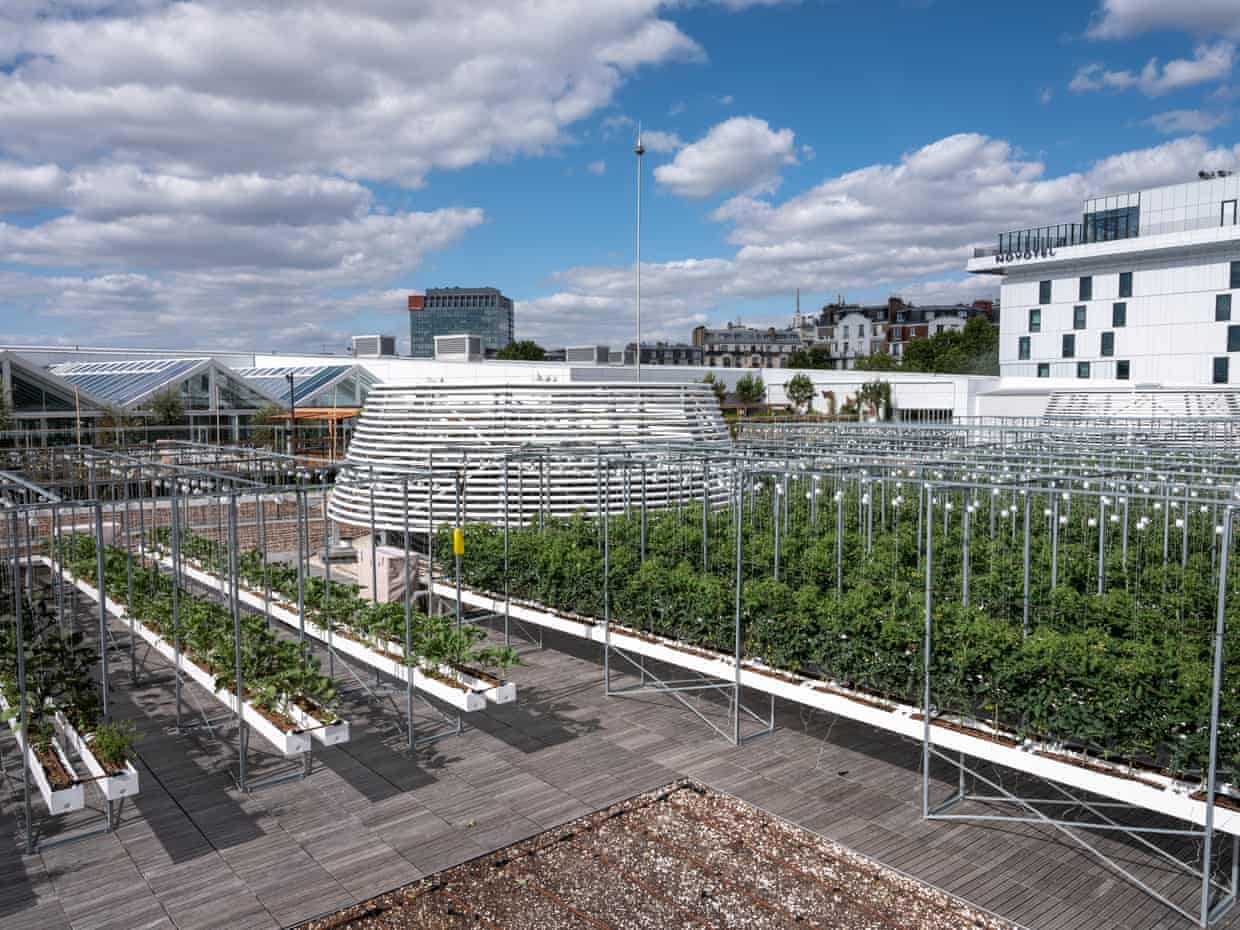
Nature Urbaine. Photograph: Magali Delporte/The Guardian

The future of food: inside the world’s largest urban farm – built on a rooftop

In Paris, urban farmers are trying a soil-free approach to agriculture that uses less space and fewer resources. Could it help cities face the threats to our food supplies?

Thanks to the Guardian for keeping stories like this  coming:

5568 (1)

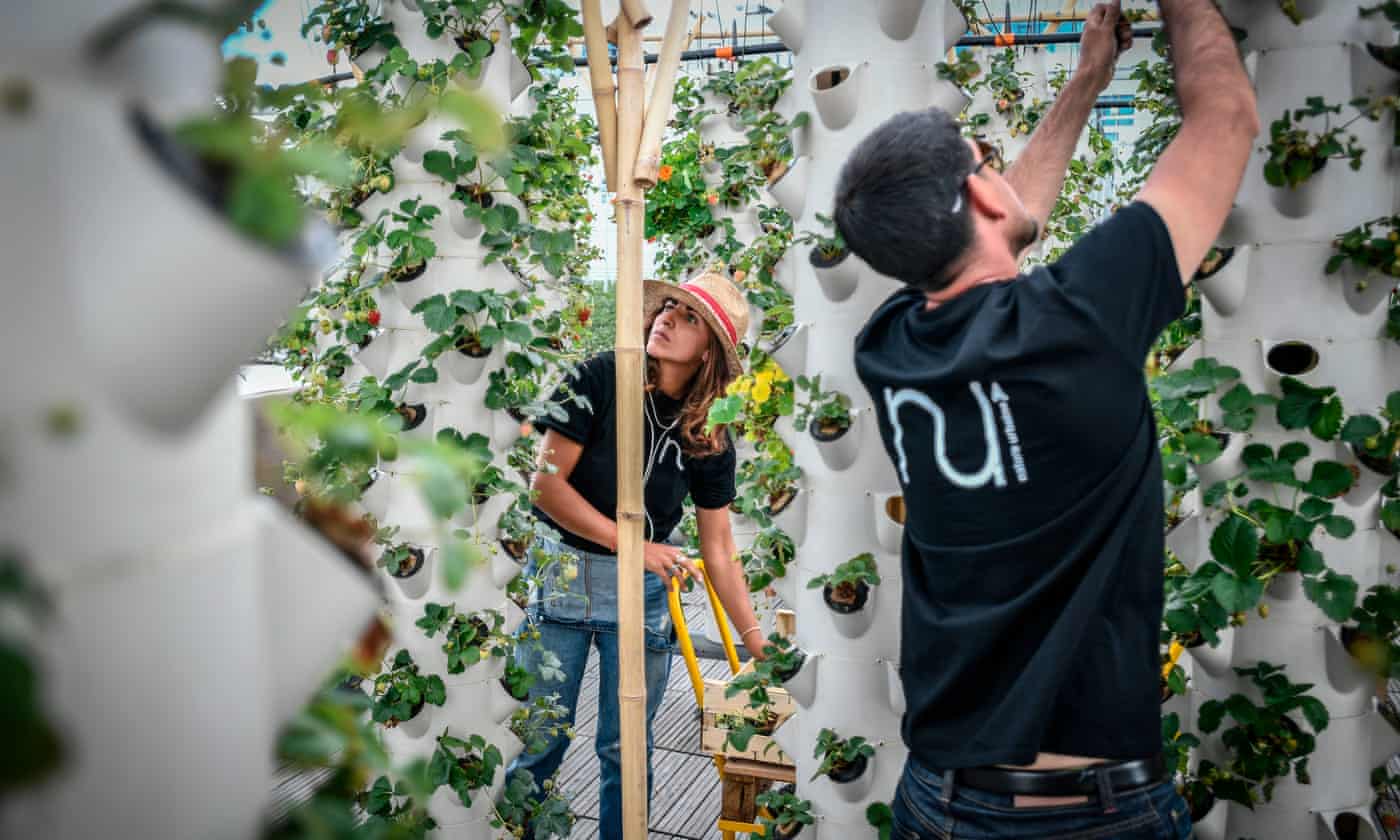
Urban farming on a Parisian rooftop. Photograph: Stéphane de Sakutin/AFP/Getty Images

On top of a striking new exhibition hall in the southern 15th arrondissement of Paris, the world’s largest urban rooftop farm has started to bear fruit. Strawberries, to be precise: small, intensely flavoured and resplendently red.

They sprout abundantly from cream-coloured plastic columns. Pluck one out to peer inside and you see the columns are completely hollow, the roots of dozens of strawberry plants dangling into thin air.

From identical vertical columns nearby burst row upon row of lettuces; near those are aromatic basil, sage and peppermint. Opposite, in narrow, horizontal trays packed not with soil but coco coir (coconut fibre), grow heirloom and cherry tomatoes, shiny aubergines and brightly coloured chards. Continue reading