Tapping The Largest Animal For Science

08tb-whales01-superJumbo.jpg

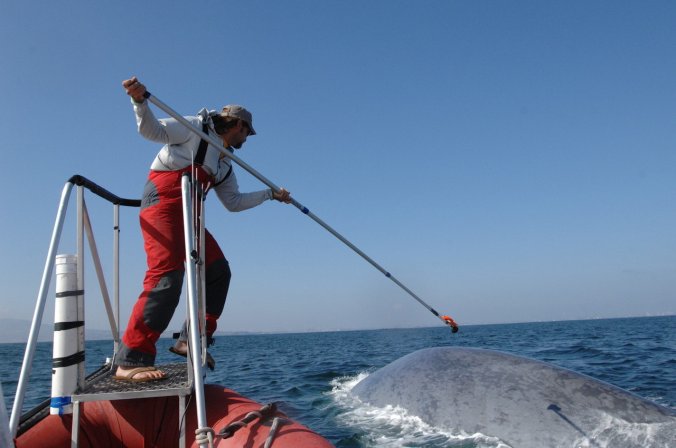
Ari Friedlaender, a marine ecologist at Oregon State University, deploying a multi-sensor tag on a blue whale off the California coast. Credit Jeremy Goldbogen

Camera traps, in the interest of science, and of conservation, are no longer a novelty. The story accompanying the photo above is new, for us. At first glance it looks like an act of aggression, which the history of whaling has taught us to expect. But this story has a much better outcome than the old obsessions:

How to Attach a Video Camera to a Humpback Whale

This is how you put a video camera on a whale.

Hop into an inflatable boat and head out to where they’re feeding. Stand in a pulpit with a 20-some-foot pole in your hands. Then watch and wait until you spot a whale. Plan your angle of approach with the driver of the boat. (Never approach directly from behind). Get close. Get closer. Get within 16 feet of this sea giant — which is more than twice the size of your boat if it’s a humpback — and as soon as it surfaces, tap the whale on its wet tire of a back with the pole. If you’re lucky, the detachable suction-cup on the end of the pole — which has a camera and sensors — will stick. Continue reading

Blue New Worlds

As a company we have a long interest with the concept of non-permanent Art Installations .  Installed off the coast of Catalina Island, California, these particular interactive underwater sculptures were a collaboration with artist Doug Aitken , the Museum of Contemporary Art, Los Angeles (MOCA) and Parley for the Oceans.

Due to the temporary nature of the installations, they’re no longer in place but will reopen to the public soon, at a new location, in a new ocean.

Underwater Pavilions is artist Doug Aitken’s large-scale installation and collaboration with Parley consisting of three temporary sculptures submerged beneath the water’s surface. As a symbol and catalyst for the Parley Deep Space Program, the sculptures provide a portal into the marine realm that swimmers, snorkelers, and scuba divers can swim through and experience. Continue reading

Suddenly, Lyft

Lyft1.jpgWhen I decided to delete that app it was without hesitation. I wanted to avoid sanctimony, but the point of making a show of my resolve was a simple message, i.e. that manners matter. Even though that app had been extremely useful to me over the past year, it was not so useful that I could ignore its founder’s behavior once I finally paid attention.

So now I am paying attention, and need a new app. And where better to start looking? I liked the message of that story, for reasons akin to my boyhood preference for Bjorn Borg over John McEnroe. I believe in disruption and I believe in winning, but if one is going to develop new rules of the game, then they should definitely be better rules that lead to better behavior. Continue reading

Archaeology in Miniature

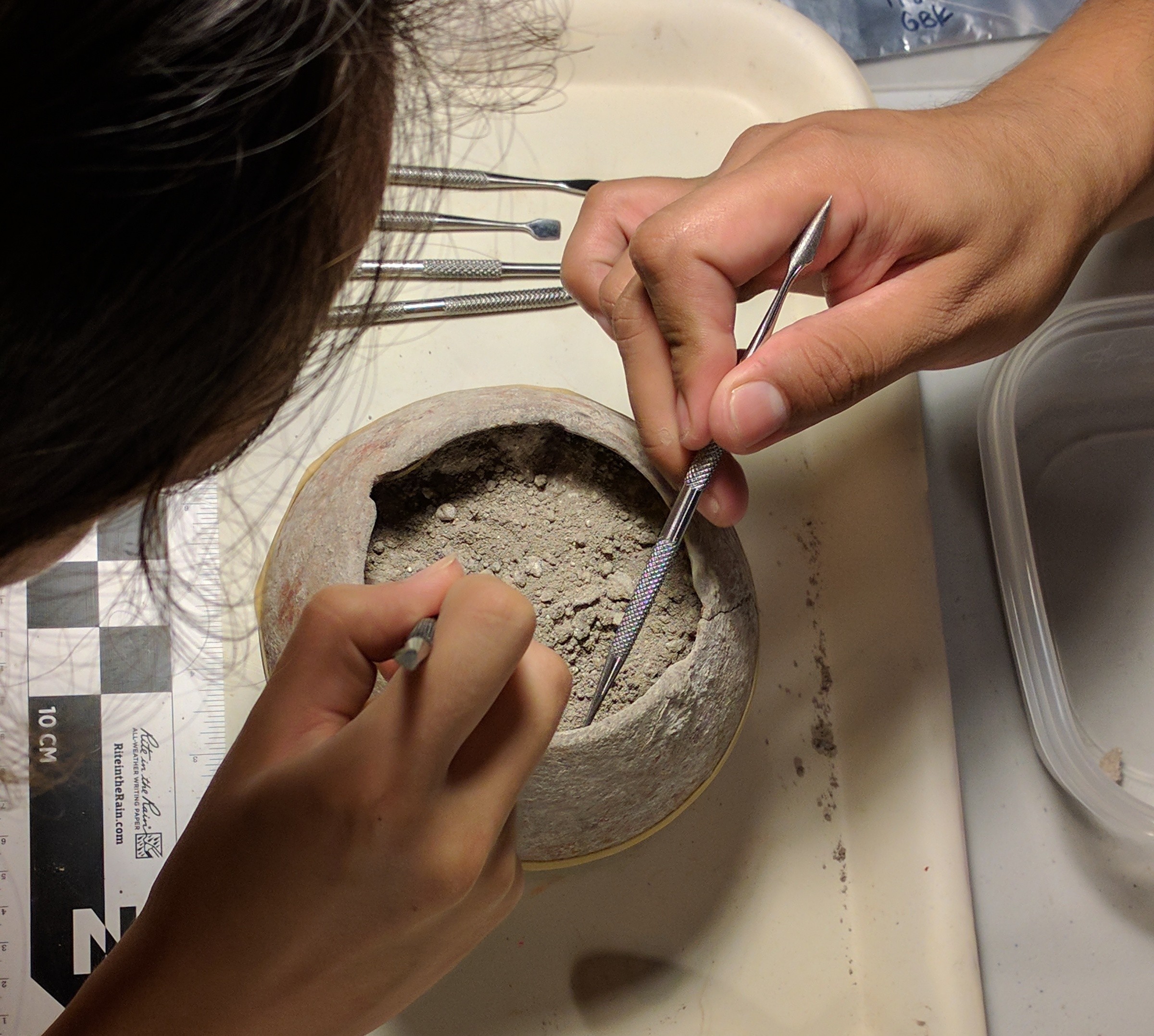
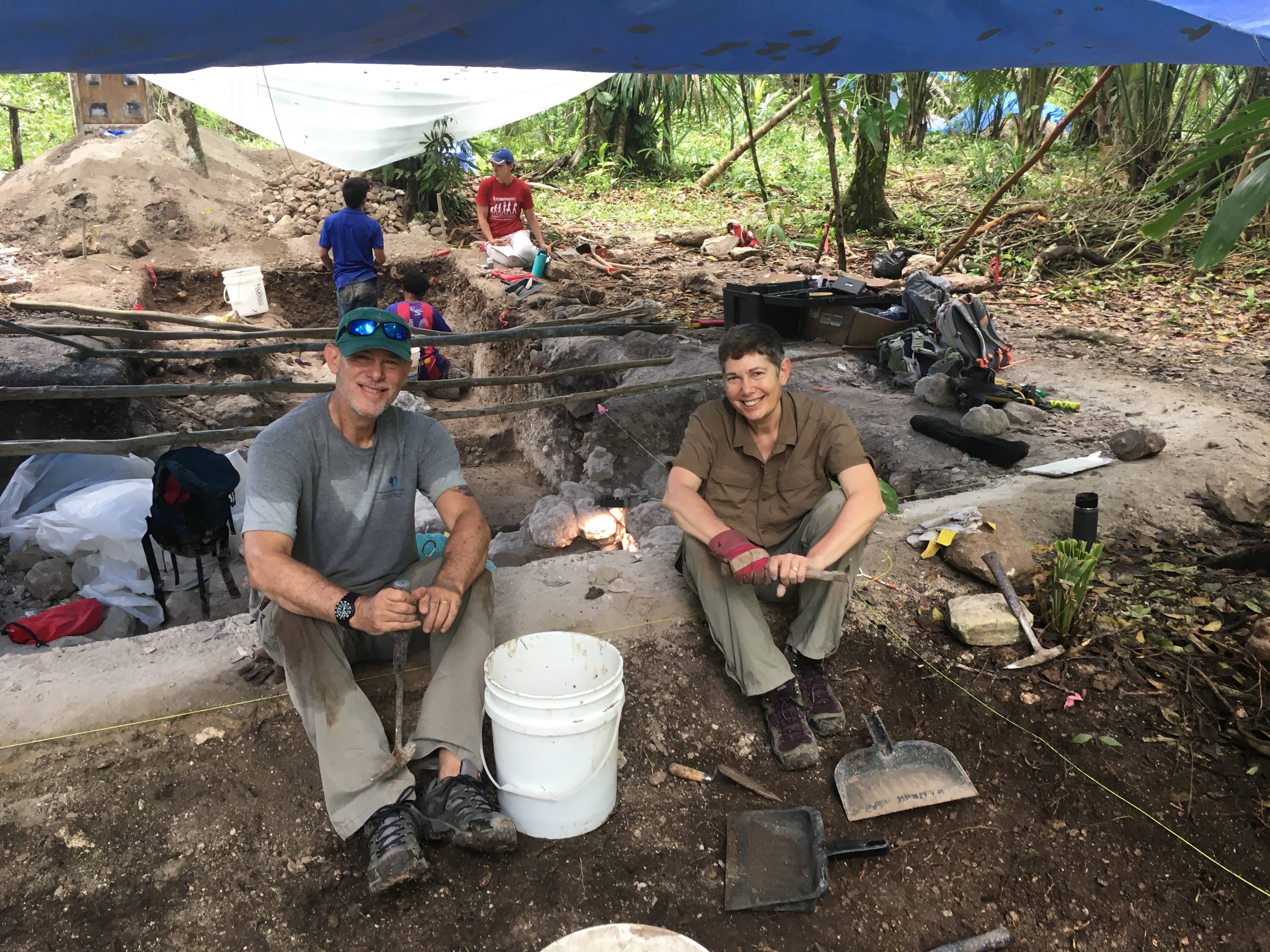
After spending a few days participating in the 2017 CCAP dig I went to visit the lab where the artifacts are cleaned, sorted and tagged. While Phil and I were doing the most basic work, Tomás and Mnemo were carefully cleaning out a burial pot that had been found in the chamber next to our new unit.

Using dental implements and small wooden sculpture tools, they were essentially repeating the process that we’d begun in our unit a few days earlier – carefully excavating the packed earth layer by layer – albeit in miniature. Continue reading

Archaeology Lab 101

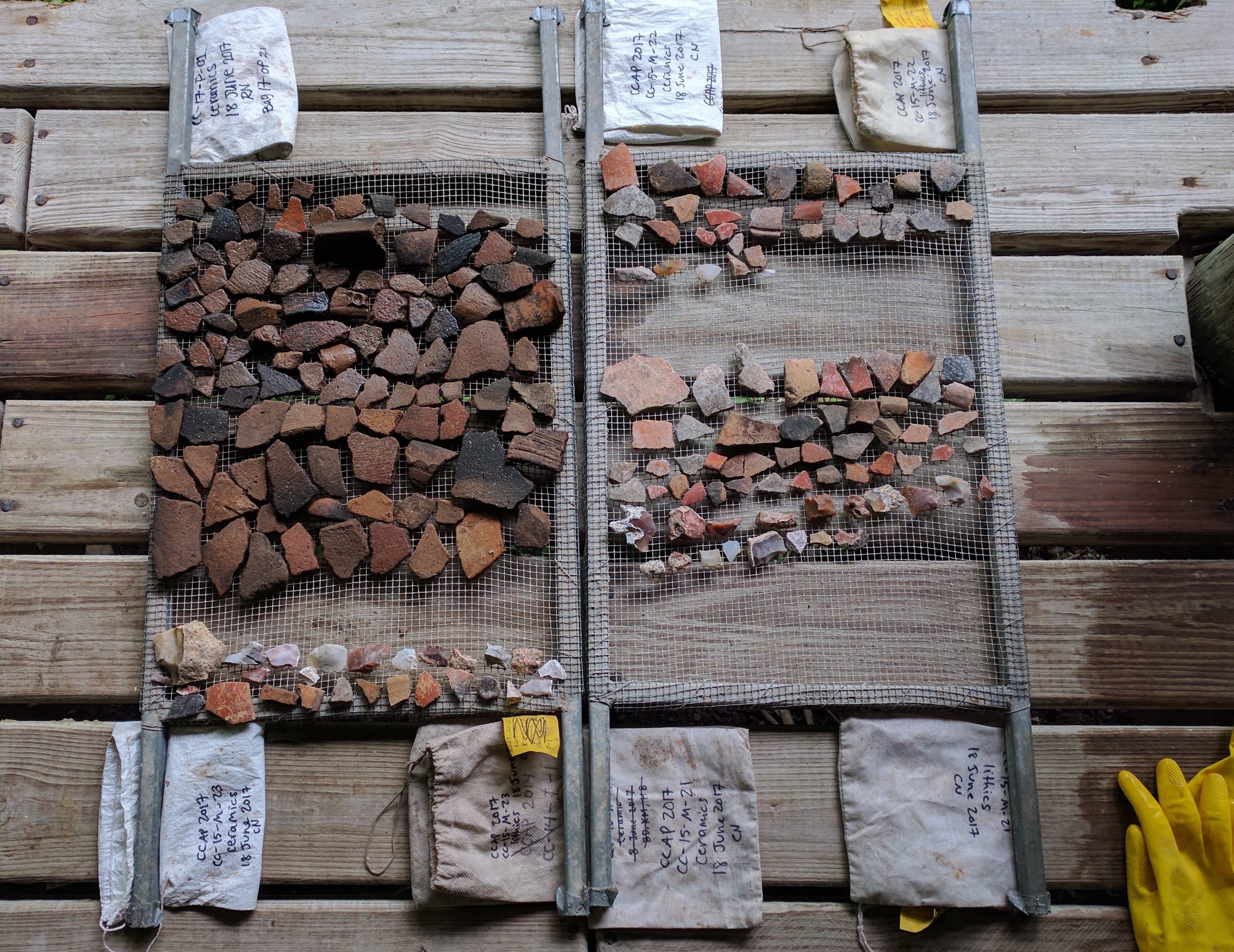
Much of the scientific rigor involved in archaeology is related to the careful documentation of what often appears to be a proverbial needle in a haystack: tiny flakes of chert stone, potsherds, or obsidian can be found in the layers (or lots) of a dig unit.

In this tropical environment we’re dealing with wet, loamy earth, so those stone or pottery fragments are frequently covered in mud, and who better to clean much of these items than interested novices. Continue reading

Recipe For Reconciliation

00CANADAUNIVERSITY-06-master675

Anthony Blair Dreaver Johnston, a Mistawasis Nehiyawak elder, works closely with the university to advise on indigenous matters. Credit Cole Burston for The New York Times

The New World, as the Americas are often called, was new to the Europeans–aka explorers, pilgrims, pioneers, settlers, colonialists, conquistadors–but of course was the long time homeland to a diverse mix of indigenous people from the very north of the hemisphere all the way down to Tierra del Fuego. Continue reading

Getting Your Archaeological Feet Wet

Day #2 at CCAP began with the same sense of camaraderie as Day #1 as we continued the process of clearing out topsoil, clipping roots, hauling soil and stone, and yes, working on walls. Each conversation with the team was informative, as we discussed the upcoming step of closing out the “lot” we’d started and opening the next one of the unit – basically as we approached the change-over of levels for the precise documentation required at an archaeological dig.

We were quite close to that point when we stopped work for lunch, returning with high energy to move on to the next stage. But it’s green season in Belize, and Mother Nature had other plans for the day. Continue reading

Investing In Cultural Heritage

170427klukwan_nadworny0252_slide-169e39b0465578c5ad3fac34dc804d2779806ab6-s1300-c85.jpg

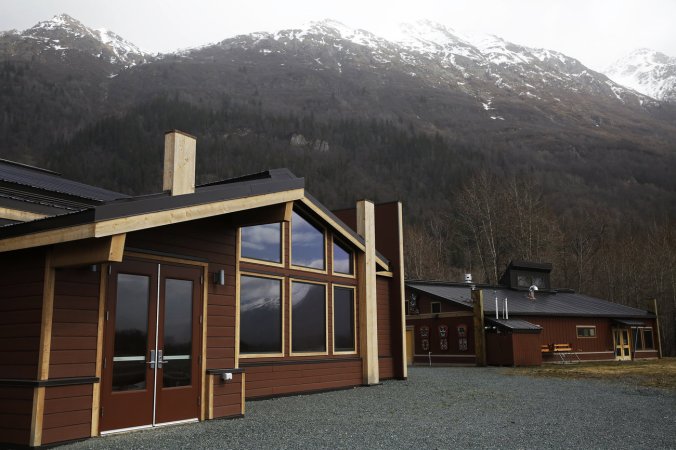
The Cultural Heritage Center is an $8 million investment in the community. Elissa Nadworny/NPR

It is not a question I have had to ponder (the opening line of the story below) for myself, but I get it. Losing the land, through battle, through treaties that are not honored, or otherwise, is an obvious existential threat for any community, and has been since the dawn of civilization. Invisible assets such as language, like any cultural heritage, also called intangible patrimony, are less obviously existentially important. But anyone who ponders it realizes that the loss of a language or another intangible component of cultural heritage matters to all of us, not only those who are at immediate and direct risk of its extinction. In the same way biodiversity matters, so does this.

And it is an underlying logic and motivator of our initiative with Ramon tree and its role in Mayan foodways. In earlier posts on the subject that I emphasized the environmental wonder of Ramon, but it is really a cultural heritage story, still to be told at Chan Chich Lodge. Meanwhile thanks to Melissa Block at National Public Radio (USA) for this story about one communities efforts along a related path:

A Native Village In Alaska Where The Past Is Key To The Future

What does it mean to lose your land, your language, and your heritage?

For Alaska Natives, these are existential threats.

On a trip to Southeast Alaska, I traveled to one village that is finding new ways to survive: Klukwan, ancestral home of the Tlingit tribe. Continue reading

Coffee, Ethiopia & Change

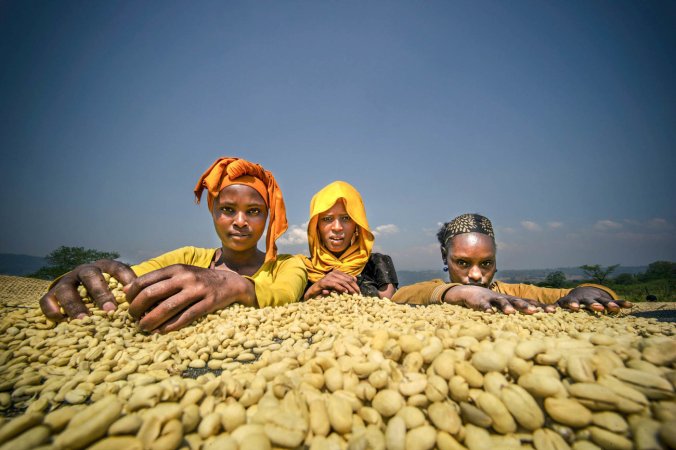
processing-of-washed-coffee-south-west-ethiopia---credit---emily-garthwaite-and-union-hand-roasted-coffee-_custom-2fda5cc5dec2fdd97721682ac722920d3b194eb1-s1300-c85.jpg

Growing coffee provides income for about 15 percent of Ethiopia’s population and is the country’s top export. Climate change is likely to shrink the land suitable for coffee, thereby also hurting the livelihoods of many people.
Courtesy of Emily Garthwaite

Change is almost never easy. Then there is climate change. Daunting, but we cannot stop considering the implications and the options. The planet may recover in geological time, the underlying logic of those who promote denial of the urgency, but plenty of people are at risk in real time, so no option but to keep focus.

Thanks to the salt, at National Public Radio (USA) for a reminder of coffee‘s relationship with conservation, a reminder of Ethiopia in general, which is always welcome, and especially Ethiopia’s relationship with one of our favorite beverages:

Ethiopia’s Coffee Farmers Are ‘On The Front Lines Of Climate Change’

by Courtney Columbus

Ethiopia gave the world Coffea arabica, the species that produces most of the coffee we drink these days. Today, the country is the largest African producer of Arabica coffee. The crop is the backbone of the country’s economy – some 15 million Ethiopians depend on it for a living. Continue reading

A Day In the Life of the Chan Chich Archaeological Project

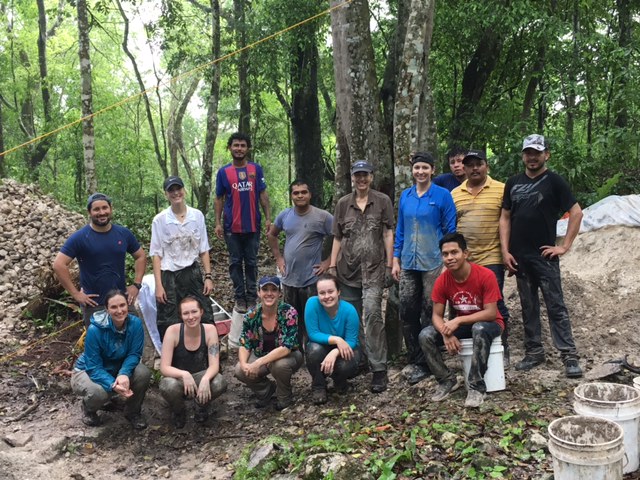
When Crist wrote about the Chan Chich Archaeological Project in April it was in anticipation of the group’s arrival. Now that we’re several weeks in I’ve had the opportunity to assist them first hand, in part as a “guinea pig” for guest involvement as citizen science participants. Fellow contributor Phil Karp (a veteran of many citizen science programs) was enthusiastically up  for the experience as well.

The team of archaeologists and field school students, led by Texas Tech University associate professor Dr. Brett Houk, is studying the ancient Maya at Chan Chich and surrounding sites. Several weeks into their dig they’ve made significant progress, and they gamely accepted the challenge of taking novices into their ranks.

We began at the beginning, well known to be the very best place to start, with a new “lot” located next to a well-established excavated area. Continue reading

Some Science On Ramon

RamSci1Ramón and Maya Ruins: An Ecological, not an Economic, Relation

 J. D. H. Lambert and J. T. Arnason
Science

New Series, Vol. 216, No. 4543 (Apr. 16, 1982), pp. 298-299

RamSci2Observations on Maya Subsistence and the Ecology of a Tropical Tree


Charles M. Peters
American Antiquity
Vol. 48, No. 3 (Jul., 1983), pp. 610-615
We have a sizable team, including our staff members of Maya heritage as well as those who know the forest ecology as part of their work, plus two summer interns, a chef, and a design director among others–all looking into this tree and its fruit. These journal articles, less dry than some academia and fresher than their age would suggest were brought to my attention by Nicoletta Maestri who I thank for the article below. For my team mates and me this is food for thought on our path to determining how this tree, introduced millennia ago by Mayans, plays into the future of Chan Chich Lodge:

Brosimum Alicastrum, The Ancient Maya Breadnut Tree

Did the Maya Build Forests of Breadnut Trees?

The breadnut tree (Brosimum alicastrum) is an important species of tree that grows in the wet and dry tropical forests of Mexico and Central America, as well as in the Caribbean Islands. Also known as the ramón tree, asli or Cha Kook in the Mayan language, the breadnut tree usually grows in regions that are between 300 and 2,000 meters (1,000-6,500 feet) above sea level. The fruits have a small, elongated shape, similar to apricots, although they are not particularly sweet. Continue reading

Model Mad, Mayors

07pedutoWeb-1496845647065-master315.jpg

Mayor Bill Peduto of Pittsburgh, left, and Mayor Ann Hidalgo, of Paris, are outspoken supporters of the Paris climate accord. Credit Justin Merriman for The New York Times (Peduto); Christophe Ena/Associated Press

She has been featured in these pages due to her creative approach to governance more than once. We are happy to see Ann Hidalgo again, this time providing another example of the “don’t just get angry–do something with creative ferocity” ethos implied in these constant observations of model mad. And we are especially grateful for the joint commentary with Pittsburgh Mayor Bill Peduto, who we hope to see more of:

…Though separated by an ocean and a language, we share a desire to do what is best for our citizens and our planet. That means putting aside parochial politics and embracing the global challenge of fighting climate change. In doing so, we can create a cleaner, healthier, more prosperous world for Parisians, Pittsburghers and everyone else on the planet. Continue reading

Organic, Bird-Friendly Cold Brew Coffee At Chan Chich Lodge

07COLDBREW1-master1050-v2

At All Day, a coffee shop in Miami that’s on the must-visit list of coffee fanatics, cold brew is the foundation of the menu. Credit John Van Beekum for The New York Times

Apparently it is iced coffee season up north. It is intern season here at Chan Chich Lodge. Maybe an intersection? Emily, from an agriculture and environmental engineering background, and Alana who is an aspiring sustainable hospitality developer are off to the races, as they say. They were out in the forest yesterday with GPS tools, a GIS mapping app and the assistance of Migde and Hector on the trails, developing a more scientific way of estimating the incidence of Ramon trees in our 30,000 acres.

More on that from them. But more on coffee from me. We have been cultivating an estate coffee unique to Belize, organic and as bird-friendly as you will find. Let’s add cold brew to your list of summer experimentation? Migde and Hector, aka bartender and waiter and therefore defacto coffee baristas, will be setting up the instrumentation in the kitchen.

How Cold Brew Changed the Coffee Business

Continue reading

Blue Heart of the Planet

The United Nations Ocean Conference is underway to support the implementation of Sustainable Development Goal 14: Conserve and sustainably use the oceans, seas and marine resources for sustainable development.

The importance of collaboration between public and private sectors to brainstorm innovative solutions to environmental issues is becoming increasingly clear, as is the reality that states and local governments will be the stronger voices for climate activism.

The health of the planet and our oceans are interchangeable, and Sylvia Earle has been the spokesperson for that truth for decades.

Take the extra 18+ minutes to listen to her 2009 TED Prize Talk here.


Stanford Earth’s Rosemary Knight

Thanks to Stanford News for this short video on important innovation related to ensuring we all stay hydrated well into the future:

Mapping groundwater from the air

Stanford Earth’s Rosemary Knight recently spearheaded a project to map underground freshwater resources and forecast the intrusion of saltwater into aquifers beneath the California coastal town of Marina. The project, a collaboration between Stanford, the Marina Coastal Water District, and Aqua Geo Frameworks, involved a low-flying helicopter towing a giant, instrument-laden fiberglass hoop that generated ground-probing magnetic fields that penetrated 1,000 feet beneath the surface.

Sea Shepherd & Cuvier’s Beaked Whales

It has been a long while since our last link to Sea Shepherd news, shame on us, but today we rectify it with news from Seth and Jocelyn’s neighborhood–actually on the Pacific side of Mexico’s Baja California Sur but as close as most people get:

Sea Shepherd Records Never Before Seen Footage of Rare Cuvier’s Beaked Whales During Expedition in Mexico

Sea Shepherd’s research vessel the R/V Martin Sheen returned to Mexico’s Guadalupe Island to continue its study of Cuvier’s beaked whales, capturing never before seen drone footage of these rare and elusive cetaceans.

During the two-week expedition, Mexican lead-scientist Gustavo Cardenas Hinojosa and American collaborator Jenny Trickey, deployed various acoustic devices to compare their effectiveness. The scientists will return and leave these devices for a longer period of time. Continue reading

Leadership On Climate Change Is Alive And Well

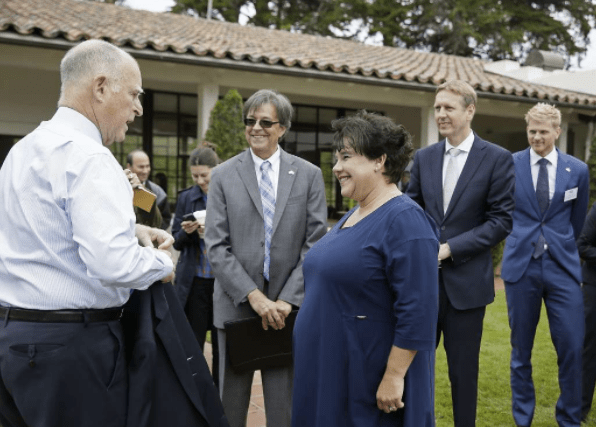
California Gov. Jerry Brown talks with Sharon Dijksma, Netherlands Minister for the Environment, during the joint Netherlands and California Environmental Protection Agency conference called, “Climate is Big Business,” at the Presidio Wednesday, May 24, 2017, in San Francisco; Photo: Eric Risberg, Associated Press

The news yesterday that the USA is exiting the Paris climate accord was in a font size the New York Times only uses at times of true tragedy–i.e. big news. Editorials accompanying that headline on the front page were proportionately big with invective:

Our Disgraceful Exit

Trump’s Stupid and Reckless Climate Decision

Brooks: Trump Poisons the World

Krugman: Trump Gratuitously Rejects the Paris Accord

All consistent with the implications of the news. There is no discounting the scale of that tragedy, so it is possibly not the right moment to look for silver linings. But that is what we do here, so here goes. In the model mad series we linked to a story about California Governor Jerry Brown, who has been making a stand during decades of public service, and he clearly has no intention of slowing down. The governors of California, New York and Washington on Thursday announced a new “alliance of states dedicated to fighting global warming and urged others to join them”.

“California will resist,” Brown told journalists on a conference call, going on to say that  the administration may well create the exact opposite of what is intended –

an aroused citizenry — and an aroused international community — who will not tolerate this kind of deviant behavior from the highest office in the land.”

Brown and his counterparts, Jay Inslee of Washington and Andrew Cuomo of New York, announced that they would join forces in a United States Climate Alliance, a coalition of states committed to upholding the goals of the Paris agreement.

The three states, combined, represent more than 20 percent of the U.S. population and at least 10 percent of the country’s greenhouse-gas emissions, according to the governors. Continue reading

The Wonders Of Trees Never Cease

goat-02_custom-060bac4eeff1a0b290ff201210009e650a2025d0-s1400-c85.jpg

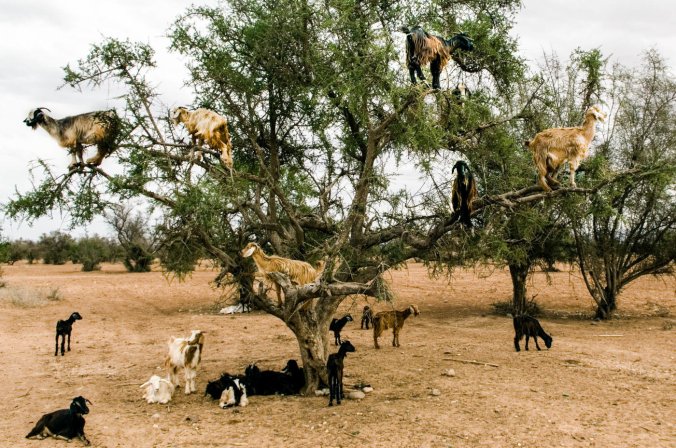
Goats climb an argan tree in Morocco to dine on its fruit. Jeremy Horner/Getty Images

At Chan Chich Lodge we are just embarking on a tree-related culinary journey, so any counterintuitive story about trees is likely to catch my attention these days.

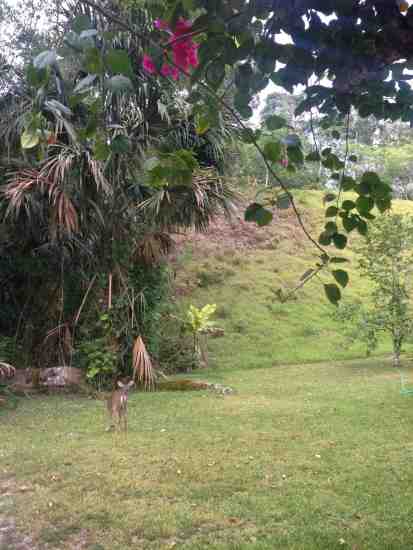
FigDeer.jpg

Thanks to Marc Silver at National Public Radio for the story about the picture above, Do Tree-Climbing Goats Help Plant New Trees? It is a short read and worth every second of your attention if you are interested in arboreal foodstuff.

This image to the left, while not as amusing as the one above, shows a deer doing the same thing with less panache. That deer will spread the seeds of that wild fig far and wide in the forest, increasing food supply. Continue reading

When Life Gives You Lionfish…

Market-based approaches to controlling invasive lionfish populations were highlighted at a recent GEF event in Grenada.

La Paz Group contributor Phil Karp has long been our guide into marine ecosystems, with both citizen science and social entrepreneurship posts on his work with groups in Belize and other parts of the Caribbean focused on these goals.

This collaboration with Sarah Wyatt,  a colleague from the Global Environment Facility, illustrates the on-going market-based approaches to managing the invasive species while creating new cottage industry opportunities.

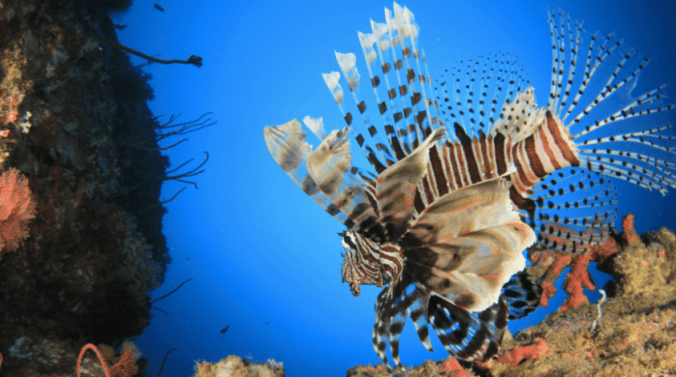
Seeing a lionfish while diving in the Caribbean is a cause for mixed emotions.  On the one hand, one marvels at the exquisite beauty of the fishes’ flowery fins and its amazing adaptability to a range of habitats, from shallow estuaries with low salinity to deep reef environments. But then you remember that these fish don’t belong in the Caribbean, and that the very versatility noted above makes them an invasive menace. Indeed, if the fish you are looking at is a female, she may be carrying up to 30,000 eggs, and may have thirty or more native fish or crustaceans in her stomach.

One of the many impacts of the Anthropocene era on global biodiversity is the increased spread of invasive species, like the lionfish, due to rapid globalization. With the United Nations Ocean Conference taking place in New York next week, the conservation and sustainable use of the oceans and marine resources is high on the international agenda.  While long recognized as an environmental and biodiversity threat, invasive species also pose a threat to livelihoods, particularly in developing countries where incomes may be heavily dependent upon a single sector or product.

Traditionally, efforts to eradicate or control invasive species have been focused on public sector interventions.  But control efforts are often expensive and are either out of reach, or pose severe strains on limited budgets of developing countries.  Hence there has been growing attention to identification of market-based control approaches which create commercial incentives for removing the invaders, providing a financially sustainable means of control… Continue reading

Consumables Containing Consumables

31PACKAGE1-master768.jpg

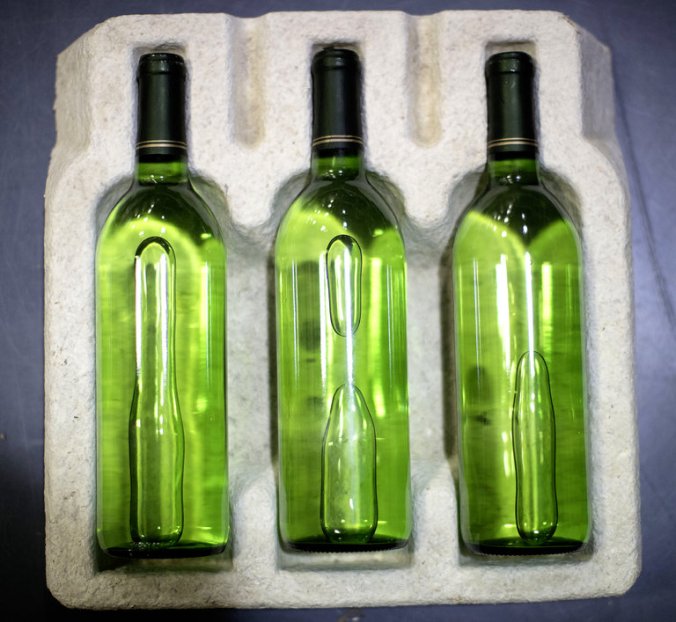
The design company Ecovative makes a variety of packaging materials using mycelium fungus. Credit Nathaniel Brooks for The New York Times

Thanks again to Stephanie Strom for a story about ecology that surprises:

Packaging Food With Food to Reduce Waste

For the environmentally conscious eater, they are among the most inconvenient truths: Too much food goes to waste. Too much packaging comes with the food. And too much of the packaging is made to last for ages.

Now there may be a single answer to all three problems: using excess food to make the packaging. Continue reading