Big Fish, Small Fish

Encouraging consumers to eat fish such as herring, mackerel, and butterfish might, ironically enough, be the best way to save those species. PHOTO: Nutritional Thinking

Encouraging consumers to eat fish such as herring, mackerel, and butterfish might, ironically enough, be the best way to save those species. PHOTO: Nutritional Thinking

From the beginning of time and until relatively recently, little fish had only big fish to fear. Since the middle of the twentieth century, however, some little fish—forage fish, to be precise—have faced radically increased threats from humans, and, by extension, from the pigs and chickens that the fish are increasingly being fed to. Forage fish are now threatened worldwide, which has potentially troubling implications for the entire food chain. In conservation circles, the suggestion lately is that encouraging consumers to eat small fish might, ironically enough, be the best way to save them.

Continue reading

If You Happen To Be In Harlem…

harlemeatup

Those of us based in Kerala, India won’t be able to celebrate at this event, but we surely hope some of our readers can. It came to our attention via some inexplicable psychic Soul Food connection and boy do we wish we could be there!

As the banner states, the festival honors the food, culture and spirit of a part of New York with a storied history of Renaissance and decline. The celebration itself is evidence of Harlem’s Neo-Renaissance. Cultural talks, Food strolls, Dinners, and Cooking demonstrations are incorporated into the festival program. Continue reading

Best hands forward

IMG_3038

Musician Sami Yaffa hits the right note at the table

IMG_3037[1]

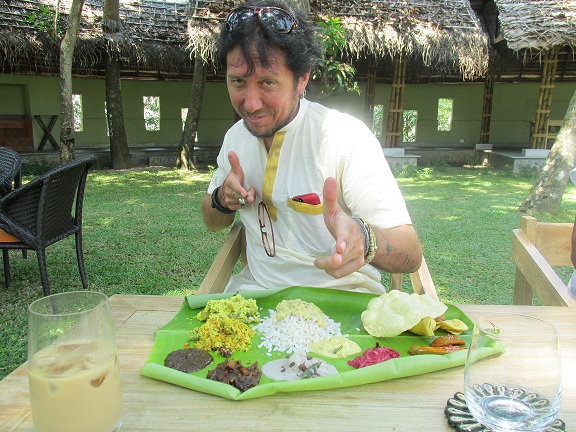
Mina Soliman appears sadya-ready!

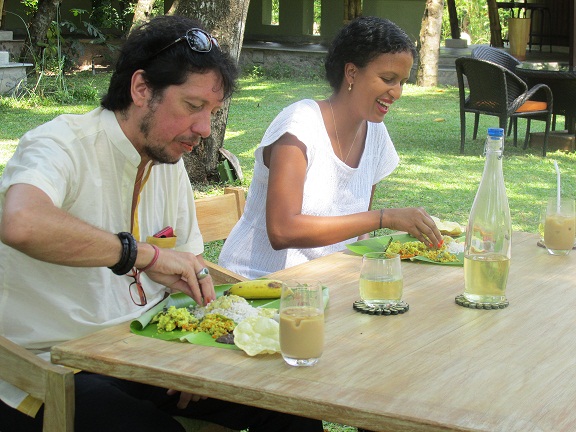
We are people of experiences – the ones we’ve walked, run and barreled into and the ones we create. At RAXA, we take the latter seriously. So when you come down to stay with us by the Kochi harbour or navigate the world-renowned backwaters in our hand-stitched houseboats, you’ll see us work at crafting the finest and personal of them all. Bass guitarist Sami Yaffa and his partner, designer Mina Soliman will agree.

Their stay with us by the Mararikulam beach went beyond the comforts of their villas. There was definitely a stop by the kitchen because don’t we all travel the world plate by plate? Only that the plates and cutlery were on a little holiday of their own this time. A plantain (banana) leaf met the couple at the table and, well, they had to put their best hands forward. It was the call of the Sadya.

Continue reading

Ethiopia, Diaspora, Community, Success

21MARATHONweb3-sfSpan-v3

C.J. Gunther/European Pressphoto Agency. Lelisa Desisa crossing the finish line. As he rounded Hereford Street for a well-honed sprint to the finish, he cast off his hat in pre-emptive triumph and waved to the crowd.

Today’s news about an Ethiopian man winning the Boston Marathon gives me the hook to write a post that has been on my mind since Friday. Back before I knew much about Ethiopia from actual experience, I heard an interview with a man from Ethiopia, an emigre in New York City. Adopted man. Adopted city. And a worldview, a lifeview, that I could relate to with a powerful intensity that I did not fully understand at the time:

This Time, Lelisa Desisa Wins Boston Marathon for Himself

Something in that interview began changing the structure of my thoughts about Ethiopia. And then within months of that one of our colleagues from the Zaina Lodge project started telling me that the next place I “must, must, must” explore is Ethiopia. The dial moved even further because that colleague told me stories I could hardly believe about the beauty of Ethiopia. And when I finally made my first visit, I was nonetheless awed beyond what the colleague had led me to expect. So, Ethiopia has been on my mind every day for a couple months now.

And then a couple of days ago, another Ethiopian emigre to New York City checked in to Marari Pearl. Continue reading

Brew-born Time Travel

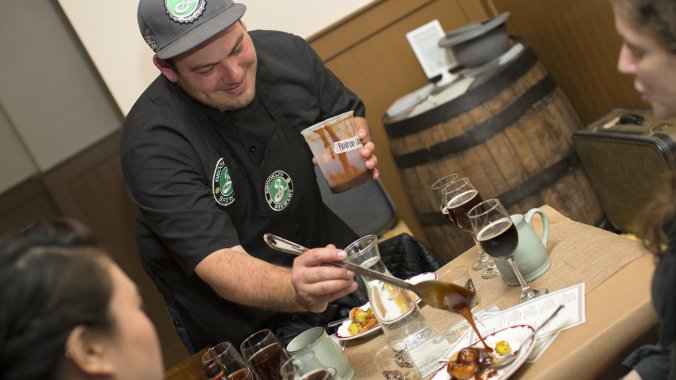
Chef Andrew Gerson of Brooklyn Brewery organized a dinner party featuring ingredients used by Dutch settlers and Native Americans living in 1650s New York City. Courtesy of Brooklyn Brewery

Chef Andrew Gerson of Brooklyn Brewery organized a dinner party featuring ingredients used by Dutch settlers and Native Americans living in 1650s New York City. Courtesy of Brooklyn Brewery

Thanks to the folks at the salt, and National Public Radio (USA) for this one:

Brooklyn Brewery Dares Diners To Eat Like Dutch Settlers

HANSI LO WANG

You can find food from just about any part of the world in New York City.

The Brooklyn Brewery is trying to push New Yorkers’ palates even further by going back in time.

This week, it hosted a dinner party inspired by the local cuisine of Dutch settlers and Native Americans in the 1650s.

Back when New York wasn’t even New York yet, and before the English took over in 1664, the Dutch called the city New Amsterdam.

Continue reading

Working To Survive, Alternate Edition

7_wide-3e7cde0913bd4deea8f50800b59f674482c45b98-s1300-c85

The St. James vineyard at the Abbey of New Clairvaux. The 20 brothers of the abbey belong to an order with a tradition of winemaking that dates back nearly 900 years. Lisa Morehouse for NPR

Thanks to the folks over at the salt, at NPR (USA):

Continue reading

Easter Is Upon Us, And Our Tastes Shift Accordingly

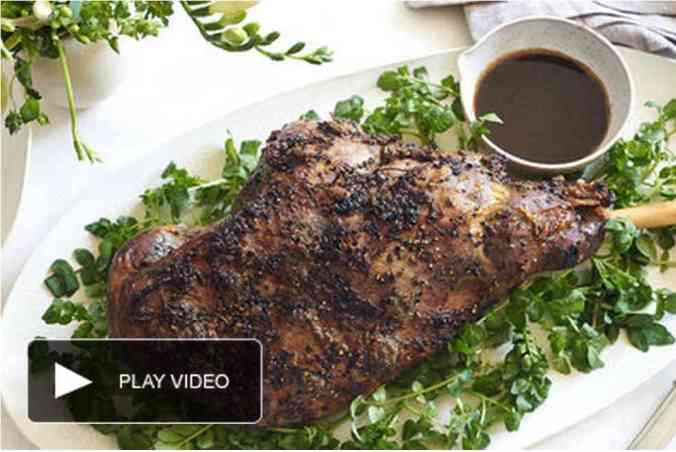
Remedying Americans’ resistance to lamb with a juicy roast that gets help from anchovies and butter. (Article plus video.)

Thanks to the New York Times‘ Food section for a reminder to try something new this particular holiday season:

RECIPE LAB

The Best Roast Lamb for Your Easter Feast

Remedying Americans’ resistance to lamb with a juicy roast that gets help from anchovies and butter. (Article plus video)

Waste Less, Want Less, Lean In, Pop Up

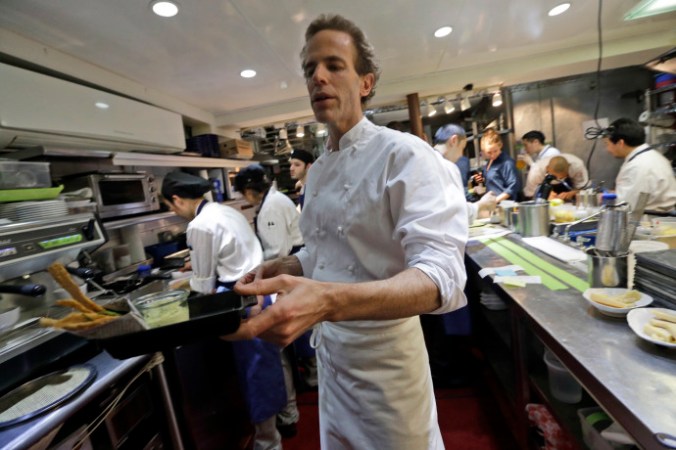
In this Thursday, March 19, 2015 photo, chef Dan Barber hands a waiter an order of fried skate wing cartilage with smoked whitefish head tartar sauce at WastED in New York. Dishes using scraps and other ignored bits comprise the menu at chef Dan Barber's WastED, a pop-up project at one of his Blue Hill restaurants intended to shed light on the waste of food. (AP Photo/Mary Altaffer)

In this Thursday, March 19, 2015 photo, chef Dan Barber hands a waiter an order of fried skate wing cartilage with smoked whitefish head tartar sauce at WastED in New York. Dishes using scraps and other ignored bits comprise the menu at chef Dan Barber’s WastED, a pop-up project at one of his Blue Hill restaurants intended to shed light on the waste of food. (AP Photo/Mary Altaffer)

Thanks to Hannah Goldfield for this post:

The other night, as I ate a salad at Blue Hill, in the West Village, a server approached my table with an iPad. “Have you seen this?” she asked. “Chef wanted you to see this.” By “Chef,” she meant Dan Barber, the man behind Blue Hill and Blue Hill Stone Barns, a sister restaurant and farm upstate. By “this,” she meant a photograph of a dumpster, into which a chute was depositing an enormous quantity of multi-colored scraps of fruit and vegetables—the runoff from a commercial food processor. The experience felt something similar to being shown a picture of what would happen to a sad-eyed old horse if you didn’t save it from the glue factory. Sitting in a small, enamel casserole dish in front of me were fruit and vegetable scraps that Barber had rescued, just like the ones in the photo. Arranged in an artful tangle, bits of carrot, apple, and pear were dressed with a creamy green emulsion, studded with pistachios, and garnished with a foamy pouf that turned out to be the liquid from canned chickpeas, whipped into haute cuisine. Continue reading

Kerala’s Legacy Around The World

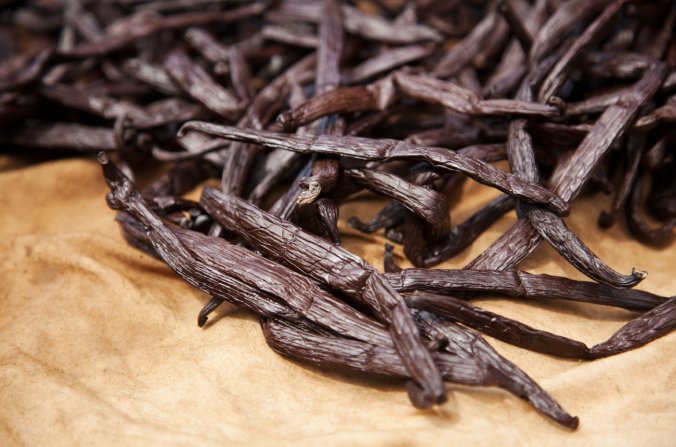
Vanilla is seemingly a prima donna spice because its pods have to be hand-pollinated and then boiled and dried in the direct sun for only one hour. iStockphoto

Vanilla is seemingly a prima donna spice because its pods have to be hand-pollinated and then boiled and dried in the direct sun for only one hour. iStockphoto

Spices enrich in more ways than one. Raxa Collective’s home base in Kerala has more stories than we can ever recount to prove this point. Some of the world’s most loved (and enriching) spices originate in Kerala. But for now, we put our attention elsewhere in the spice world. Our friends in Zanzibar are deserving of this attention (thanks to the NPR program, the salt, as always):

Let’s start with a spice quiz. One is a bean discovered in Mexico. One’s a tree native to India. One’s the seed of a fruit discovered in Indonesia.

Today vanilla, cinnamon and nutmeg can all be found in any spice farm in Zanzibar — the East African archipelago that was used as a spice plantation by the 18thcentury Omani Empire. Continue reading

“What’s Life Without Cumin?”

Cumin Globe at 51

Cumin Globe at 51

My friends and family might roll their eyes at the frequency they’ve heard me state the title of this post, but given cumin’s importance in the cuisines of the world, it bears repeating. The spice’s ubiquitous place around the globe dates back to the Old Testament. Seeds excavated in India have been dated to the second millennium BC. Egyptians used it as a spice as well as one of the many ingredients required for mummification. Its heavy use in Greek, Roman and Assyrian cuisines help earn its place in the pantheon of spices.

“Once it has been introduced into a new land and culture, cumin has a way of insinuating itself deeply into the local cuisine, which is why it has become one of the most commonly used spices in the world,” writes Gary Nabhan, author and social science researcher at the University of Arizona Southwest Center, in his recent book, Cumin, Camels, and Caravans.

Nabhan’s book is really a much broader look at the spice trade and its relationship to history and culture. But cumin earned a spot in the title “because it is so demonstrative of culinary globalization,” Nabhan writes.

Cumin has also literally been popular since the dawn of written history.

In English, at least, cumin has a singular distinction – it is the only word that can be traced directly back to Sumerian, the first written language. So when we talk about cumin, we are harkening back to the Sumerian word gamun, first written in the cuneiform script more than 4,000 years ago. Continue reading

Offsetting The Perfect Burger

sfs_potato_vindaloo-13---cred-joe-keller_wide-5a785d2066759cd77d2ecb8b9f7d4789ce169255-s1300-c85

Tomato paste gives the Potato Vindaloo its “backbone,” “structure” and “depth,” says America’s Test Kitchen’s Jack Bishop. “‘You probably wouldn’t identify it in the finished dish, but leave it out and you would notice the difference.” Joe Keller/Courtesy of America’s Test Kitchen

Fresh Air, an interview program on National Public Radio (USA), interviewed these same two people originally in 2013, and some members of Raxa Collective can still remember the description, in the podcast version of that interview heard while driving through south India, of grilling the perfect summer burger. And it inspired us to develop the perfect burger for south India, one of the few places in India where beef is available (due to the particular cultural mix of Kerala, in particular).

In the spirit of full circle, we are delighted to announce that Derek, in between Munnar joy rides and beach bliss responsibilities, has accomplished one of the missions we gave him for his time in Kerala, and its name is the Tico Burger (more on which, soon). At the same time, and just in time, to balance out our diets after taste-testing Derek’s burgers the same folks who inspired us to build a better burger are now providing insights on how to offset the carbon and karmic footprints of those burgers with some vegetarian cooking insider magic:

Just because a meal is vegetarian doesn’t mean it can’t be “meaty.” One trick to heighten the depth of flavors in plant-based dishes? Use ingredients that offer a pop of umami, say Bridget Lancaster and Jack Bishop of America’s Test Kitchen, who have released the new cookbook The Complete Vegetarian Cookbook. Continue reading

Recipe For A Hot Or Cold Day

By BRANDON CRUZ and MEGHAN GOURLEY. Image by Andrew Scrivani for The New York Times.

By BRANDON CRUZ and MEGHAN GOURLEY. Image by Andrew Scrivani for The New York Times.

You may have had it in France on a cold day. Or had it some other place, on a cold day; but speaking for ourselves, we never thought of it as a cold soup for a hot day.  Seems like a good fit for a harbor-facing restaurant approaching summer time…

Dirt Candy. Say It. Now Resist. It’s Futile.

Whenever we see a story about innovative, excellent food that involves no animals, we check on its suitability for this blog. We are not committed, by any means, to exclusive consumption of vegetarian cuisine but we believe going easy on the meat is a good way to do the green thing. This headline makes me think of the several of us contributing here who spent time in Ithaca, NY USA; and especially makes me think of a certain restaurant, Moosewood by name, that may have been the reference in Little Sprout Grows Up by Jeff Gordiner:

Ben Russell for The New York Times

Dishes at Dirt Candy tend to be composed and clever, but unapologetically crave-inducing. Here, the cabbage hot pot. Ben Russell for The New York Times 

Amanda Cohen Replants Her Vegetable Restaurant Dirt Candy.

Back when the chef Amanda Cohen was running her restaurant, Dirt Candy, out of an East Village nook that felt only slightly more commodious than a gopher hole, she received a call from someone representing a famous man who wanted to eat her food. Although they may hesitate to admit it, most chefs in New York would mount a synchronized swan dive into the iced-over Hudson River if it would help entice celebrities through their front doors. But Dirt Candy, in spite of being one of the most prominent and influential vegetarian establishments in the United States, was so small it almost qualified as a bonsai restaurant. Ms. Cohen had only 18 seats. She didn’t feel right giving a pair of nonfamous customers the cold shoulder. Continue reading

Sugar Beets, Wherefore Art Thou?

shutterstock_79736593

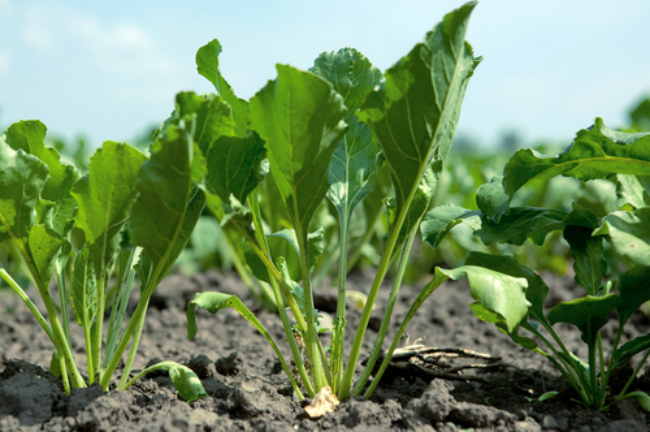
A Dutch scientist has created a process for turning sugar beet leaves into protein. Photo credit: Shutterstock

Thanks to Ecowatch, we can consider the long lost love of our better, healthier selves, found:

Sugar Beet Leaves Create Vegan Protein Alternative

Katie Levans

A scientist in the Netherlands is turning plant waste into a potential substitute for environmentally unsustainable proteins like meat, dairy and soy. The Dutch government commissioned Peter Geerdink, a food scientist at TNO, to identify a use for the 3 million tons of beet sugar leaves produced each year and left to rot after the beets themselves are harvested. The result of his work is a vegan gluten-free plant-based protein extracted from the pressed green juice of sugar beet leaves that, according to Geedink, is as versatile as a chicken egg.

Continue reading

Food To Come Home To, Ghana Edition

A joint expedition made up of two Zaina Lodge and two of our team members just concluded two weeks in Ethiopia sampling the best national parks, scouting for new locations in which to collaborate, and tasting foodways evolved over millennia. The Zaina duo at this moment are headed back to Ghana, and we can imagine they will appreciate this:

01mag-01eat.t_CA0-thumbStandardA Spicy Spinach Stew From Ghana

Ghanaians living within bunting distance of Yankee Stadium in the Bronx can have a taste of home with this dish.

Lovely Things Pedaled To A Place Near You

trailhead650

Several contributors to this site descend from a man from the mountains north of Sparta, who sailed from Greece to New York City more than a century ago, and had a pushcart that earned him enough money to return to his village and become a prosperous olive farmer.

Good things come in, and from, pushcarts. We like the bike design as much as anything else in the photo above, and speaking of aesthetics the last photo below will help understand why we absolutely had to post this. As for pedal-powered treats on wheels, we will do something to extend the reach of 51 in Fort Kochi, so stay tuned… Thanks to Ecowatch.com for this:

Riding your bike to work is gaining momentum as more cities adopt or expand bike-sharing programs, but what about ordering your morning latte or lunch from a bike? With more and more food bikes popping up in cities across the country, finding more meals on wheels (without the truck) might soon be an option. Continue reading

If It Looks Like 51, And Tastes Like 51, It Must Be On The 51 Menu

Screen Shot 2015-01-31 at 10.44.20 AM

We had an excellent review of 51 this week, which keeps our mind on what makes the place tick. And constant keeping on the lookout for ideas that our culinary team can play with, master, test on we chosen few tasters (someone has to do it) and for those that make the cut, take it live on the menu.

Here is a case in point.

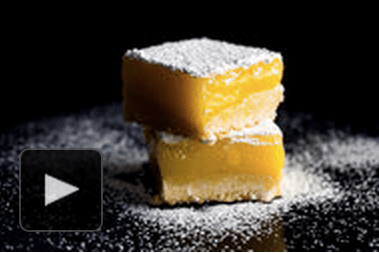
Click the image to the right to watch the video about this unusual twist on the lemon bar, or here for a related article. Coming soon, we hope, on a menu near you (should you happen to be at Spice Harbour in Kerala, India) will be our own twist on this lovely idea:

Lemon Bars With Olive Oil

51 Keeps Winning Hearts, Minds, Eyes And Most Importantly Taste Tests

Photo Ratheesh Sundaram, Indian Express

Photo by Ratheesh Sundaram, Indian Express

We cannot help it–we love the press that 51 and Spice Harbour have generated together, including in Architectural Digest and Conde Nast Traveler‘s 40th Anniversary Edition of India’s Most Stunning Boutique Hotels Handbook among other prestigious media outlets. Not in some vanity-driven ugly manner, but as a matter of fact we love that the Indulge team at Indian Express, and specifically Rosanna Abrachan has captured in elegant prose exactly what we would want anyone to know about 51. Thanks, Rosanna! And Ratheesh, superb photography! Some text to sample:

While the menu is not expansive, it is rich and colourful as we first saw in the Xandari salad. With its origins at a property managed by RAXA Collective in Costa Rica, the starter is perfect for evangelists of eating healthy. Continue reading

Simplicity, An Elegant Solution To Food Needed Fast

Sam Kaplan for The New York Times. Food stylist: Suzanne Lenzer. Prop stylist: Maeve Sheridan.

Sam Kaplan for The New York Times. Food stylist: Suzanne Lenzer. Prop stylist: Maeve Sheridan.

51 completed its first round of food trials many months ago, and all is well, and getting better all the time.  As we welcome a new executive chef to our team on February 7, lots of ideas await him from our team for the next iteration of Malabar Soul Food.

Though food trials are an ongoing affair, we all do our best to eat a balanced diet, away from work, as much as possible.

So, thank you Mark Bittman for recognizing that there do not seem to be enough minutes in the day:

Simple Stocks for Soup on the Fly

9 ways to transform water into a flavorful dish in a matter of minutes.

Authenticity And Its Discontents

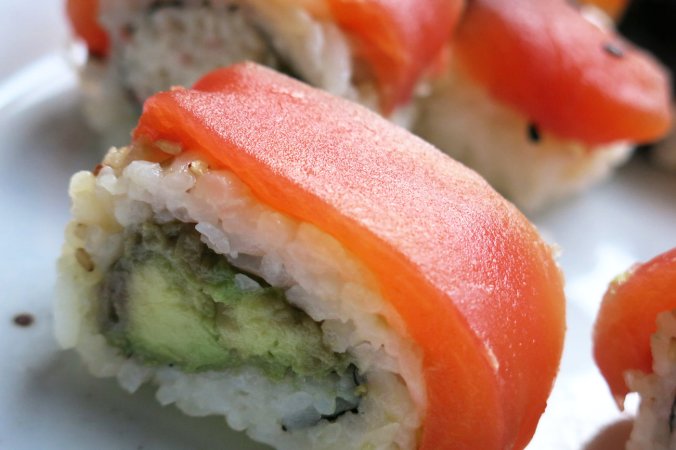
Chef James Corwell's nigiri sushi rolls made with Tomato Sushi, a plant-based tuna alternative, in San Francisco. Alastair Bland for NPR

Chef James Corwell’s nigiri sushi rolls made with Tomato Sushi, a plant-based tuna alternative, in San Francisco.
Alastair Bland for NPR

I am realizing more each day how complex the notion of authenticity is. It is often, I see with increasing frequency, a cliche thrown casually into descriptions and promotions of this or that. Are there times when something other than authenticity is appropriate, even for an organization such as ours that promotes offering travelers authentic experiences of various cultures around the world, including local cuisine?

This story has me thinking (thanks to National Public Radio, USA and its program called “the salt”) that if foodies can make the leap from literal authenticity to a more complex notion of authenticity, for the sake of the environment as well as for broadened pleasures of the palate, it may serve as a model for how to approach seemingly intractable challenges facing the planet (in the case of this story, fisheries collapse but also the broader challenges of collapse), including the ever-changing cultures that make our planet worth traveling:

It’s a dead ringer for Ahi tuna sashimi. It cuts into glistening slivers that are firm and juicy. And it’s got a savory bite.

But this flesh-like food is not fish. It’s made of tomato, and it’s what San Francisco chef James Corwell hopes could be one small step toward saving imperiled species of fish, like bluefin tuna.

“What I want is to create a great sushi experience without the tuna,” Corwell tells The Salt.

To make this Tomato Sushi, he skins and removes the seeds from fresh Roma tomatoes. Then he vacuum seals them in sturdy plastic bags and cooks them in hot water for about an hour — a technique called sous-vide. Continue reading