If You Can, Catch Pacita Abad At MoMA PS1

The work at the center is the nearly 17-foot-tall “Marcos and His Cronies,” which features a dragon demon surrounded by 18 fearsome masked figures.

Installation view of “Pacita Abad” at MoMA PS1. From left: “Waiting in Washington” (1990), “Marcos and His Cronies” (1985-1995) and “Subali” (1983/1990). Kris Graves/MoMA PS1

Pacita Abad has not only not appeared in our pages before, but her work was rejected by plenty of institutions who probably should have known better. Now, if given the chance, most of us will choose not to miss the opportunity to experience her work:

Stitch by Stitch, Pacita Abad Crossed Continents and Cultures

The Filipino American artist is having her first retrospective at MoMA PS1 as the mainstream art world finally catches up to her work. “You will regret missing it,” our critic says.

A row of five colorful paintings depicting masks from various cultures, from left, “Oceania Mask,” “Hopi Mask,” “African Mephisto,” “Mayan Mask,” and “African Mask” with a Kongo figure.

From left, “Oceania Mask (Dancing Demon),” 1983/1990; “Hopi Mask,” 1990; “African Mephisto,” 1981; “Mayan Mask,” 1990; and “African Mask (Kongo),” 1990, on view at MoMA PS1. Kris Graves/MoMA PS1

About a year before she died of cancer, in 2004, at the age of 58, the artist Pacita Abad and a team painted a pedestrian bridge that crosses the Singapore River with exuberant colors and more than 2,000 circles. Surrounded by ho-hum hotels and apartment buildings, it radiates joy. Abad’s work is in museums throughout Asia, and in Manila, where she grew up, the National Museum’s holdings include a painfully lucid 1980 painting of two wary children, Cambodian refugees, holding each other. Continue reading

Turning Tree Leaves Into Mats

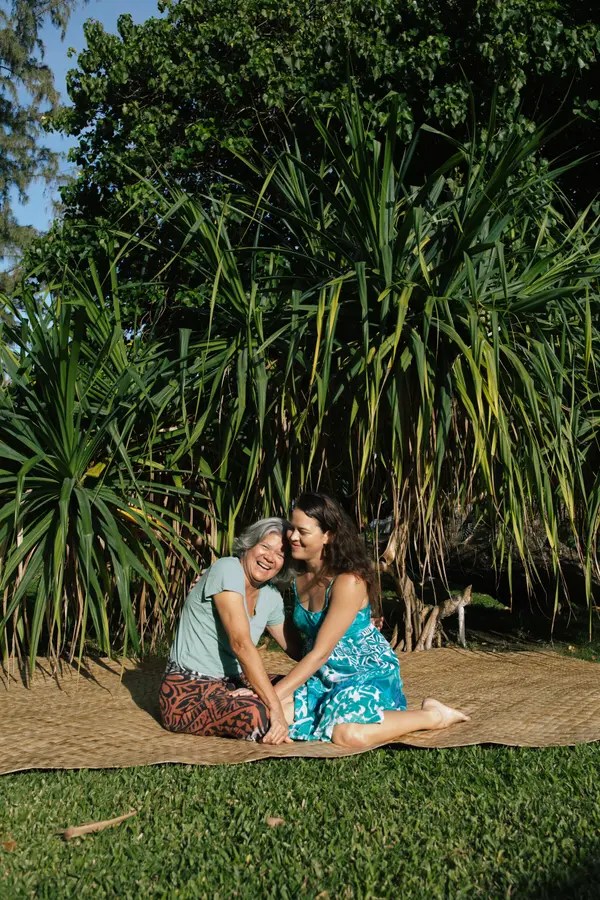
Emma Broderick, right, and her mother, Maile Meyer, under a pu hala tree on Oahu, a touchstone of Hawaiian culture. Its leaves are used to weave mats like the one they are sitting on. “To be a weaver is to be a healer,” said Broderick, whose group passes on ancestral knowledge about weaving and other practices. Daeja Fallas for The New York Times

Traditional weaving was a means to achieve our goal of strengthening biodiversity in our final work in Kerala. It is heartening to see handicraft coming back to life in Hawaii for other reasons:

In Hawaii, Weaving New Life Into a Nearly Vanished Art Form

The age-old practice of turning tree leaves into mats has been revived on the islands. “It teaches you how to weave relationships, past and present,” one master artisan says.

Just past daybreak, before they began to weave, Emma Broderick and her mother, Maile Meyer, gathered beneath a canopy of sinuous leaves to greet the pū hala tree, a touchstone of Hawaiian culture that for generations has provided the raw materials for weaving moena, the traditional floor mats that were once ubiquitous in Hawaiian homes.

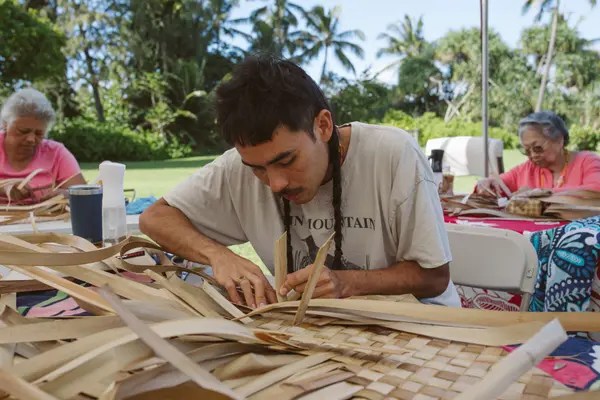
Kainoa Gruspe, one of the young weavers who joined the group. Preparing the lau is laborious and begins by ridding the leaves of ants and centipedes before cutting, smoothing and drying. Daeja Fallas for The New York Times

Broderick introduced herself to the tree, with its lattice of stilt-like roots, addressing it as she might a loved one. “Of course, flattery never hurts,” she said. She had a pink plumeria blossom with an intoxicating aroma tucked behind her ear.

“You want to come with me?” she asked the tree, seductively. “Would you like to live in a house and be in a mat?” Continue reading

Inca Woven Masterpiece

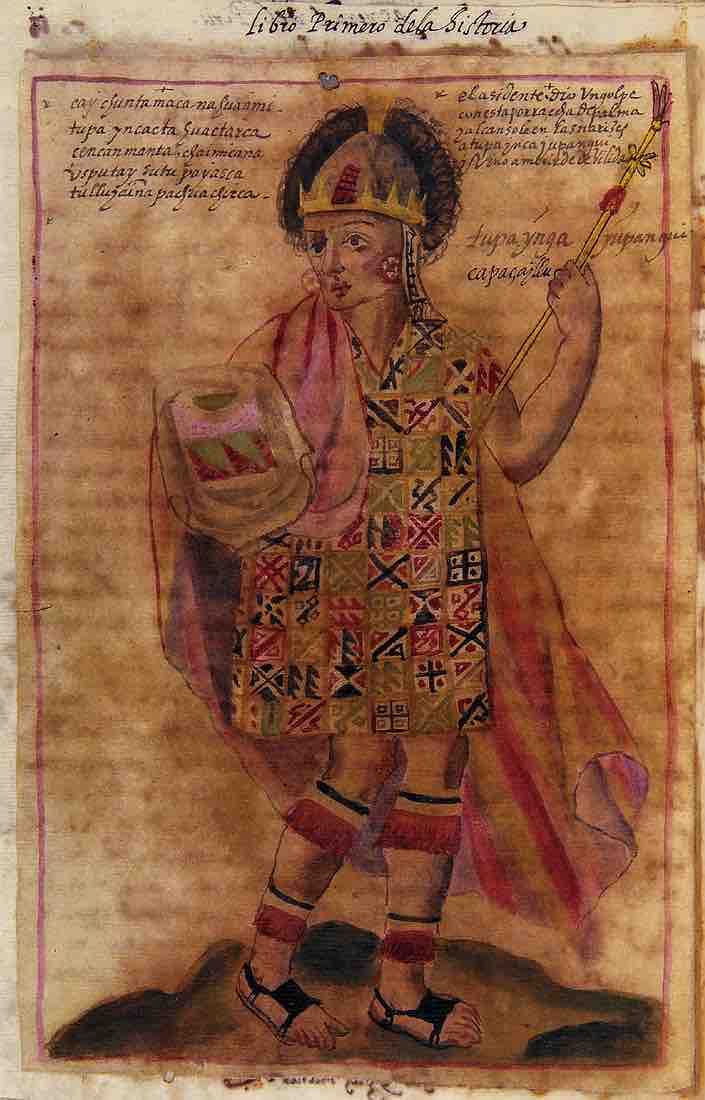
Illustration of Tupac Inca Yupanqui (an Inca emperor) c. 1590, by an unknown artist. | USED WITH PERMISSION / PRIVATE COLLECTION

In this article by Max J. Krupnick we are given reason to rethink the notion that the Incas had no written language. There is plenty of evidence that they were capable of advanced communication aesthetically:

A Royal Tunic

Unraveling an Inca masterpiece’s secrets

WITH STITCHES as dense as an iPad’s pixels, this woven tunic represents the pinnacle of Inca artistry. The brutal Spanish conquest and the unforgiving march of time have destroyed most Inca textiles, but the tunic now at Dumbarton Oaks in Washington, D.C., survived. Although its symbols captivate visitors and scholars alike, much is left to be learned about the garment. Who made it? Who wore it? Is it truly authentic?

Tunic | ©DUMBARTON OAKS, PRE-COLUMBIAN, WASHINGTON, D.C.

Robert Bliss, who cofounded Dumbarton Oaks, Harvard’s center for Byzantine, Pre-Columbian, and landscape studies, purchased the tunic for his personal collection, so its acquisition history is not well documented. Added to the institute’s holdings in 1963, the tunic attracted scholarly attention as researchers attempted to decode its symbols, which they believed comprised a written language, despite evidence that the Incas did not write. Continue reading

Celebrating Voices Of The Americas

Curved exterior of the National Museum of the American Indian in DC, pale bricks glowing as if during sunrise.We missed the 2024 INDIGENOUS VOICES OF THE AMERICAS –CELEBRATING THE NATIONAL MUSEUM OF THE AMERICAN INDIAN. Our calendars are already marked for next year, based on what we see from this year’s celebration:

Across the Western Hemisphere, thousands of Indigenous communities are sustaining traditional practices and contributing to a more equitable future. Today, these individuals and nations define who they are, through their own stories in their own words.

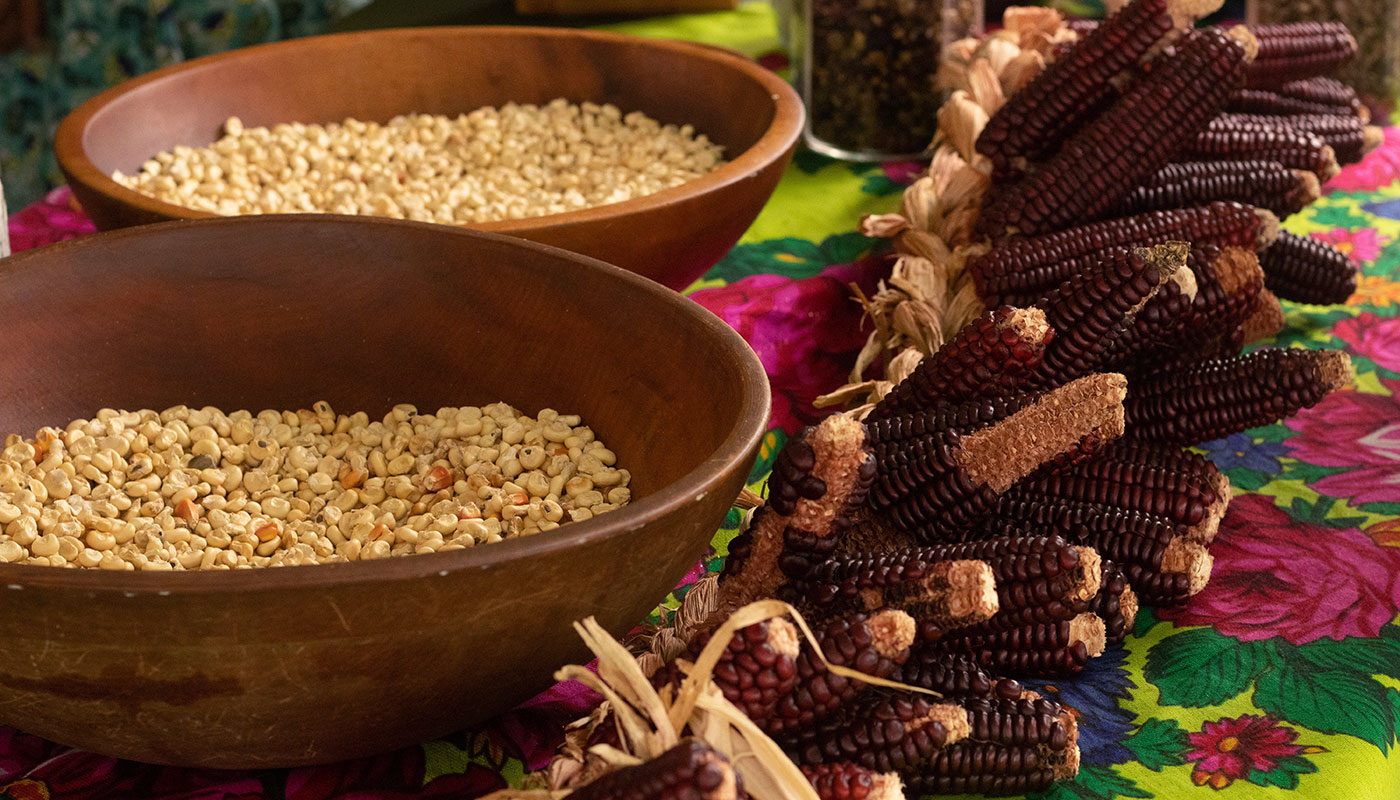
An illustration of the ingredients for Cherokee bean bread.In 2024, Indigenous Voices of the Americas: Celebrating the National Museum of the American Indian highlights living traditions of Indigenous peoples. At its core, the program honors contemporary and traditional creative expressions, celebrations, and community connections that feed new possibilities for Indigenous futures. The program is co-presented by the Smithsonian Center for Folklife and Cultural Heritage, the National Museum of the American Indian, and the National Park Service.

We would not have known about it except for this article (thanks to National Public Radio, USA):

Bolivian skateboarders demonstrate their skills on the half pipe.

Bolivian women skateboarders — wearing traditional garb — demonstrate their skills on the half pipe. Ben de la Cruz/NPR

It’s a rather unusual skateboard lesson.

Little girls are lined up to learn to balance on a board on a half-pipe ramp. The teachers are young women from Bolivia, in their teens and 20s, wearing traditional garb as a tribute to female strength. Their outfits do not seem as if they are ideal for skateboarding: Each skateboarder wears a beribboned bowler hat and a poofy skirt. Among the eager disciples is Poppy Moore…

Glass Eels & Industry

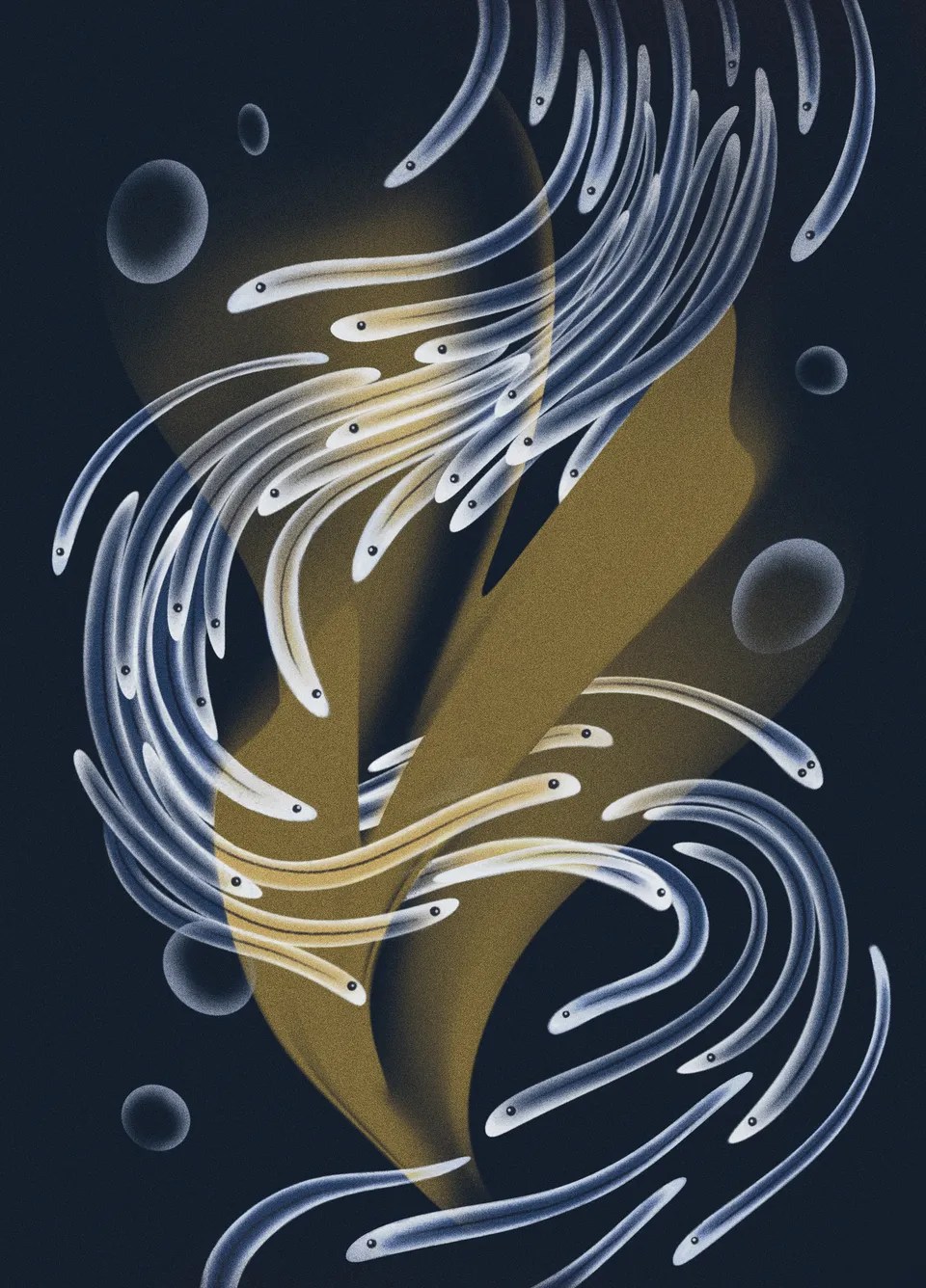
A lot of Mainers want badly to win the elver lottery. This year, more than forty-five hundred people applied for sixteen available licenses. “It’s an industry, not a fucking cult,” a fisherman said. Illustration by Agnes Jonas

Salty language comes with the territory in this story; we thank Paige Williams as always for her excellent reporting at the intersection of natural history and current environmental affairs:

Inside the Slimy, Smelly, Secretive World of Glass-Eel Fishing

Each spring, hundreds of millions of baby eels swarm the waterways of coastal Maine. Soaring global demand incited an era of jackpot payouts and international poaching.

The Sargasso Sea, a warm, calm expanse of the North Atlantic Ocean, is bordered not by land but by four strong currents—a gyre. Vast mats of prickly brown seaweed float so thickly on the windless surface that Christopher Columbus worried about his ships getting stuck. Continue reading

Garden Conservancy’s Open Days

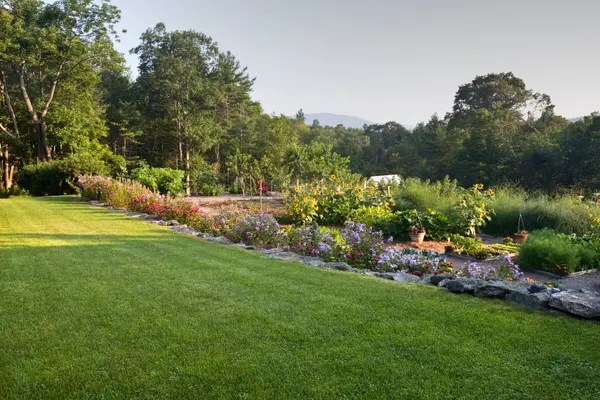
One of “the marquee gardens” welcoming the public during the Garden Conservancy Open Days belongs to the interior designer Bunny Williams, in Falls Village, Conn. Courtesy of Bunny Williams

Eleanor Briggs’s garden in New Hampshire, designed some 30 years ago by the landscape architect Diane McGuire, includes long borders that offer places for new must-have plants. Eleanor Briggs

Margaret Roach, a wealth of information on gardens, offers another option to salve the doom-scrolling. She provides this link to get more information on the Garden Conservancy’s open days:

Your Chance to Snoop: It’s ‘Open Days’ Season in the Garden

This year, more than 360 private gardens across the country are opening to visitors. Don’t miss your chance to learn from some of the best.

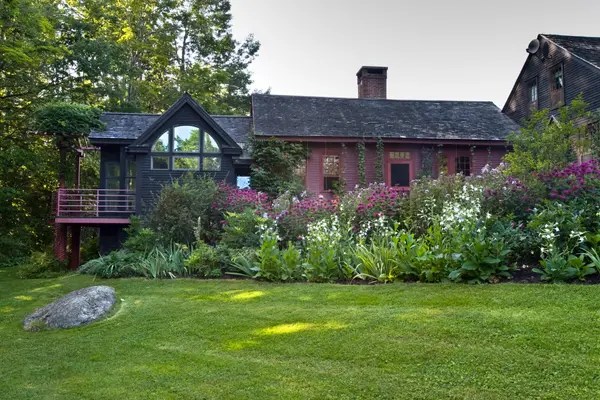
Ms. Briggs has opened her garden at Skatutakee Farm, her updated 18th-century home, numerous times since 2005. The next tour date is Aug. 24. Eleanor Briggs

I was at my station, a folding table dressed up with a burlap cloth, checking in visitors at a Garden Conservancy Open Days event maybe 10 years ago and answering questions from those who had already explored my garden, when I saw someone across the yard taking a photograph.

But of what, I wondered — what’s over there? There was nothing in that spot, I felt certain. Continue reading

Nature’s Ghosts, Author’s Viewpoint

Thanks to Sophie Yeo, editor of Inkcap Journal and the author of this book to the right, for sharing that book’s key insights in essay form in the Guardian:

Nature’s ghosts: how reviving medieval farming offers wildlife an unexpected haven

Agriculture is often seen as the enemy of biodiversity, but in an excerpt from her new book Sophie Yeo explains how techniques from the middle ages allow plants and animals to flourish

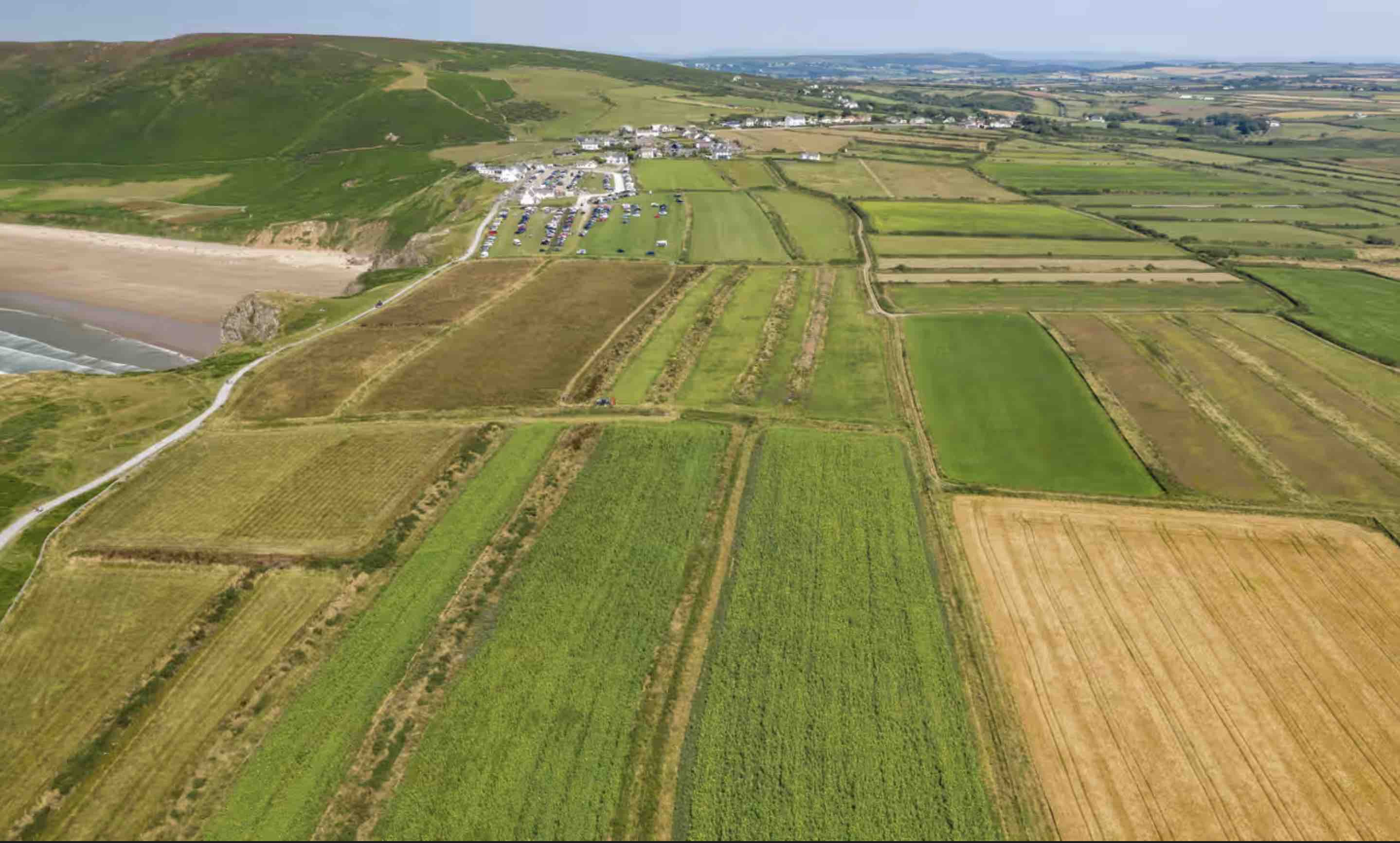
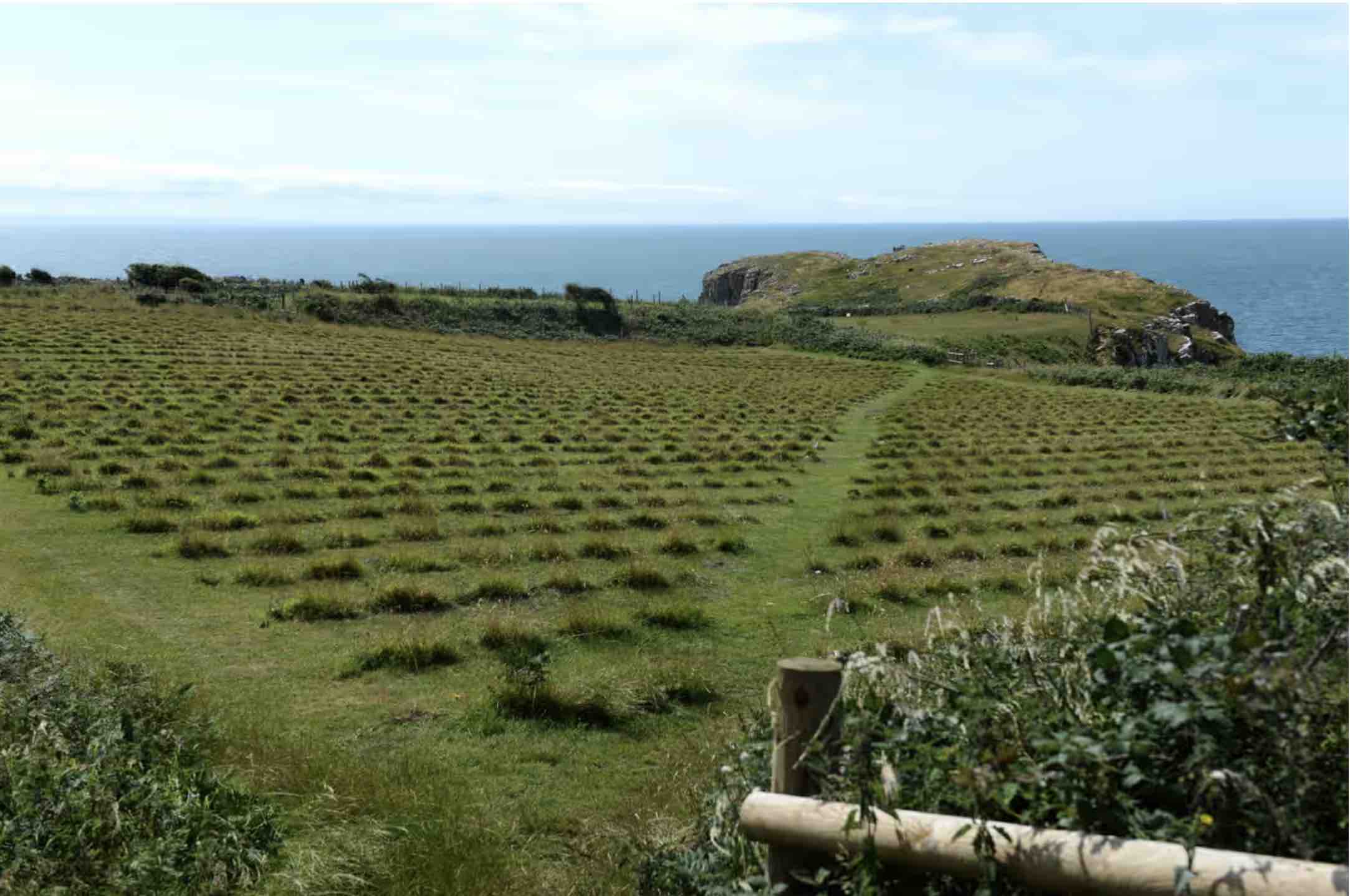
The Vile, a medieval strip field system below Rhossili village, Gower, Wales. Photograph: Wales/Alamy

The Vile clings on to the edge of the Gower peninsula. Its fields are lined up like strips of carpet, together leading to the edge of the cliff that drops into the sea. Each one is tiny, around 1-2 acres. From the sky, they look like airport runways, although this comparison would have seemed nonsensical to those who tended them for most of their existence.

A field of lavender on the Vile above Fall bay, Rhossili, planted in summer 2019 to encourage pollinating insects. Photograph: Holden Wildlife/Alamy

That is because the Vile is special: a working example of how much of Britain would have been farmed during the middle ages. Farmers have most likely been trying to tame this promontory since before the Norman conquest.

The fields have retained their old names, speaking to a long history of struggle against the soil. Stoneyland. Sandyland. Bramble Bush. Mounds of soil known as “baulks” separate one strip from the next. Continue reading

English Apple Heritage

Today completes a trifecta of shared articles about trees, and Sam Knight gets extra thanks for the link with a part of food heritage our family is especially fond of (which led to finding the video above):

Illustration by Nicholas Konrad / The New Yorker

The English Apple Is Disappearing

As the country loses its local cultivars, an orchard owner and a group of biologists are working to record and map every variety of apple tree they can find in the West of England.

In June, 1899, Sabine Baring-Gould, an English rector, collector of folk songs, and author of a truly prodigious quantity of prose, was putting the finishing touches on “A Book of the West,” a two-volume study of Devon and Cornwall. Baring-Gould, who had fifteen children and kept a tame bat, wrote more than a thousand literary works, including some thirty novels, a biography of Napoleon, and an influential study of werewolves. Continue reading

Tamarind, Taste Of Place

Illustration by Giacomo Bagnara

Taste of place stories are a regular feature here; more surprising is that Madhur Jaffrey did not show up in our pages during our seven years living and working in India. Better late than never:

A Tamarind Tree’s Sweet and Sour Inheritance

My ancestor was gifted a huge orchard just outside Delhi. The fruits it produced were the taste of my childhood.

Gifts from ancestors take the darndest forms. Mine included a tamarind tree, the tallest and most magnificent in our yard. My grandfather’s grandfather—a tall, corpulent Indian, prone to indulging in fine wines, fine poetry, and fine art—lived in Delhi and worked for the British. This was 1857, a time when Indians were gearing up to fight the British. The conflict that ensued would later be called India’s First War of Independence. The British would call it the Indian Mutiny. Continue reading

If You Happen To Be In Venice

Work by Yuku Mohri at Japan’s pavilion. Moisture from the rotting fruit on display is converted into electric signals, which generate sounds or turn on suspended lightbulbs. Matteo de Mayda for The New York Times

It is the end of the standard work week for many, so here is an art concept to take them into the weekend, thanks to the New York Times art critics:

Given the Venice Biennale’s reputation as “the Olympics of the art world” — set in a spectacular city, no less — artists and curators here often favor grand, weighty gestures. This year’s Japan Pavilion wonderfully eschews gravitas for modesty and play, while still getting at something profound.

Mohri’s work was inspired by the rough and ready materials used to fix leaks in Tokyo’s subway. Matteo de Mayda for The New York Times

For her exhibition “Compose,” curated by Sook-Kyung Lee, the artist Yuko Mohri has created two installations of contraptions-slash-sculptures from local materials. One set, inspired by the D.I.Y. methods for fixing leaks in the Tokyo subway system, features tubes and everyday objects — like pans, rubber gloves and coat racks — rigged together and dangling through the air. The systems catch and recirculate water seeping into the pavilion, sometimes activating chimes in the process. Continue reading

Exquisite Textiles

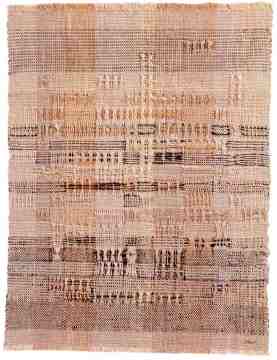
“Development in Rose I” (1952).Art work by Anni Albers / Courtesy © The Josef and Anni Albers Foundation / ARS, 2024

Weavers got more attention during our seven years in India, but we are no less interested in the tradition today. Thanks to Jackson Arn, writing in the New Yorker, for this review:

Anni Albers Transformed Weaving, Then Left It Behind

Her textiles are quiet revelations, but even her later prints show how restraint can generate ravishing beauty.

Imagine you’d been born in 1899. Imagine living through the invention of the Model T, the jet aircraft, the liquid-fuelled rocket, and the computer chip. Now imagine looking back on all this in 1965 and writing, as though with a shrug, “How slow will we appear some day?”

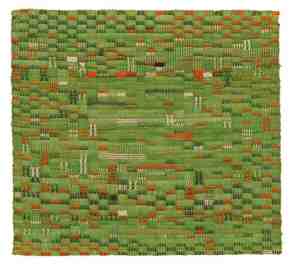
In works like “Pasture” (1958), texture and almost-patterns create an overwhelming experience.Art work by Anni Albers / Courtesy © The Josef and Anni Albers Foundation / ARS, 2024 / © Metropolitan Museum of Art; Photograph by Peter Zeray

It takes an uncommon turn of mind to survive decades this dizzying and then sum them up with perfect nonchalance—but a lot of the greatness of Anni Albers lay in her ability to stay undizzied and keep doing her thing, year after year. Not that she was afraid of innovation; her thing just happened to be weaving, an art form that, by her own calculation, had not changed in any fundamental way since the Stone Age.

Critics reach for a few key words with Albers: “crisp,” “precise,” “mathematical.” Continue reading

Food & Identity

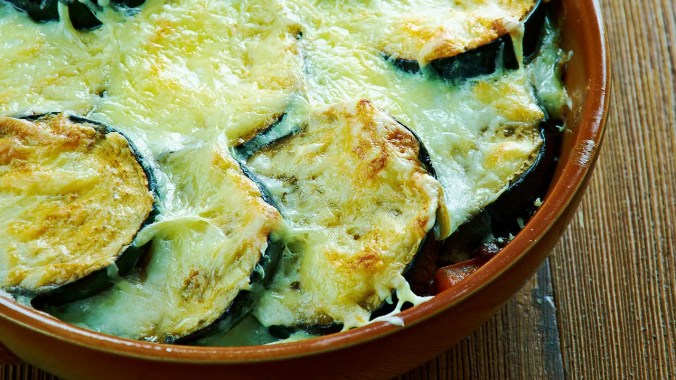
photograph: alamy

We do not live by fruit alone, so:

How moussaka made it into the pantheon of Greek gastronomy

Patriotism revolutionised a classic dish

In 1821 greek revolutionaries rose up against the Ottomans, setting off years of bloodshed that culminated in the creation of a free state in 1829. Continue reading

Breadfruit More Fully Appreciated

Wolfgang Kaehler / LightRocket / Getty

Our thanks to Zoë Schlanger for this corrective. Breadfruit has appeared more than once in our pages, but never with appreciation like this:

Too Few Americans Are Eating a Remarkable Fruit

Breadfruit is a staple in tropical places—and climate change is pushing its range north.

Someplace in the lush backroads of San Sebastián, in western Puerto Rico, my friend Carina pulled the car over. At a crest in the road stood a breadfruit tree, full of basketball-size, lime-green fruits, knobbled and prehistoric, like a dinosaur egg covered in ostrich leather. Continue reading

Children, Phones & Futures

Photographs by Maggie Shannon

It has been our belief since starting that getting outdoors is a very good preventative medicine, but maybe that was too simple a focus. Phones have disrupted life, especially for our young ones, more than we appreciated. Our thanks to Jonathan Haidt and The Atlantic for this (podcast discussion of the research here):

The environment in which kids grow up today is hostile to human development.

Something went suddenly and horribly wrong for adolescents in the early 2010s. Continue reading
First Nations’ Food Sovereignty

Delphine Lee

Thanks to Mother Jones for this:

Tribal Nations Are Taking Back Their Food Systems

A new farm bill program aims to undo centuries of federal mismanagement.

The farm bill is one of the most important but least understood pieces of US legislation, and it’s overdue for renewal. Continue reading
Climate Change Challenges In Italy’s Food Basket

The inside of a rice plant about to flower. With global heating, farmers fear extreme weather events such as drought will become more frequent

Thanks to Ottavia Spaggiari for this article, and to Marco Massa and Haakon Sand for the photos. We are closer to the challenges coffee faces in the context of climate change, but we know it is a global race to find solutions:

Risotto crisis: the fight to save Italy’s beloved dish from extinction

After drought devastated prized arborio and carnaroli harvests in the Po valley, new rice varieties offer a glimmer of hope. But none are yet suitable for use in the traditional recipe

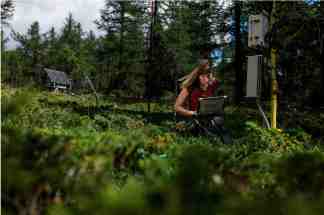
Biometeorologist Marta Galvagno at work

For most of winter and spring in 2022, Luigi Ferraris, a 58-year-old rice farmer from Mortara, a town in the Po valley, remained hopeful. Rainfall had been down 40% in the first six months of the year, and snow had accumulated thinly in the Alps, prompting an 88% drop in the amount of water coming to the Po River from snow-melt; flow in the river and its connected canals was at a historic low. Continue reading

Villa Triunfo, Old Farm & New School

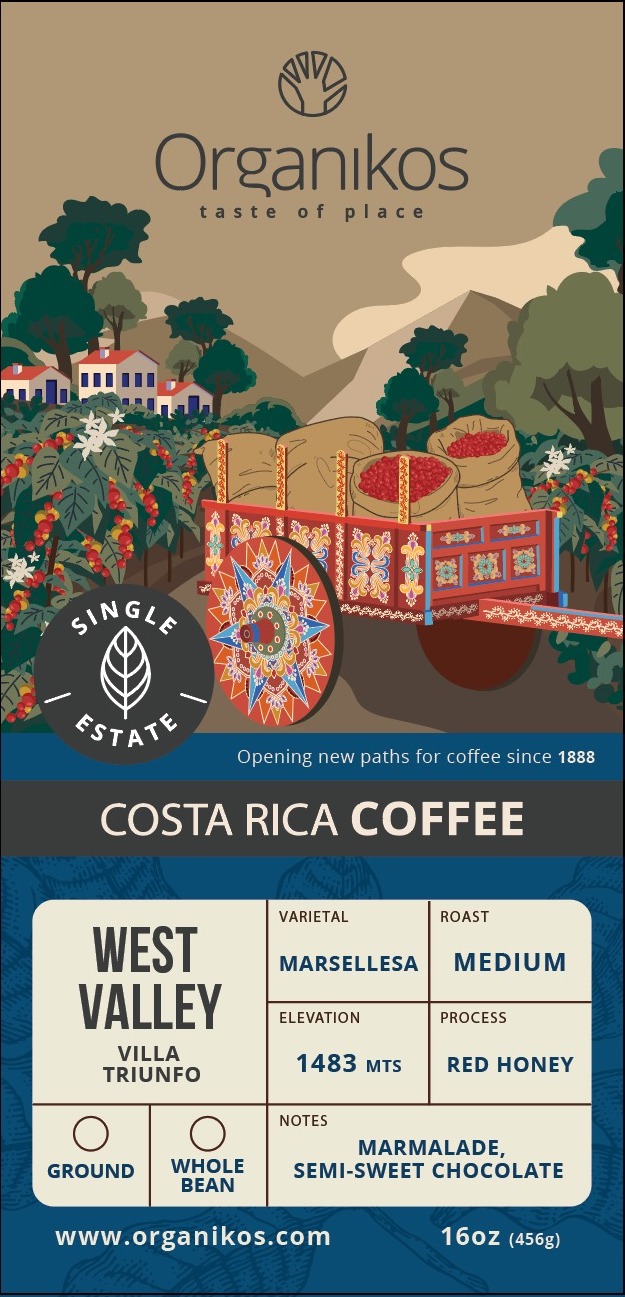
We have shared a few posts in these pages mentioning Villa Triunfo, but now we have designed a new label for it. So, time to celebrate that. What is most important to us about the farm is that it is one of the oldest continuously operating coffee farms in Costa Rica, since its first plantings in the late 1800s.

That, and the fact that today it is also one of the more innovative in terms of pioneering hybrids that help the coffee stay fit in the context of climate change and the various challenges (such as the uniquely problematic mold that is called rust). It is the end of harvest season, when coffees in the West Valley are being processed. The red honey process used for this coffee allows all the sugars from the juicy fruit to absorb into the beans. We look forward to cupping it soon.

Is That Safari In Tanzania A Good Use Of Your Money?

Brian Otieno

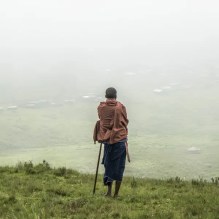
This guest opinion, written by Professor Robert Williams of the Indigenous Peoples Law and Policy Program at the University of Arizona, and published in the New York Times, should make you think twice about the safari that might be on your bucket list:

Over 600,000 tourists travel to Tanzania’s Ngorongoro Conservation Area each year, and many will catch a glimpse of the Great Migration: the famed trek of more than one million wildebeests and thousands of zebras, gazelles and other animals crossing over the Mara River into Kenya and back again. Continue reading

Central Valley Reserve

Central Valley coffee farms produce reliably high quality beans. A few farms produce beans of unusual quality, and we source from these farms to create a blend worthy of the name Reserve. Unlike the chocolate notes typical of a Los Santos coffee, or more fruity or floral notes from other regions, here we find a special toasted nut sensation.

The “architecture of coffee heritage” caption for the image on this label refers to the fact that this building from the 1990s pays tribute to the history of coffee in Costa Rica. It was built within a coffee hacienda, and this year thousands of coffee plants are being replanted on the property. If you have an interest in the feeling of a coffee plantation, and plan to visit Costa Rica, you could not do better than spend a few days here.

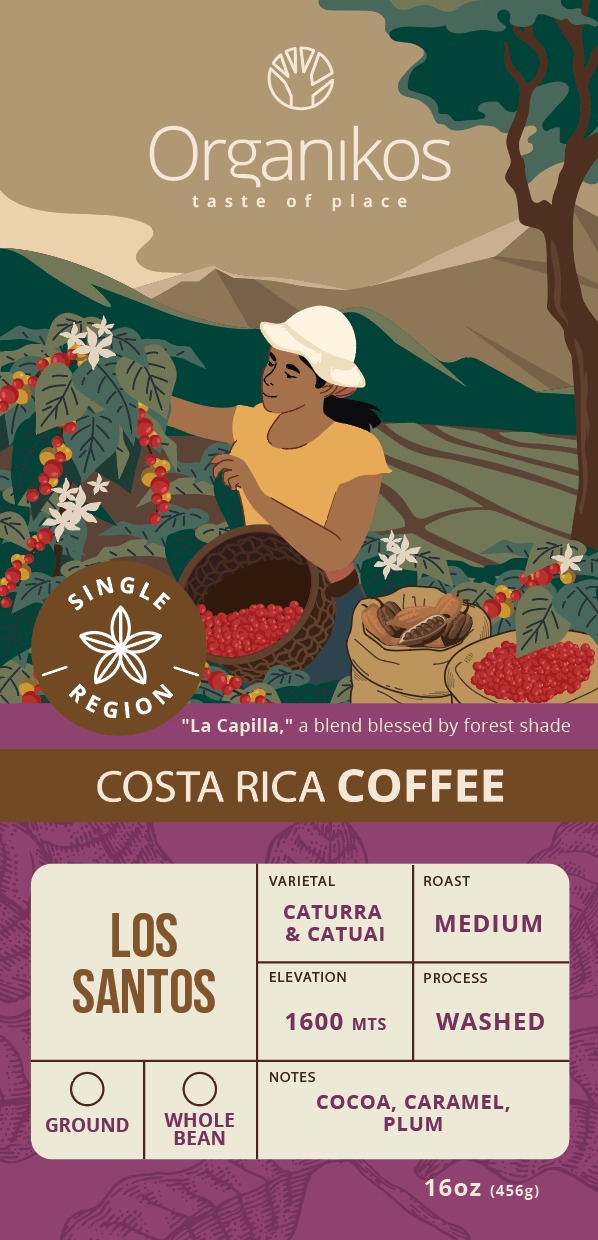
La Capilla, A Plum Assignment

These beans, blended from a select group of smallholder coffee farms collectively known as “the chapel,” have a new illustration. This week it debuts in our shops in Costa Rica. A year after we introduced this coffee in our shops we could only guess it was to become the bestseller it now is.

During the pandemic, when the airports were shut down and there were few visitors to our shops, honoring the contracts we had with these farmers got us thinking creatively. We started offering this and a few other of our coffees for sale in the USA. Because it was a favorite in our home, La Capilla was chosen for this plum assignment. Then we knew.

Tarrazu started its qualification for denomination of origin status the same year we started roasting it, and qualified two years later. The rules are still being clarified on how to use the name, so on our labels we have reverted to the region’s traditional name Los Santos.