Women of Their Worlds

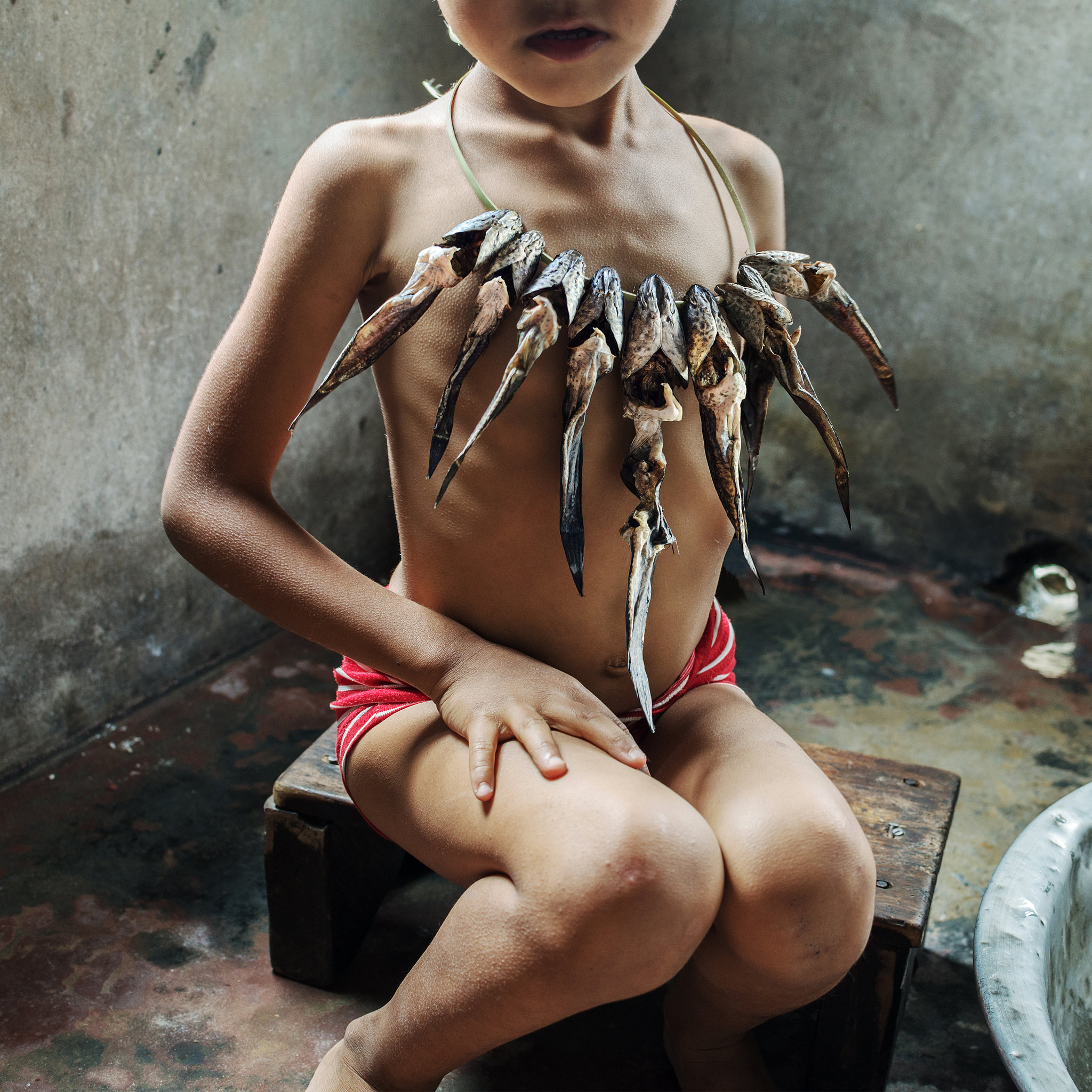
In the small hilly Indian state of Meghalaya, a matrilineal system operates - but some men are campaigning for change PHOTO: Karolin Kruppel

In the small hilly Indian state of Meghalaya, a matrilineal system operates – but some men are campaigning for change PHOTO: Karolin Kruppel

What does the north-eastern Indian state of Meghalaya and a valley on the border of Yunnan and Sichuan provinces of China have in common? They are home to a couple of the handful matrilineal communities that still exist. In an age where most important offices of power are held by men, it is critical to evaluate how these communities hold on to a way of life unchanged for thousands of years. Not to forget the challenges they face in continuing to look at women as the driving force and the soul of their existence.

Continue reading

Over Bullets and Blood Trails

No, this is no story of gore or of violence that have come to be a mainstay of sentences framed around Karachi and Pakistan. No, sir, no. But, this is still a story of a battle – one where paint brushes and colors are the arms for the cause of reclaiming a city. For a city whose walls are spattered with political slogans, hate graffiti and dubious advertisements of faith healers, a group of artists have a makeover in mind. They don’t talk about the healing power of art for nothing.

According to Wajiha Naqvi, the ‘I Am Karachi’ campaign manager, the consortium is trying to create a counter-narrative to promote tolerance, peace and diversity through reclaiming public spaces in the city. For her, the idea behind ‘Reimagining the Walls of Karachi’ is to evoke a sense of civic activism, unity and interest among the residents of Karachi, inspiring individuals and communities to take ownership by protecting their walls, their spaces and, ultimately, their city.

Continue reading

Meet the Supergrain

Pronounced “free-kah”, it is unripe wheat that’s parched and roasted to burn off the husks. The grain has a wonderfully smoky, nutty (and slightly addictive) nature, PHOTO: Daniella Cheslow

When it comes to food, the world is constantly looking for healthier replacements of core ingredients. So what can you replace a staple like rice or white pasta with? Or how can you keep a watch on your wheat intake? Quinoa had the world raving for a while, yes, but now kitchens are looking at ‘old’ grains. Their versatility, flavor, economic cost, ease to work with, and the accompanying history has chefs across the world looking back to older grains. Like freekeh.

Continue reading

Can I Take Your Picture?

An autochrome photo of a group of children at National Zoo. PHOTO:  Jacob J. Gayer/National Geographic Creative/CorbisIt’s been a century since National Geographic published its first color cover using the autochrome technique. Gradually phased out post 1930 and replaced by Kodachrome and Agfacolor, the autochrome era is said to have given the art of painting a run for its money. With its lush colors and lyrical and evocative quality, the technique not only dislodged black and white photography’s monarchy but also brought together science and art. Credited to the Lumiere brothers, autochrome painted dreams in colors.

Continue reading

Clothed in History

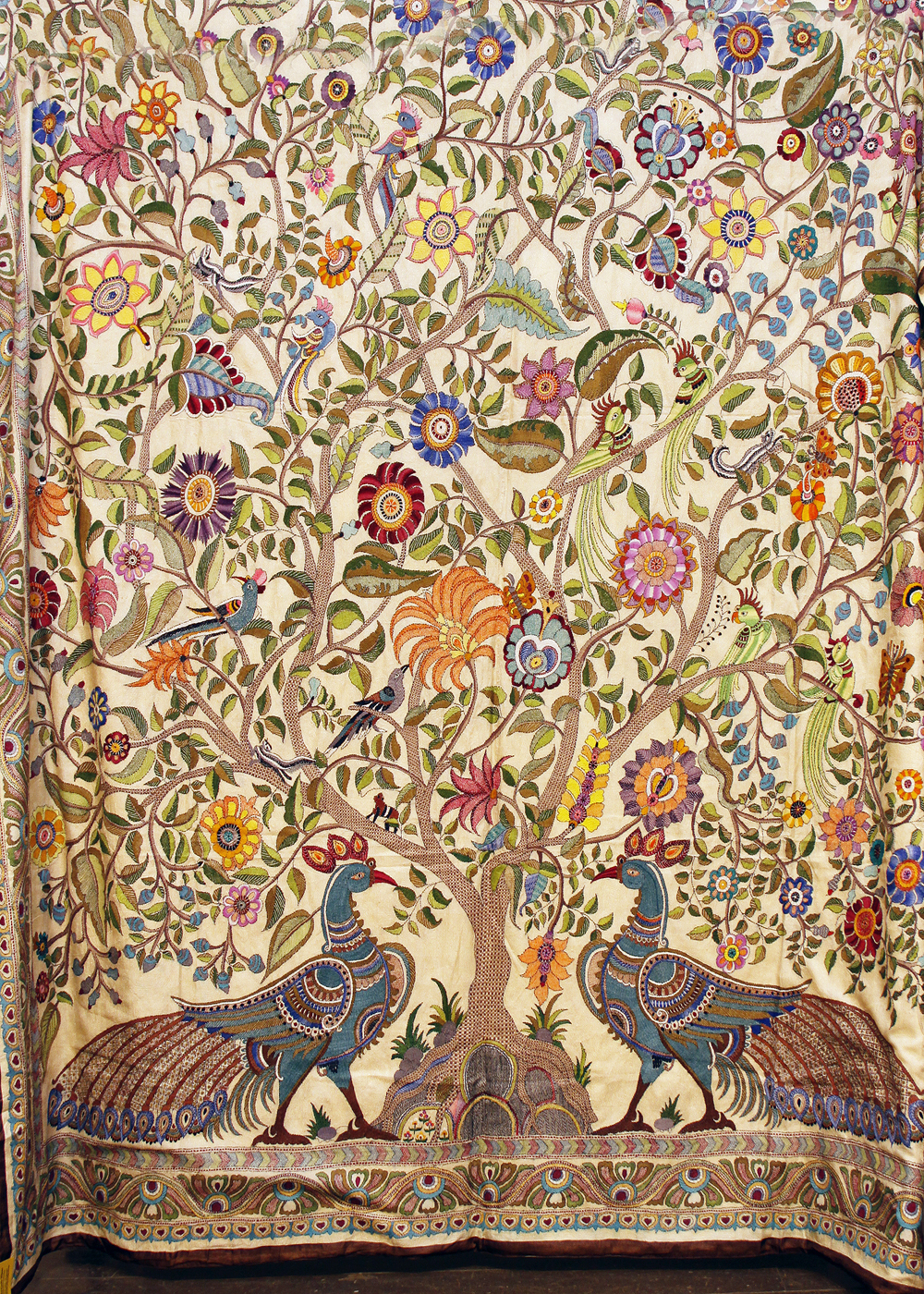
Kalamkari embraces the world of gods and was once used to decorate temples and chariots. Today, in India, it is the face of a dying craft of printing by hand. PHOTO: J Niranjan

If you happen to be around the Metropolitan Museum of Art (gallery 199 in specific) or have Internet hours in hand, the ongoing exhibition titled Sultans of Deccan India (1500-1700) is worth a dekko. A show of opulence enjoyed by kings of the Deccan region in India, the exhibition features 200 artifacts that explore poetic lyricism in paintings, exquisite metalwork, and a distinguished form of fabric production. Known as kalamkari, this cotton fabric is painstakingly dyed using natural vegetable colors and decorated with intricate and detailed paintings by hand. Practised and protected by a small community in the state of Andhra Pradesh today, the family craft faces the Herculean task of survival in the face of plagiarism, lack of government support, and the decreasing number of artisans.

Continue reading

A 750-year-old Legacy

This be the destination that Dante Alighieri envisioned then: A love that moves the sun and other stars. ILLUSTRATION: Gustave Dore

This be the destination that Dante Alighieri envisioned then: A love that moves the sun and other stars. ILLUSTRATION: Gustave Dore

A prophet of hope, herald of the possibility of redemption, liberation and the profound transformation of every man and woman, of all humanity

– Pope Francis on Dante

An epic poem running into 14,233 lines, an allegorical exploration of hell and purgatory to reach paradise and a quest to understand the authentic self and the transcendental meaning of existence – Dante Alighieri has given much to the world. With Italy and literary circles celebrating his 750th birth anniversary this month, all awe and criticism once again turn the Divine Comedy’s way. Wondering about a 700-year-old text’s relevance in this century? Well, we are talking Dante and to say his masterpiece is a timeless revolution wouldn’t be way off the mark. Over his oft-didactic narrative and theological inferences, Dante leaves readers with gruesome yet alluring imagery, the knack to examine status-quo and a careful look at the duality in life. Continue reading

Leopards And Humans Peacefully Cohabitating In India

An elderly priest descending to Perwa village from a temple devoted to Lord Shiva on Perwa Hill where he lives, one of the many holy slopes in the region that is also home to leopards. Credit Richard Mosse

An elderly priest descending to Perwa village from a temple devoted to Lord Shiva on Perwa Hill where he lives, one of the many holy slopes in the region that is also home to leopards. Credit Richard Mosse

If you are coming to visit one of Raxa Collective’s properties in south India, and want a recommendation for a visit to another part of India, this may be on our to do list (we need to go check it out first, and will let you know):

Life Among the Leopards

Continue reading

If You Happen To Be In Harlem…

harlemeatup

Those of us based in Kerala, India won’t be able to celebrate at this event, but we surely hope some of our readers can. It came to our attention via some inexplicable psychic Soul Food connection and boy do we wish we could be there!

As the banner states, the festival honors the food, culture and spirit of a part of New York with a storied history of Renaissance and decline. The celebration itself is evidence of Harlem’s Neo-Renaissance. Cultural talks, Food strolls, Dinners, and Cooking demonstrations are incorporated into the festival program. Continue reading

If You Happen To Be In Georgia…

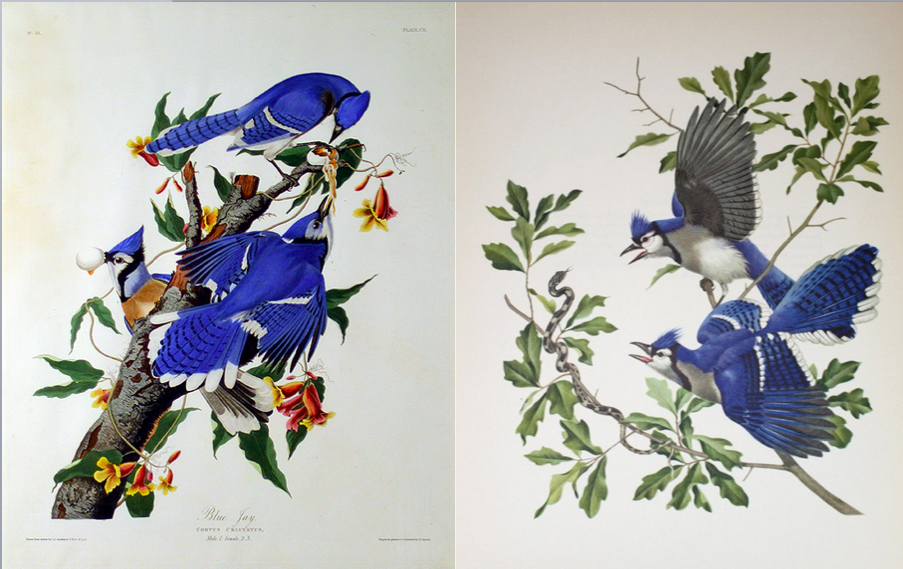
Blue Jays. Left: John James Audubon; Right: Athos Menaboni

Blue Jays. Left: John James Audubon; Right: Athos Menaboni

It should come as no surprise to visitors to this site that a significant amount of our attention is taken up by birds. Their importance is manifold, not just environmentally, but artistically. We’re also fans of the Liberal Arts, so we’re particularly excited to see these interests come together this month at two Liberal Arts colleges in Georgia.

One does not have to be a birder or an art aficionado to have heard of John James Audubon. Much of the world knows the name due to the Audubon Society, but fewer have heard of Athos Menaboni, who Times Magazine once called “Audubon’s heir”, despite the fact that the two men never met. Continue reading

Nell Zink, Come To Kerala!

Bricklaying “was more valuable for my intellectual life than my entire college career.” PHOTOGRAPH BY GARETH MCCONNELL

Bricklaying “was more valuable for my intellectual life than my entire college career.” PHOTOGRAPH BY GARETH MCCONNELL

No doubt, Nell will be a good fit among La Paz Group’s global community of artistically and/or conservation-oriented invitees, many of whom you have not likely heard of, some of whom are more famous, but all with unusual talents and interests. Thanks to Kathryn Schulz for another invitation-worthy story: Nell Zink turned her back on the publishing world. It found her anyway.

The kookaburra in the Berlin Zoo is ten thousand miles from home, squat, top-heavy, large of beak, attractive of plumage, and making what is, ounce for ounce, the loudest, strangest sound I have ever heard emerge from a living creature. It begins with a classic evil laugh, bwaaahahahaha, à la Vincent Price in “Thriller,” then the bird throws back its head and lets out a series of hoots, like a plump British woman with an unbecoming but infectious laugh or a parrot that grew up in a frat house, dissolves into giggles, transitions to a chortle, appears to become an entire dinner party going to pieces, then starts to pull it together, O.K., O.K., the guests wiping their eyes and settling down, until out comes a little chuckle and hahahahoik!ha, the bird is cracking up again. Continue reading

Waste, Quantified Into Profit

With a new chain called Loco’l, the chef Roy Choi is hoping to create competitively priced, sustainable fast food, primarily by minimizing waste. CREDIT PHOTOGRAPH BY MARIO ANZUONI / REUTERS VIA LANDOV

With a new chain called Loco’l, the chef Roy Choi is hoping to create competitively priced, sustainable fast food, primarily by minimizing waste.
CREDIT PHOTOGRAPH BY MARIO ANZUONI / REUTERS VIA LANDOV

Food Trucks are the ultimate “pop up” upstarts, with their expansive ranges between classic and trendy. Roy Choi, who New Yorker writer Lauren Markem calls “the godfather of the foodtruck movement” wants to do more than serve great, locally sourced food at his new venture Loco’l’s. His “fast food” restaurant concept located in San Francisco’s Tenderloin District, will be inspired by the goal of working toward a waste free kitchen. In order to keep the costs down in what is a notoriously wasteful segment of the restaurant market, Choi is going lean using a software that helps create a more sustainable kitchen.

In tapping into waste, Choi and Patterson hope to marry fiscal prudence with environmental idealism. According to a report published in 2012 by the Natural Resources Defense Council, the amount of wasted food in the U.S. has increased by fifty per cent since the nineteen-seventies, to the point where more than forty per cent of all food grown or raised in the United States now goes to waste somewhere along the supply chain. This in turn means that vast amounts of fossil fuels, water, and other resources are being wasted in the production of unused food. Continue reading

Collective Roots

Attention to detail is a highly prized attribute in all aspects of the work we have been doing in India since 2010, and we hope it doesn’t seem pedestrian to extend that concept to something as commercial as shopping. Some people may beg to differ, but there are many cases where the “consumer transaction” is so much more.

We’ve spent many happy hours in exploration to find sustainably produced, cottage industry items. A trip to Gujarat led us to the Kala Raksha Trust. Walks in Cochin led us to the Vimalalayam Convent School, and the NGO A Hundred Hands has introduced us to many of the wonderful craftswomen whose products we highlight, including designer Usha Prajapati from Samoolam.

We’ve been great fans of the results of her work with the women of Bihar from the moment we saw it, and hearing her personal story adds a beautiful dimension to the concept of “self-help”. Thanks to FvF (Freunde von Freunden) for their inspiring online interview.

Samoolam, Usha’s design collective, which is making a name for its beautiful hand-crocheted lifestyle products, is incredible not just because its founder is young, talented and inspiring, but because its process of creation is held together by a network of strong and talented women much like her – women who make things happen, who are changing their worlds, one crochet bead at a time.

Continue reading

Best hands forward

IMG_3038

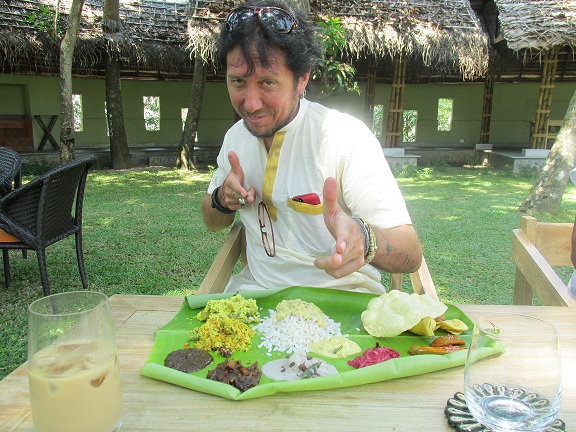
Musician Sami Yaffa hits the right note at the table

IMG_3037[1]

Mina Soliman appears sadya-ready!

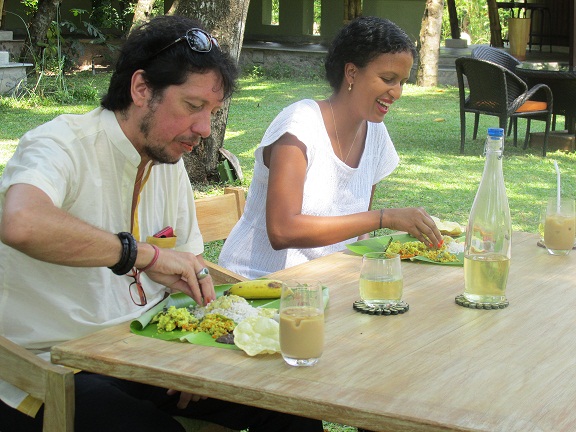
We are people of experiences – the ones we’ve walked, run and barreled into and the ones we create. At RAXA, we take the latter seriously. So when you come down to stay with us by the Kochi harbour or navigate the world-renowned backwaters in our hand-stitched houseboats, you’ll see us work at crafting the finest and personal of them all. Bass guitarist Sami Yaffa and his partner, designer Mina Soliman will agree.

Their stay with us by the Mararikulam beach went beyond the comforts of their villas. There was definitely a stop by the kitchen because don’t we all travel the world plate by plate? Only that the plates and cutlery were on a little holiday of their own this time. A plantain (banana) leaf met the couple at the table and, well, they had to put their best hands forward. It was the call of the Sadya.

Continue reading

Tricksters, Animals, And Narratives We Are Meant To Learn From

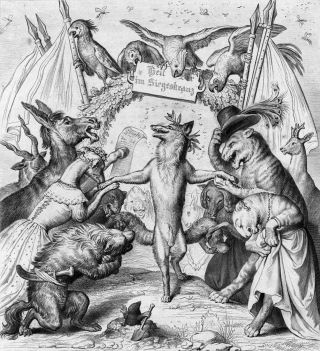
“Reynard” is a defining document of a vast tradition in Western art: the trickster story. CREDIT ART AND PICTURE COLLECTION / THE NEW YORK PUBLIC LIBRARY

“Reynard” is a defining document of a vast tradition in Western art: the trickster story. ART & PICTURE COLLECTION, THE NEW YORK PUBLIC LIBRARY

Thanks to Joan Acocella for illumination of a narrative form we are quite fond of:

…Animal narratives have allowed writers with lessons on their mind to make art rather than just lessons.

Such tales are no doubt as old as animal paintings on cave walls. The earliest evidence we have of them is the beast fable, a form that is said to have come down to us by way of Aesop, a Greek storyteller who was born a slave in the sixth century B.C. Actually, no solid evidence exists that there ever was an Aesop, any more than there was a Homer. As with the Iliad and the Odyssey, we are talking about manuscripts that date from a period much later than the supposed author’s, and were probably assembled from a number of different fragments. In any case, a beast fable is a very short story (the Penguin Classics edition of Aesop renders “The Tortoise and the Hare,” perhaps the most famous of the fables, in five sentences) in which, typically, a couple of animals with the gift of speech learn a lesson from their dealings with one another. This moral is then stated at the end of the fable, and it is usually of a cautionary variety: don’t eat too much, don’t brag, watch out for this or that. As early as the third century B.C., these stories were being gathered together in various editions, usually for children, to teach them Latin (most were in Latin until the late Middle Ages) and some basic rules about life. Continue reading

National Trust Needs You In So Many Ways, And At This Moment & Location Particularly If You Are A Shepherd

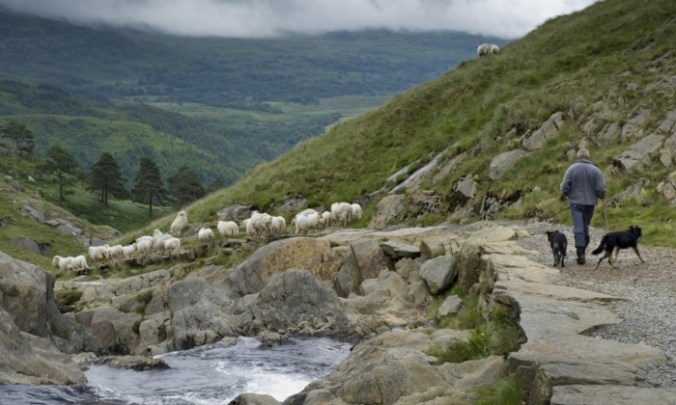
The National Trust is looking for a second shepherd to look after 1,600 mountain sheep in the hills and valleys around Hafod-y-Llan farm. Photograph: Joe Cornish

The National Trust is looking for a second shepherd to look after 1,600 mountain sheep in the hills and valleys around Hafod-y-Llan farm. Photograph: Joe Cornish

Thanks to Steven Morris and the Guardian for the public service of pointing out this job posting, on behalf of the UK’s excellent National Trust, which we have posted about on more than one occasion:

Wanted: patient, rain-loving shepherd for Snowdon conservation project

National Trust advertises for second shepherd to walk north Wales foothills to keep sheep away from vegetation such as bog asphodel and fruiting bilberries

Steven Morris

The successful candidate will need to love walking, fresh air, have appropriately trained dogs – and an awful lot of patience.

Applications are open for a man or woman prepared to work evenings and weekends in all elements as a shepherd on an innovative conservation project in the foothills of Snowdon in north Wales.

The idea of the project is to help restore sensitive mountain habitats such as upland heaths and flushes – damp areas – by gently coaxing and nudging sheep away from such areas.

Continue reading

Monemvasia

Monemvasia

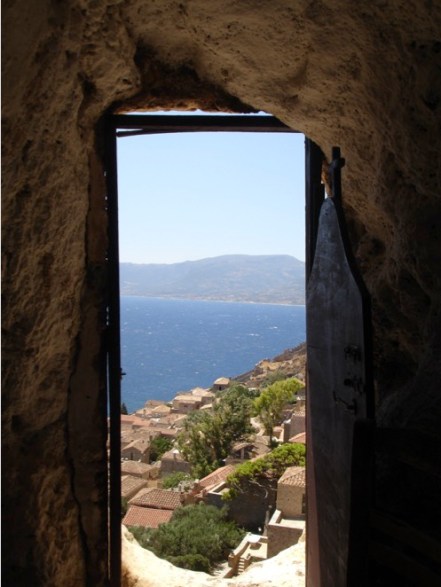
In 2008 Amie, Seth and Milo made a pilgrimage with me, accompanying my mother to her village in the mountains north of Sparta, in the region of southern Greece’s mainland known as the Peloponnesos. My mother’s village is in a region known for producing some of the finest olives on earth. More on that later. While there for some days we had outings, including to the walled fortress town of Monemvasia, built nearly 1,500 years ago.  In the picture to the right you can see a photo I took from inside a hermitage, a cave where various monks lived throughout centuries, above the walled city.

When I opened the New Yorker this week, I was struck by a photo accompanying one of the stories. It reminded me of the photo I took, but the story below could not be more different than the story I would tell about this hilltop town in southern Greece:
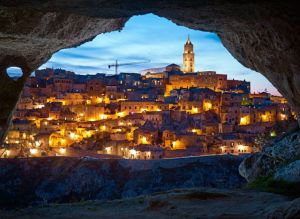
Inhabited since prehistoric times, the caves of Matera, in the Basilicata region, housed mostly the very poor until recent renovations. CREDIT PHOTOGRAPH BY SIMON NORFOLK / INSTITUTE

Inhabited since prehistoric times, the caves of Matera, in the Basilicata region, housed mostly the very poor until recent renovations. CREDIT PHOTOGRAPH BY SIMON NORFOLK / INSTITUTE

Take any road in Italy, look up, and you’ll see a lovely hilltop town: a campanile, a castello, a few newer buildings spilling down the slope, as if expelled for the crime of ugliness. But even amid this bounty there is something exceptional about Matera. It clings to a denuded peak in the extreme south of the country, in the Basilicata region—the instep of Italy’s boot. Travellers are often shocked by the starkness of Matera. Continue reading

If You Happen To Be In New York City

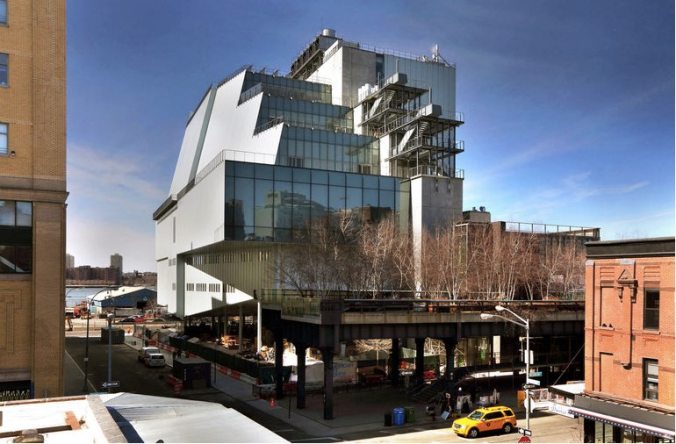
Whitney Museum of American Art. Photograph by Ed Lederman

Whitney Museum of American Art. Photograph by Ed Lederman

We have a thing for public spaces, especially when they combine with community activism. We try to get firsthand experience, and when we have learned enough about such places, we share what we can here. Ditto for museum exhibits, special library exhibitions, and unusual library thingys. It is not every day we get to announce the opening, or re-opening, of one of the greatest museums in the world, right in the midst of such a public space:

THE NEW WHITNEY OPENS MAY 1, 2015 BUY ADVANCE TICKETS NOW

The reviews convince us that this will be worth the visit, and this particular wording puts it in perspective:

The Whitney Museum of American Art, long the odd duck among the Big Four of Manhattan art museums—a cohort that includes the mighty Metropolitan, the starry Modern, and the raffish Guggenheim—takes wing on May 1st, when it reopens in a new, vastly expanded headquarters downtown. The fledging owes a lot to the Italian architect Renzo Piano’s ingenious building, on Gansevoort Street, which features six floors of shapely galleries, four open-air terraces, spaces for performance and screening, a library and reading rooms, a restaurant, a café, and an over-all feeling of seductive amenity—a bar on the piazza-like ground floor bodes to be one of the toniest trysting spots in town. It is likely to win far more fans than the Whitney’s old home, Marcel Breuer’s brutalist “inverted ziggurat,” which opened in 1966, on Madison Avenue, and which it vacated six months ago and leased to the Met. Piano’s museum stands at the southern end of the High Line and hard by the Hudson River, in what remains of the tatterdemalion meatpacking district. It looms like a mother ship for both gallery-jammed Chelsea, to the north, and the puttering West Village, to the south. It is instantly a landmark on the cultural and social maps of the city—and on its poetic map, as a site to germinate memories. Continue reading

Brew-born Time Travel

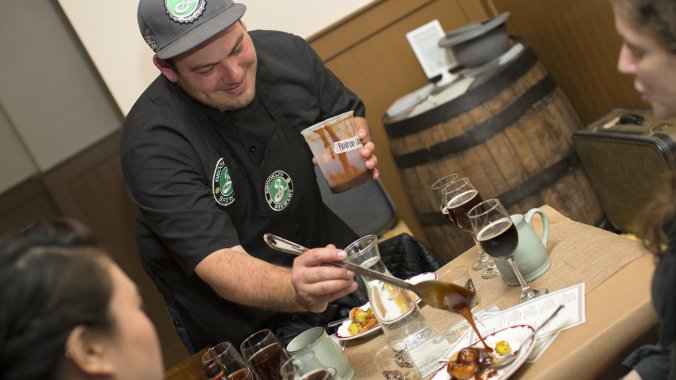
Chef Andrew Gerson of Brooklyn Brewery organized a dinner party featuring ingredients used by Dutch settlers and Native Americans living in 1650s New York City. Courtesy of Brooklyn Brewery

Chef Andrew Gerson of Brooklyn Brewery organized a dinner party featuring ingredients used by Dutch settlers and Native Americans living in 1650s New York City. Courtesy of Brooklyn Brewery

Thanks to the folks at the salt, and National Public Radio (USA) for this one:

Brooklyn Brewery Dares Diners To Eat Like Dutch Settlers

HANSI LO WANG

You can find food from just about any part of the world in New York City.

The Brooklyn Brewery is trying to push New Yorkers’ palates even further by going back in time.

This week, it hosted a dinner party inspired by the local cuisine of Dutch settlers and Native Americans in the 1650s.

Back when New York wasn’t even New York yet, and before the English took over in 1664, the Dutch called the city New Amsterdam.

Continue reading

Tea’s Takeover

Photo: Milo Inman

Photo: Milo Inman

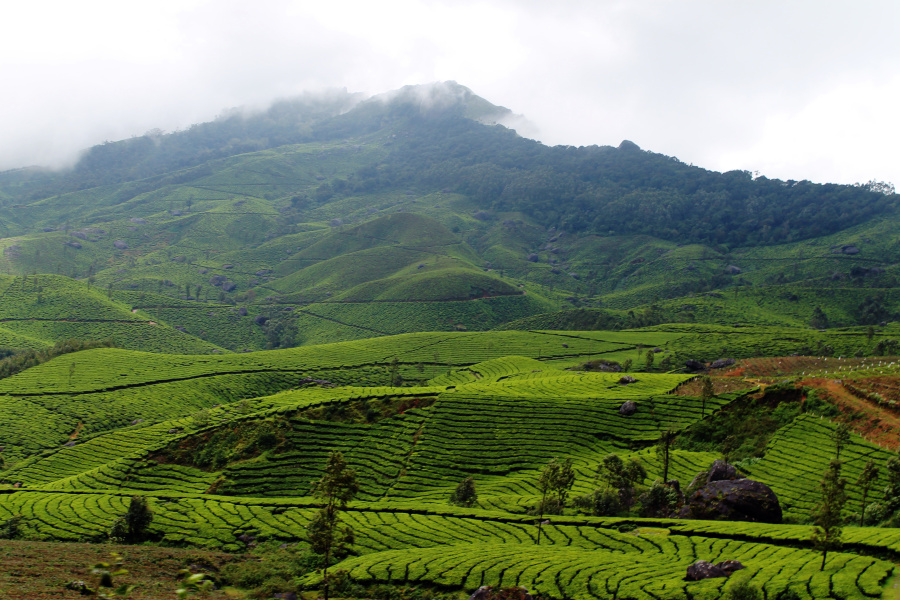
This is the longest article of its kind on our favored food blog, the salt, on National Public Radio (USA)’s website, but it is worth the read for those inclined to food history; and for those in Raxa Collective’s India operations it goes a long way to explaining those beautifully manicured tea estates in a new light:

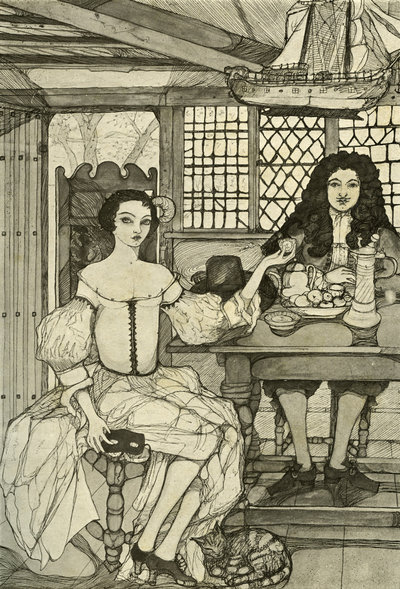
Catherine of Braganza was an early celebrity endorser of tea. After she wed Charles II, the fad for tea took off among the British nobility. Kitty Shannon/Corbis/Lebrecht Music & Arts

Catherine of Braganza was an early celebrity endorser of tea. After she wed Charles II, the fad for tea took off among the British nobility. Kitty Shannon/Corbis/Lebrecht Music & Arts

…Tea was practically unknown in Europe until the mid-1600s. But in England, it got an early PR boost from Catherine of Braganza, a celebrity who became its ambassador: The Portuguese royal favored the infusion, and when she married England’s Charles II in 1662, tea became the “it” drink among the British upper classes. But it might have faded as a passing fad if not for another favorite nibble of the nobility: sugar.

In the 1500s and 1600s, sugar was the “object of a sustained vogue in northern Europe,” historian Woodruff Smith wrote in a 1992 paper.

Sugar was expensive

Continue reading

Totem Lost & Found

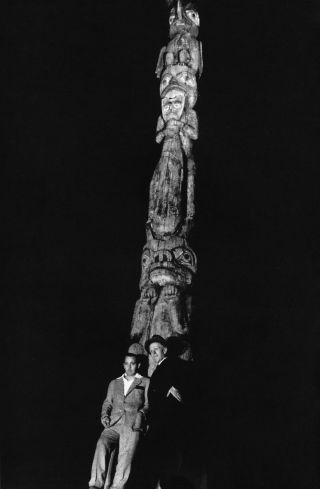
John Barrymore, left, joked that “tribal gods” might “wreak vengeance on the thief.”

John Barrymore, left, joked that “tribal gods” might “wreak vengeance on the thief.” Courtesy Bill Nelson

Read it start to finish in one read:

The Tallest Trophy

A movie star made off with an Alaskan totem pole. Would it ever return home?

By Paige Williams

The predominant natives of southeastern Alaska are the Tlingit—the People of the Tides. They are believed to have settled the Panhandle and the Alexander Archipelago more than ten thousand years ago. The Tlingit (pronounced klink-kit) were hunter-gatherers and traders who typically lived on the coastline, moving between permanent winter villages and summer encampments, where they fished, foraged, and stockpiled food. Continue reading