Munnar in 24 hours

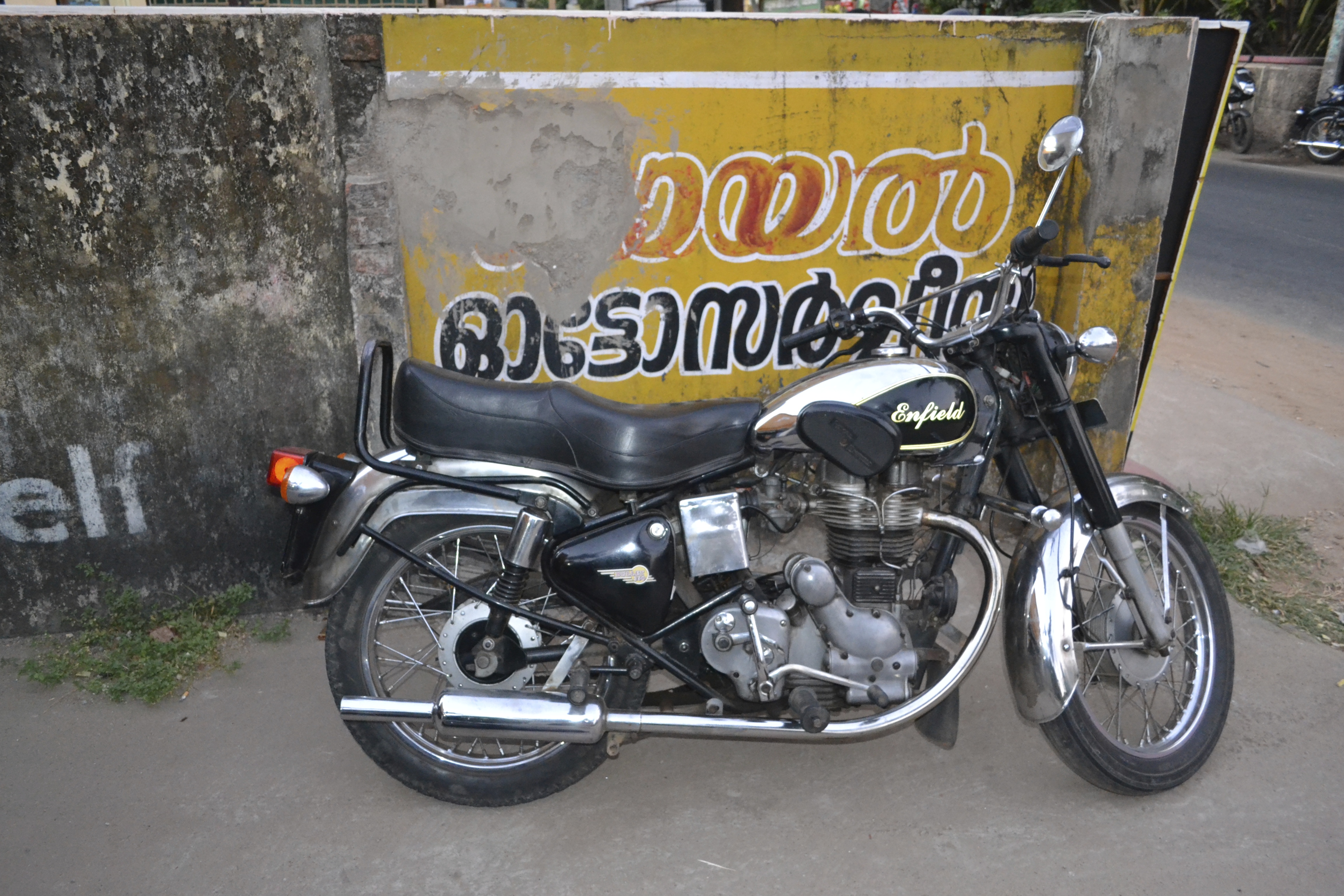
The classic 350cc Royal Enfield or “Bullet”

When I arrived in Kerala around 6 weeks ago it would never have occurred to me to drive here in India. Based on my first impression of driving I was overwhelmed just sitting in the passenger seat. But between making new friends and my thirst for experiencing more of this beautiful state, it’s amazing what a mere 45 days can do. But a journey is multi-faceted; it’s not only about where one is going, but how one gets there, and everything in between.

I arrived to Fort Kochi in the late afternoon in search of a Royal Enfield, a classic Indian-made motorcycle that I’ve had a crush on for a while now. The older models are “backwards” to the typical bike, with the gear foot-lever on the right side and the break lever on the left. I was determined to find the newer model where the arrangement is “normal”. After scouring the city and asking every bike rental and all the contacts available to me, it was apparent that there was no chance of finding what I was looking for. With that news I made the decision to go with what was available rather than what I wanted, (a perfect example of the flexibility that India demands) and I paid the Rs. 800, roughly $13 for the rental. I couldn’t believe what I’d just done: My first time driving in India and I’d rented a totally unfamiliar bike from an unfamiliar source with a 6 hour drive ahead of me, at night. My nerves were tingling at the realization!

Luckily, Dilshad, a friend from Marari Pearl who’d been planning everything for us, was with me. We started the drive through Cochin rush hour traffic. Slowly, I began to stretch my motorcycle-memory-muscles, and gradually the drive became more pleasurable. Soon enough, I was flirting with my 350cc beauty and she was smiling back.

Continue reading

Mindo, Ecuador: Tourism without context


10930076_10202710170395184_2084746537557117191_n

An ethereal plant from the ginger family from an orchid garden in Mindo

I just got back from Mindo, Ecuador, a small town with a lot to do. It’s about an hour and a half from Quito and we took a bus through winding roads in a cloud forest with beautiful sights of waterfalls along the way. Upon arriving, we promptly found a hostel and went ziplining within the first hour. After that, we did a “tarzan jump” off a 30 meter platform into the cloud forest. In the afternoon, we went tubing followed by a tour of a chocolate factory. Before dinner that day, I had a full, multi-layered sensory experience of my body in nature. It wasn’t until later, when I saw a mural on a wall, full of paintings of gringos and tourists ziplining that I realized what was missing. Continue reading

Rimbaud In Ethiopia

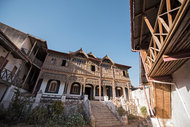
Michael Tsegaye for The New York Times. The Arthur Rimbaud Cultural Center in Harar.

Michael Tsegaye for The New York Times. The Arthur Rimbaud Cultural Center in Harar.

For those involved in Raxa Collective’s recent scouting expedition in Ethiopia, since Harar was not on the itinerary we must consider Rimbaud’s endorsement during the next expedition:

Where Rimbaud Found Peace in Ethiopia

Dirt Candy. Say It. Now Resist. It’s Futile.

Whenever we see a story about innovative, excellent food that involves no animals, we check on its suitability for this blog. We are not committed, by any means, to exclusive consumption of vegetarian cuisine but we believe going easy on the meat is a good way to do the green thing. This headline makes me think of the several of us contributing here who spent time in Ithaca, NY USA; and especially makes me think of a certain restaurant, Moosewood by name, that may have been the reference in Little Sprout Grows Up by Jeff Gordiner:

Ben Russell for The New York Times

Dishes at Dirt Candy tend to be composed and clever, but unapologetically crave-inducing. Here, the cabbage hot pot. Ben Russell for The New York Times 

Amanda Cohen Replants Her Vegetable Restaurant Dirt Candy.

Back when the chef Amanda Cohen was running her restaurant, Dirt Candy, out of an East Village nook that felt only slightly more commodious than a gopher hole, she received a call from someone representing a famous man who wanted to eat her food. Although they may hesitate to admit it, most chefs in New York would mount a synchronized swan dive into the iced-over Hudson River if it would help entice celebrities through their front doors. But Dirt Candy, in spite of being one of the most prominent and influential vegetarian establishments in the United States, was so small it almost qualified as a bonsai restaurant. Ms. Cohen had only 18 seats. She didn’t feel right giving a pair of nonfamous customers the cold shoulder. Continue reading

Hackers, Lentils & Love In A Flower Bed

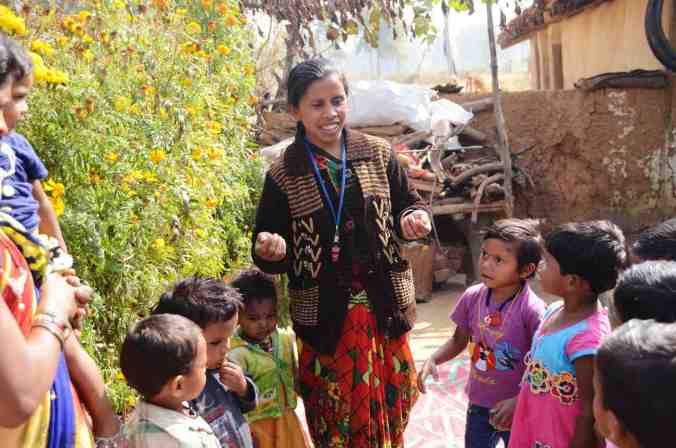
Nursery worker Shivkumari Pate leads children in a learning song. Pate works with the nonprofit Jan Swasthya Sahyog, which developed the first network of community nurseries. Ankita Rao for NPR

Nursery worker Shivkumari Pate leads children in a learning song. Pate works with the nonprofit Jan Swasthya Sahyog, which developed the first network of community nurseries. Ankita Rao for NPR

It would be remarkably easy to fill these pages with stories from India, from various places in Africa and Latin America where we also have projects, that give a strong sense that no matter how quickly solutions get hacked, there are more problems than can possibly be resolved; we spare you those most of the time. Instead, we point to stories like this one (thanks National Public Radio, USA):

…For decades, aid organizations tried to improve the health of moms and babies in Chhattisgarh. Little made a dent. But then a garden of flowers rose up in the state. Continue reading

If You Happen To Be In New York

Always downtown in spirit, the Whitney relocates from Madison Avenue to the base of the High Line. CREDIT ILLUSTRATION BY MICHAEL KIRKHAM

Always downtown in spirit, the Whitney relocates from Madison Avenue to the base of the High Line.
CREDIT ILLUSTRATION BY MICHAEL KIRKHAM

If you have not read Justin’s post yet, stop here and go there.  It is much more important. But this is important to our archiving the ever-evolving and improving institutions related to the arts:

On May 1, the Whitney Museum opens in its new location, on Gansevoort Street. The eight-story building, designed by the Italian architect Renzo Piano, has sweeping views of the Hudson River, but they won’t pull focus from the inaugural show, an in-depth look at the permanent collection, which is anchored deep in the American modern and contemporary canon, from Marsden Hartley to Rachel Harrison. Continue reading

Craters Of Man’s Devotion

StG Ethiopia

Some snapshots of my Ethiopian expedition, just ended, are in order; not of the national parks which were the main purpose of the expedition–more on which later–but from the visit to the north which is where most visitors to Ethiopia currently make a sort of pilgrimage for reasons you can understand looking at these snapshots.

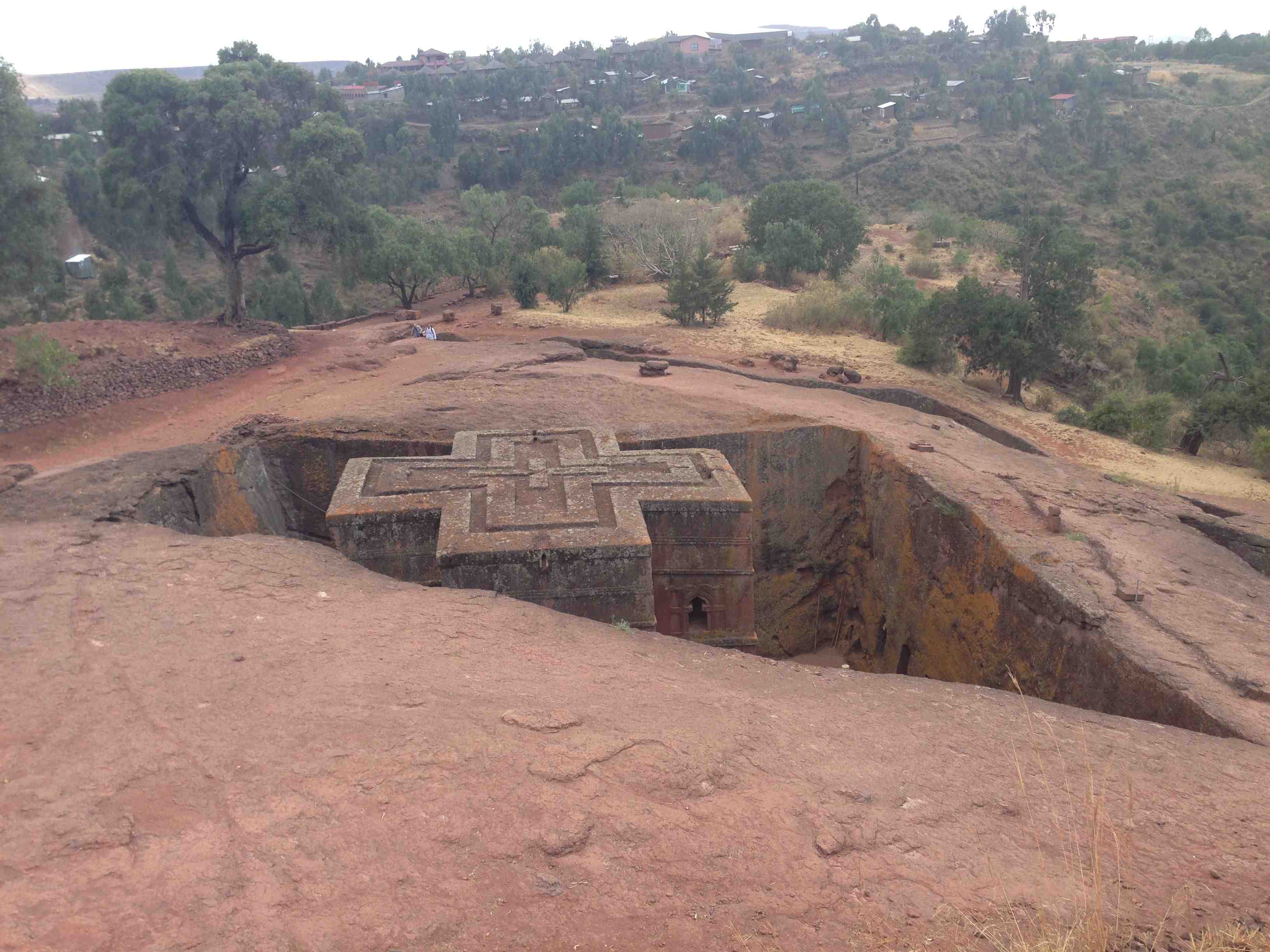
It would be difficult for any photo to do justice to this wonder, a church created by men 1,000 years ago by carving down into the stone mountain. But words are even less helpful for reasons you can probably best understand by seeing another view of the same, following what the UNESCO World Heritage Centre has to say about this and the other churches of Lalibela, Ethiopia:

…The churches were not constructed in a traditional way but rather were hewn from the living rock of monolithic blocks. These blocks were further chiselled out, forming doors, windows, columns, various floors, roofs etc. This gigantic work was further completed with an extensive system of drainage ditches, trenches and ceremonial passages, some with openings to hermit caves and catacombs…

StG 2

As impressive as those craters in Siberia may be, they pale compared to what man can do when he is sufficiently motivated, which may be the one source of hope for addressing the challenges of climate change (one of the seemingly impossible challenges of our own time). This modern challenge, now that I think of it, seems particularly well-suited to the beliefs many hold, across various religious traditions, about the saint who is the namesake of this particular church.

Continue reading

Dear Bob, Thanks For All Of It

Arba Mintch

As coincidences go, this one is nothing but typical: Seth’s post about wrapping up the first leg of his scientific expedition in Jamaica is there to be read; this song is coming through the earbuds (do yourself a favor and find it; do the estate of the artist a favor by finding a legal copy to ensure royalties go where they belong); I am looking out over the most fertile lands in Ethiopia, getting ready to board a boat to pass by the hippos and 7-meter long crocodiles that live in the water in the distance (in the photo above) and then climb the hills to where the zebras roam, to see what we can see. And then perfectly, as I glance at the news, a small feature catches my attention:

When people ask where I live and I say Jamaica, it’s almost a given that someone will then randomly say “ah, Bob Marley” in response. It can grate that one man can define an entire country, but this man was that most rare of individuals, an icon, the man who introduced reggae to the world and who drove an equally iconic vehicle, a Series III Land Rover.

I care nothing about cars, but at the moment the story catches my attention I am deeply immersed in the earliest recordings of Bob Marley as preparation for the exploration of Ethiopia. So I read on about this car in Jamaica. And the playlist continues, now Chances Are (again, find it; from when the artist was living in the USA, but this was not released until years later and never got the airplay it deserved) makes me want to know even more about this Land Rover before getting into that boat. Thanks, Bob, for prepping me for the beauty of Ethiopia, and sending me on my way today in good spirits.

Continue reading

Kerala Coconut Thatch Weaving

In my earlier posts, I wrote about the abundance of coconut trees in Kerala and their many uses from ingredients in typical foods to the construction of house boats. Another primary use is for roofing. Here at Marari Pearl, it is used unsparingly for most of the buildings from the restaurant to the 20 villas on site. Continue reading

Lighting Up Language

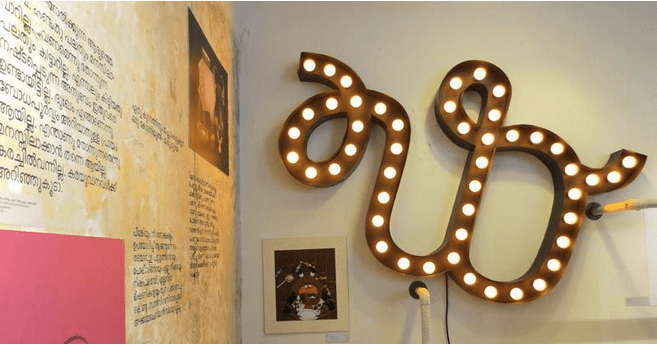
Malayalam Project at Kochi Biennale

Malayalam Project at Kochi Biennale

As a language, Malayalam is a perfect example of form as function: its “loopy” forms seem to roll off the speaker’s tongue. The word itself is even a palindrome, reading forward and backward in a never-ending loop. The high literacy rate in Kerala is evident in the newspapers found in tea stalls at every corner, not to mention the ubiquitous walls painted with verbal signage in both urban and rural settings, and those signs often feel more like murals due to the graphic nature of the language itself. The Kochi-Muziris Biennale ’14 is the perfect platform to express this concept:

Among the various internationally-acclaimed installations at the Kochi-Muziris Biennale ’14 is Malayalam Project that strives to draw the world’s attention towards the regional language and script.

A partner project at the Biennale, Malayalam Project is a collaborative forum that experiments with Malayalam letterform and typography. Kochi-based firms Thought Factory Design and Viakerala have put together this typography cum graphic design exhibition in collaboration with Riyas Komu, secretary of the Kochi Biennale.

“In the digital era, where imagery is used to communicate ideas, words become canvas of graphic. We are looking at how Malayalam, which is either a sound or a text enters the visual age we live in,” said the creative director Theresa Joseph George.

Pointing out that her firms have done lot of research into the field of Malayalam typography, Theresa, who is also a graphic designer, says, “Malayalam script with its loopy curves provides immense scope for experimentation.” Continue reading

When the land heats up and air rises

DSC_8934

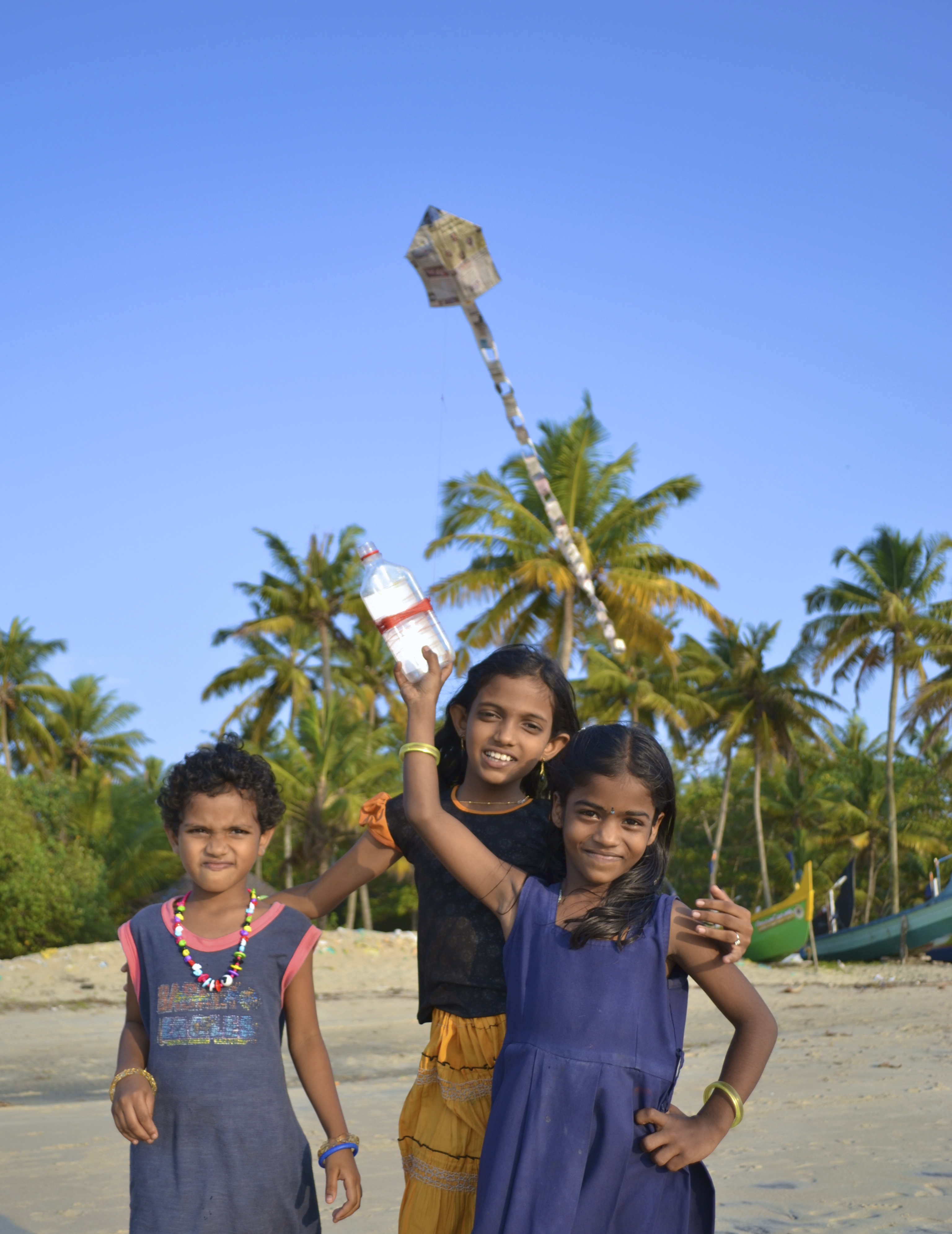
Three sisters

When land heats up and air rises, it gives way to fresh on-shore wind from the Arabian sea. A walk along Marari beach during sunset will most likely give the sight of homemade kites being flown mostly by children, but also adults of all ages. These kites are made of bamboo, newspaper and glue. Old fishing line is then attached and wound up on a bottle.

The children are very proud of their creations and will insist that theirs is the “best” of all and that you try it out. Choose carefully and watch the kite soar!

Classics On The Upswing

Seneca was venerated as a moral thinker; he was also one of Nero’s closest advisers. CREDIT PHOTOGRAPH FROM AISA / EVERETT So

Seneca was venerated as a moral thinker; he was also one of Nero’s closest advisers. CREDIT PHOTOGRAPH FROM AISA / EVERETT

This book review reminds us (for example where, in the middle of the review, the reviewer irresistibly, simply, says: “These days, Seneca is again on the upswing.”) of James, now firmly planted in the green fields of Harvard University taking his classics education to the ultimate level.

James, for his part, reminds us of our many reasons for paying attention to the classics, having little directly to do with the day to day activities of Raxa Collective except that the classics help us keep it all in perspective:

…If poets and philosophers dream of influencing those in power, Seneca was uniquely positioned to do so. He was a celebrated rhetorician, a satirist, the author of several books of natural history, and a playwright. He was also what today might be called an ethicist. Among his many works of moral philosophy are “De Ira” (“On Anger”), “De Providentia” (“On Providence”), and “De Brevitate Vitae” (“On the Shortness of Life”). Seneca had been Nero’s tutor since the younger man was twelve or thirteen, and he remained one of his closest advisers. Continue reading

Craft Ascendant

Local Habit, in San Diego, offers a variety of California craft beers. Beer has become as much a part of the San Diego identity as surf and sun. CREDIT PHOTOGRAPH BY EROS HOAGLAND/THE NEW YORK TIMES/REDUX

Local Habit, in San Diego, offers a variety of California craft beers. Beer has become as much a part of the San Diego identity as surf and sun.
CREDIT PHOTOGRAPH BY EROS HOAGLAND/THE NEW YORK TIMES/REDUX

As admirers of well-crafted beer, and of small-scale businesses, we appreciate this post by Tim Wu:

Consider a few surprising and optimistic facts for the new year: nationwide, independent bookstores have grown by about twenty per cent since 2009; meanwhile, American craft breweries collectively now sell more than 16.1 million barrels of beer annually, outpacing, for the first time, Budweiser. This isn’t the only evidence that small-scale businesses are making a comeback. Over the last ten years, the long-running decline of small farms has levelled out, and more than three billion dollars was spent last year on more than four thousand independent feature films. Over all, since 1990, small businesses (with, generally, fewer than five hundred employees or less than $7.5 million in annual receipts) have added millions of employees, while big businesses have shed millions.

None of these developments has individually transformed the American economy, but taken together they represent something. Continue reading

Chinese Fishing Nets, Kerala

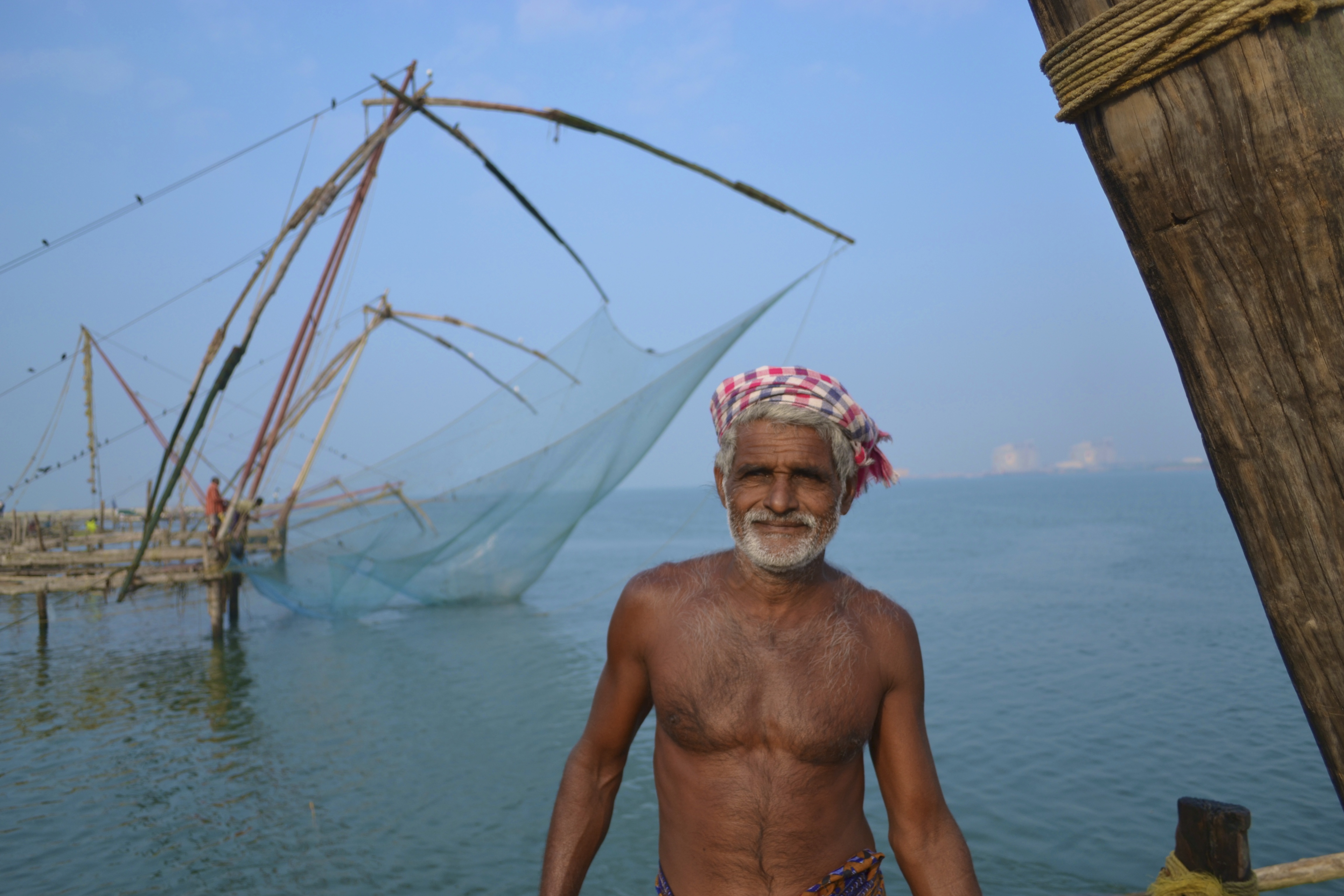
Marconi in front of of the nets in Fork Kochi

Marconi

Marconi is an original decedent of the Mongolian people (a Chinese state at the time) who were the creators of the “Chinese Fishing Nets” in Kerala, India. These structures are at least 30 ft high and the nets stretch out more than 50 ft across the water! It takes half a dozen people to even attempt to heave the nets which work on a pulley system with GIANT boulders hanging from the opposite side to counteract the weight. Continue reading

Kuttanad – “the rice bowl of Kerala”

This slideshow requires JavaScript.

If you are like me, you enjoy the fresh air, green scenic views and appreciate a variety of cultures. Kuttanand, south of Cochin is a promising destination with its rich rice picking culture and its backwater systems. It also offers diverse species of animals, especially birds which can easily be spotted due to the open landscape.

Next on my Kerala bucket list!

To read more click here

(photo credits: Keralatourism.org)

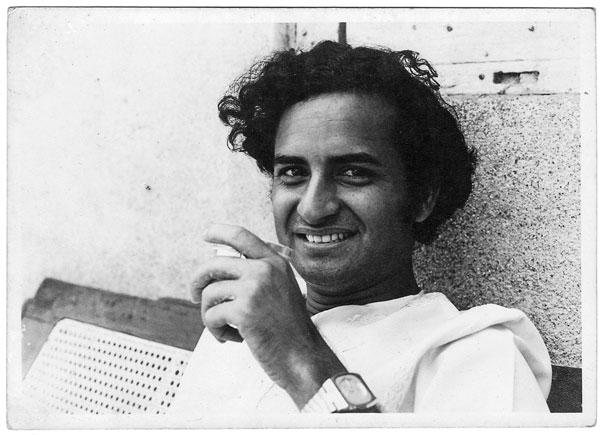
Ulhas Kashalkar, Musician’s Musician

COURTESY ULHAS KASHALKAR. Kashalkar’s genius lies in his inventive yet rooted artistry. In a sweet, malleable voice, he channels an intellectual disposition into emotionally powerful renditions.

COURTESY ULHAS KASHALKAR. Kashalkar’s genius lies in his inventive yet rooted artistry. In a sweet, malleable voice, he channels an intellectual disposition into emotionally powerful renditions.

When we first discovered the magazine we knew we would come to count on it for stories of interest from time to time, and today we find such an occasion:

A Fine Balance

How Ulhas Kashalkar became one of the greatest musicians of our time

By Sumana Ramanan

ONE

MINUTES BEFORE THE LIGHTS DIMMED and the Hindustani vocalist Pandit Ulhas Kashalkar walked onto the stage at Mumbai’s National Centre for the Performing Arts, the eminent singers Ashwini Bhide-Deshpande and Padma Talwalkar took their seats in the front row. The vocalist and veteran critic Amarendra Dhaneshwar sat a few rows behind them. Other listeners looked around to see who else had come. Several younger singers were there as well: Noopur Kashid, Rutuja Lad, Amita Pavgi-Gokhale and Saylee Talwalkar. The turnout for Kashalkar’s concert, held last September, was not unusual; for at least a decade, he has been considered a musicians’ musician. Still, expectations were high: what would the maestro sing for this audience?

Continue reading

If You Happen To Be In Fort Kochi

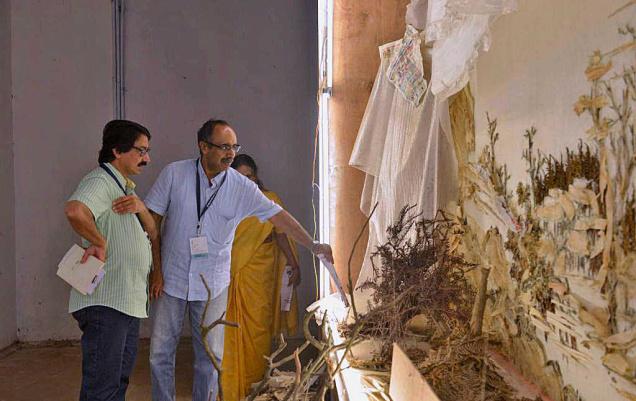
V. Venu, director-general of the National Museum in Delhi (in blue), viewing Xu Bing’s work at Aspinwall House  in Kochi on Sunday.

V. Venu, director-general of the National Museum in Delhi (in blue), viewing Xu Bing’s work at Aspinwall House in Kochi on Sunday.

If you are in town before the end of March, come see the show. We have mentioned the event in these pages more than once between its first iteration and this year’s; and if you follow Spice Harbour‘s social media you would have seen, among other things, that the formal opening of that property doubled as a fundraiser for KMB, as it is affectionately known to Raxa Collective. In today’s Hindu, an article reminds us that the event is not just for fancy folks, but serves a deeply important cultural education service for Indians of all backgrounds and education levels:

Prominent figures from the world of art, film personalities, art students, and the public turned up in large numbers at the Kochi Muziris Biennale on Sunday, even as the event completes a month on January 12.

Among the visitors to the contemporary art event on Sunday was V. Venu, director-general of the National Museum in Delhi. “The kind of consistent engagement by people from every walk is what makes the Biennale an unparalleled successful event in the country,” said Dr. Venu. Continue reading

If You Happen To Be In Ithaca

Bijayini Satpathy, top, and Surupa Sen in two duets, “Dheera Sameere” and “Kisalaya Sayana,” in Chennai, India. Credit Jyothy Karat for The New York Times

Bijayini Satpathy, top, and Surupa Sen in two duets, “Dheera Sameere” and “Kisalaya Sayana,” in Chennai, India. Credit Jyothy Karat for The New York Times

On February 4 Nrityagram, a dance troupe from India, will perform “Songs of Love and Longing” at Cornell University’s Barnes Hall. We normally do not take note of such performances at university campuses, even when the artist is from India. But this troupe is exceptional. Last week not far from Raxa Collective’s operations in Kerala, in the neighboring state, a Nrityagram dance performance led to this remarkable review in the New York Times:

A Sublime Touch, From Head to Heel

Odissi Stars at a Dance Festival in Chennai, India

JAN. 6, 2015

CHENNAI, India — Who are the greatest dancers in the world today? Most of the contenders considered in the West for this category are the roving international stars of ballet. But many of today’s finest dance artists have been performing here at the Music Academy’s weeklong dance festival, which ends on Friday. Some — all women — have touched on the sublime.

Three have been practitioners of the Odissi genre: Sujata Mohapatra, who performed on Sunday, and the two leading dancers of the Nrityagram company, Surupa Sen and Bijayini Satpathy, who presented solos and duets on Monday. (I’ll consider other festival performances next week, some no less superlative.)

Odissi is the classical idiom deriving from the eastern state of Orissa (now named Odisha). Though its roots go back 2,000 years, by the 1940s and ’50s it was scarcely known, whereas now it is taught and performed around the world. These three artists exemplify the qualities that have often made Odissi seem the most sensuously poetic of all dance idioms.

Continue reading

2014 Food Writing, Putting 2015 In Perspective

My mother thought of food the way we all now do: as a means of self-definition. CREDIT ILLUSTRATION BY MICHAEL GILLETTE

My mother thought of food the way we all now do: as a means of self-definition. CREDIT ILLUSTRATION BY MICHAEL GILLETTE

When a writer of John Lanchester’s deep quality and broad diversity uses the word repent, we take note. This reflection on the current state of foodie-ism caught our attention a couple months ago as we were well into 51’s first season open, and preparing for the next opening, reminding us to keep it all real, in perspective. Below we excerpt what should be read from beginning to end, using the dangerous ellipsis as carefully as we can but hoping you will click over to the source:

…Once upon a time, food was about where you came from. Now, for many of us, it is about where we want to go—about who we want to be, how we choose to live. Food has always been expressive of identity, but today those identities are more flexible and fluid; they change over time, and respond to different pressures. Some aspects of this are ridiculous: the pickle craze, the báhn-mìboom, the ramps revolution, compulsory kale. Is northern Thai still hot? Has offal gone away yet? Is Copenhagen over? The intersection of food and fashion is silly, just as the intersection of fashion and anything else is silly. Underlying it, however, is that sense of food as an expression of an identity that’s defined, in some crucial sense, by conscious choice. For most people throughout history, that wasn’t true. The apparent silliness and superficiality of food fashions and trends touches on something deep: our ability to choose who we want to be. Continue reading

Let Them Eat Cake

This slideshow requires JavaScript.

Thanks to NPR we learned that Kerala isn’t the only state with a history of Plum Cakes and Fruit Cakes in late December. We love this facinating non-sectarian history!

Cake knows no religion…. Jewish bakeries and Muslim bakers in a predominantly Hindu city, baking Christmas cakes round the clock. You could call it a triumph of capitalism. Or a slice of peace and goodwill for all. With almond icing.