Environmental Status Reports & Lurking Contradictions

The last time we shared an advertisement here? Never. Occasionally, we promote a video like Kill the K-Cup that serves the opposite purpose. But this ad? Must see. It promotes a powerful message, and paradoxically at the same time, as Bill McKibben points out in this week’s newsletter, a whole other big mess is lurking just behind the curtain. He starts by bringing our attention to a new bill being considered in California, and then relates that bill to Apple in a way that raises questions about the accomplishments celebrated in the ad:

…#In California, SB 253 made it through the legislature, which is an incredibly big deal. Because California is the fifth largest economy on earth, and this law would force the big companies that do business there—which is everyone, really, because who is going to miss out on that economy?—to fully disclose their carbon emissions, including their “Scope 3” emissions, which are the ones that come from the supply chain. Continue reading

Water Hogs & Fire

A huge field of pineapples in Maui, Hawaii. The extensive use of pesticides on Maui’s pineapple fields poisoned nearby water wells. Photograph: David Olsen/Alamy

In addition to helping understand how fire came to ravage a Hawaiian island, this article’s highlighting of water hogs makes the case obvious that water is an underpriced, therefore undervalued natural resource, so it gets wasted:

A sugar mill in Hawaii. Photograph: University of Southern California and California Historical Society

Land privatization and water depletion set the stage for the Lahaina fire 150 years ago. Now, land companies may benefit even more

In the late 18th century, when the Hawaiian Kingdom became a sovereign state, Lahaina carried such an abundance of water that early explorers reportedly anointed it “Venice of the Pacific”. A glut of natural wetlands nourished breadfruit trees, extensive taro terraces and fishponds that sustained wildlife and generations of Native Hawaiian families. Continue reading

Droning For Polluters

Junior Walk of Coal River Mountain Watch in Naoma, West Virginia, prepares his drone to fly near a reclaimed surface mine in Edwight. Roger May/The Guardian

Mother Jones shares a story we missed in its original publication:

One Man’s Aerial Crusade Against West Virginia’s Coal Industry

Citizen vigilante uses his drone to expose polluters—”I don’t have a lot of friends around here.”

Coal has stalked Junior Walk his entire life.

Continue reading

Plastic Waste Losing Another Place To Land

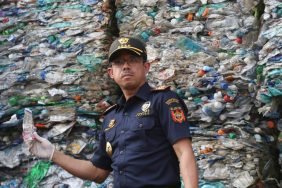
An Indonesian customs official intercepts a container full of illegally imported plastic waste in September 2019. ACHMAD IBRAHIM / AP PHOTO

When conscientious citizens learn more about where all the plastic goes when they do their part to recycle, it can be demoralizing. Recycling is important but the real solution is reducing the waste in the first place:

Indonesia Cracks Down on the Scourge of Imported Plastic Waste

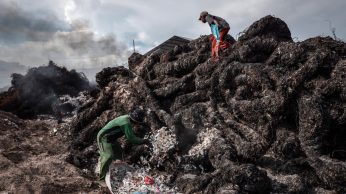
Workers prepare to burn plastic waste at an import dump in Mojokerto, Indonesia. ULET IFANSASTI / GETTY IMAGES

When China banned plastic waste imports in 2018, exporters in wealthy countries targeted other developing nations. Faced with an unending stream of unrecyclable waste, Indonesia has tightened its regulations and has begun to make progress in stemming the plastics flow.

In 2019, at a meeting in Geneva, Switzerland, delegates from 187 countries approved the first-ever global rules on cross-border shipments of plastic waste. Continue reading

To Dye For Author Interviews

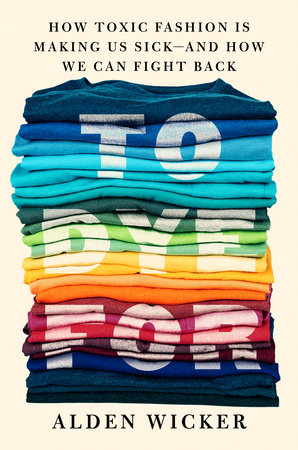
None of us wants yet one more environmental hazard to worry about. But ignorance is not bliss. Wired offers an interview with Alden Wicker about the book to the right, and the Fresh Air podcast with her is also worth the listen, especially if you have sensitive skin and/or have ever wondered if your clothing was the cause of certain kinds of discomfort. Women of reproductive age, especially, listen to both:

Your Clothes Are Making You Sick

This week, we talk to the author of To Dye For, a new book about toxic fashion and the abundance of harmful chemicals in our clothing.

HOTOGRAPH: ALFIAN WIDIANTONO/GETTY IMAGES

HAVE YOU EVER put on a new shirt and discovered that it makes you feel itchy? Or taken off a new pair of pants at the end of the day to find that the fabric has given you a rash? This problem is increasingly common as more chemicals are added to our clothing when they’re dyed or treated with additives that make them resistant to stains, wrinkles, and odors. Some of these chemicals are irritants that can cause breathing problems or skin issues. Others are toxic enough to trigger life-altering autoimmune diseases. Since the fashion industry operates within loose regulations, the problem of toxic apparel isn’t going away anytime soon.

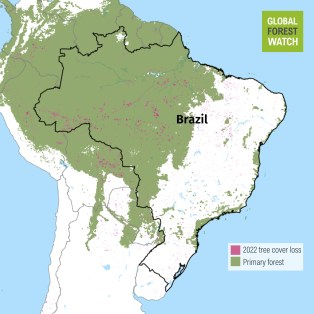
Graphic Comprehension Of Forest Loss

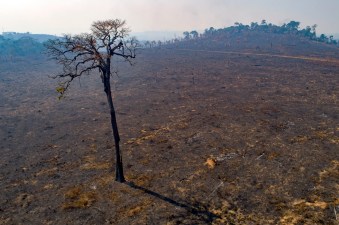
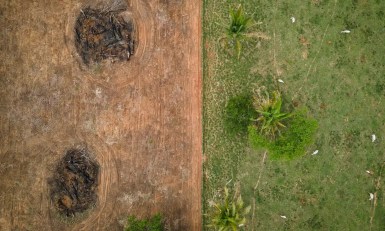
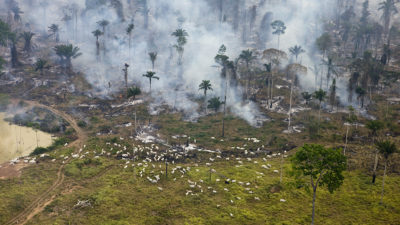
A section of forest in the Brazilian Amazon that was burned by cattle ranchers, seen on August 16, 2020. Cattle ranching is the largest driver of deforestation in the Amazon rainforest. Andre Penner/AP

The photograph heading the story is alarming enough, but the illustrations (especially the “scroll down” graphic) accompanying the written explanations are extremely compelling. Thanks to Benji Jones for the story and to Alvin Chang for the graphics in this Vox article:

The alarming decline of Earth’s forests, in 4 charts

Deforestation raged ahead again in 2022, even after scores of countries pledged to protect their forests.

Over the last decade, dozens of companies and nearly all large countries have vowed to stop demolishing forests, a practice that destroys entire communities of wildlife and pollutes the air with enormous amounts of carbon dioxide.

A big climate conference in Glasgow, in the fall of 2021, produced the most significant pledge to date: 145 countries, including Brazil, China, and Indonesia, committed to “halt and reverse” forest loss within the decade. Never before, it seems, has the world been this dedicated to stopping deforestation. Continue reading

Plastics, Waste & What To Do

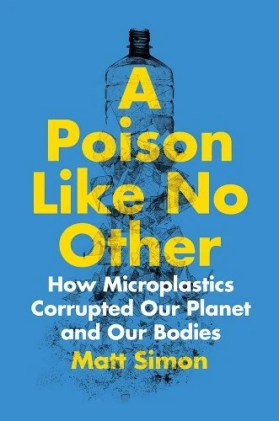
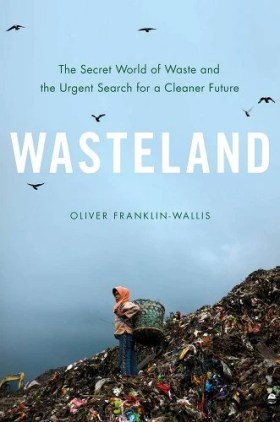
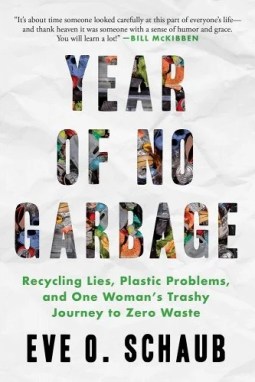
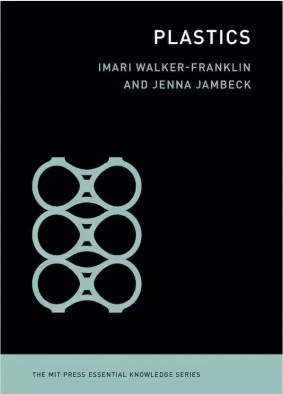
Four books have been read and summarized, thanks to Elizabeth Kolbert (the information challenges you, of course). The covers of those books appear here with links to independent booksellers where they are or will be available, and at minimum the opening story of Kolbert’s article is a must-read if you care about plastic:
How Plastics Are Poisoning Us

They both release and attract toxic chemicals, and appear everywhere from human placentas to chasms thirty-six thousand feet beneath the sea. Will we ever be rid of them?

In 1863, when much of the United States was anguishing over the Civil War, an entrepreneur named Michael Phelan was fretting about billiard balls. At the time, the balls were made of ivory, preferably obtained from elephants from Ceylon—now Sri Lanka—whose tusks were thought to possess just the right density. Phelan, who owned a billiard hall and co-owned a billiard-table-manufacturing business, also wrote books about billiards and was a champion billiards player. Owing in good part to his efforts, the game had grown so popular that tusks from Ceylon—and, indeed, elephants more generally—were becoming scarce. He and a partner offered a ten-thousand-dollar reward to anyone who could come up with an ivory substitute.
A young printer from Albany, John Wesley Hyatt, learned about the offer and set to tinkering. In 1865, he patented a ball with a wooden core encased in ivory dust and shellac. Players were unimpressed. Next, Hyatt experimented with nitrocellulose, a material made by combining cotton or wood pulp with a mixture of nitric and sulfuric acids. He found that a certain type of nitrocellulose, when heated with camphor, yielded a shiny, tough material that could be molded into practically any shape. Hyatt’s brother and business partner dubbed the substance “celluloid.” The resulting balls were more popular with players, although, as Hyatt conceded, they, too, had their drawbacks. Nitrocellulose, also known as guncotton, is highly flammable. Two celluloid balls knocking together with sufficient force could set off a small explosion. A saloon owner in Colorado reported to Hyatt that, when this happened, “instantly every man in the room pulled a gun.”
It’s not clear that the Hyatt brothers ever collected from Phelan, but the invention proved to be its own reward. From celluloid billiard balls, the pair branched out into celluloid dentures, combs, brush handles, piano keys, and knickknacks. They touted the new material as a substitute not just for ivory but also for tortoiseshell and jewelry-grade coral. These, too, were running out, owing to slaughter and plunder. Celluloid, one of the Hyatts’ advertising pamphlets promised, would “give the elephant, the tortoise, and the coral insect a respite in their native haunts.” Continue reading

Youth Is Not To Be Wasted In Montana

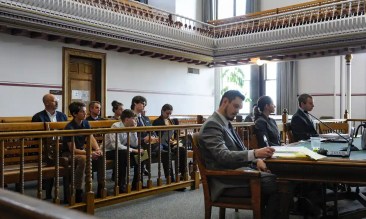
The plaintiffs look on during a status hearing for Held v Montana in the Lewis and Clark county courthouse in Helena, Montana, last month. Photograph: Thom Bridge/AP

At first it sounded like a gimmick, but listen to and read about it: there is a useful half hour podcast on this topic, and here we thank the Guardian for a bit more detailed coverage:

‘My life and my home’: young people start to testify at historic US climate trial

Some of the plaintiffs listen to arguments during the hearing in Montana. Photograph: Thom Bridge/AP

The plaintiffs note that Montana’s constitution pledges a healthy environment ‘for present and future generations’

The US’s first-ever trial in a constitutional climate lawsuit kicked off on Monday morning in a packed courtroom in Helena, Montana.

The case, Held v Montana, was brought in 2020 by 16 plaintiffs between the ages of five and 22 from around the state who allege state officials violated their constitutional right to a healthy environment by enacting pro-fossil fuel policies. Continue reading

Green Capitalism Explained & Criticized

We are new to the website where this interview is on offer, and appreciate its proclamation: “We cut through the noise. Of social media. And algorithmic distraction. We find the serious stuff. The stuff you miss. Every week. With human curators.” We are also new to the explainer and critic on a set of topics we often have had links to:

ADRIENNE BULLER ON GREEN CAPITALISM AND THE PITFALLS OF CLIMATE FINANCE

Adrienne Buller is Director of Research at the think tank Common Wealth, where she leads investigative projects about building a democratic economy. She previously researched the intersection of finance and the climate crisis at InfluenceMap, and has also written for The Guardian and the Financial Times, among other publications. Continue reading

Chilekwa Mumba, 2023 Goldman Environmental Prize Winner

https://youtu.be/8TG_1ILhxcU

The 2023 Goldman Prize goes to this man:

Alarmed by the pollution produced by the Konkola Copper Mines operation in the Copperbelt Province of Zambia, Chilekwa Mumba organized a lawsuit to hold the mine’s parent company, Vedanta Resources, responsible. Chilekwa’s victory in the UK Supreme Court set a legal precedent—it was the first time an English court ruled that a British company could be held liable for the environmental damage caused by subsidiary-run operations in another country. This precedent has since been applied to hold Shell Global—one of the world’s 10 largest corporations by revenue—liable for its pollution in Nigeria.

Our thanks to Jocelyn C. Zuckerman for this conversation with him:

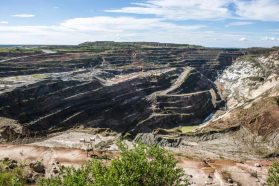
The Nchanga copper mine, operated by Konkola Copper Mines, in Chingola, Zambia. WALDO SWIEGERS / BLOOMBERG VIA GETTY IMAGES

This Zambian Took on a U.K. Mining Giant on Pollution and Won

Chilekwa Mumba led a court battle to hold a U.K.-based company responsible for the gross pollution from a copper mine it owns in Zambia. In an interview, he talks about how he and local villagers faced arrest to overcome long odds and finally win a landmark legal victory.

The southern African nation of Zambia is home to a wealth of minerals — in particular, lots of the copper and cobalt that the world will require to power a green economy. Continue reading

Lie-Liable Fossil Fuel Companies

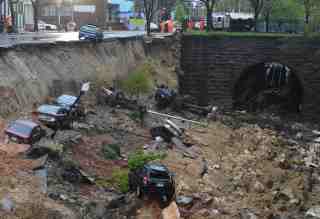
Following record rains in April of 2014, a section of Baltimore street simply collapsed. Now there’s some chance of holding the culprits accountable.

Thanks to Bill McKibben for this legal news following plenty of precursor stories on the same topic:

High court lets cities and states sue Exxon et al

…But something else happened yesterday too, with a price tag that may eventually dwarf that settlement, and with even larger potential implications for the future of the planet. The Supreme Court, also tersely, declined to grant cert in a case brought by oil companies desperately trying to hold off state court trials for their climate crimes. Continue reading

DRC’s Price Paid For Our Electric Future

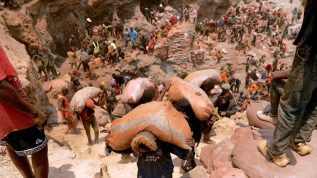
Miners haul sacks of cobalt ore at the Shabara mine near Kolwezi in the Democratic Republic of the Congo. JUNIOR KANNAH / AFP VIA GETTY IMAGES

Jocelyn C. Zuckerman leads a conversation below that puts our electric future in a very particular context:

For Your Phone and EV, a Cobalt Supply Chain to a Hell on Earth

The race for high-tech metals has sparked a cobalt boom in the Democratic Republic of the Congo that has come at a steep human cost. In an e360 interview, author Siddharth Kara talks about the horrific conditions in the mines that are putting thousands of workers at risk.

As countries around the world look to pivot quickly to clean energy, demand for the lithium-ion batteries used to charge our smartphones, laptops, and electric vehicles is booming. Continue reading

Small But Meaningful Legal Support Of Protest

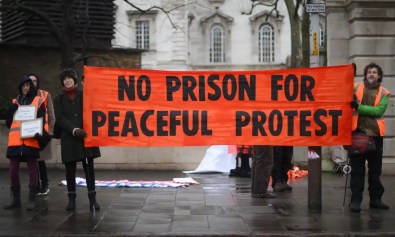
Insulate Britain supporters protesting in London this month. Photograph: Daniel Leal/AFP/Getty Images

Strange that this requires a protest, but that’s how it is. Our thanks to Damien Gayle of the Guardian for this coverage:

Top lawyers defy bar to declare they will not prosecute peaceful climate protesters

Six KCs among more than 120 mostly English lawyers to sign pledge not to act for fossil fuel interests

Leading barristers have defied bar rules by signing a declaration saying they will not prosecute peaceful climate protesters or act for companies pursuing fossil fuel projects. Continue reading

Collagen & Its Discontents

Collagen is derived from cattle, but unlike beef, there is currently no obligation to track the product’s environmental impacts. Photograph: Cícero Pedrosa Neto

Know your beauty products:

Global craze for collagen linked to Brazilian deforestation

Investigation finds cases of the wellness product, hailed for its anti-ageing benefits, being derived from cattle raised on farms damaging tropical forest

Tens of thousands of cattle raised on farms that are damaging tropical forests in Brazil are being used to produce collagen – the active ingredient in health supplements at the centre of a global wellness craze. Continue reading

Darkness Reconsidered

The Luxor Hotel’s “sky beam,” in Las Vegas, generates forty-two billion candlepower of light each night, confusing flying creatures that are drawn to its radiance. Illustration by Carson Ellis

We already linked to one review of it but this book seems worthy of at least two, and if at least one of them is by this essayist then probably two will be enough:

Is Artificial Light Poisoning the Planet?

A Swedish ecologist argues that its ubiquity is wrecking our habitats—and our health.

Among the many looming ecological disasters that terrify us today, one that only a handful of people have contemplated as sufficiently looming and terrifying is the loss of the bats in our belfry. Continue reading

Interview With Journalist Heriberto Araujo On His Book & Brazil’s Prospects For Change

A fire set to clear land for farming in Pará state in the Brazilian Amazon.

A fire set to clear land for farming in Pará state in the Brazilian Amazon. DANIEL BELTRÁ / GREENPEACE

We were very happy with the alternative resulting in a radical change of government in Brazil, but never expected an easy solution:

Amazon Under Fire: The Long Struggle Against Brazil’s Land Barons

Journalist Heriberto Araujo spent four years reporting on the destruction of the Brazilian Amazon. In an interview with Yale Environment 360, he talks about his new book, which explores the complex web of issues underpinning the deforestation of the world’s largest rainforest.

Heriberto Araujo.

Heriberto Araujo. HERIBERTO ARAUJO

Last October, when former President Luiz Inácio Lula da Silva defeated the far-right incumbent, Jair Bolsonaro, in Brazil’s national election, environmentalists around the world breathed a sigh of relief. Under Bolsonaro, who had weakened environmental protections and pushed to open Indigenous lands to commercial exploitation, deforestation in the Amazon had exploded. Lula has pledged to safeguard his country’s rainforests, but, as Spanish journalist Heriberto Araujo says in an interview with Yale Environment 360, the job won’t be easy.

Masters of the Lost LandFor his new book, Masters of the Lost Land, Araujo spent four years traveling from his home in Rio de Janeiro to Rondon do Pará, a town in the eastern Brazilian Amazon, to understand how, in less than 60 years, the largest rainforest on the planet has been transformed into an engine of economic growth. Tracing the story of land rights activist José Dutra da Costa, or “Dezinho,” who, before his assassination in 2000, led a revolution among landless peasants, Araujo comes to see how a handful of ranchers managed to grab huge swaths of pristine rainforest and why deforestation, violence, and lawlessness remain pervasive in the region. Continue reading

Lungs Of The Earth, The Amazon Calls Our Attention Again

Illustration by Max Guther

The Amazon is one of those big topics that we come back to again and again for a reason.  We all depend on these lungs of the earth, so it would be strange to not be obsessed with the subject:

Some Brazilian scientists fear that the Amazon may become a grassy savanna — with profound effects on the climate worldwide.

Illustration by Max Guther

One of the first times Luciana Vanni Gatti tried to collect Amazonian air she got so woozy that she couldn’t even operate the controls. An atmospheric chemist, she wanted to measure the concentration of carbon high above the rainforest. To obtain her samples she had to train bush pilots at obscure air-taxi businesses. The discomfort began as she waited on the tarmac, holding one door open against the wind to keep the tiny cockpit from turning into an oven in the equatorial sun. When at last they took off, they rose precipitously, and every time they plunged into a cloud, the plane seemed to be, in Gatti’s words, sambando — dancing the samba. Then the air temperature dipped below freezing, and her sweat turned cold. Continue reading

Climate Science Is Getting Old

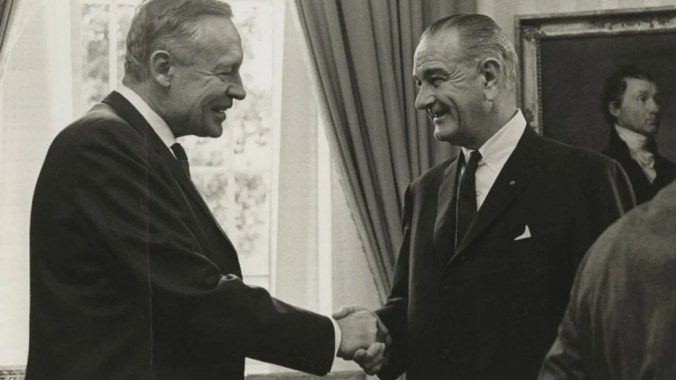
Scientist Roger Revelle, an adviser who warned Lyndon Johnson about climate change in 1965, greets the president in the Oval Office. Roger Revelle papers/Special Collections Archives/UC San Diego

In keeping with a theme–that the science of climate risk has been around for a couple generations now–we have linked to each time there are new revelations:

What Big Oil Knew About Its Products’ Climate Risks—and When

A long-forgotten report sheds light on a high-stakes liability question.

Carroll Muffett began wondering in 2008 when the world’s biggest oil companies had first understood the science of climate change and their product’s role in causing it. Continue reading

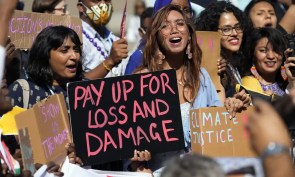
Fridays For Future @COP27

Fridays for Future protest calling for money for climate action at Cop27. Photograph: Peter de Jong/AP

If you wonder what our youth are up to, take a look at what the Guardian’s team of Fiona Harvey, with Adam Morton and Patrick Greenfield is reporting from Sharm el-Sheikh:

Cop27: EU agrees to loss and damage fund to help poor countries amid climate disasters

Change in stance puts spotlight on US and China, which have both objected to fund

A breakthrough looked possible in the deadlocked global climate talks on Friday as the European Union made a dramatic intervention to agree to key developing world demands on financial help for poor countries. Continue reading

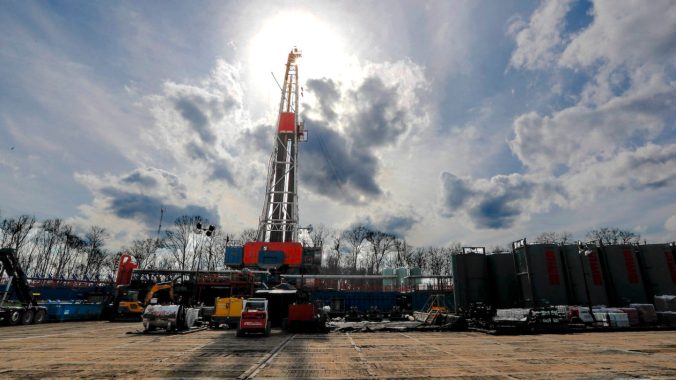
New Fracking Science

A shale gas drilling rig in St. Marys, Pennsylvania. AP PHOTO / KEITH SRAKOCIC

We thought the science of fracking’s dangers was already sufficiently clear, and now this (read Jon Hurdle’s entire story at Yale e360):

As Evidence Mounts, New Concerns About Fracking and Health

Two decades after the advent of fracking, a growing number of studies are pointing to a link between gas wells and health problems, particularly among children and the elderly. Researchers are now calling for new regulations restricting where wells can be located.

Almost 20 years after the adoption of hydraulic fracturing began to supercharge U.S. production of oil and gas, there’s growing evidence of a correlation between the industry’s activities and an array of health problems ranging from childhood cancer and the premature death of elderly people to respiratory issues and endocrine disruption. Continue reading