Really, SpaceX?

A rocket stands with water in the foreground.

Starship, the upper stage of SpaceX’s new rocket, at its launchpad in Boca Chica, Texas. Conservationists are concerned with the environmental impact space operations have on the area.

After assurances about protecting the environment, damage was done. They declined responsibility (the words they used included “…it’s cool”). Not cool:

Wildlife Protections Take a Back Seat to SpaceX’s Ambitions

A New York Times investigation found that Elon Musk exploited federal agencies’ competing missions to achieve his goals for space travel.

As Elon Musk’s Starship — the largest rocket ever manufactured — successfully blasted toward the sky last month, the launch was hailed as a giant leap for SpaceX and the United States’ civilian space program.

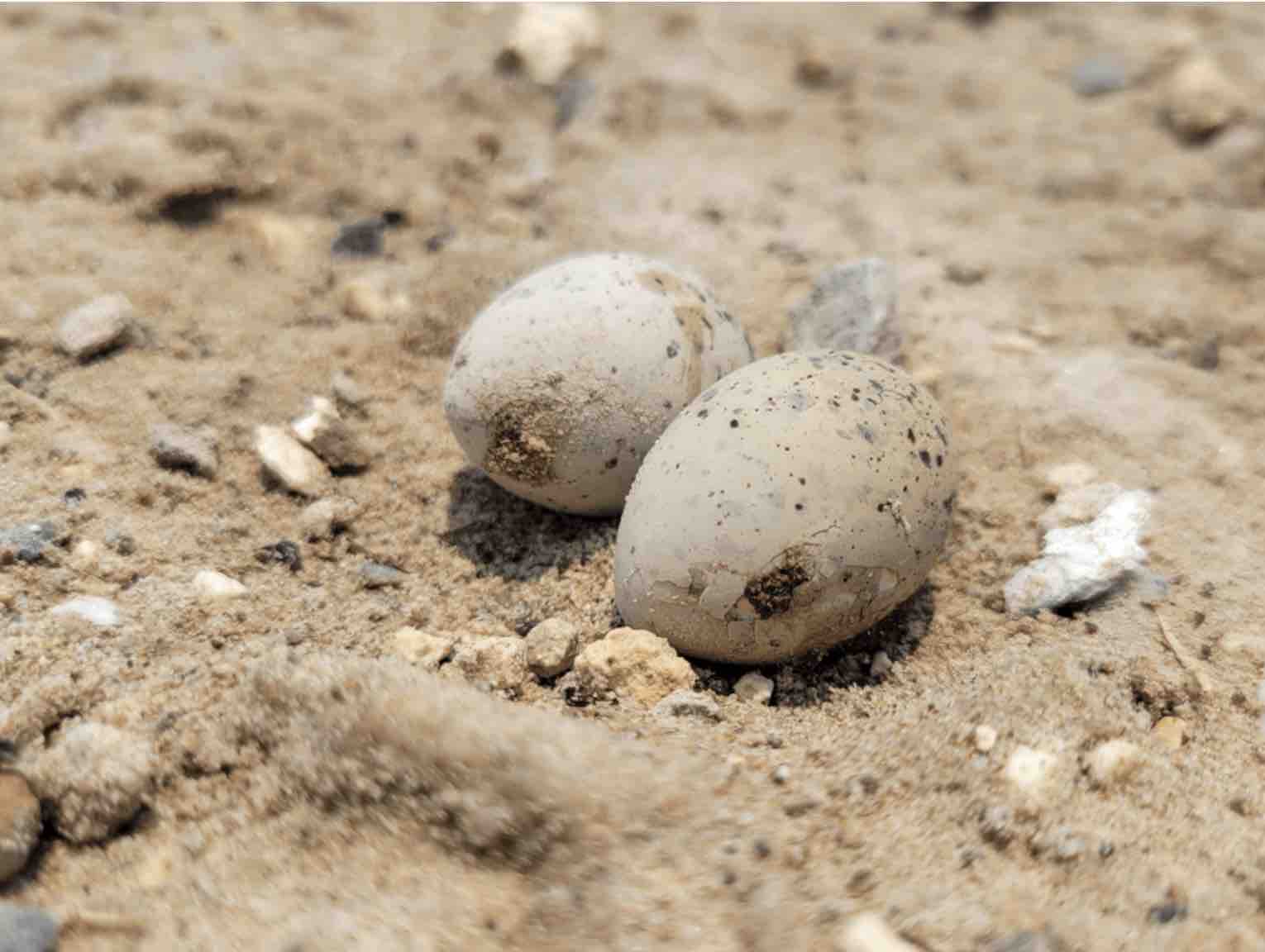
Figure 9. LETE 1 showing both eggs with large holes/cracks and dried egg contents emerging on June 6, 2024.

Two hours later, once conditions were deemed safe, a team from SpaceX, the U.S. Fish and Wildlife Service and a conservation group began canvassing the fragile migratory bird habitat surrounding the launch site.

The impact was obvious.

The launch had unleashed an enormous burst of mud, stones and fiery debris across the public lands encircling Mr. Musk’s $3 billion space compound. Chunks of sheet metal and insulation were strewn across the sand flats on one side of a state park. Elsewhere, a small fire had ignited, leaving a charred patch of park grasslands — remnants from the blastoff that burned 7.5 million pounds of fuel.

Most disturbing to one member of the entourage was the yellow smear on the soil in the same spot that a bird’s nest lay the day before. None of the nine nests recorded by the nonprofit Coastal Bend Bays & Estuaries Program before the launch had survived intact.

Egg yolk now stained the ground. Continue reading
The Market For Travel Books

Young woman reads a Lonely Planet guide in Kandy train station, Sri Lanka.

photograph: getty images

A reminder of the reasons for travel writing‘s staying power:

Why travel guidebooks are not going anywhere

Despite predictions that the internet would kill them

They declared that it was dead—or, if it wasn’t dead yet, it soon would be. The cause of the malady was viral: first blogs, then influencers on Instagram and TikTok. Continue reading

California, Solar Showcase


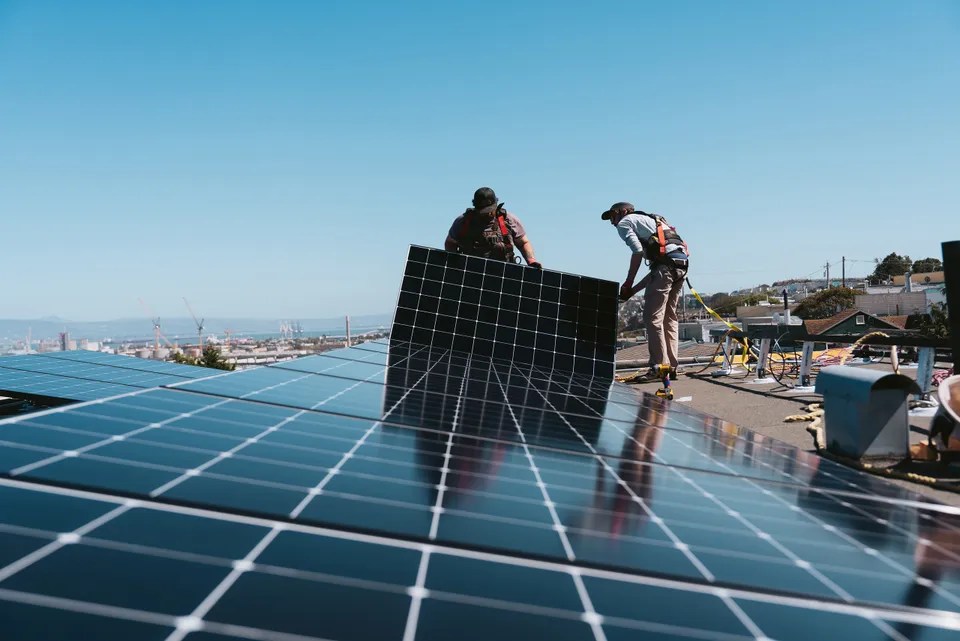
Workers install solar panels at a home in San Francisco, California.Photograph by Michaela Vatcheva / Bloomberg / Getty

McKibben’s essay in the New Yorker, showcasing the showcase for renewable energy, will brighten your day:

California Is Showing How a Big State Can Power Itself Without Fossil Fuels

For part of almost every day this spring, the state produced more electricity than it needed from renewable sources.

Something approaching a miracle has been taking place in California this spring. Beginning in early March, for some portion of almost every day, a combination of solar, wind, geothermal, and hydropower has been producing more than a hundred per cent of the state’s demand for electricity. Continue reading

Hydropower In The Age Of Climate Change

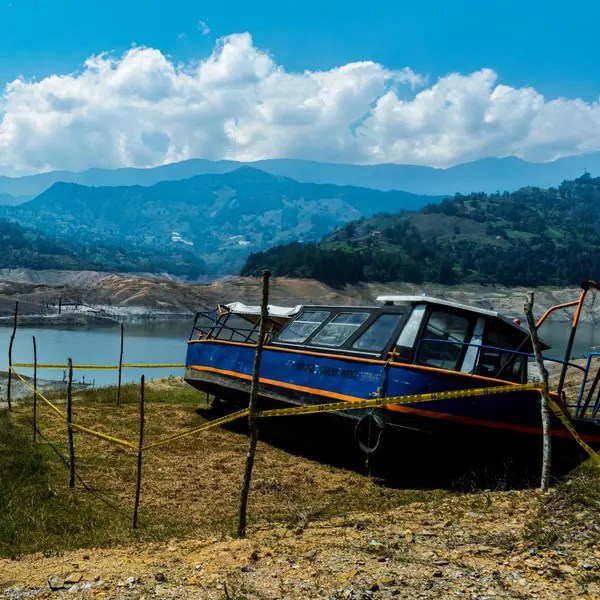
A dry section of the Guavio Reservoir that feeds the Guavio Hydroelectric Power Plant in Gachala, Colombia, in April. Jhojan Hilarion/Agence France-Presse — Getty Images

We knew that dams’ days are numbered, but the evidence keeps mounting:

When Hydropower Runs Dry

The struggle of the world’s largest source of renewable last year could have important implications for the fight against climate change.

Global pollution from electricity generation was set to fall last year, thanks to the growth of renewable energy. Then came the droughts.

Hydropower, the biggest source of renewable energy in the world, was crippled by lack of rain in several countries last year, driving up emissions as countries turned to fossil fuels to fill the gap. Continue reading

Upgrading Electrical Power Lines

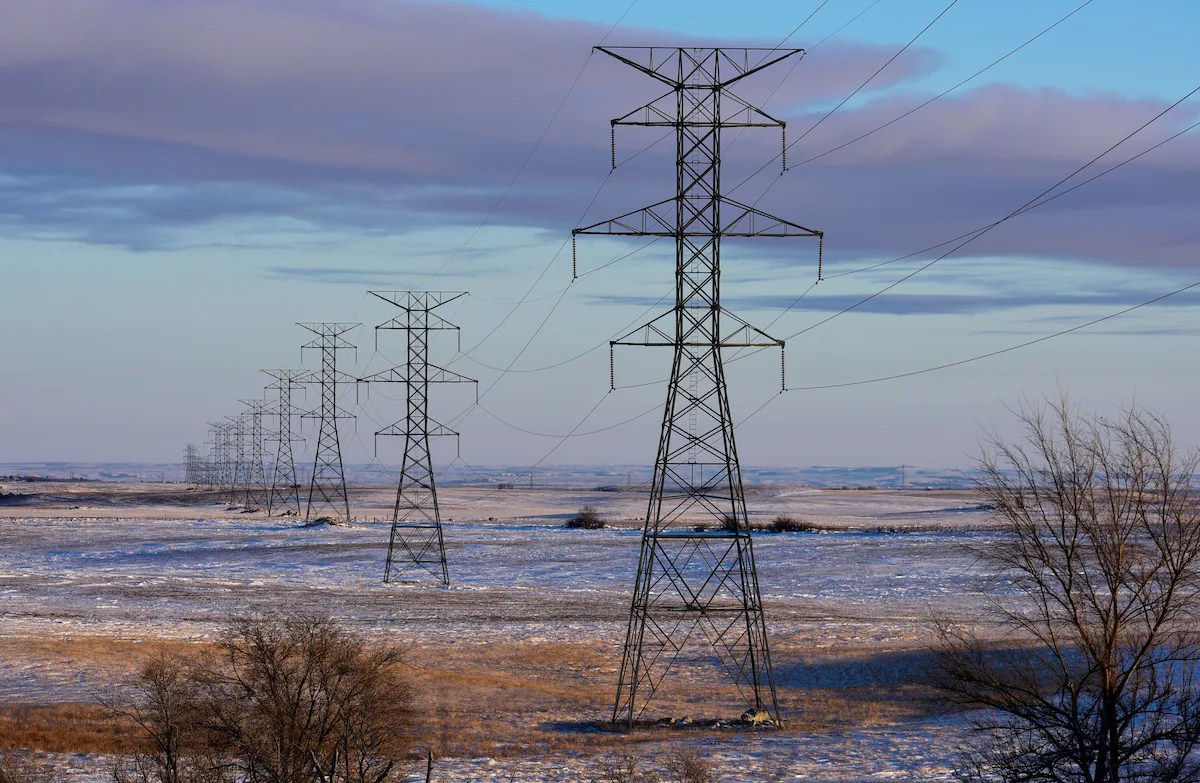
High voltage power transmission lines near Underwood, N.D. Installing new wires on the high-voltage lines that already carry power hundreds of miles across America could double the amount of power those lines carry. (Dan Koeck for The Washington Post)

Shannon Osaka, writing in The Washington Post, offers an unglamorous but effective-sounding story about the role that electrical transmission lines may play in upgrading our energy infrastructure:

How a simple fix could double the size of the U.S. electricity grid

Rewiring miles of power lines could make space for data centers, AI and a boom in renewables.

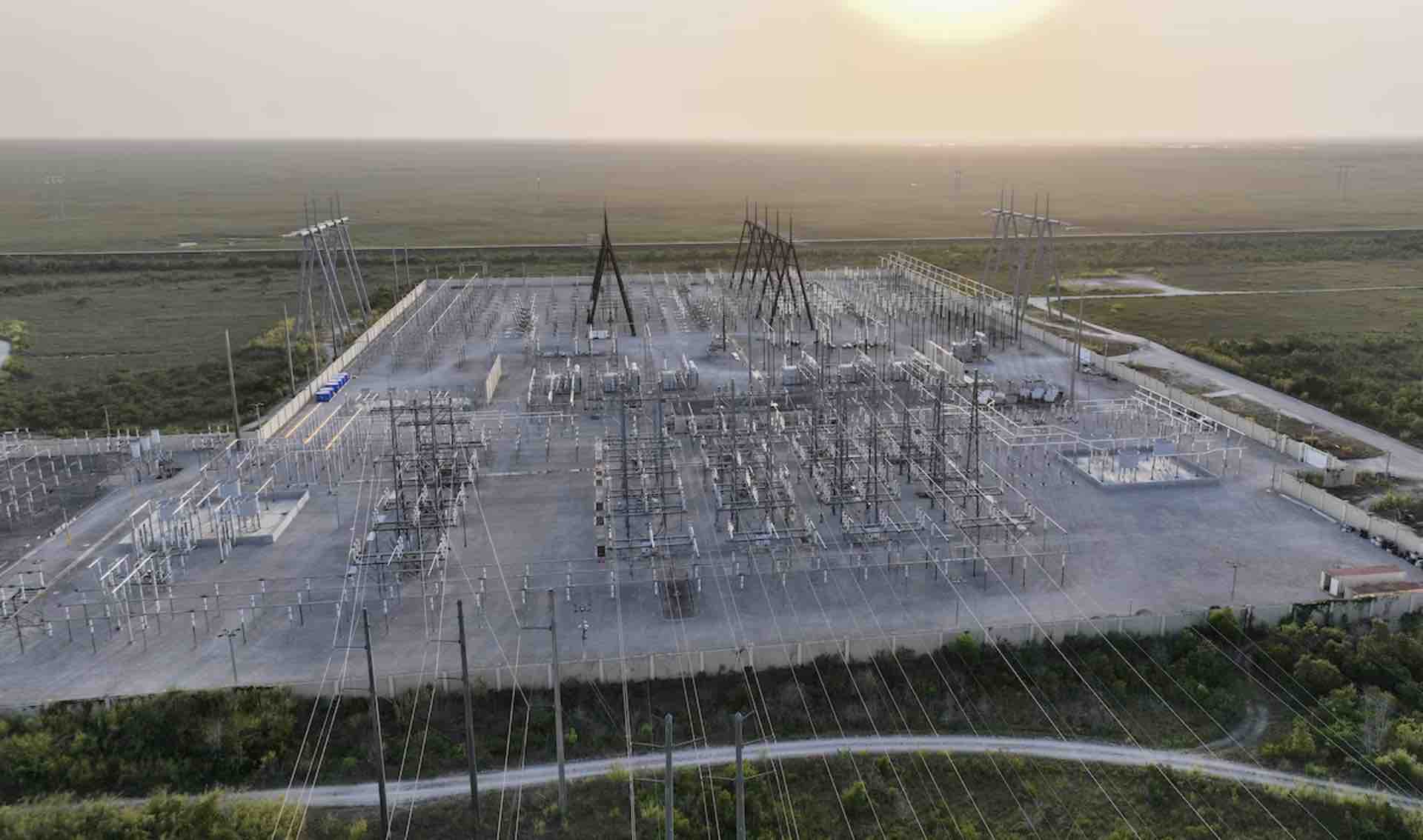
High voltage power lines run through a substation along the electrical power grid in Pembroke Pines, Florida. The grid is strained by increasing demand from electricity-hungry data centers and electric vehicles, as well as extreme weather events. (Joe Raedle/Getty Images)

There is one big thing holding the United States back from a pollution-free electricity grid running on wind, solar and battery power: not enough power lines.

As developers rush to install wind farms and solar plants to power data centers, artificial intelligence systems and electric vehicles, the nation’s sagging, out-of-date power lines are being overwhelmed — slowing the transition to clean energy and the fight against climate change. Continue reading

Implementing The Inflation Reduction Act

A windmill getting tangled by an electrical cord

Illustration by Ben Kothe / The Atlantic

We celebrate when a law is passed that moves the USA in the right direction, but the biggest  such law ever still is in the process of implementation. So, creativity and vigilance are still key ingredients to making the best of the law:

The Next Front in the War Against Climate Change

Clean-energy investment in America is off the charts—but it still isn’t translating into enough electricity that people can actually use.

On august 2022, the U.S. passed the most ambitious climate legislation of any country, ever. As the director of President Joe Biden’s National Economic Council at the time, I helped design the law. Continue reading

Shrimp Transparency

Shrimp and transparent shrimp shells sitting on a white surface.We link to the work of Erik Vance for its clarity and utility:

Americans love their prawns. So how healthy are they — for us and for the planet?

Americans aren’t particularly enthusiastic about seafood. We eat less than half of what a Japanese or Indonesian person does. Less than a third of the average Icelander. But there is one big exception: shrimp. Continue reading

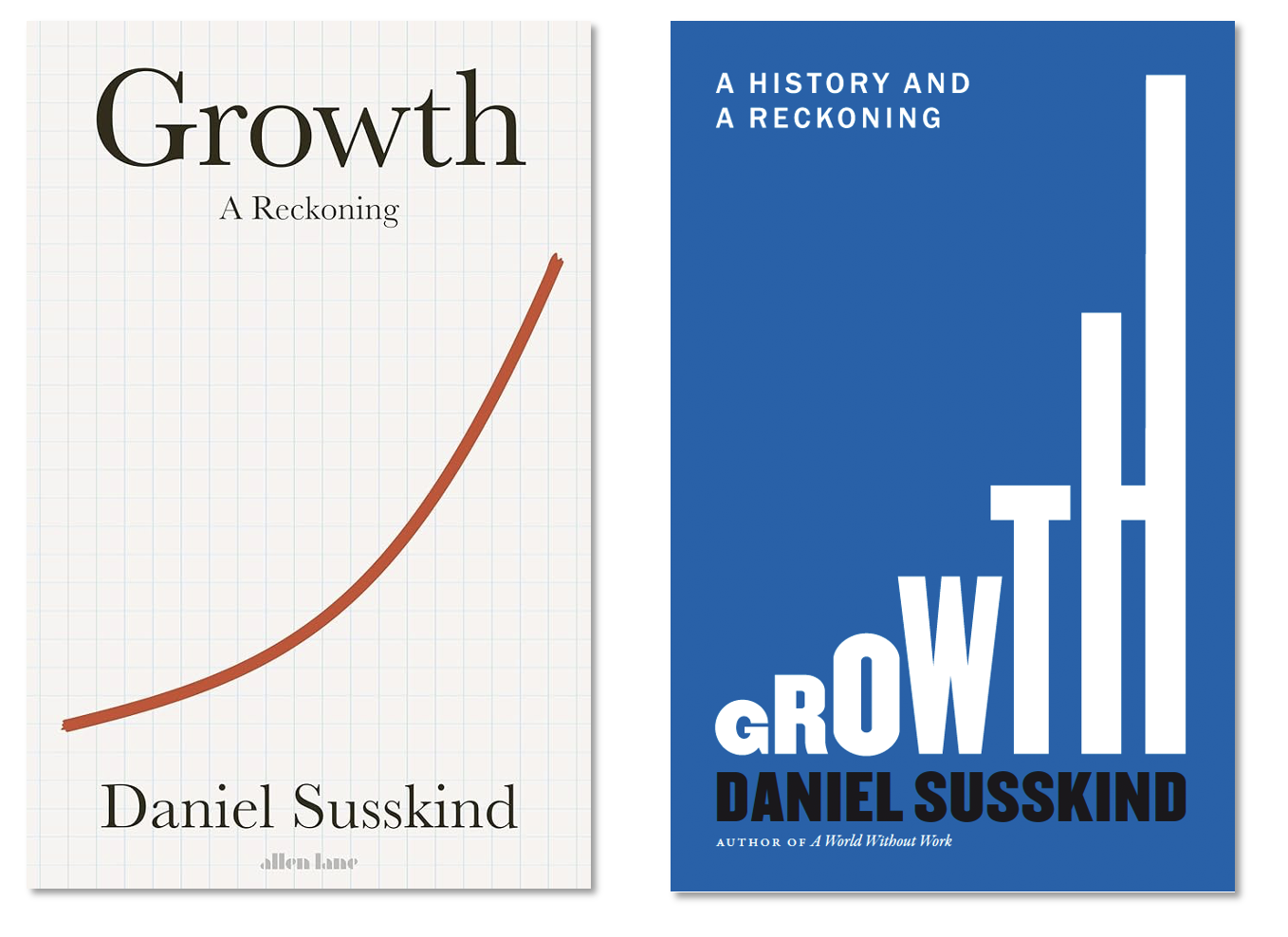
Idrees Kahloon On Daniel Susskind On Growth

Idrees Kahloon is an excellent discussant on the Economist podcast, and reviews Daniel Susskind’s new book in the current issue of the New Yorker:

Capitalism, as it has been practiced throughout the past century, has brought with it plenty of problems; as with any engine, harnessing it properly requires controlling it properly.Illustration by Carl Godfrey; Source photographs from Alamy; Getty

The World Keeps Getting Richer. Some People Are Worried

To preserve humanity—and the planet—should we give up growth?

In April, 1968, a consequential meeting took place in the Villa Farnesina, a stately Roman home built for Pope Julius II’s treasurer and adorned with frescoes by Raphael. The conveners were Alexander King, a Scottish chemist who directed scientific affairs for the Organization for Economic Co-operation and Development, and Aurelio Peccei, an Italian industrialist who simultaneously held executive positions at the automaker Fiat, the typewriter manufacturer Olivetti, and a large consulting firm. Continue reading

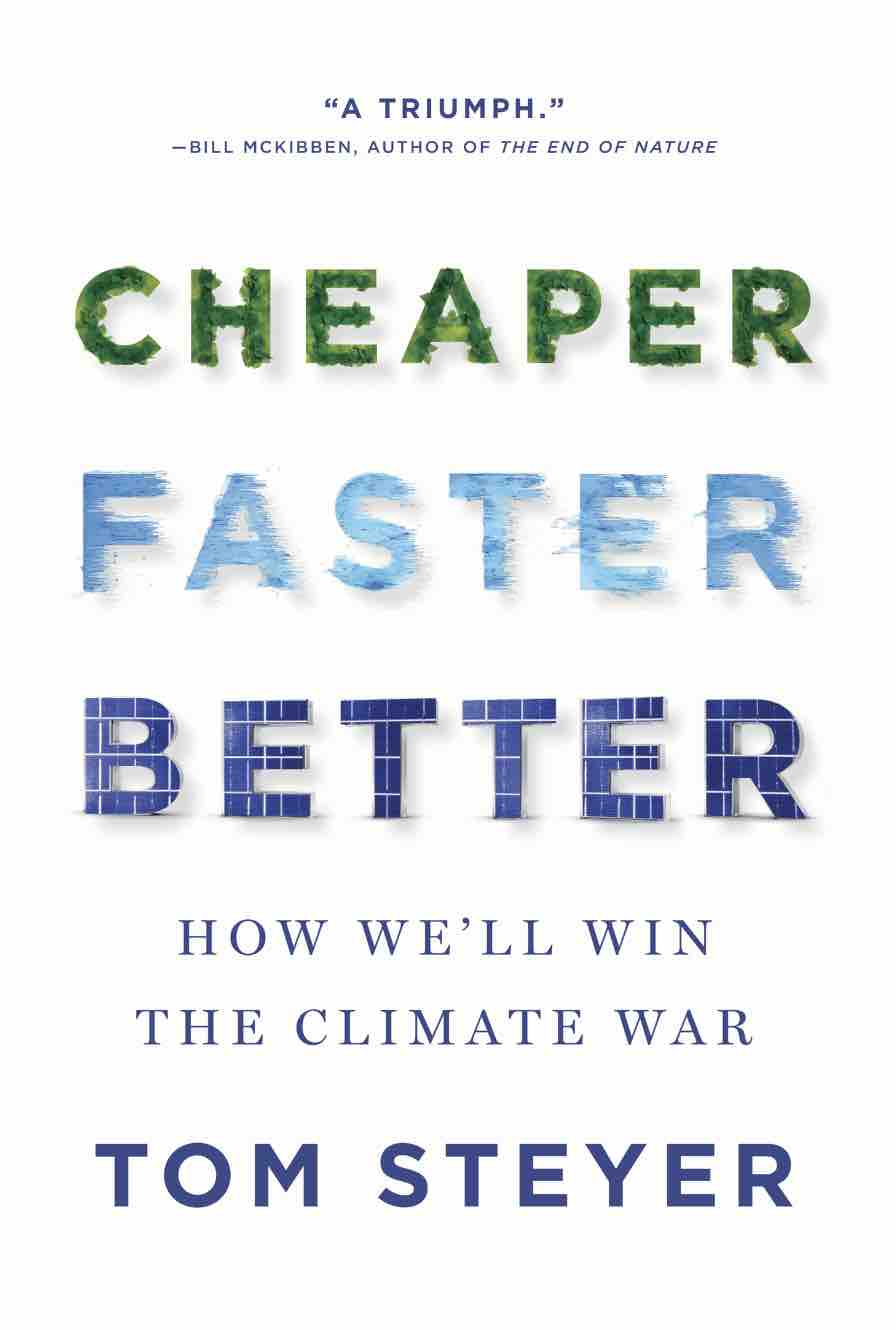
Cheaper, Faster, Better

The author of this book was a presidential candidate in the USA briefly in what seems the distant past of just a few years ago. His publisher says this:

Renowned investor and climate champion Tom Steyer gives us a unique and unvarnished perspective on how we can all fight climate change—joyfully, knowledgeably, and even profitably—at a time of unparalleled consequence and opportunity.

Blurbs for the book include: Continue reading

Really, 3M?

Image may contain Cosmetics Medication and Pill

In April, the Environmental Protection Agency finalized two historic regulations of forever chemicals, which are found in countless everyday products. Photo illustration by Philotheus Nisch for The New Yorker

There is nothing to enjoy in this article, but we appreciate the work of the journalist Sharon Lerner and her colleagues at the New Yorker and Pro Publica involved in bringing it to us:

How 3M Discovered, Then Concealed, the Dangers of Forever Chemicals

The company found its own toxic compounds in human blood—and kept selling them.

Kris Hansen had worked as a chemist at the 3M Corporation for about a year when her boss, an affable senior scientist named Jim Johnson, gave her a strange assignment. Continue reading

Conservation, Tourism & Introspection

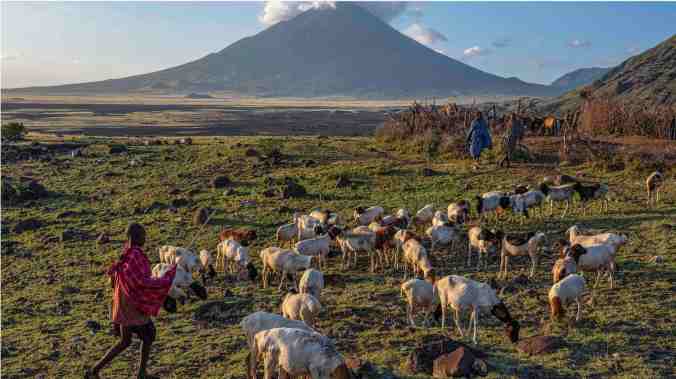
A Maasai boy herds goats and sheep in the shadow of Ol Doinyo Lengai—known to the Maasai as the Mountain of God—in northern Tanzania. Government plans call for the removal of the Maasai from this region, the latest in a long series of evictions.

Bumper-to-bumper in Serengeti National Park, the first enclave in northern Tanzania to be set aside for conservation and tourism (Nichole Sobecki for The Atlantic)

If your professional focus is at the intersection of tourism and conservation, this article in The Atlantic, by Stephanie McCrummen with photos by Nichole Sobecki, forces introspection. At least it did for me:

‘THIS WILL FINISH US’

How Gulf princes, the safari industry, and conservation groups are displacing the Maasai from the last of their Serengeti homeland

Maasai gather at a livestock market, one stop on Songoyo’s 130-mile circuit from Tanzania to Kenya and back. (Nichole Sobecki for The Atlantic)

It was high safari season in Tanzania, the long rains over, the grasses yellowing and dry. Land Cruisers were speeding toward the Serengeti Plain. Billionaires were flying into private hunting concessions. And at a crowded and dusty livestock market far away from all that, a man named Songoyo had decided not to hang himself, not today, and was instead pinching the skin of a sheep. Continue reading

An Oil Company Funding Carbon Capture?

The plant will be powered by geothermal energy. Francesca Jones for The New York Times

David Gelles in the New York Times furthers our understanding of the expanding use of carbon capture, and the motives of the key actors utilizing this technology:

On a windswept Icelandic plateau, an international team of engineers and executives is powering up an innovative machine designed to alter the very composition of Earth’s atmosphere.

“Collector containers” where air is pulled in. Francesca Jones for The New York Times

If all goes as planned, the enormous vacuum will soon be sucking up vast quantities of air, stripping out carbon dioxide and then locking away those greenhouse gases deep underground in ancient stone — greenhouse gases that would otherwise continue heating up the globe.

Just a few years ago, technologies like these, that attempt to re-engineer the natural environment, were on the scientific fringe. They were too expensive, too impractical, too sci-fi. Continue reading

Where Does Captured Carbon Go?

The Heirloom Carbon direct air capture plant in Tracy, California, which opened last November. HEIRLOOM CARBON

For keeping an eye on the captured carbon trail, thanks to Nicola Jones:

As Carbon Air Capture Ramps Up, Major Hurdles Remain

Aided by tax breaks and carbon credits, scores of plants are being developed or are now operating that remove CO2 from the air. Such facilities are considered necessary to limit global warming, but critics have questions about the high costs and where the captured carbon will go.

Texas is by far the top emitter of greenhouse gases in the United States: The oil-rich state releases twice as much carbon dioxide as the runner-up state, California, and as much as the entire country of Germany. Continue reading

Responding To A Red Alert

Another reason to subscribe to Bill McKibben’s newsletter:

How Not to Act in an Emergency

Forget AI–we need some human intelligence

We’re getting right to the nub now.

Yesterday the World Meteorological Organization officially certified 2023 as the hottest year in human history. Just to put on the record here what should have been the lead story in every journal and website on our home planet:

Andrea Celeste Saulo, secretary general of the WMO, said the organisation was now “sounding the red alert to the world”.

The report found temperatures near the surface of the earth were 1.45C higher last year than they were in the late 1800s, when people began to destroy nature at an industrial scale and burn large amounts of coal, oil and gas.

Last year’s spike was so scary that NASA’s Gavin Schmidt—Jim Hansen’s heir as keeper of NASA’s climate record—wrote in Nature this week that it raised the most profound possible implications. Please read his words slowly and carefully: Continue reading

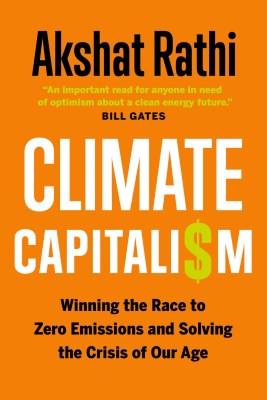
Climate Capitalism Conversation

We are in need of realism more than anything else, but according to David Gelles it still makes sense to hear what an optimist has to say:

Making the Case for Capitalism

A new book argues that short-term profit incentives can deliver long-term changes to benefit the climate.

Combating the climate crisis is the ultimate long-term challenge. Can society rapidly overhaul energy production, transportation, heavy industry, agriculture and more in order to prevent truly catastrophic global warming? Continue reading

New Ways Of Thinking About Exxon

Her work is funded by Exxon, he’s skeptical of industry. Rebecca Grekin, left, and Yannai Kashtan at Stanford, where they study and teach.

We have made our views on Exxon clear, and also been open to new ways of thinking about them. In the spirit of being open to new ways of thinking, without being foolish, this story is worth a read:

He Wants Oil Money Off Campus. She’s Funded by Exxon. They’re Friends.

The two friends, both climate researchers, recently spent hours confronting the choices that will shape their careers, and the world. Their ideas are very different.

Two good friends, Rebecca Grekin and Yannai Kashtan, met up one crisp December morning at Stanford University, where they both study and teach. The campus was deserted for the holidays, an emptiness at odds with the school’s image as a place where giants roam, engaged in groundbreaking research on heart transplants, jet aerodynamics, high-performance computing. Work that has changed the world. Continue reading

Is That Safari In Tanzania A Good Use Of Your Money?

Brian Otieno

This guest opinion, written by Professor Robert Williams of the Indigenous Peoples Law and Policy Program at the University of Arizona, and published in the New York Times, should make you think twice about the safari that might be on your bucket list:

Over 600,000 tourists travel to Tanzania’s Ngorongoro Conservation Area each year, and many will catch a glimpse of the Great Migration: the famed trek of more than one million wildebeests and thousands of zebras, gazelles and other animals crossing over the Mara River into Kenya and back again. Continue reading

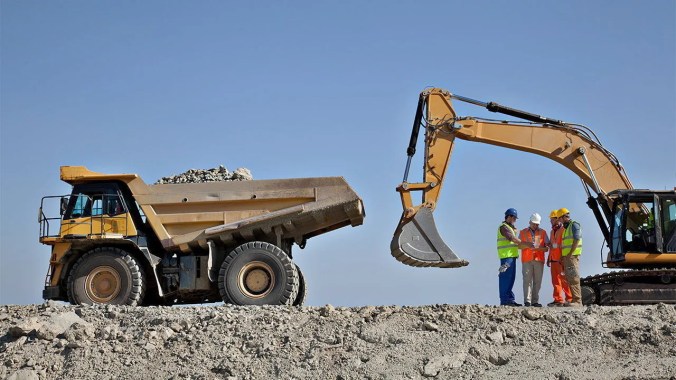
Mining Is Dirty

image: getty images

When mining has appeared in our pages it has only rarely been a positive story. Because mining is dirty, by definition. The Economist lays it bare:

Why the world’s mining companies are so stingy

The energy transition requires vast quantities of metals. But miners are reluctant to invest

Mining companies have spent much of the past decade in investors’ bad books. Throughout the 2000s and early 2010s the industry, betting that the surge in commodity prices brought on by China’s economic rise would persist, splurged on investments and racked up hefty debts in the process. Continue reading
Carbon Clean 200’s Performance Update Report

A press release for this report above summarizes the findings:

Carbon Clean 200 Companies Outperform Dirty Energy by 39%

The 11th cohort of global Clean200 leaves dirty energy investments in the dust

As You Sow and Corporate Knights today released their 11th update of the Carbon Clean200™, a list of 200 publicly traded companies worldwide leading the way among global peers to a clean energy present and future. These companies generated almost double the returns of the main fossil fuel index from July 1, 2016, to January 15, 2024, despite geopolitical tensions that have favored fossil fuel stocks in the past two years. Continue reading

Renewables Outpacing Demand In Scotland

A wind farm in rural Scotland. THE SCOTTISH GOVERNMENT

Not exactly manatee charisma, but another ray of sunshine from a place we have been cheering from a distance for a few years now:

Scotland’s Renewable Output More Than 100 Percent of Demand

For the first time, in 2022, Scottish renewables generated more power than the country used, new government figures show.

The growth of wind power, coupled with a small drop in electricity consumption, meant that the volume of electricity produced by renewables in Scotland was equal to 113 percent of demand. Continue reading