International Seabed Authority

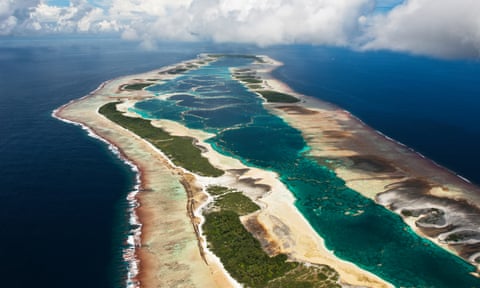
A long thin atoll around a lagoon

The Millennium Atoll in Kiribati, the Pacific state that is sponsoring Michael Lodge for re-election as ISA leader. Photograph: Mauricio Handler/Getty

Before we leave the subject of oceans, back to the question of how their protection is managed, and by whom.

We are learning today that some of the planet’s smaller nation states have a potentially significant, and clearly long overdue influence on how the oceans surrounding them will be protected:

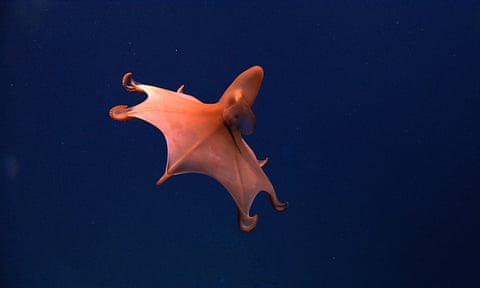
The rare dumbo octopus (Cirrothauma murrayi)

The rare dumbo octopus (Cirrothauma murrayi) is one of many creatures potentially at risk from deep-sea mining. Photograph: NOAA

Inside the battle for top job that will decide the future of deep-sea mining

Marking a pivotal moment for the fate of the barely known ecosystems on the ocean floor, 168 nations will decide this week who will head the International Seabed Authority

Deep-sea mining exploration machinery in the Pacific Ocean

Deep-sea mining exploration trials under way in the Clarion-Clipperton Zone of the Pacific Ocean between Hawaii and Mexico. Photograph: Richard Baron/The Metals Company

Leticia Carvalho is clear what the problem is with the body she hopes to be elected to run: “Trust is broken and leadership is missing.” Later this week, at the headquarters of the International Seabed Authority (ISA) in Kingston, Jamaica, nations negotiating rules governing deep-sea mining face a critical vote that could impact the nascent industry for years: who should be the next leader of the regulatory body? Continue reading

Conservation, Tourism & Introspection

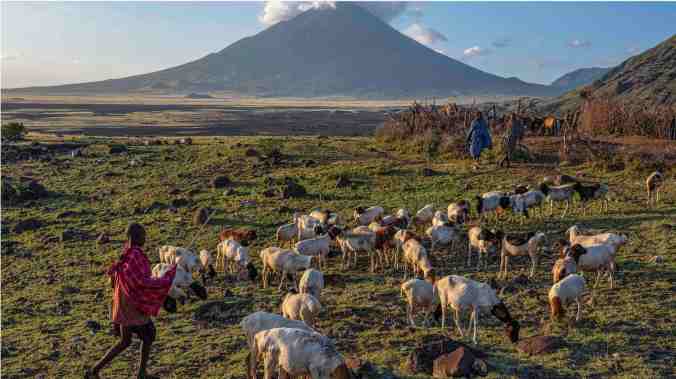
A Maasai boy herds goats and sheep in the shadow of Ol Doinyo Lengai—known to the Maasai as the Mountain of God—in northern Tanzania. Government plans call for the removal of the Maasai from this region, the latest in a long series of evictions.

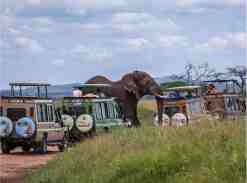
Bumper-to-bumper in Serengeti National Park, the first enclave in northern Tanzania to be set aside for conservation and tourism (Nichole Sobecki for The Atlantic)

If your professional focus is at the intersection of tourism and conservation, this article in The Atlantic, by Stephanie McCrummen with photos by Nichole Sobecki, forces introspection. At least it did for me:

‘THIS WILL FINISH US’

How Gulf princes, the safari industry, and conservation groups are displacing the Maasai from the last of their Serengeti homeland

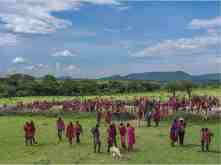
Maasai gather at a livestock market, one stop on Songoyo’s 130-mile circuit from Tanzania to Kenya and back. (Nichole Sobecki for The Atlantic)

It was high safari season in Tanzania, the long rains over, the grasses yellowing and dry. Land Cruisers were speeding toward the Serengeti Plain. Billionaires were flying into private hunting concessions. And at a crowded and dusty livestock market far away from all that, a man named Songoyo had decided not to hang himself, not today, and was instead pinching the skin of a sheep. Continue reading
New Ways Of Thinking About Exxon

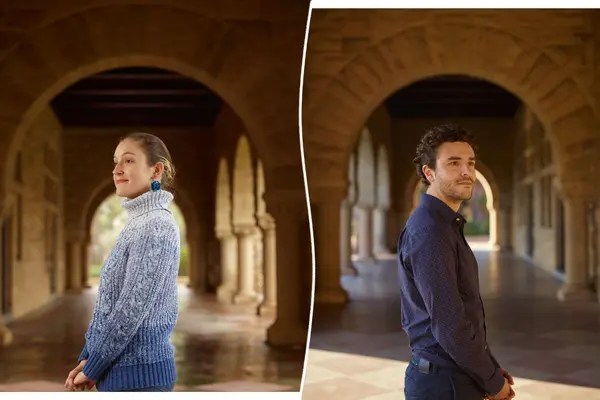
Her work is funded by Exxon, he’s skeptical of industry. Rebecca Grekin, left, and Yannai Kashtan at Stanford, where they study and teach.

We have made our views on Exxon clear, and also been open to new ways of thinking about them. In the spirit of being open to new ways of thinking, without being foolish, this story is worth a read:

He Wants Oil Money Off Campus. She’s Funded by Exxon. They’re Friends.

The two friends, both climate researchers, recently spent hours confronting the choices that will shape their careers, and the world. Their ideas are very different.

Two good friends, Rebecca Grekin and Yannai Kashtan, met up one crisp December morning at Stanford University, where they both study and teach. The campus was deserted for the holidays, an emptiness at odds with the school’s image as a place where giants roam, engaged in groundbreaking research on heart transplants, jet aerodynamics, high-performance computing. Work that has changed the world. Continue reading
Pythons & Captive Breeding Ethics

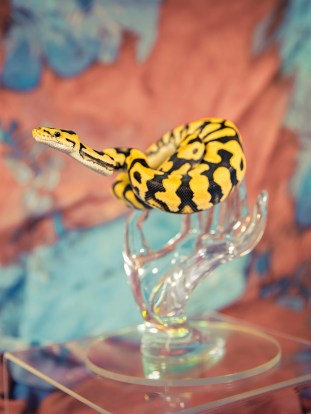
A “leopard blackhead Mojave hypo black axanthic” ball python: what sounds like an incantation is a catalogue of desirable mutations. Photograph by Delaney Allen for The New Yorker

Breeding animals in captivity is a topic we have pointed to in several posts. Sometimes the topic is ethics; other times it is about conservation of a species on the brink of extinction. Pythons somehow show up in our pages more frequently than captive breeding. Almost 15 years since Burkhard Bilger brought to our attention the topic of pythons and other animals invading new habitats that set off our python fascination, here is one at the intersection of captive breeding and ethics:

The Snake with the Emoji-Patterned Skin

In the wild, ball pythons are usually brown and tan. In America, breeding them to produce eye-catching offspring has become a lucrative, frenetic, and—for some—troubling enterprise.

“Sometimes your odds are one in two hundred and fifty-six, or one in five hundred and twelve, to make the snake you’re thinking about,” Justin Kobylka, a trendsetting breeder and the owner of Kinova Reptiles, said. Photograph by Delaney Allen for the New Yorker

On a fall day in Gainesville, Georgia, Justin Kobylka, the forty-two-year-old owner of Kinova Reptiles, was preparing to cut open two clutches of snake eggs. He was hoping to hit upon some valuable, beautiful reptiles. Kobylka is a breeder of designer ball pythons—one-of-a-kind, captive-bred snakes whose skin features colors and patterns not usually found in nature. “I think of myself as an explorer,” he told me. Nicking an egg with a pair of surgical scissors, he exposed a live hatchling in its goo. “Even when they haven’t yet touched air, you can sometimes see the tongue going,” he said, making a flicking gesture with his thumb and fingertip.

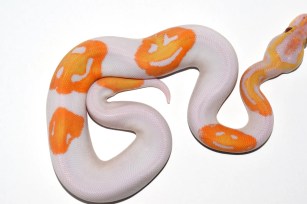
Kobylka had been trying to produce a “dreamsicle”—a white ball python with splotches of tangerine—but three of the circular markings on the snake looked like smiley faces. His video of the “emoji python” went viral. Photograph courtesy Kinova Reptiles

We were standing in a six-thousand-square-foot climate-controlled outbuilding that housed some two thousand pythons, which were kept in individual plastic trays slotted into tall metal racks. The space, which cost nearly a million dollars to build and outfit, was immaculate and well lit, with corner-mounted industrial fans and glossy floors. A vague odor of musk and Clorox was all that hinted at the daily chores of snake husbandry. Continue reading
Solidarity, Class Traitors & Ambiguity Management

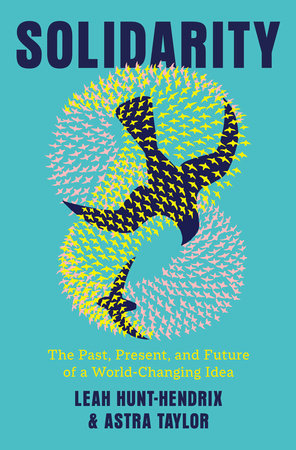
Solidarity by Leah Hunt-Hendrix and Astra TaylorThis book comes with a strong pitch by Bill McKibben. It came to my attention while reading this profile by Andrew Marantz. Full of ambiguity, about a balancing act between privilege inherited from fossil fuel wealth and sincere commitment to solidarity movements, what follows is entirely worth the read to get to the last paragraph (which only works if you have made it through the entire text):

What Should You Do with an Oil Fortune?

The Hunt family owns one of the largest private oil companies in the country. Leah Hunt-Hendrix funds social movements that want to end the use of fossil fuels.

Leah HuntHendrix photographed by Platon.

“Leah was clearly preoccupied with how a person of extreme privilege can live responsibly in the world,” her Ph.D. adviser said. Photograph by Platon for The New Yorker

Let’s say you were born into a legacy that is, you have come to believe, ruining the world. What can you do? You could be paralyzed with guilt. You could run away from your legacy, turn inward, cultivate your garden. If you have a lot of money, you could give it away a bit at a time—enough to assuage your conscience, and your annual tax burden, but not enough to hamper your life style—and only to causes (libraries, museums, one or both political parties) that would not make anyone close to you too uncomfortable. Or you could just give it all away—to a blind trust, to the first person you pass on the sidewalk—which would be admirable: a grand gesture of renunciation in exchange for moral purity. But, if you believe that the world is being ruined by structural causes, you will have done little to challenge those structures. Continue reading
Human Intervention, Hold The Judgement

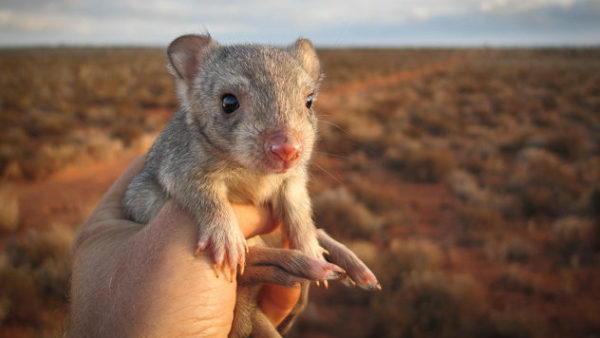
A burrowing bettong, also known as the boodie, in the Australian Outback. COURTESY OF AWC

I have not acquired the book yet, but I have heard her discuss it and read an interview with her about it; the author has moved from reporting on extinction and climate phenomena to reporting on human intervention schemes that respond to those phenomena. The stories as told in the article below adhere to a claim Kolbert makes in her discussion with Ezra Klein, that as a journalist she is not in the judgement business:

Assisting Evolution: How Far Should We Go to Help Species Adapt?

An Australian project to help threatened marsupial species adapt to avoid predatory cats is among a host of ‘assisted evolution’ efforts based on the premise that it is no longer enough to protect species from change: Humans are going to have intervene to help them change.

Foods For Thought

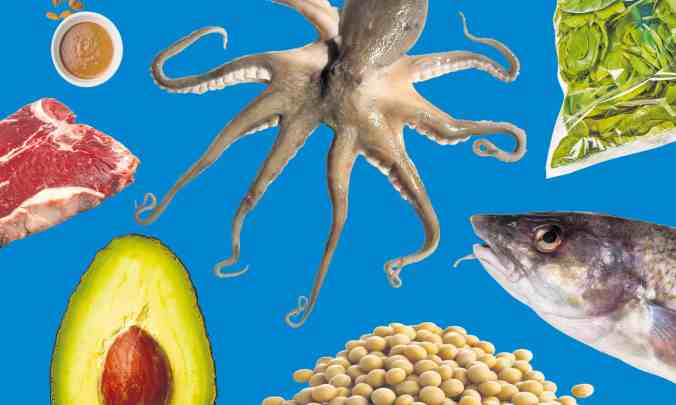
5904.jpg

Composite: Alamy/Getty

Thanks to Clare Finney, writing for the Guardian, for a reminder, and some cases surprises, about foods we may love but should consider the consequences of:

To eat or not to eat: 10 of the world’s most controversial foods

From beef to cod to avocados to soya, many of our best-loved foods raise big ethical and environmental questions. What do the experts say?

Deforestation. Child labour. Pollution. Water shortages. The more we learn about the side-effects of food production, the more the act of feeding ourselves becomes fraught with anxiety. How can we be sure that certain foods are “good” or “bad” for society and the planet? As Tim Lang, professor of food policy at City University of London and the co-author of Sustainable Diets, puts it: “When you come to ‘judge’ food, you end up with an enormous list of variables, from taste to health outcomes to biodiversity.” Here are some of today’s most controversial products – and some thoughts that may help you when shopping. Continue reading
Leave Robinson Crusoe Island Be

3541.jpg

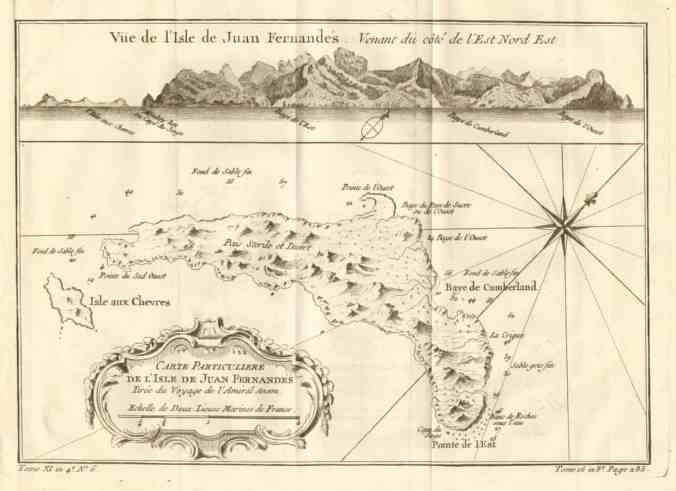
A 1758 map of Robinson Crusoe Island. Photograph: Antiqua Print Gallery/Alamy Stock Photo

A treasure like this, irresistible as gold may be, must remain a thing of the imagination wherever it is buried.

Chile under fire over treasure hunter’s plan to unearth legendary pirate hoard

Archaeologists and environmentalists condemn proposal to use heavy machinery to seek 18th-century trove

The quest for a fabled treasure trove containing jewels, gold and original Incan artifacts – and believed to have been buried on a South Pacific island by 18th century Spanish pirates – could be about to reach its dramatic conclusion.

But the decision to allow a Dutch American textiles magnate to use heavy machinery to dig on Chile’s sparsely populated Juan Fernández Islands has sparked an outraged response from archaeologists and environmentalists.

“The motive is profit, not archaeological interest,” said Alejandra Vidal, the representative of the Chilean College of Archaeologists on the National Monuments Council. “Given the equipment that will be used, there’s a very real risk of artifacts being lost or damaged in the process.”

5421

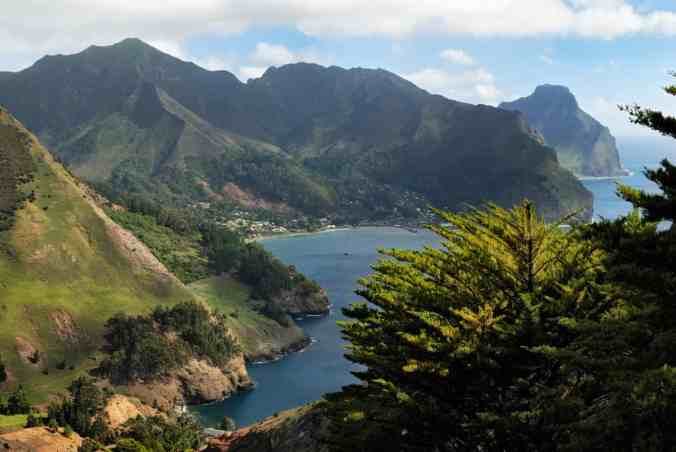
‘The motive is profit, not archaeological interest,’ says an archaeologist. Photograph: Svea Pietschmann/Alamy Stock Photo

Bernard Keiser, who has been searching for the hoard for more than two decades, has been granted permission to excavate a 400 sq metre plot near Puerto Inglés on Robinson Crusoe Island, one of the three main volcanic islets that make up the Juan Fernández Archipelago 600 miles off the Chilean coast. Continue reading

Organikos & Fair Trade

3720.jpg

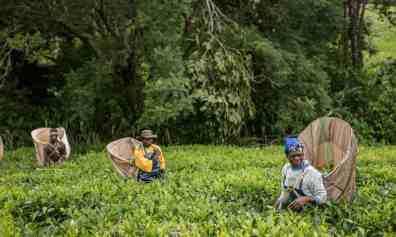
Fairtrade tea producers in Malawi. Photograph: Chris Terry/Fairtrade

We are weeks away from launching two shops that will carry a dozen varieties of Organikos coffee, a fair trade selection among them. Fair trade coffee has been selling well to the people who visit Costa Rica and want to support its sustainable development. We will also offer an organic coffee, which sales data show to be approximately twice as popular as fair trade among these same visitors. We are committed to these two forms of certification for reasons that should be clear from the eight years and thousands of posts on this platform.

But we also believe that all our coffee selections should be chosen by us using ethical criteria, and that the people buying these coffees care more and more about these criteria precisely because those certification programs have had an impact. The Guardian on occasion publishes an article like this one by Samanth Subramanian, who has an eye for important puzzles, that challenges our assumptions in very useful ways:

Is fair trade finished?

Fairtrade changed the way we shop. But major companies have started to abandon it and set up their own in-house imitations – threatening the very idea of fair trade.

4928 (2).jpg

UK supermarket with Fairtrade bananas. Photograph: Sean Spencer/Alamy

It wasn’t very long ago that a banana was just a banana – just a curved, yellow fruit. All you knew, if you bought a bunch in 1986, was that they cost around 97p per kilo. You weren’t told if they were organic or pesticide-free. You didn’t know if they came from Costa Rica or the Dominican Republic. And you certainly weren’t invited to worry about the farmers who grew them – or if their children went to school, or whether their villages had clinics. You just picked up your bananas and walked to the next aisle for your coffee or tea or chocolate, none the wiser about where they came from either, or about the people who farmed them.

2880

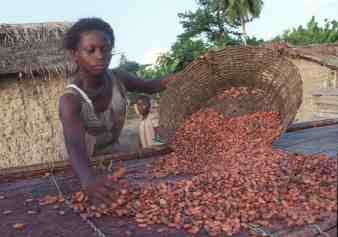
Fairtrade cocoa farmers in Ghana, Africa. Photograph: Karen Robinson/The Observer

Back then, the countries that grew these commodities and many others were still known as the Third World, and the habit of not caring about their farming conditions was a legacy of their colonial past. For centuries, trade propelled the colonial project, and exploitation was its very purpose. The farmers of Asia, Africa and South America were forced to raise the crops that the empire’s companies wanted, to work the crops in abject conditions, and to part with them at ruinously low prices. In the last century, the empires melted away but the trade remained lopsided – with the imbalance now rationalised by the market, which deemed it “efficient” to pay farmers as little as possible. In the 1970s, a Ghanaian cocoa farmer often received less than 10 cents out of every dollar his beans earned on the commodities market; as a proportion of the retail price of a chocolate bar, his take was smaller still. Child labour was common. The chocolate companies prospered and their customers shopped well; the farmers stayed poor.

4724

Human tea bags protest outside Sainsbury’s AGM. Photograph: Andy Aitchison / Oxfam

Then, in the late 1980s, you began to hear more about these farmers, encountering their stories on television or in newspapers or even on the labels of the packages you bought. The reasons were manifold. Environmental awareness was on the rise. The prices of some commodities were crashing, placing agricultural incomes in even more acute peril than usual. There had already been small groups pushing for more equitable trade: “little do-good shops scattered in cities around Europe, selling products … bought at fair prices directly from small producers abroad”, as one pioneer described it. By the early 1990s, these disparate initiatives began to coalesce into a larger international struggle to radically reform our relationship with what we bought. Trade had long been unfair by design, but now there was a growing movement to make consumers care about that unfairness, and even to help rectify it. Continue reading

Tim Wu’s New Book, The Curse Of Bigness

WuBig.jpg

In my occasional posts about Amazon over the past few years, it is becoming clear to me that I am concerned about the dangers that come from some of the foundational principles of business management, such as excellent customer service, and scale. I have not read his new book yet, but I listen to and read Tim Wu whenever I see an opportunity. His publisher has this to say:

So, I look forward to learning more about it. Today’s episode of The Daily has useful commentary on Amazon-related topics. Thanks to David Leonhardt for bringing Tim Wu’s new book to my attention:

The Monopolization of America

In one industry after another, big companies have become more dominant over the past 15 years, new data show.

The popular telling of the Boston Tea Party gets something wrong. The colonists were not responding to a tax increase. They were responding to the Tea Act of 1773, which granted a tea monopoly in the colonies to the well-connected East India Company. Merchants based in the Americas would be shut out of the market.

Many colonists, already upset about taxation without representation and other indignities, were enraged. In response, dozens of them stormed three ships in Boston Harbor on the night of Dec. 16, 1773, and tossed chests of East India tea — “that worst of plagues, the detested tea,” as one pamphlet put it — into the water.

A major spark for the American Revolution, then, was a protest against monopoly. Continue reading
Waterways, Persons & Rights

BakerRiver_Chile_Louis-Vest-Flickr_web.jpg

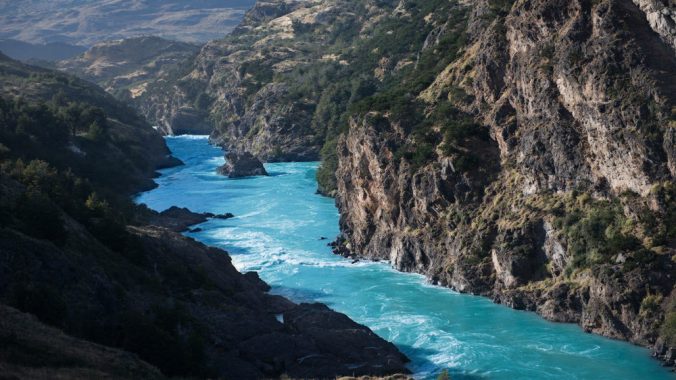
The free-flowing Baker River in Chile’s Patagonia region. Permits for a major hydroelectric project on the waterway were revoked in 2014 amid protests. LOUIS VEST/FLICKR

Dams in Patagonia are the gift that keep on giving, in terms of awakening activism and forcing raised awareness of the value of waterways. I first mentioned my experience in Chile here. I came back to the idea a few more times. Thanks to Jens Benohr and Patrick Lynch for this reminder, and for letting us all know where this seems headed from a legal point of view:

Should Rivers Have Rights? A Growing Movement Says It’s About Time

Inspired by indigenous views of nature, a movement to grant a form of legal “personhood” to rivers is gaining some ground — a key step, advocates say, in reversing centuries of damage inflicted upon the world’s waterways.

San-Pedro-Dam_Carlos-Lastra_web.jpg

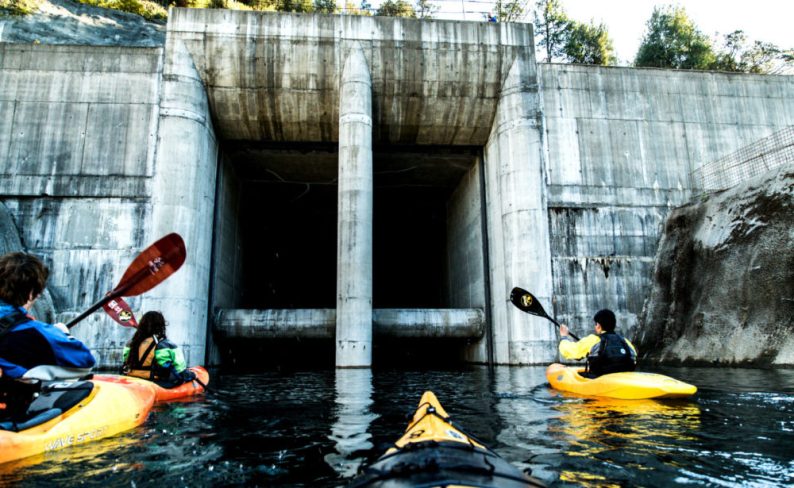
A Chilean energy company is seeking permits to restart the building of an unfinished dam along the San Pedro River. CARLOS LASTRA

Chile is a land of rivers. Along its narrow 3,000-mile length, thousands of rivers and wetlands bring freshwater and nutrients down from the Andes Mountains to the Pacific Ocean. Together, these river systems drain 101 major watersheds that support both terrestrial and marine ecosystems, ranging from arid lands in the north to blue whale nurseries off of Patagonia in the south.

Chile’s second-longest river, the 240-mile Biobío, once tumbled fast and wild through deep gorges and spectacular scenery on its way from the Andes to the sea. The Biobío was one of the world’s great whitewater rafting venues — until the 1990s, when the first of three large hydroelectric dams was built across the river. Over the past two decades, the Biobío dams have flooded more than 13,000 acres, displaced hundreds of families of the indigenous Mapuche people, turned long stretches of this once-unruly river into placid reservoirs, and caused abrupt fluctuations in water levels that have wrecked nesting habitat for native birds and disrupted the river’s natural rhythms. Continue reading

Compassion, Conservation & Charisma

PRINT-yalee360-luisa-rivera_web

ILLUSTRATION BY LUISA RIVERA/YALE E360

Charismatic megafauna are impossible to resist caring about. Charismatic microfauna, or flora, less so. Yet more than two decades of experience in Costa Rica have taught us to appreciate the latter more than we did before. That is a function of science leading the way in conservation efforts in this small country, followed by a new form of tourism that we have been working in since the mid-1990s. That new form leveraged the skills of biologists as guides who provide interpretive experiences in the rainforest and other ecosystems, making a walk in the woods that much more interesting. So this story below catches my attention. It focuses on another small pioneering country that I have long studied from afar, admired, but not yet visited. Thanks to Brandon Keim and his colleagues at Yale Environment 360, for this story that motivates me to make that visit:

Do Conservation Strategies Need to Be More Compassionate?

Some scientists and ethicists are criticizing traditional conservation strategies, which they say focus on saving valued species while discounting the lives of less charismatic animals. Will these advocates of “compassionate conservation” point the way to new approaches, or are they simply being naïve?

NZDOC_Volunteers_menz-shed-pf2050-thumb_web.jpg

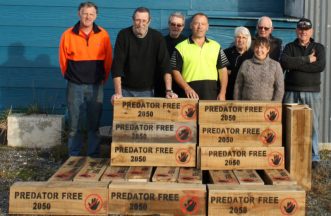
Volunteers for New Zealand’s Predator Free by 2050 campaign in front of predator traps, which are available for the public to borrow. NEW ZEALAND DEPARTMENT OF CONSERVATION

At a moment of best-selling animal intelligence books and headlines about songbird language and grieving elephants, it’s easy to forget that nonhuman minds were until recently considered — by most serious-minded scientists, anyway — to be quite simple.

Well into this millennium, animal consciousness was regularly dismissed as either nonexistent or profoundly dissimilar to our own. Animals were considered “conscious in the sense of being under stimulus control,” as the famed psychologist B.F. Skinner opined so neatly in 1974, expressing a conventional wisdom that dated to the zoological musings of Aristotle. The notion of animals as thinking, feeling beings was relegated to the edges of serious discourse.

DOC_1080-Protest-Signs_EliDukeFlickr_web.jpg

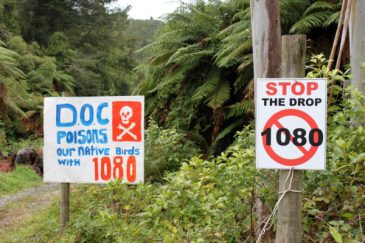
Signs opposing New Zealand’s use of landscape-scale poisoning campaigns to eradicate non-native predators, such as rats and weasels. ELI DUKE/FLICKR

Those days are past, buried by an avalanche of scientific findings and history-of-science critiques. More people than ever worry about the welfare of farmed animals; pets are practically citizens; and wild animals too are increasingly regarded as beings with whom people share fundamental aspects of inner life. Yet in some places, that mind-denying legacy survives — including, say a small but vocal number of scientists, ethicists, and animal welfare activists, in conservation. In their eyes, the discipline devoted to protecting Earth’s life has a certain blind spot to the animals themselves. Continue reading
With Gene-Altering Schemes, Be Careful What You Wish For

merlin_130180247_f155f48f-78b8-4667-8348-506d3ed9edeb-master768

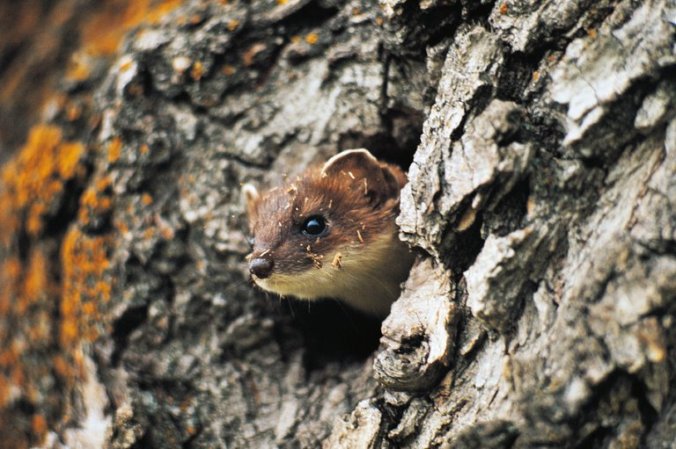
The short-tailed weasel, or stoat, decimated native bird populations after it was introduced to New Zealand. Altering the genes of invasive animals might save threatened species, scientists said, but could also have devastating consequences. Credit DeAgostini, via Getty Images

Two days ago we were intrigued by the notion; today, not so much. Is it a cat fight between two of the science writers most often linked to in these pages? Or perhaps it is an example of how scientific consensus is built:

‘Gene Drives’ Are Too Risky for Field Trials, Scientists Say

In 2013, scientists discovered a new way to precisely edit genes — technology called Crispr that raised all sorts of enticing possibilities. Scientists wondered if it might be used to fix hereditary diseases, for example, or to develop new crops.

One of the more intriguing ideas came from Kevin M. Esvelt and his colleagues at Harvard University: Crispr, they suggested, could be used to save endangered wildlife from extinction by implanting a fertility-reducing gene in invasive animals — a so-called gene drive. Continue reading
Coral Larvae To The Rescue, Thanks To Marine Biologists

00REEFS6b-superJumbo.jpg

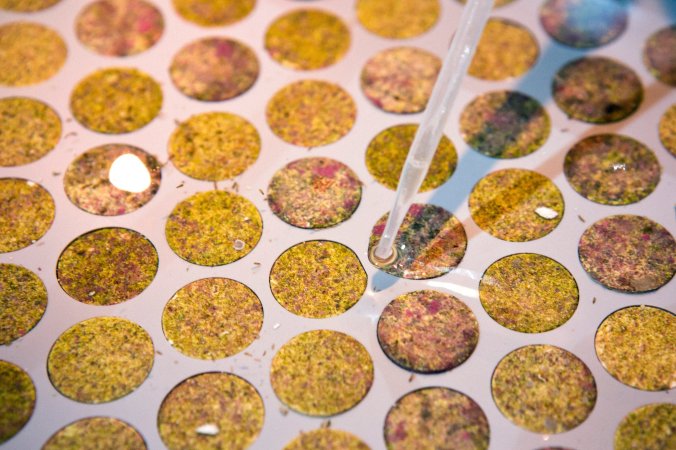
A researcher used a pipette to release coral larvae into trays to encourage settlement and growth. Credit David Maurice Smith for The New York Times

This feature story suggests that even as we stress nature on a global scale, there are creative scientists working on fixes for particular challenges:

Building a Better Coral Reef

As reefs die off, researchers want to breed the world’s hardiest corals in labs and return them to the sea to multiply. The effort raises scientific and ethical questions. Continue reading

A Food Writer & The Shock Of The New

13-apple.w512.h600.2x.jpg

Food has recently returned to the center of our attention, and in the outback of Belize we have had some lovely surprises. An unexpected essay, from one of the food world’s most prominent writers, gives another view altogether from the USA:

The New Foodieism

To care about food now is to care about the future of this country.

By Mark Bittman

Like many of us, I spent the winter muddling through a mental miasma, pondering the meaning of life and democracy. I did, of course, think about “food” — how it’s produced, marketed, discussed, consumed, and so on — during my self-imposed hiatus from near-constant writing, which began more than 18 months ago. Continue reading

To Bait Or Not To Bait, A Debate

owl-baiting-9_custom-eff377db1531b3a9380239392d03516bf9b06f7f-s1400-c85

A great gray looks up after plunging into the snow, while hunting north of Two Harbors, Minn. The great gray is one of the world’s largest species of owl. Derek Montgomery for MPR News

We have never had, nor can I picture us having this debate at Chan Chich Lodge or any other wildlife setting we are responsible for managing; nonetheless, since we all live in glass houses of one sort or another, it is worth a moment to read this and ponder (thanks to Dan Kraker and Minnesota Public Radio, USA):

Earlier this winter, photographer Michael Furtman was driving along the North Shore of Lake Superior in search of great gray owls. Several of the giant, elusive birds had flown down from Canada looking for food.

He pulled off on a dirt road where he had seen an owl the night before. One was there, perched in a spruce tree, but so was a pair of videographers filming them.

“I backed off, I was going to just let them have their time with the bird,” Furtman says. “And then I saw them run out and put a mouse on the snow.” Continue reading

Model Mad, NPS

4212

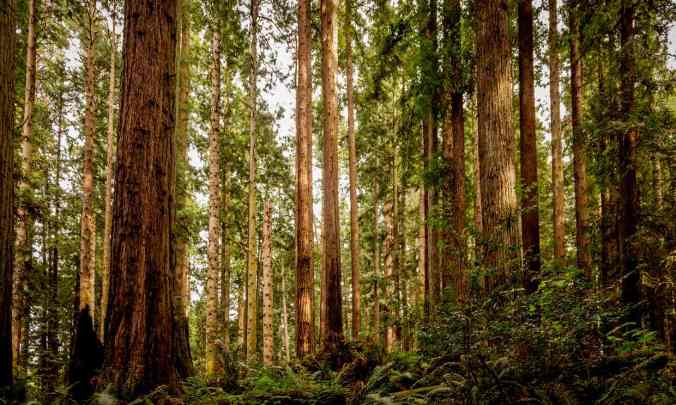
Redwood national park in California. Photograph: Jeffrey Schwartz/Alamy

We like what we see of the madly determined folks risking their professional careers in the interest of the environment and social justice:

National Park Service climate change Twitter campaign spreads to other parks

A day after three climate-related tweets sent out by Badlands National Park were deleted, other park accounts have sent out tweets that appear to defy Trump

The National Park Service employees’ Twitter campaign against Donald Trump spread to other parks on Wednesday, with tweets on climate change and a reminder that Japanese Americans were forcibly interned in camps and parks during the second world war.

A day after three climate-related tweets sent out by Badlands National Park were deleted, other park accounts have sent out tweets that appear to defy Trump. One, by Redwood national park in California, notes that redwood groves are nature’s number one carbon sink, which capture greenhouse gas emissions that contribute to global warming…

…Golden Gate national park in California said in a tweet that 2016 was the hottest year on record for the third year in a row. The tweet directed readers to a report by Nasa and the National Oceanic and Atmospheric Administration, also known as Noaa…

…The tweets went beyond climate change.

Death Valley national park tweeted photos of Japanese Americans interned there during the second world war, a message that some saw as objecting to Trump’s pledge to ban Muslims from entering the country and a proposal to restrict the flow of refugees to the United States…

Read the whole story here.

Mad, Yes

0115-bks-ivorytower-blog427-v3As we approach our 8,000th post on this platform we realize that for the nearly six years we have been posting there was plenty of hopeful, helpful news related to community, collaboration and conservation–the themes we committed ourselves to at  the outset.

Times seem different now, to state the obvious. And yes we are “mad” about what is happening around us. Madly determined. It will take discipline to remain focused and find the news that fits our purpose here. But we intend to.

The point has not been to ignore the bad news, of which there has been plenty in recent years, but to share a few notices each day that highlight better news. Or possible solutions. The spirit of our intent, which has been to support “the fight” as needed but remain civil to the end, is captured well in this book review:

How to Be Civil in an Uncivil World

By

Raduan Nassar, Back To The Land

9780811226561On January 31st, 2017 New Directions Publishing is bringing this masterpiece, published originally in Brazil in 1984, to an English-reading audience for the first time:

For André, a young man growing up on a farm in Brazil, life consists of “the earth, the wheat, the bread, our table, and our family.” He loves the land, fears his austere, pious father, who preaches from the head of the table as if from a pulpit, and loathes himself as he begins to harbor shameful feelings for his sister Ana. Lyrical and sensual, written with biblical intensity, this classic Brazilian coming-of-age novel follows André’s tormented path. He falls into the comforting embrace of liquor as—in his psychological and sexual awakening—he must choose between body and soul, obligation and freedom.

I was completing a degree in literature the year this was first published, but Portuguese was not an option for my reading, nor was Brazil really on my map at that time. As a result, or for whatever other reasons, I never heard of this book before.

Work assignments took me to Brazil several times in the intervening decades, and Latin America has been home base for most of the last two decades. I know I must read this, and soon, so it has just moved to the top of my next-book list. But for a very different reason the author has my attention, thanks to this:

WHY BRAZIL’S GREATEST WRITER STOPPED WRITING

In 1984, at the height of his literary fame, Raduan Nassar announced his retirement, to become a farmer. Continue reading

Altruism Is So 2011, And Even More So 2017

110905_r21085_g2048-670

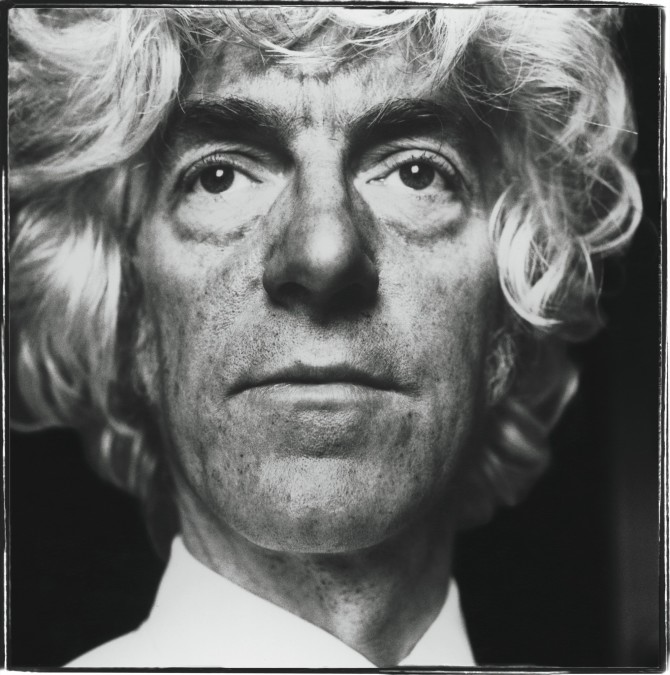
Derek Parfit has few memories of his past and almost never thinks about it, a fact that he attributes to an inability to form mental images. Photograph by Steve Pyke / GETTY

Even though we had started a series of posts on the topic of altruism in 2011, our first year creating this platform, it was just after this article was published that we started paying close attention to the topic, and we had forgotten about it until just now.

Derek Parfit communicates convincingly about a logic for the common good being more important than that of the individual, and even put his own life and mortality into perfect context of the logic he was developing. So, though we resist posting obituaries of even our greatest heroes, his passing this week makes us think this profile is worthy of re-reading and sharing.

Even though our early attention to altruism led to hundreds of posts since 2011 for which altruism is at the core, this remembrance may stimulate even closer attention to altruism, a topic more worthy of attention than ever:

HOW TO BE GOOD

An Oxford philosopher thinks he can distill all morality into a formula. Is he right? Continue reading